

Persistent Petitioners | Illustration by Jason Rainville
Mill strategies aren’t new to Commander, but they’re far from common. Today, we look at a special kind of card that lets you mill huge chunks of your opponents’ libraries just by tapping creatures. The best part is that they don’t care about summoning sickness at all.
Sound interesting? Have you ever heard of Persistent Petitioners? Let’s dive in!
What Are Persistent Petitioner Commanders in MTG?

Bruvac the Grandiloquent | Illustration by Ekaterina Burmak
Persistent Petitioners commanders support or enhance a mill strategy built around Persistent Petitioners. Since Petitioners can tap in groups of four to mill 12 cards, these commanders focus on helping you to find more copies, to protect them, or to make milling faster and more consistent. The goal is simple: Keep your advisors on the battlefield and drain opponents’ libraries as efficiently as possible.
#25. The Ancient One
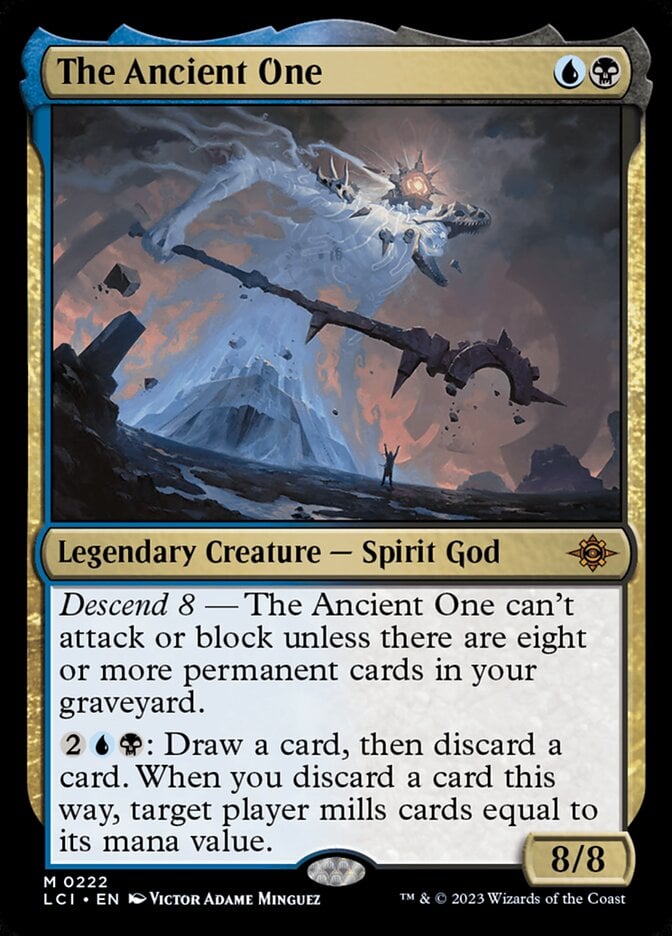
The Ancient One can incidentally add a bit of extra mill through its activated ability, though its main appeal is simply becoming a massive threat once it’s online. It works as a secondary Dimir commander () that can apply pressure when needed, but it’s clearly not the most efficient or focused option for the strategy.
#24. Orvar, the All-Form
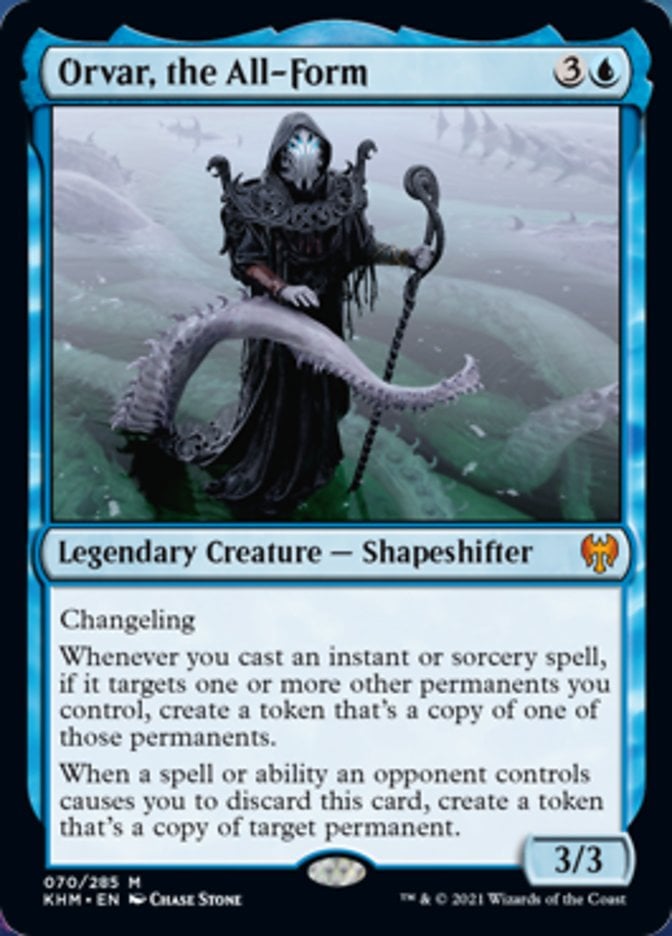
Orvar, the All-Form turns targeted spells like Dream's Grip into permanent copies, letting you duplicate your Petitioners with just a few cheap spells. Things can spiral out of control fast, and it also adds a combo-heavy angle to the deck in a very smooth way.
#23. Omo, Queen of Vesuva

Omo, Queen of Vesuva doesn’t directly mill, but it quietly fixes one of the biggest problems Petitioners decks can have: consistency.
When Omo enters or attacks, it puts an everything counter on a creature and a land. That means the creature becomes every creature type, including advisor. This is huge, because it lets non-Petitioner creatures count toward activating your Petitioners’ “tap four advisors” ability. Suddenly, support or utility creatures can help to fuel your mill engine.
#22. Arcum Dagsson
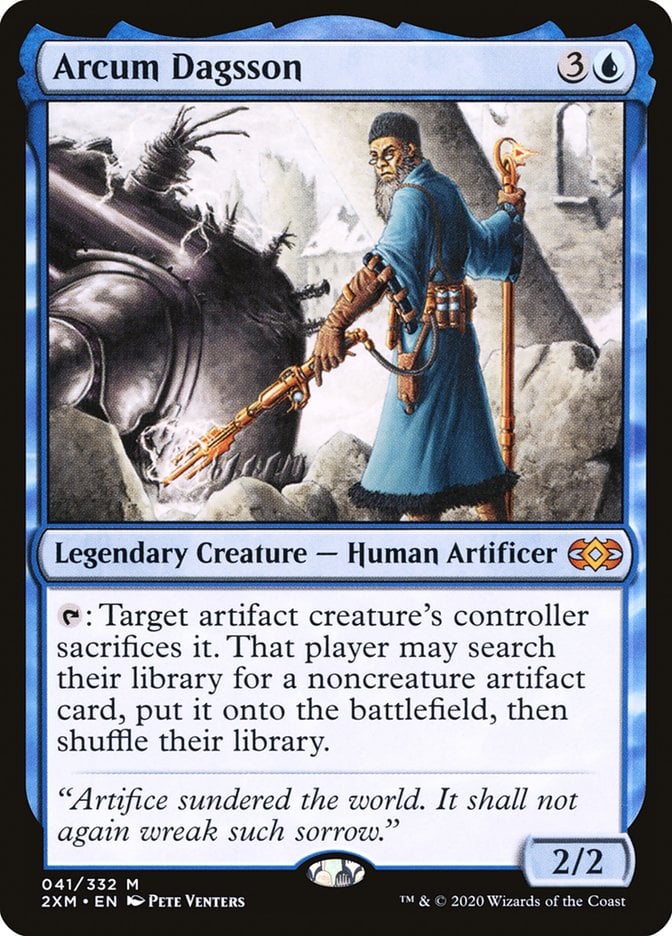
The usual plan with Arcum Dagsson is to sacrifice something cheap like Ornithopter or Memnite to fetch Thrumming Stone, then start to chain Petitioners from there. The tricky part is deckbuilding, since you have to carefully balance the number of Petitioners you run against the non-Petitioner pieces needed to make the engine work. Still, once it gets going, it’s very hard to stop.
#21. Sidisi, Brood Tyrant
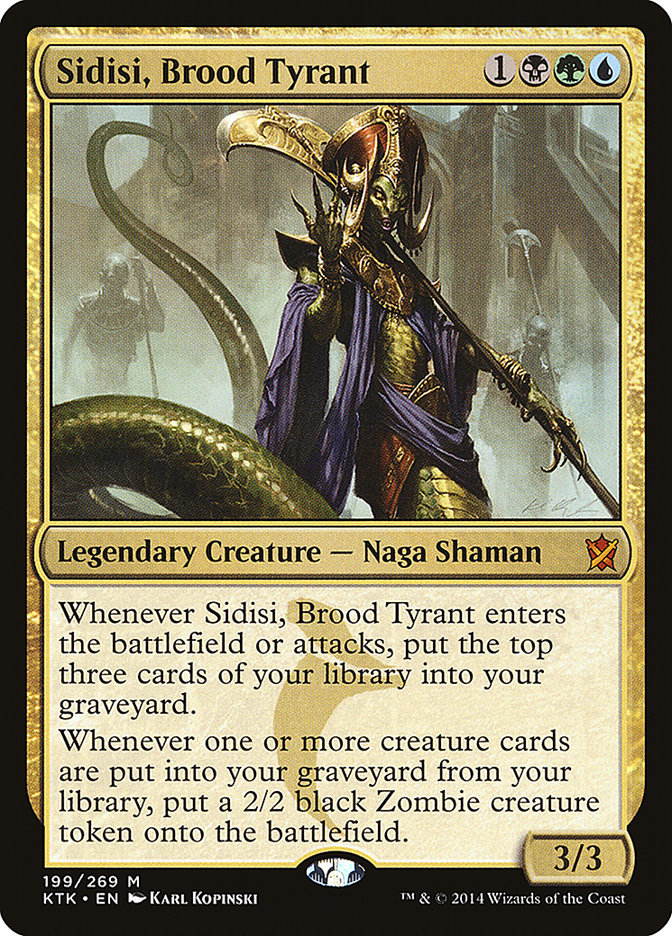
Self-mill can be exploited with Petitioners, for example with Sidisi, Brood Tyrant. Every grind trigger creates zombies, giving you blockers or creatures to pressure the board.
#20. Yorion, Sky Nomad
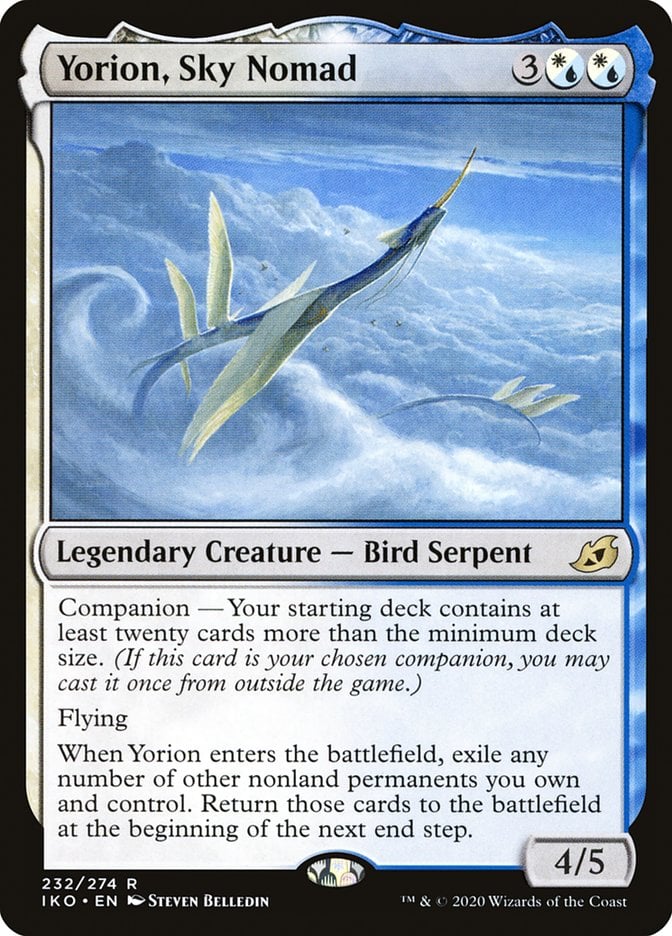
Running Yorion, Sky Nomad in your deck or as your commander lets you blink your Petitioners to reset them and get another round of activations when they come back. It’s a slower, more value-focused plan, but over time it lets you out-grind opponents by squeezing extra mileage every time it’s cast.
#19. The Master, Transcendent
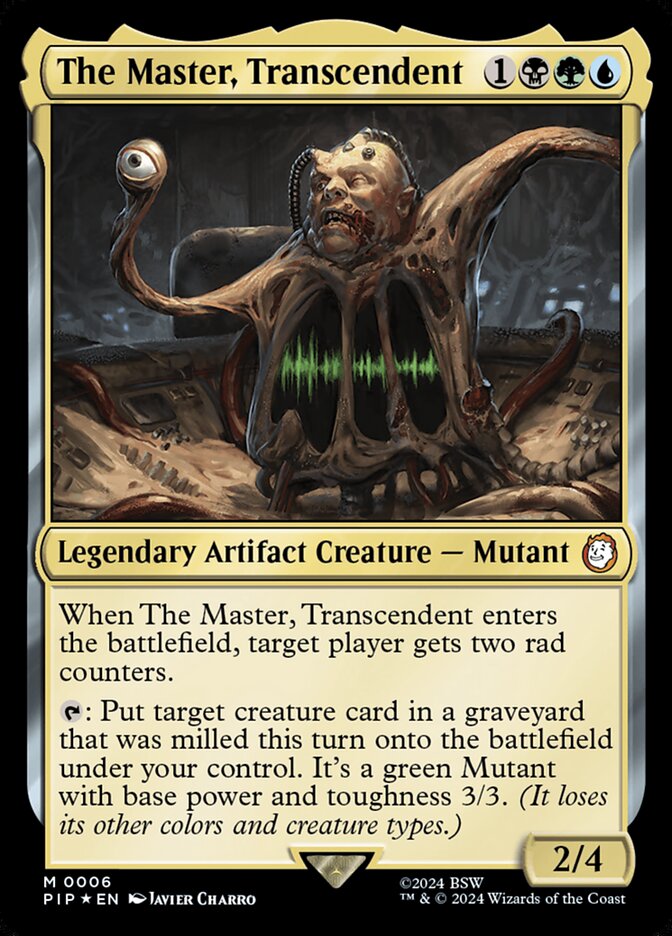
The Master, Transcendent turns all the milled creatures into actual board presence, which is something Petitioners normally can’t do on their own. With a single tap, you can start to bring them or other milled threats back from the graveyard, which lets you rebuild fast and enable more incidental milling turn after turn.
#18. Captain N'ghathrod
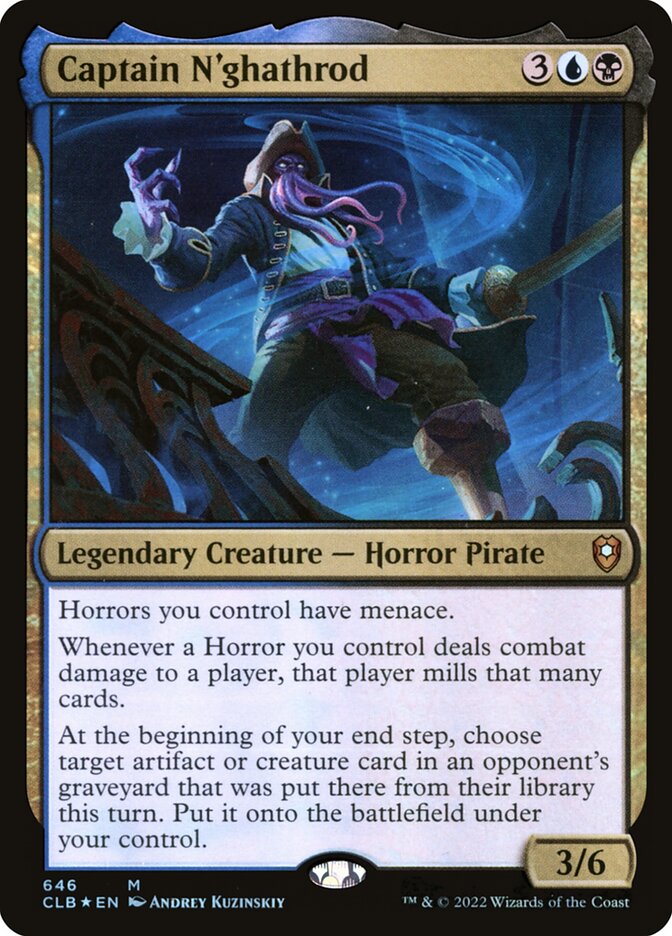
Mill, theft, and pressure all come together with Captain N'ghathrod. Every attack fuels milling, and every end step turns milled cards into stolen threats.
#17. Zinnia, Valley's Voice

Zinnia, Valley's Voice works surprisingly well with Petitioners thanks to its token synergy. Giving them offspring allows you to duplicate your creatures, which helps hit your numbers faster.
#16. Unctus, Grand Metatect
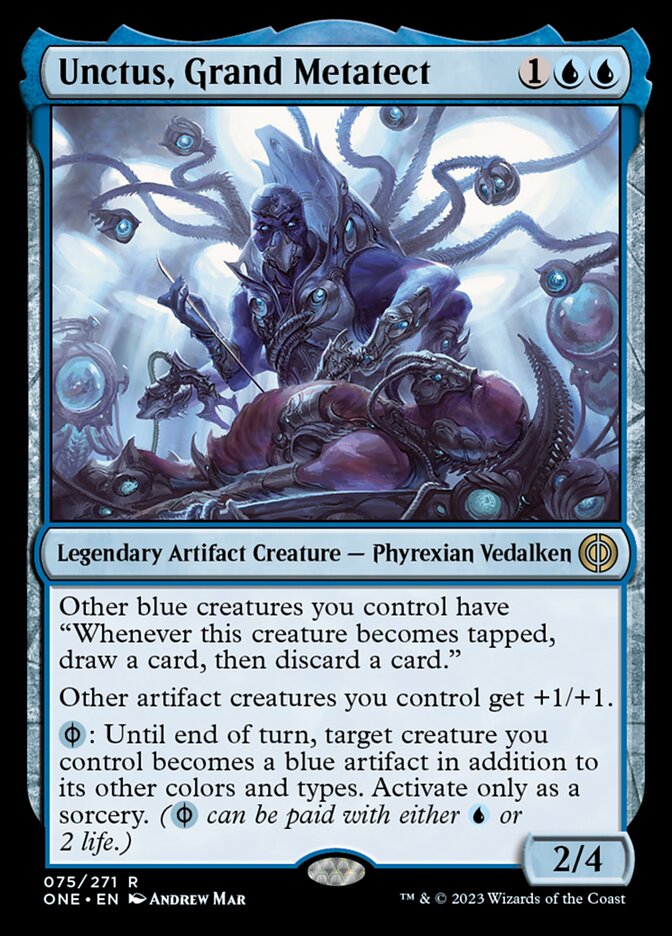
Unctus, Grand Metatect rewards you for doing what Petitioners already want to do: tapping creatures. Turning those taps into looting gives the deck extra velocity, which helps you to dig for protection or combo pieces and also quietly sets up a back door win condition. All that looting can eventually line up a Laboratory Maniac finish if the game goes long.
#15. Mishra, Artificer Prodigy
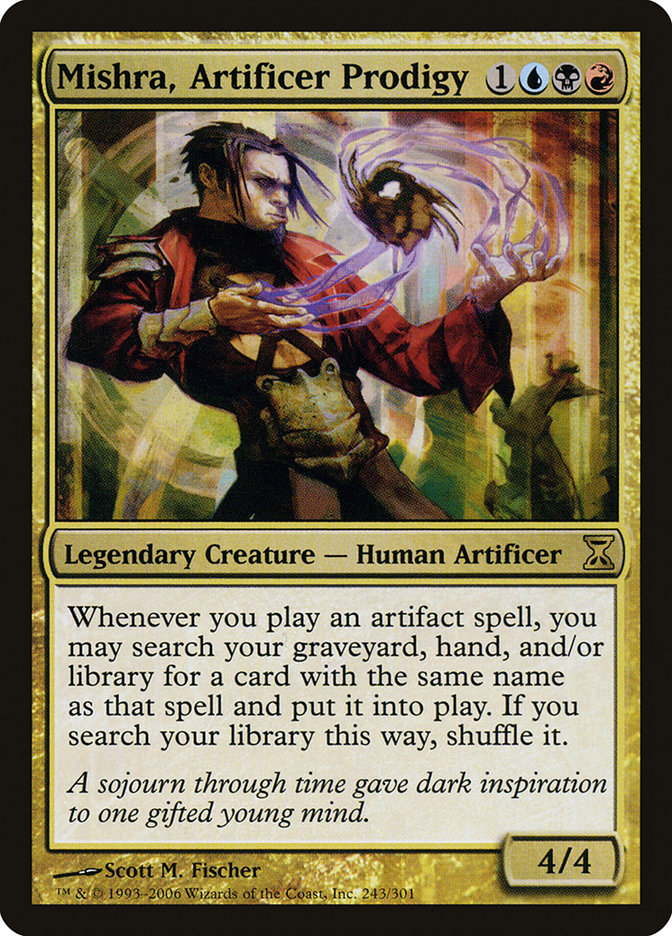
Mishra, Artificer Prodigy enables a more niche, artifact-heavy take on Petitioners, but it can get pretty wild with the right setup. The real trick is to pair it with cards like Encroaching Mycosynth or Biotransference, which turn your creatures into artifacts and unlock a ton of synergy. From there, artifact tutors like Fabricate help you to find your key pieces, and effects like Unwinding Clock let you keep everything active every turn cycle. It’s not the most straightforward build, but it’s unfair when it clicks.
#14. Damia, Sage of Stone
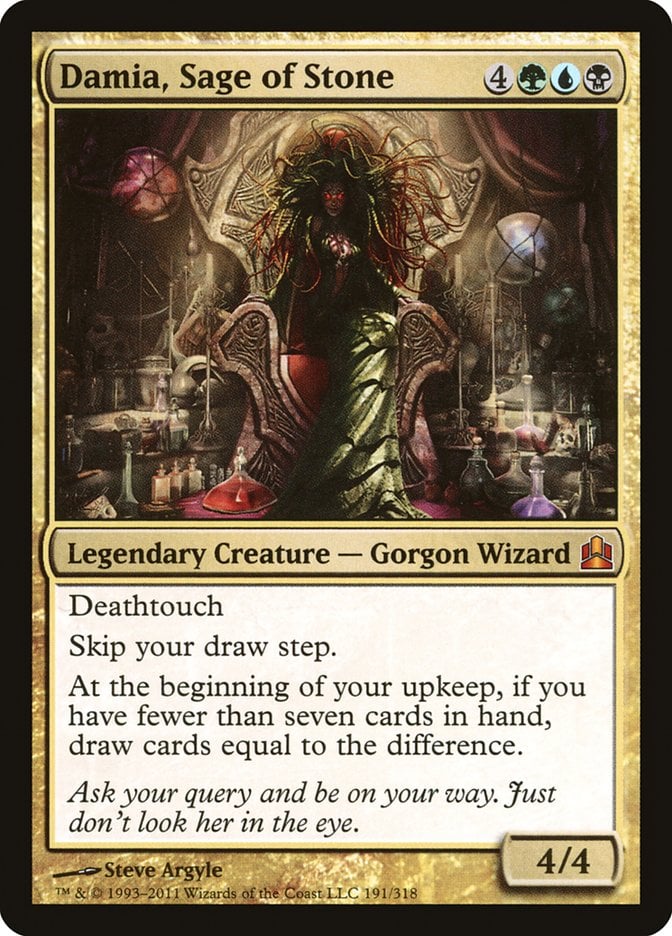
Value is everything in long games, and Damia, Sage of Stone makes sure you never run out of gas. The real appeal is how well it pairs with cards like Bloodbond March. By milling yourself, you can repeatedly bring Petitioners back from the graveyard as you cast more copies, letting you rebuild instantly and overwhelm the table.
#13. Zur the Enchanter

Zur the Enchanter brings consistency to a Persistent Petitioners deck by tutoring key enchantments directly onto the battlefield. While it doesn’t mill on its own, it sets up the entire game plan by fetching pieces like Memory Erosion, which quietly chips away at libraries every time opponents cast spells, or Fraying Sanity, which doubles down on all your milling and quickly turns each trigger into a lethal clock.
#12. The Wise Mothman
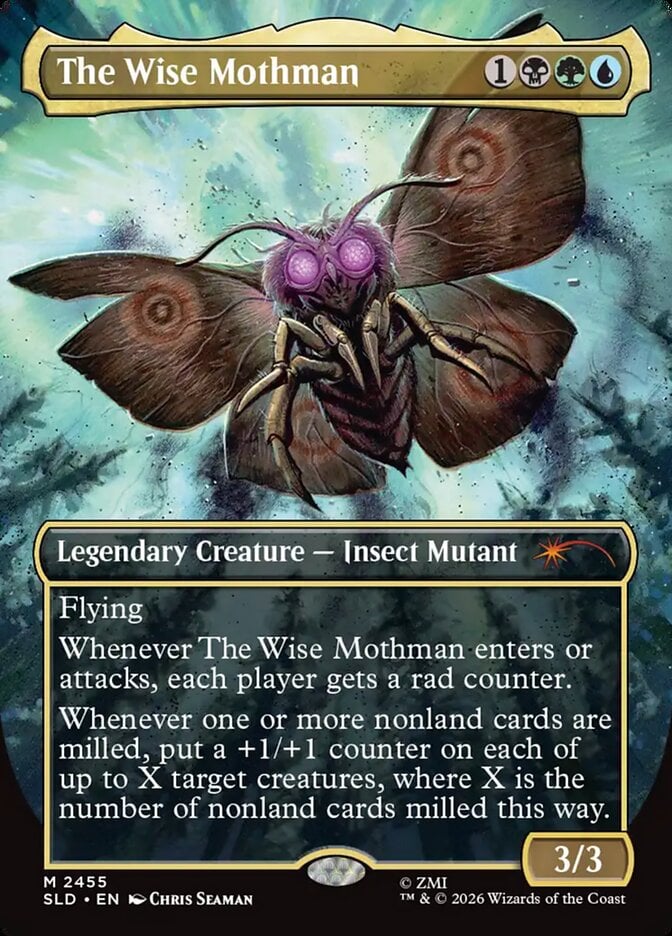
The Wise Mothman gives milling another real payoff by turning every card that hits the graveyard into +1/+1 counters. As cards are milled, counters stack up quickly to grow creatures into real threats. Over time, the rad counters compile direct damage, which is even scarier when your commander gets big enough to threaten lethal swings or even commander damage to close the game out.
#11. Muldrotha, the Gravetide
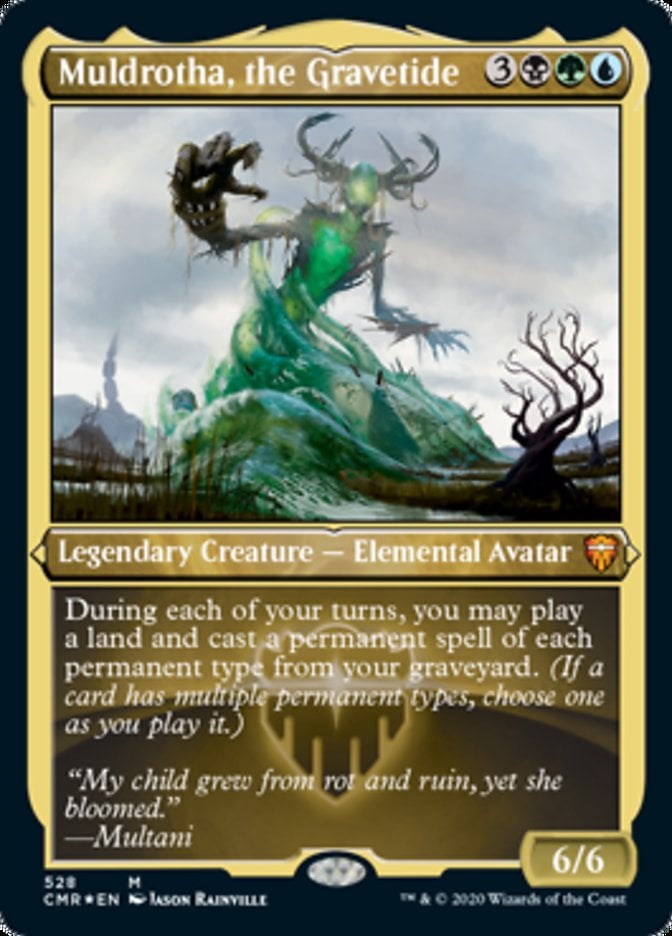
Long games favor Muldrotha, the Gravetide, and Petitioners decks often go long. The ability to replay permanents from the graveyard ensures you never run out of gas, and self-milling opens up doors for more cards to play per turn.
#10. The Mindskinner

The Mindskinner turns damage into mill, which fits neatly into the overall game plan. At just 3 mana, it comes down early and starts to pressure opponents right away with unblockable damage. Each hit mills a huge chunk of cards, and while it doesn’t offer much beyond that, 10 cards per swing adds up fast and can close games quicker than people expect.
#9. Chulane, Teller of Tales
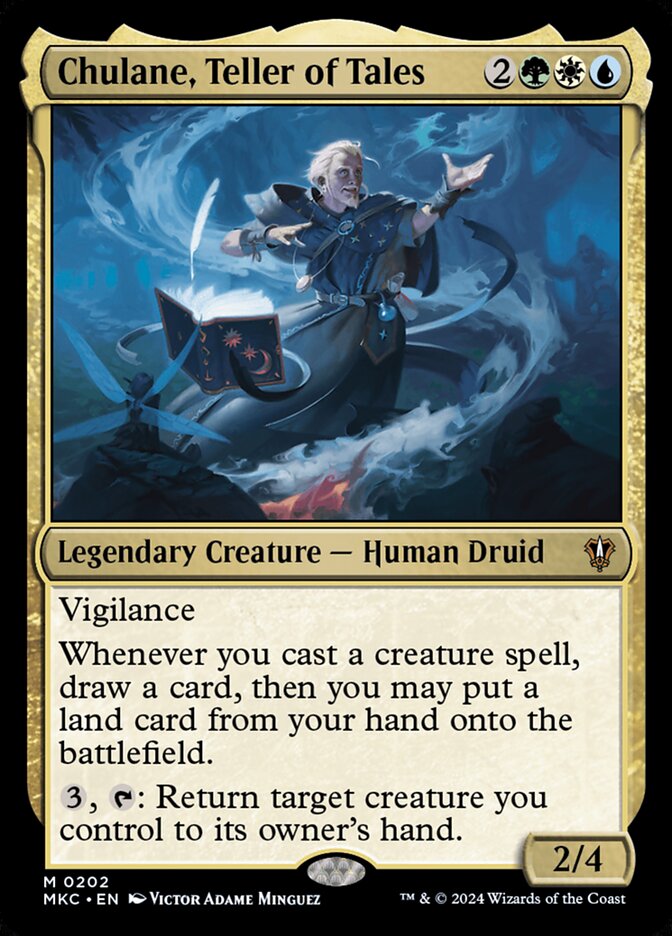
Chulane, Teller of Tales is all about value, and that’s exactly what Petitioners want. Drawing cards and putting extra lands into play while casting cheap creatures keeps your hand full. Even though it doesn’t mill on its own, Chulane fuels the engine that lets you activate Petitioners over and over. On top of that, the color combination gives you access to protection like Teferi's Protection to keep your board safe, or Seedborn Muse to double up on activations during every opponent’s turn.
#8. Phenax, God of Deception
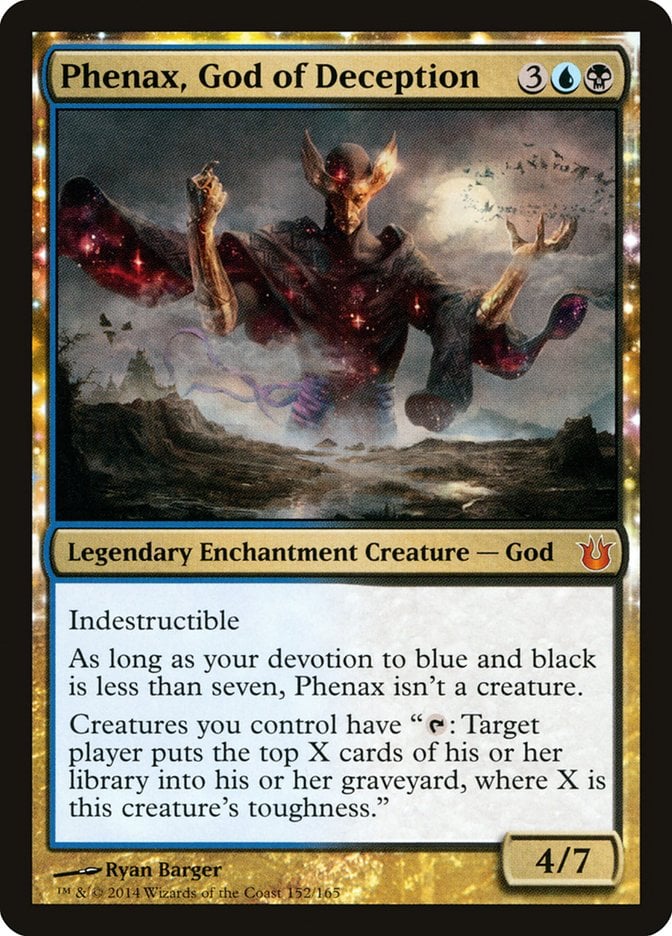
Few cards pair as cleanly with Phenax, God of Deception. Turning toughness into mill means every creature suddenly becomes a real threat, and with high-toughness bodies in play, the number of cards you shred adds up fast.
#7. The Archimandrite
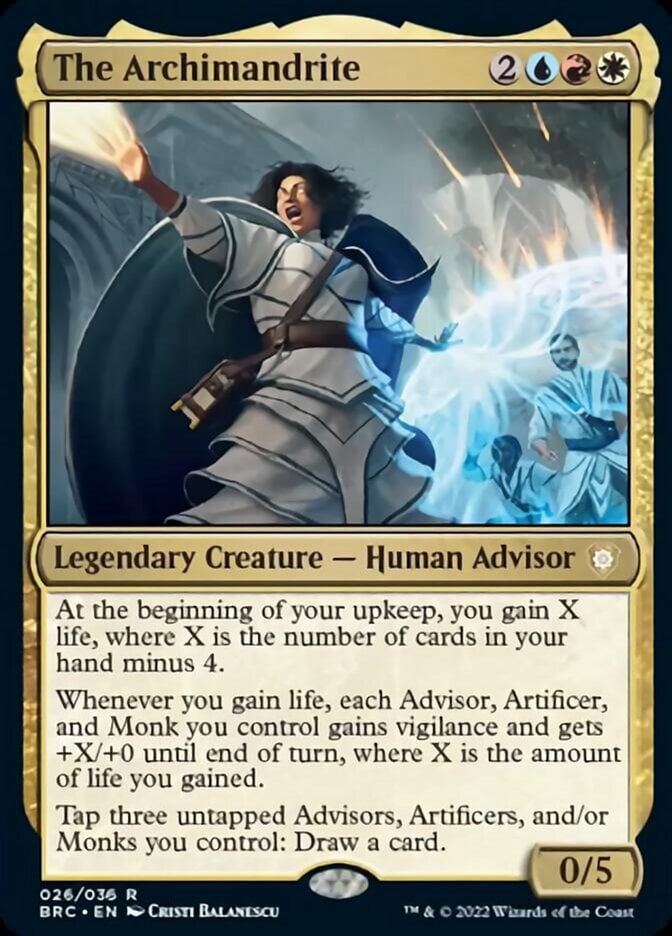
While The Archimandrite adds a surprisingly aggressive angle to Petitioners, its biggest strength is actually the card draw. Gaining life and turning advisors into real attackers gives the deck a solid backup plan, but the ability to tap your creatures for cards is what really matters. It lets you pivot between milling and card advantage depending on what you need, with the aggro plan serving as a flexible bonus rather than the main focus.
#6. Sokrates, Athenian Teacher

Sokrates, Athenian Teacher helps to slow the game down while quietly generating value. Its tap ability can shut down the biggest attacker coming your way, buying you time to set up your mill plan. Giving opponents cards might seem like a downside, but it actually works in your favor once their libraries start to shrink, while it turns each activation into a soft fog that makes players think twice before they attack you.
#5. Grolnok, the Omnivore
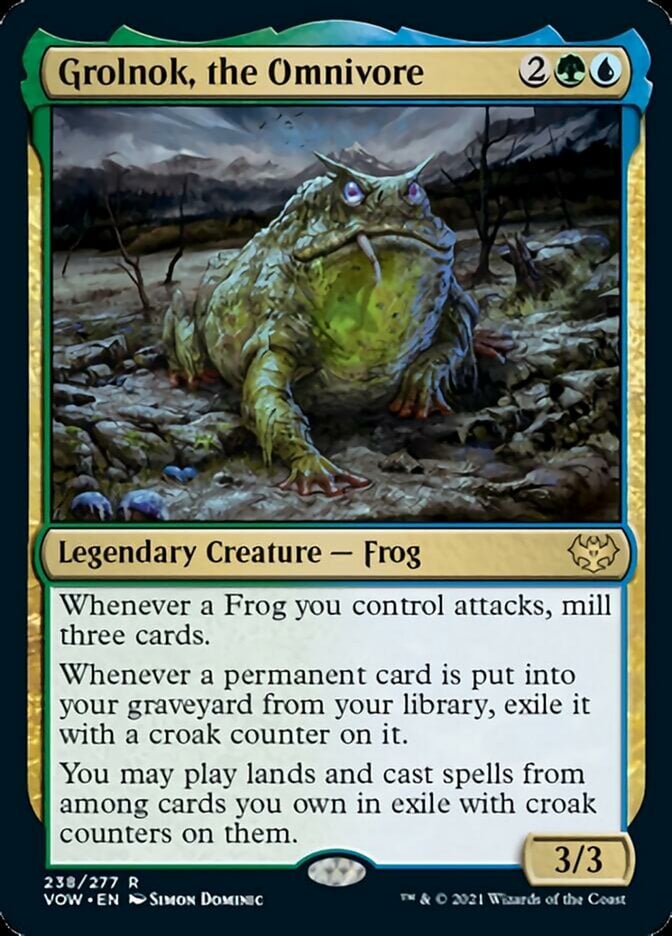
With Grolnok, the Omnivore, the game plan shifts a bit. Instead of trying to mill your opponents out, you’re mostly milling yourself for value. Your graveyard basically becomes a second hand, letting you keep playing through your deck, and from there, it’s easy to pivot into win conditions like Laboratory Maniac or Jace, Wielder of Mysteries.
#4. Katilda and Lier
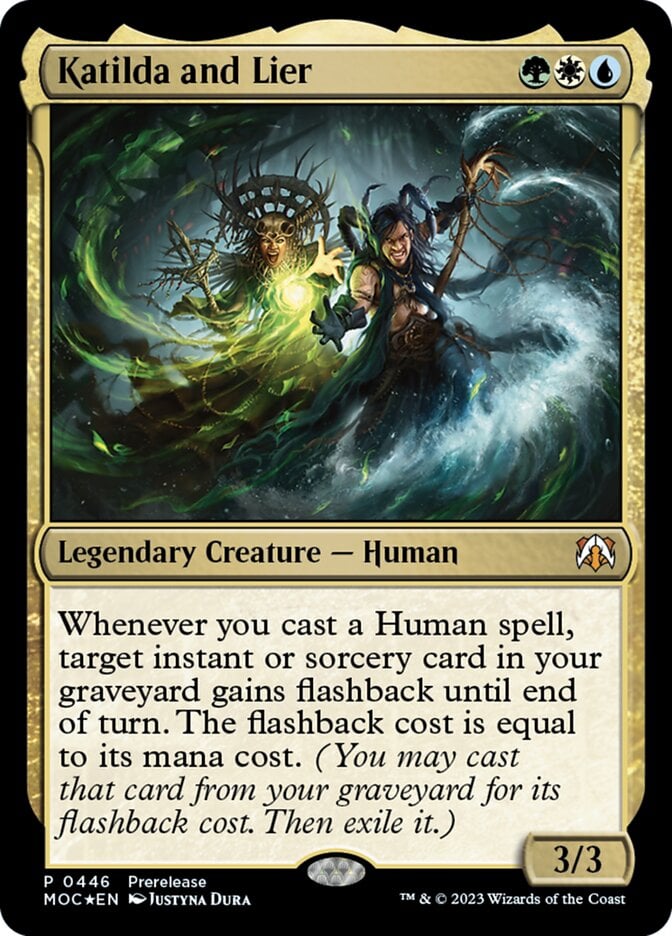
Katilda and Lier adds a spell-focused layer to the strategy by turning each human you cast into extra value. While it doesn’t mill on its own, it helps to sustain a grindy game plan by recycling interaction and keeping your board stable as Petitioners slowly work through libraries and generate more value with each trigger.
#3. Grand Arbiter Augustin IV
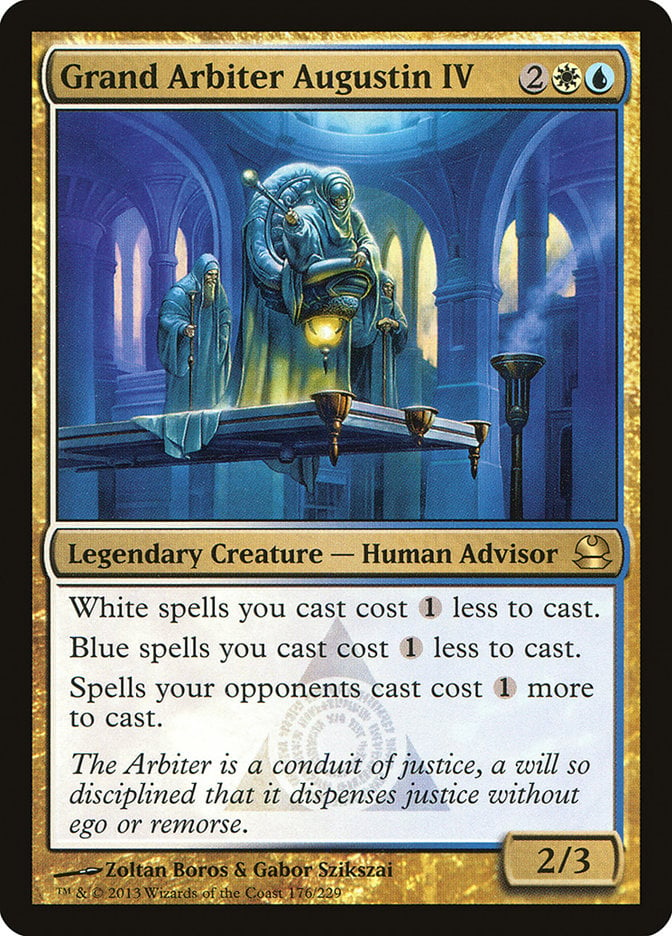
Taxing opponents is exactly what a slow mill strategy wants, and Grand Arbiter Augustin IV does that perfectly. Making your spells cheaper while taxing everyone else gives Petitioners the breathing room they need to tap safely. On top of that, it effectively turns your mill creatures into 1-mana plays, letting you flood the board while opponents struggle to interact as their libraries quietly disappear.
#2. Lo and Li, Royal Advisors

The Jumpstart version of this duo puts an aggressive spin on the typical Petitioners deck. Instead of trying to mill through three opponents' libraries, you instead focus down one opponent, grow your Petitioners in the meantime, then resort to full-on beatdown to take out the other two players. Lo and Li, Royal Advisors even comes with their own built-in mill ability to get things rolling.
#1. Bruvac the Grandiloquent
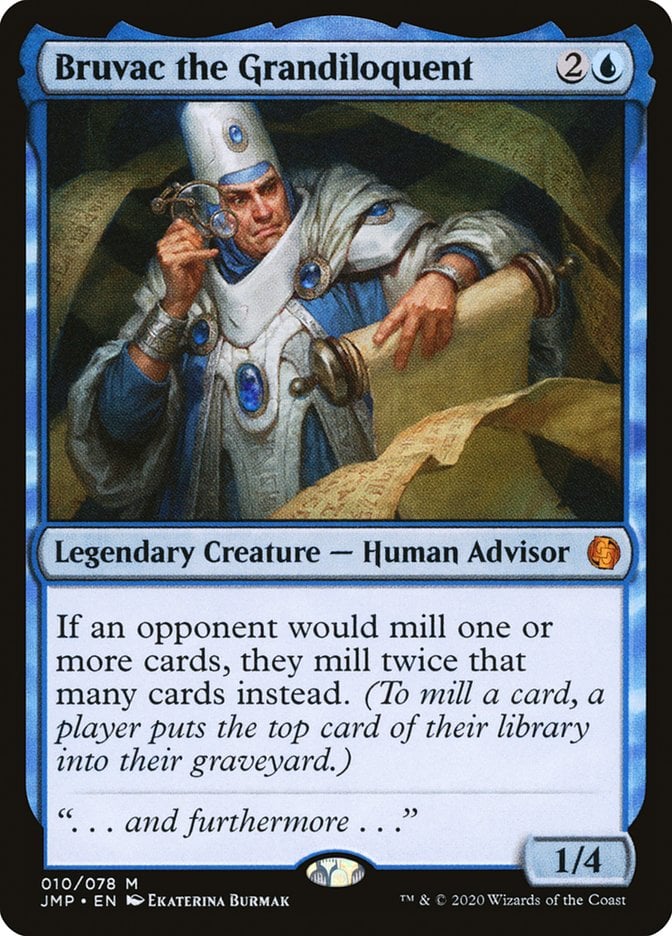
If there's a face of Petitioners decks, it's Bruvac the Grandiloquent. This card doubles every mill effect, and with enough mana, it can even end the game right then and there with the likes of Maddening Cacophony or Terisian Mindbreaker.
Persistent Petitioners in Pauper

Masked Vandal | Illustration by Jason A. Engle
Creature (33)
Persistent Petitioners x10
Glistener Seer x4
Mothdust Changeling x4
Bellowing Crier x2
Spellstutter Sprite
Pond Prophet x4
Masked Vandal x4
Generous Ent x4
Sorcery (4)
Winding Way x4
Instant (5)
Land (18)
Forest x2
Island x10
Simic Growth Chamber x4
Skyline Cascade
Tangled Islet
Sideboard (15)
Jace's Phantasm
Healer of the Glade x2
Scattershot Archer x2
Blue Elemental Blast x3
Dispel x2
Spell Pierce
Moment's Peace
Tangle x2
Relic of Progenitus
Normally, I’d use a Commander decklist to showcase this kind of strategy, but running 30 copies of Persistent Petitioners doesn’t leave much room to experiment. Instead, I want to highlight a niche but surprisingly strong option in my favorite format: Pauper.
The idea here is that you don’t actually need as many Petitioners as you might think, you only run 10 copies in this build. The trick is to fill in the gaps with shapeshifters like Masked Vandal, which count as advisors, along with newer additions like Pond Prophet for card draw. You also lean on cheap advisors and changelings like Glistener Seer and Mothdust Changeling to help hit your activation count without flooding the deck with Petitioners.
To keep the engine running, the deck uses cards like Winding Way to refill your hand and Gnaw to the Bone to stay alive against faster aggro decks. Once everything comes together, the deck can mill surprisingly fast for a Pauper list. The first notable result showed up around October, 2025 when RaoniOchoa piloted the deck to a 5–0 finish in an MTGO league. Since then, it’s continued to put up solid results across both online and paper events, proving the strategy has real legs.
How Many Persistent Petitioners Should You Play?
The real answer depends on whether you’re running Thrumming Stone or not. If you are, which most Petitioners' decks should be, the numbers change a lot. Cards like Relentless Rats or Petitioners ignore normal deckbuilding rules, so having a high density of them is actually a good thing. In that case, around 30 copies tends to be the sweet spot, with 25 being the minimum you want to feel consistent.
You can go higher than 30, but at that point you start to cut into interaction and utility, which can hurt you in longer games. More Petitioners means better ripple odds, but fewer answers when things go wrong.
Without Thrumming Stone, the number drops a bit, but with it in play, loading up on Petitioners is exactly what you want.
Commanding Conclusion

The Ancient One | Illustration by Victor Adame Minguez
Petitioner-style decks in Commander are fairly common, but they can feel a bit repetitive since around 20 to 30 slots are usually locked in to keep the strategy consistent. That said, things get more interesting once you move beyond just the card names and start to use advisors and changelings to fuel your count. This opens up a lot more creative deckbuilding space and makes the playstyle feel far less repetitive than something like simply casting a pile of rats.
One big advantage Petitioners have is access to strong protection. Countermagic, whether it’s a simple Counterspell or something like Force of Will, plays a huge role in keeping your board alive. Protecting your creatures is often the difference between winning and having your whole setup wiped away.
What do you think? Which of these commanders stands out to you the most? Are Petitioners your favorite way to play mill? Let us know in the comments or on the Draftsim Discord. Thanks for reading, and if you enjoyed the article, be sure to follow us on social media so you don’t miss future content.
Take care, and see you next time!
Follow Draftsim for awesome articles and set updates:










Add Comment