
Last updated on May 30, 2026

Nine Lives | Illustration by Paul Scott Canavan
People usually play MTG to win, to have a fun time, or at least try to win until the last possible opportunity. But what about cards that straight make you lose the game? Theoretically, you shouldn’t put those cards in your deck, but sometimes the advantage they provide is far too great to ignore. And maybe, just maybe, your opponents lose before you do.
MTG has many ways to “donate” or make your opponents take control of your cards, and sometimes, your whole deck revolves around your opening to give them a lose condition. Let’s take a look at all the ways you can “lose a game” and the avenues they provide to turn this in your favor.
What Are You Lose the Game Cards in MTG?

Glorious End | Illustration by Raymond Swanland
These are cards that say “you lose the game” in their text box, usually as a downside. These cards grant you access to a very powerful effect, but if you’re not careful, you can lose on the next turn, or in a few turns. These cards are often red and black.
Red is reckless and doesn’t care about the future, only about the present. Meanwhile, black embraces power at any cost, and it’s known to make demonic pacts, or lose a lot of life to get a strong advantage. We rank the cards based on their power level, if they actually see any play, and how hard it is to lose after casting them. For the purpose of this list, we do not including cards that say you lose the game to prevent rules exploit and loops, like Enduring Angel. This list’s cards should make you outright lose the game or give you an alternate way to lose.
#25. Form of the Squirrel
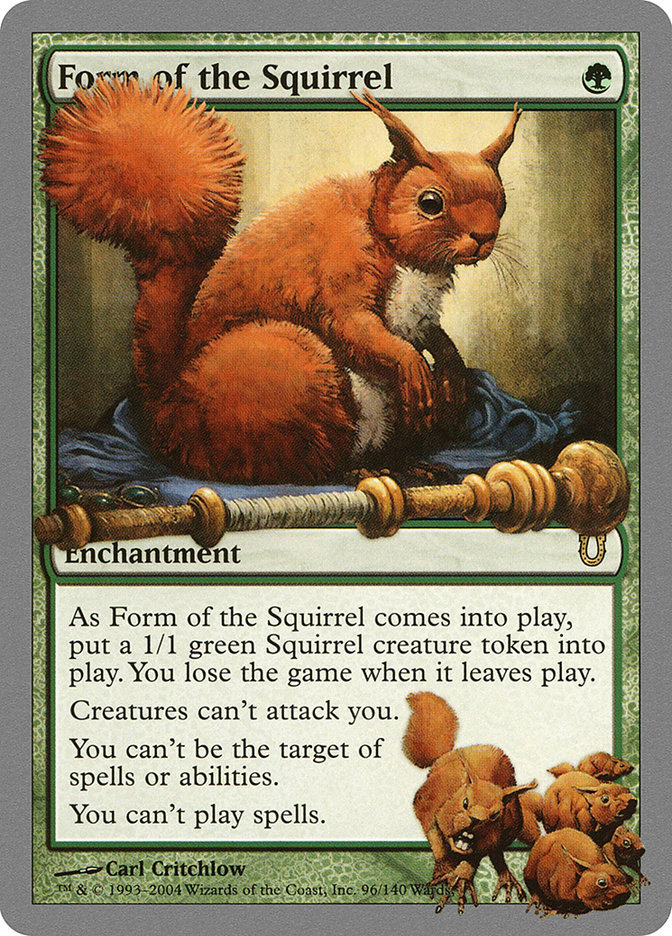
Starting things off with an Un-set card, after casting Form of the Squirrel you become a 1/1 creature without any protection. If the creature gets killed, you lose. On the bright side, if they don’t have removal or sweepers, you probably win. Suffice to say, the risk is too great.
#24. Amulet of Quoz
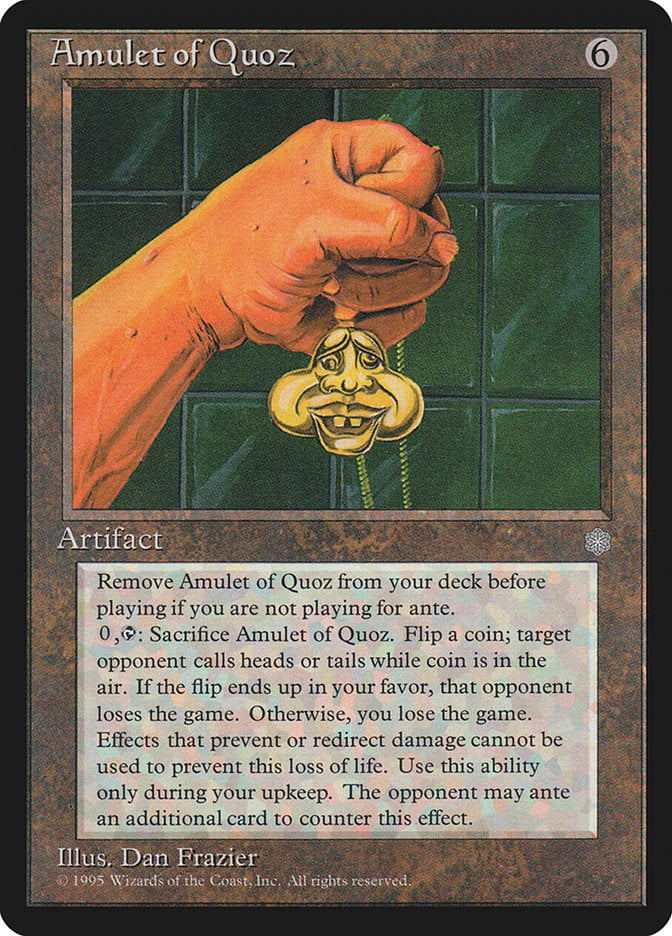
For those newer to the game, there was a way to play MTG in the 90’s including ante (players would bet a card from their deck before the game starts, and whoever wins get all the ante cards). Essentially, you cast Amulet of Quoz, sacrifice it after a whole turn, and bet the outcome of the match in a coin flip. If you lose the flip, you lose the game. The card is super bad because if you win, your opponent can ante another card to prevent that, while you can’t prevent it.
#23. The Deck of Many Things
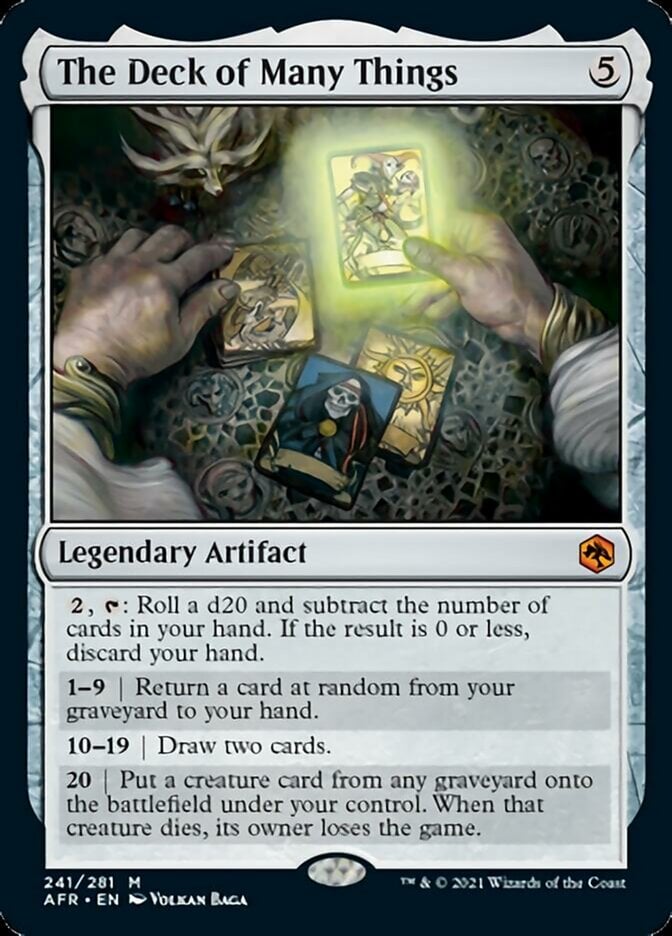
The Deck of Many Things is more of a value card than a win-lose condition. It can kill your opponents straight away if you get a nat20 on the dice roll, have no cards in hand, steal one of their creatures, and kill it. I’m including it on the list because you can kill yourself with this card, in the small chance you’re the only player with creatures in the graveyard, and they manage to kill your reanimated creature.
#22. Lich
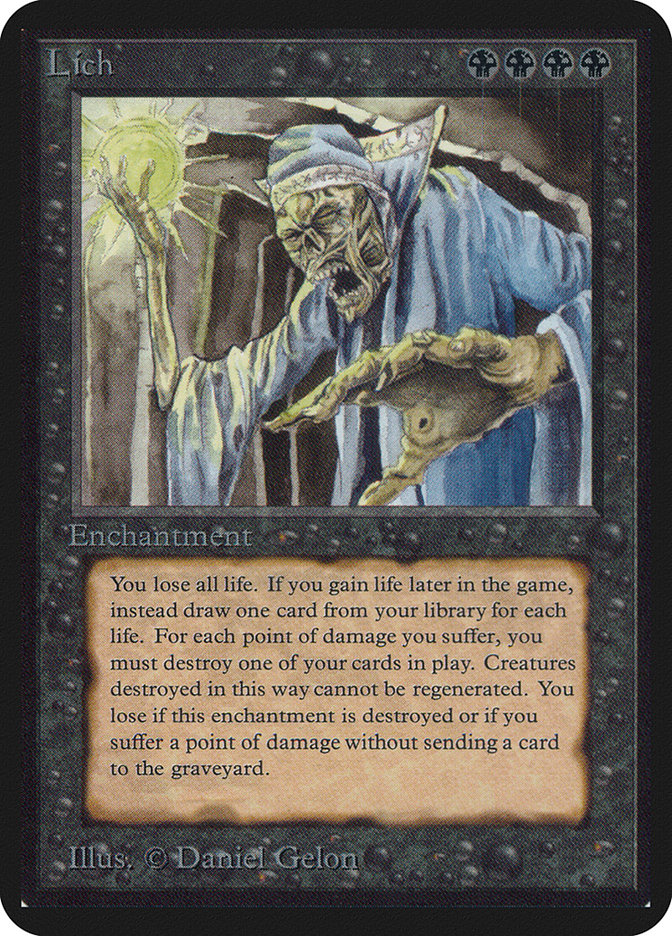
Lich is one of the many top-down Lich designs in MTG, placing your life in a powerful enchantment. In this case, the card makes you sacrifice permanents when you take damage, so you don’t really have life points anymore. When you can’t sacrifice permanents, you sac this card and lose. It’s incredibly soft to enchantment removal, so playing this card is a huge gamble.
#21. Nefarious Lich
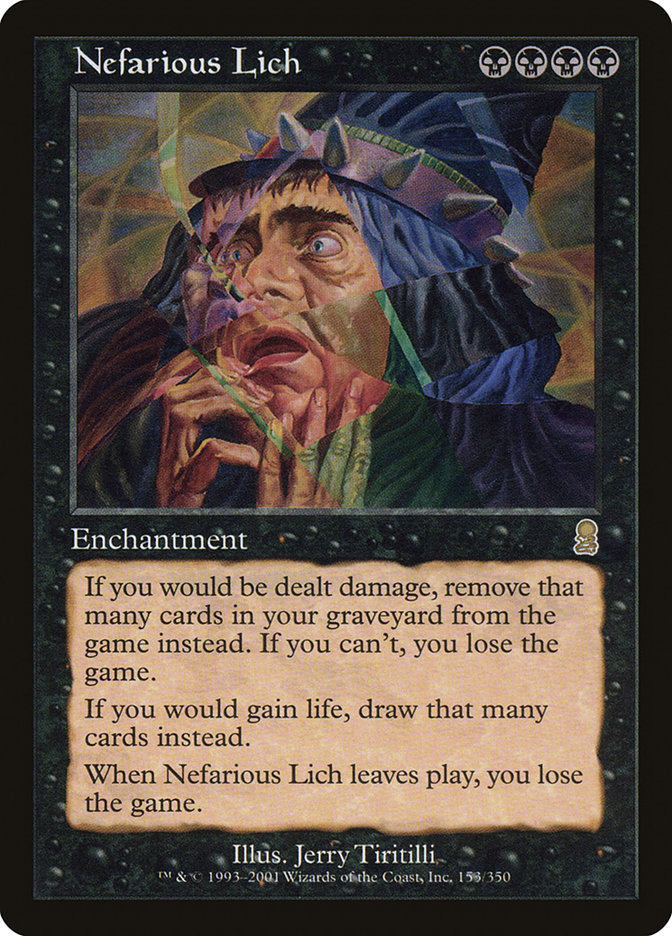
Nefarious Lich works the same way as Lich, except you feed on cards from your graveyard. It can give you a solid life boost, especially against mono-red decks that won’t remove your graveyard or your enchantment. That said, it’s also a 4-mana enchantment without any protection.
#20. Forbidden Crypt
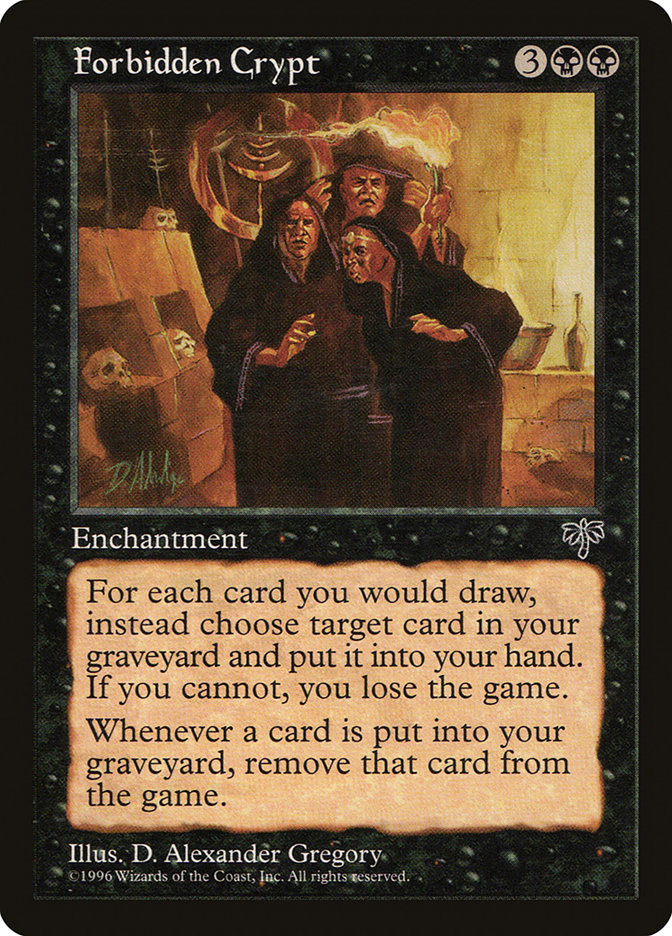
Forbidden Crypt is another Lich variation that forces you to draw from your graveyard instead of your library, and if there aren’t cards there to draw from, you lose. It’s a nice defense against mill, but very soft against graveyard exile effects. At least this time, you don’t lose to a mere Disenchant.
#19. Pact of the Titan
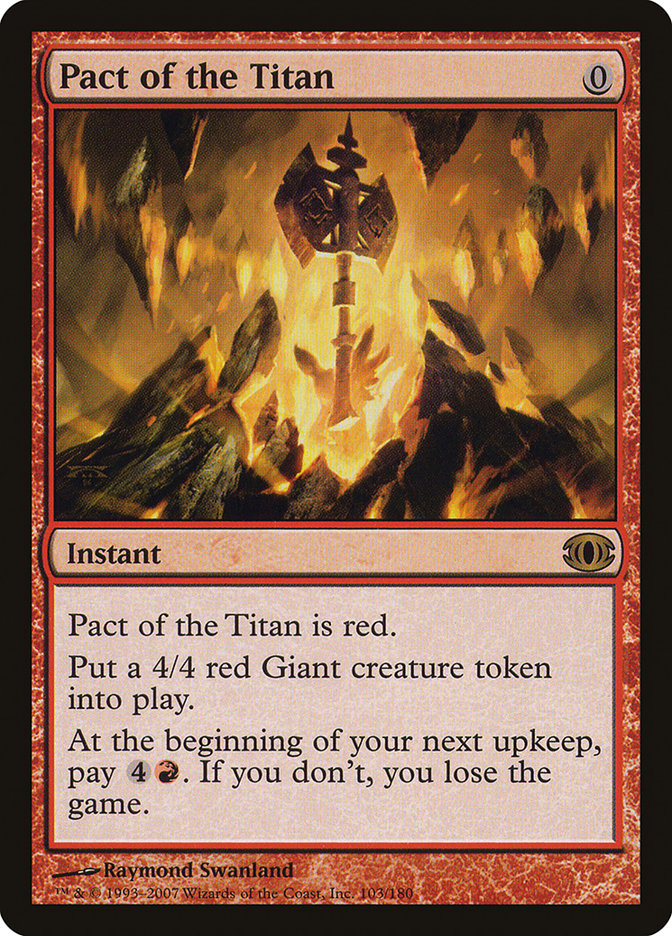
Pact of the Titan is the first of many Pact cards from the Time Spiral block. You get a 4/4 for free at instant speed, so it’s a huge effect. The catch is, you need to pay 5 mana on your next upkeep or you lose the game. This card isn’t worth the effort building around; maybe if it had haste, you could kill your opponent before losing.
#18. Immortal Coil
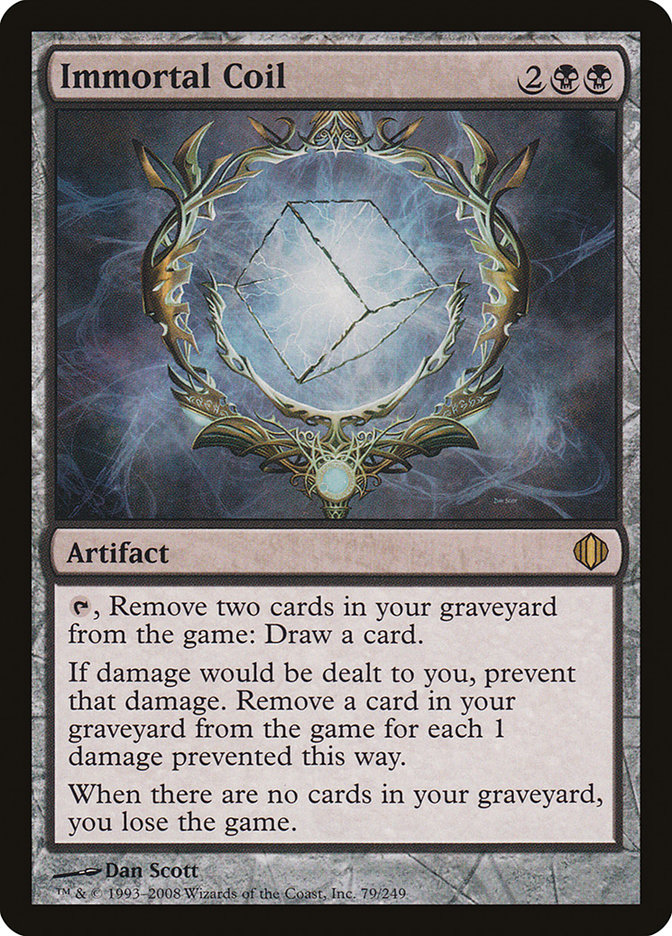
Immortal Coil is a 4-mana Forbidden Crypt that does stuff with your cards, in case you need to draw something to improve your situation, or ways to get rid of this card and avoid losing.
#17. Triskaidekaphobia
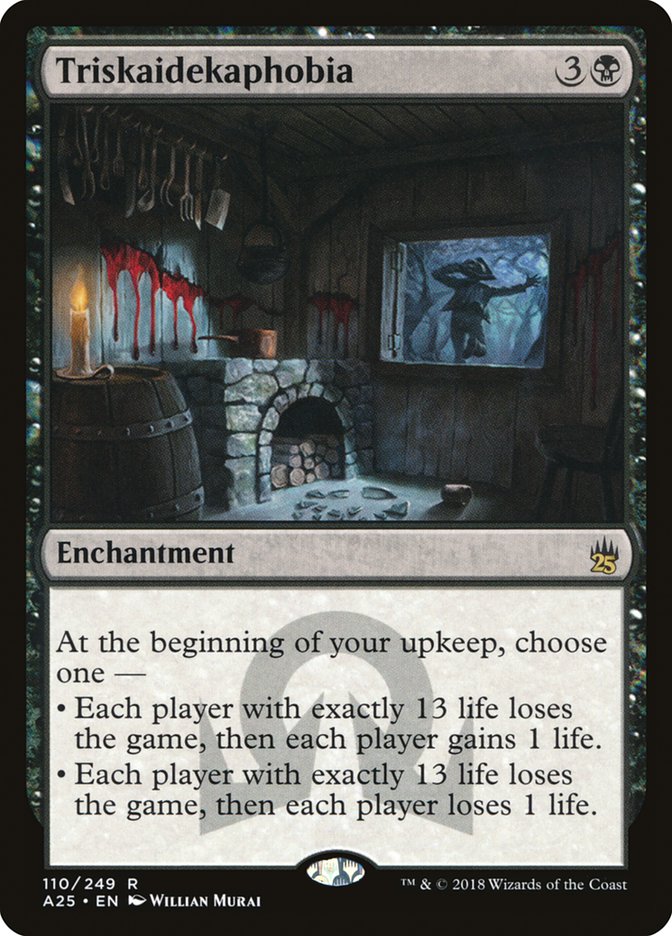
Triskaidekaphobia sets up a minigame that cares if players have 13 life or not, and you can tune the knobs by giving everybody 1 more or 1 less life life each turn. The catch is, you can lose if you begin your turn with 13 life, or the game can end up in a draw. Black has plenty of ways to exchange life for benefits, so those can help. This card is also a guaranteed way to trigger lifegain payoffs each turn.
#16. Intervention Pact
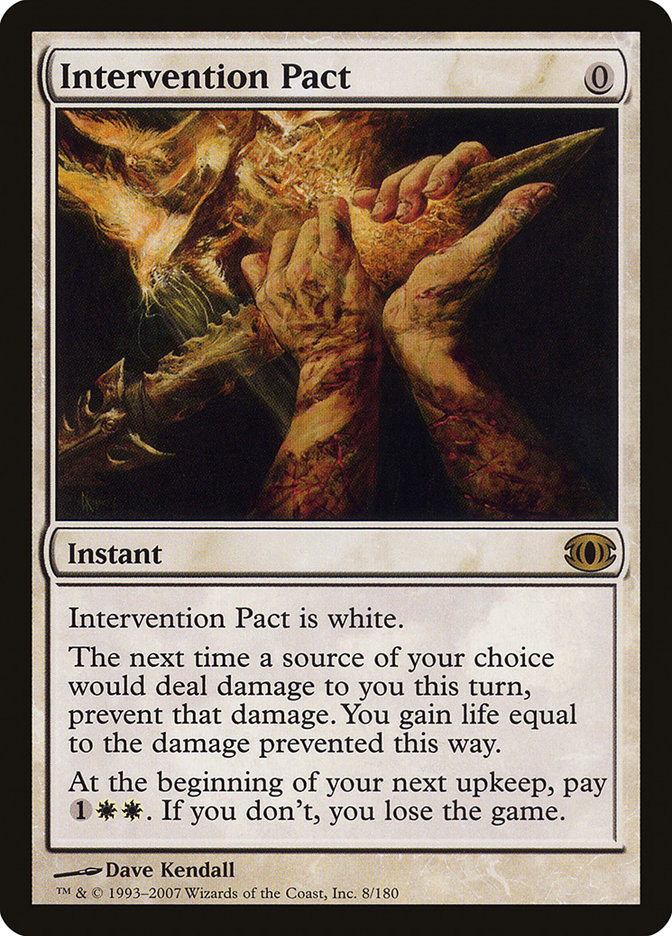
Like Pact of the Titan, this effect isn’t worth risking your game on. You should only play Intervention Pact in decks built to force another non-white player to cast the card, using something like Hive Mind to force the upkeep trigger on someone else.
#15. Transcendence
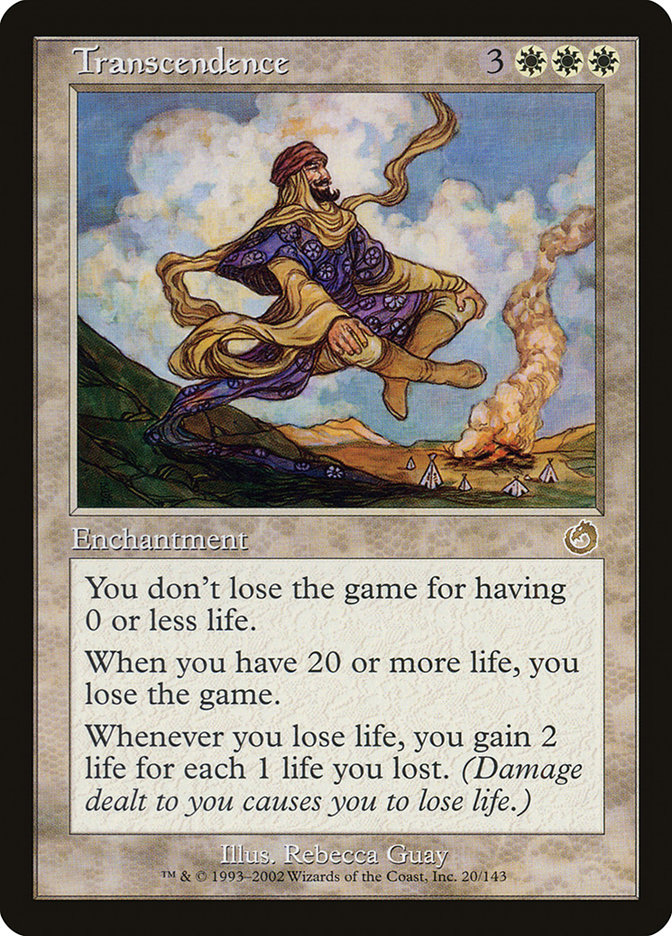
Transcendence is a weird card that mitigates the damage that would make you lose the game by letting you gain life as you lose it. That said, you die when you have 20 or more life. In many EDH games, you can Donate this card to an opponent with 20 or more life so they lose on the spot. Commanders like Zedruu, the Greathearted actually play this as a wincon.
#14. Lich’s Mastery
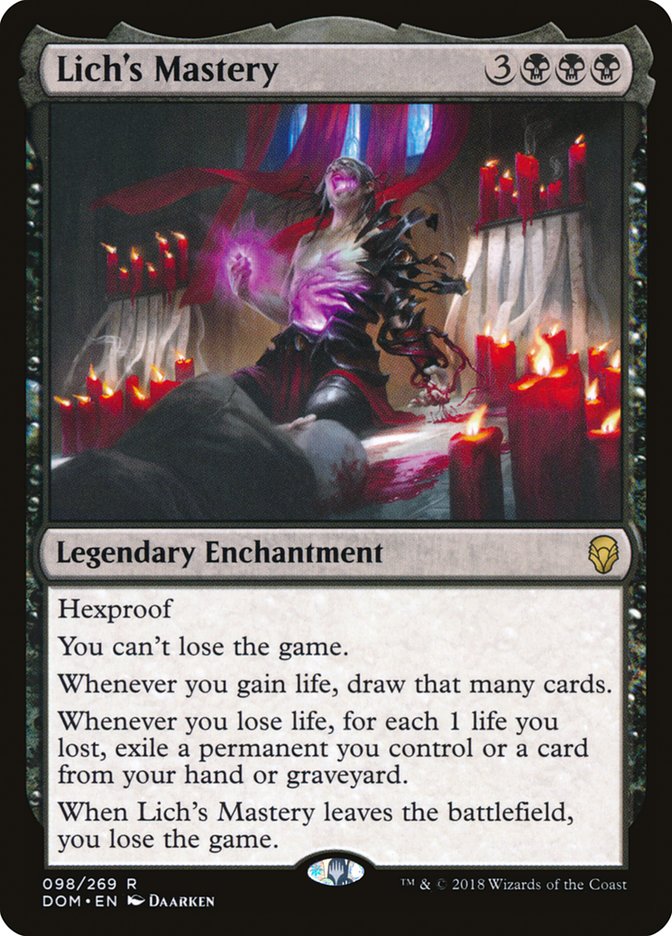
Here’s the ultimate version of Lich that actually sees some play. Lich's Mastery clearly states that you can’t lose the game under any circumstances (life loss, mill), and it has hexproof. You can also deal with your life loss via cards in hand, graveyard, or in play. If you run out of other cards, you have to sacrifice this one and lose. A robust lifegain engine will grant you access to plenty of card advantage to keep up with the downside.
#13. Marina Vendrell’s Grimoire

Marina Vendrell's Grimoire takes the Lich approach to your hand. It’s a risky but interesting addition to Azorius or Esper control decks that care about gaining life and have many cards in hand. A card like Sphinx's Revelation draws you double the cards with this in play, and many commanders in these colors have guaranteed ways to gain life. These decks are also well-suited to fight discard via counterspells. The big risk is, if you take a huge hit, you discard your hand and lose on the spot.
#12. Chance for Glory
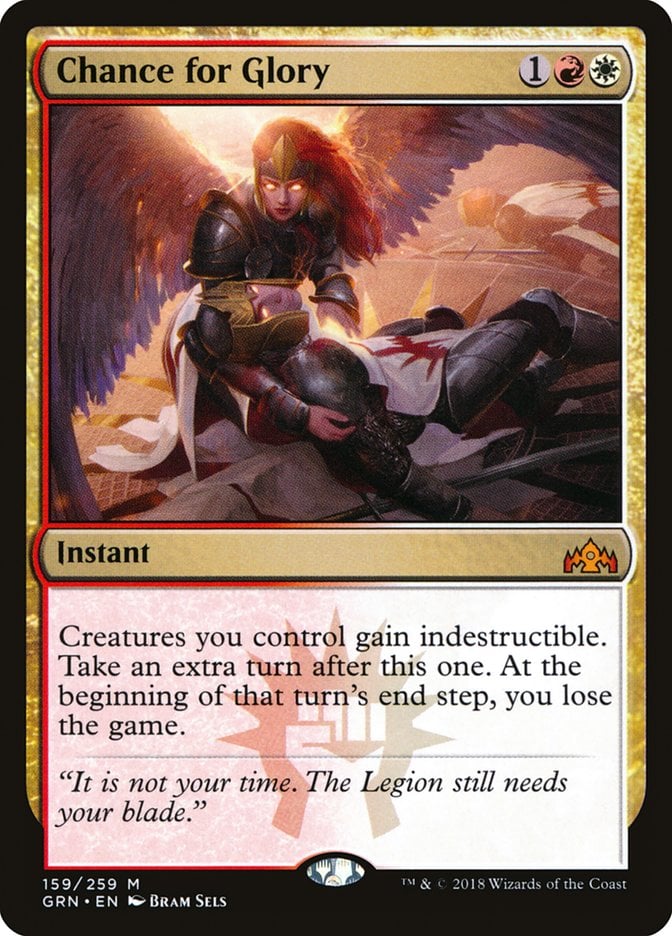
Red has a long list of cards that give you an extra turn, but make you lose on the following end step. Chance for Glory gives you two turns with indestructible creatures to end the game, and if you don’t, then bye-bye. These kinds of cards can be paired with The Twelfth Doctor, which demonstrates a copy of the spell being cast, so they lose at their next end step instead of you.
#11. Glorious End
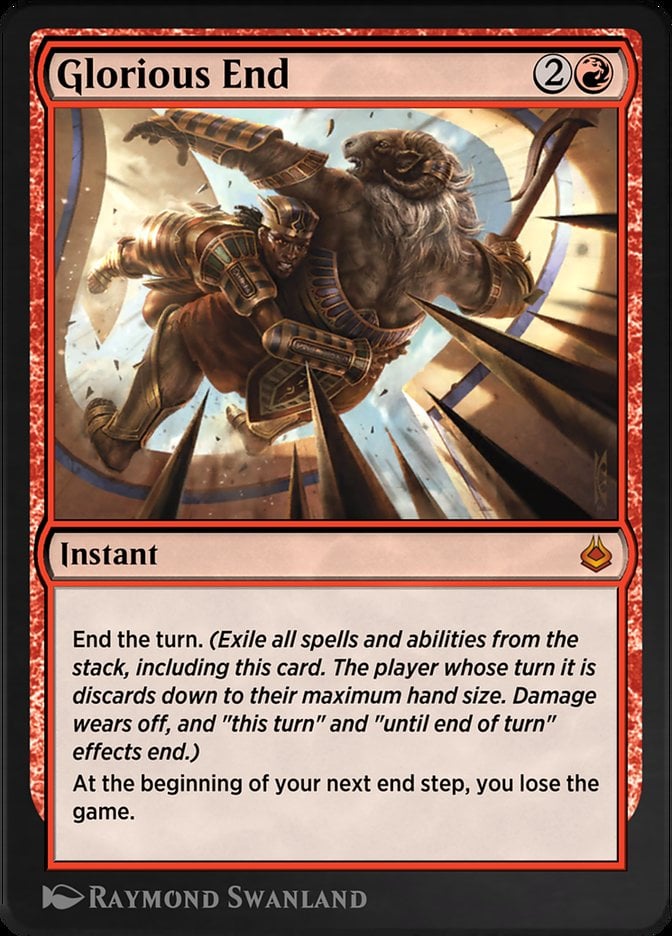
Glorious End is Discontinuity for just , and it’s a powerful effect with an even bigger downside. This card was played in a Standard combo deck with Gideon of the Trials, since you couldn’t lose with the emblem. It’s one of the few ways red decks can prevent a combo or counter a key spell.
#10. Phage the Untouchable
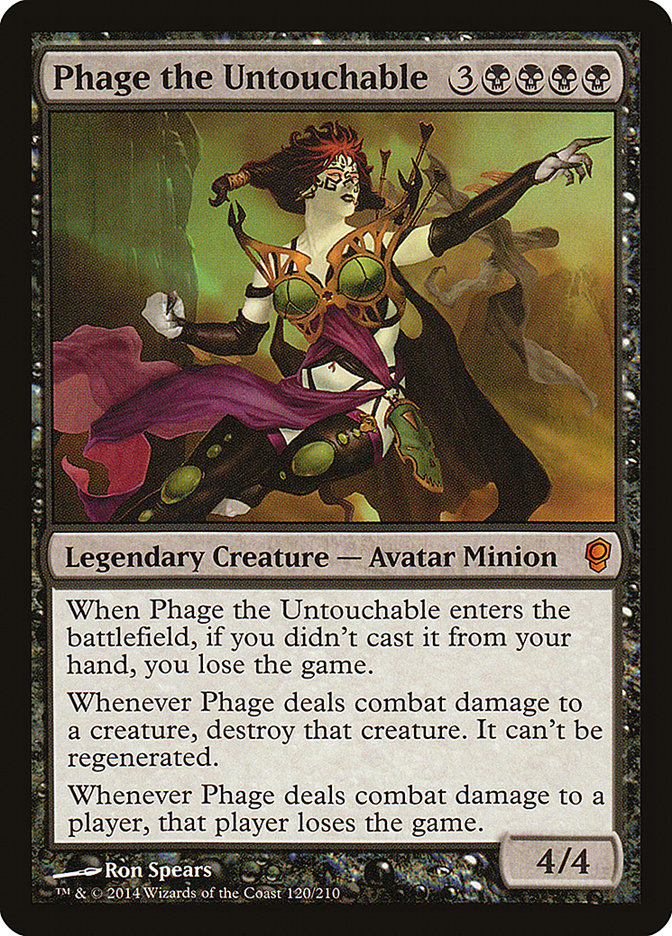
Phage the Untouchable is a meme Commander because this card isn’t castable right away from the command zone, and you can’t reanimate it. But winning in one hit is very tempting. Many players enjoy the puzzle of getting this card in play. One creative way to win with this card involves Endless Whispers, so if it dies, another player gains control of the card and loses.
#9. Warrior’s Oath + Last Chance + Final Fortune
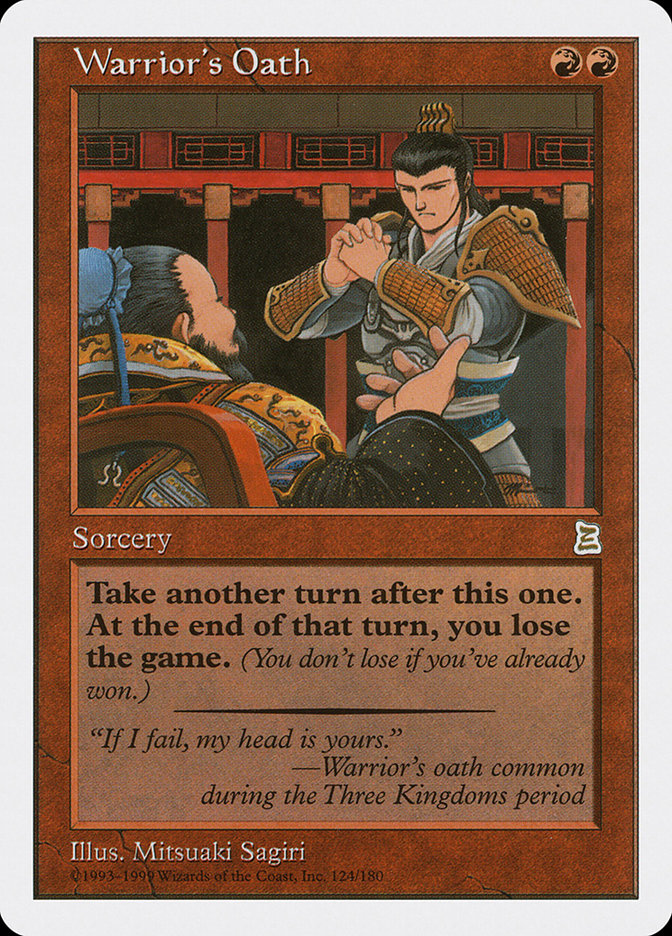
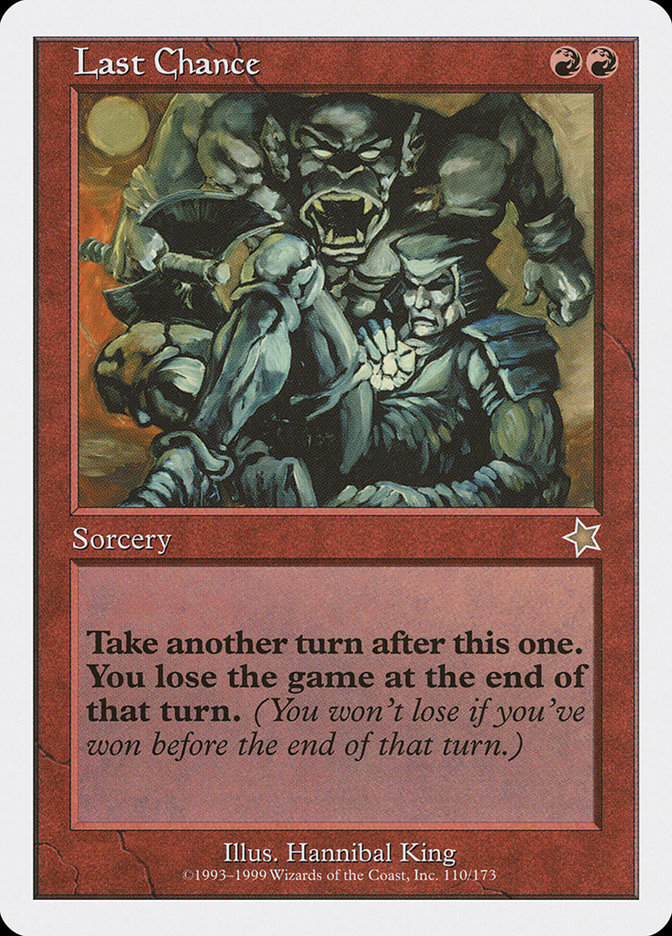
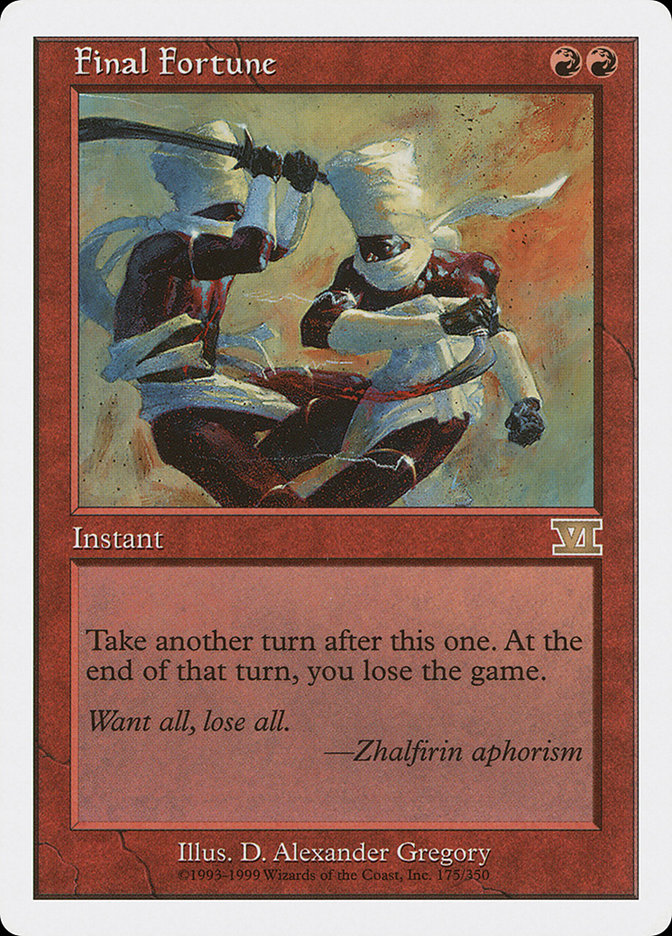
Here we have three cards with the same rules text, so you can add multiples to your EDH deck that may be interested in an effect like this. Warrior's Oath and friends give you a Time Walk, which we all know is busted, but you lose at the end of the extra turn.
It’s best to play these cards if you have a way to avoid losing the next turn, like Angel's Grace, Platinum Angel, or Lich's Mastery. Or if you’re playing aggro decks, you could win before you have to worry about losing the game.
#8. Out of the Tombs
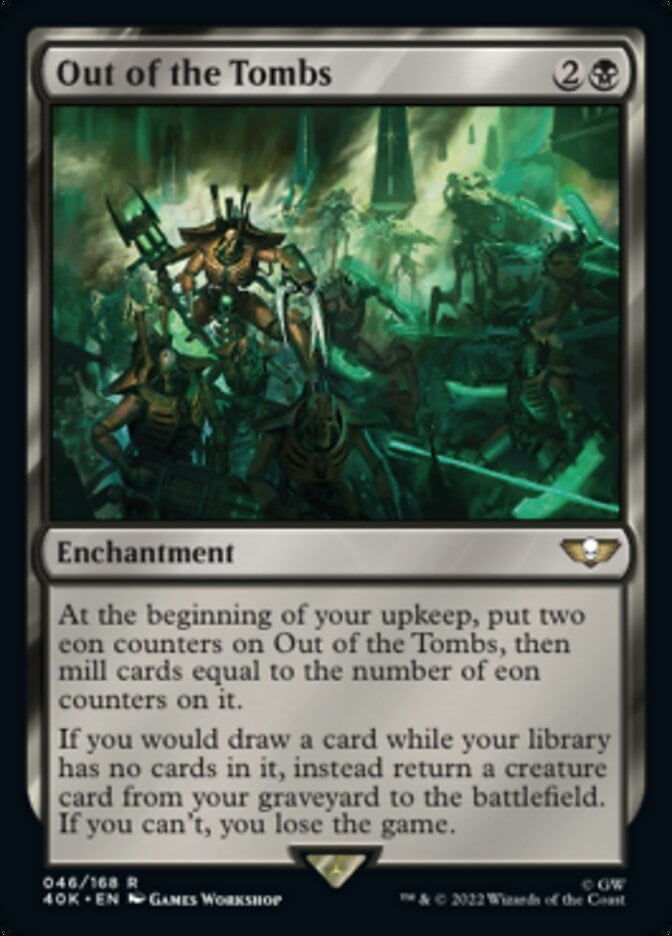
Out of the Tombs can be a powerful mill and recursion enabler. You mill two cards, then four, then six, and so on. Besides winning via cards like Laboratory Maniac, creature-heavy strategies ensure you won’t lose from decking anytime soon. Plus, creatures like Barkform Harvester can prevent you from losing in this situation. This card also sees play in decks that require many cards in graveyards, so creatures like Necrotic Ooze and Trazyn the Infinite can do work.
#7. Nine Lives
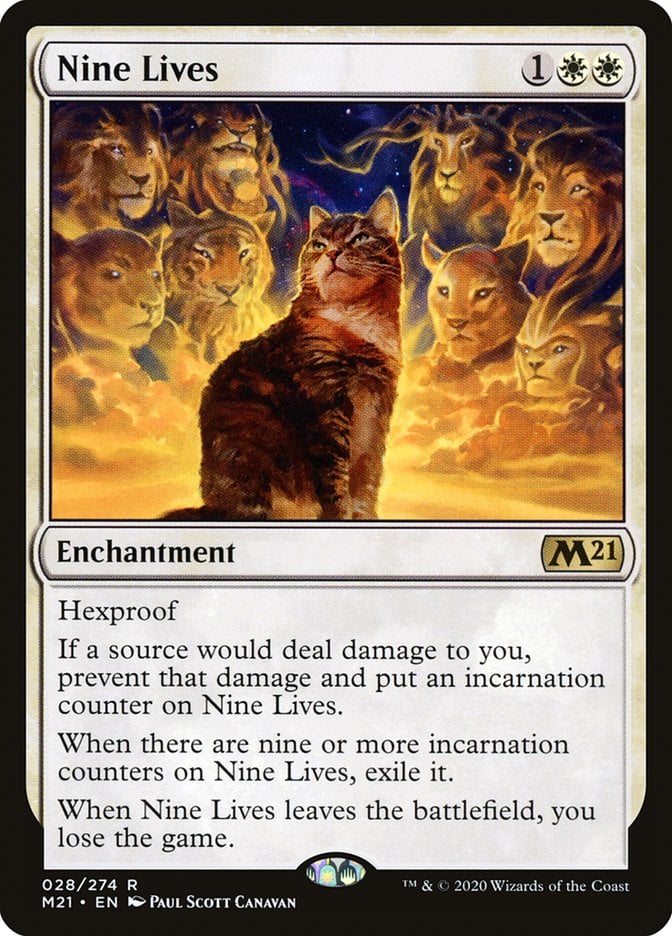
Nine Lives gives you the ability to withstand nine hits. It’s awesome against a 30/30 green trampler, but it’s bad if your opponent has ways to deal you constant damage, or damage through multiple triggers. It can be a hard-to-stop combo with Pariah, as you’re routing the damage you’d take to another creature, or with cards that prevent counters from being put on permanents. However, you instantly lose to cards like Farewell, or black cards that make you sacrifice an enchantment.
#6. Demonic Pact
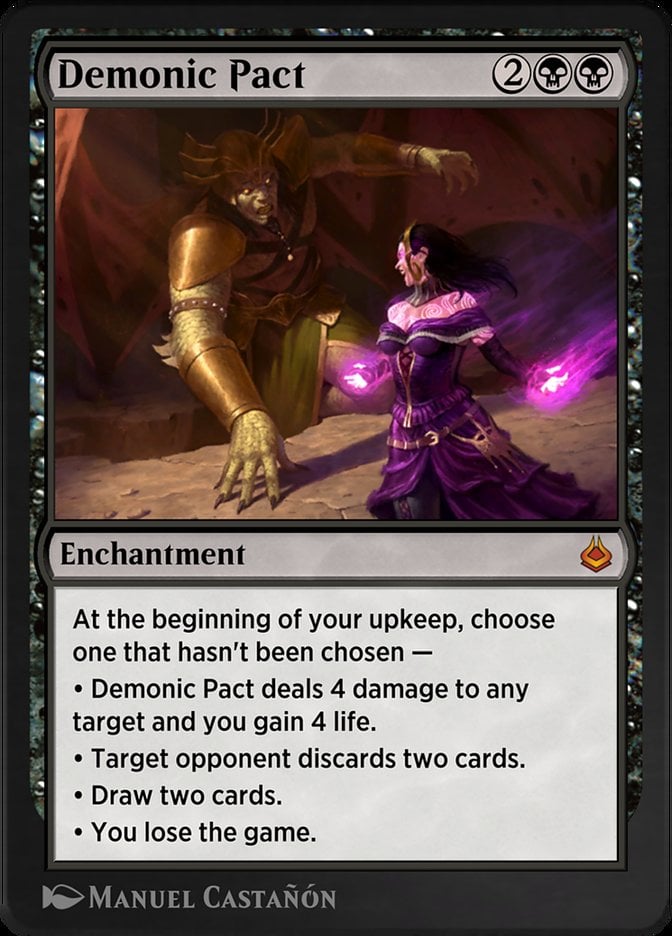
Demonic Pact sees some play in formats like Pioneer to get some card advantage, and you can blink it to avoid the downside, or even sacrifice it to a card like Beseech the Mirror. People also try to Donate it once the downside is inevitable.
#5. Alchemist’s Gambit
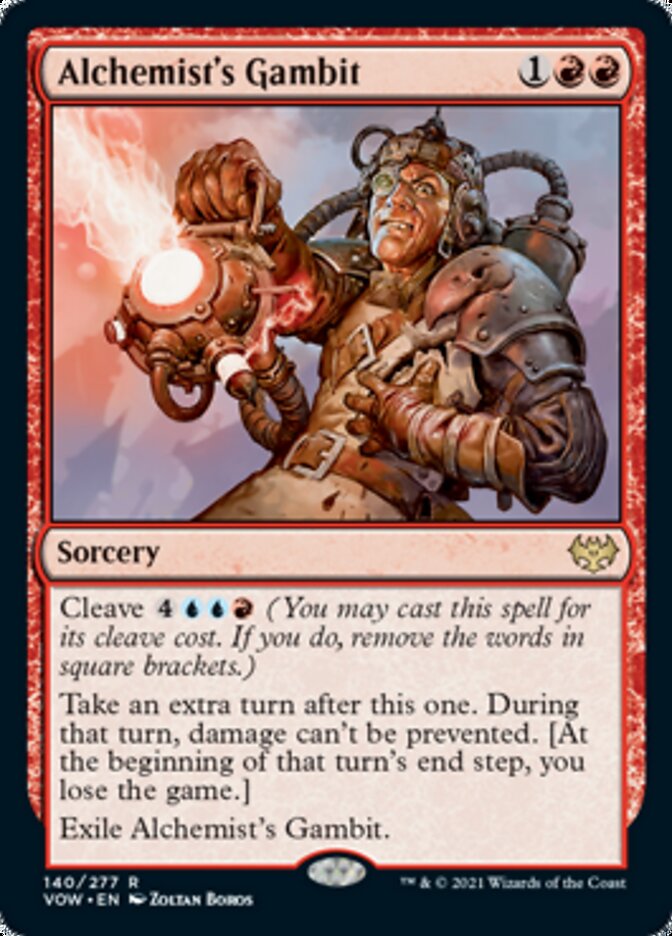
Alchemist's Gambit is one of the safest versions of the risky red Time Walk, giving you two options. It saw a lot of play in its Standard as a way to take extra turns by paying the 7-mana cleave cost, but also allowed you to combo off early via the “pure red” version.
#4. Slaughter Pact
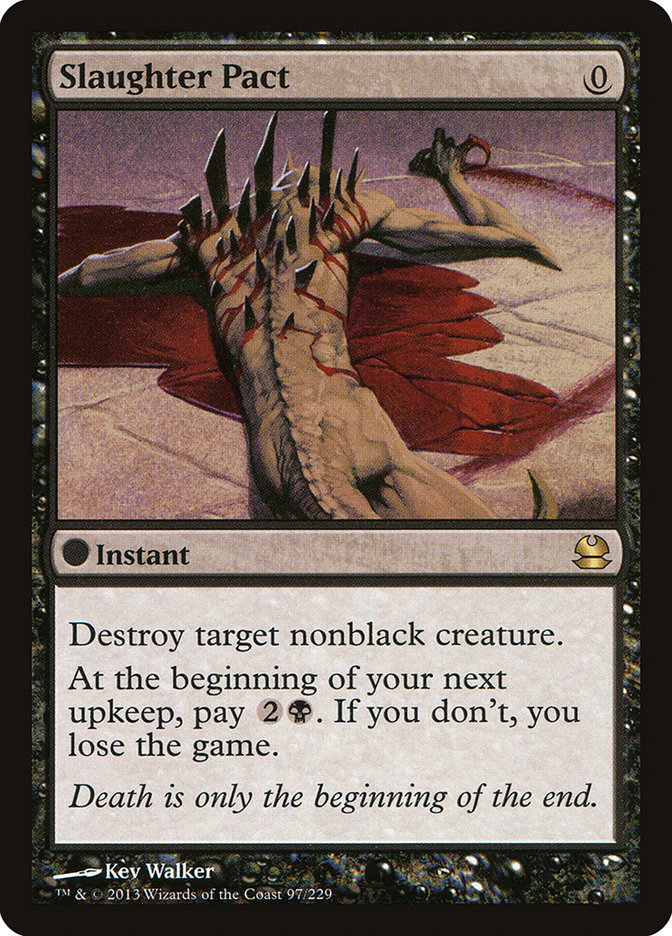
Slaughter Pact is an acceptable removal spell that you can fire off for zero mana. If your opponent is comboing with creatures, say Splinter Twin + Pestermite, you’ll gladly pay 3 mana the next turn if you’re still in the game. As such, this card can be a good metagame call.
#3. Archfiend of the Dross
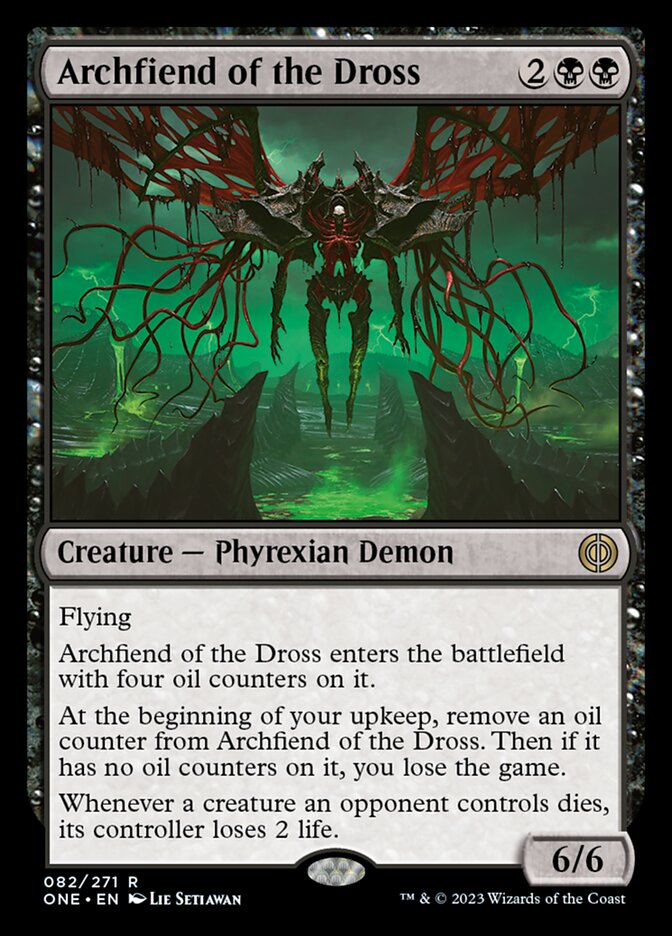
Archfiend of the Dross is a 6/6 flier for 4 mana, but it has a downside. Four oil counters means four turns to win the game, else you lose. This can be turned to into an upside with Metamorphic Alteration, making your opponent lose the game on the spot if they have a creature, which becomes a copy of this demon but without the counters.
The card also sees play in Standard as a beatstick alongside cards like Unholy Annex//Ritual Chamber and Sheoldred, the Apocalypse. If you’re playing this card, make sure you either win or have an easy way to sacrifice it.
#2. Pact of Negation
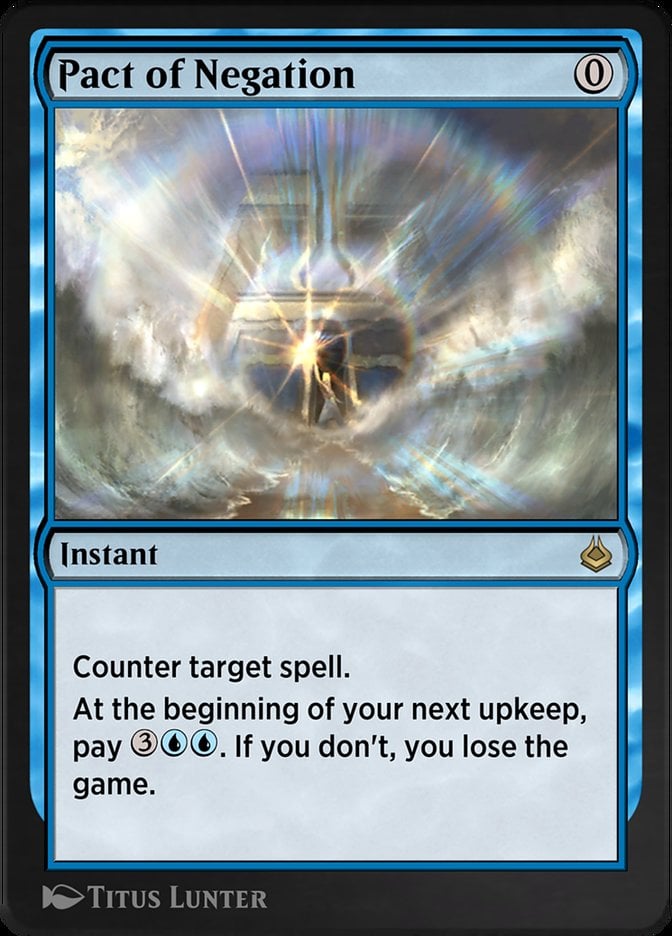
Pact of Negation sees a lot of play in Eternal formats because countering a spell for free means you survive a combo that would actually kill you, or protect your own combo from interaction (e.g. they would Stifle your Thassa's Oracle trigger). So you either never need to pay the , or you’ll pay it gladly.
#1. Summoner’s Pact
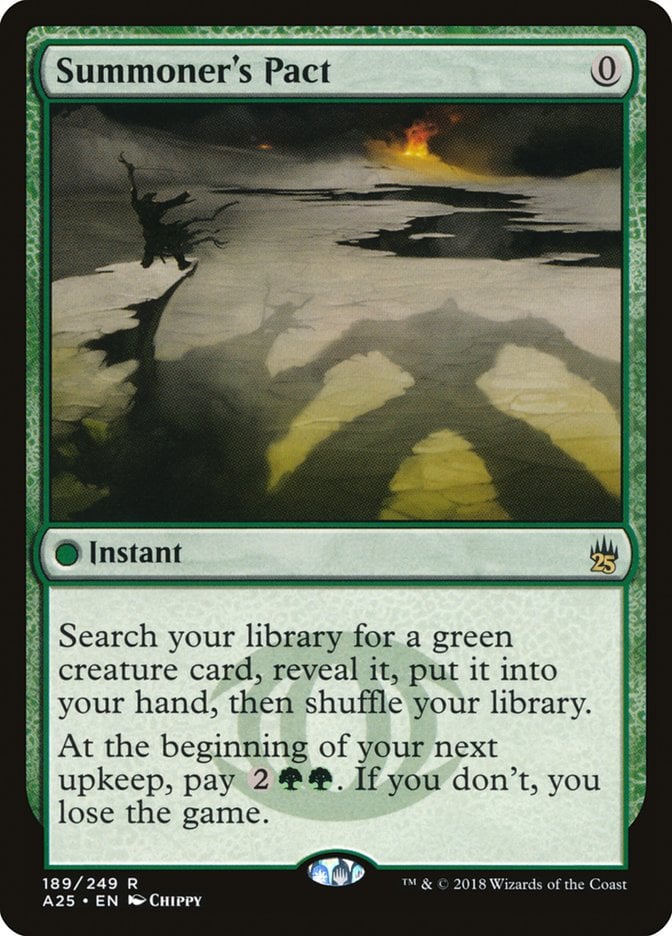
Summoner's Pact is a classic combo with Hive Mind, so you can make everyone else copy the card and lose on the following turn. The card also sees play with Primeval Titan, since the lands it fetches help offset the cost you have to pay later. Creature combo decks rarely need to worry about another upkeep.
The Best Lose the Game Enablers

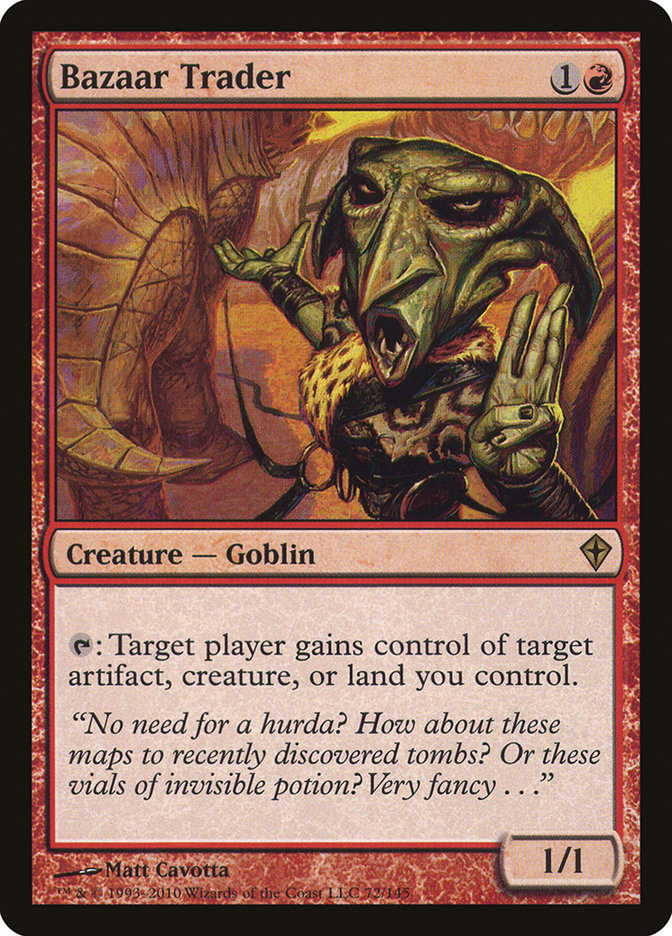
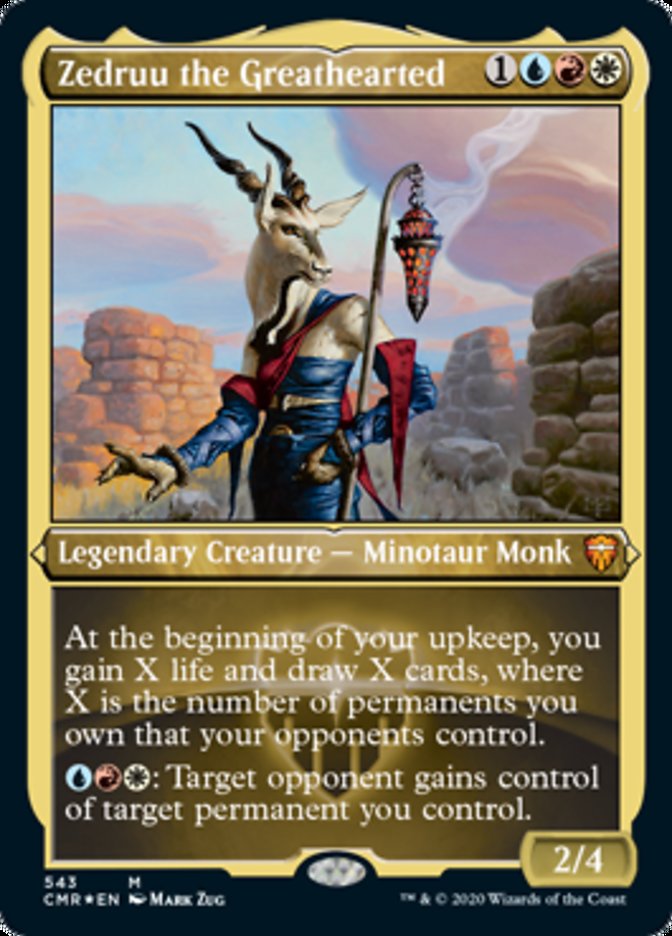
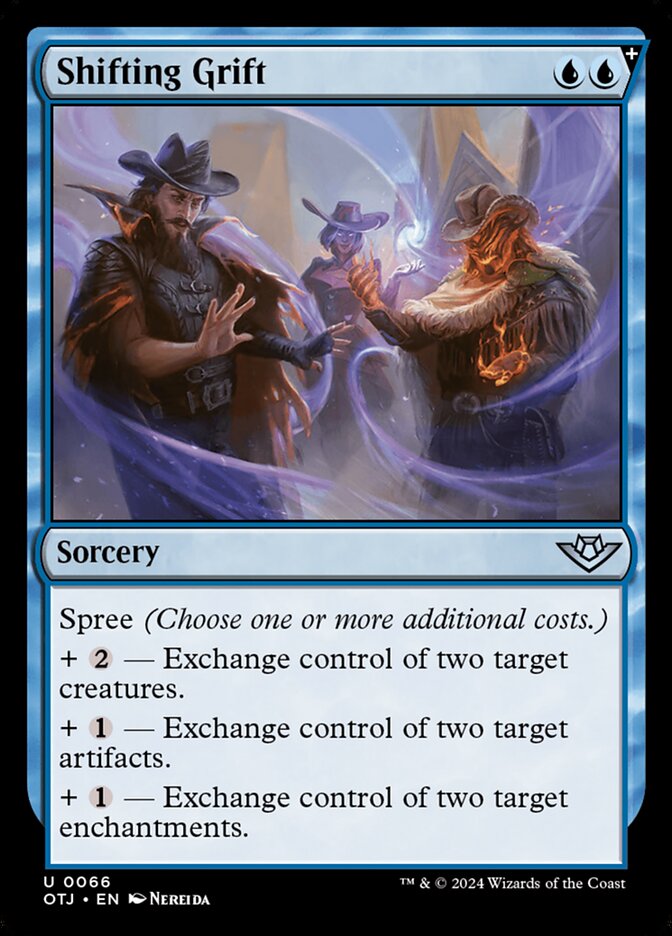


The best cards to enable you to cause a game loss on opponents. These work with several of the cards on this list that are permanents that need to be controlled in order for the game loss to take effect. Exchange cards can work too, as long as they’re not the life exchanging kind.
What If You Control a Card That Says You Can’t Lose the Game?
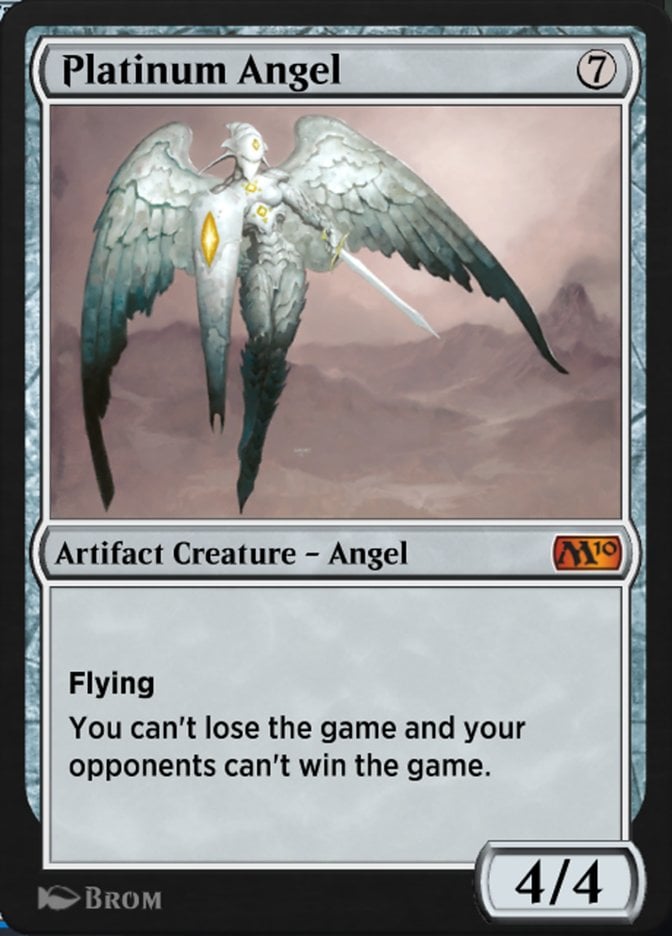
A card like Lich's Mastery specifically states that “you can’t lose the game.” That means you won’t lose the game for having 0 life or no cards in your library to draw from. It also means cards you control that make you lose the game, like Demonic Pact, won’t make you lose.
However, MTG rules say that “you win the game” effects override “you can’t lose the game” effects. So, your opponent can still win via cards like Approach of the Second Sun or Thassa's Oracle, and your Lich's Mastery has no say in anything. If you were to control a card like Platinum Angel, then they can’t win because the Angel specifically says so.
Wrap Up
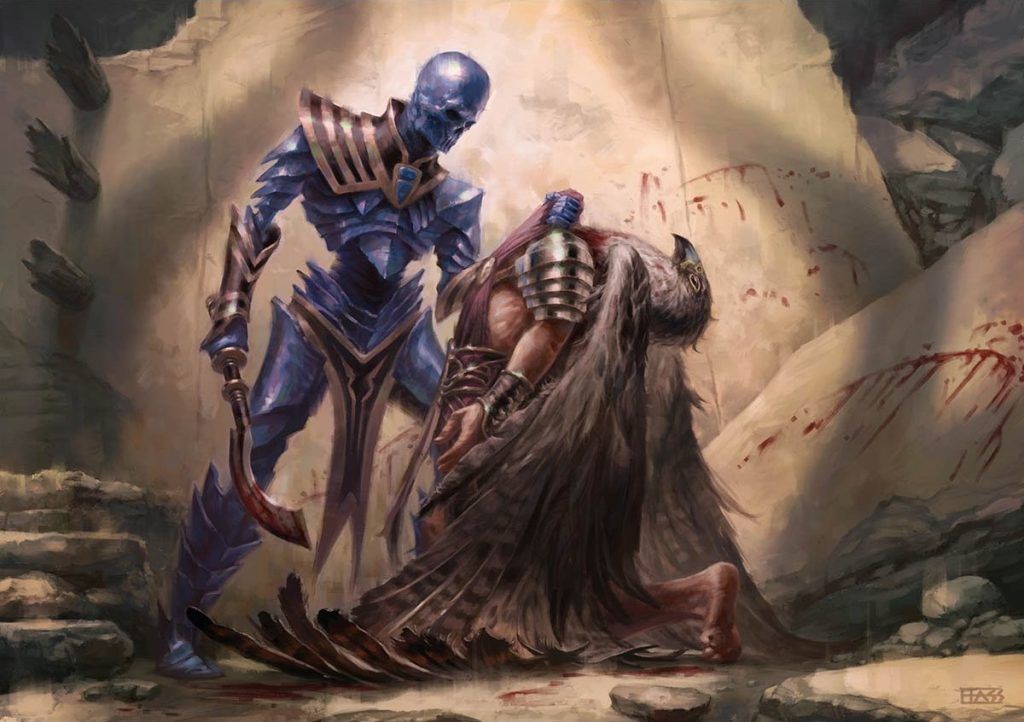
Slaughter Pact | Illustration by Josh Hass
Like Uncle Ben says: With Great Power “there must also come great responsibility!” MTG has an array of cards that give you an unfair advantage, but you can lose right away. As such, many of these cards are metagame calls, so if the meta doesn’t have the right tools to punish, you might as well try out cards that make you lose. Or you’ll make the game loss trigger happen to your opponents first.
What are your favorite “lose the game” combos and interactions? Got a story about pulling one of these off? Let us know in the comments, or leave a message at Draftsim Twitter/X. Thank you for reading, stay safe out there, and avoid losing to your own cards.
Follow Draftsim for awesome articles and set updates:










Add Comment