
Last updated on September 6, 2026
Maul Splicer | Illustration by Jason Chan
Splicers are the artisans of New Phyrexia, formerly Mirrodin. These Phyrexian artificers have a common characteristic: Their main body is weak, but they bring a stronger 3/3 golem with them, which makes the splicer excellent as a blink and recursion target.
Today, we’re looking at all the splicers in MTG, including some non-splicers that are technically splicers. Keep up with me, and I’ll explain what splicers are and mention some cool commanders that can benefit from all the splicing.
Let’s dive in!
What Are Splicers in MTG?
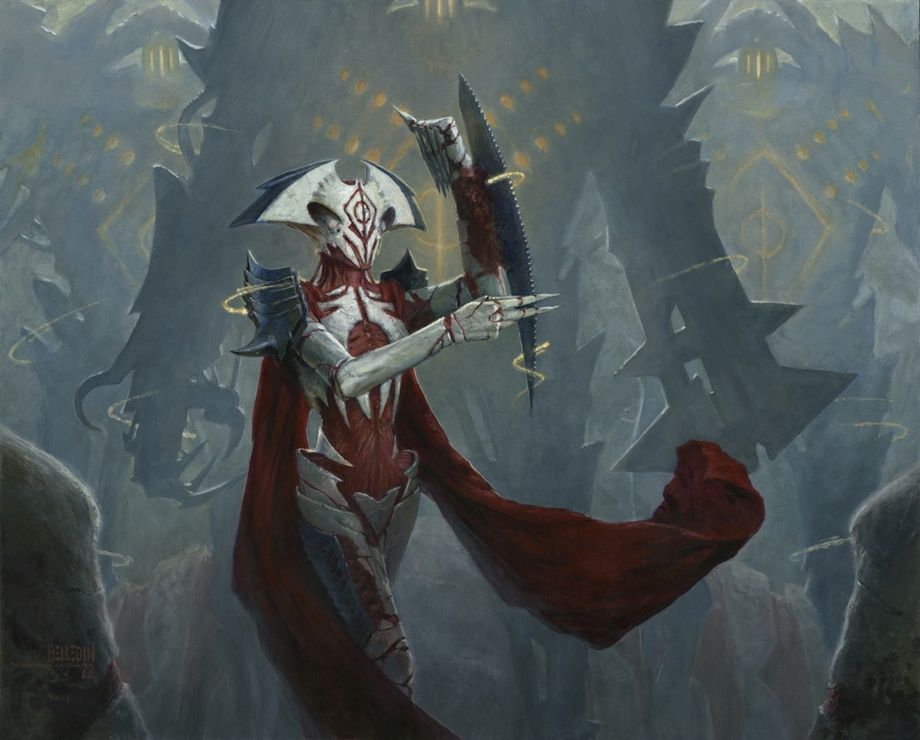
Darksteel Splicer | Illustration by Steven Belledin
Splicers in MTG are a distinct group of cards originally created in New Phyrexia. Splicer isn’t a creature type, but a name. All original splicers are Phyrexian artificer creatures that create a 3/3 golem artifact creature token when they enter. Most splicer cards also give golems abilities, so they’re also golem lords.
For example, Blade Splicer is a classic splicer card as a 1/1 that creates a 3/3 for just 3 mana. Also, all your golems have first strike. Maul Splicer is a little bigger at 7 mana, and it creates two golems instead of one. I’m opening a little bit to artificers and other cards that can create 3/3 golem creatures on entering, so cards like Sandstorm Salvager will also be considered a splicer for this list.
Honorable Mention: Phyrexian Splicer

Phyrexian Splicer is an artifact from Tempest, and it can transfer abilities across the battlefield. But it’s not a splicer for our purposes, considering that it only has Splicer in its name, but the 3/3 golem is missing.
#12. Vexyr, Ich-Tekik’s Heir
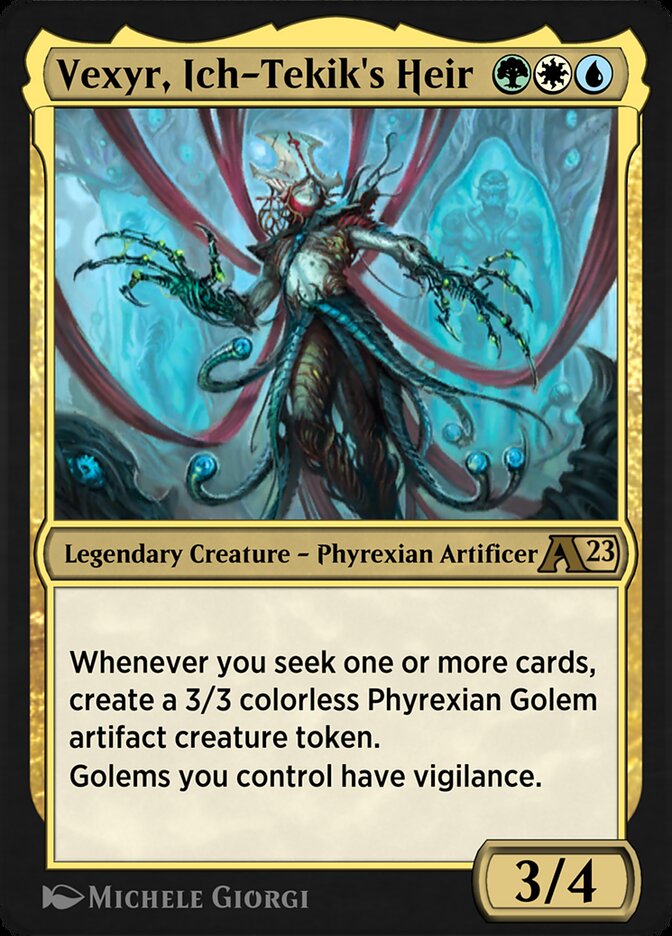
This card isn’t the worst Splicer; it’s just that I like to highlight Alchemy cards first, kind of like an honorable mention. Vexyr, Ich-Tekik's Heir is a 3-mana splicer-like card that relies on seek to create more golems. Seeking cards are pretty strong in MTG Arena formats, so you’re probably playing a lot of the enablers for this card anyway.
#11. Sensor Splicer

Sensor Splicer is the worst of the paper bunch, a common card for Draft that’s over-costed at 5 and gives your golems vigilance. That isn’t the worst, but you’d rather have abilities like trample and flying. People used to play this in large Pauper Cubes.
#10. Maul Splicer

Again in Pauper territory, Maul Splicer is one of the better ramp or even reanimator targets. Three bodies for one 7-mana investment is fine, especially in a format where removal is very good. Blinking this card is no joke either.
#9. Master Splicer
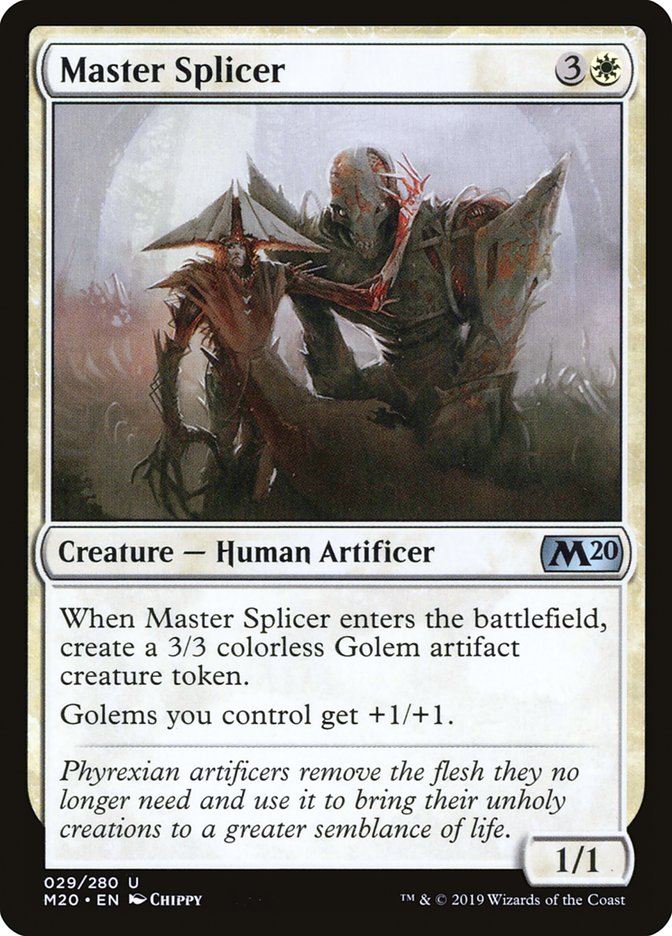
We have a little bump in playability with Master Splicer, considering that this is 5/5 worth of stats for a 4-drop. It’s the simplest of the bunch, giving all your golems a clean +1/+1 bump.
#8. Splicer’s Skill
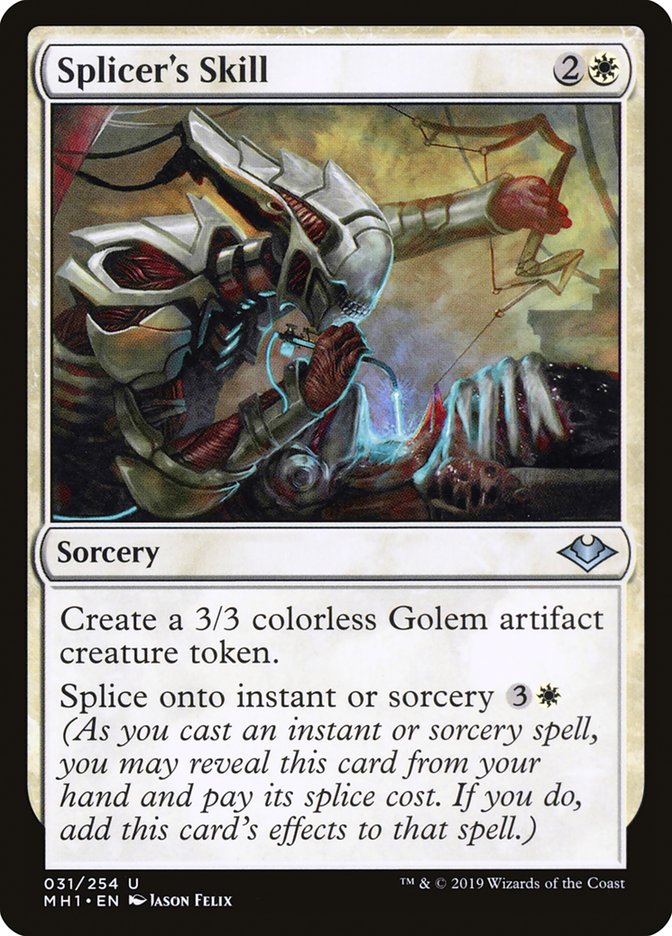
Splicer's Skill is a bit of an exception, in that you’ll splice this onto an instant or sorcery, so it’s more of a spells-matter card. If you have a bunch of cantrips or cheap removal, adding a 3/3 body for just 4 mana can create all sorts of two-for-one scenarios. This card is also played as a way to make more golem creatures if you need.
#7. Wing Splicer
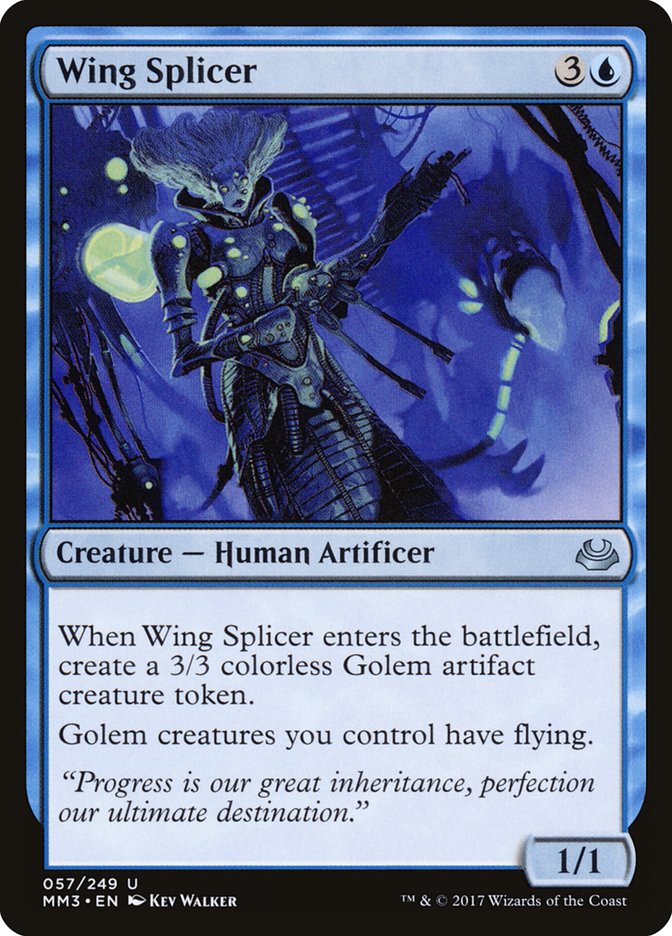
Flying is one of the best abilities you can bestow on other creatures. If you have some golems lying around, taking them to the sky is business. The playability of Wing Splicer goes way higher if you’re building around golems or you have any kind of flying-matters deck.
#6. Vital Splicer
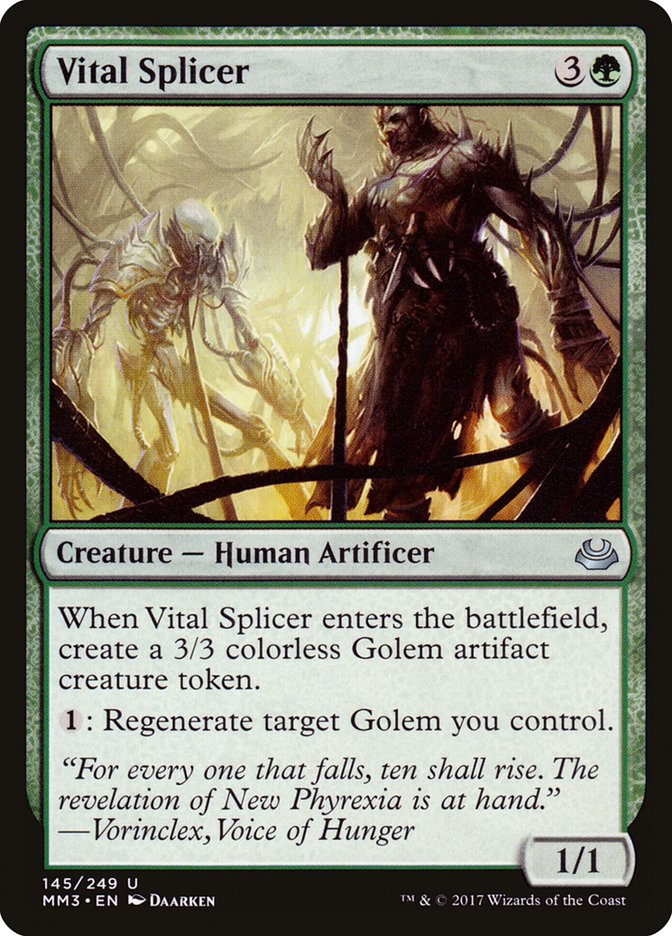
Vital Splicer is very similar to other splicers, but it has a very strong ability. Regenerating a golem you control for just 1 mana is very strong, and this card gets better with stronger the golems at your disposal.
#5. Ich-Tekik, Salvage Splicer
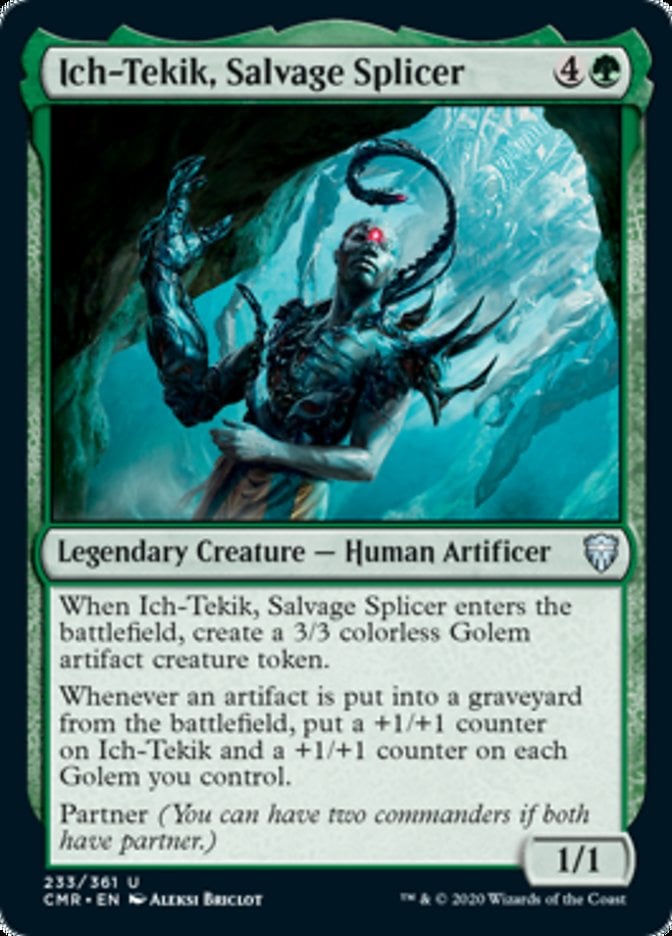
Ich-Tekik, Salvage Splicer is one of the better cards to build around golems, and you’ll be playing a lot of artifacts anyway. It’s bad as a Sensor Splicer card, but giving +1/+1 counters to your golems whenever you sacrifice artifacts is pretty strong. It’s fairly easy to sacrifice artifacts, and you can even go infinite with sacrifice loops.
#4. Blade Splicer
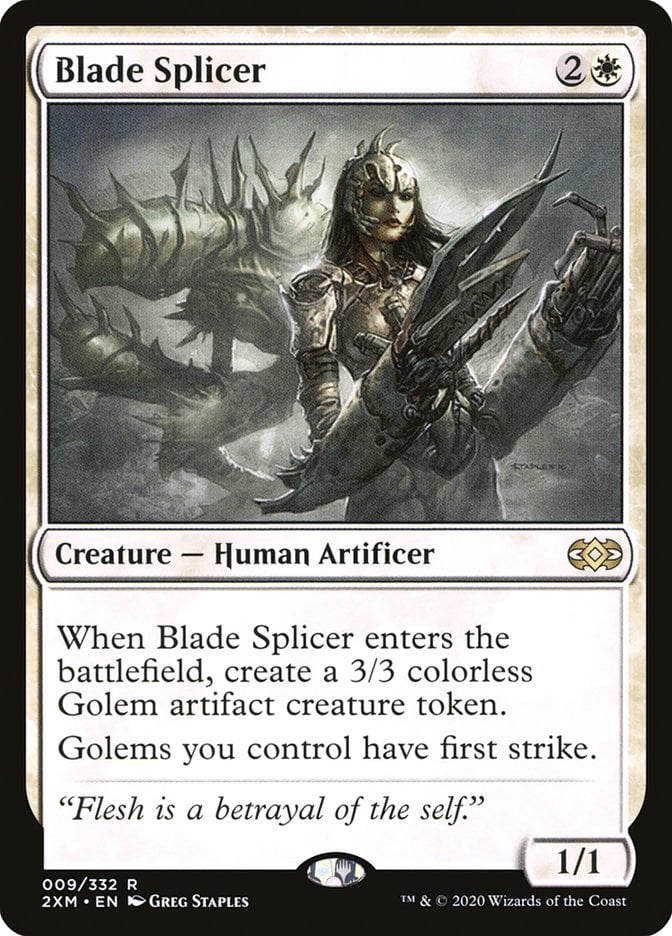
Blade Splicer saw a lot of Constructed play as an efficient 1/1 that makes another 3/3 and grants it first strike. There’s an interesting opposition with Liliana of the Veil, because this splicer has two bodies to survive Liliana’s -2 ability, and the exact amount of power to take down Lili after its +1. You can also get a lot of value with cards like Cloudshift or Ephemerate, or blink commanders.
#3. Sandstorm Salvager
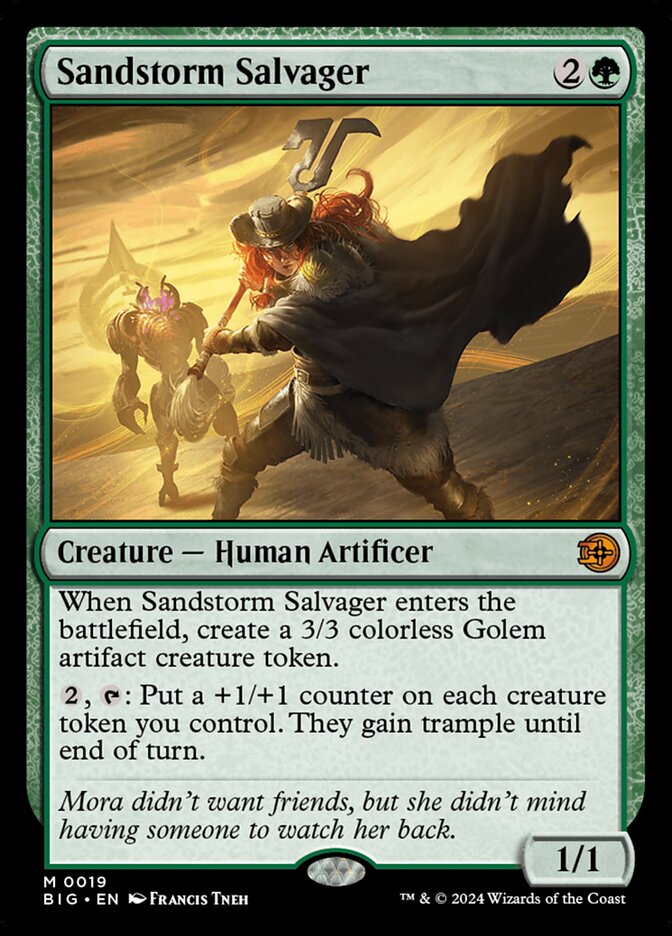
Sandstorm Salvager is an evolution of the splicer design, and it’s equal to Blade Splicer in terms of stats. The thing is, putting a +1/+1 counter on each token you control is excellent, and it blends well with the splicer idea of making a lot of golems and enhancing them somehow.
#2. Malcator, Purity Overseer
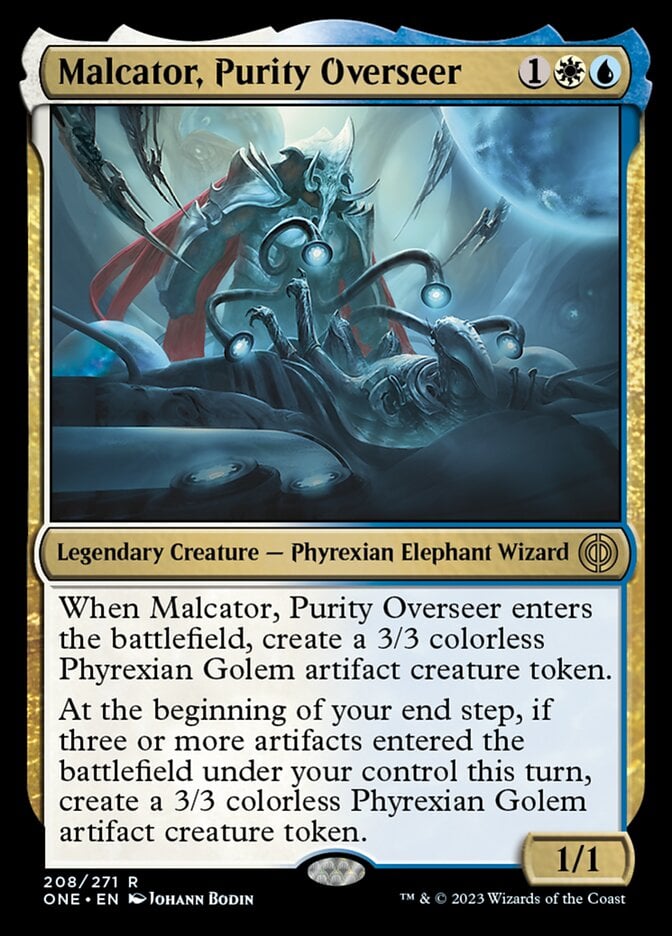
Here’s our last Blade Splicer variant: Malcator, Purity Overseer, a legend that’s a also nice artifact buildaround. This card keeps on giving you golems, although it doesn’t give them any special abilities. If you’re reliably playing cards like Tinker's Tote that create multiple artifact bodies, you’ll have a powerful board in no time.
#1. Darksteel Splicer
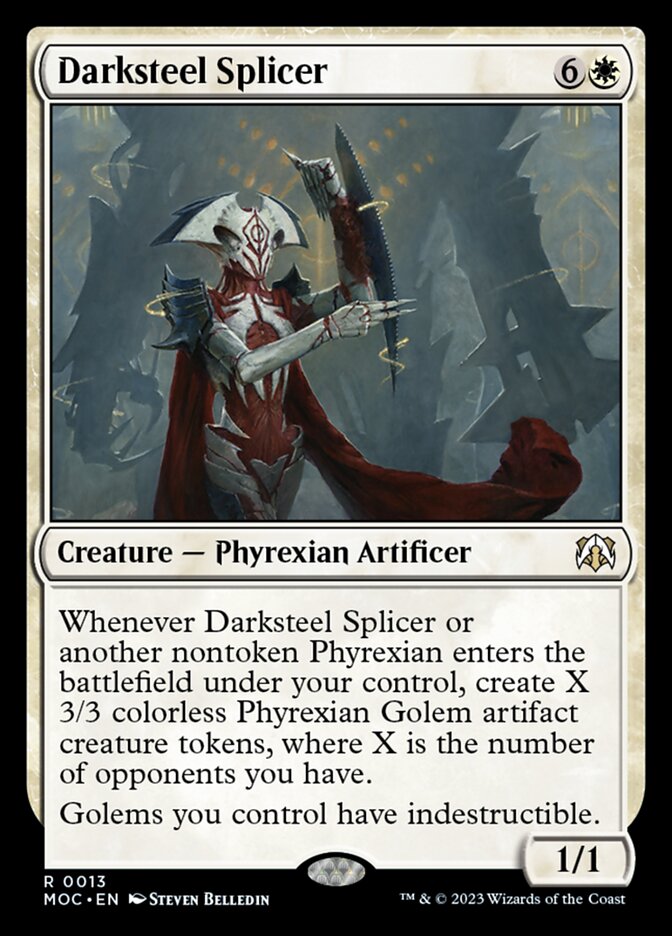
Darksteel Splicer is the most expensive and most powerful splicer. Giving golems you control indestructible is a heck of a typal incentive. It’s also a great Commander card, where it creates up to three golems instead of just one. The interesting part about this card is that it works with any Phyrexian creature you play.
Best Splicer Payoffs
Splicer cards usually create 3/3 golems and give them some benefit, like a combat ability or a stat boost. As such, these are very linear cards that work well in multiples. There are some interesting payoffs for playing splicers, too.
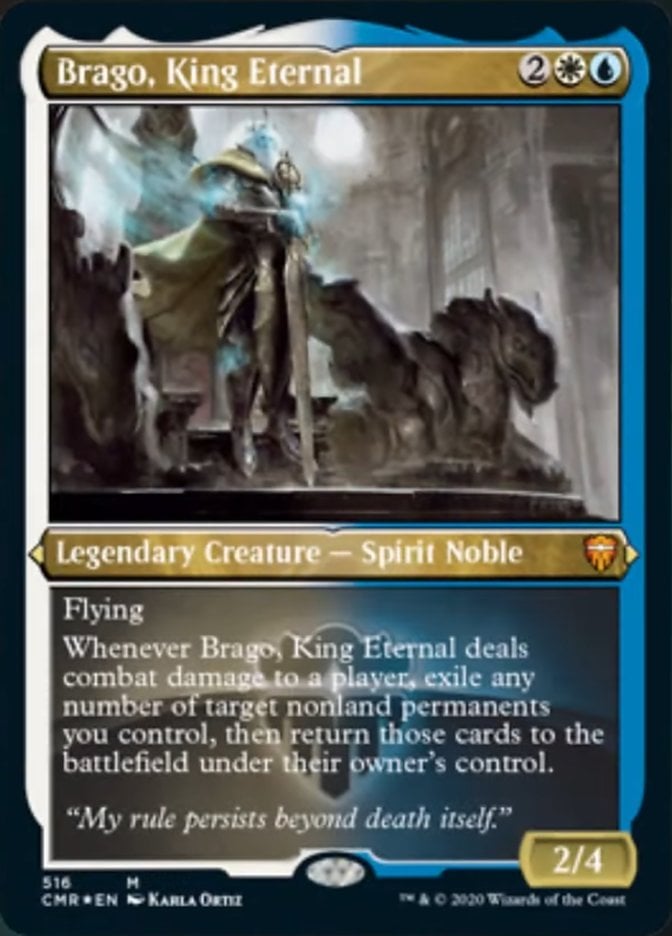
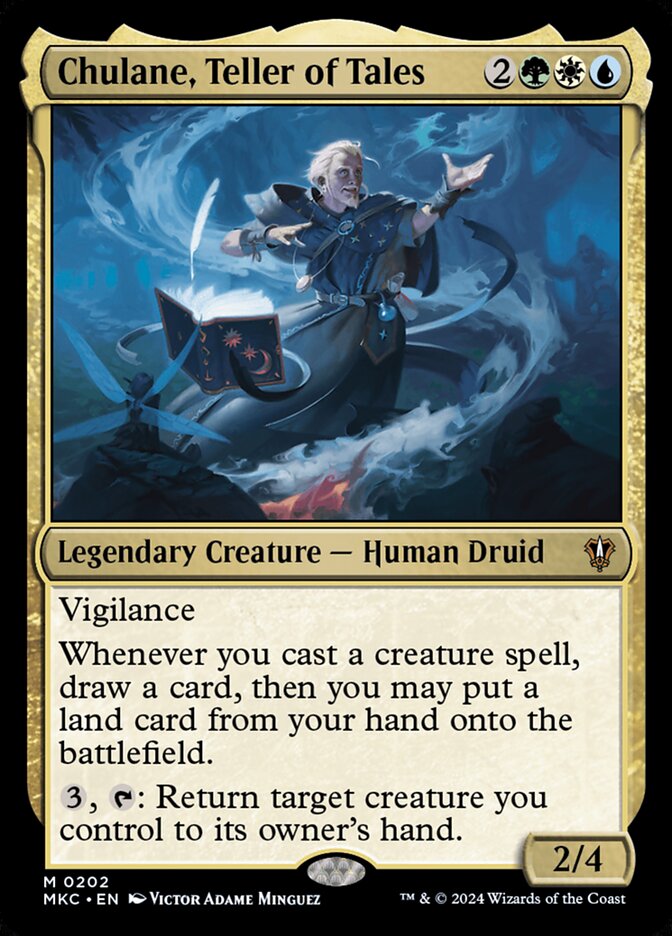
Since most splicers have enters abilities, they fit a lot of blink Commander decks like Brago, King Eternal, or heavy creature decks like Chulane, Teller of Tales.
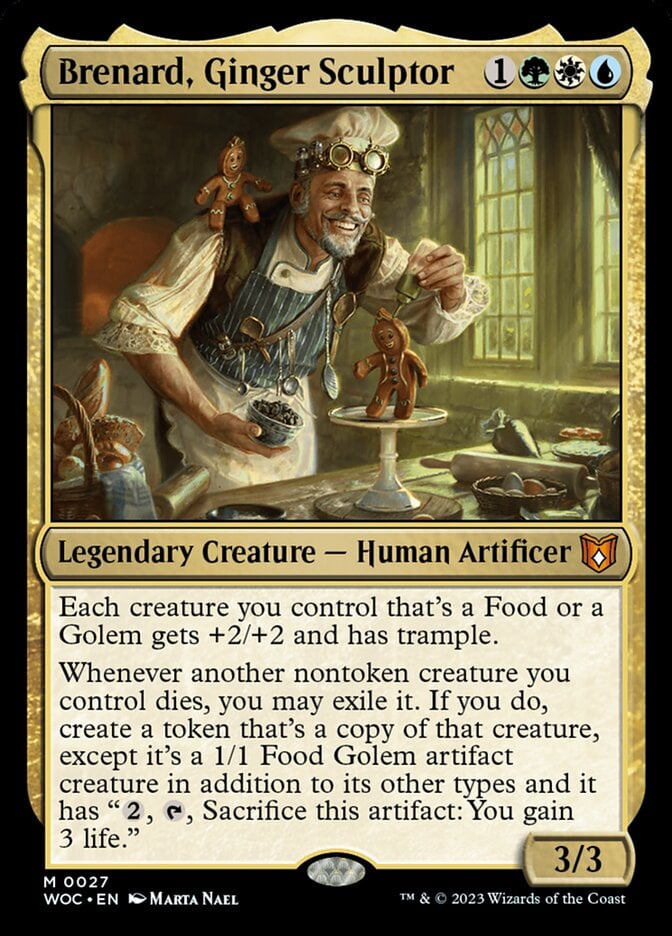
Brenard, Ginger Sculptor is a natural golem buffer, turning 3/3 vanilla creatures into 5/5 trample ones. Also, if your splicer dies, it’s even better: You’ll get a 1/1 golem copy of it, which will create more 3/3 golems and add all the benefits together.
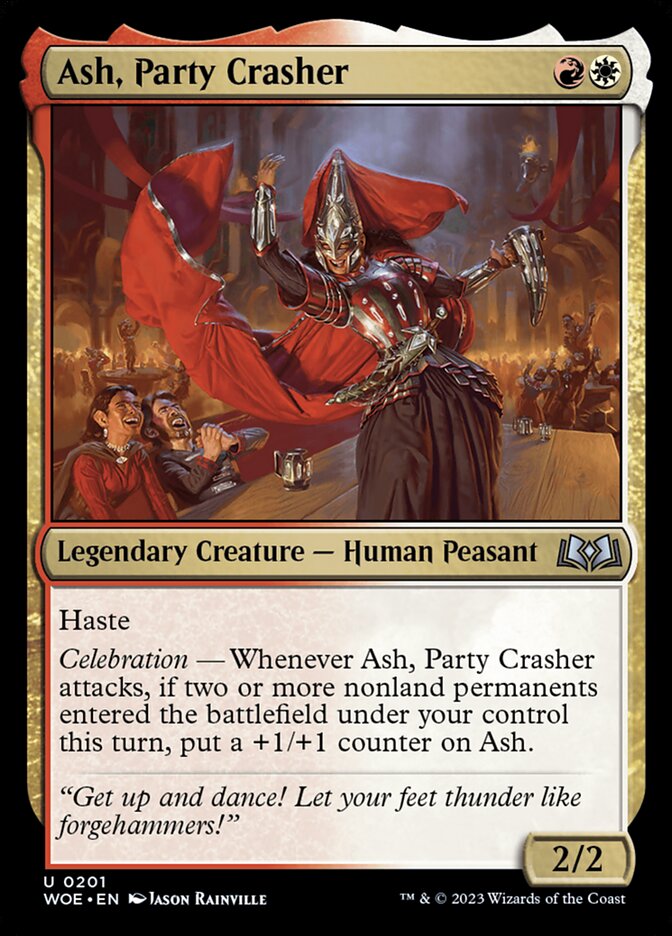
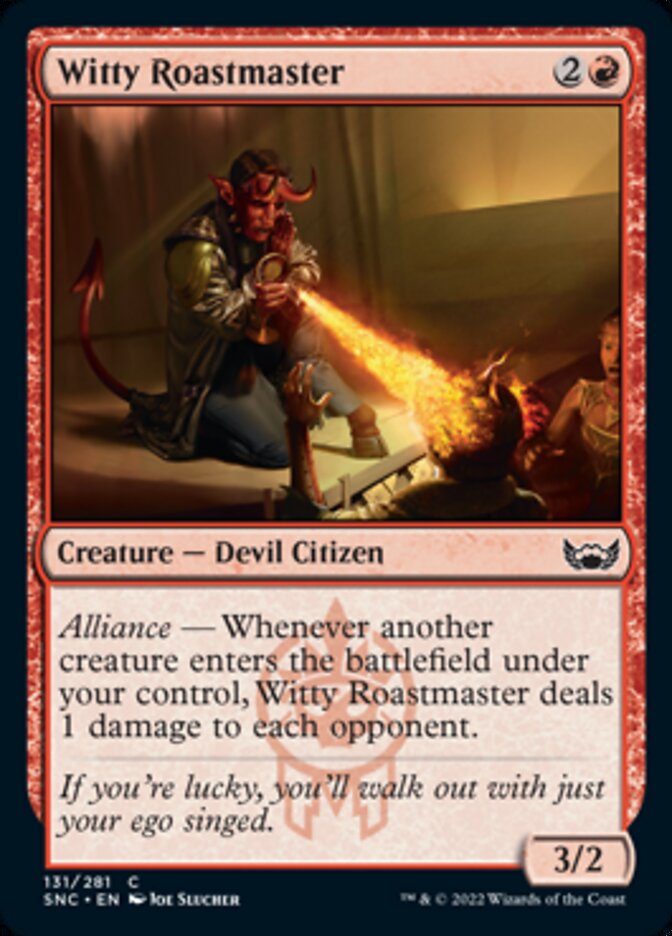
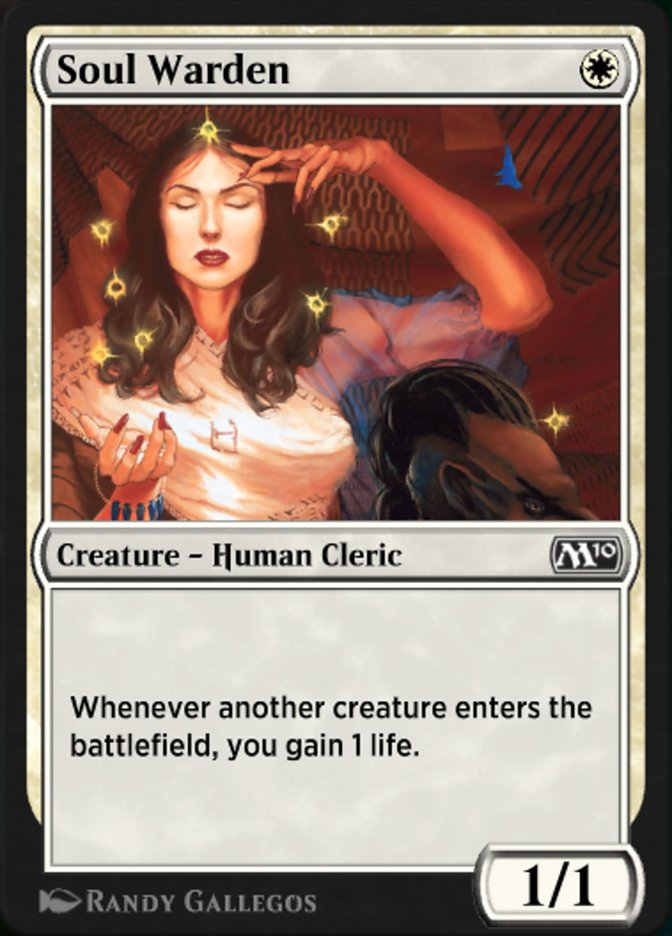
Anything that cares about more than one permanent entering the battlefield, like the alliance or celebration mechanics, as well as the Soul Sister cards, appreciate splicers.
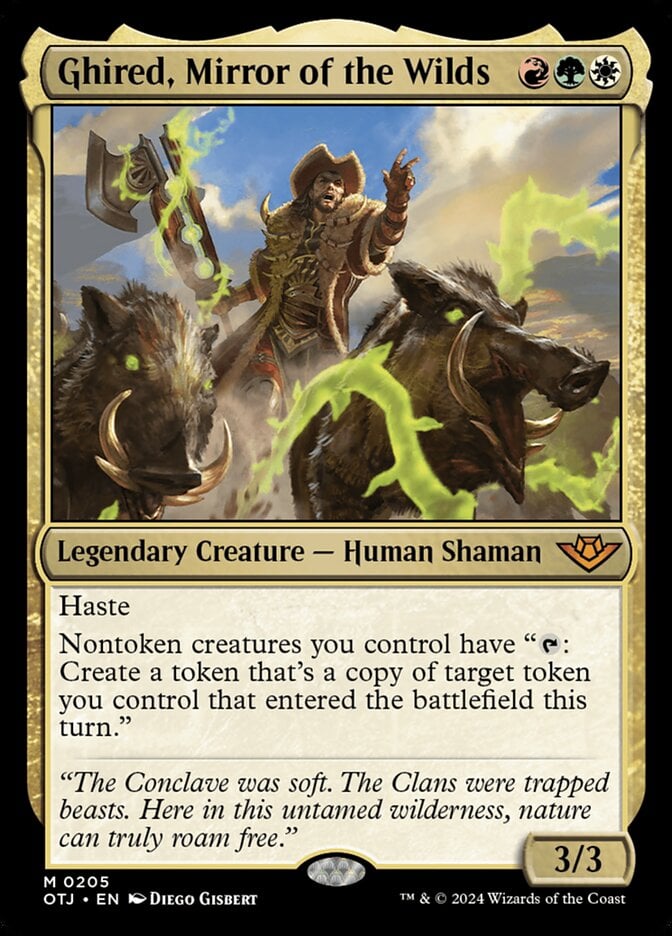
Ghired, Mirror of the Wilds can “populate” the golem tokens.

Cid, Timeless Artificer is an interesting one, considering that most splicers are artificers, and they make artifact creatures. So, your artificers will end up boosting your golems.
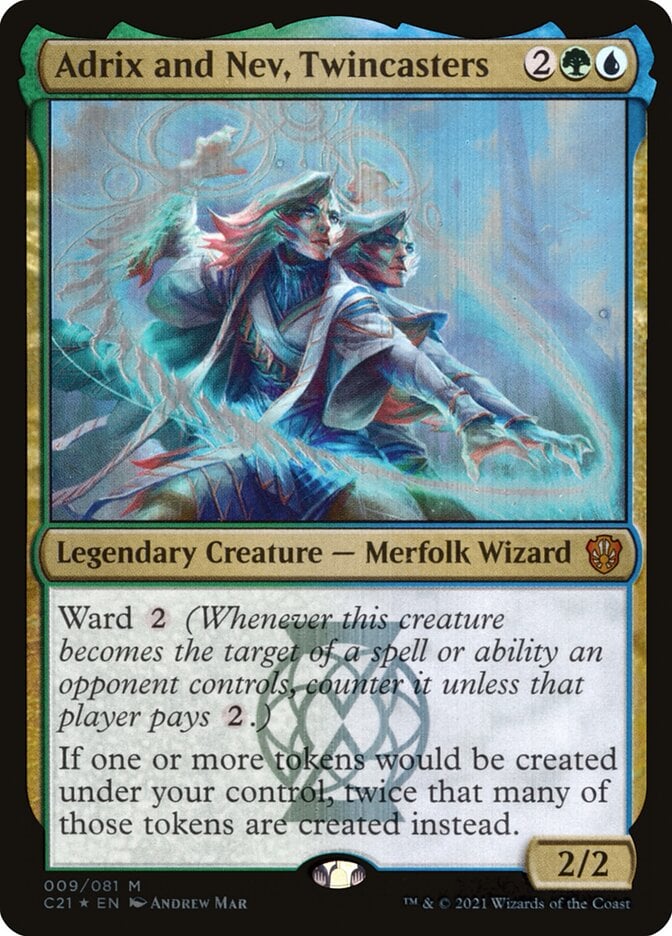
Adrix and Nev, Twincasters can double the golem tokens you produce.
Are There Any Splicer Commanders?
Bernard, Ginger Sculptor is the most obvious splicer commander. It’s in the right colors, considering that most splicers are green, white, and blue, and it also gives a hefty bonus for golems. There are other interesting options, though.
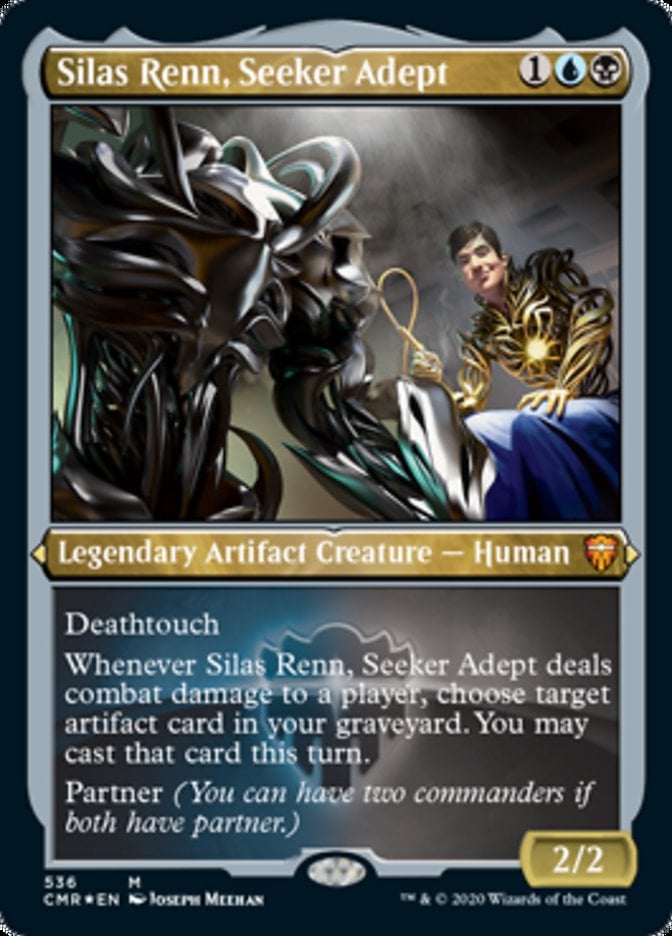
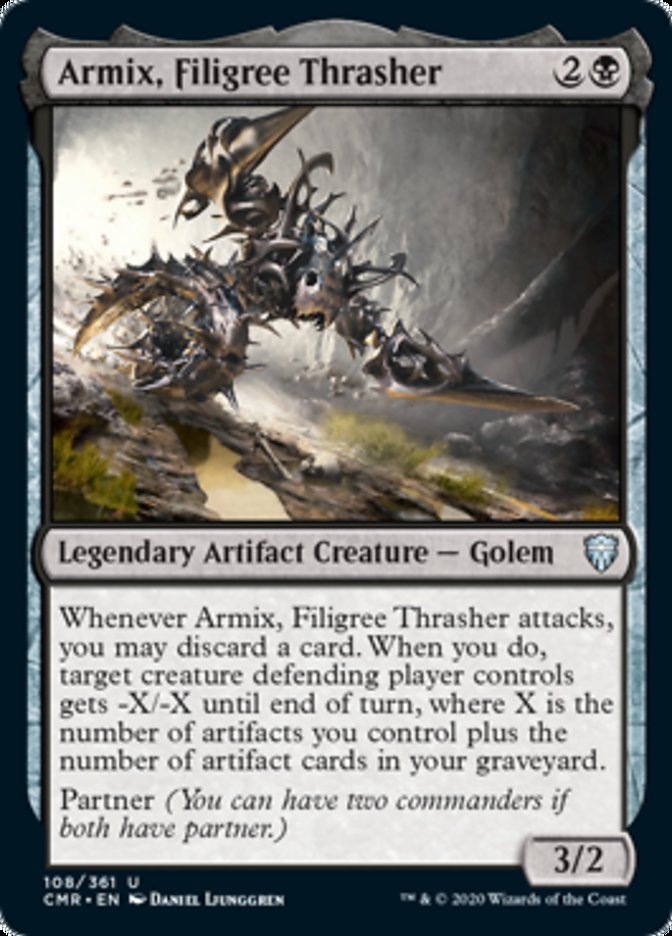
Ich-Tekik, Salvage Splicer is a basic splicer commander, considering that it can spread +1/+1 counters around golems, and you can combine that with cards like Triplicate Titan and Phyrexian Triniform. Other cards that create golems or artifact tokens are fair game. You can also partner it with artifact-centric commanders, like Silas Renn, Seeker Adept or Armix, Filigree Thrasher.
Malcator, Purity Overseer is also a legitimate splicer commander, but you’ll want to have plenty of artifacts and more cards that create artifacts in multiples.
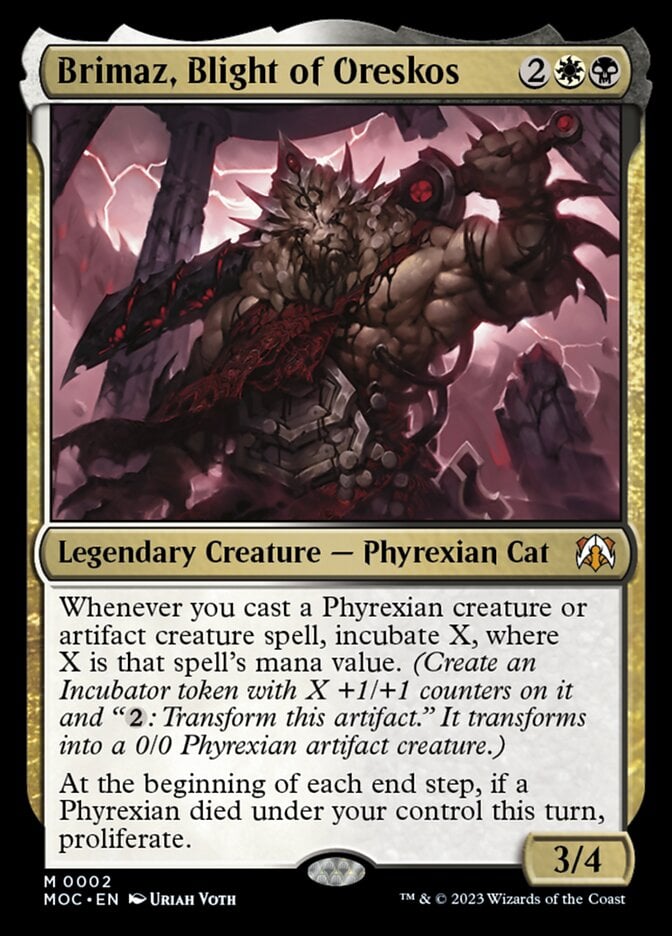
Brimaz, Blight of Oreskos is a Phyrexian commander, so it’s a way to get more juice out of your splicers, which are mainly Phyrexians.
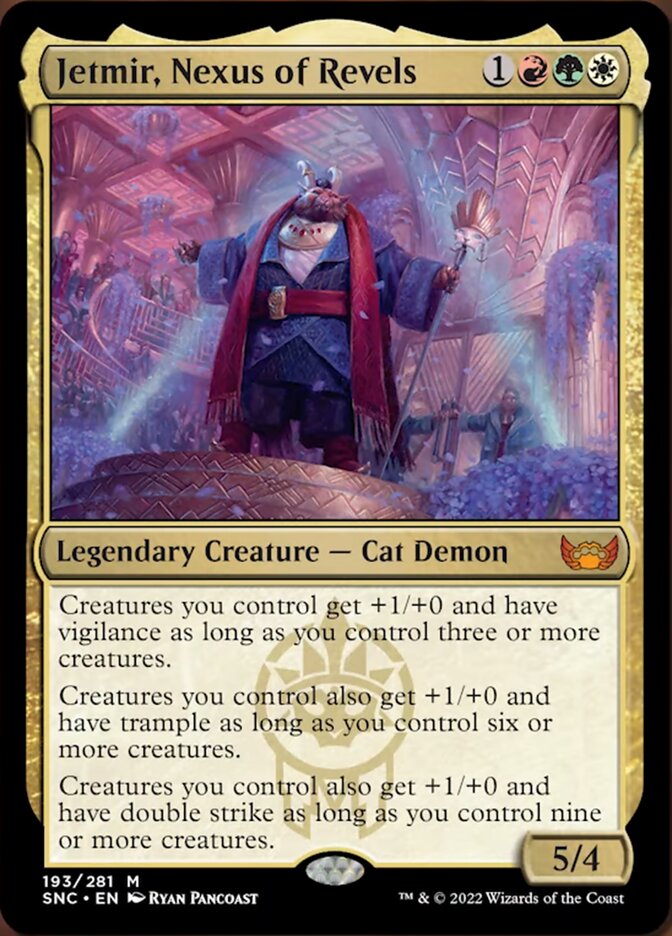
Jetmir, Nexus of Revels makes good use of your white and green splicers, considering that how Jetmir scales with creatures that produce multiple bodies at once.
Wrap Up

Golem | Illustration by Volkan Baga
And there you have it, folks, all the splicers in MTG. Getting two creatures for the price of one card is very efficient, especially in the face of enemy removal. At the time of their release, splicers were cool and one of the few creatures that made powerful tokens when entering. If you’re aiming for a medium power level in EDH or Cube, then Blade Splicer is an ideal white 3-drop.
What do you think of splicers, guys? Do you still play any of them in your decks? Let me know in the comments section below, or let’s discuss them over in the Draftsim Discord. For more from us, check out our YouTube channel, The Daily Upkeep.
Thanks for reading, and until the next time!
Follow Draftsim for awesome articles and set updates:










Add Comment