
Banishing Stroke | Illustration by Igor Kieryluk
Greetings, Planeswalkers. Today we’re covering a specific topic in MTG terms and rules: the difference between exiling and dying. MTG has different ways of dealing with enemy creatures. Cards like Murder destroy a creature. Wander Off exiles target creature. A card like Blood Artist specifically says “when a creature dies” in its rules text. So, what’s the main difference, which one’s better, and how do these differences impact players’ strategies? It’s a confusing topic, so let’s talk about these terms in greater detail.
What Does “Dies” Mean in MTG?
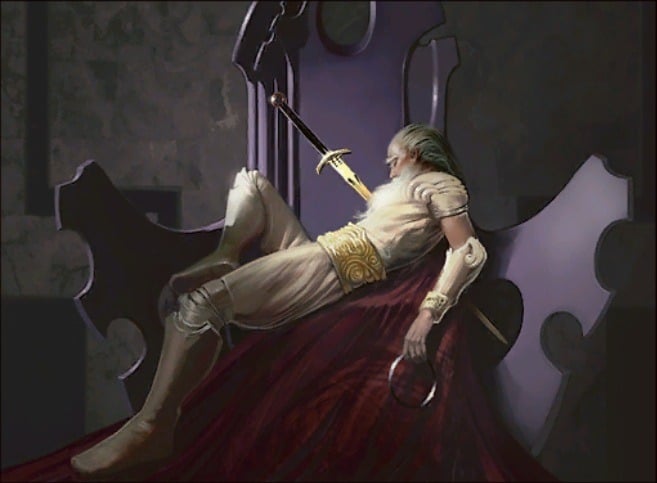
Murder | Illustration by Allen Williams
According to MTG rules, “dies” refers to a creature going from the battlefield to the graveyard. There are many ways a creature can die in MTG. The most common way is when the creature takes lethal damage in combat or from a burn spell. Creatures can also be destroyed by spells that say “destroy target creature.” Another common way a creature can die is when it receives a -X/-X debuff that reduces its toughness to or below 0, and it’s put into the graveyard. Sacrificing a creature also counts as dying.
What Does “Exile” Mean?
When a card is exiled, it means that it goes from the zone it’s currently in into the exile zone. We can exile cards from our hand, from our graveyard, from the battlefield and more. It’s very common to remove a creature from the battlefield by exiling it. In this case, it doesn’t go to your graveyard, and thus, it didn’t die. So, exile is short for putting a card into the exile zone.
Advantages of Dying in MTG
If your opponent is trying to interact with your creatures, that usually results in your creature dying or getting exiled. It’s better for you if they die in 99% of the cases, for a couple reasons.
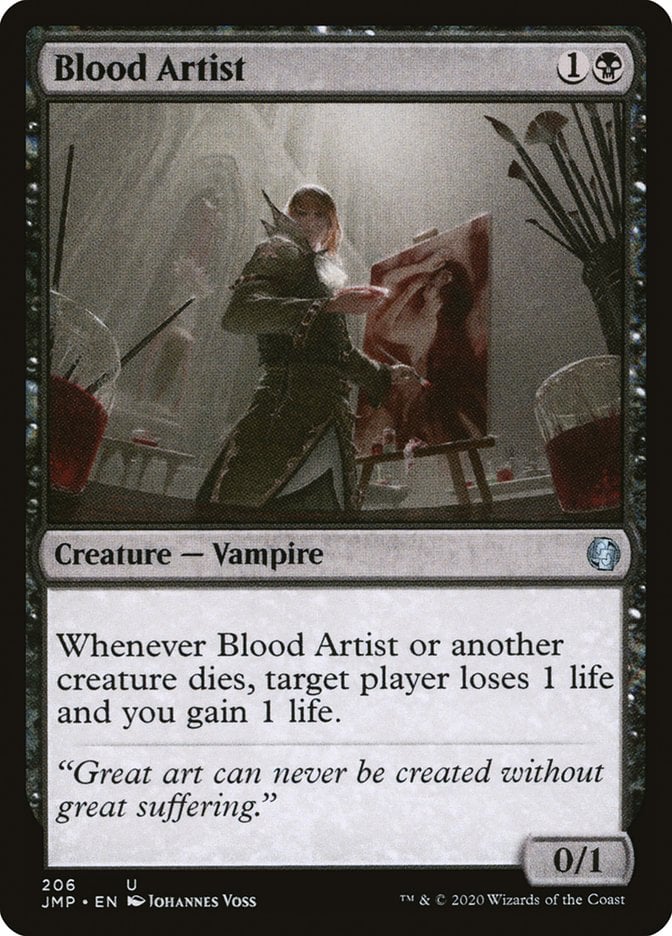
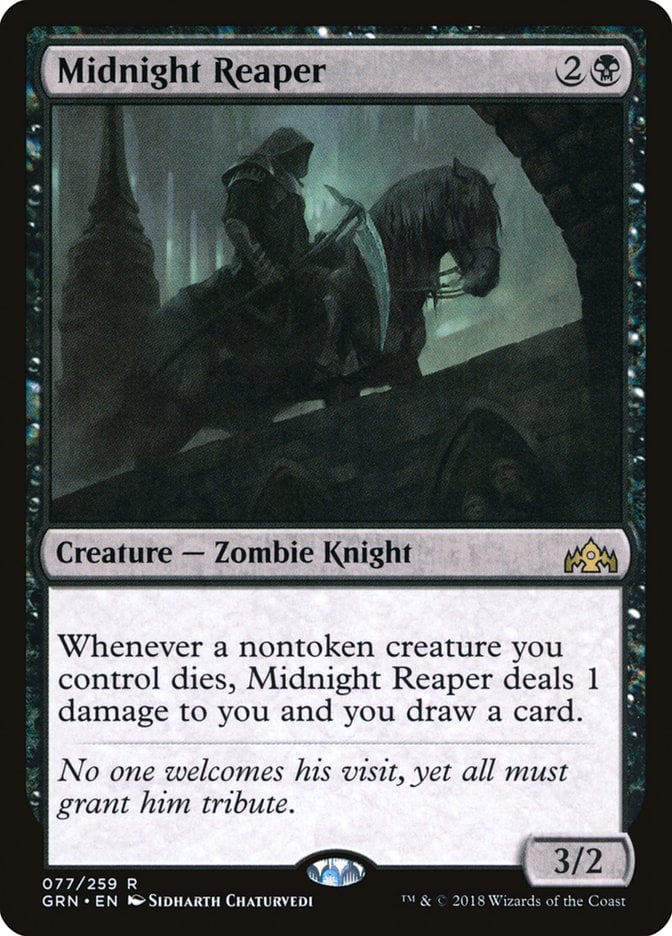
Let’s say you have a card like Blood Artist in play and another creature you control dies. Blood Artist will trigger, and you’ll gain a life and an opponent will lose a life. That won’t happen if your creature gets exiled. Assume you have Midnight Reaper in play. Each time one of your creature dies, you lose a life and draw a card, which is a strong bonus. Again, it won’t happen if the creature is exiled instead.
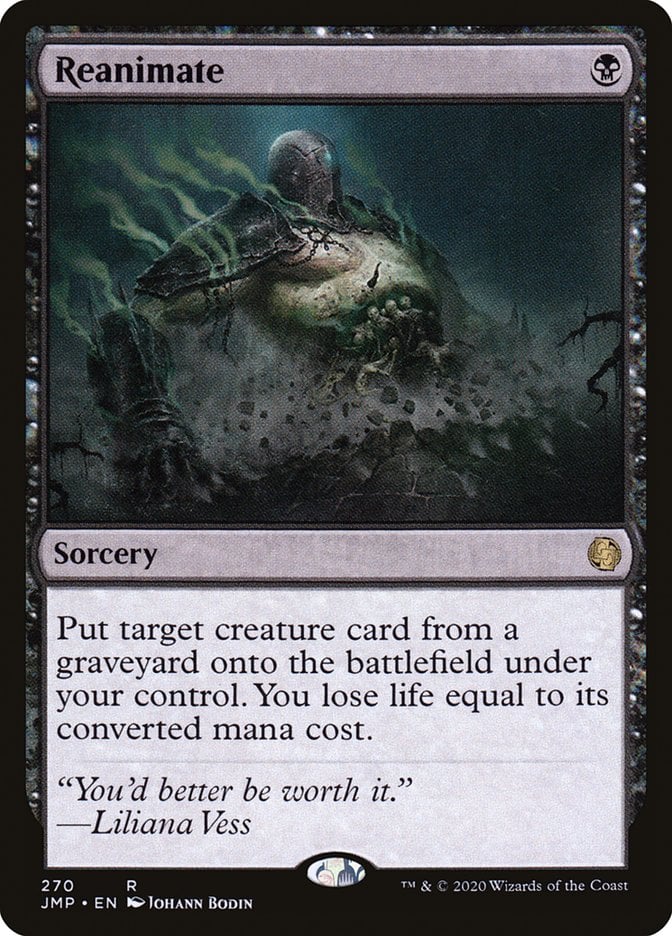
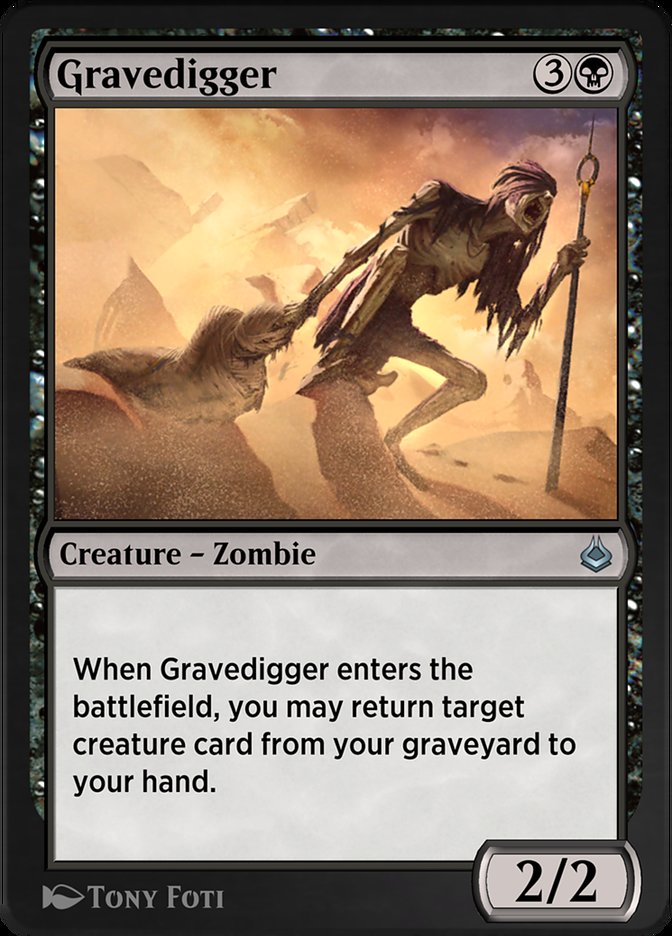
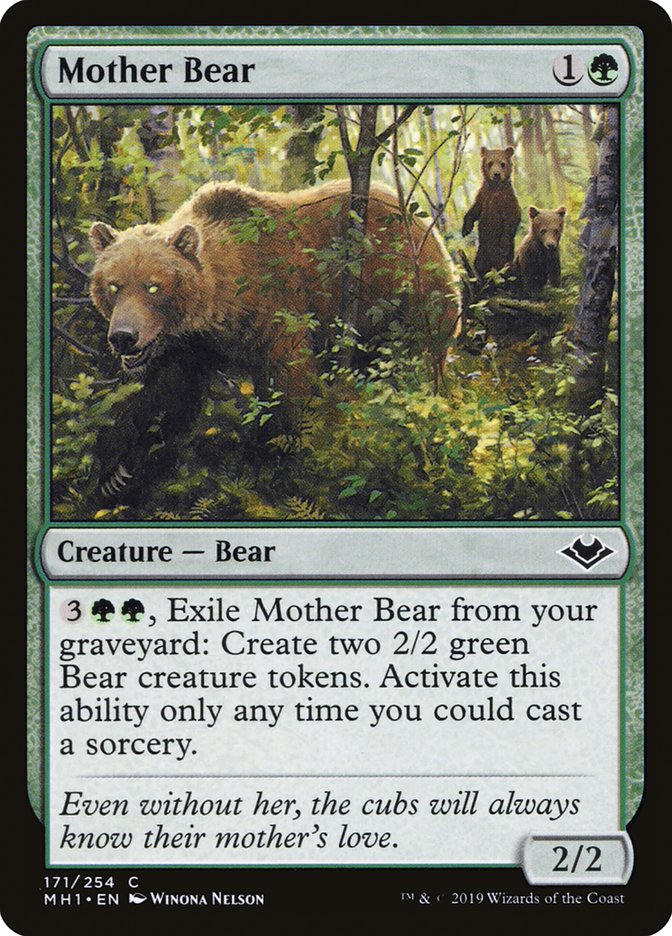
Then there’s your graveyard as a second resource. In MTG, there are many things you can do with a creature if it’s in your graveyard. Cards like Reanimate and Zombify can bring them back to the game. Gravedigger can get the creature back to your hand. Creatures like Mother Bear have special abilities that can be activated from the graveyard. Not to mention, some mechanics and cards care about the number of creature cards in your graveyard.
Advantages of Exiling
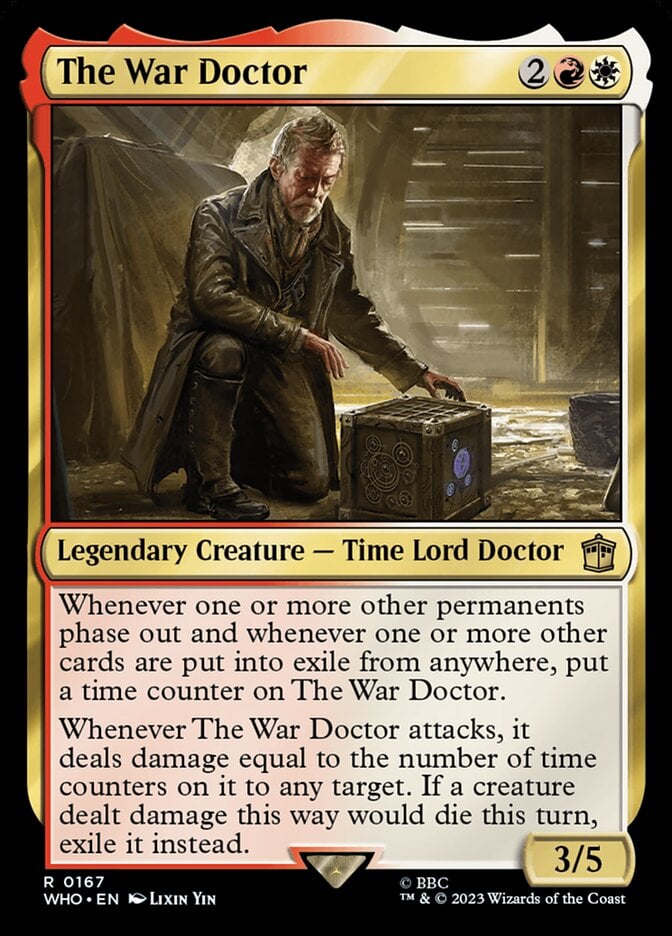

The advantages of exiling are often in favor of the player that doesn’t control the creature. It’s better to exile your opponent’s creatures than to destroy them. A lot of cards in MTG benefit the creature’s controller when they die, and just a few care about exile. For example, if your opponent controls creatures like The War Doctor or Ketramose, the New Dawn, which specifically care about exiling, then it’s better to destroy their creatures. But these cards are so rare and far between.
Does Exiling a Creature Count as That Creature Dying?
No. When a creature dies, the rules specifically say that a creature is put into the graveyard from the battlefield. When you exile the creature, it’s put into the exile zone, and thus, it didn’t die.
Does Exiling a Commander Count as Dying?
No. Exiling never counts as dying regardless of the format. Exiling a commander will not cause any death triggers to happen.
However, if a commander can still “die” before going back to the command zone, which is a unique quirk of the format.
Does Exiling a Token Count as Dying?
No. When a creature gets exiled, even if it’s a token, it doesn’t die. Tokens are a specific rules case, because they cease to exist once they go to any zone other than the battlefield.
A token can still die and go to the graveyard, triggering all relevant abilities, but the token will no longer exist the next time state-based actions are checked. The same is true of exile. When a token is exiled, it’ll exist in exile for a brief moment, triggering relevant exile abilities, then disappear from the game.
Do Noncreature Permanents Die?

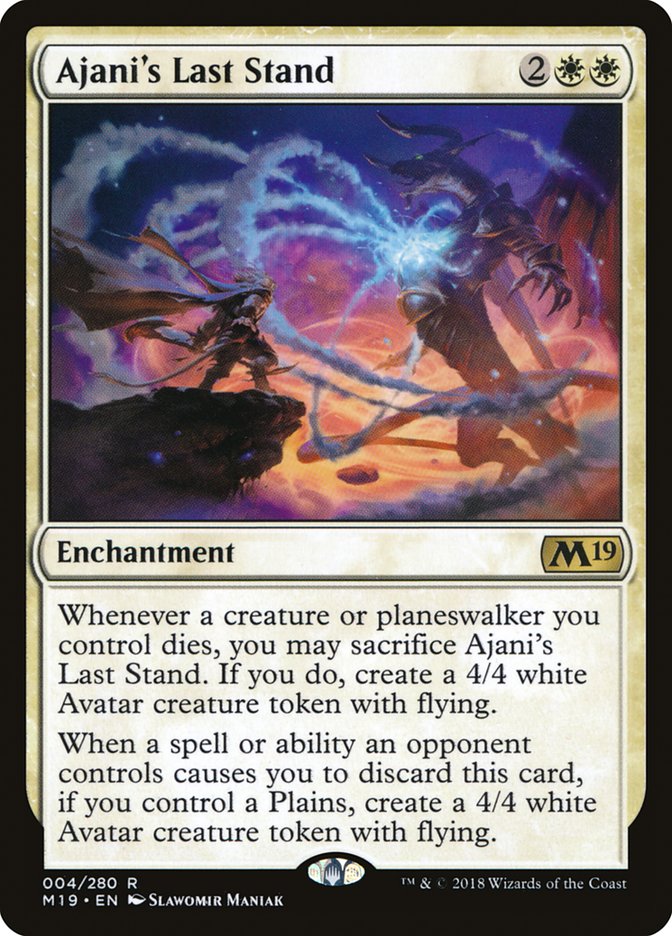
They do. Whenever a player destroys a planeswalker, an artifact, or an enchantment, it goes to the graveyard, so it dies according to MTG rules.
It’s weird to think that a “lifeless card” like an artifact would die, but that’s what happens. A card like Judge Magister Gabranth specifically says in its rules text: “whenever a creature or artifact dies…”. Ajani's Last Stand says “whenever a creature or planeswalker you control dies…”, and so on. “Dies” is usually only used in conjunction with creatures and planeswalkers, though you’ll see it refer to other card types when they appear in the same ability as creatures and planeswalkers.
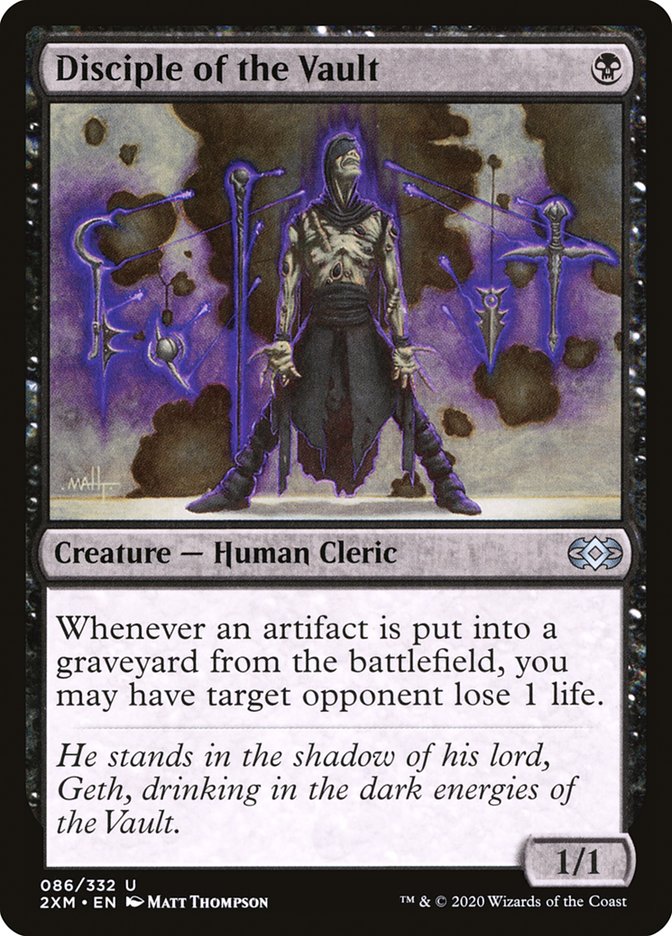
One last observation: Many cards in MTG use the term “put into a graveyard from play” instead of dying. A classic example is Disciple of the Vault, that says: “Whenever an artifact is put into a graveyard from the battlefield.” That’s functionally the same as saying “when an artifact dies,” but the language fits more flavorfully.
Does Exile Get Around Death Triggers?
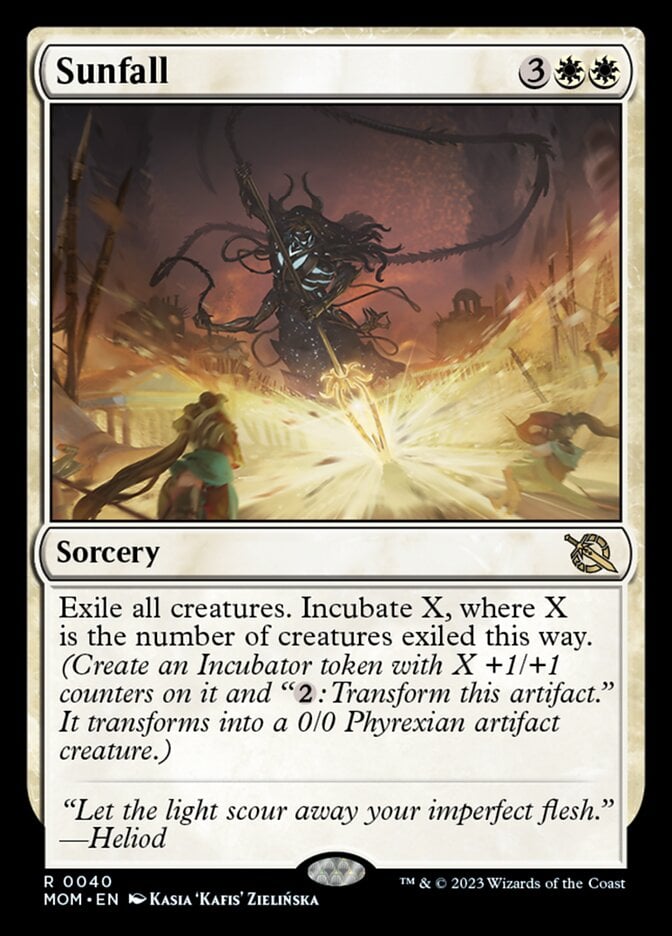
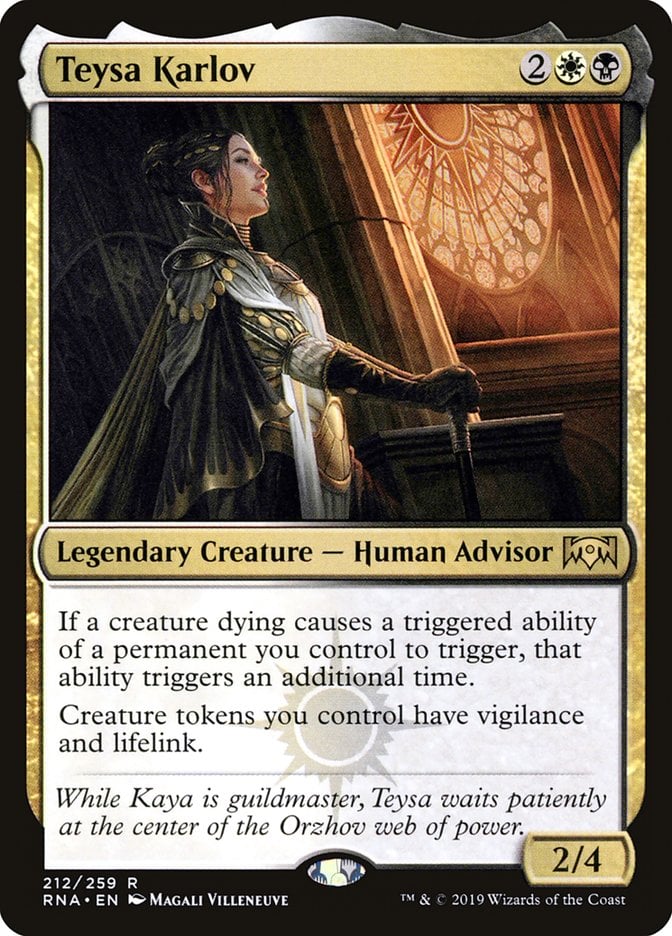
Yes, that’s why cards like Sunfall and Farewell are so good—they don’t let your opponent get death triggers. Commanders like Teysa Karlov are built around death triggers, and in this case, they don’t get any and their engines won’t work.
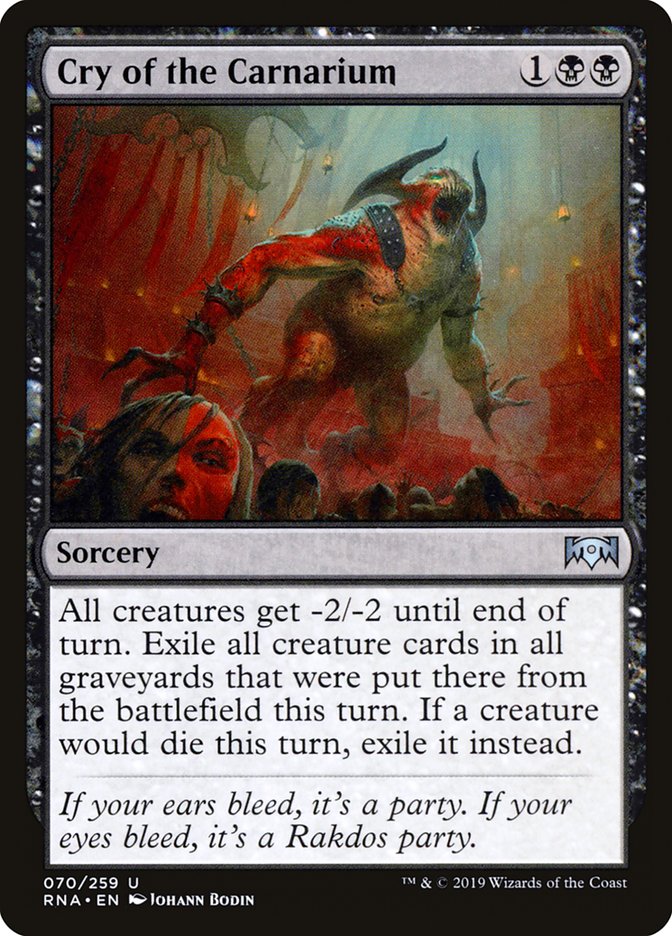
An excellent practical case of this was in 2019-2020 Standard, where black decks took advantage of Midnight Reaper to draw cards as their creatures were destroyed. Players would fight this value engine with Cry of the Carnarium. So, the Midnight Reaper player wouldn’t get any cards due to the exile clause.
Can Creatures with Indestructible Die? Can They Be Exiled?
Yes, indestructible creatures can die and they can be exiled.
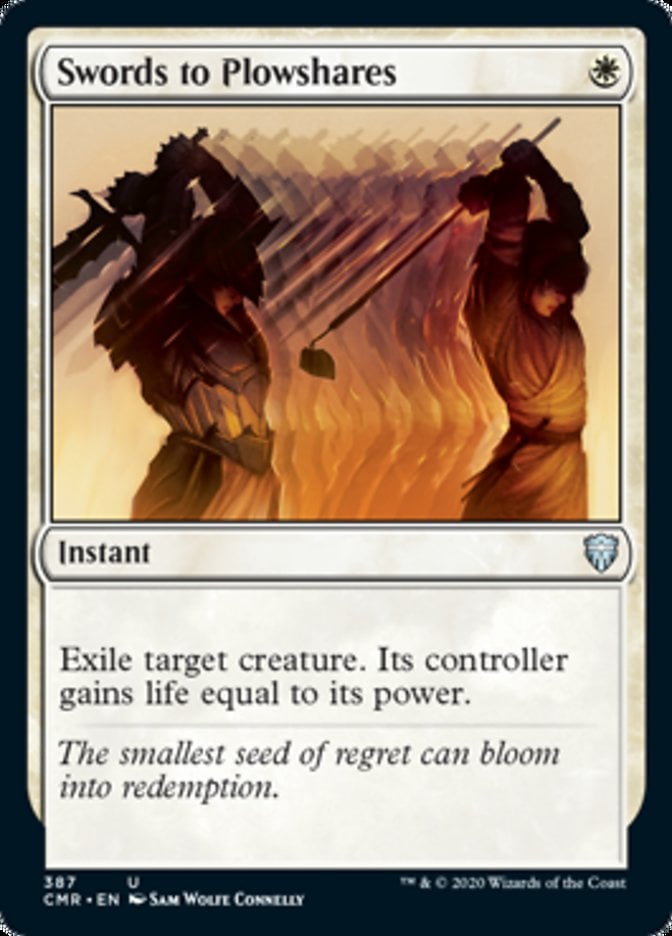
First, let’s cover the exile case, because it’s simpler. Any indestructible creature can be exiled because indestructible prevents creatures from being destroying, and exiling a creature is another thing entirely. Exile is one of the best answers to indestructible creatures, so feel free to Swords to Plowshares them.
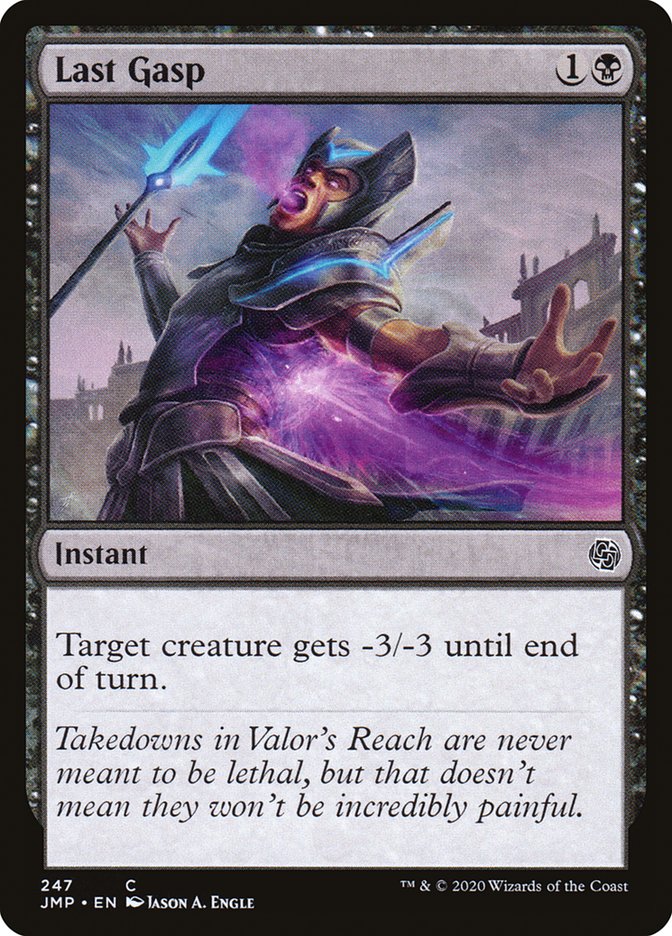
An indestructible creature can still die if its toughness becomes 0, or if it’s sacrificed. Indestructible creatures can’t be destroyed, so cards like Doom Blade and Murder have no effect. They don’t die to lethal damage either, so a 3/3 indestructible shrugs off Lightning Bolt. However, a card like Last Gasp works, because it turns the 3/3 creature into a 0/0. Because it has 0 toughness, it will be put into a graveyard from play, and die.
Does a Creature Die When It’s Countered?
No. The creature card goes to the graveyard when it’s countered, but it never entered the battlefield in the first place, and that’s why it doesn’t die.
Which Is Better: Exile or Destroy?

Exiling is better then destroying in most cases. That’s why a card like Swords to Plowshares is much better then a Fell or Murder (not considering the mana cost; just the effect). A card like Misthollow Griffin is good against exile, because their owner can simply recast from exile, but in reality, it’s very rare that a card can be cast from exile. Because there are so few exile synergies and so many graveyard synergies, it’s almost always best to exile a threat.
Wrap Up
Banishing Light | Illustration by Willian Murai
There you go, folks: the differences between exile and dying in MTG. This topic is rather confusing because MTG’s terminology has changed a couple times over the years, so you can find two different versions of the same card with different rules text.
In 99% of the cases, exiling an enemy creature is better than destroying it, and you’d rather have your own creatures destroyed than exiled for a lot of reasons.
Are there any topics we didn’t cover here? Any advanced questions? Please let me know in the comments section below, or let’s discuss it over in the Draftsim Discord. Check out The Daily Upkeep YouTube channel for more content like this.
Until next time, stay safe!
Follow Draftsim for awesome articles and set updates:










Add Comment