
Last updated on June 3, 2025

Urza, Lord Protector | Illustration by Ryan Pancoast
Power creep has been a discussion point in Magic: The Gathering since the game expanded beyond the original Alpha set. Cards have been getting progressively more powerful for 30+ years, as is the case with most ongoing trading card games. And with shifts in power come additional complexities.
Complexity creep is an entirely different issue. As the individual cards get more powerful, so too do they get more wordy and intricate. Boards get cluttered with artifact tokens, clones can copy just about anything now, and there are countless “tracker mechanics” to follow, like The Ring, dungeons, and speed.
Magic’s been ramping up its complexity for a while now, which isn’t totally unexpected for a game that’s been around this long. Magic has to innovate and evolve, after all. But there’s one subtle change that contributes to this without being too problematic: The increased use of cameo mechanics in new sets.
What Is a Cameo Mechanic?

Cursecloth Wrappings | Illustration by Dominik Mayer
It used to be the case that new set releases revolved around a handful of specific core mechanics. Look back at a set like Odyssey, and you’ll see the key mechanics flashback and threshold, with most everything else working in service of them. The rest of the block would expand on these, but the mechanics that were present in the set were the mechanics that everything else revolved around.
Later sets would often add more than just a couple mechanics per release. The original Theros set introduced devotion, monstrosity, heroic, and bestow, on top of having scry and enchantment creatures as core identifiers. And faction sets like Return to Ravnica and Khans of Tarkir often had one mechanic per color combination, and sometimes a central mechanic tying everything together (think morph in Khans).
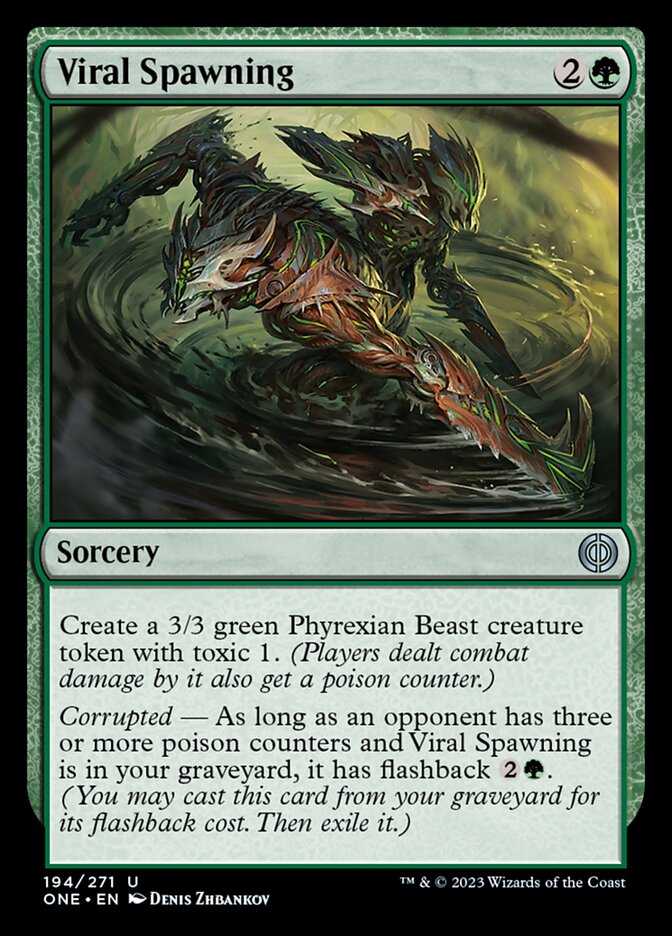
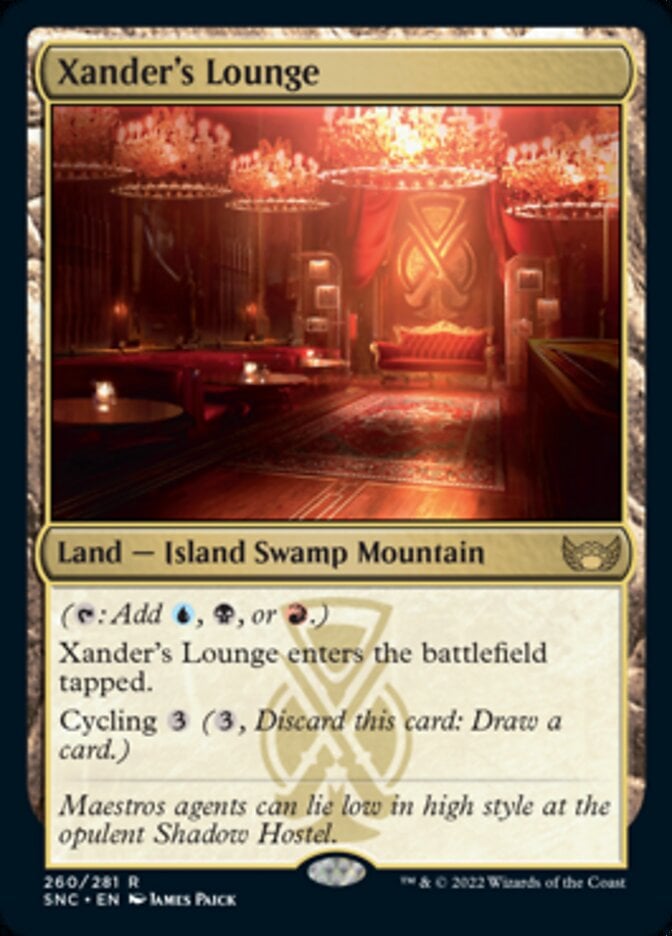
Fast-forward to the early 2020s and you’ll start to see some “cameo mechanics” popping up, which are essentially one-shot abilities that don’t represent a core mechanic of a set, but fit a particular design well enough to be worth using. Examples include the single uses of flashback and battle cry in Phyrexia: All Will Be One, or cycling appearing on the triomes in Streets of New Capenna (cycling would be upgraded to deciduous status shortly thereafter).
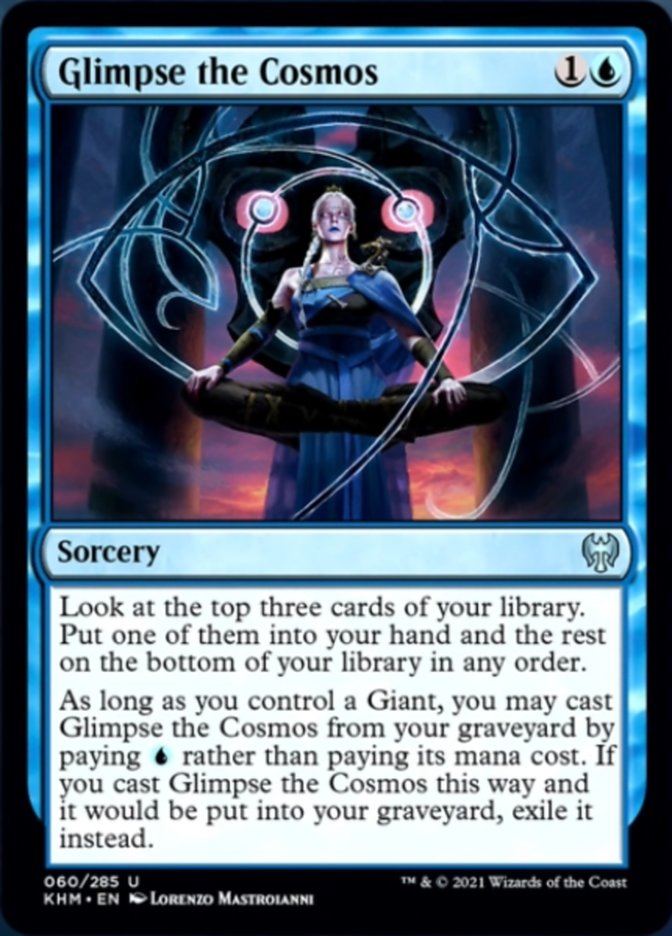
Wizards of the Coast started loosening the reigns on these one-off mechanics; it used to be that if a named mechanic wasn’t a notable part of a set, they just wouldn’t use it. That’s why a card like Glimpse the Cosmos spells out the flashback text (flashback wasn’t a core mechanic in Kaldheim). Skyship Plunderer is similar, spelling out the text for proliferate instead of using the keyword, since proliferate wasn’t a larger part of Aether Revolt.
The doors are pretty much open now, though, as proven by the sets released in the first half of 2025.
More Cameos Than a Reunion Episode

Stormscale Scion | Illustration by Andrew Mar
Let’s take a look at the last three major set releases:
- Aetherdrift had one-off uses of exert and embalm as callbacks to Amonkhet.
- Tarkir: Dragonstorm had one-off uses of decayed, storm, suspend, and delve.
- Final Fantasy uses hideaway, devotion, and meld as single-instance mechanics.
You’ll note that all of these cameo mechanics appear only once in their respective set, and only on rares or mythic rares. So while there’s added complexity, they appear pretty infrequently in Limited environments.


But they do, in fact, add complexity. It’s easy for a veteran player to say: “Oh yeah, suspend, the time counter mechanic from Future Sight.” But a new player doesn’t have that luxury. A first-time prereleaser who opens Clive's Hideaway and Clive, Ifrit's Dominant in their Sealed pool now has two additional mechanics they have to be familiar with on top of the core mechanics of the set. Is it an impossible hurdle to overcome? No, definitely not, but it is added complexity in a game that’s become impressively complex.
The trade-off here is that cameo mechanics just give players more cards with abilities that they really love. People love proliferate, and populate, and hideaway. The increased learning curve for newbies is usually worth it if the result is a cool card, especially one that further fleshes out strategies built around that mechanic.
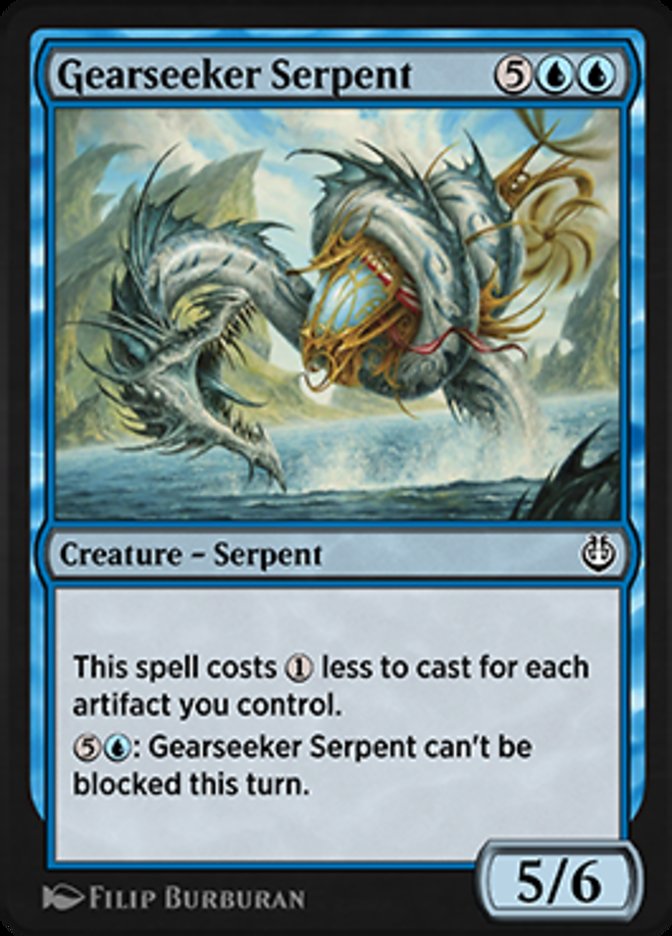
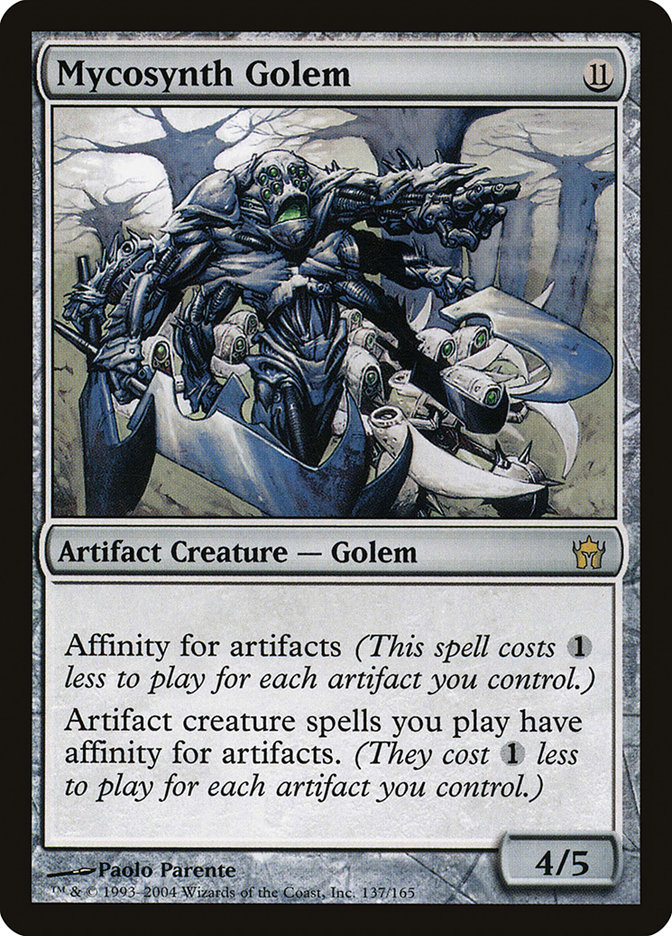
There’s also an argument that increased use of keywords might be beneficial to new players. Gearseeker Serpent‘s reprint in Aetherdrift updated its text with “affinity for artifacts.” That’s a bullet point that a new player’s going to have to learn, but once they do, they’ll now understand how older affinity cards work when they see them. In other words, there’s more overhead on learning new cards, but it helps understand the backlog of Magic cards for anyone digging through card files.
Cameo vs. Deciduous

Taigam, Master Opportunist | Illustration by Joshua Raphael
Just to be clear, cameo mechanics differ from deciduous mechanics in a meaningful way. “Deciduous” is the term Magic R&D uses to describe a mechanic that they can freely use whenever they have a good design for it, but one that players shouldn’t expect to see in literally every set. Things like flying, trample, and menace are evergreen, or show up in every new release, but vehicles, landfall, surveilling, and secondary mechanics like that are deciduous.


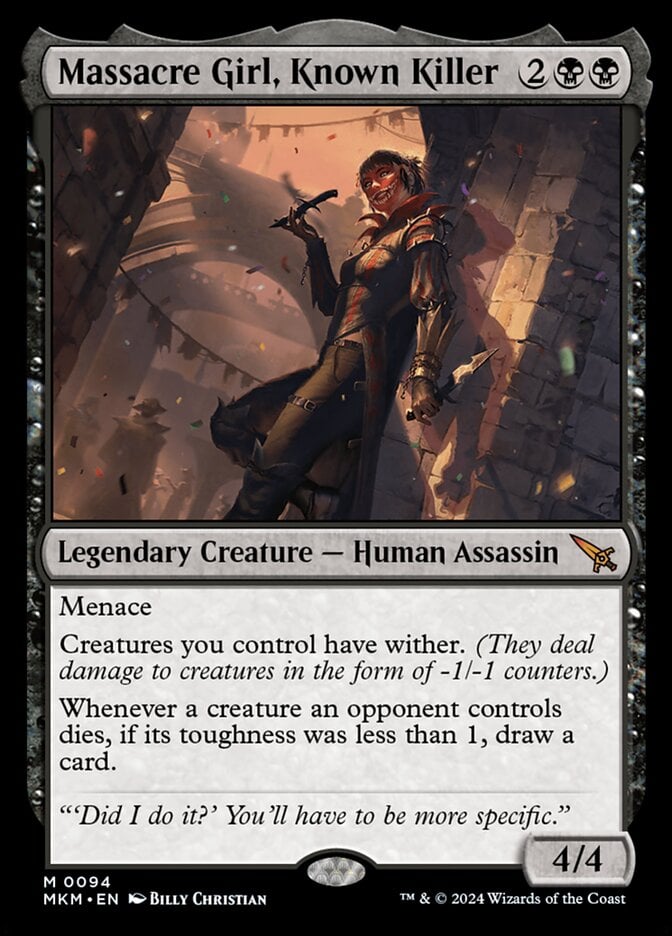
A cameo mechanic usually shows up on literally one card in any given set, and rarely in more than one Standard release over a certain period of time. Storm actually shows up on Ral, Crackling Wit and Stormscale Scion in current Standard, but you’re not likely to see another Standard-legal card with wither aside from Massacre Girl, Known Killer.
All distinctions aside, cameo mechanics have allowed Magic to produce some really interesting cards recently, ones that wouldn’t be so interactive or intriguing if the keyworded abilities were off-limits to the designers. The trade-off is added complexity to the game, and while even small bits of complexity add up over time, it’s usually worth it to produce fun and interesting game pieces.
Follow Draftsim for awesome articles and set updates:










Add Comment