
Ingris Stingerquill | Background Illustration by Ovidio Cartagena
Ingris Stingerquill leads Hexhaven’s counterpart to Silverquill in Reality Fracture. The desire for wit is replaced with vicious cruelty, as symbolized by white becoming red and Stingerquill going straight for the jugular.
This elder sphinx strikes hard and fast with a burn ability reminiscent of Hellrider; let’s see how we can break our opponents’ spirits… in the game, of course.
The Deck
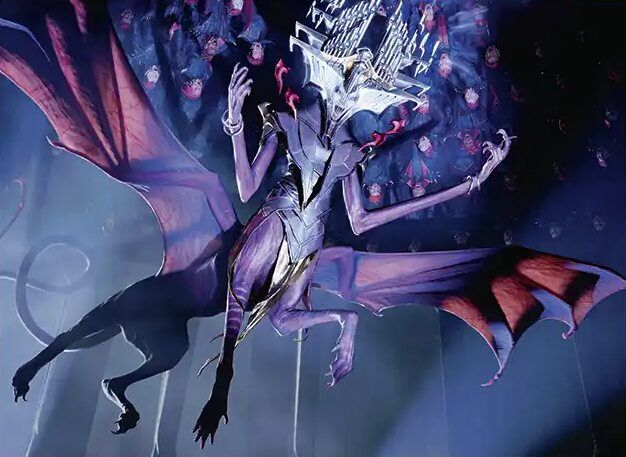
Ingris Stingerquill | Illustration by Chase Stone
Commander (1)
Planeswalker (1)
Creature (32)
Agate Instigator
Bitterbloom Bearer
Blood Seeker
Boggart Trawler // Boggart Bog
Chandra's Incinerator
Chandra's Spitfire
Dark Confidant
General Kreat, the Boltbringer
Gix, Yawgmoth Praetor
Gleeful Arsonist
Goblin Rabblemaster
Hellrider
Howlsquad Heavy
Jadar, Ghoulcaller of Nephalia
Kederekt Parasite
Krenko, Mob Boss
Krenko, Tin Street Kingpin
Loyal Apprentice
Master of Barbs
Mishra, Claimed by Gix
Ojer Axonil, Deepest Might // Temple of Power
Pinnacle Monk // Mystic Peak
Purphoros, God of the Forge
Ragavan, Nimble Pilferer
Razorkin Needlehead
Searslicer Goblin
Siege-Gang Lieutenant
Solphim, Mayhem Dominus
Stormfist Crusader
Sunspine Lynx
Thor, Guardian of Midgard
Torbran, Thane of Red Fell
Instant (7)
Bitter Triumph
Deadly Dispute
Fell the Profane // Fell Mire
Fire Covenant
Infernal Grasp
Price of Progress
Soul Shatter
Sorcery (10)
Agadeem's Awakening // Agadeem, the Undercrypt
Bone Shards
Feed the Swarm
Night's Whisper
Reckless Impulse
Shatterskull Smashing // Shatterskull, the Hammer Pass
Sign in Blood
Song of Totentanz
Will of the Abzan
Wrenn's Resolve
Enchantment (4)
Bitterblossom
Impact Tremors
Rite of the Raging Storm
Virtue of Courage // Embereth Blaze
Artifact (10)
Arcane Signet
Charcoal Diamond
Fellwar Stone
Fire Diamond
Jeweled Amulet
Mox Amber
Rakdos Signet
Sol Ring
Talisman of Indulgence
Urabrask's Forge
Land (35)
Arena of Glory
Blinkmoth Nexus
Blood Crypt
Command Tower
Den of the Bugbear
Dragonskull Summit
Fabled Passage
Haunted Ridge
Luxury Suite
Mountain x14
Mutavault
Prismatic Vista
Raucous Theater
Smoldering Marsh
Sulfurous Springs
Swamp x7
This edition of Ingris is cleanly Bracket 2. Yes, it’s aggro, but it’s pretty light on removal and extremely straightforward, with no combos or stax pieces to end things from nowhere. Rakdos Aggro () also tends to suffer due to the colors’ lack of solid protection spells in a sweeper-heavy format.
This deck’s all about token aggro, with token producers that put as many bodies into play as possible to trigger Ingris as often as you can. Ingris gets backup from damage doublers and Impact Tremors variants to close the game.
The Commander: Ingris Stingerquill
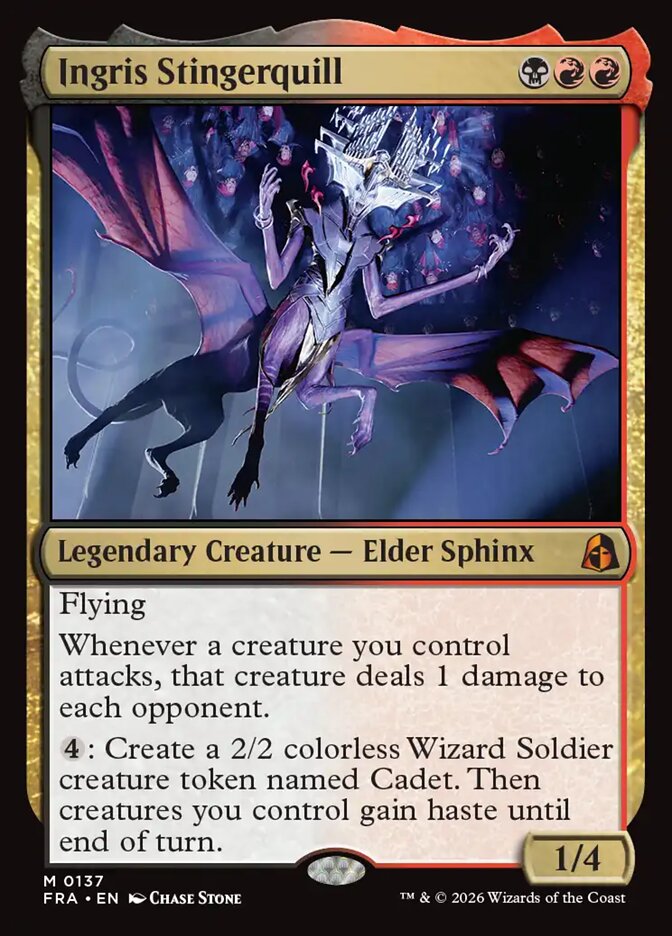
Ingris Stingerquill serves as the deck’s primary source of damage. Aggro decks face steep challenges in Commander because they have three opponents with so much life. Stingerquill smooths this out by damaging all your opponents at once, so you don’t get stuck in a rut of attacking one player down, then getting massacred by the others.
The activated ability is also welcome: Aggro decks suffer from flooding worse than other archetypes, so the mana sink to mitigate that makes the deck stronger.
Token Producers
These are the heart of the deck, the bodies that make Ingris and other burn spells hum so the game proceeds at a regular clip.

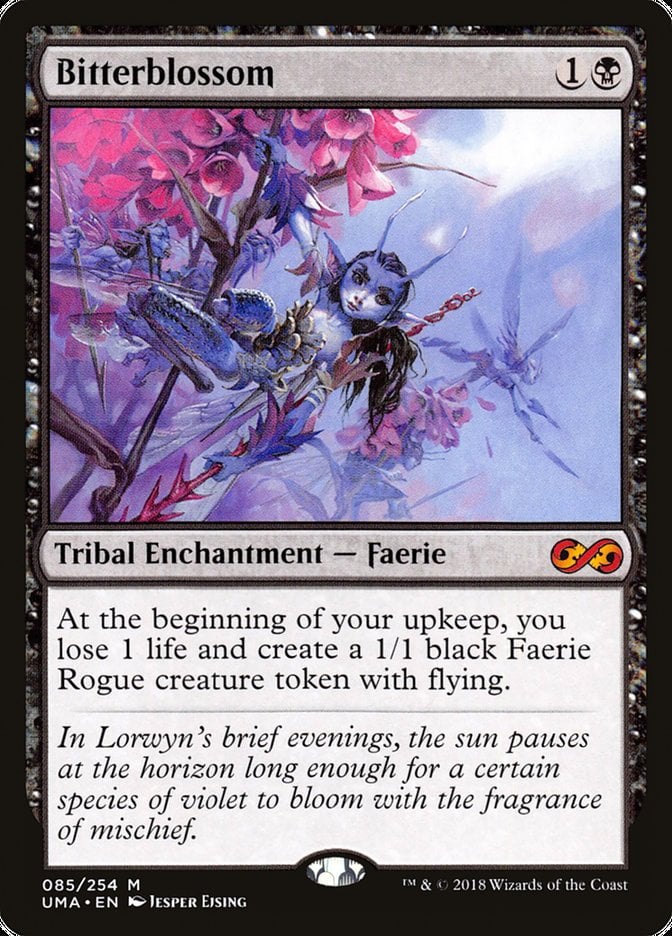
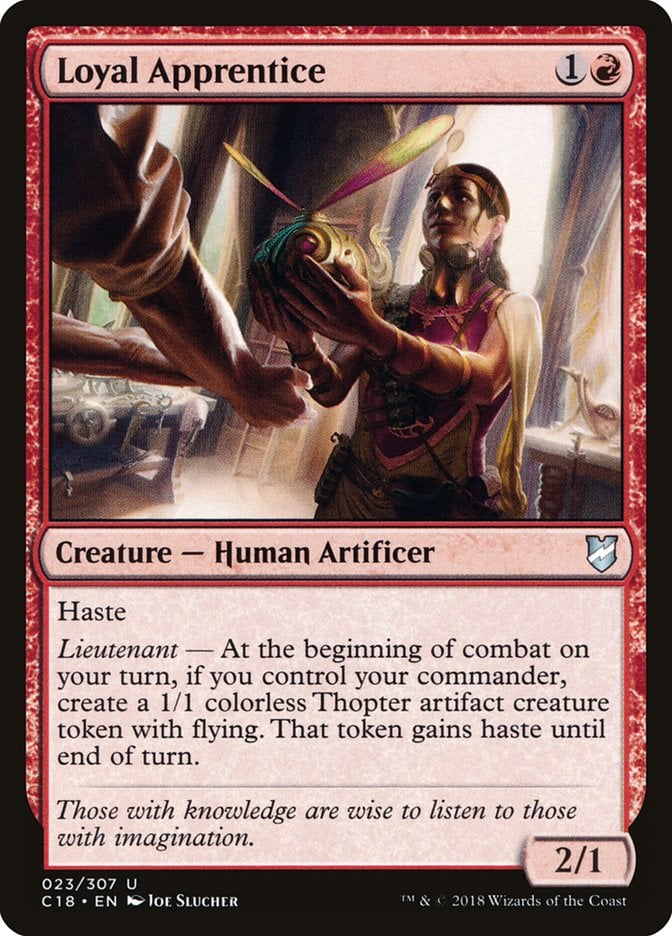
Bitterbloom Bearer, Bitterblossom, and Loyal Apprentice are some of the strongest because they create flying tokens, applying pressure through board stalls. They’re also incredibly cheap for the board presence they produce.

Searslicer Goblin works very well with Ingris because the commander has flying, so you’ll almost always have raid enabled.
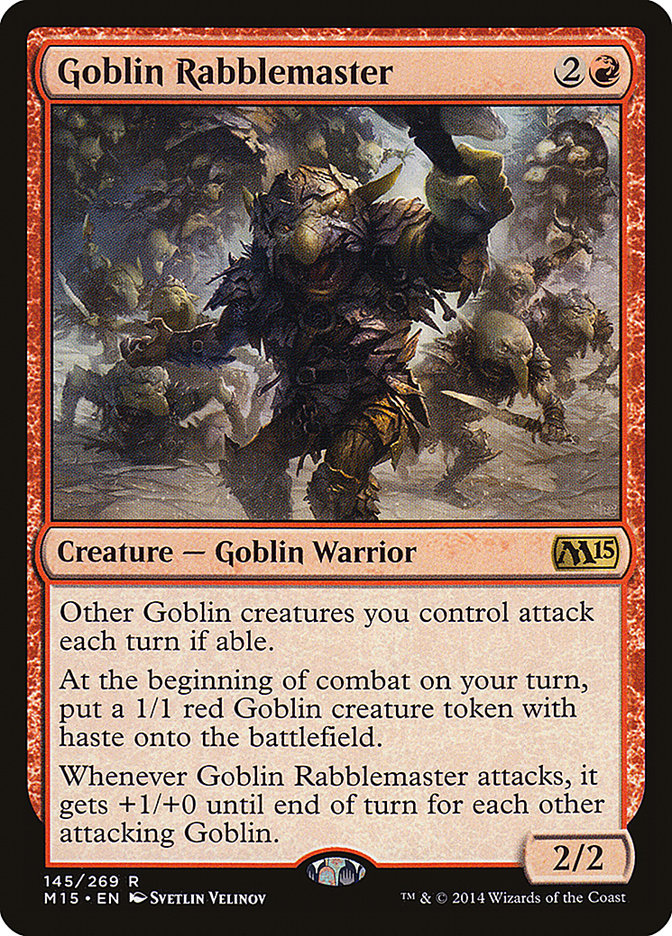


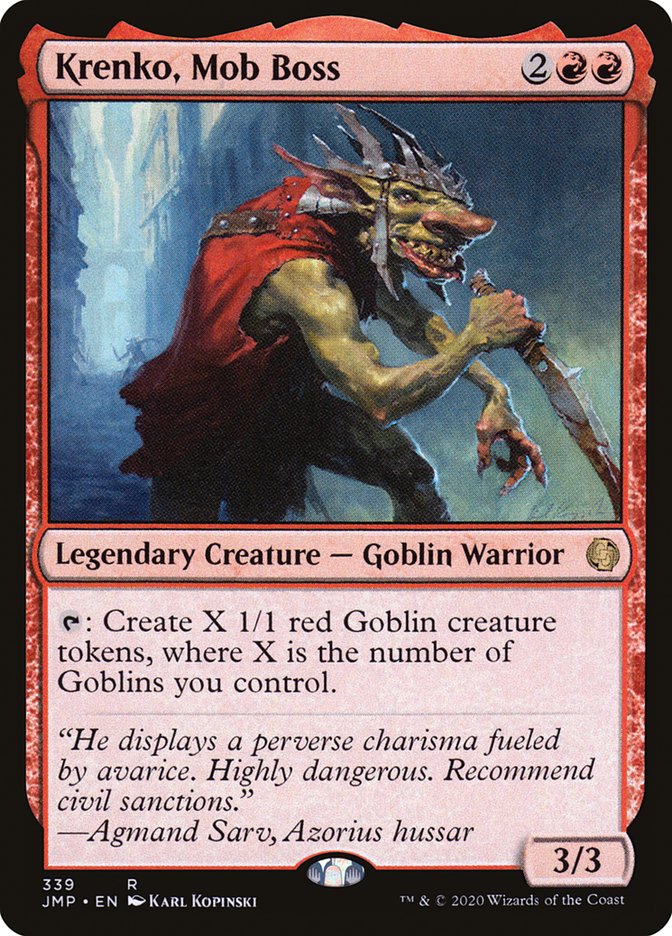
Goblin Rabblemaster, Howlsquad Heavy, and General Kreat, the Boltbringer generate tokens every combat. Importantly, they’re also goblins and make goblin tokens to support Krenko, Mob Boss. Krenko’s a stretch in this deck, but Bracket 2 gets to play around with cards like that.

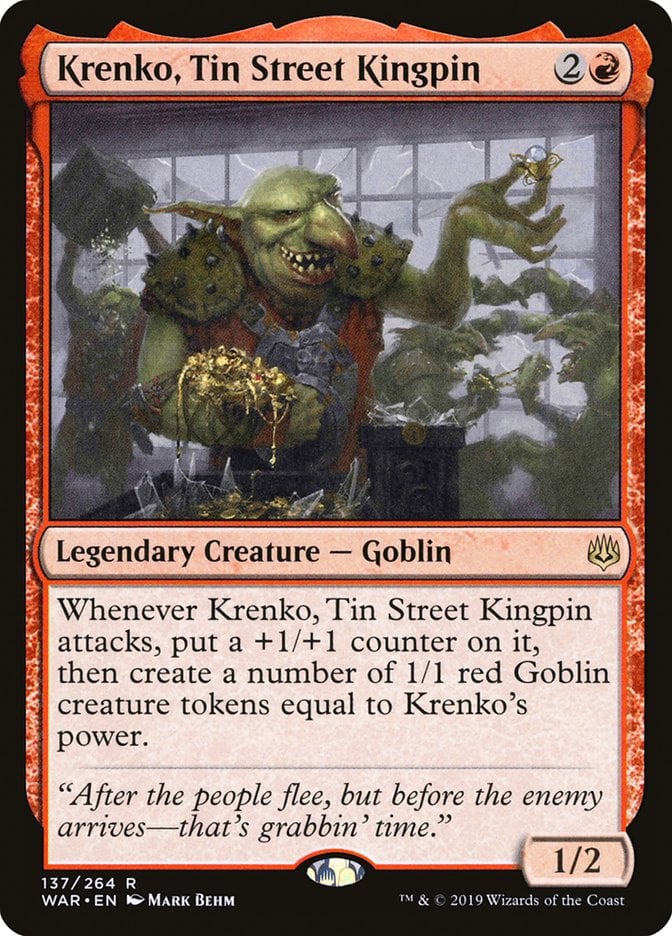
Siege-Gang Lieutenant and Krenko, Tin Street Kingpin are among the most productive token producers, and they continue the goblin theme.
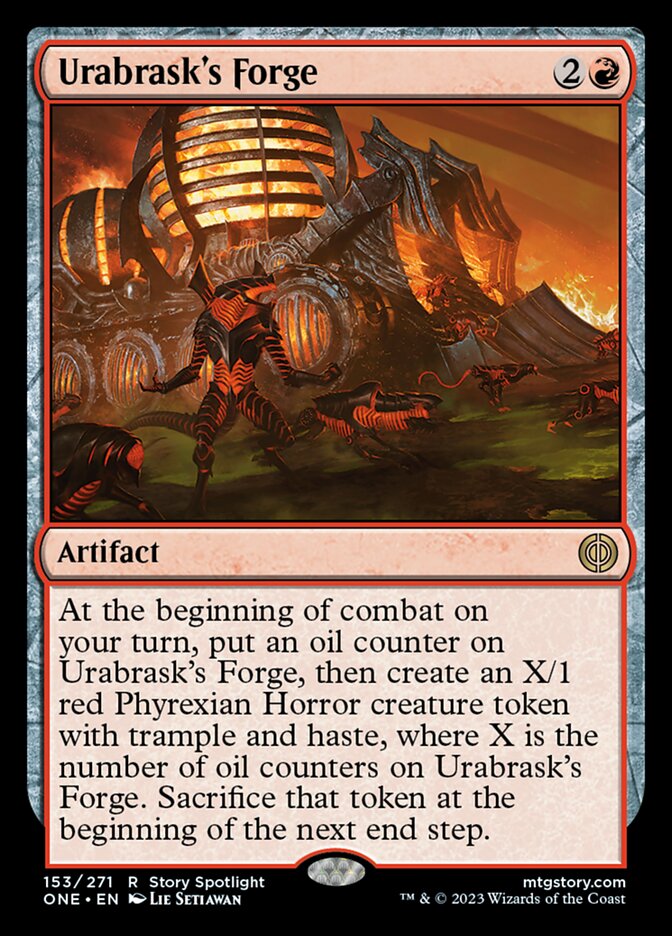
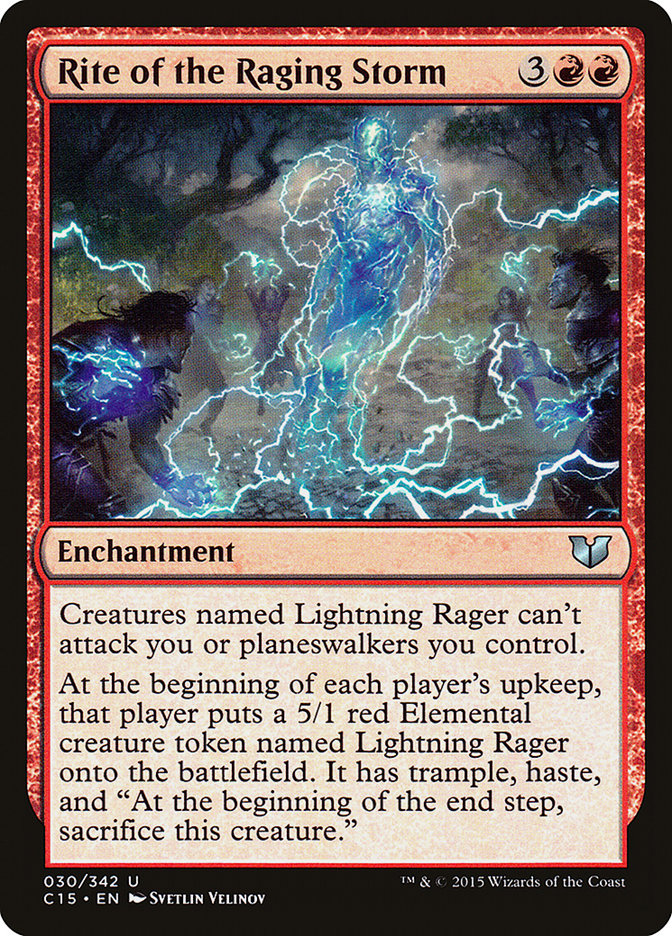
Urabrask's Forge and Rite of the Raging Storm only make temporary tokens, but that’s fine. These scale well over several turns because the Forge eventually makes large tokens and the Storm always does.
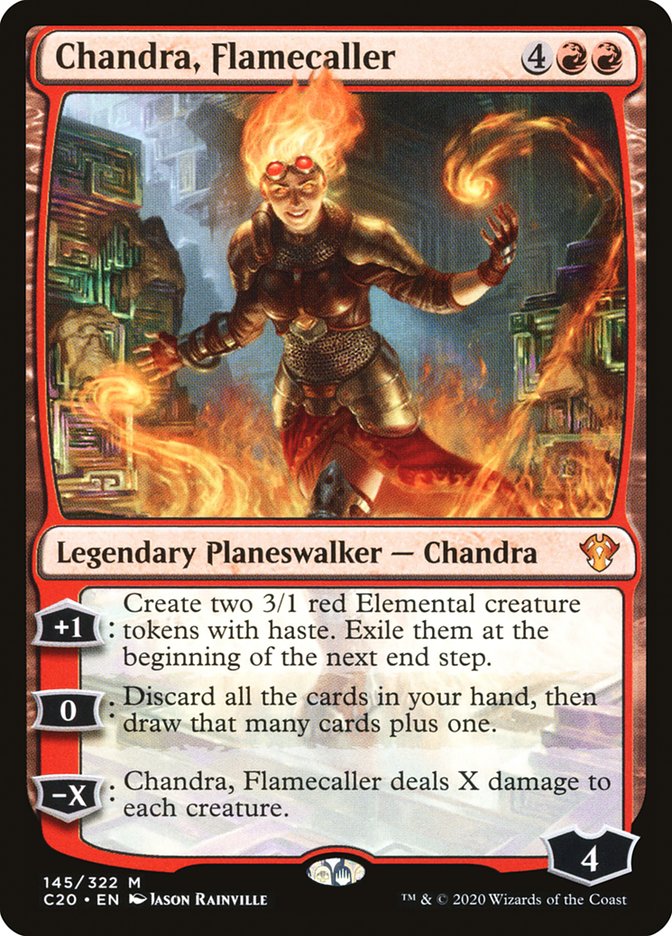
Chandra, Flamecaller gives the deck flexible top-end. You’ll make tokens most of the time, but the other abilities have their place, even if you don’t necessarily want to use them the turn you play it.
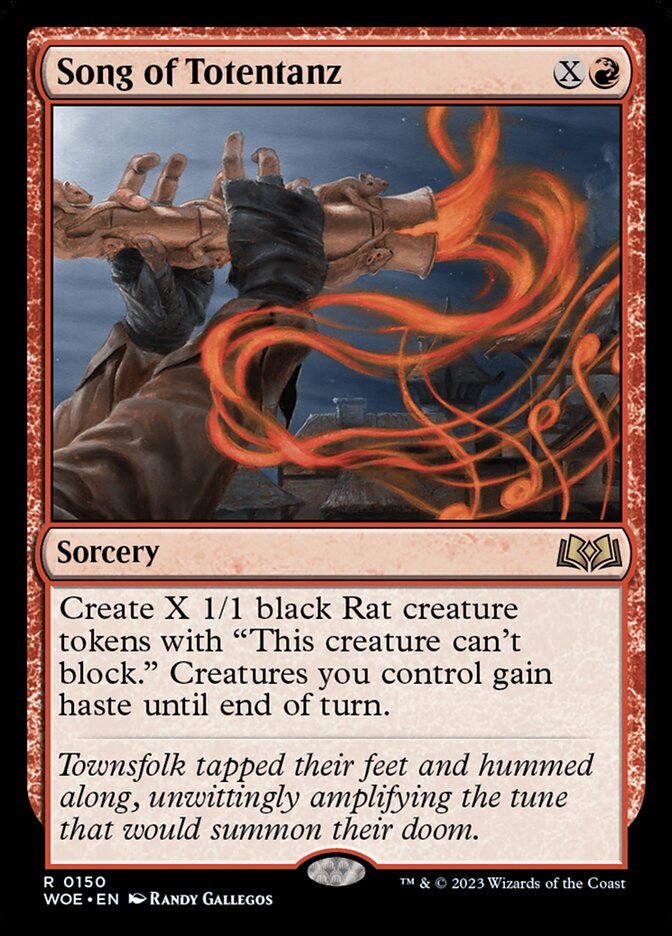
One of the deck’s best finishers is Song of Totentanz. You can pour all your mana into it to create a massive board from nowhere, with haste. Between Ingris’s attack trigger and those Impact Tremors variants, this obliterates players with 10 or less life.
Burn
Ingris cannot support the deck alone, so I’ve included a bunch of other burn and damage doublers to finish things faster.
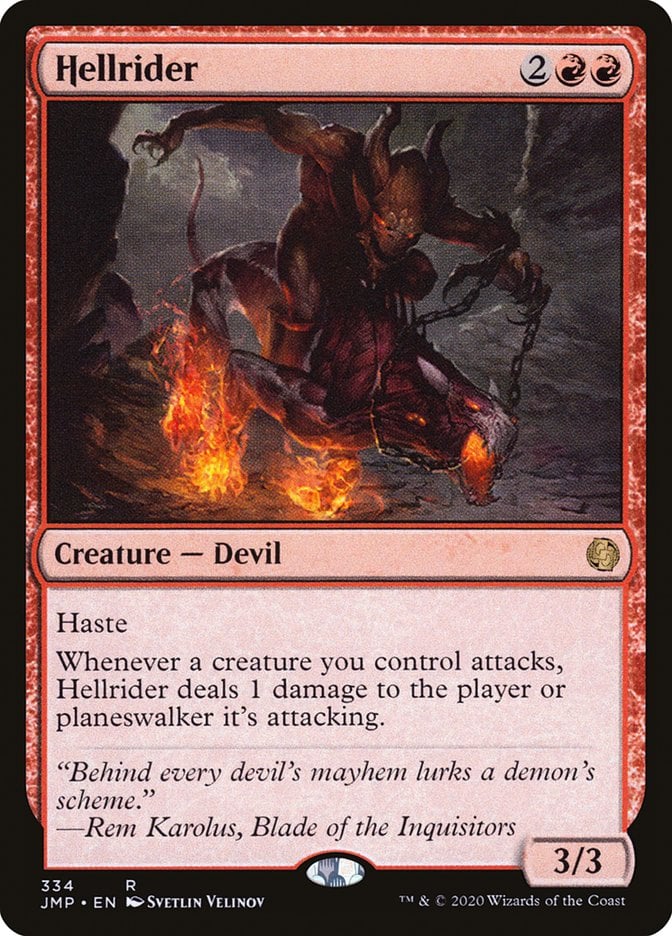
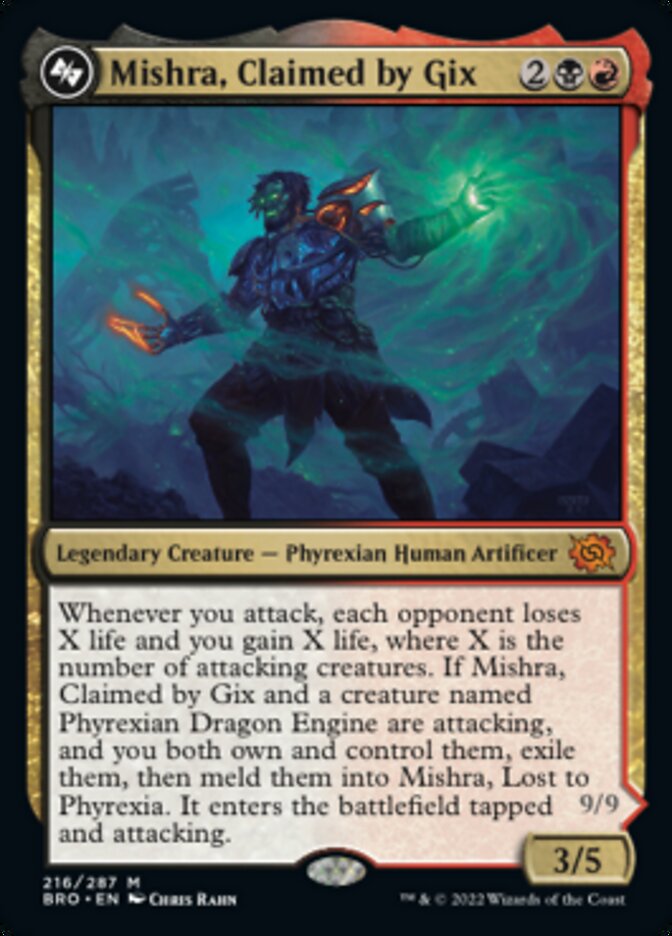
Hellrider and Mishra, Claimed by Gix are backups to Ingris, though neither is perfect—Hellrider can’t pressure all your opponents and Mishra uses life loss, not damage dealt, so the damage doublers don’t help it. Still, these keep the pressure up if Ingris is indisposed, or they make the clock faster if you control it.

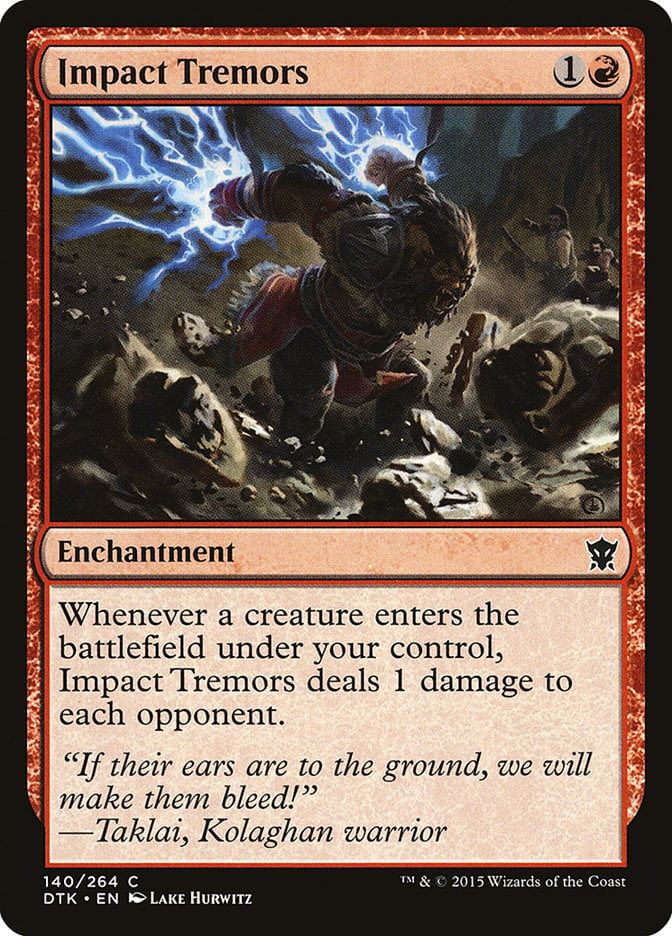
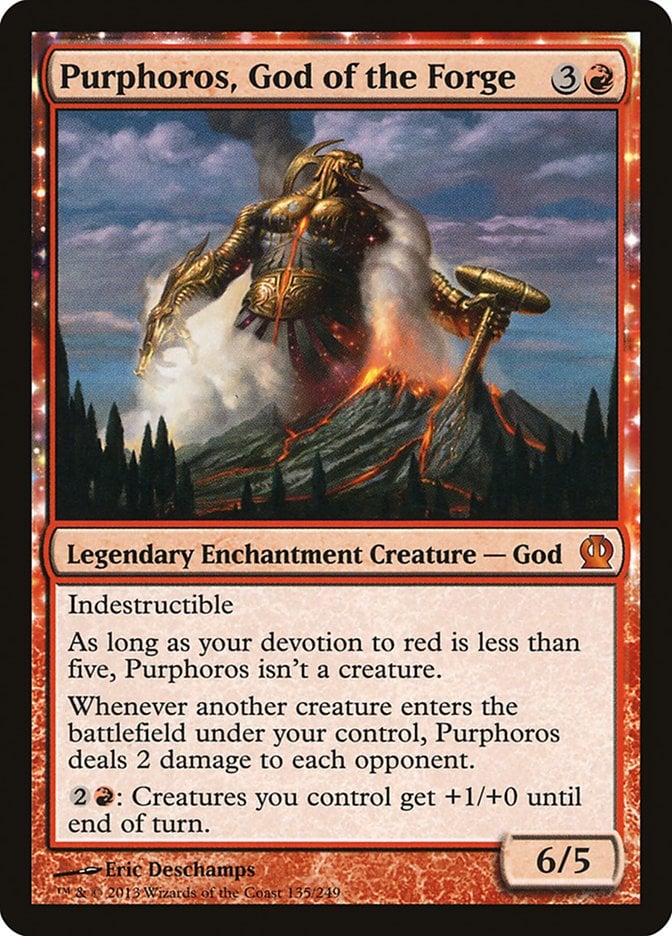
Agate Instigator, General Kreat, the Boltbringer, Impact Tremors, and Purphoros, God of the Forge turn the token producers into damage before they reach combat. These are amazing in a board stall because you can keep pressuring your opponents, even if you can’t attack.


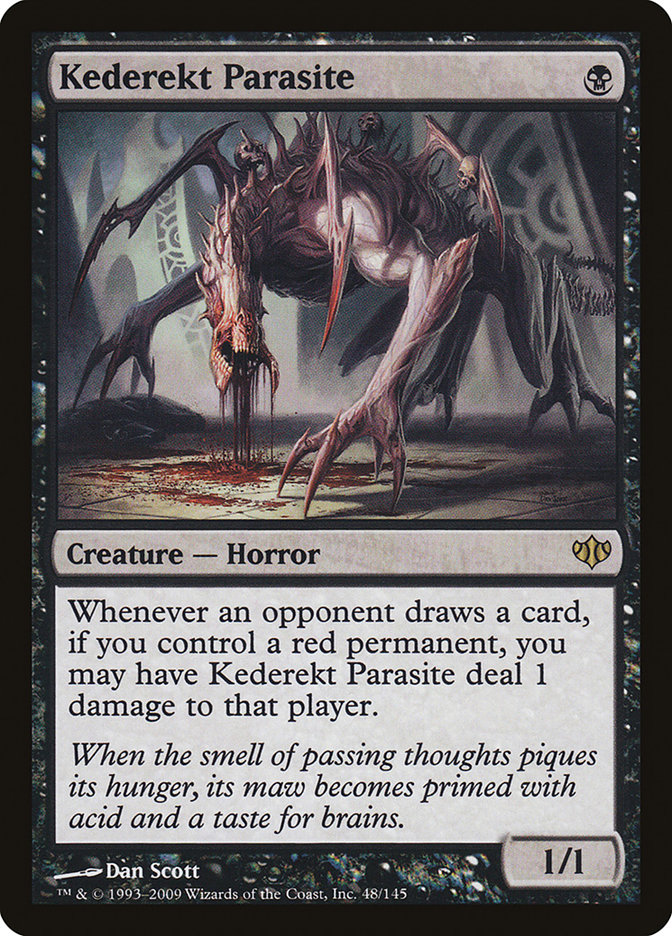
Razorkin Needlehead, Blood Seeker, and Kederekt Parasite punish your opponents for taking game actions. They provide small but consistent pressure that adds up over a game.
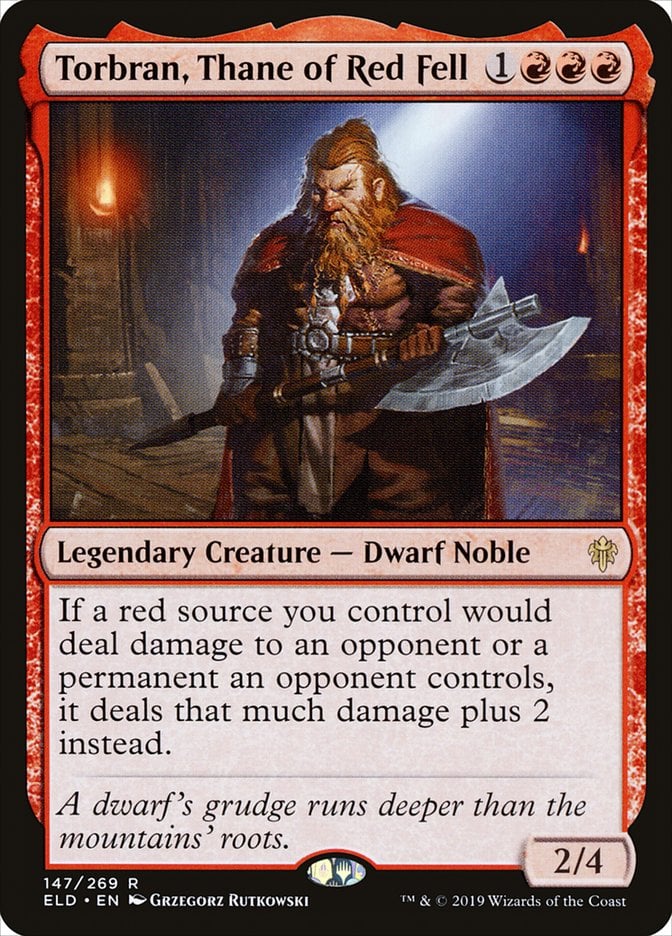
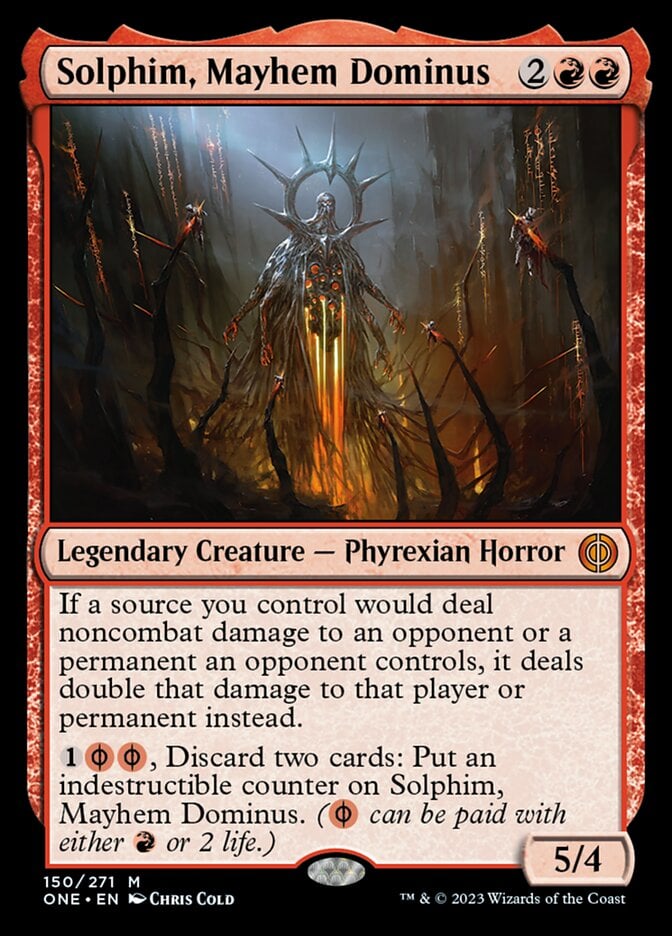
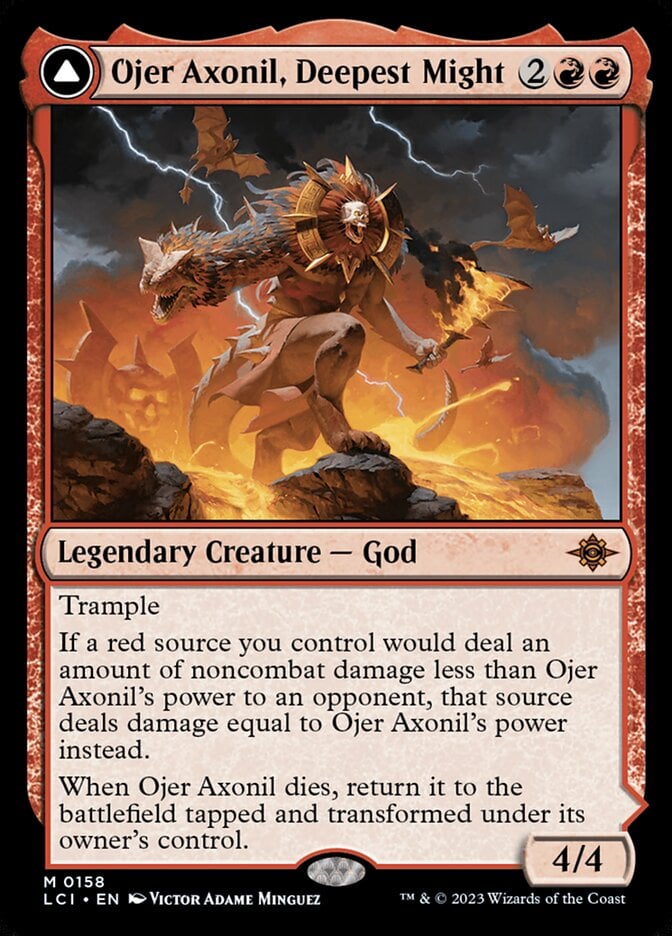
Torbran, Thane of Red Fell, Solphim, Mayhem Dominus, and Ojer Axonil, Deepest Might make the incidental damage dealt by cards higher up on the list much more impactful, often doubling it or better.
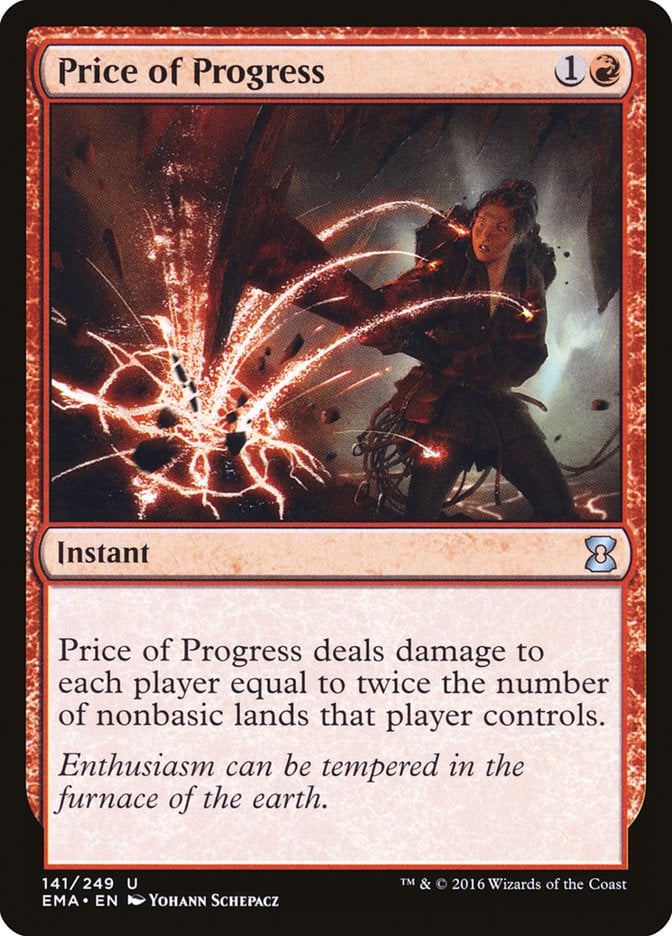

Price of Progress and Sunspine Lynx round the burn section out with huge bursts of damage to finish the game.
Card Draw
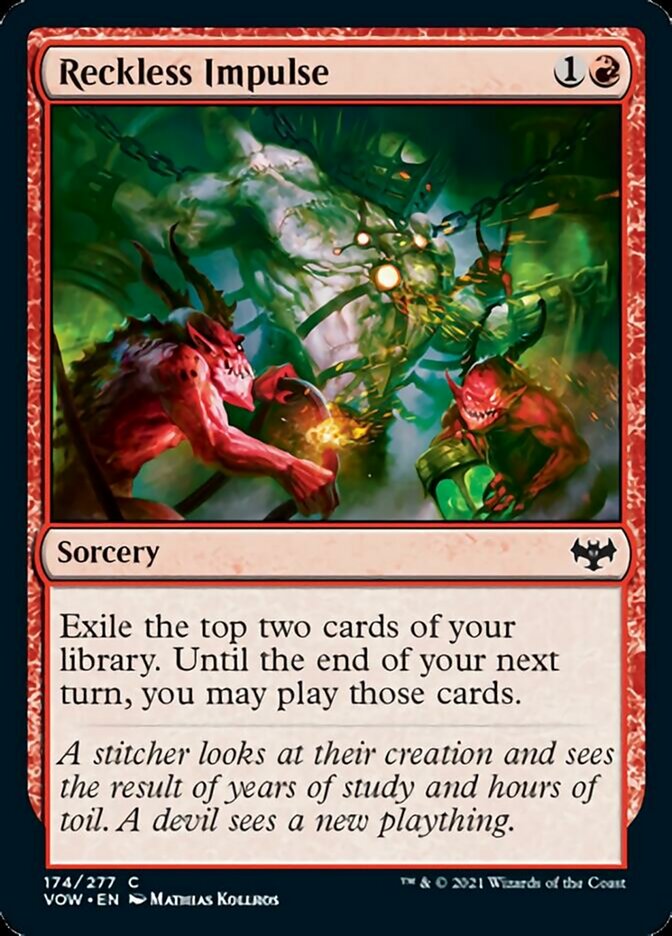
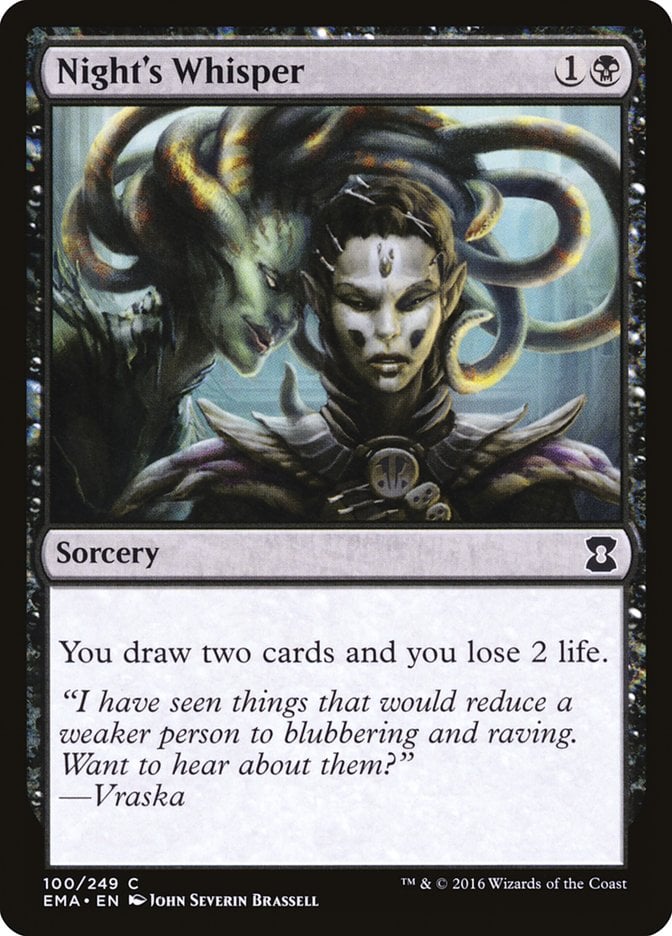
The deck keeps its card draw simple. There’s a bunch of cheap draw-twos like Reckless Impulse and Night's Whisper to keep cards flowing.
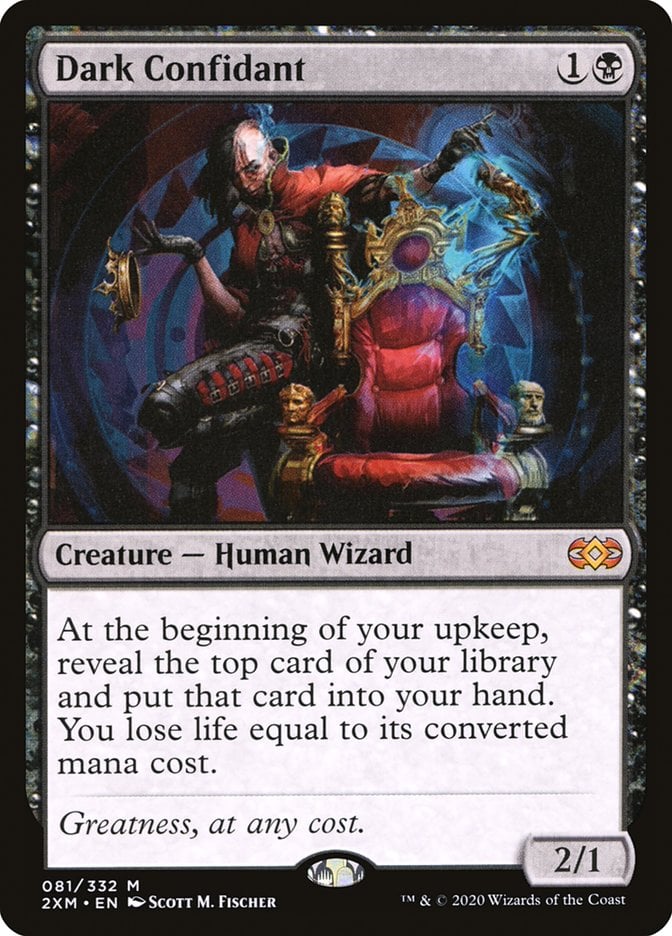
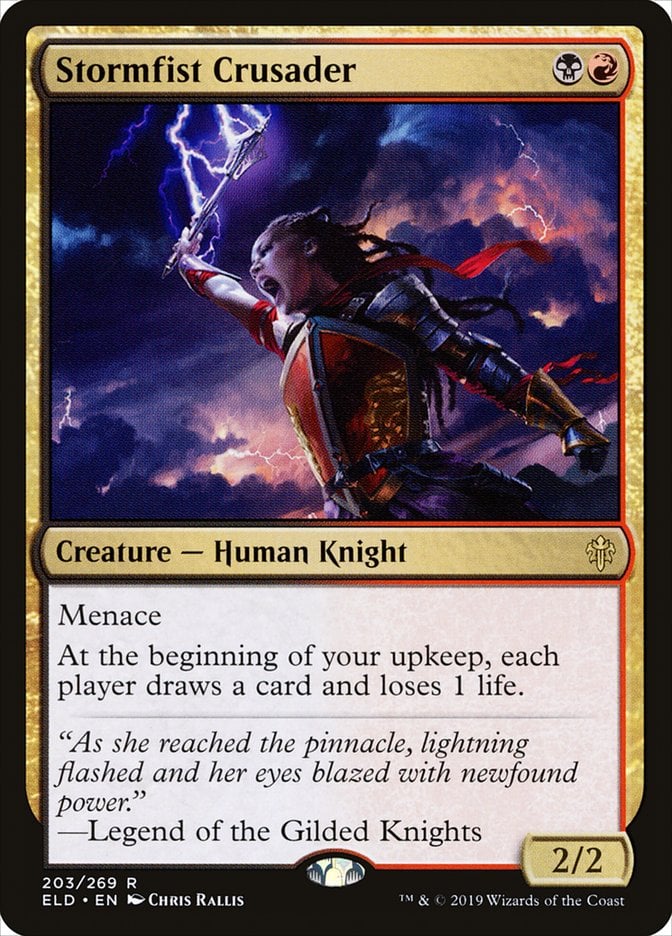
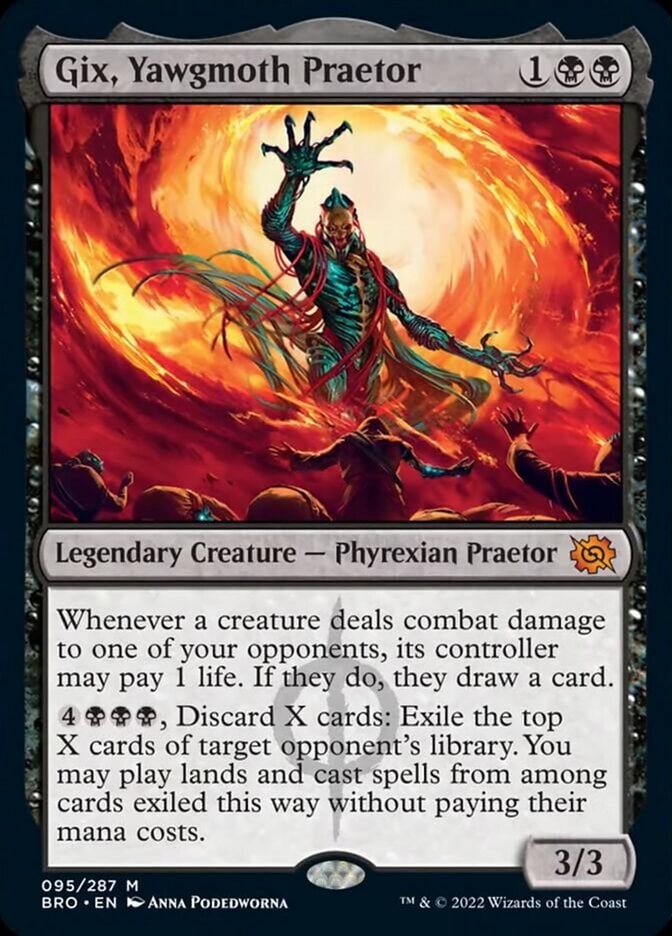
For draw engines, Dark Confidant enjoys the deck’s low curve, Stormfist Crusader is always fun, and Gix, Yawgmoth Praetor makes your aggression draw cards. Gix also encourages your opponents to attack each other so you need to deal less damage to win.
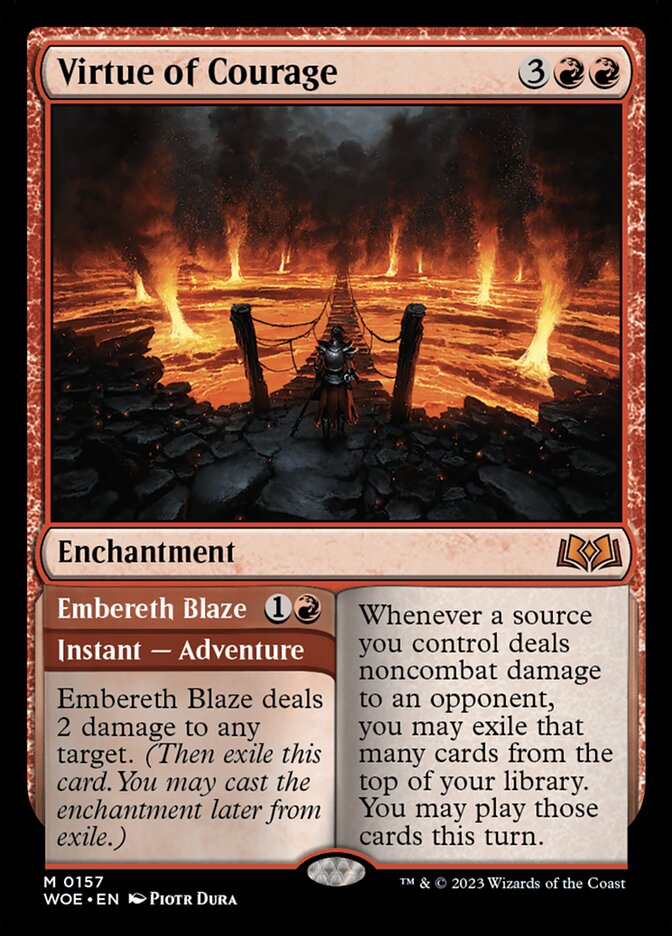
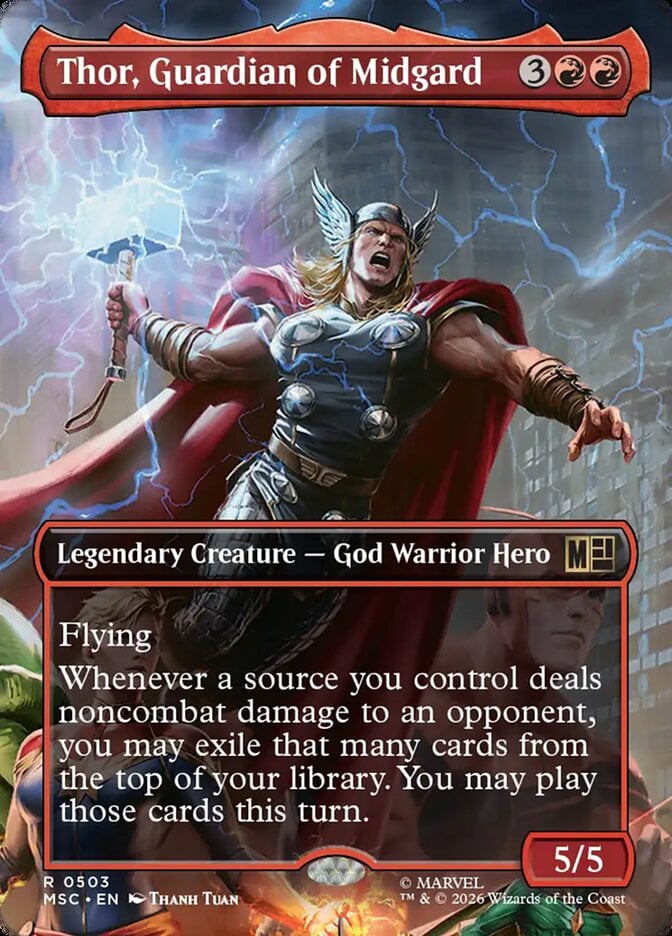
Virtue of Courage and Thor, Guardian of Midgard are the deck’s most interesting draw spells because they synergize with Ingris directly. These can easily draw four or five cards in a single combat.
Removal
The deck’s removal suite is straightforward, with good black spot removal mixed with spells that hit a few more targets.
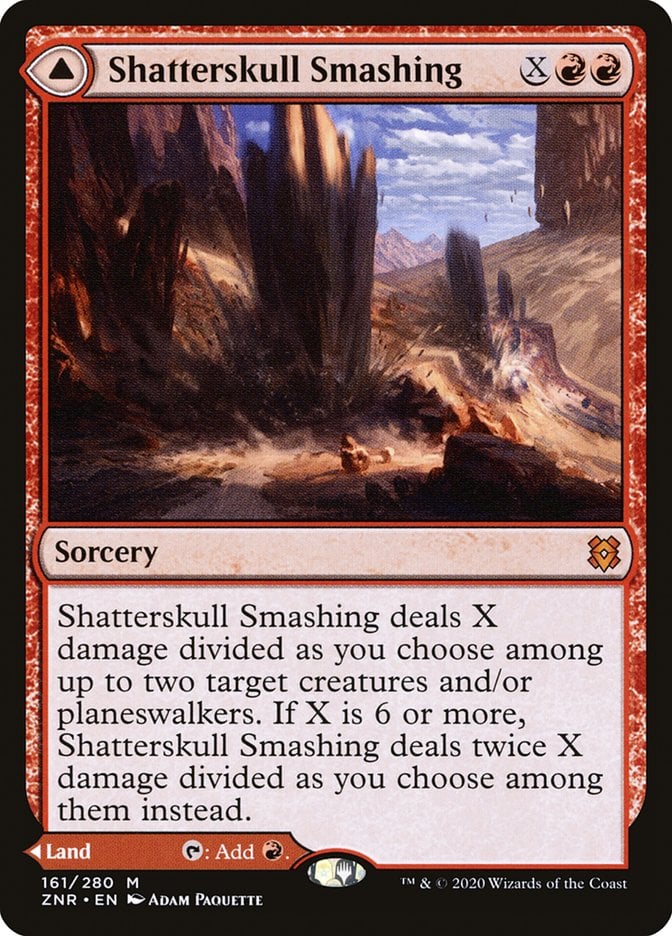

I never leave home without Shatterskull Smashing in the mana base to make a random Mountain lethal; Fell the Profane does the same for a Swamp.
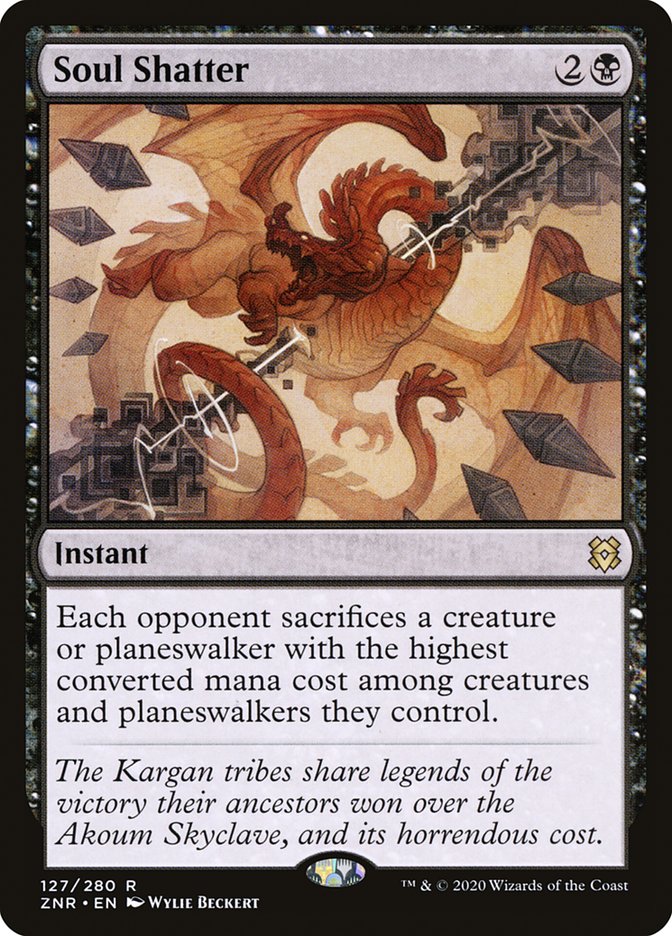

Soul Shatter and Will of the Abzan remove three threats and get around the traditional weakness of edicts by making your opponents sacrifice their largest creatures.
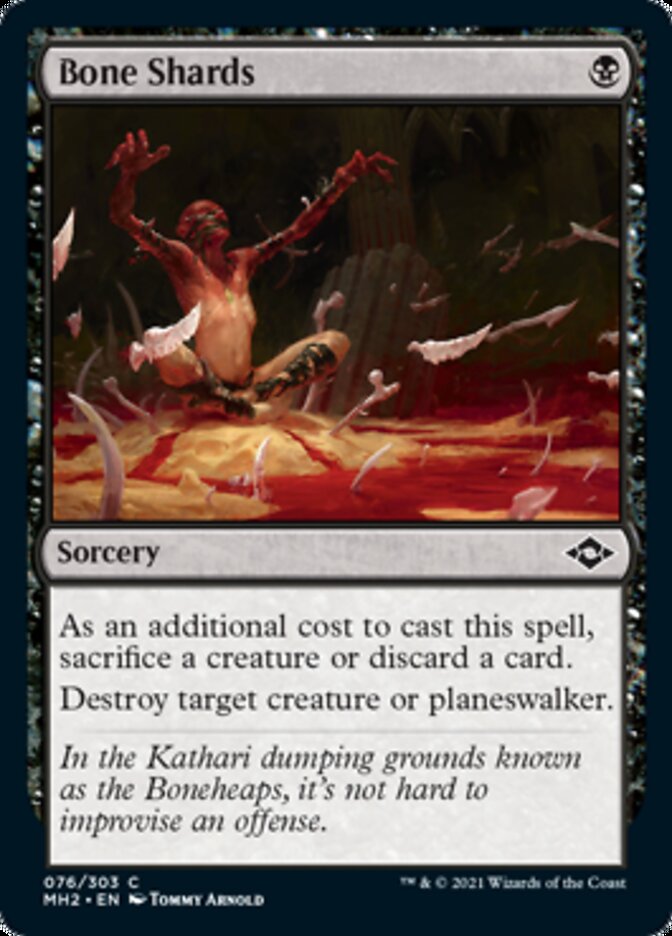
The deck has enough expendable creatures to run Bone Shards, most notably to handle a planeswalker.
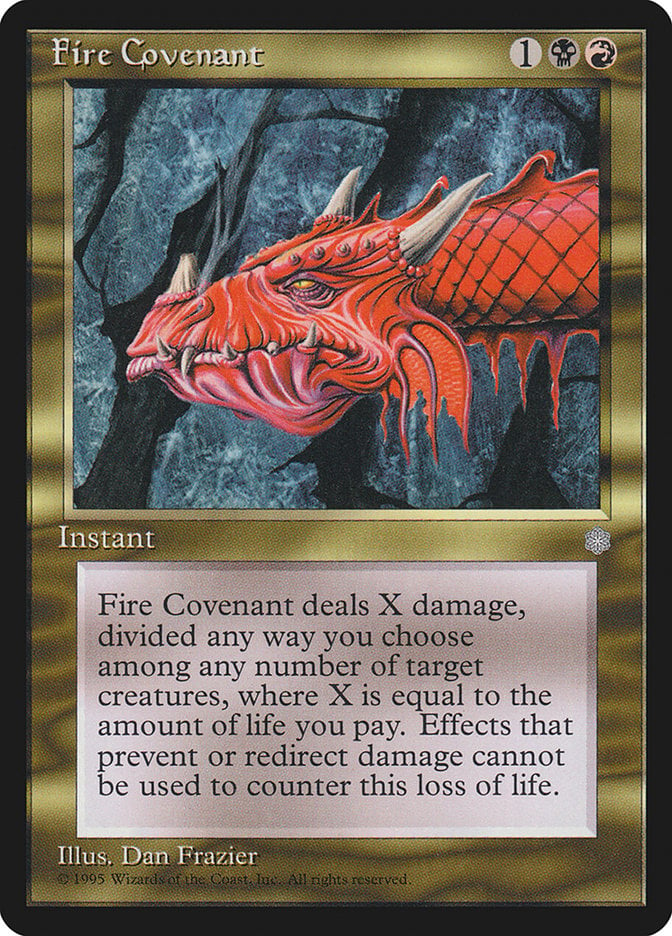
The best removal spell is Fire Covenant, which fills a role similar to a board wipe without hurting our board. And if we really, really need to start from zero, Chandra, Flamecaller has a board wipe attached.
The Mana Base
The mana base is extremely straightforward, in part because of Price of Progress and Sunspine Lynx chilling in the burn section; they demand an abnormally high basic count so you don’t die to them. But there’s still room for a few utility lands.

Arena of Glory is great with an aggressive commander, plus creatures like Krenko, Mob Boss and Goblin Rabblemaster that thrive with haste.
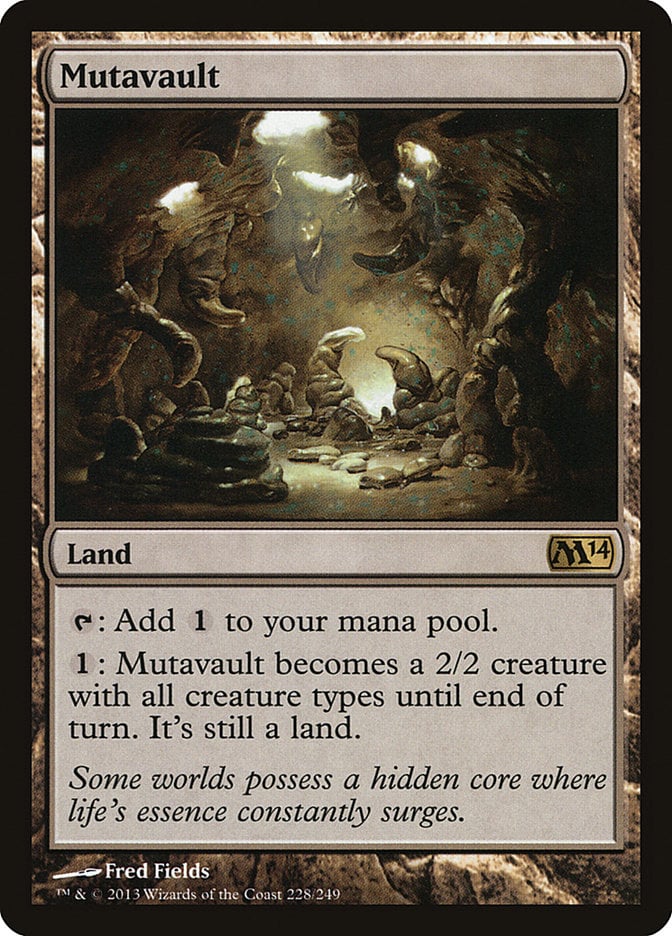
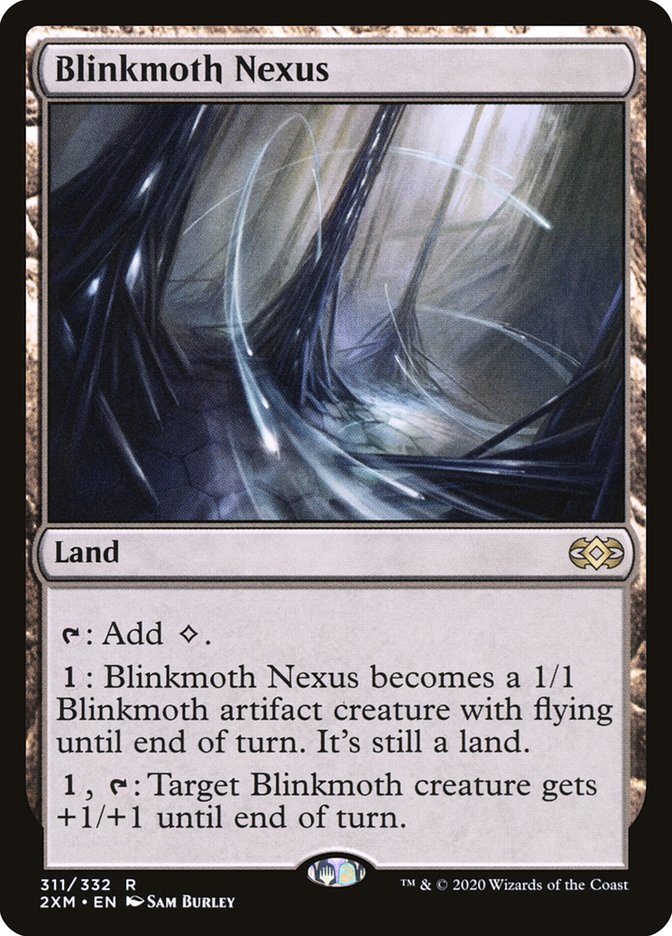
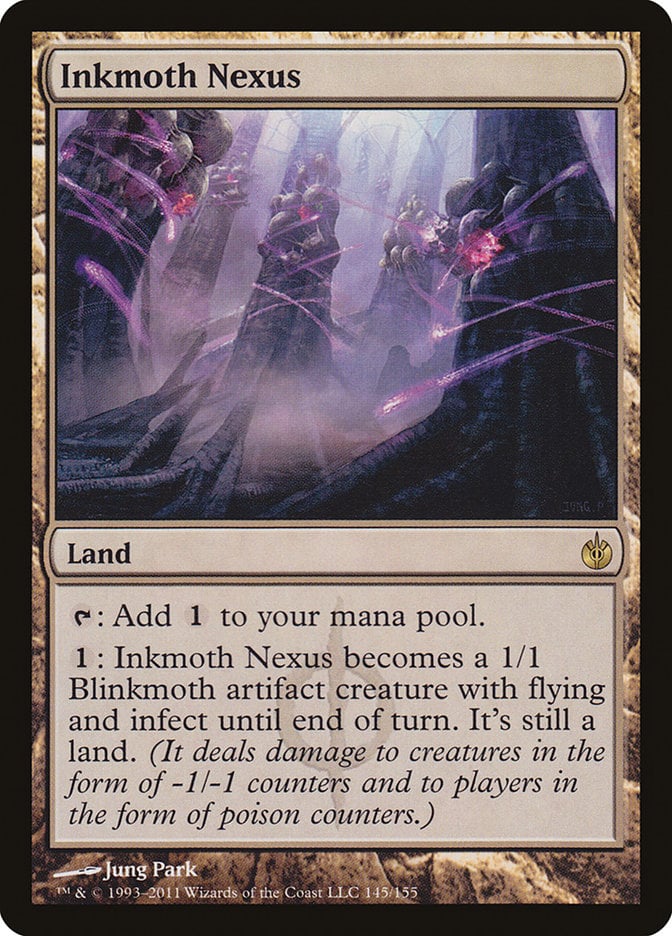
Mutavault and Blinkmoth Nexus animate for next to nothing to push that extra bit of damage. Inkmoth Nexus isn’t here because it deals poison, not damage, with Ingris’s ability.
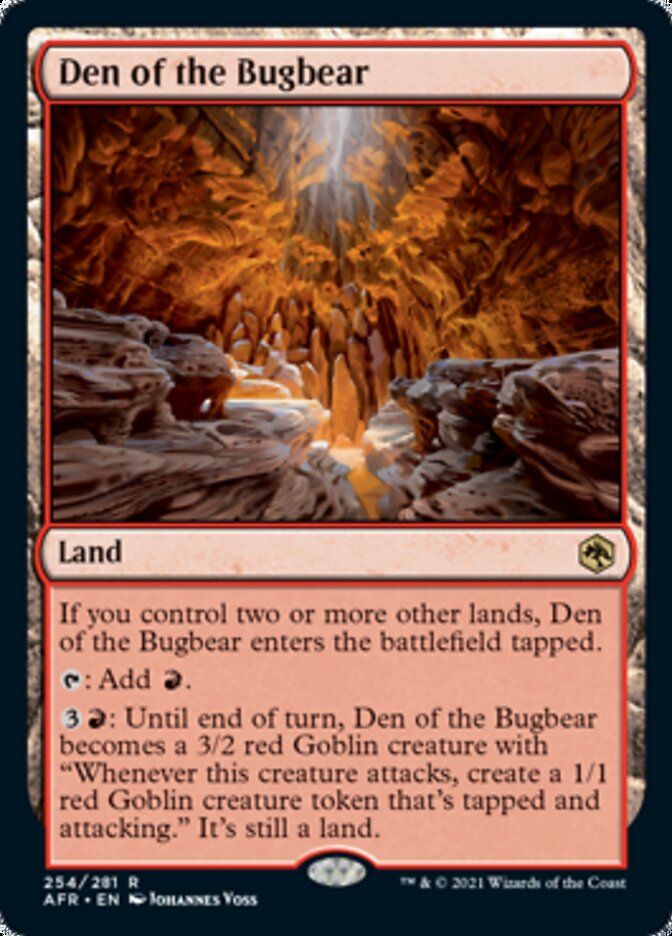
Den of the Bugbear also attacks from the mana base while leaving tokens to keep the pressure rolling; it’s a surprisingly important way to rebuild if a board wipe nicks you.
The Strategy
The big thing to look for is a strong curve. Aggro decks need to be proactive, so make sure any hand you keep has a clear answer to “how does this deal damage?” The average answer will be playing a cheap creature and Ingris, but it could also be a sequence of cards that gets out some ramp and token producers.
Try not to cast Ingris if you can’t trigger it. Playing Ingris on an empty board is better than wasting your mana, but I’d generally prefer to play a 3-drop like Chandra's Spitfire or Krenko, Tin Street Kingpin first. That way, I can attack and trigger Ingris the following turn. Since Ingris doesn’t need to attack for its trigger, this sequence gives it a more immediate impact on the board.
Be wary of board wipes. Rakdos basically doesn’t get protection, so you need to work around them. If you think a sweeper’s coming, try to invest in non-creature token producers that survive the board wipe; Bitterblossom looks better into Wrath of God than Searslicer Goblin. Ingris helps with the activated ability. You can invest your mana into that to build board presence without adding more resources from your hand to the board, forcing out a board wipe while you have a full hand.
Combos and Interactions
The deck doesn’t have any combos, but there are two important interactions to cover: What actually does damage with Stingerquill’s trigger, and how replacement effects stack.
Starting with Stingerquill: Though Stingerquill is the creature triggering on attack, the attacking creature deals damage to your opponents, not Stingerquill itself. This primarily matters for Torbran, Thane of Red Fell. If a mono-black creature like Blood Seeker attacks, Stingerquill makes that permanent deal damage. Because Blood Seeker isn’t red, Torbran won’t add additional damage.
Torbran also matters for the next interaction: replacement effects, or any effect templated like, “if X would happen, Y happens instead.” That’s Torbran, whose replacement effect makes damage from red sources deal 2 more. The other replacement effects are damage doublers like Solphim, Mayhem Dominus.
If multiple replacement effects apply to a situation, the player being affected gets to choose the order in which those effects are applied. For this deck, that’s mostly your opponent negotiating their damage. Two doublers is simple: 1 damage is doubled to 2, then to 4. But with Torbran your opponent can make it a little easier. If Ingris triggers while you control Torbran and Solphim, an opponent can stack the damage so 1 damage is doubled to 2, then 2 is added to result in 4. The other way would be adding 2 to 1, then doubling the resulting 3 to 6. They’ll never do that. Understanding this interaction helps calculate combat damage accurately.
Rule 0 Violations Check
I can’t imagine this deck bothers anybody. Wins are telegraphed and combos nonexistent.
Budget Options
The mana base will forever be the first place to look for budget cuts: Scrap expensive utility lands and duals for basics. That’s not even terrible in a deck with Price of Progress and Sunspine Lynx.
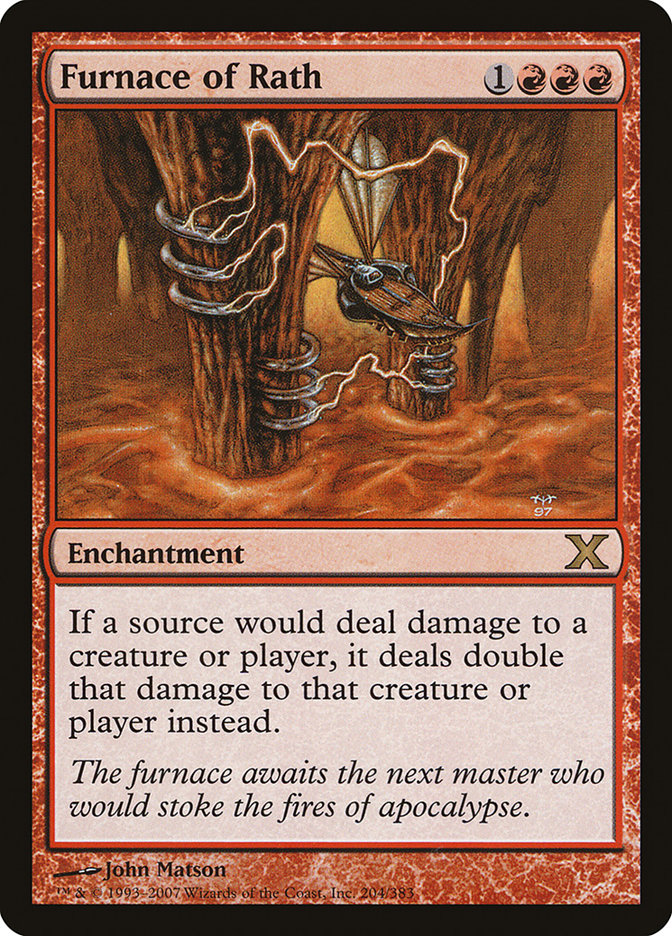
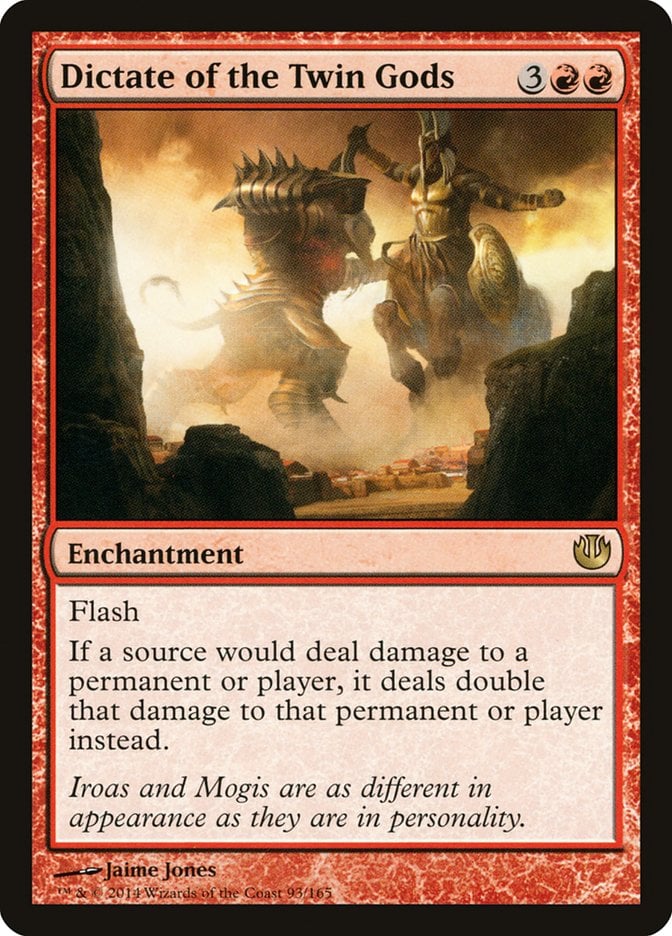
Solphim, Mayhem Dominus and Ojer Axonil, Deepest Might are extremely pricey damage doublers with cheaper alternatives in Furnace of Rath and Dictate of the Twin Gods, but be warned: Those double damage dealt to you as well.
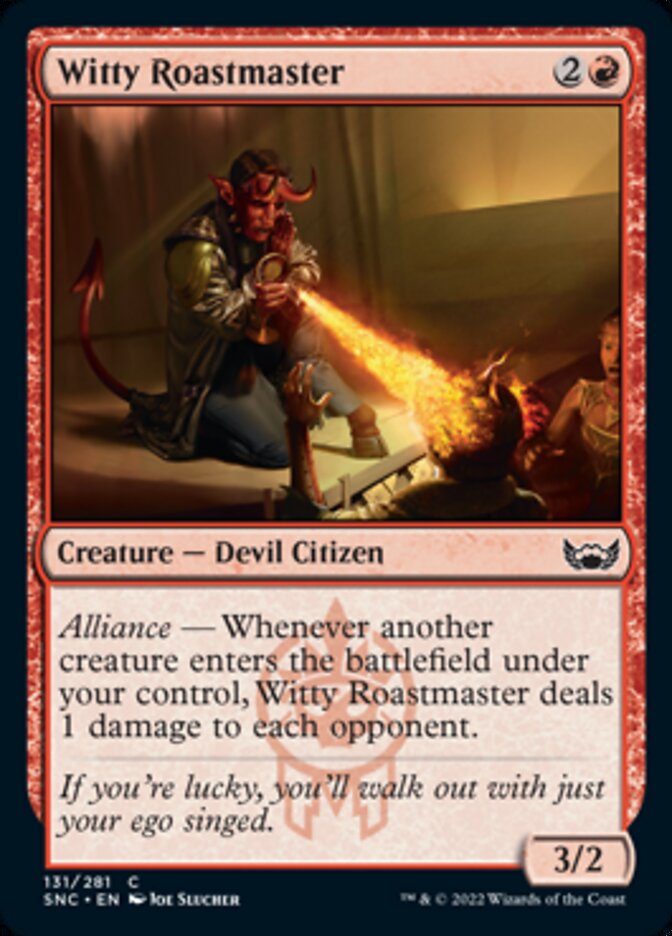
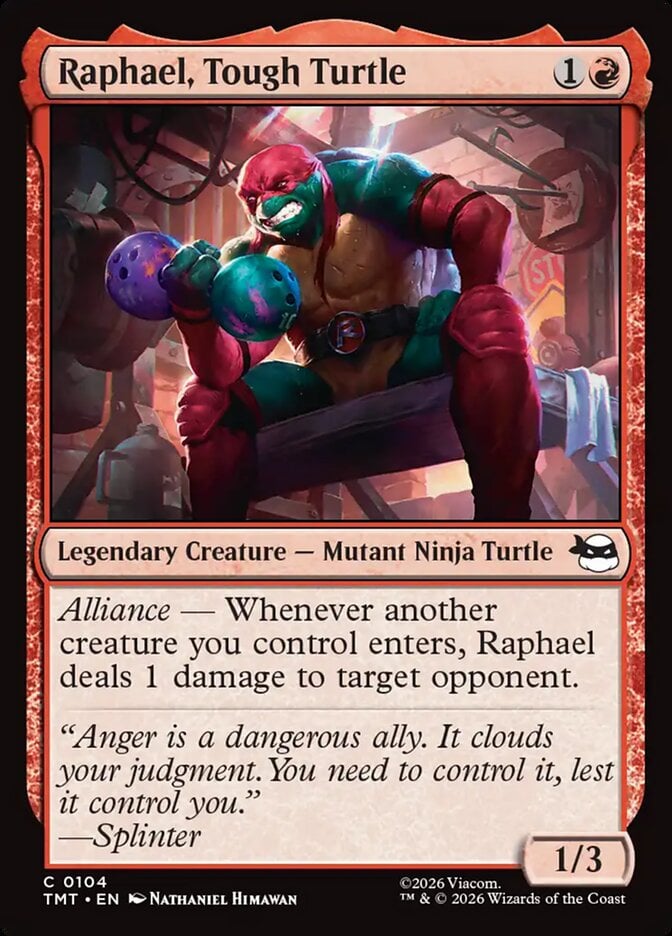
You can replace Purphoros, God of the Forge and Agate Instigator with Witty Roastmaster and Raphael, Tough Turtle.
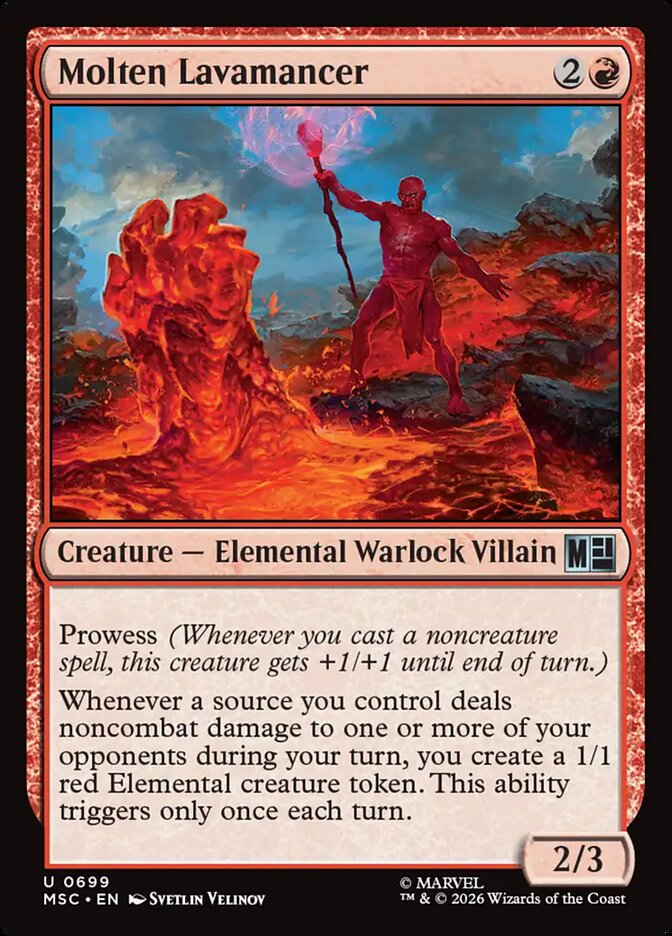
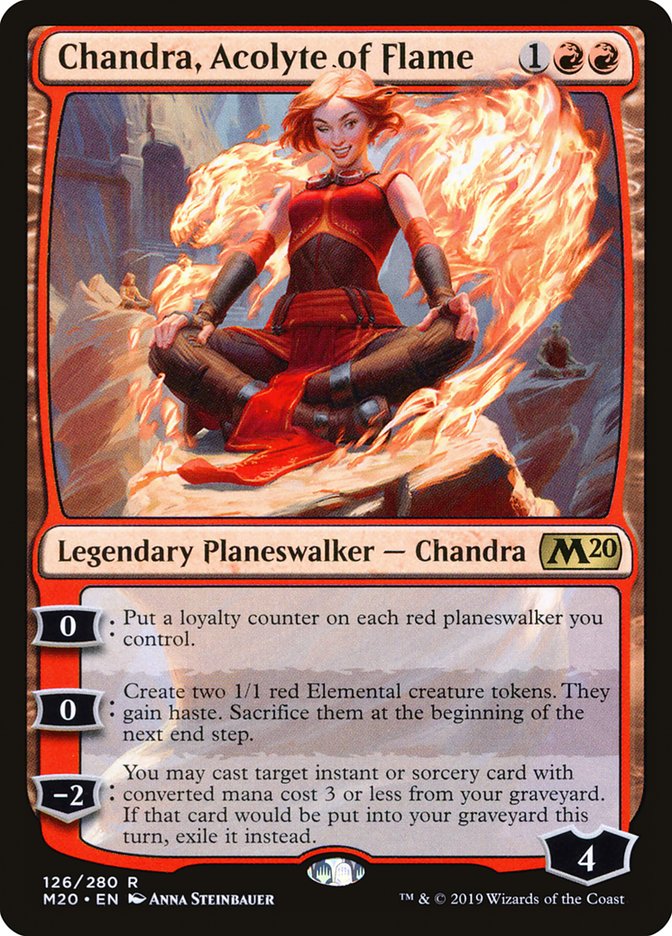
Bitterblossom and Bitterbloom Bearer are the best token producers in the deck and the price reflects that. When replacing them, look for cards like Molten Lavamancer and Chandra, Acolyte of Flame that make tokens every turn.
You can cut Ragavan, Nimble Pilferer and Mox Amber in favor of any mana rocks that suit your budget.
Other Builds
If you wanted to bump the Bracket level up, you could add additional removal and stax pieces to slow your opponents down. Cards like Orcish Bowmasters and Opposition Agent throw enough wrinkles into your opponents’ plans to mess them up, and the deck’s mana base is already well suited to mana disruption like Magus of the Moon and Winter Moon.
Another route that’s rather out of left field is a goblin deck. Though Ingris doesn’t directly interact with goblins, it aligns with the archetype: Goblins want to go wide with tokens and be aggressive. This deck already has a little goblin subtheme. It wouldn’t take much to expand it by running more goblin lords.
Ingris has also caught some buzz as an infect commander. Since the attacking creature is the permanent that deals damage, that 1 becomes a poison counter. I personally don’t care for this strategy because it requires playing bad cards (infect creatures are almost universally statted for Limited), but it’s worth knowing.
Commanding Conclusion
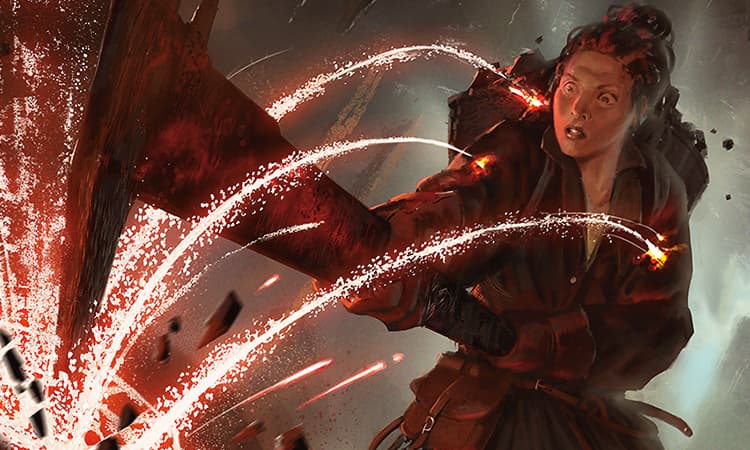
Price of Progress | Illustration by Yohann Schepacz
I’m fervently in favor of any and all aggro commanders. One of Commander’s worst traits are games where a bunch of players sit around amassing mana rocks and stuff, so forcing things to happen is always good. I look forward to seeing how Ingris Stingerquill shakes things up, especially if I’m wrong about the infect deck being bad.
What do you think about Ingris? Am I underrating its ability as an infect commander? Let me know in the comments below or on the Draftsim Discord! For more Draftsim, check out our YouTube Channel, The Daily Upkeep!
Stay safe, and thanks for reading!
Follow Draftsim for awesome articles and set updates:










1 Comment
As long as we’re in bracket 2, a lifelink build could be fun. I’d personally stick him in a Mardu mobilize build in the 99, though.
Add Comment