

Unesh, Criosphinx Sovereign | Illustration by Adrian Majkrzak
If you think of Magic’s sphinxes as a foil to its dragons, a lot lines up neatly. Both are generally beefy flying creatures, and they can be wise yet solitary creatures. For dragons, that usually manifests in the form of avarice and aggression, while sphinxes tend to be hermetic puzzlemasters who only give up their secrets to those they find intellectually worthy.
While dragon commanders have spanned all colors, sphinx commanders up until Reality Fracture have stayed in a consistent color identity, and they’ve had similar abilities and archetypes. A lot of them aren’t particularly good or groundbreaking, but the best offer experienced builders some fun deckbuilding challenges.
If you want a deck that hinges on sphinges, I’ve got the commanders for you!
What Are Sphinx Commanders in MTG?
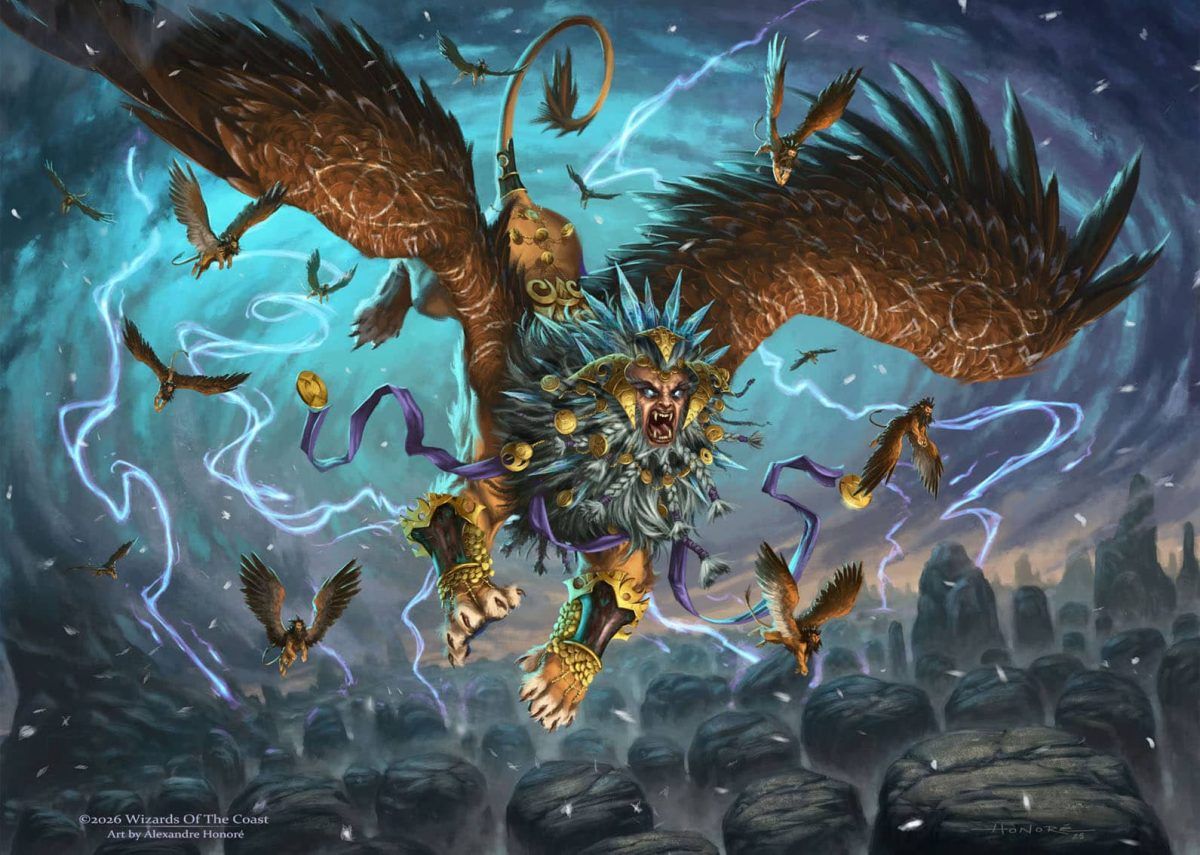
The Ur-Sphinx | Illustration by Alexandre Honoré
Magic’s sphinx commanders are the legendary sphinx creature cards. Future sphinx commanders could include any legendary vehicles or spacecraft that mention sphinxes… but that feels like a heck of a stretch.
Aside from these commanders, anything that rewards you for running fliers or lets you cheat big, blue creatures into play is worth considering. Sphinxes often have abilities that tie into card advantage, whether that’s card draw or topdeck manipulation like scrying and surveiling. Sphinxes can play a supporting role at the top of those decks’ curves, but their hefty mana values and lack of explicit lords make them harder to build around as a creature type.
Honorable Mention: The Celestial Toymaker
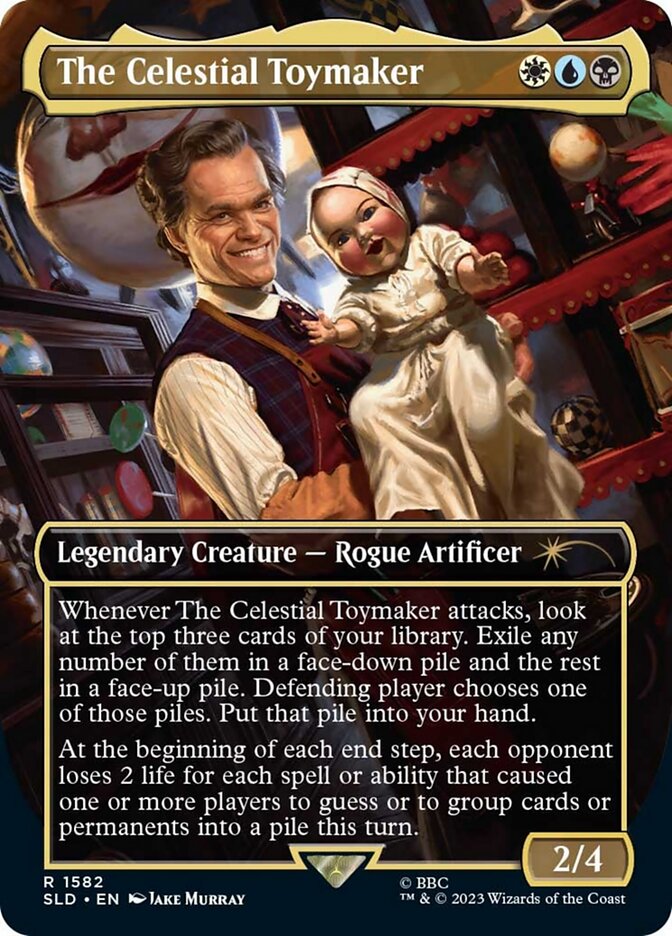
While not a sphinx itself, The Celestial Toymaker’s colors and abilities lend themselves to a sphinx deck quite nicely. The focus on cards that force your opponents to make guesses or sort piles feels very much like a sphinx’s riddles. In fact, some sphinxes like Curator of Destinies and Master of Predicaments are right at home with this commander.
#21. Alhammarret, High Arbiter
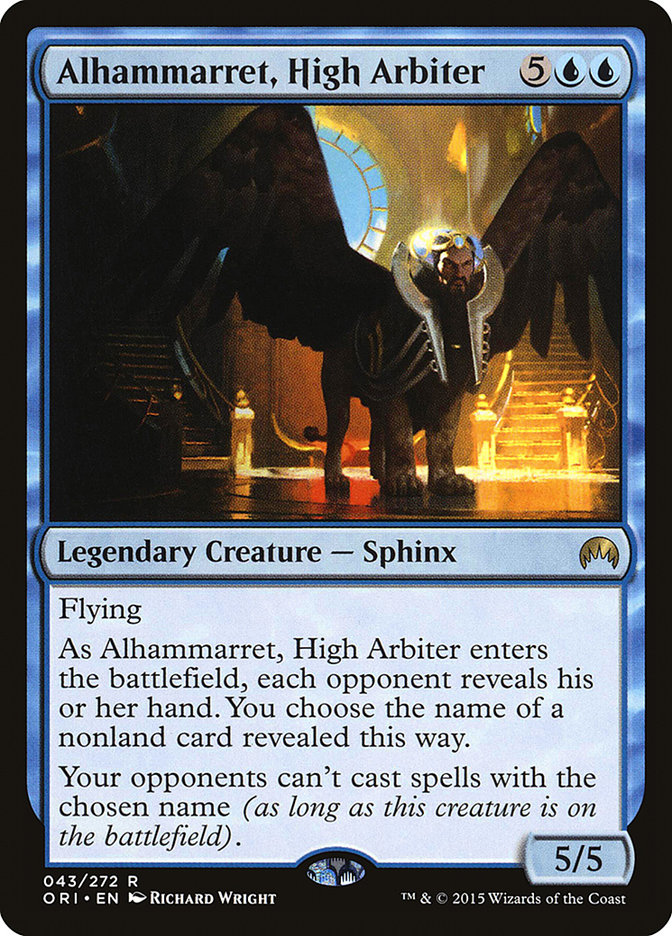
Jace’s mentor is an atrocious commander. The enters trigger doesn’t matter in a singleton format unless you’re facing a deck that runs unlimited copies of cards like Shadowborn Apostle, Hare Apparent, and Slime Against Humanity. If you’re running Alhammarret, High Arbiter, you don’t actually care about your commander beyond being a 5/5 flier. I’d only build this as a flavor-filled archenemy deck as the first boss of a custom “Jace’s Journey” format.
#20. Azor, the Lawbringer
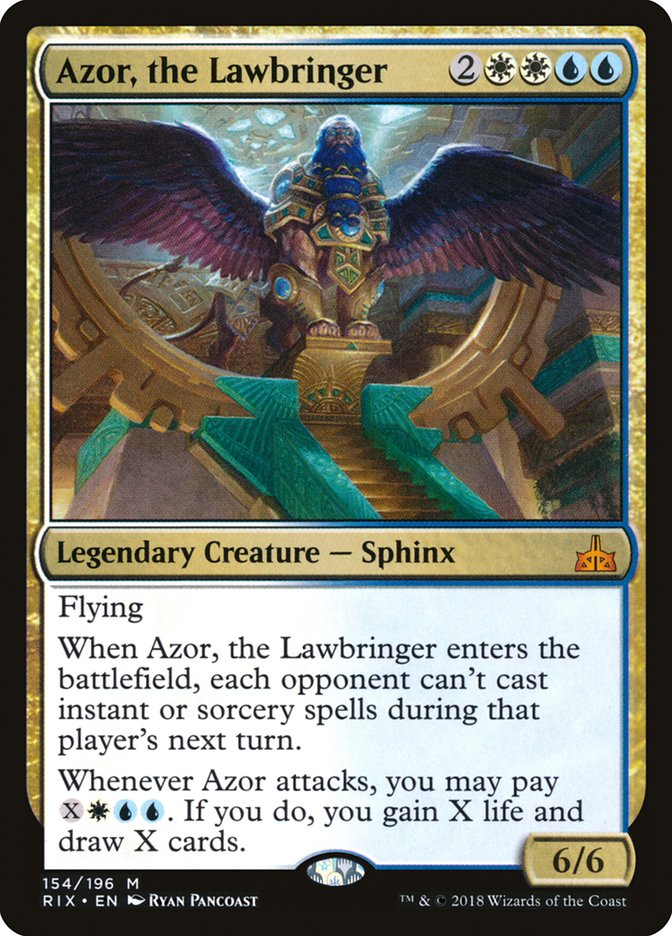
Azor, the Lawbringer might be the saltiest blink commander you could run. As long as you blink it once during each of your turns, your opponents can’t target Azor with instants or sorceries. Oh wait, never mind, that’s just during their own turn, so our favorite instant-speed removal spells still do their job. The mana value is prohibitive and I’m not a fan of the attack trigger.
#19. Ormos, Archive Keeper
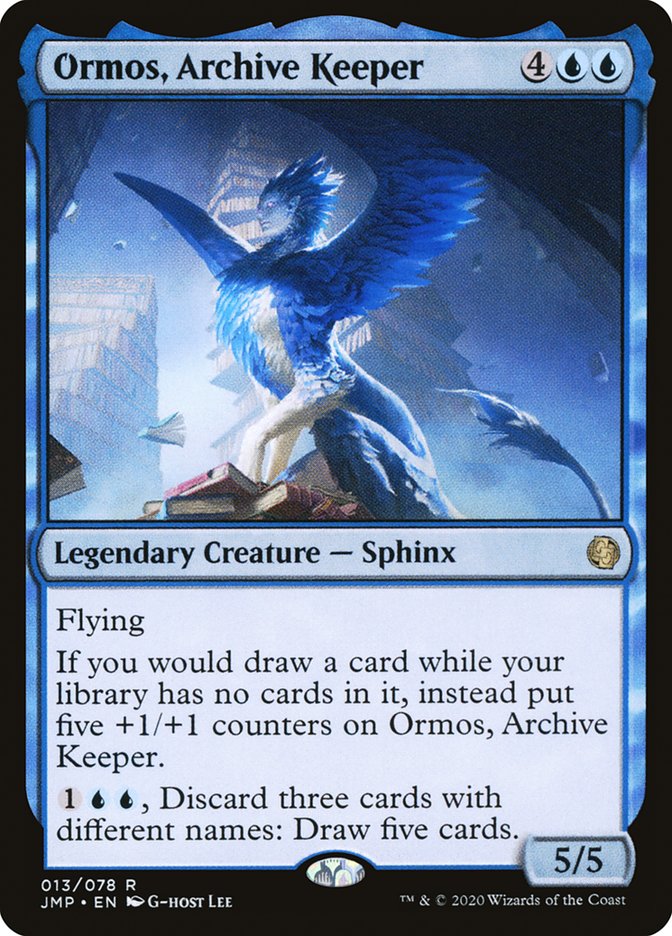
The problem with Ormos, Archive Keeper in Commander is twofold: You need to get rid of 100 cards (that’s so many cards!), and by that point, you’re usually winning with Lab Man anyway. I don’t even care that the activated ability works perfectly in a singleton format. This sphinx belongs in the 99, and that’s it.
#18. Medomai the Ageless
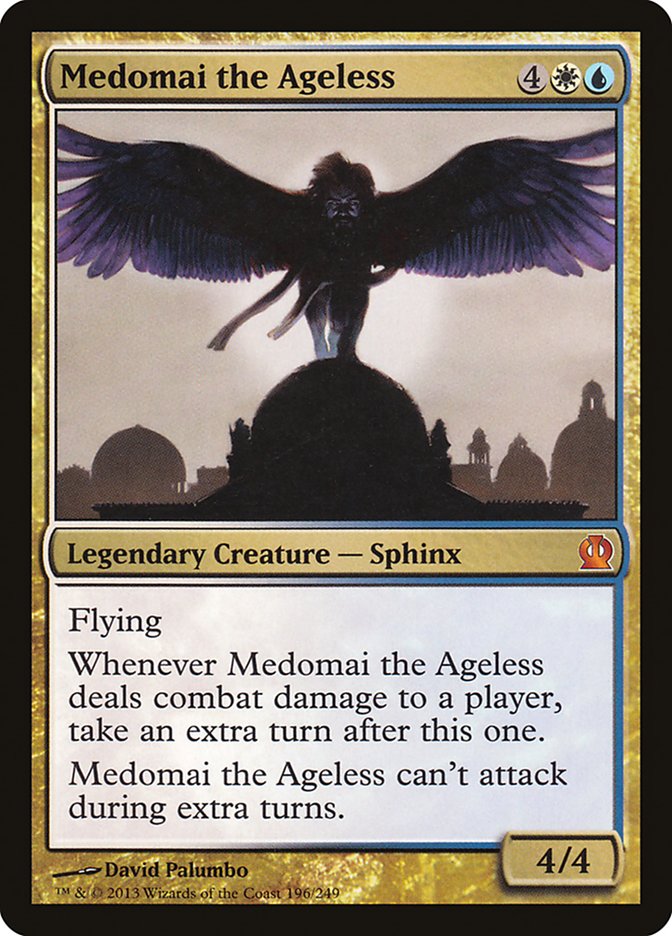
Extra turns in the command zone seems busted, but Medomai the Ageless can’t attack during extra turns. All is not lost: Genji Glove’s double strike and extra combat give you a max of four extra turns if you deal combat damage each time, plus there’s a variety of Panharmonicon variants to consider for either trigger. The question is, what are you doing on those extra turns if Medomai can’t attack?
#17. Isperia the Inscrutable
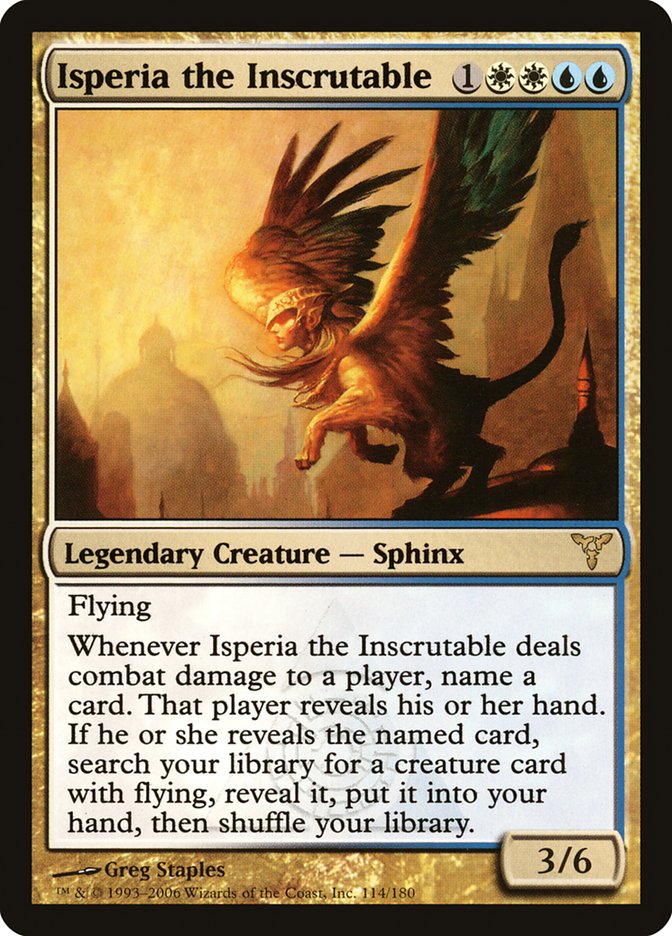
Isperia the Inscrutable rewards you for running Telepathy and anything else that lets you look at your opponents’ hands before you deal combat damage to them. You then need fliers to tutor for, which keep getting better as power creep sets in. But speaking of power creep, the mana cost is color intensive in a poor color identity for fixing.
Now, if I saw this Isperia as a “partner with” pair alongside Glasses of Urza on a stick, and we adjusted the mana value to modern Magic, maybe with hybrid mana… I’m not saying it’d be good, but it’d be fun and original.
#16. Atemsis, All-Seeing
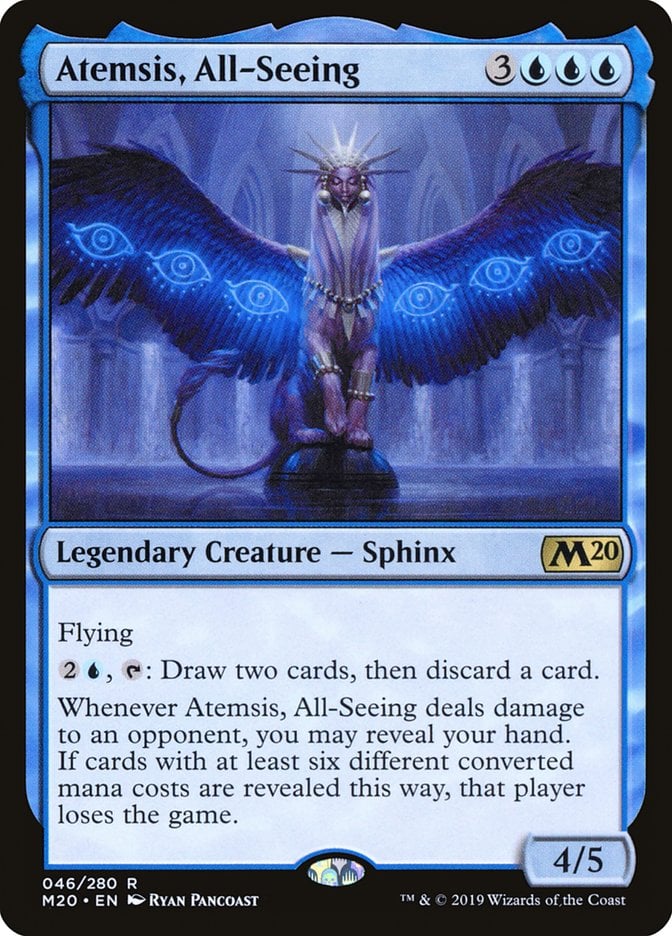
I’ve never played gin, but there are some old family card games in which a player has to reveal their hand to win the round, and this card reminds me of them. Atemsis, All-Seeing’s alternate win condition elminates your opponents one by one, which is really fragile. Some cards redirect damage, like Super State. Atemsis also cares about any kind of damage, not just combat damage, so you can turn your commander into a pinger with cards like Hermetic Study. But no matter what you do, you need a mix of control elements, plus card filtering to fill your hand with cards of different mana values.
Extra turns almost force you into Bracket 3 territory, but that’s pretty much the ceiling on this sphinx commander.
#15. Isperia, Supreme Judge
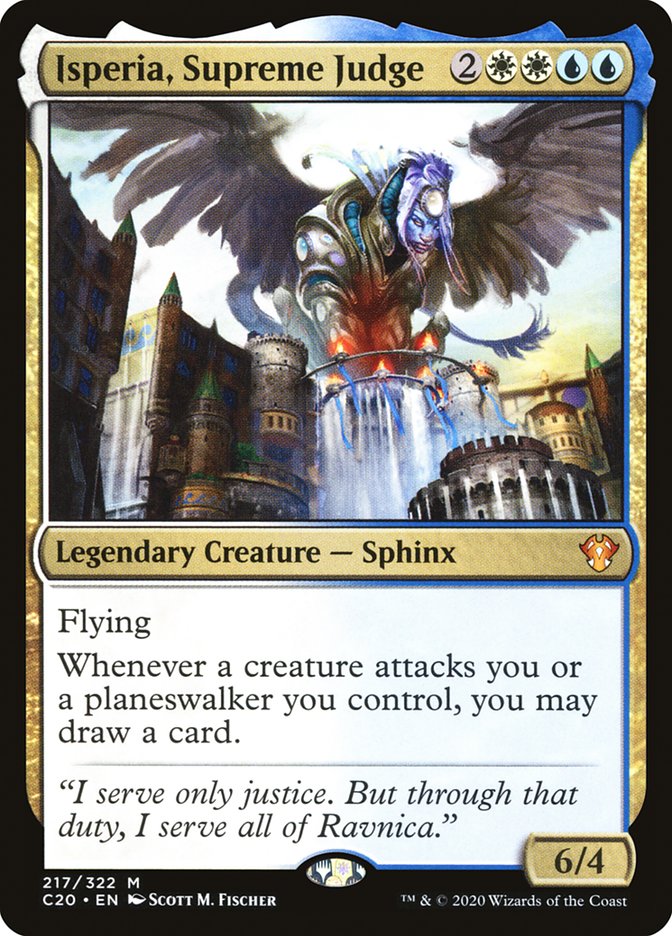
They really shipped this as the face of one of the Starter Commander Decks, didn’t they? A 6/4 that turns every creature that attacks you into card advantage is a good deterrent, and you can easily surround Isperia, Supreme Judge with other pillow fort cards. The precon had fliers as its theme, because Azorius () Fliers is a tried-and-true archetype in Limited formats and beginner Magic products alike. It’s viable, if unexciting.
#14. Arjun, the Shifting Flame
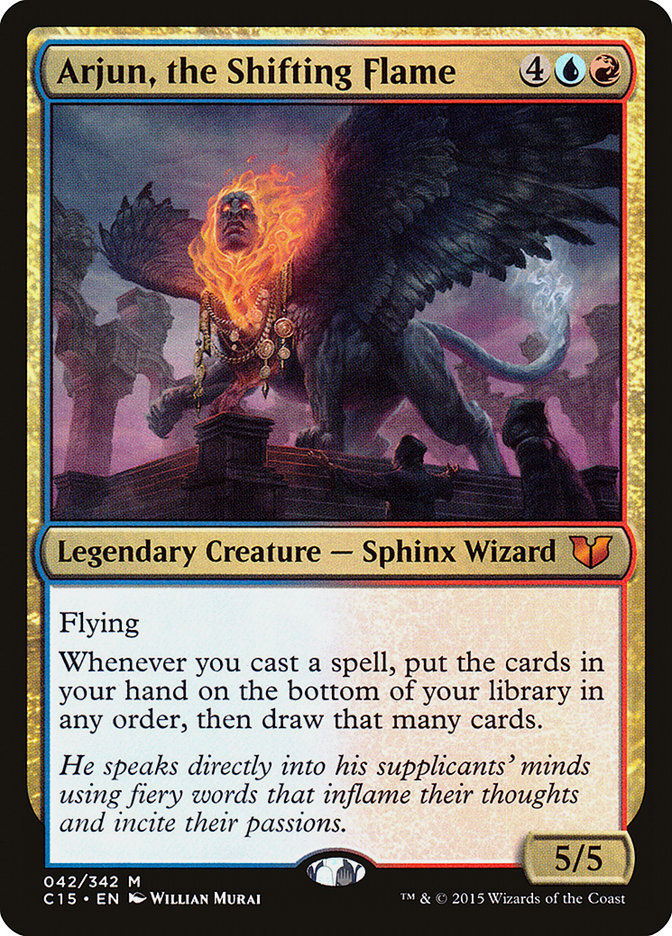
If we rated commanders like ski slopes, Arjun might earn a double black diamond.
My main issue with an Arjun, the Shifting Flame deck is that unless you know your decklist inside and out, your turns are going to be interminable the moment you do anything with your commander on the battlefield.
Think about it: Arjun is out. You cast Opt. Arjun’s trigger goes on the stack, then resolves, so you put your hand on the bottom of your library and draw a new one. Then Opt has you scry and draw a card. Now you’ve got a whole new hand to get familiar with, a whole new decision tree to explore. And you’ve only cast one spell. Then you cast your next spell. You ditch your hand, get a new one, resolve that spell. New hand. New decision tree. See where this is going?
If you need to read every card each time you see it, don’t run this commander if you want to be invited back to game night.
#13. Eligeth, Crossroads Augur
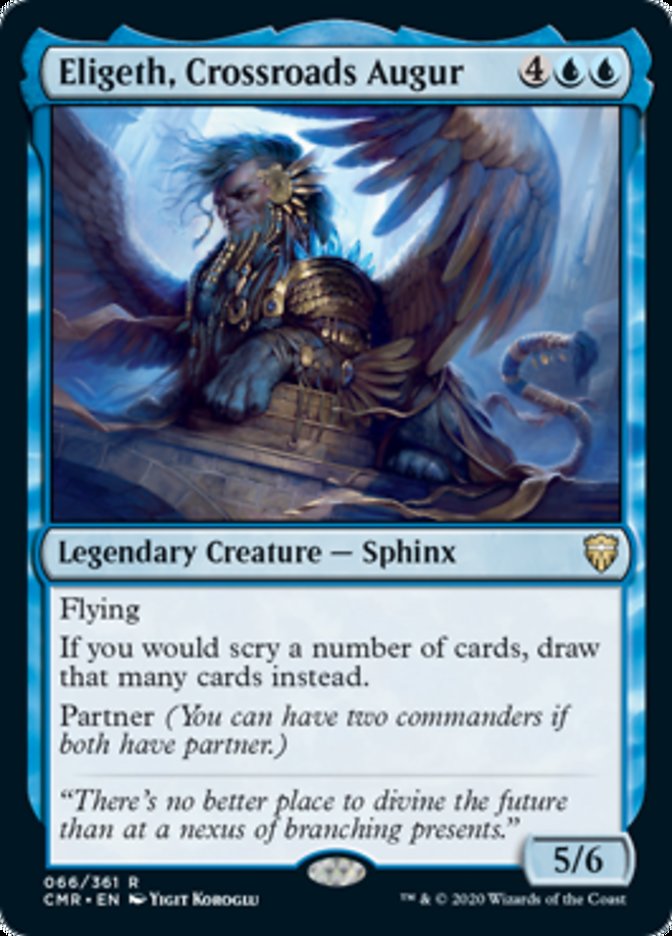
Eligeth, Crossroads Augur’s most common partner is Siani, Eye of the Storm. Together, they care about fliers and scrying, two very blue-coded themes. Kydele, Chosen of Kruphix is another option that turns mass card draw into huge mana swings.
The thing is, while the replacement effect seems good on paper, turning scrying into draw defeats the purpose of using it as a planning and filtering mechanic. You’re just stuffing everything into your hand and hoping for the best. But if you wind up discarding to hand size limits, you’ll have turned your scries into overcomplicated surveiling and looting instead.
#12. Unesh, Criosphinx Sovereign
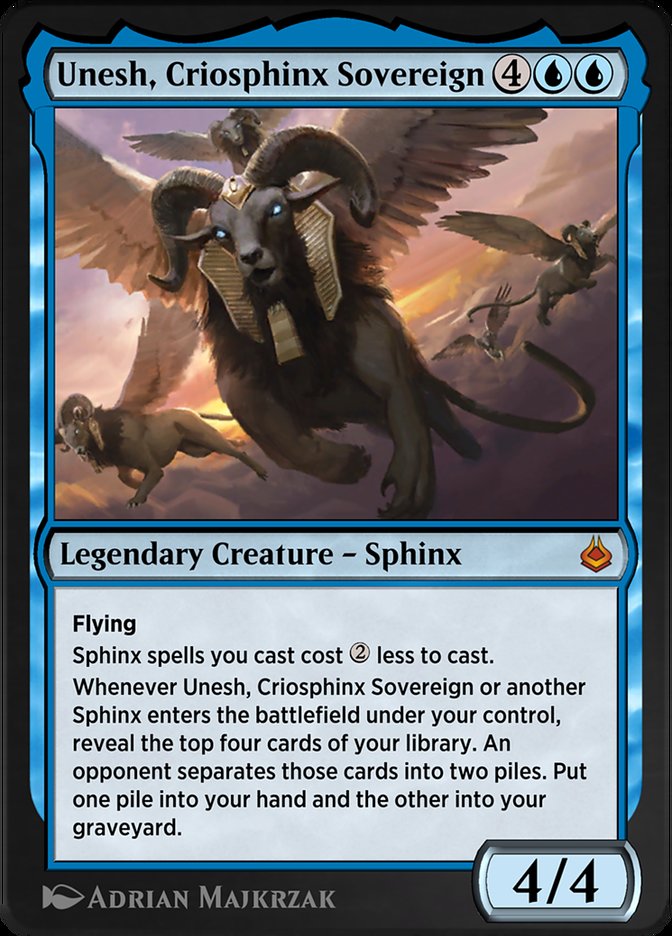
As the only commander that cares about sphinxes up until Reality Fracture, Unesh, Criosphinx Sovereign has its niche. Normally, mono-blue would restrict its creature base, but there’s a lot of mono-blue sphinxes. Unesh is a good pick if all you care about is the critical mass of sphinxes in your deck, since a mono-color deck is the easiest place to run a lot of creatures with two or three blue mana pips apiece.
#11. Uldaros Theorix
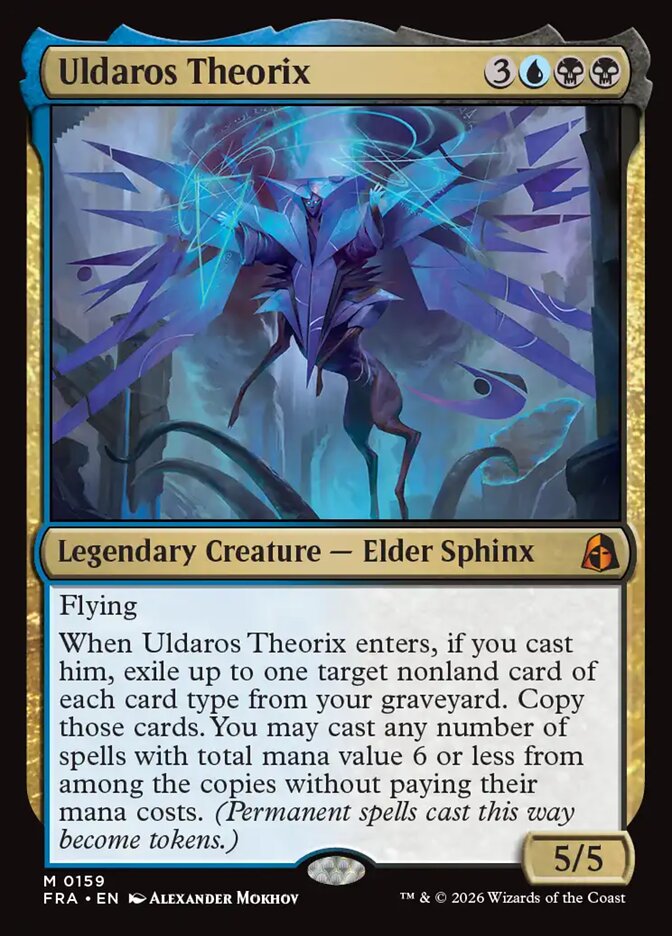
This one’s for the plotters. The schemers. The long-game enthusiasts. Because Uldaros Theorix needs a lot of setup, since its enters trigger only works if you cast it, and you need different card types in your graveyard for it to copy.
In essence, the 6 mana you spend on your commander also gets you 6 mana worth of spells out of your graveyard. But you also have to be judicious when you choose cards to exile, because Uldaros doesn’t let you stockpile anything for later use.
Bounce abilities help you get the enters trigger more than once, but the most efficient way is the only blue airbending spell, Whirlwind Technique.
#10. Elenda and Azor
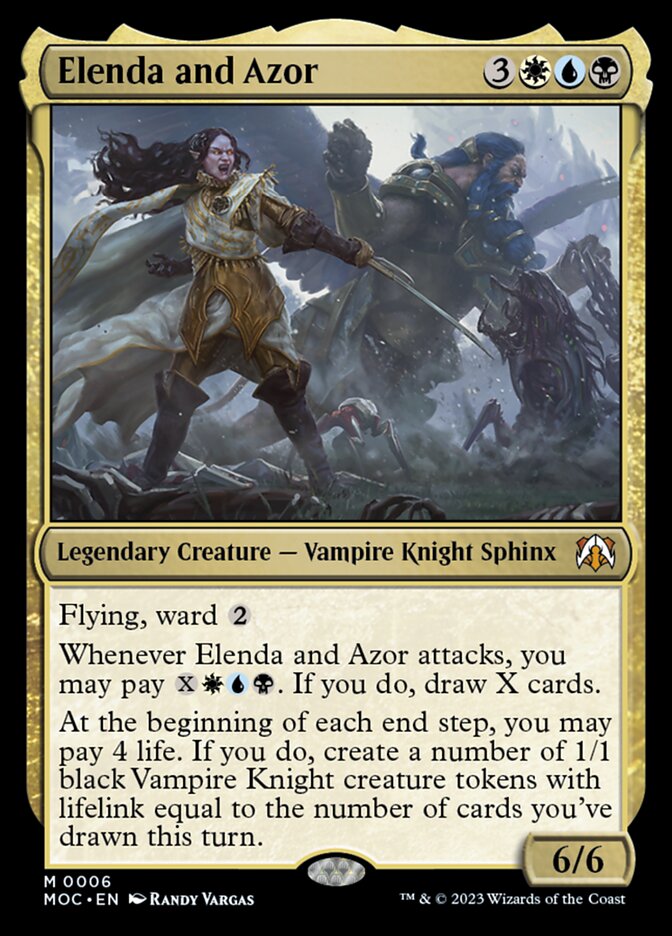
As a 6/6 for 6 with protection and evasion, Elenda and Azor holds its own on the battlefield. Its two triggers let you pay mana or life to gain cards or board presence, respectively. The card draw scales the more mana you have to pump into it, but there’s plenty of card draw in Esper () to turn the end step trigger into a really advantageous trade. But personally, I prefer Queza, Augur of Agonies for Esper card draw since it enables Drogskol Reaver combos.
#9. Sharuum the Hegemon
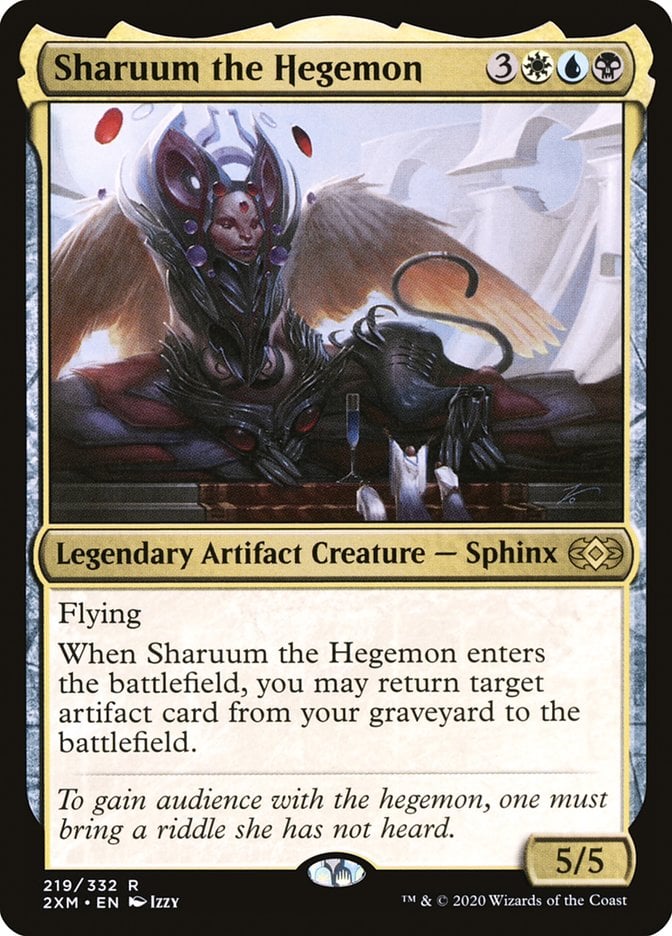
I have to respect any commander that’s older than the original Commander 2011 precon lineup and still somewhat viable. Sharuum the Hegemon’s enters trigger reanimates your artifacts, and you’re in prime colors for both Entomb-style tutors and blink loops. Granted, 6 mana is heavy for a combo commander these days, but none of this deck’s pieces are ever going out of fashion.
#8. Denzilore Fatehold
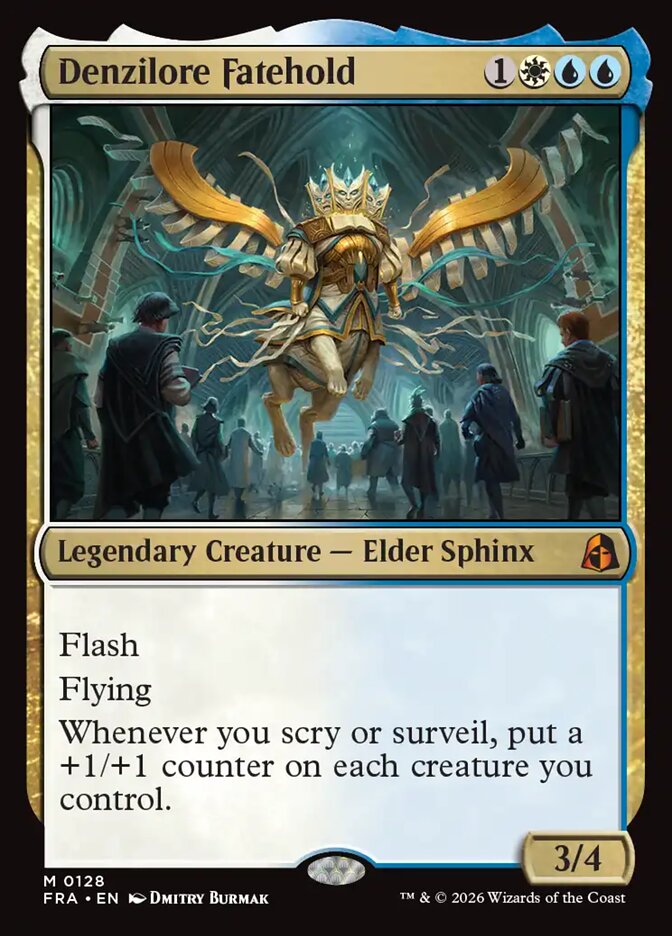
Denzilore Fatehold is the most Azorius () sphinx yet. A flash flier that cares about both topdecking mechanics is the perfect distillation of what so many previous sphinxes have been about. Azorius Fliers decks tend to run thopter token generators and small creatures to keep the curve manageable, but spreading counters around makes your little spitfires into fighter jets in no time.
#7. Yennett, Cryptic Sovereign
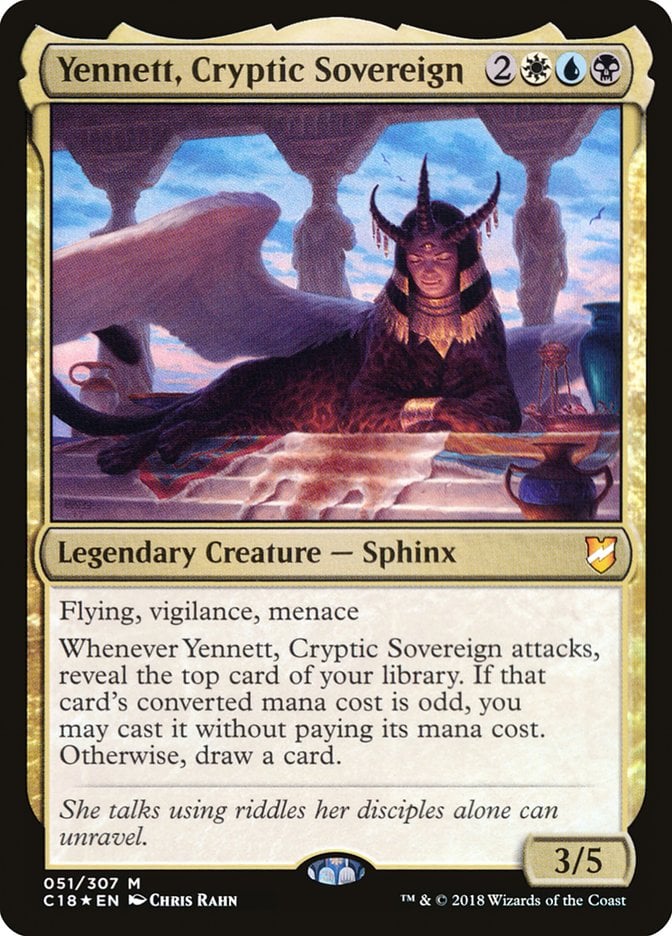
Yennett, Cryptic Sovereign benefits from topdeck manipulation and lines up neatly as a commander to build around sphinxes. Esper colors cover most of the best ones, and plenty of sphinxes have odd mana values. Some sphinxes also scry or surveil, so they can join the likes of Sensei's Divining Top in your topdeck package.
If this placement seems low compared to a trio of newer sphinxes, it’s because they do interesting and novel things, and I am a noted hater of tired, overused combos.
#6. Kwia Vigorbloom
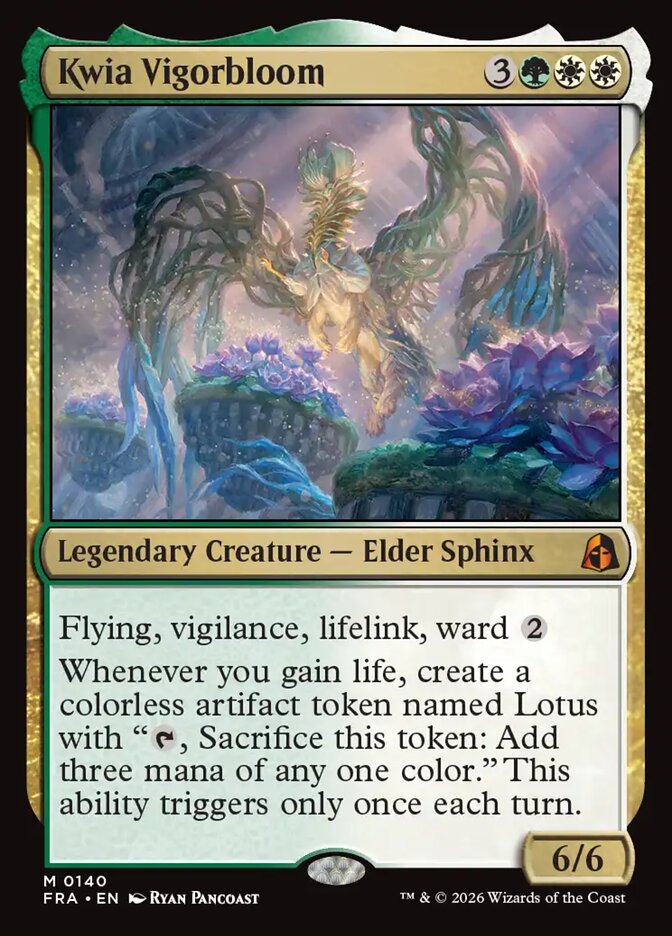
Sure, Kwia Vigorbloom only triggers once per turn, but that doesn’t mean you can’t bust it wide open. The 3 mana you get from the Lotus tokens is exactly what you need to activate Emiel the Blessed’s ability that allows you to blink a creature. Any Soul Warden variant makes that go infinite, so you just need to surround these loops with other lifegain and creaturefall/alliance triggers to profit.
#5. Aerid Konstrari
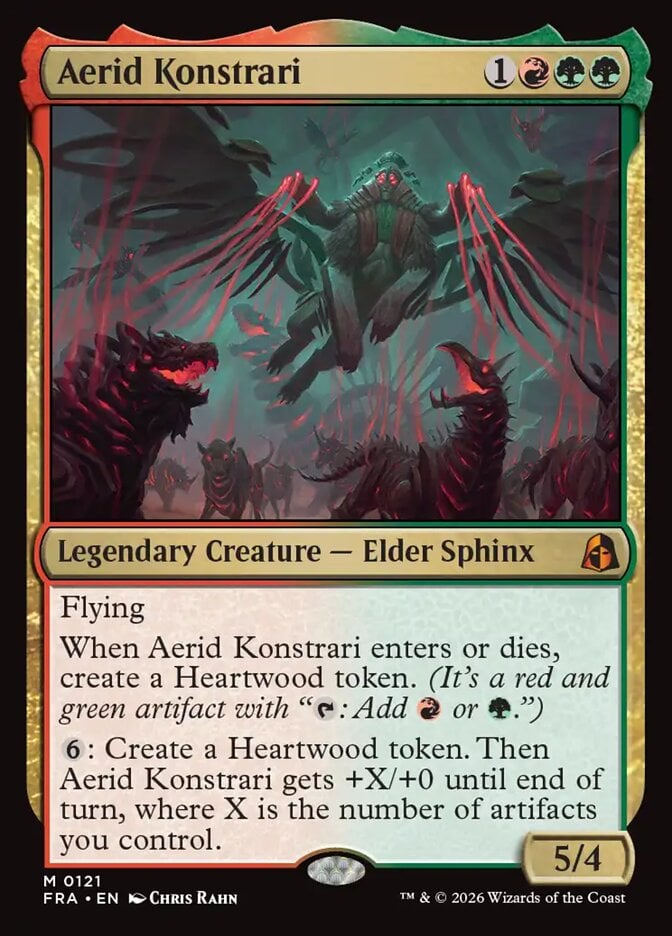
Gruul () artifact ramp isn’t totally alien territory, though it isn’t the most explored, either. One way to make a bunch of Heartwood tokens with Aerid Konstrari is to use myriad enablers (Blade of Selves) and other cards that copy your creatures to gain immediate enters and dies triggers, since you’ll sac the token to the legend rule.
Aerid’s activated ability can one-shot someone with commander damage if you have enough artifacts out or give it double strike, but what’s busted is that it’s repeatable. Get Agatha of the Vile Cauldron to 5 power, and suddenly the 6 mana you’d have spent to activate your sphinx commander is enough to activate it six times over, each time creating a new Heartwood token and pumping Aerid even bigger than before.
I will not make an inflation joke. I will not make an inflation joke.
#4. Ingris Stingerquill
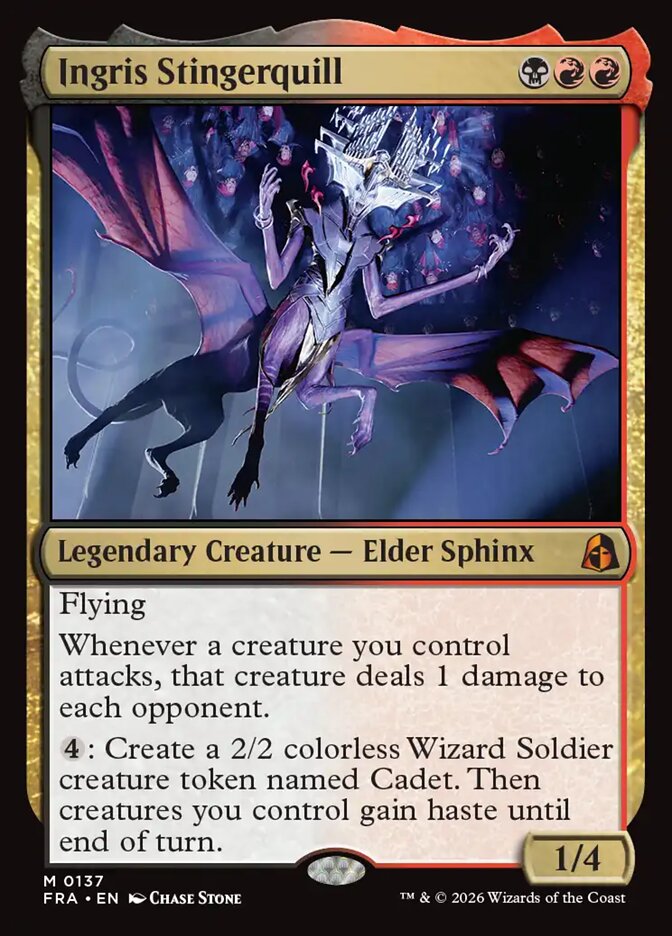
This is the kind of commander I look at for about 15 seconds before I declare, “I need to break this.” And by “break”, I mean do something stupid and convoluted. Attack triggers always lead me to extra combats, and a repeatable activated ability leads to infinite mana combos. But since Ingris Stingerquill has your attacking creatures automatically deal damage to your opponents, you can use infect creatures to put your opponents on a poisonous clock.
This sphinx’s combination of abilities is just open-ended enough that you can build it in a few diverging directions, and that earns high marks with me.
#3. The Ur-Sphinx
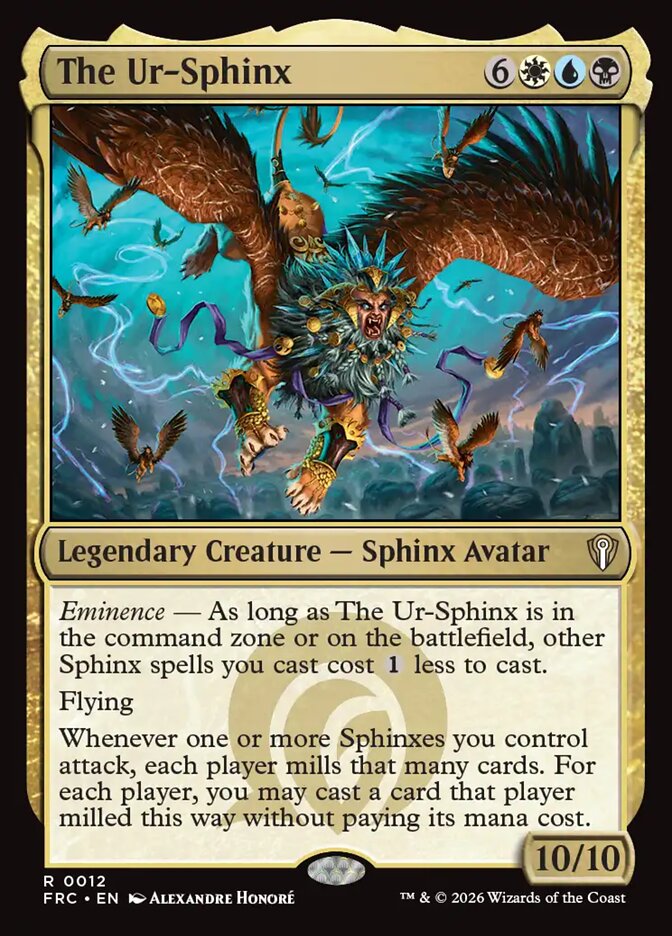
Fun story: I originally submitted a version of this sphinx commander breakdown the morning that the Multiverse Reforged precon was spoiled, before I saw the decklist. I figured, “We have five legendary sphinxes in the main set; surely, I’m safe, right?” This, after writing about how dragons and sphinxes make sense as Echoverse foils for each other.
Anywho, I’m really high on The Ur-Sphinx in the command zone. Its eminence ability provides cost reduction on big fliers, which makes your deck more consistent, and the attack trigger that mills out your opponents and steals their stuff is pure sphinx shenanigans. This commander earns its name, no doubt.
If you want to focus on the milling, we don’t have sphinx token generators for a true go-wide strategy, but you might consider pumping out flying spirit, bird, and thopter tokens and using Maskwood Nexus, plus the type-fixed shapeshifter tokens from Black Market Connections.
#2. Raffine, Scheming Seer
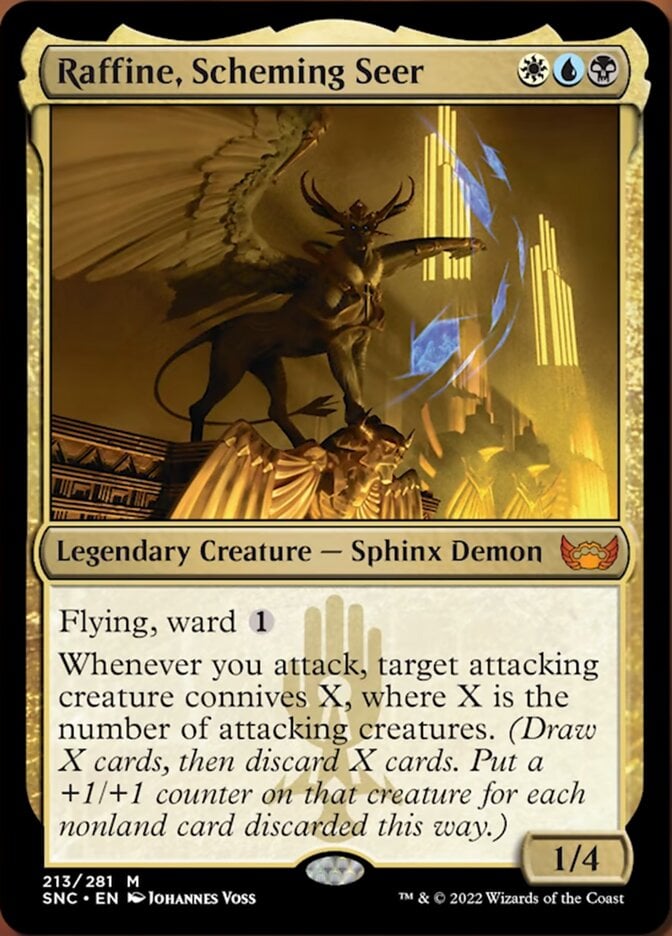
The crime bosses from Streets of New Capenna are mostly playable commanders, but Raffine, Scheming Seer is one of the better ones. Three mana for a 1/4 flier with ward is an incredibly appealing rate out of the command zone, and that’s before we look at the rest of the abilities. The conniving attack trigger rewards you for attacking with a bunch of creatures at once; you get to draw a bunch of cards and pitch your best reanimation targets into your graveyard. That could be big beaters, or it could be combo pieces, whatever matches your play style.
#1. Tivit, Seller of Secrets
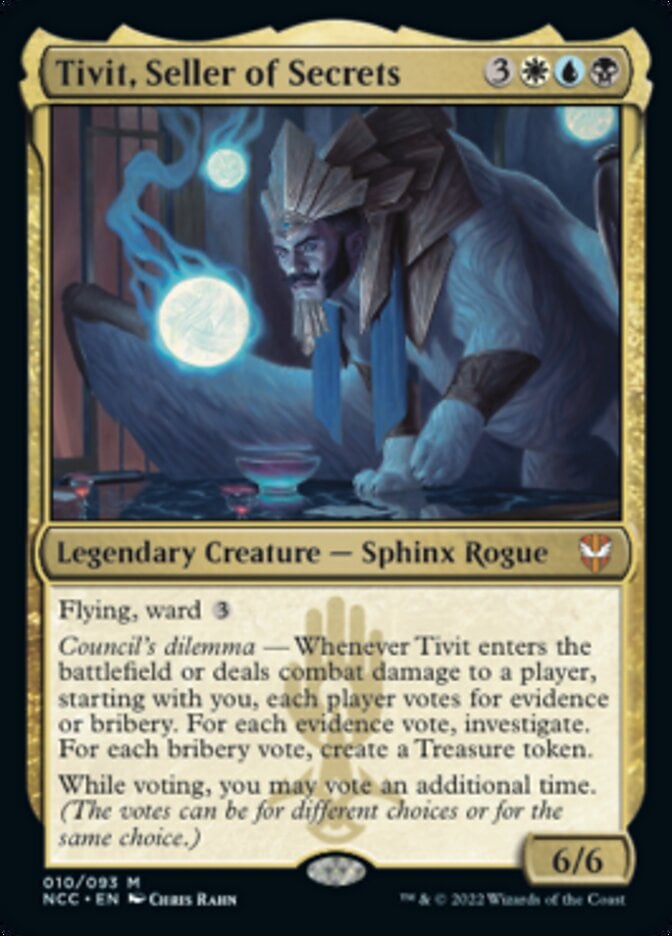
While the abilities point toward a politics angle that takes advantage of all the voting mechanics we have, Tivit, Seller of Secrets has a bunch of combos that make it formidable. Time Sieve gives you infinite turns as long as you have three or more opponents and none of them can remove your commander. Add Academy Manufactor and it’s infinite turns, period. But since Tivit triggers both as a saboteur and when it enters, you can control the board even more by mixing in flicker cards. All that on a precon’s backup commander!
Commanding Conclusion
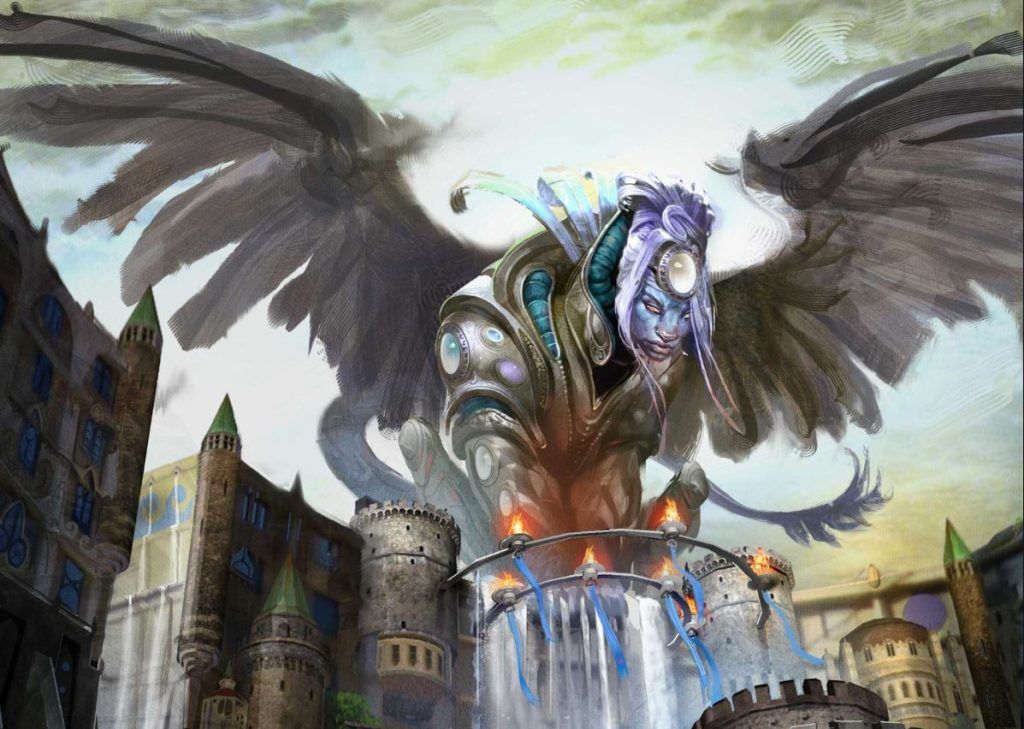
Isperia, Supreme Judge | Illustration by Scott M. Fischer
Aside from the Hexhaven founders that dive into allied color pairings, sphinx commanders are remarkably consistent in their color and mechanical identities. Card advantage and topdeck manipulation are major themes, but sphinxes’ large mana values sometimes holds them back in colors that struggle to find ramp.
Which of these sphinx commanders do you run? Which of them are you going to run? Have I missed a key piece of any of their deckbuilding puzzles? Let me know in the comments below or over on the Draftsim Discord. For more Magic news, clues, tricks, and tidbits, subscribe to our newsletter, The Daily Upkeep.
Happy brewing!
Follow Draftsim for awesome articles and set updates:










Add Comment