

Y'shtola, Night's Blessed | Illustration by Nakamura8
Few commanders have seen a meteoric rise in popularity like Y'shtola, Night's Blessed. The Final Fantasy commander was a hot topic when it debuted, but it has only continued to climb until it reached the third most popular slot on EDHREC.
If you want a slice of the most popular commander from the past few years or just want to build around a cat girl, I have a few great pointers to get you started.
What Kinds of Cards Work Well in a Y’shtola, Night’s Blessed Deck?

Y'shtola, Night's Blessed | Illustration by Magali Villeneuve
Y'shtola, Night's Blessed wants you to do two things: Play noncreature spells that cost 3 or more mana and make at least one player lose 4 life each turn. Luckily, these elements are tied together. Some cards that work well with Y’shtola include free spells that cost 3 or more mana, because that helps you to trigger it twice to reach that crucial 4 life, and cards that cause players to lose life—ideally in increments of 2 so you can get the draw trigger while you burn your opponents just once.
Additionally, since Y’shtola is often built as a control commander, cards that work in a long game and slow your opponents down tend to work with it. I also think Y’shtola has merit as a midrange commander built around cheap threats that attack your opponents to meet the 4-life threshold, and I’ve added a few cards for that strategy.
#29. Phyresis
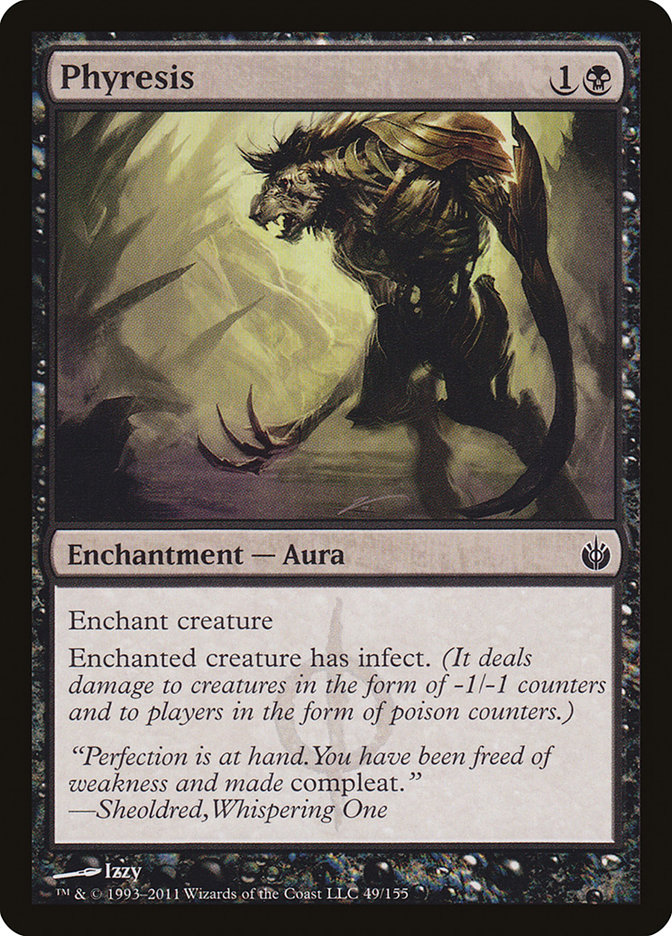
Phyresis might be more of a meme than anything, but it does work with Y’shtola: It deals damage rather than drain your opponents, so you can hit them up with poison counters. Do note that your opponents will hate it, and infect won't count towards your card draw from Y'shtola.
#28. Patrician’s Scorn

Patrician's Scorn is a hyper-efficient piece of enchantment hate that comes with the caveat that you should minimize the number of enchantments you’re running, else you risk losing them. It’s a bit of a meta call; if none of your opponents run more than Utopia Sprawl, you should probably pass on it.
#27. Norn’s Annex
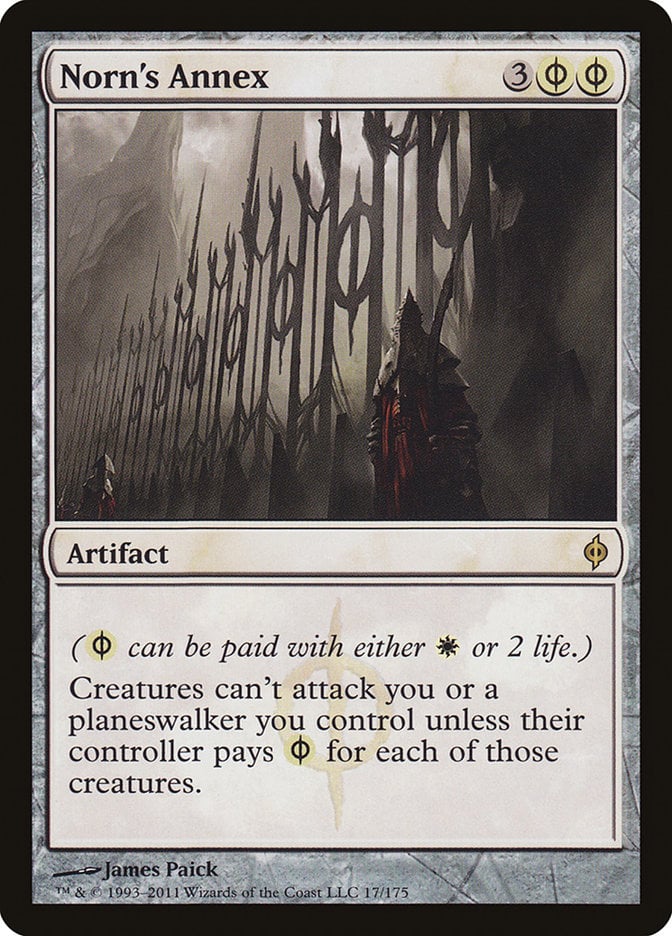
Norn's Annex is an interesting play on Ghostly Prison type cards. It can be circumstantially weaker; a white player needs only pay to attack, and a player with enough life can just take 2 damage here or there. But it draws you a card if you cast it for 4 life, and any opponent who takes damage to attack you (a forced choice for anybody without white mana) probably enables Y’shtola.
#26. Massacre
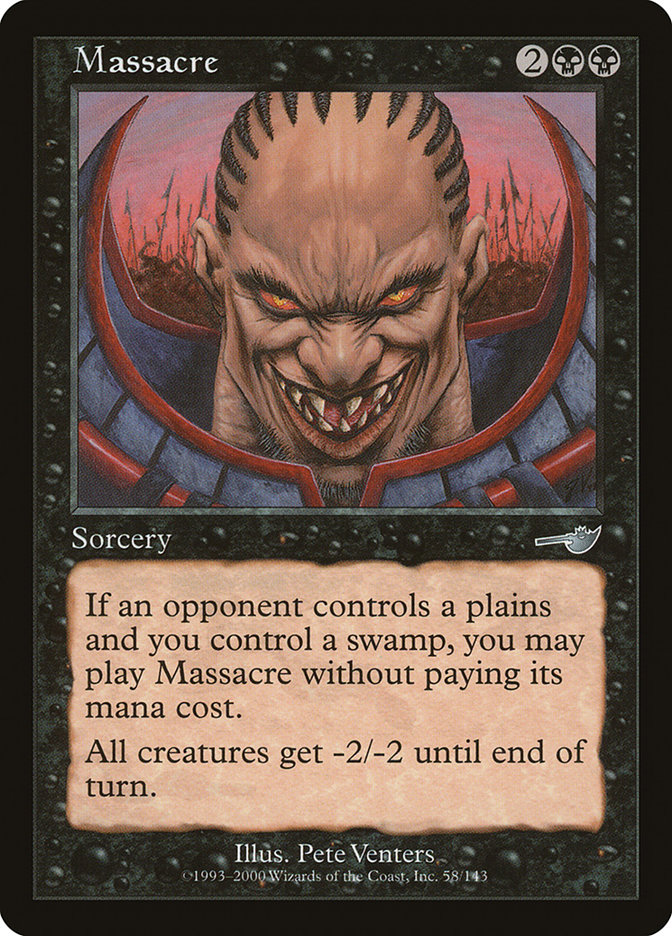
Massacre is far from the biggest sweeper around, but it does a great job of stopping one of the scariest things Y’shtola can face as an aggro deck: somebody that curves out and plays lots of threats. It can be very effective against green decks too since it kills most mana dorks.
#25. Knowledge Pool

Knowledge Pool is a strange card. It can work in a combo-oriented Y’shtola deck that establishes a lock with cards like Drannith Magistrate and Teferi, Time Raveler, but I think it has potential without the combo pieces.
First off, it really slows your opponents down; if they have a good spell in their hand, they have to cast two spells to get on. While that applies to you, you have a commander that rewards you for casting multiple spells a turn and your opponent probably doesn’t.
#24. Defacing Duskmage
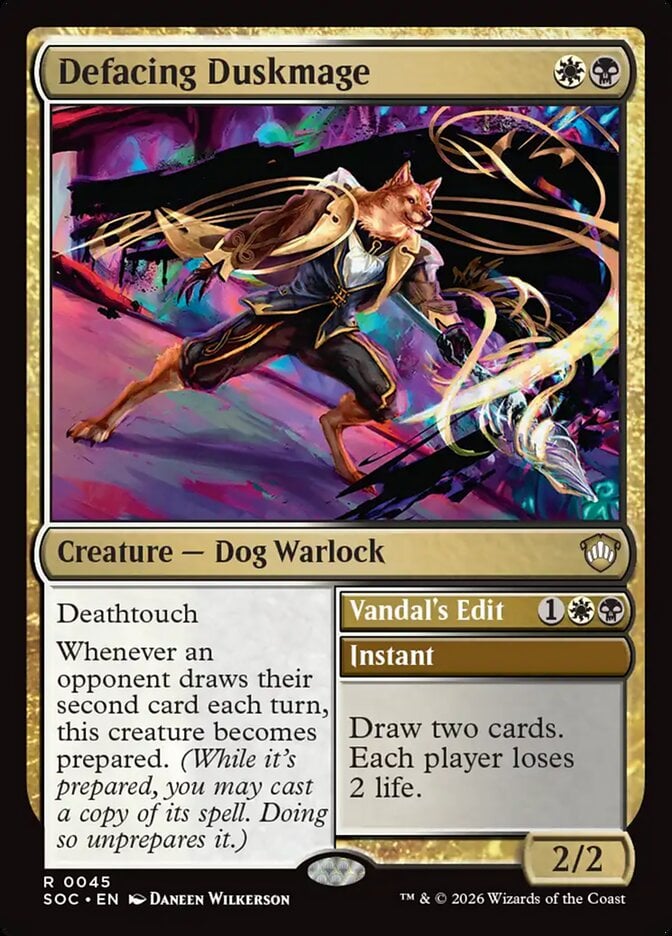
Defacing Duskmage doesn’t make every Y’shtola deck, but the prepared spell gives it lots of potential. It triggers Y’shtola and pings everybody for 2, so it lets you draw a card on your end step and apply plenty of pressure to your opponents. Like the other cheap creatures that work well with Y’shtola, it’s best suited to more midrangy variants rather than control builds.
#23. Inkshield
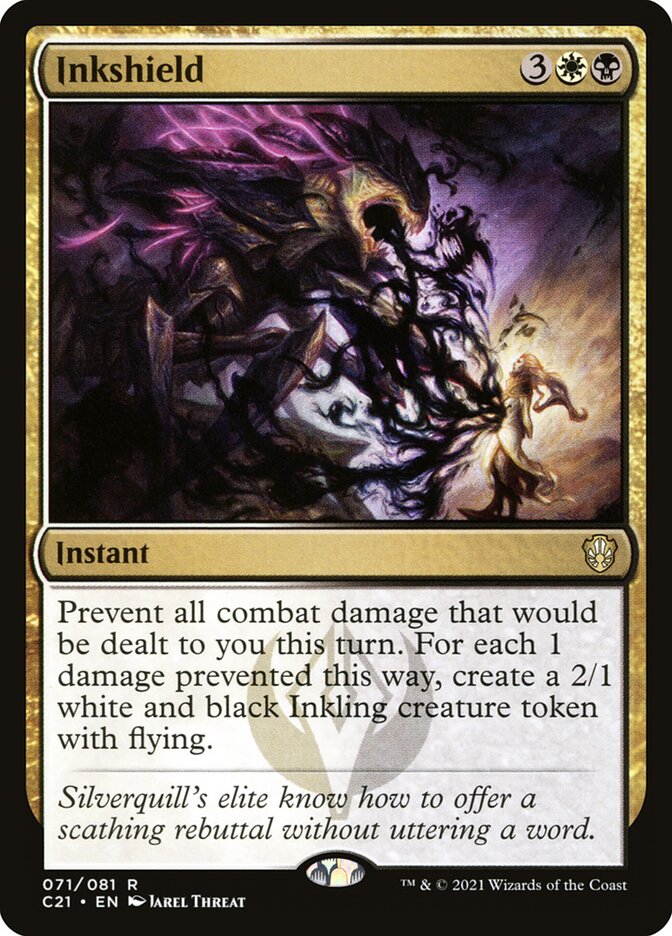
Inkshield only works in Y’shtola builds that maximize their instant count because it’s super obvious if you aren’t playing draw-go every turn, but what a swing! It’s an incredible card to turn the late game on its head, protect you from a lethal strike, and likely leave you with the board presence to win on your turn.
#22. Spellweaver Volute

Spellweaver Volute verges into meme territory, but it’s a pretty sick effect. Y’shtola plays powerful instants like Dig Through Time and Dismember, so there’s always something to enchant and copy. Then it leads to turns when one sorcery from hand triggers Y’shtola twice. Plus, it’s always fun to play Commander and pull out a card most players haven’t seen or heard of.
#21. Sygg, River Cutthroat
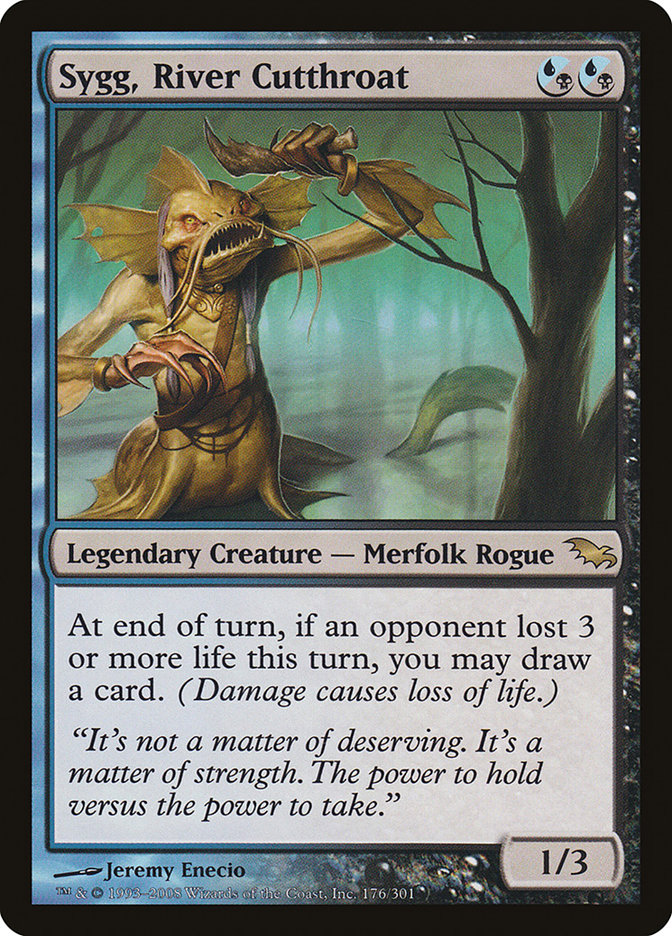
Sygg, River Cutthroat is another card I’d want primarily in the midrange pile, but there’s merit to it in other builds. If you can trigger Y’shtola, you can trigger Sygg, so it’s almost like having a second copy of Y’shtola.
#20. Mai, Scornful Striker

Mai, Scornful Striker’s group slug ability punishes players for running noncreature spells, so this is definitely a card for the midrange-aggro version of Y’shtola rather than control one. In that context, it’s pretty sick: It comes down and pokes in for early damage while potentially triggering Y’shtola off your opponents’ game actions, not yours.
#19. Rewind + Unwind
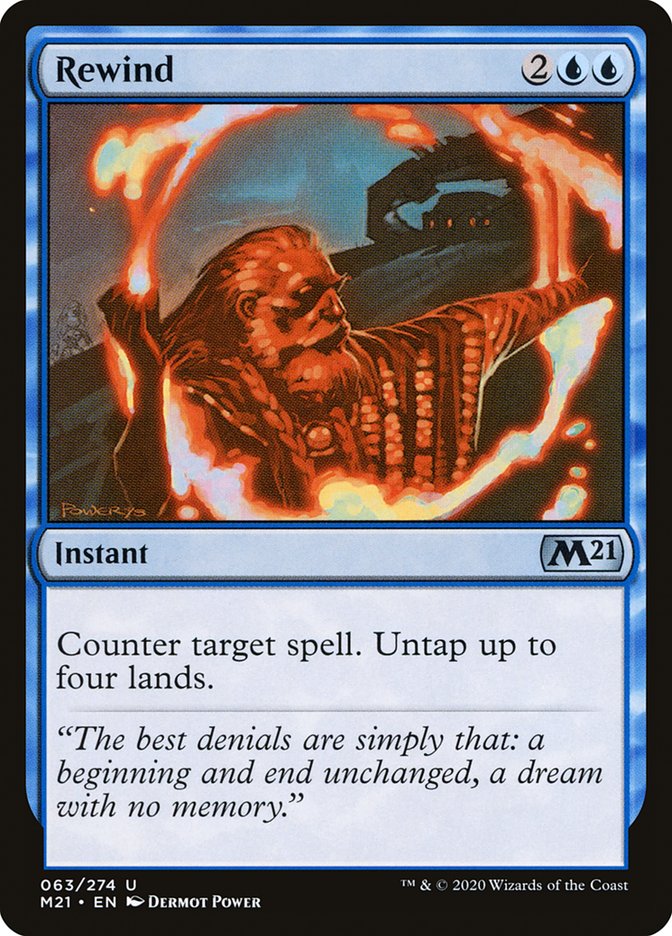
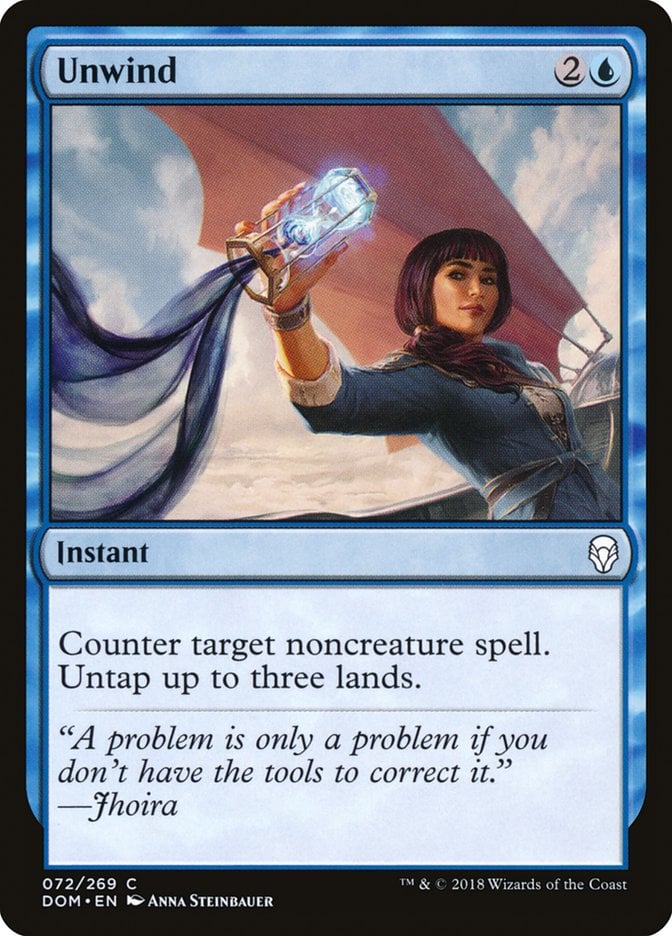
Rewind is more useful than Unwind because it doesn’t have a restriction, but both are similarly useful as pseudo-free spells that get a Y’shtola trigger. They make it possible to trigger the commander twice on 4 mana.
#18. Vile Consumption
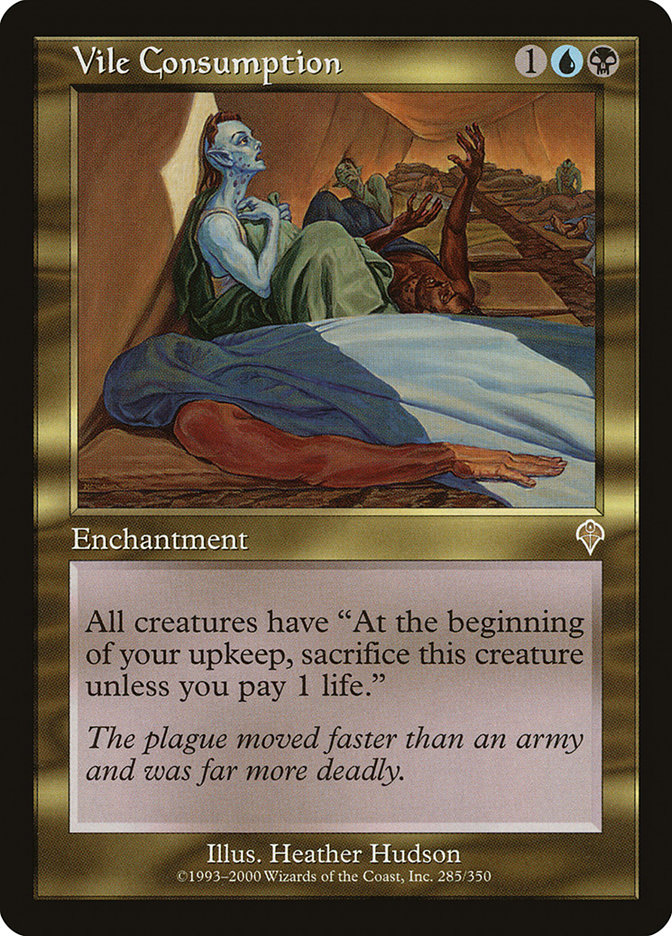
Vile Consumption only works in creature-light versions of Y’shtola because you don’t want to pay too much life to keep creatures around. It’s a pretty unique drain effect that either clears creatures or means your opponents lose a bunch of life on their upkeep.
#17. Withering Curse

Control decks need board wipes and Withering Curse is particularly synergistic with Y’shtola. When you cast it, Y’shtola’s lifegain trigger goes on the stack and resolves before Withering Curse, so you’ll gain the life to enable infusion just by casting it, resulting in a 3-mana Day of Judgment.
#16. Submerge
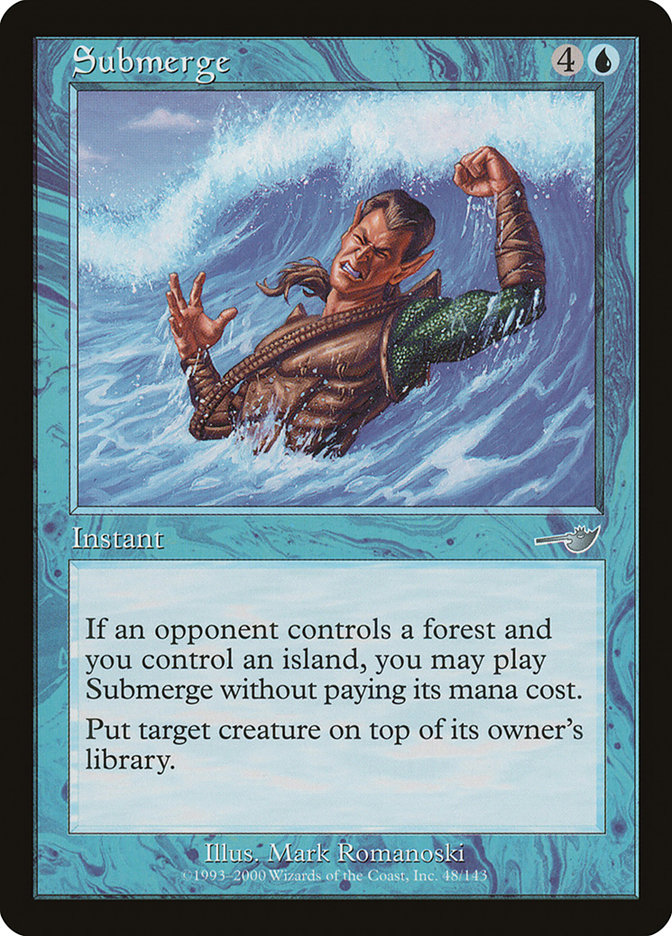
There’s not much to say about Submerge; it’s a simple removal spell you can cast for free. As a bounce spell, it doubles as pseudo-protection for Y’shtola since you can send it to your hand rather than the command zone.
#15. Sheoldred, the Apocalypse
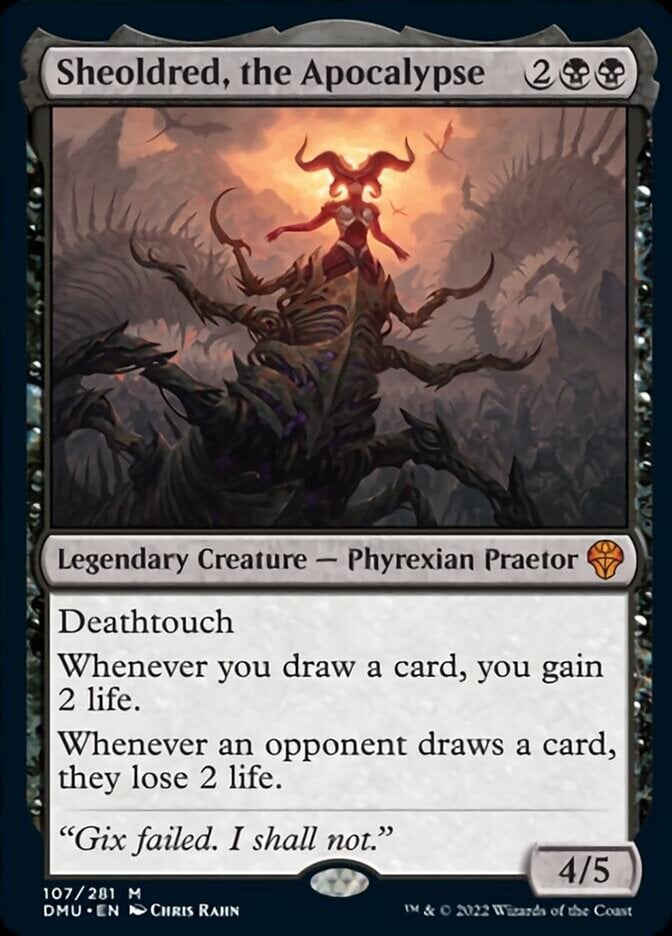
Sheoldred, the Apocalypse lowers the barrier to drawing cards on your opponents’ turns since they automatically lose 2 life in their upkeep, so you only need to trigger Y’shtola once. It’s also great at fending off aggression; between the lifegain and the massive body, it gives you some breathing room to scale.
#14. Decorum Dissertation

Paradigm and Y’shtola get along very well since you cast a copy of the spell, which meets the conditions to trigger Y’shtola. Decorum Dissertation works well in the control shell since it provides a consistent stream of card advantage; with the commander, it doesn’t even cost life!
#13. Ghostly Prison + Propaganda
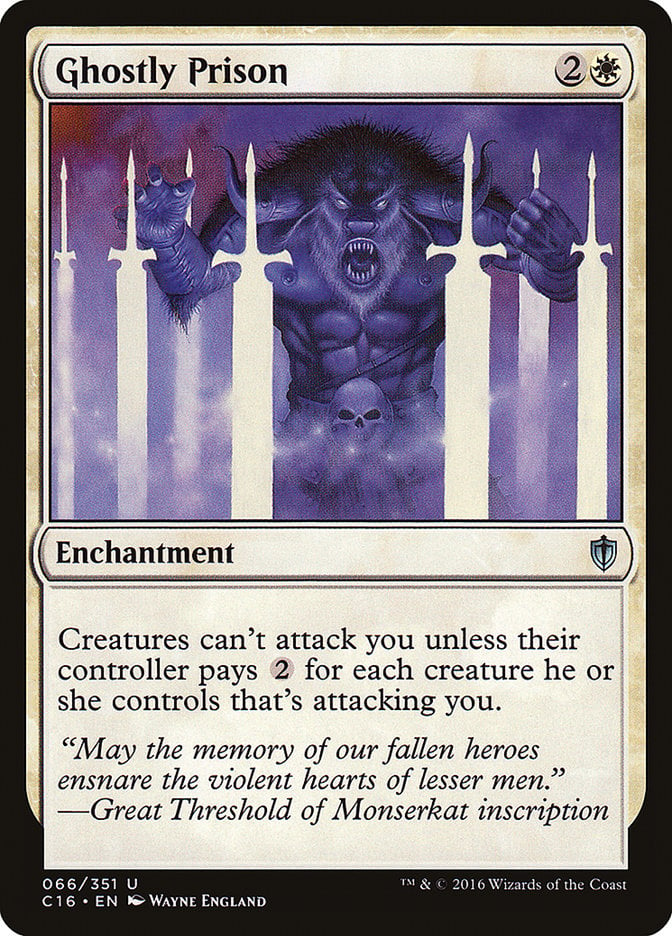
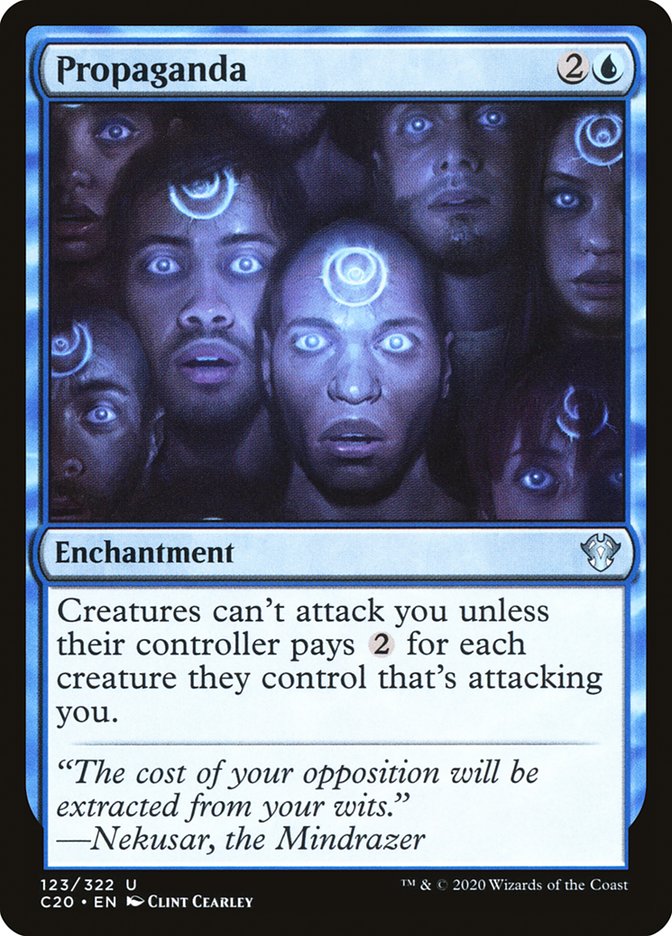
Ghostly Prison and Propaganda are most effective early, when nobody can afford to pay while establishing their board. They can be hit or miss later in the game; good against token players, but not the green player who attacks with a 10/10. An advantage to these over board wipes is that your opponents still have creatures to attack each other with.
#12. Talion, the Kindly Lord
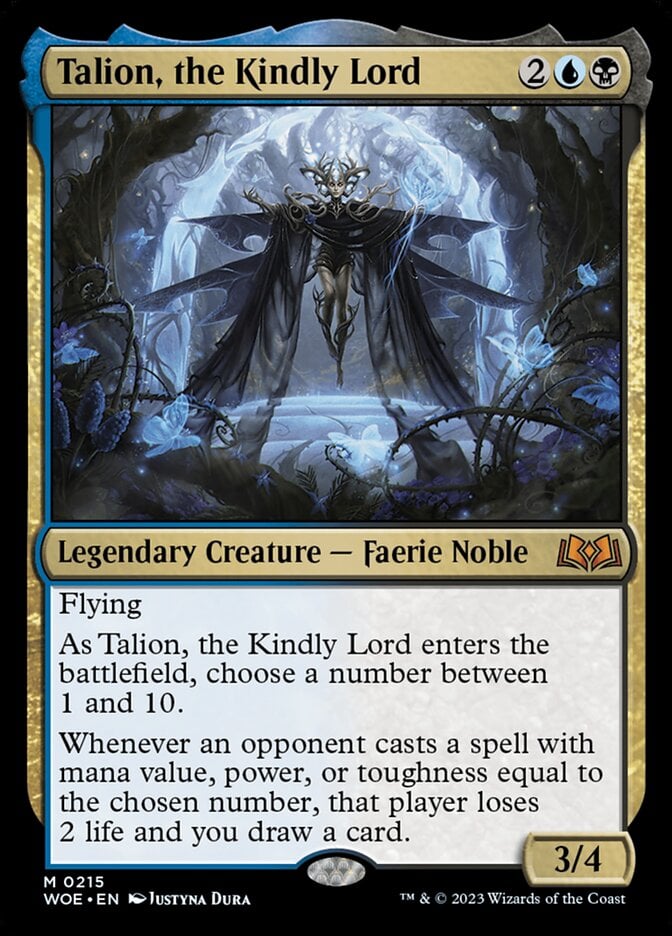
It takes a lot of effort to make your opponents lose 4 life, so why not make your opponents do it themselves? Talion, the Kindly Lord hits your opponents in increments of 2, so it takes very little for it to enable Y’shtola. Your opponent casts their commander, you Absorb it, boom! Card draw, not to mention pressure.
#11. Emet-Selch of the Third Seat

Emet-Selch of the Third Seat debuted in the Scions & Spellcraft precon with Y’shtola and seems ready-made to be its second. Every trigger from Y’shtola gives you the chance to recast a spell from your graveyard, at a discount, even! Note that this isn’t flashback that lets you hold off on casting the card; you need to make the choice then and there, when Emet-Selch’s trigger resolves.
#10. Misdirection
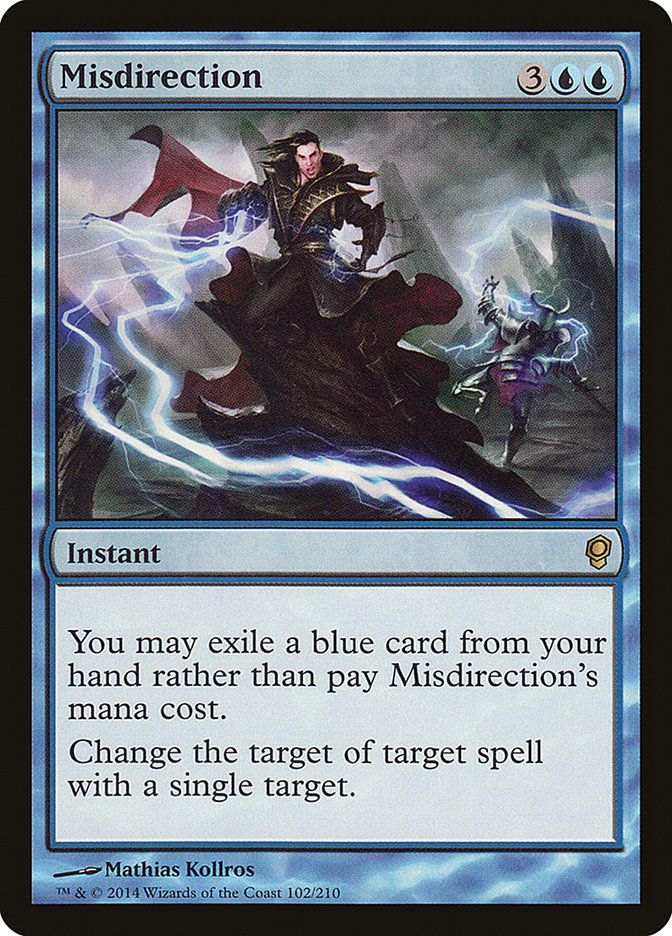
Pretty much any free counterspell works well with Y’shtola; Misdirection is just one that casual players are more likely to run compared to Force of Will or Force of Negation. The redirect effect is great at keeping Y’shtola safe because your opponents will try to remove it.
#9. Dig Through Time
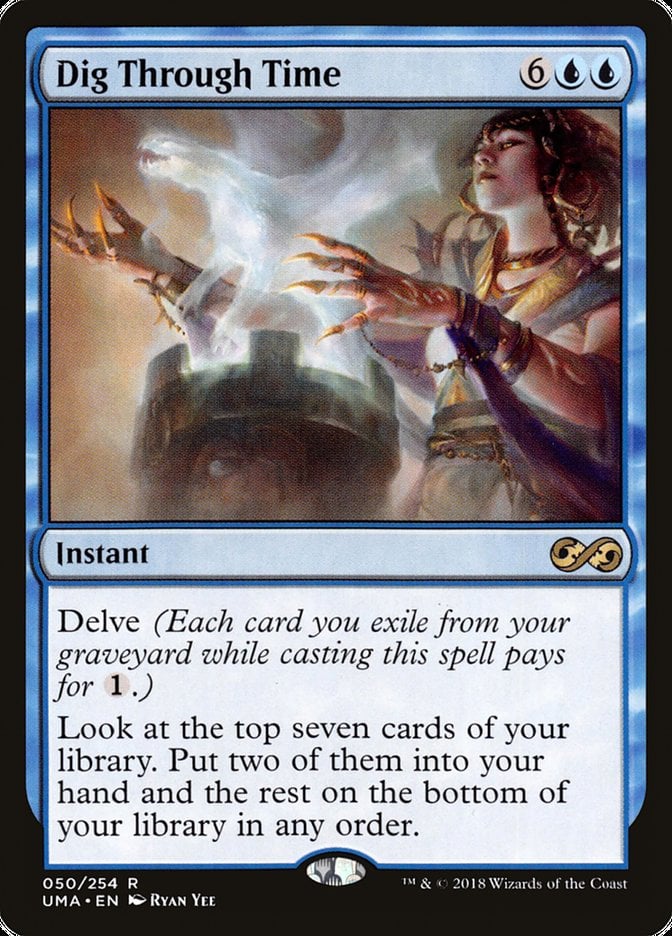
Delve and Y’shtola are best friends because Y’shtola doesn’t care how much mana is spent on a spell, just the mana value. Dig Through Time gets the nod as the best of them. At , it’s easy to sequence this and another card for two triggers. It also works very well in the control gameplan because you’ll fill the graveyard quickly with cheap removal and card draw.
#8. Fell the Profane

Four-mana Hero's Downfall isn’t the most magnificent card, but it’s hard to pass up on a removal spell that defaults to a Swamp. I can’t imagine playing Y’shtola without a Fell the Profane improving my mana base.
#7. Waterlogged Teachings / Inundated Archive


Waterlogged Teachings makes your deck far more consistent: It’s a tapped land to hit mana sources early and a tutor to ensure you have the perfect answer late. That flexibility is well worth the 4 mana.
#6. Irma, Part-Time Mutant
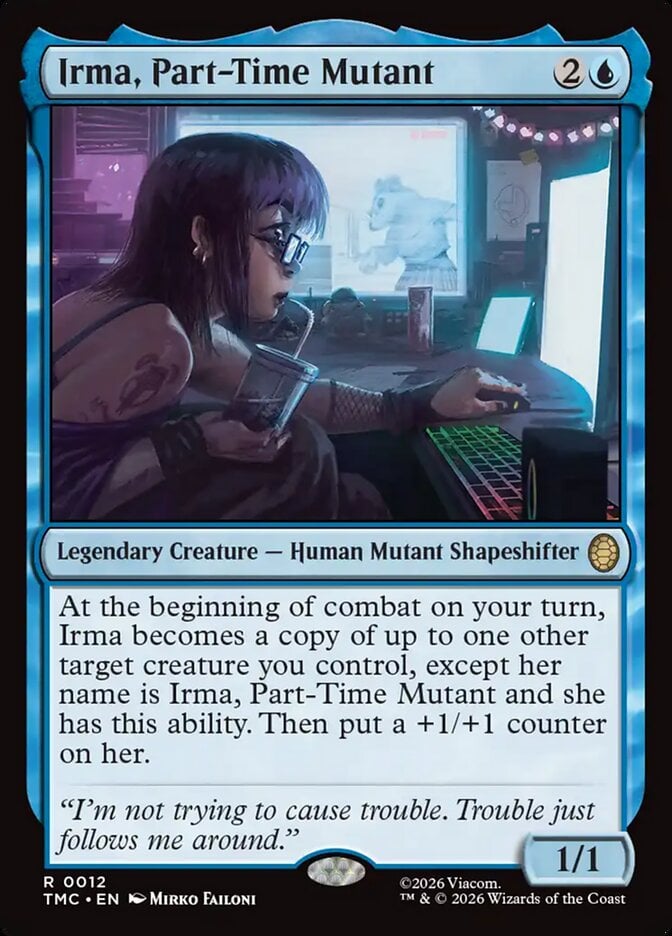
One Y’shtola is pretty good, so why not have two? Irma, Part-Time Mutant is an excellent card to copy Y’shtola without competing with its mana slot. Y’shtola stacks because one 3-mana spell hits that key 4 life, then you get two draw triggers. I love the idea of every spell becoming Divination.
#5. Spellskite
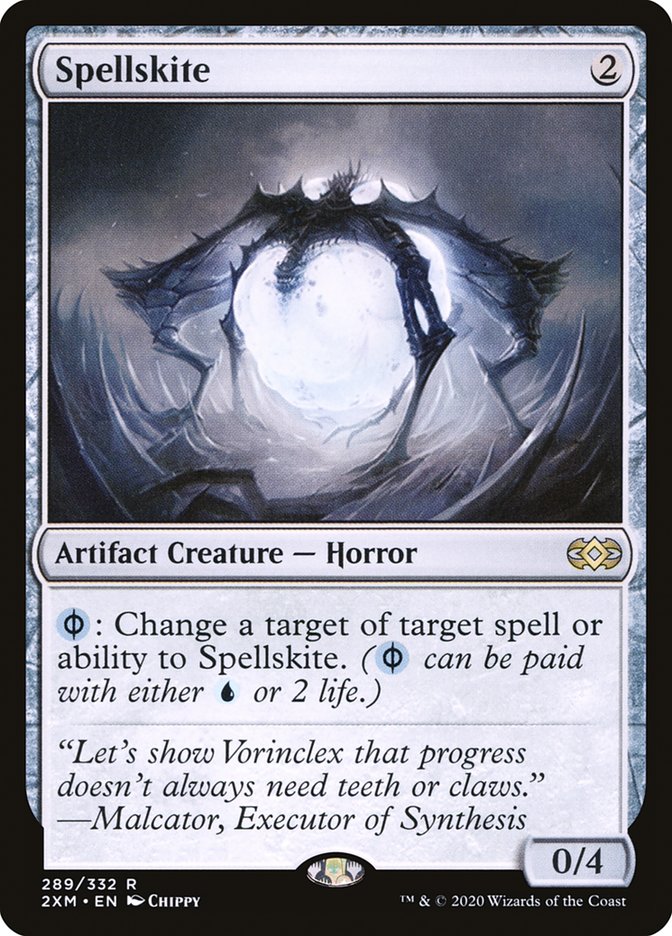
The only opponents who won’t want to kill Y’shtola on sight are the ones who haven’t played against it. They’ll join the other side soon, so pack some protection. Spellskite is quite useful as you can pay life along the way; stopping a Swords to Plowshares and drawing a card sounds pretty good.
#4. Dismember
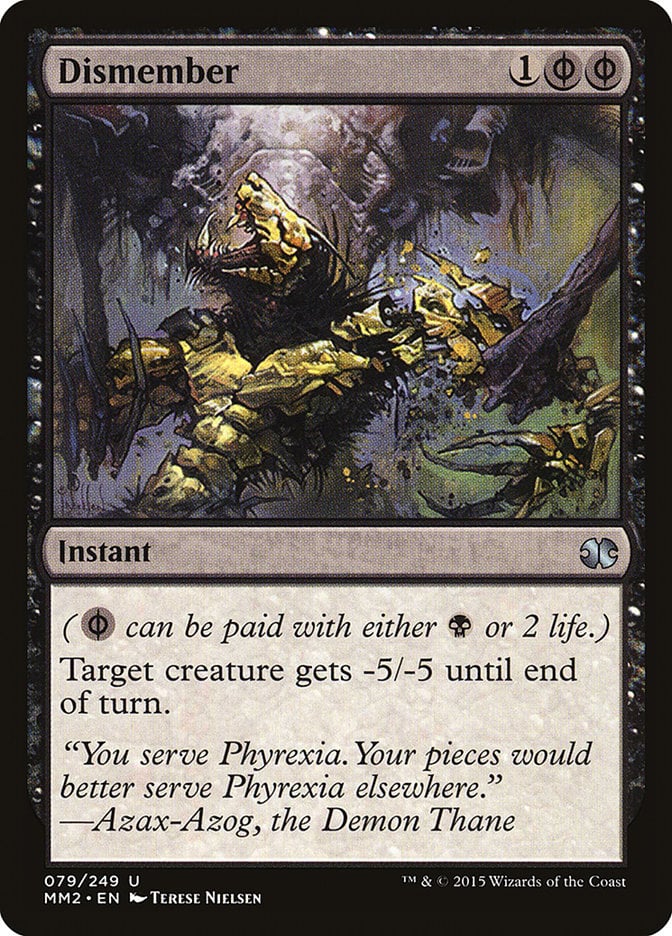
If you pay life for both Phyrexian mana pips on Dismember, you’ll lose 4 life to trigger Y’shtola during your end step—and you’ll trigger the lifegain, so you’re only down 2 life overall. One mana, kill a creature, deal 6 damage, draw a card is a stacked text box.
#3. Snuff Out
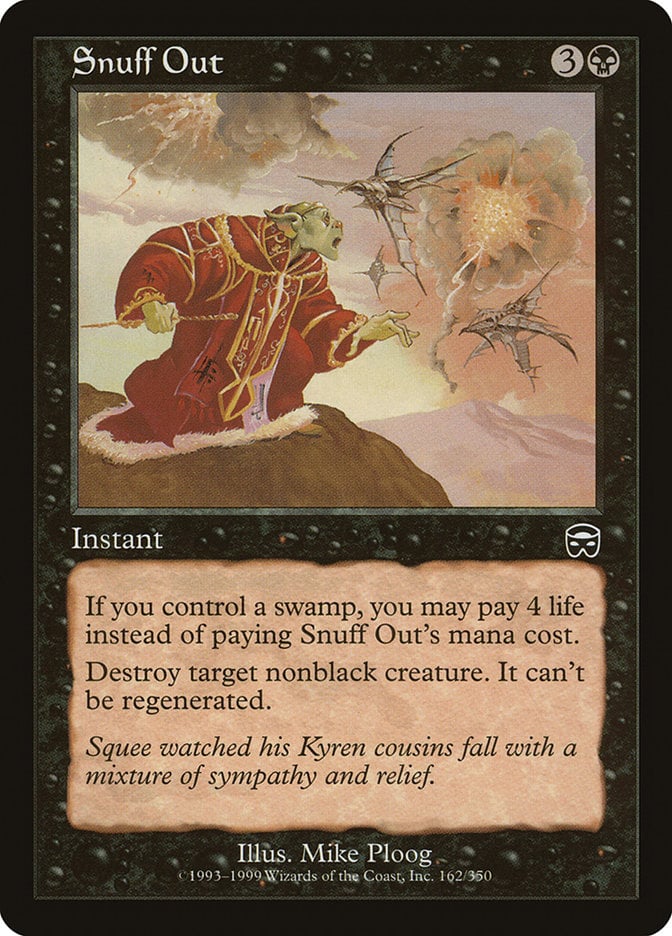
Free spells are always great with Y’shtola, but Snuff Out might be the cream of the crop since you pay the key 4 life to cast it, so it’s a cantripping removal spell. This is one of, if not the only circumstances where Snuff Out is better than Deadly Rollick rather than a budget downgrade.
#2. Sigil of Sleep
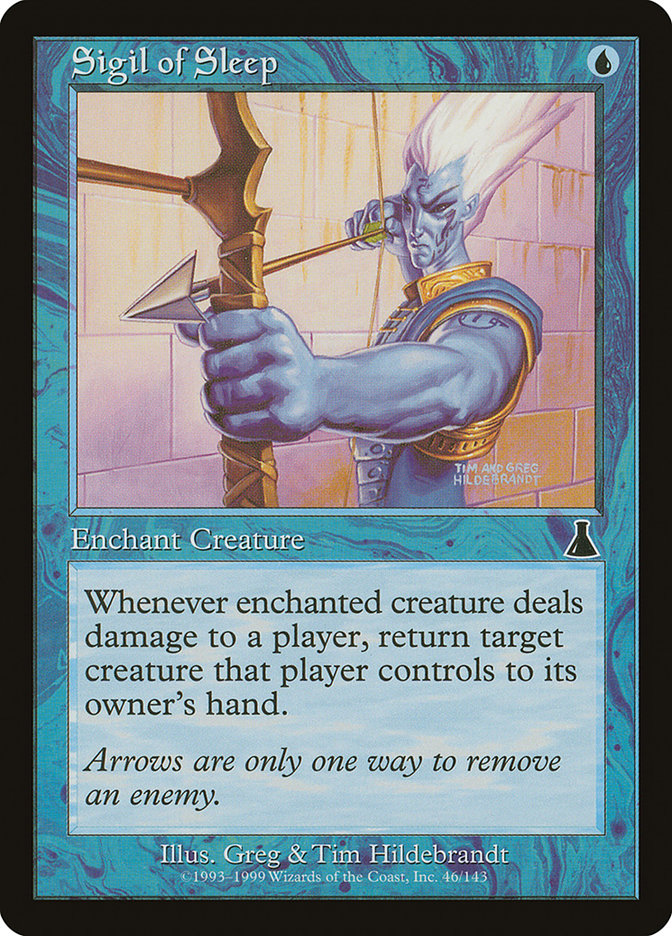
Since Y’shtola’s trigger deals damage rather than draining your opponents, cards that trigger off combat damage are super strong. Sigil of Sleep was largely forgotten until Y’shtola came around, and it’s a perfect card for the deck: Bouncing your opponents’ creatures while casting spells creates incredible tempo and gives your control deck lots of breathing room or clears out blockers for the midrange variant.
#1. Curiosity
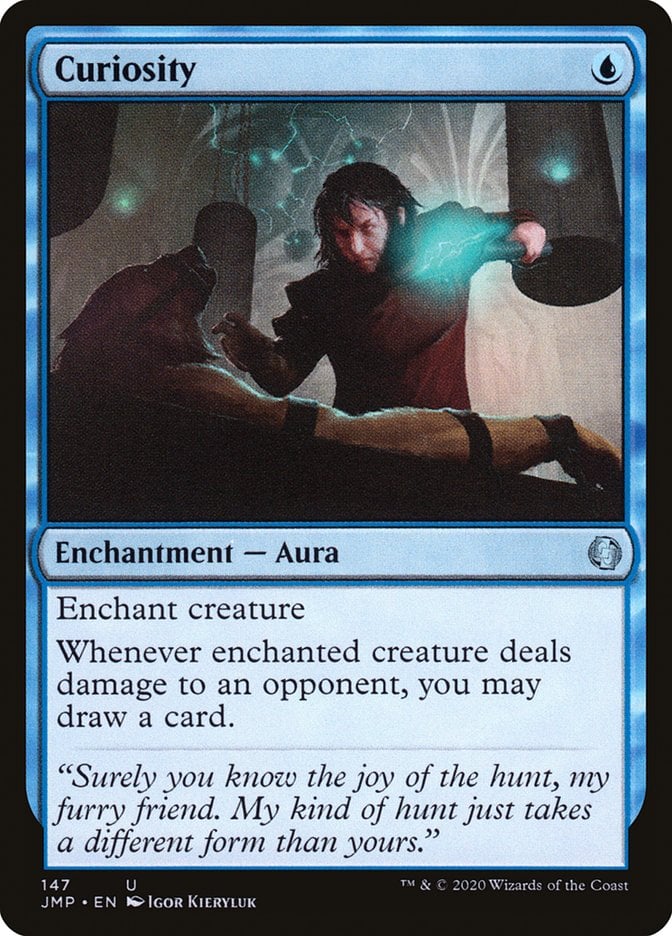
Curiosity runs off the same logic as Sigil of Sleep, except drawing cards happens to be far stronger than bouncing permanents. Since these auras don’t say one or more, each Y’shtola trigger nets three triggers; that’s three cards drawn. In this specific circumstance, Curiosity is basically Ancestral Recall tacked onto every spell you cast. I really can’t think of a reason not to run this except refusing to play one of the most popular cards for hipster points.
Commanding Conclusion

Y'shtola Rhul | Illustration by Immanuela Crovius
Y'shtola, Night's Blessed has risen to heights few other commanders have, especially in so short a time. While control and spellslinger are the default builds, it has potential to go down more aggressive paths. That power coupled with Final Fantasy being one of Magic’s most impactful sets ever makes Y’shtola’s dominance perfectly sensible.
What’s your favorite way to build Y’shtola? What’s your must-play card? Let me know in the comments below! For more Draftsim, don’t forget to check out our YouTube channel and subscribe to the newsletter! Both are called The Daily Upkeep.
Stay safe, and thanks for reading!
Follow Draftsim for awesome articles and set updates:










Add Comment