

Languish | Illustration by Jeff Simpson
Facing down an indestructible creature can feel hopeless, but “can’t be destroyed” doesn’t mean “can’t be dealt with”. Magic has plenty of clever answers, and today, we’ll rank the different types of removal that deal with indestructible threats and look at the best cards in each category.
There’s always a way to fight back!
What Is Indestructible Removal in MTG?

Hallowed Burial | Illustration by Dave Kendall
Indestructible removal in Magic: The Gathering is any spell or ability that can get rid of a creature with indestructible, since “destroy” effects don’t work. Instead, these answers exile, force sacrifices, reduce stats to 0, bounce, tuck into the library, phase out, or even transform a creature into something harmless.
In short, indestructible removal doesn’t try to kill the creature—it finds another way to take it off the board or make it useless.
#10. Phasing
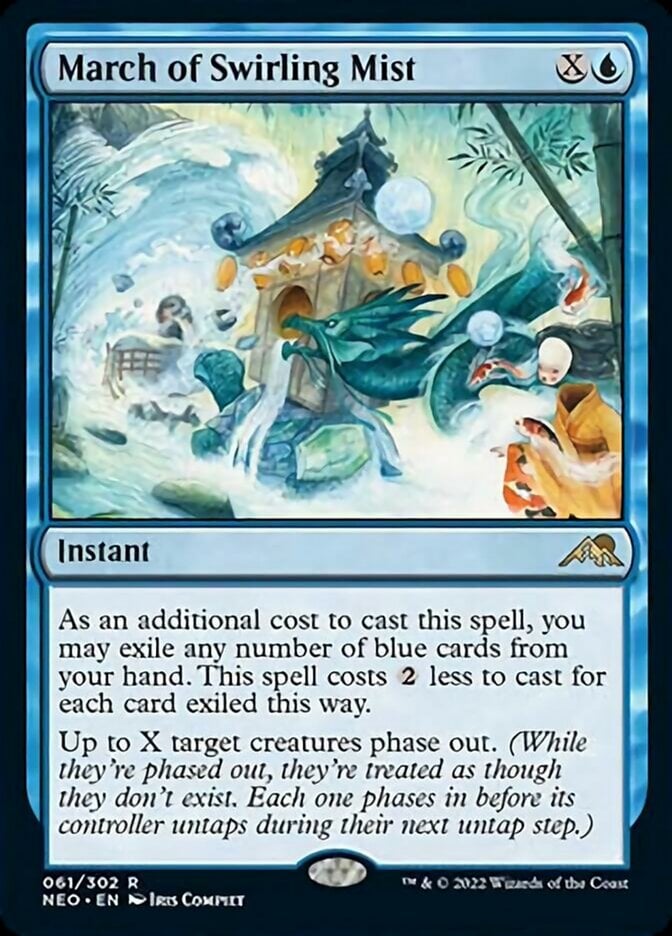
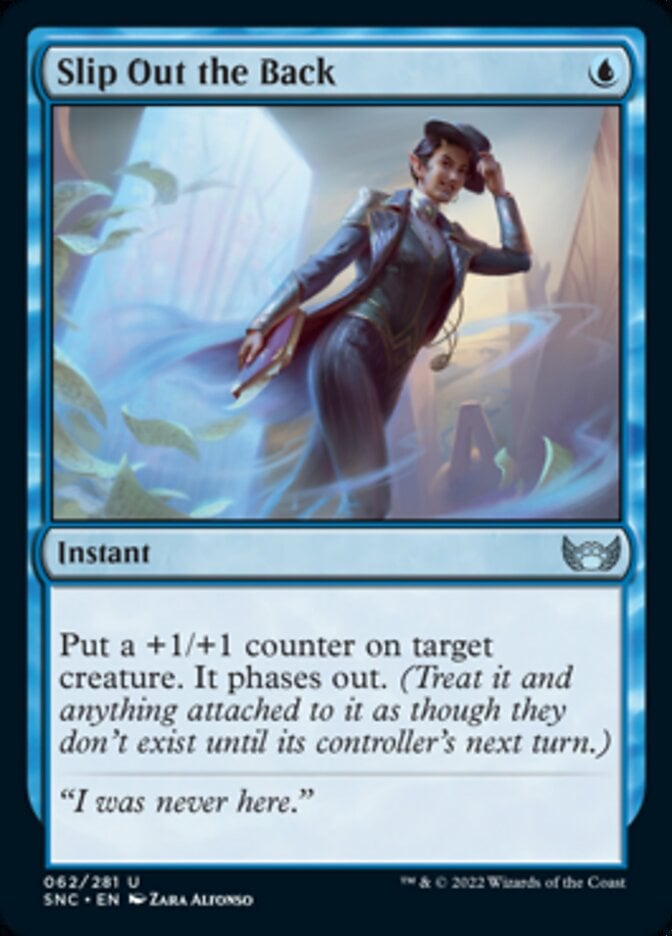
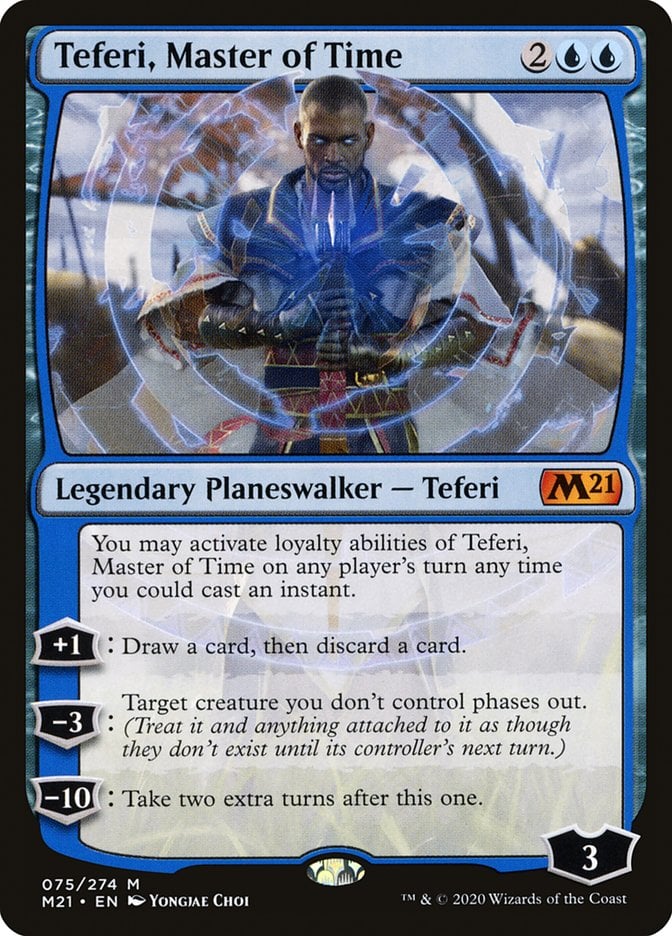
Phasing isn’t my favorite type of removal since the threat usually comes back, but it’s still a reliable way to deal with something indestructible—or at least get it out of the way for a while.
Most of the time, phasing shows up on defensive cards like Teferi's Protection, but there are plenty of other examples that can temporarily remove creatures like March of Swirling Mist, Spectral Adversary, Slip Out the Back, and Teferi, Master of Time.
If you’re looking for a more permanent solution, Oubliette is your best bet. It works a lot like an Oblivion Ring effect.
#9. Pacifism Effects
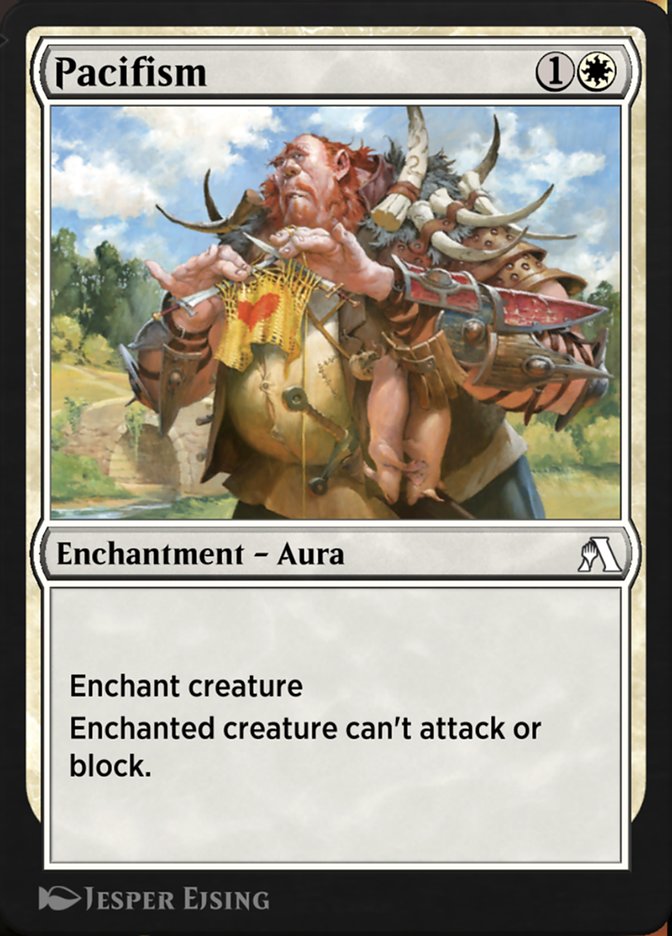
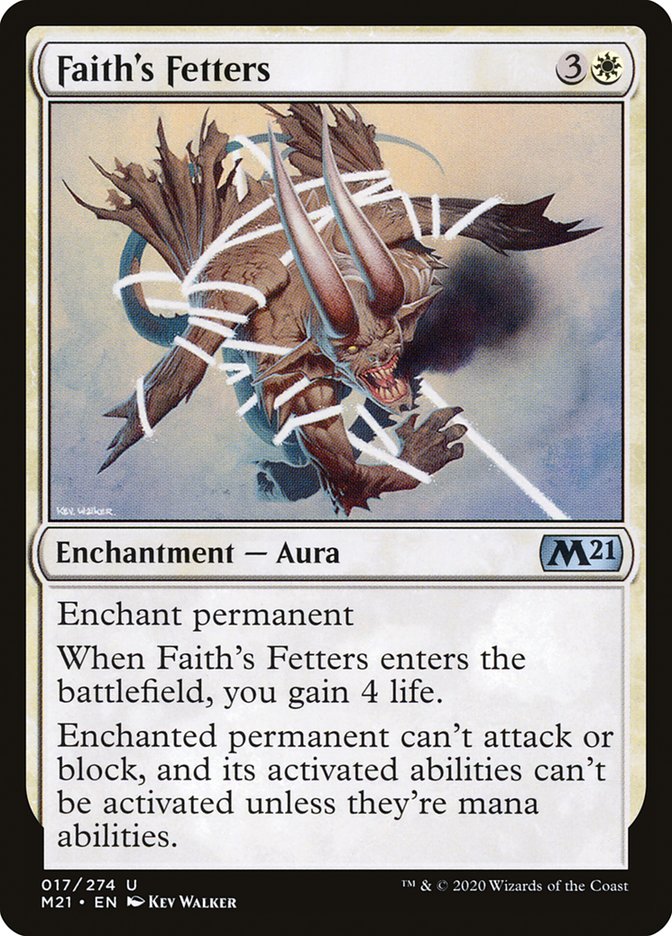

Sometimes you don’t actually need to destroy a creature; you just need to make sure it can’t do anything useful. That’s where enchantment-based removal comes in. A classic like Pacifism is simple but effective because it shuts down an indestructible creature by keeping it from attacking or blocking.
Other variations expand on that idea. Faith's Fetters shuts off activated abilities while it also pads your life total, and Dog Umbra can hold down a threat while giving you the added bonus of umbra armor.
The downside to these effects is that the creature stays on the battlefield, which means your opponent could get it back with enchantment removal. They can also take advantage of the situation by using sacrifice outlets or spells like Village Rites to cash in the “useless” creature for extra value. Still, if your deck leans into enchantment synergy or you just need a cheap way to stall a problem creature, Pacifism effects get the job done.
#8. Transform Effects
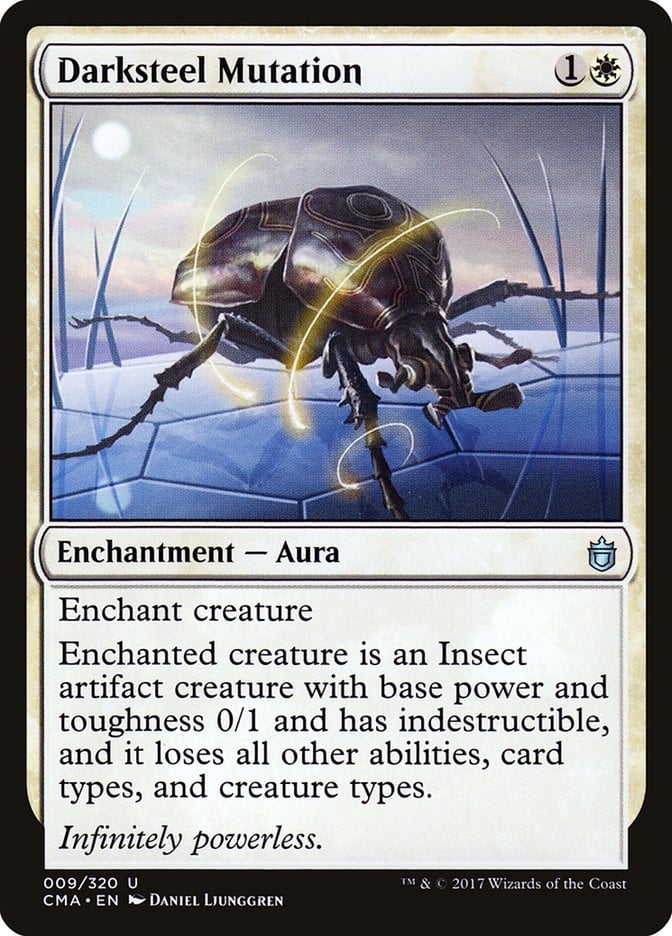
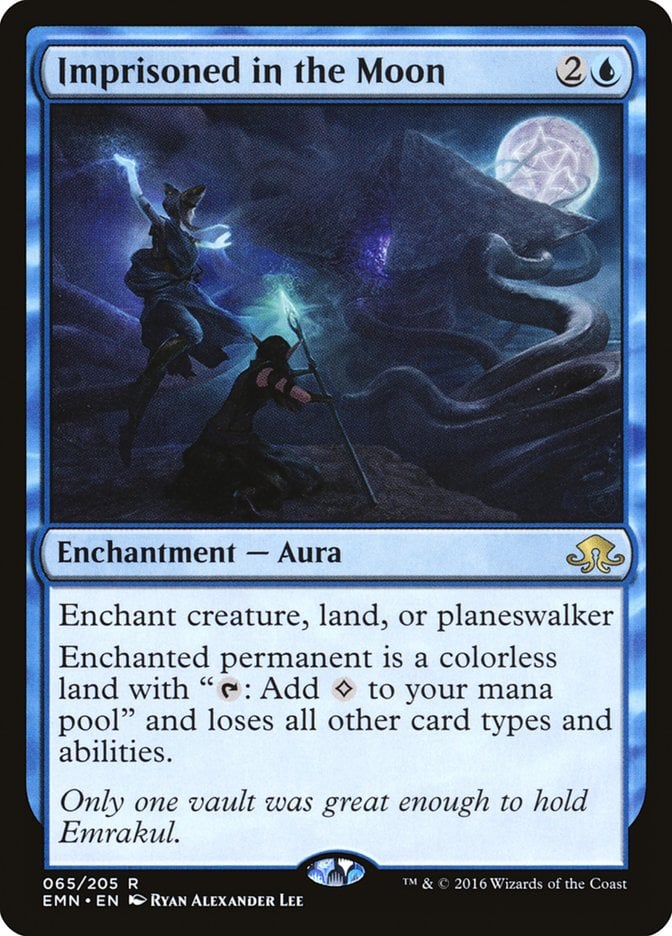
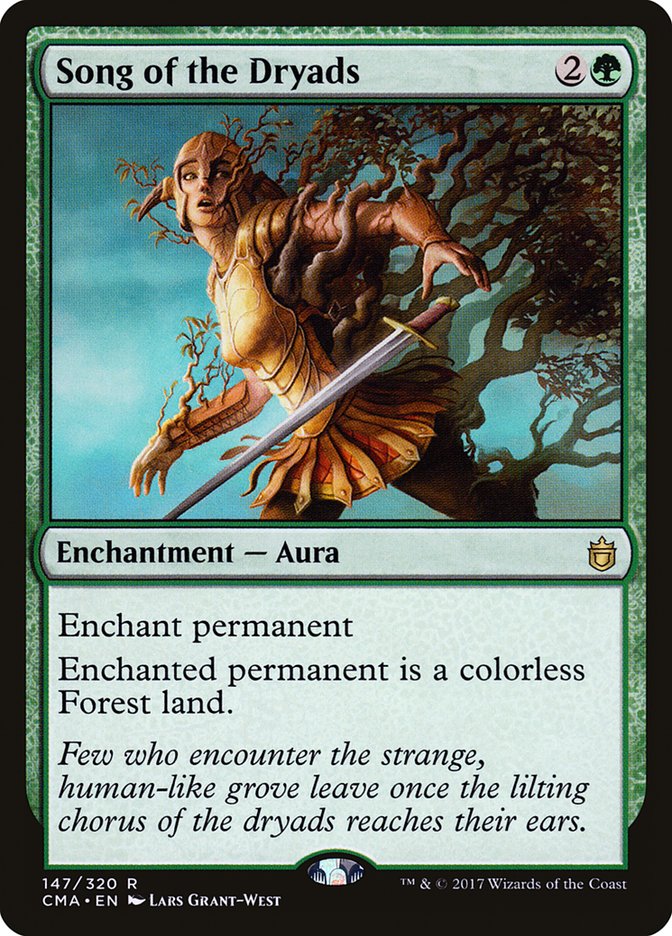
One of the cleanest ways to neutralize an indestructible creature is to simply change what it is. Transform-style removal doesn’t bother to try to kill a creature; instead, it strips away everything that makes it dangerous.
Darksteel Mutation is a Commander favorite that reduces even the scariest threat into a harmless 0/1 insect with no abilities. Imprisoned in the Moon and Song of the Dryads take a similar approach by turning creatures into lands, which is both flavorful and devastating. Watching your opponent’s indestructible finisher become a blank forest is one of the most satisfying plays you can make.
There are also non-enchantment transform tricks that work especially well mid-combat. Gift of Tusks can turn any creature into a 3/3 elephant right as it attacks or blocks, which often catches an opponent completely off guard. Merfolk Trickster is another standout that shrinks down creatures whose power and toughness depend on other permanents, like Tarmogoyf.
That said, the vast majority are still pretty easy to break with enchantment removal, but if your deck leans on enchantments or just needs a short-term answer, transform effects are some of the strongest options you can play.
#7. Bounce Spells
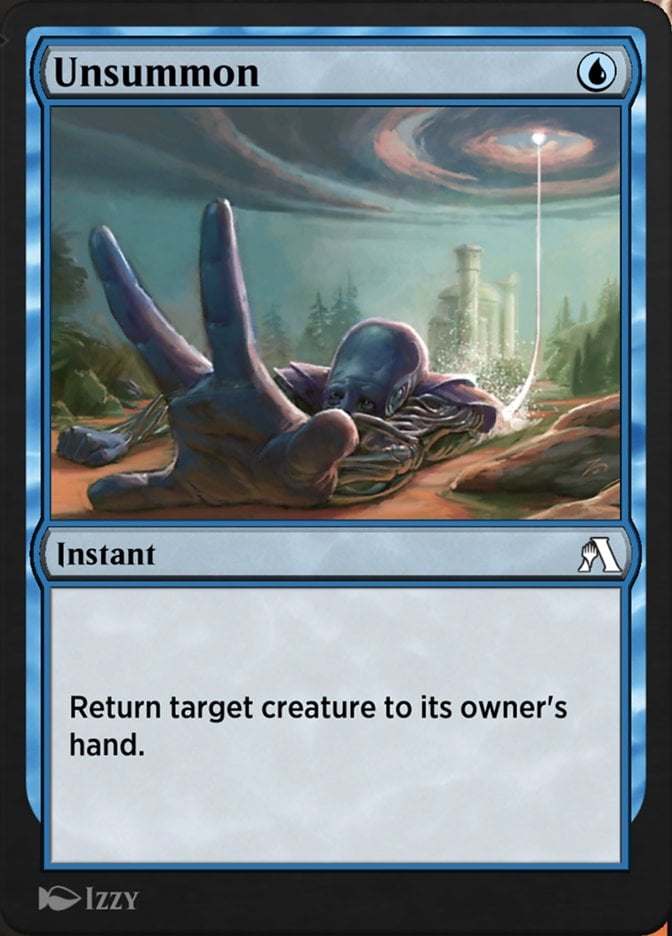
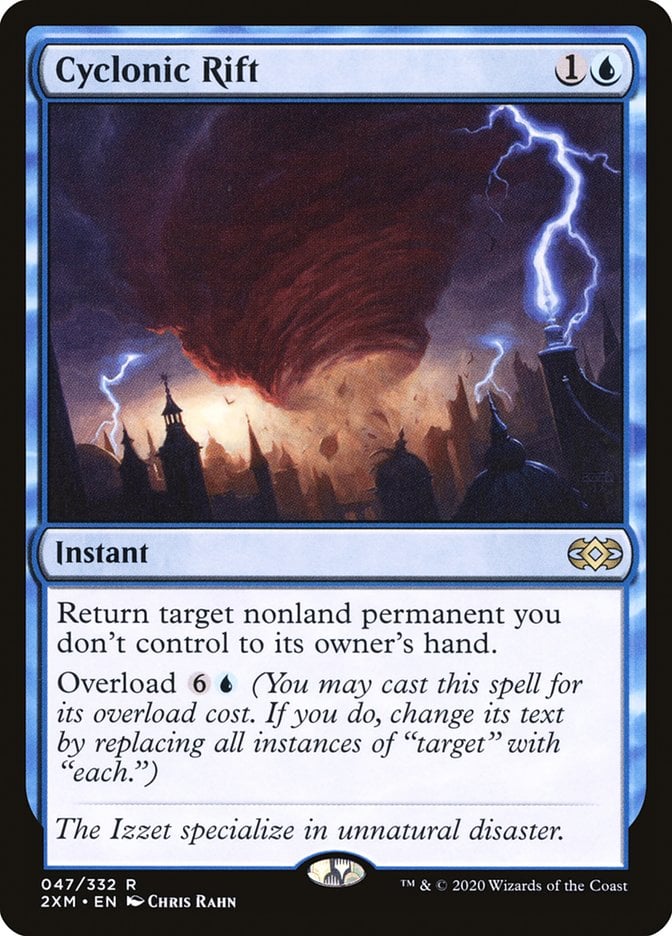

Blue doesn’t need to destroy creatures to deal with them—it just sends them right back where they came from. Bounce spells are a natural way to answer indestructible threats since “indestructible” doesn’t stop the ability to return something to hand.
Cheap options like Unsummon or Into the Roil can buy time by forcing your opponent to recast their big creature. But bounce really shines when it scales up. Cyclonic Rift is one of the most infamous cards in Commander, since it clears away every nonland permanent your opponents control while it leaves your own board untouched. River's Rebuke plays a similar role in casual Commander as a card that hits a single opponent’s entire battlefield and gives you a huge opening to swing the game.
The trade-off with bounce is that it doesn’t permanently solve the problem; your opponent can just recast their creature. But the tempo advantage is massive, especially when you can wipe away a whole board of threats at once. If you’re playing blue, bounce spells are some of the most reliable ways to keep indestructible creatures in check.
#6. Tuck Effects
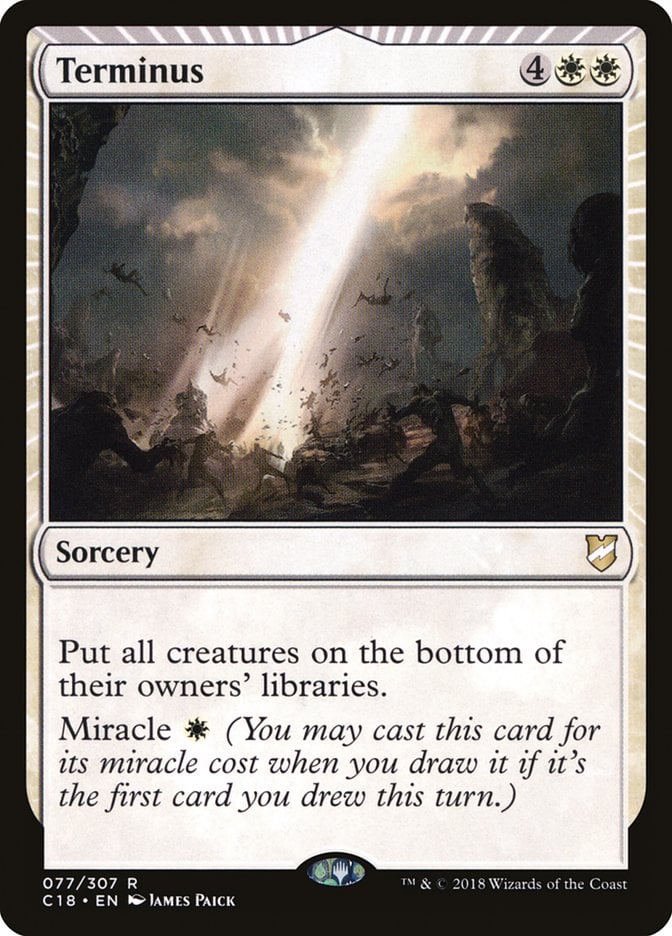
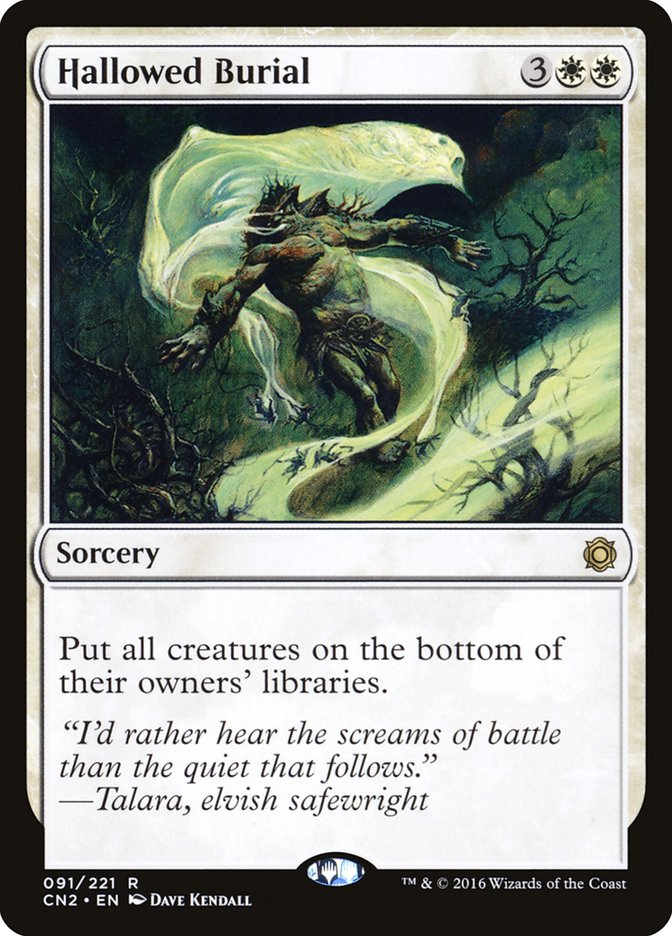
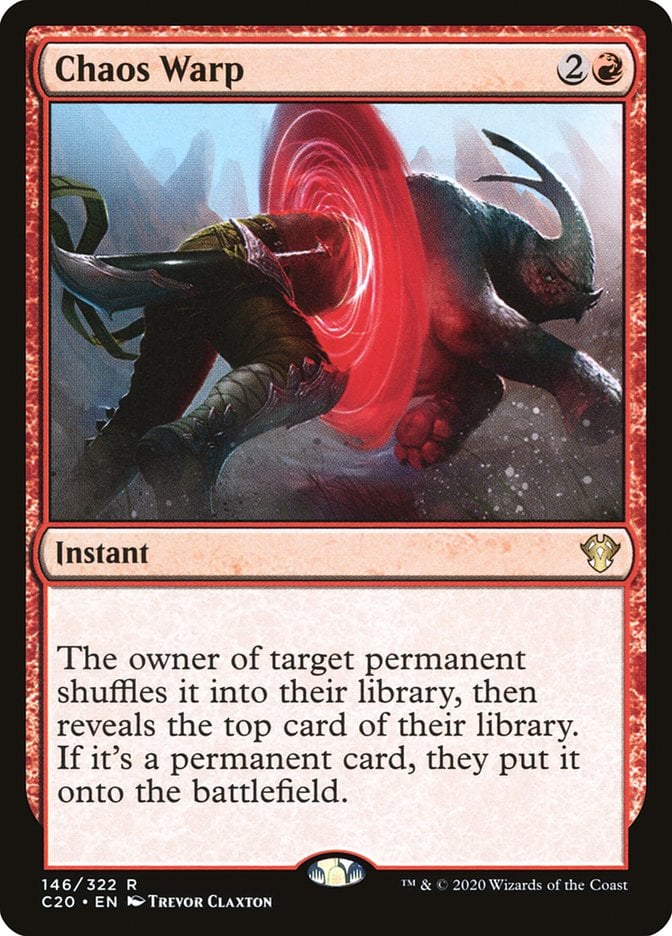
If you want to make sure a creature doesn’t come back anytime soon, one of the cleanest answers is to tuck it into the library. Indestructible doesn’t help when the card isn’t even on the battlefield anymore.
Big sweepers like Terminus and Hallowed Burial are great at handling entire boards of indestructible creatures by sending them all to the library. But sometimes you only need to deal with one problem, and that’s where cards like Oblation and Chaos Warp shine. Oblation can shuffle away any permanent, though it does let the controller draw two cards. Chaos Warp is a red staple that tucks a permanent into the library before revealing the top card. It’s a gamble, but it usually gets rid of whatever’s bothering you.
Tuck effects are especially nasty in formats like Commander, where forcing a permanent answer against an indestructible creature can swing the whole table. Even though commanders can now go back to the command zone instead of being tucked like they used to, the efficiency and flexibility of these spells still make them some of the best answers to indestructible.
#5. Edicts
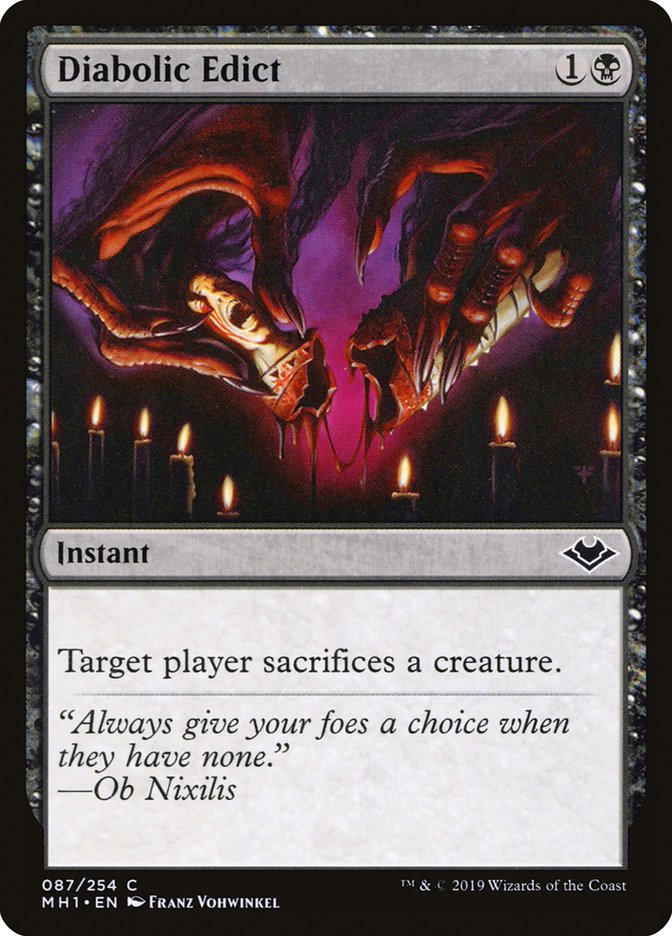
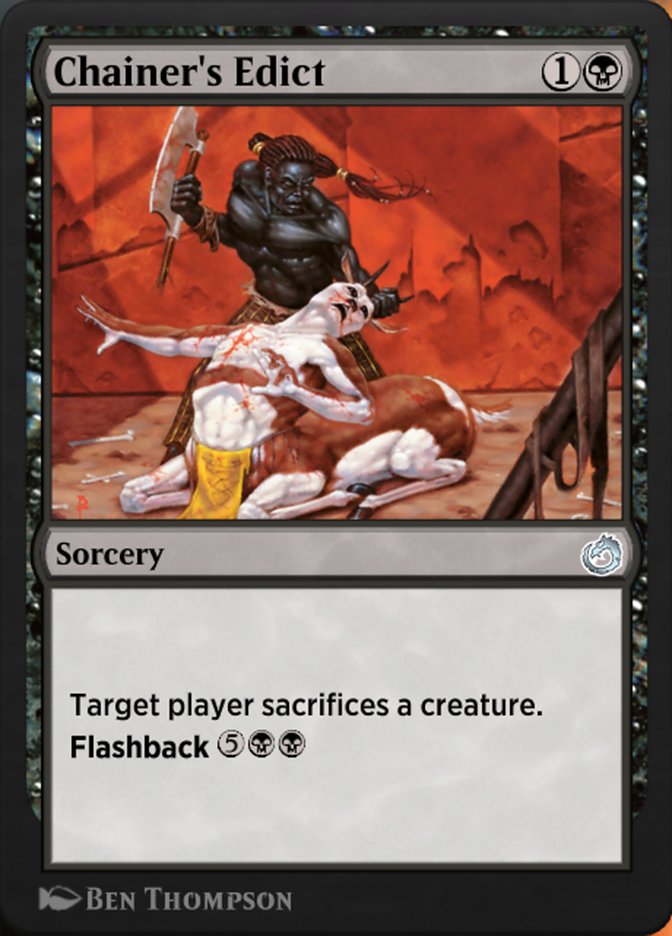
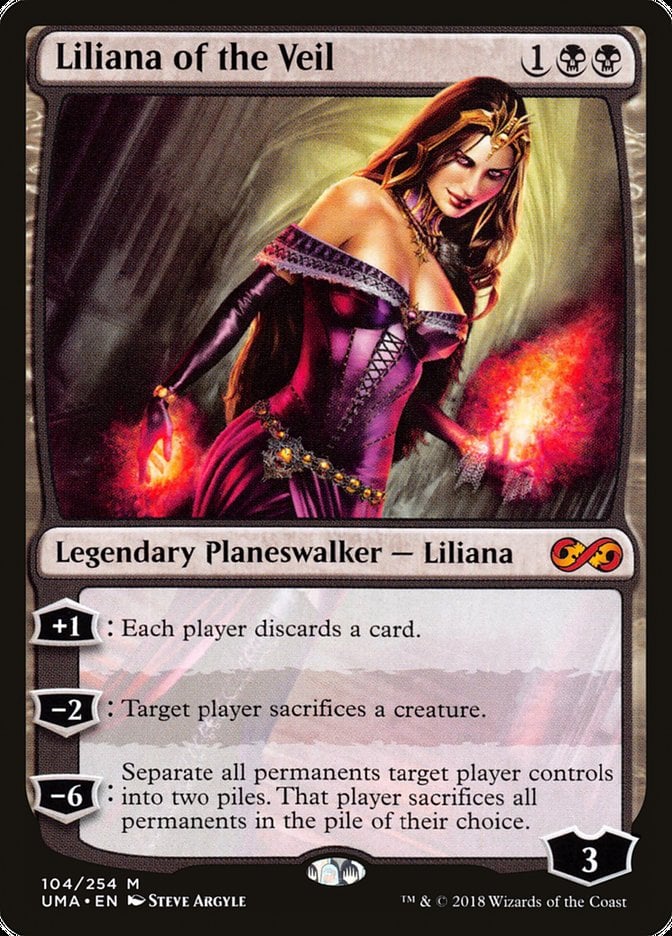
One of the most straightforward ways to handle an indestructible creature is to make its controller sacrifice it. Edicts don’t usually target or destroy, which means they cut right through indestructible, hexproof, and shroud without a problem.
Classic spells like Diabolic Edict and Chainer's Edict are simple and efficient, while Liliana of the Veil provides a repeatable edict on a planeswalker body. In Commander and casual formats, edicts really shine against Voltron decks that put all their resources into a single creature. When that’s the only creature on board, one edict can undo an entire strategy.
When you need more than just one sacrifice, there are plenty of options that scale up. Annihilator on Eldrazi creatures can chew through multiple permanents at once, including indestructible creatures. Portal to Phyrexia forces each opponent to sacrifice three creatures on entry, which usually clears away even the toughest boards. And Blasphemous Edict takes things to the extreme: If there are 13 or more creatures on the battlefield, you can cast it for just , and each player has to sacrifice 13 creatures of their choice. That kind of mass sacrifice completely ignores indestructible and leaves almost nothing standing.
The trade-off is that edicts lose power when your opponent has a wide board. They’ll just sacrifice their weakest creature instead of the one you really care about. But if you can time them right, especially against single-threat strategies, edicts are among the most reliable ways to deal with indestructible creatures.
#4. Stat Reduction
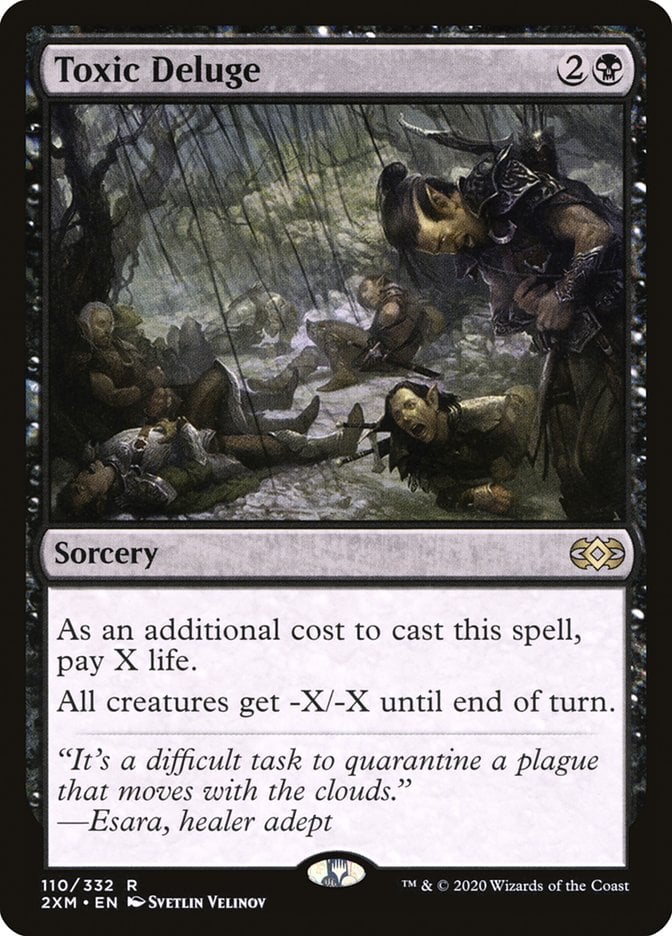
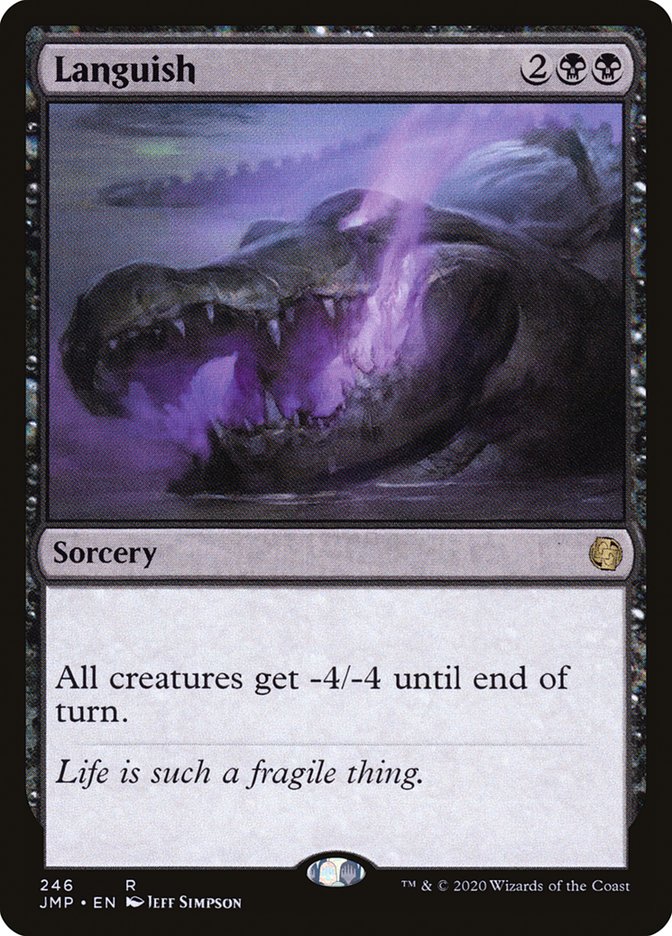
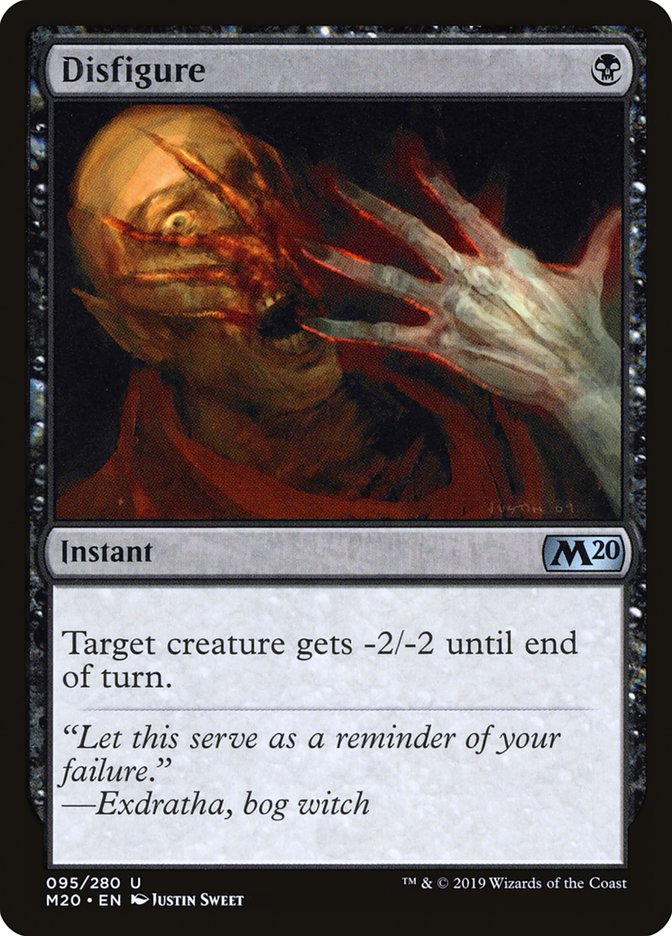
Another great way to get around indestructible is to shrink a creature’s stats until its toughness hits 0. Since these effects don’t destroy, indestructible doesn’t help at all; if a creature’s toughness drops to 0, it’s gone.
Sweepers like Toxic Deluge, The Meathook Massacre, or Languish are perfect examples that cut down entire boards and take indestructible creatures with them. Spot removal works too: Cards like Disfigure or Defile can knock down smaller threats one-on-one. Even some commanders and utility creatures bring this kind of removal. Breya, Etherium Shaper, for instance, can sacrifice artifacts to give creatures -4/-4, which easily handles most “unkillable” creatures.
The main drawback is that it’s less effective against creatures with naturally huge toughness, but in the right deck, -X/-X effects are some of the cleanest and most versatile removal spells you can run.
#3. Mind Control Effects
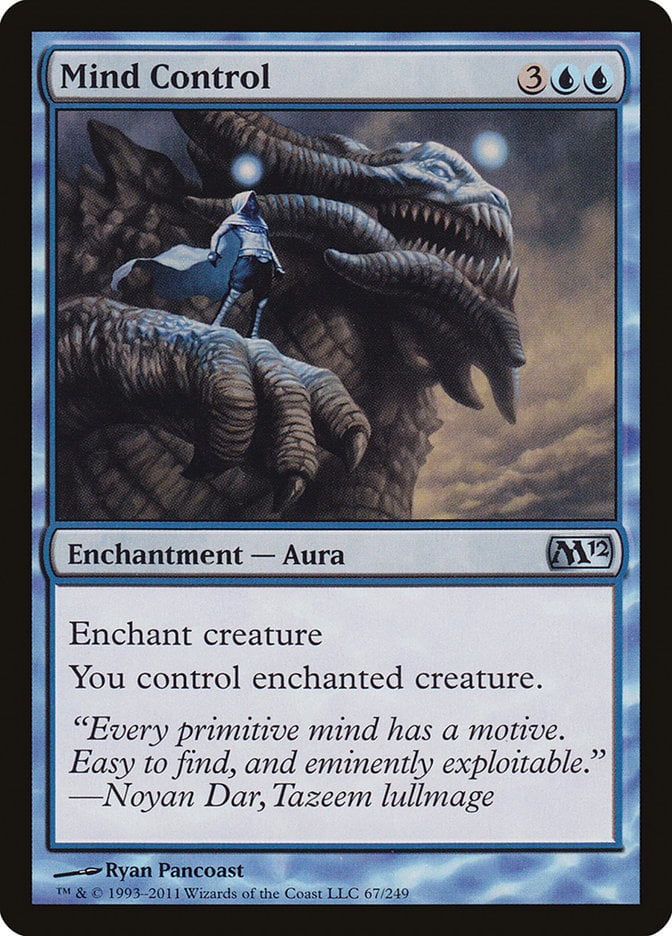
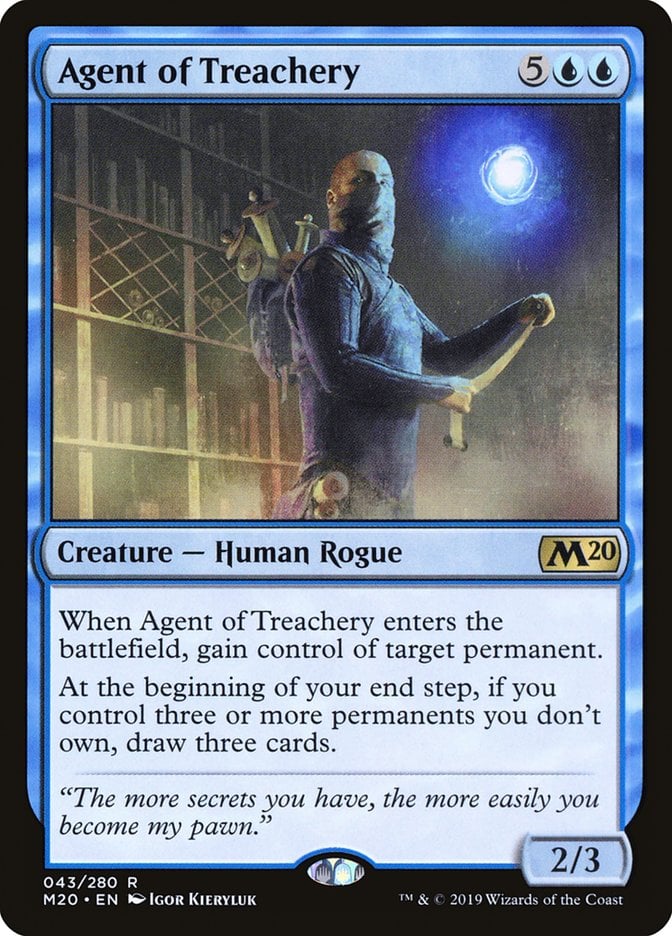
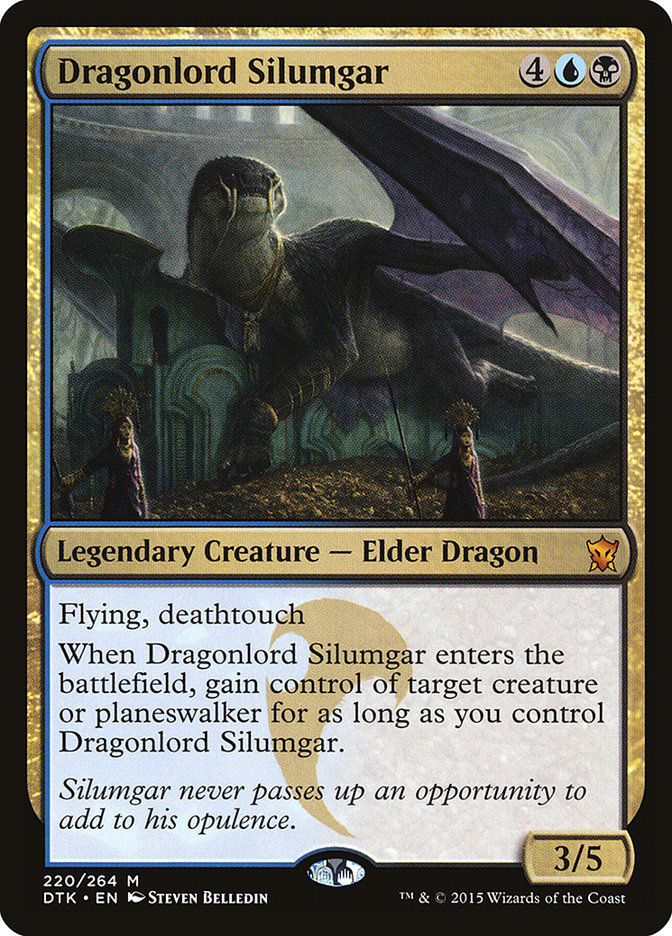
Another sneaky way to deal with indestructible creatures is just to take them for yourself. Mind control effects don’t destroy or exile; instead, they put the creature under your control so that you get all the benefits of the unkillable threat.
Cards like Mind Control are the classics, while Agent of Treachery is a powerhouse that not only steals a creature but also rewards you for controlling multiple permanents you don’t own. Then there’s Dragonlord Silumgar, which can grab a creature or even a planeswalker, all while putting a flying, deathtouch body on board.
There’s also a subset of these effects that only last for a turn, like Act of Treason and its many cousins. While temporary, they can be devastating—swinging with your opponent’s own indestructible creature is both satisfying and effective. In some decks, you can even sacrifice the borrowed creature before it goes back to turn a short-term theft into permanent removal.
#2. Removal That Ignores Indestructible
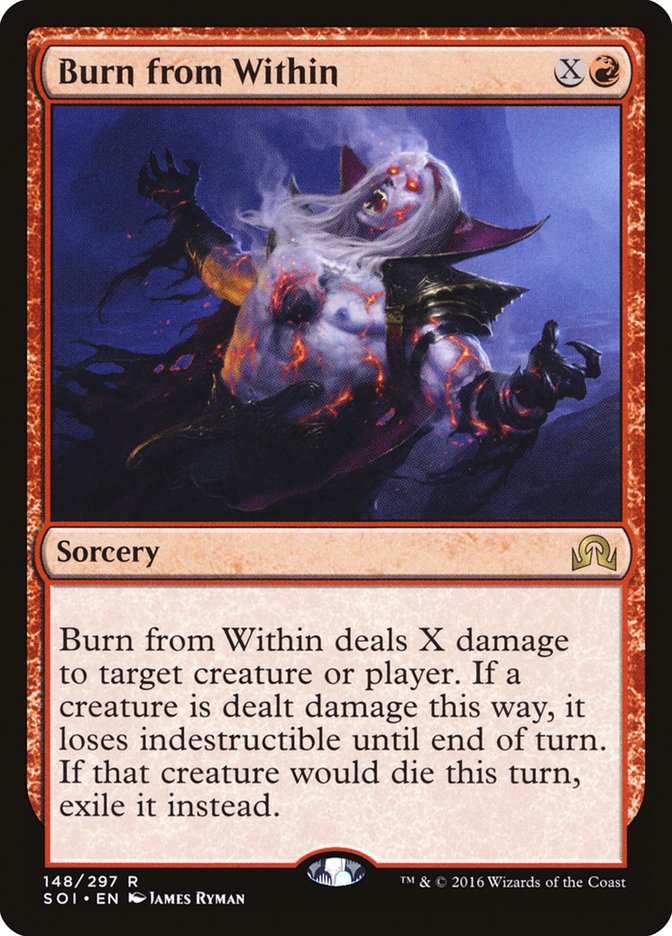
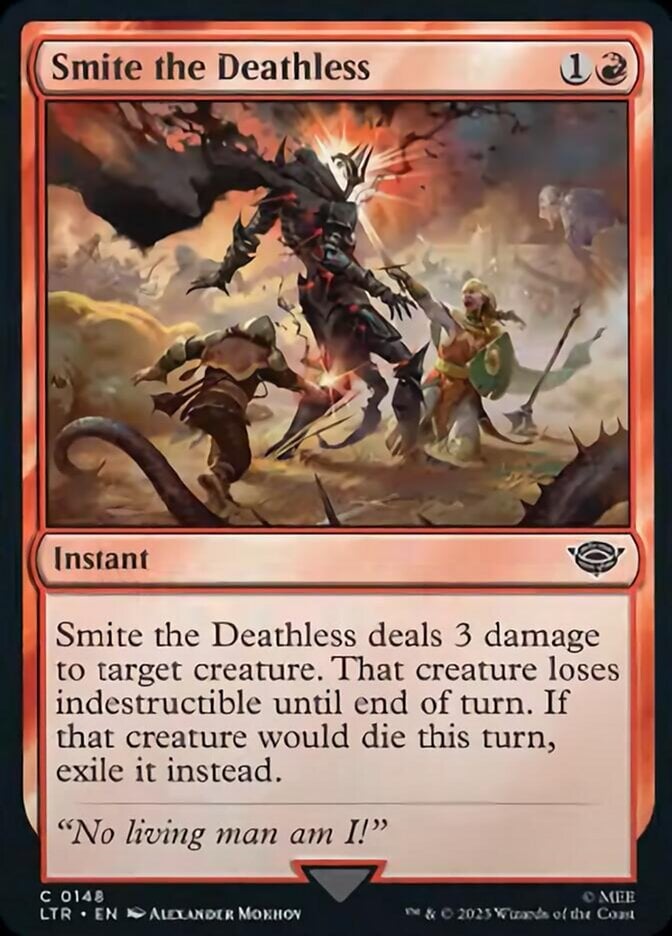
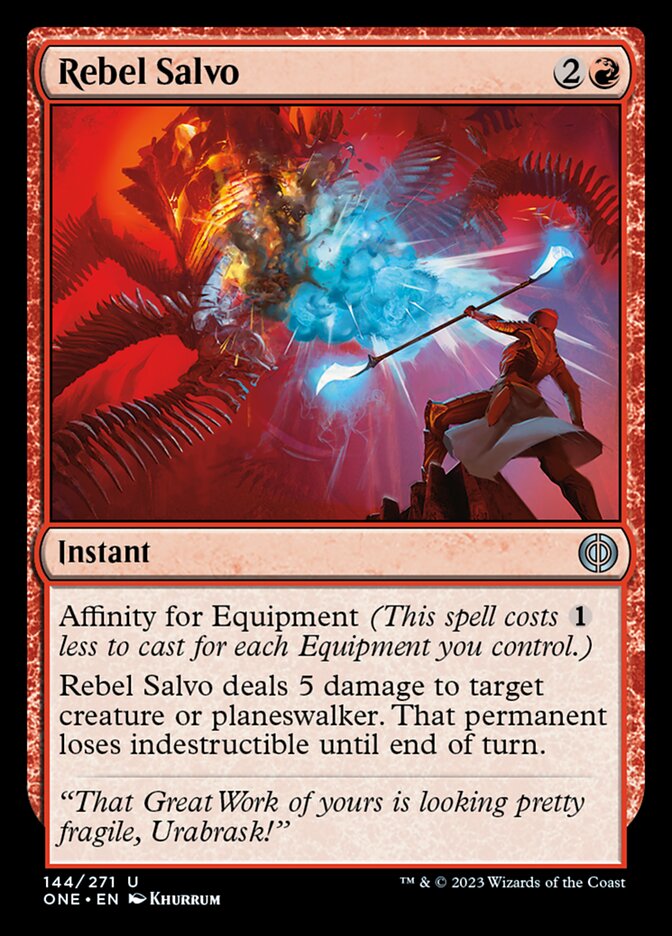
There’s a small subset of removal spells that let you bypass indestructible entirely. Most of these show up in red, and they work by stripping the creature of indestructible.
Cards like Burn from Within deal damage while they remove indestructible, which makes sure that even the toughest creature can go down. Newer cards like Smite the Deathless and Rebel Salvo follow this same pattern and target indestructible creatures in ways that most other removal spells can’t.
The big advantage here is clarity. These cards are designed with indestructible in mind, so there’s no awkward interaction or loophole. The catch is that the options are pretty limited and most of them are tied to red, so you need to be in the right colors. On top of that, many of them rely on dealing enough damage, so huge creatures might still slip through. Still, if indestructible creatures are a problem in your playgroup, packing a couple of these niche answers can save you a ton of headaches.
#1. Exile Effects
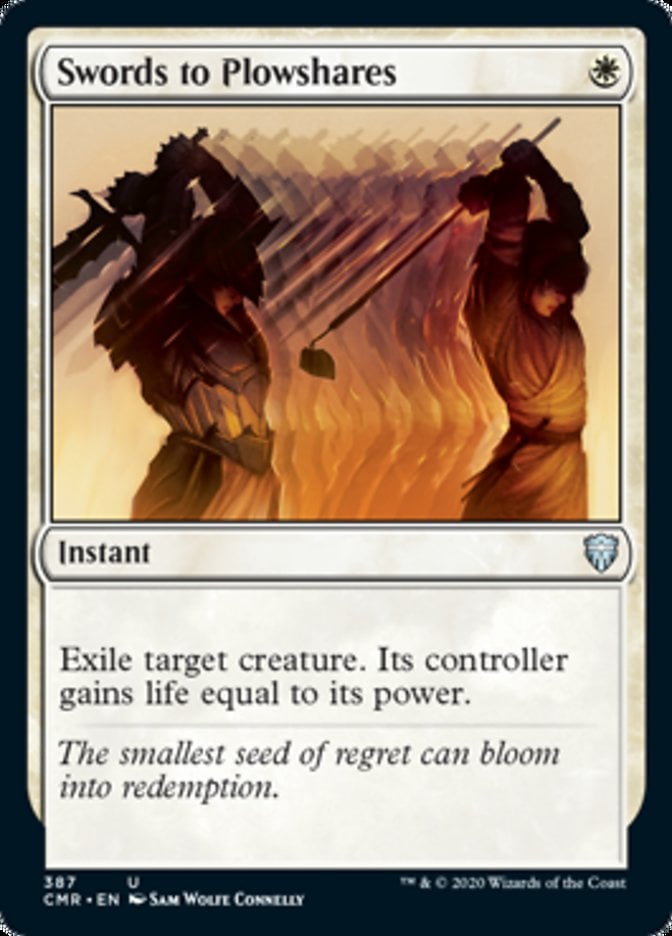
There’s a reason why Swords to Plowshares is considered one of the best—if not the best—spot removal spells in all of Magic. Exile gets around just about everything: indestructible, regeneration, graveyard recursion, you name it. And at 1 mana, there’s almost nothing more efficient. Path to Exile follows the same philosophy, trading a land for removing any creature permanently.
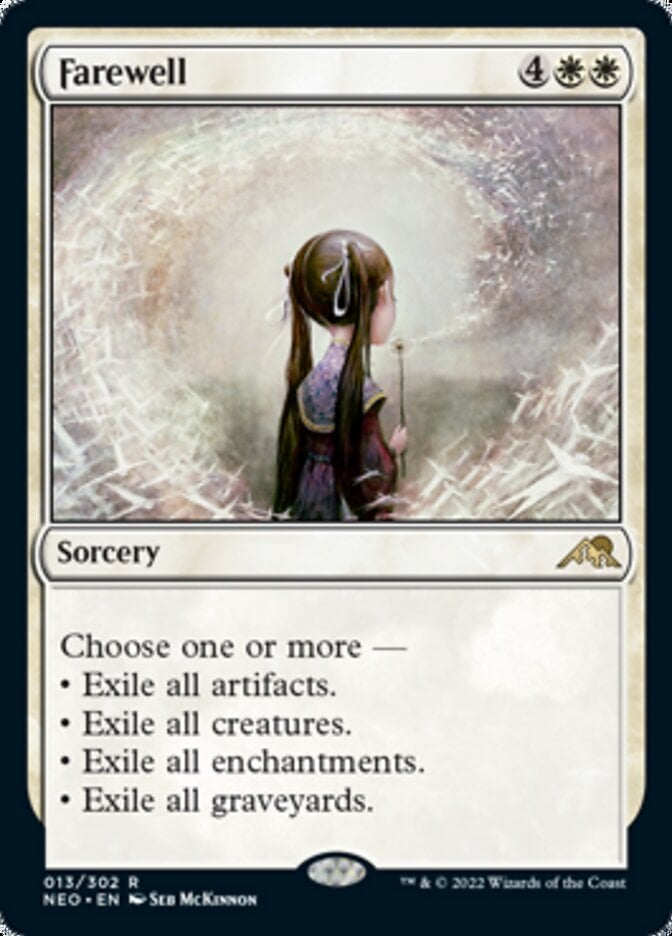
When it comes to mass removal, the new standard-bearer is Farewell. It’s one of the most flexible board wipes ever printed, one that lets you exile creatures, artifacts, enchantments, and even graveyards, all in one clean sweep. Close behind is Sunfall, which exiles all creatures and even leaves you a powerful token behind. These effects don’t just answer indestructible—they leave nothing to come back.
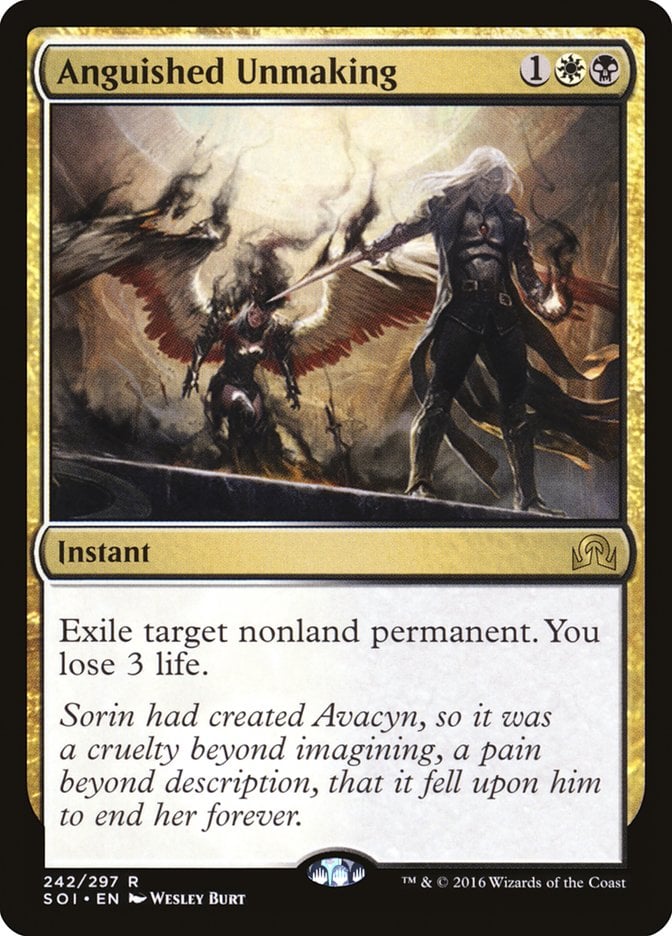
Other flexible exile tools include Utter End and Anguished Unmaking in Orzhov colors (), or Tear Asunder if you’re in green-black. Each one makes sure a problematic permanent is gone for good.
Wrap Up

Smite the Deathless | Illustration by Alexander Mokhov
There are plenty of ways to deal with creatures that seem impossible to remove. Indestructible might look scary at first, but there’s always a way around it, from bouncing threats back to hand to transforming them into something harmless. Every color in Magic has at least one tool that can bypass this nasty ability, so you’re never truly locked out.
I hope you found this guide helpful, and if you enjoyed the list, remember to follow us on social media and join the Draftsim Discord so you never miss a new article.
Take care, and I’ll see you in the next one!
Follow Draftsim for awesome articles and set updates:










Add Comment