

Teferi's Puzzle Box | Illustration by Donato Giancola
Magic’s the type of TCG that lends itself well to trendiness. You’ve got all the “rip-and-ship” people turning a profit on booster boxes, as well as box-opening crazes like Whatnot. Among the newer trends lately are these custom box-opening sites like Pullbox and Boxed. Not box-opening as in retail booster boxes, but hand-made digital boxes that are meant to simulate custom booster packs.
It’s all a bit confusing if you’ve never stumbled onto one of these sites, so I’m going to do my best to break down exactly what’s going on here. We’ll look at the two leading websites in the game right now to see which one’s worth your time and money.
What Are Pullbox and Boxed?

The Moment | Illustration by Patrik Hell
The idea behind Pullbox.gg and Boxed.gg is that instead of spending money on singles or booster packs, you can instead redirect that money towards slot-machine style booster packs that are curated with specific subsets of cards. These “boxes” have predetermined prizes or pulls with weighted percentages that determine how likely you are to receive any given card from the box when you pay for it. Higher rarity and high price point cards have significantly lower opening rates, while junker cards and bulk rares yield higher percentages.
Why Buy From/Use Pullbox or Boxed
Think of these sites as an alternative to just buying random singles/boosters. If you’ve already got some sort of weekly or monthly budget put aside for buying random Magic product, you could instead check out one of these sites and pinpoint the kinds of cards you’re interested in opening. You could always buy singles instead, but if you’re captivated by the randomized elements of opening Magic boosters, these are fine alternatives.
We’ve already reviewed Pullbox and Boxed on an individual basis, and there seems to be a lot of apprehension surrounding the “gambling” aspect of these sites. After all, you’re paying small amounts of money at a time (sometimes large chunks), to essentially spin roulettes with low percentages of actually hitting the best cards.
I understand the concerns and have two responses to anyone who’s skeptical. First, you can simply not use the site if you feel like the random elements aren’t a great fit for you personally. These sites are best used by financially responsible people who approach them with a budget or spending amount in mind, and stick to it. People with the “just one more spin!” mentality… these aren’t the best sites to engage with.
Second, both sites use a “risk-to-reward” meter of sorts to show you how big of a delta there is between opening the best and worst cards for any given box. The biggest piece of advice I can give is this: Do not engage with the high-risk boxes. They advertise the possibility of opening amazing cards, but when you see that a card has an opening rate of less than 1%, that should be a tell-tale sign that you should basically never expect to open that card. If the only alternatives to that 1%-er are complete bulk cards with no value whatsoever, there’s no reason you should spend your money to open that box.
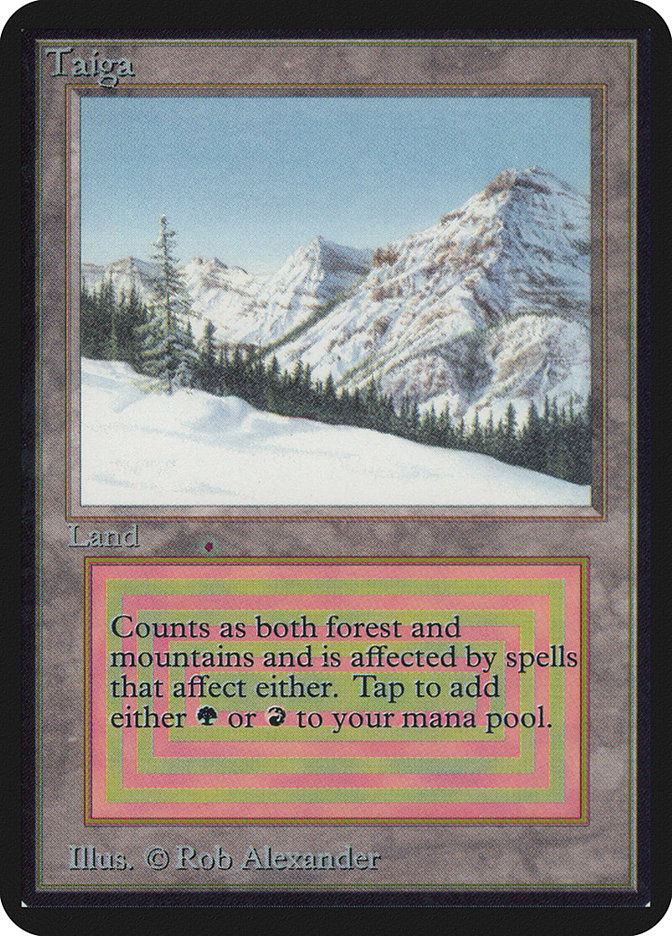
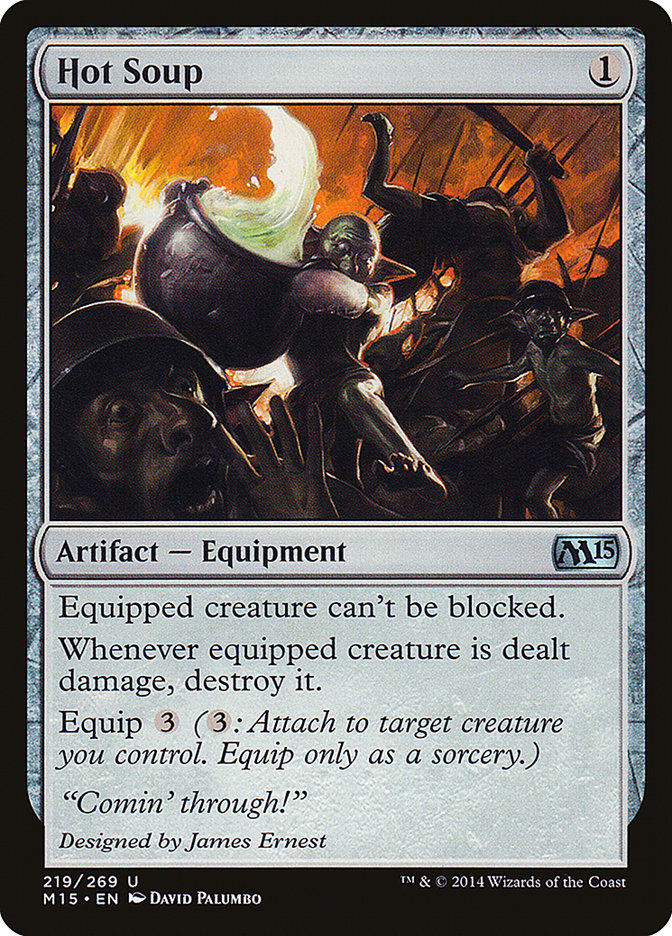
I believe both sites are better to engage with if you go for lower-risk boxes that have a more even spread of worthwhile cards to open. You won’t spike an original dual land or anything like that, but the odds of getting those in the boxes where they are advertised are astronomically low, so you weren’t going to get them there anyway. The lower-risk boxes have a much lower ceiling but also a much higher floor. There just aren’t as many “feel bad” moments where you spin a box 10 times and open 10 copies of Hot Soup.
Bottom line, remember to treat this like an alternative to buying boosters. You should expect to spend more than you actually walk away with, but there’s always the possibility of the occasional big hit. If you approach it right, you’ll usually step away with a few new goodies for your collection.
This is a double-header comparison of both sites, but I’ll say this upfront: Pullbox and Boxed are strikingly similar. They look the same, and they have the same core concepts and features. Everything down to the naming conventions of their boxes and the risk/reward factor involved with the sites are nearly identical. I had to look up whether these two sites are owned by the same people, and I don’t believe they are. Whichever one came second is clearly trying to build on the success of the other. I was originally going to review the two sites separately, but it just makes more sense to lump them together and talk about the differences within each individual category.

Pullbox’s Inventory Page
Just to hop right into the juicy bits, their inventory screens look very similar. Pullbox has a more compact list of available boxes with smaller icons, whereas Boxed displays fewer items on the screen at one time, and only one thumbnail image per box.

Boxed’s Inventory Page
Prices and Risk-Reward meters are clearly displayed on both sites without having to click anything. They also both have similar, quirky naming conventions for their boxes.
Currency and Pricing
Both websites use an on-site currency to purchase items. You can buy in bulk or in smaller quantities, but you pay to open all boxes on both sites with the respective site’s currency.

Boxed has the more straightforward currency system, where $1 equals exactly 100 gems, so conversion rates on boxes are easier. However, there’s no bonus for buying in larger quantities.

Pullbox uses coins instead of gems (tomatoes instead of tomatas), though the ratio is slightly off of 1:1. One coin is worth marginally more than $1, and there are bonus coins awarded for buying bulk amounts of coins at once.
I appreciate that Boxed has a minimum $5 purchase to Pullbox’s $10 minimum, though I’d gravitate towards the bonus coins offered by Pullbox. Also worth noting that I wasn’t allowed to directly purchase gems from Boxed. Apparently, I wasn’t permitted to even view the exchange rates due to some region setting (maybe gambling laws in my state), so I had to refer to our previous review of Boxed for gem information.
Available Products
Both websites use a box roulette system. You pick a box with a predetermined cost and subset of cards, usually relating to a specific theme or set, and you use your on-site currency to open the box, which rewards you with one of those cards. The catch is that there are percentages tied to each card in the box, and you have the lowest percentage chance to open the rarest, priciest cards.
You can read our reviews on Boxed and Pullbox specifically if you want more in-depth thoughts about this system, but suffice to say you shouldn’t expect to hit the big-money cards very often. As with opening a booster pack, you know exactly what contents you could open, but the chase cards aren’t going to show up all that often.
Let’s take a peek at a few boxes from each site.

I looked at this Power 9 Soup box in my review of Pullbox as an example of what not to spend your money on. It lures you in with the possibility of spiking a piece of Power, but the percentage to open one is astronomically low, with basically no consolation if you miss.

This “Hunt for the Ring” option from Boxed is very similar. The main appeal is the chance to hit various versions of The One Ring, but the odds are abysmal, and the Gollum, Patient Plotter or Slip On the Ring you’ll most likely hit instead are basically nothing-cards.
Both sites have this high-allure, high-risk box design that I’m not a fan of, and this is the type of stuff I recommend staying away from completely. But both sites also have more reliable and consistent boxes worth opening with less risk involved, and that’s where I think the bulk of users will get something rewarding from these sites.

Take this “En Garde” box from Pullbox, for example. It has a much heftier cost to open (31.94 coins, or roughly $30-32), but basically every card on display is something useful. The Masterpiece Swords are still locked behind unlikely sub-1% odds, but the lowest hits are still things like Sword of Forge and Frontier or Sword of Once and Future. You’re not happy to drop $30 on either one, but the percentages are spread out enough that you could actually feasibly hit some of the higher-end stuff here. It won’t happen often, but it’s possible, and the consolation prizes are still playable cards.

The Boxed equivalent is something like this “Special Guests II” box, featuring Special Guests cards from many of the most recent Magic sets. It costs 2,373 gems to open (about $23), and you have some 1-2%-er cards like Mana Crypt or a fancy Prismatic Vista floating around. The worst hits are things like Whir of Invention and Thoughtcast valued at 700-800 gems, and while those two make up about 40% of the hits from this box, they’re not complete bulk either. There’s just enough middle ground between the highs and the lows that I could see someone justifiably giving this box a spin or two.
Risk-to-Reward Meters
If this all seems sort of risky to you, that’s because it kind of is. You won’t hit any crazy-valuable cards that often, by design, but these sites are very transparent about that and display exact percentage chances of opening any card in any box.
It’s very important to note the different risk meters on both sites. These give you an idea of how much variance there is within the box: Low volatility means a higher floor and likely a more expensive price to open a box, whereas high volatility boxes might be very cheap to open but have the odds stacked against hitting their best cards.

Boxed takes the pepper unit of measurement approach and gives boxes three ratings: low (green), medium (yellow), and max (red) “Spice” levels. The higher the spice level, the wider the gap between the best and worst pulls.

Pullbox uses a similar measurement of Volatility, with the same basic concept, though it has a few more notches than the three provided by Boxed. I prefer this more granular look at a box’s risk-to-reward ratio offered by Pullbox.
Product Delivery
If you’re wondering why I’m not reviewing any actual pulls from either site, it’s because that part doesn’t really matter. I’m not going to base any opinions on the cards I open, and I don’t want any biases towards one site or another just because I opened better cards somewhere.
What I can do is give you an idea of delivery times. In my review of Pullbox, it took 32 days from the time I “cashed out” for the cards I won to arrive. My colleague, who wrote our review of Boxed, reported waiting about 2-4 weeks for his shipment to arrive. Needless to say, there’s definitely a significant wait time associated with both sites.
However, both websites provided secure shipping once the cards arrived. My colleague reported receiving a bubble mailer, in which all his cards were individually placed in hard toploaders. All my cards from Pullbox were secure as well, with no discernable issues from shipping outside of the wait time.
Other Features
Going back to the point about Boxed and Pullbox being nearly identical, even the extra features on both sites are roughly the same.
Both websites have a Marketplace (Pullbox calls this The Exchange) where you can use on-site currency to buy high-end Magic cards, and both sites have a “battle” system where you can open boxes alongside other users for a sort of PvP version of opening boxes on the site.

Boxed.gg Forge
Boxed is a little more expansive in its additional features, since [I believe] it’s been around a bit longer. There are options for Counter-Strike and Sports Cards, on top of the other TCGs covered by both sites (Lorcana, One Piece, and Pokémon are supported by both). Boxed also has a Forge feature where you can create your own boxes for other people to open, and you even get a percentage of the gems used by other members to open any boxes you create. I imagine Pullbox will have similar features in the near future.
The Verdict: Is Pullbox or Boxed Better?

Truly, honestly, there’s very little to differentiate the two given how incredibly similar the sites are. Perhaps there are individual boxes on one site or the other that offer better EV for users, but the premise is basically the same. Here’s a summary of benefits from each site that you might consider if you’re trying these out:
Boxed Benefits:
- Cleaner on-site currency model with a more understandable $1 to 100 gems ratio.
- Smaller minimum currency purchase ($5)
- More features (the Forge, Sports Cards + Counter-Strike support)
Pullbox Benefits:
- No region lock on viewing/purchasing coins
- Bonus currency for larger purchases
- More accurate Volatility meter
Looking at this very minor shortlist of differences between the two, I’d say Pullbox slightly edges out Boxed on two fronts: Buying a larger batch of coins nets a bonus, which in the long run means more spins and more cards, and the Volatility meter is more accurate and useful than the silly green-yellow-red pepper spice meter that Boxed uses. These are things that matter way more than any tertiary features that the sites might offer. The main appeal of Boxed over Pullbox is the cleaner overall currency system, though it’s really not all that different in the end.
All Boxed Up
Treasure Chest | Illustration by Scott Murphy
These two websites feel like the start of a new trend to me. Maybe there’s even a third or forth .gg site I haven’t even heard of yet that’s trying to mimic these two.
The purpose of this review wasn’t really to get into the nitty-gritty of ethics or whether these sites qualify as gambling or anything like that. We discussed that more in our individual reviews of both sites, but here we just want to show you the side-by-side comparison. It’s a very Netflix-to-Hulu match-up. They both have different offerings that’ll appeal to different people, and they both have a slightly different overall economic model. But at the end of the day, they’re really just kind of doing the same thing.
Have you had any experience with either of these sites? Do you think more websites will hop on this trend? Let me know in the comments below or over in the Draftsim Discord.
Thank you for making Draftsim your #1 stop for all things Magic!
This post is sponsored by Pullbox. We will never work with a brand we don’t love and trust, and by supporting them you also support Draftsim.
Follow Draftsim for awesome articles and set updates:










Add Comment