
Last updated on September 15, 2026

Pantlaza, Sun-Favored | Illustration by Sidharth Chaturvedi
Pantlaza, Sun-Favored players have discovered a delightful dino-dog synergy with Flickering Hound from Reality Fracture that casts an incredible number of spells, and it even works on curve with Pantlaza!
Breaking Down The Combo
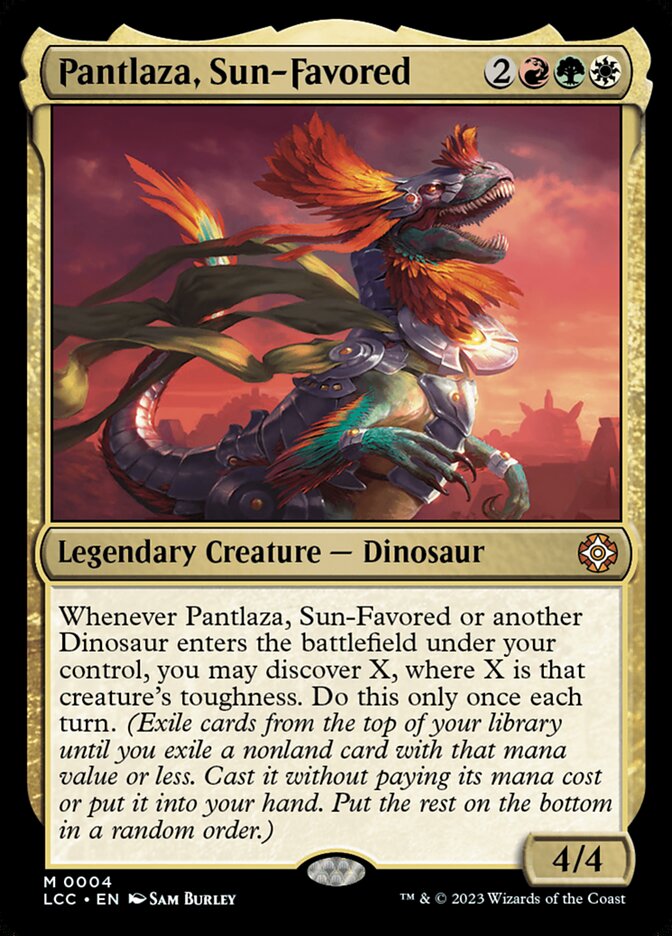
Pantlaza, Sun-Favored is the most popular Naya () commander, partially because dinosaurs are cool and partly because discover is busted, even with the once-per-turn restriction…which can be easily ignored. Because Pantlaza says “only do this once per turn” instead of counting the first dinosaur spell you cast, you can reset the ability by flickering Pantlaza; the journey to exile and back again treats it as a new instance of Pantlaza whose discover ability hasn’t been used. Many Pantlaza decks run flicker spells like Ephemerate and Teleportation Circle for this very reason. Flickering Hound simply elevates the synergy to new heights.
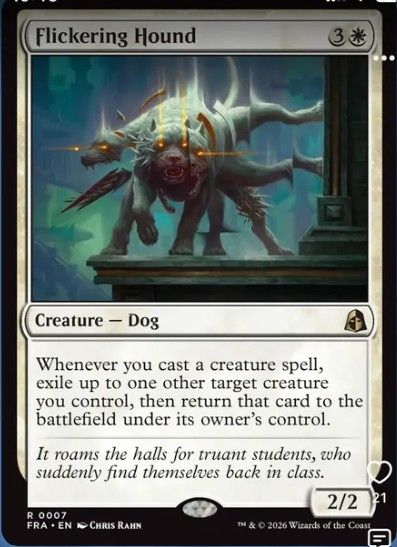
Flickering Hound flickers a creature whenever you cast a creature. The synergy is extremely simple: When Pantlaza discovers a creature, the Hound flickers it. This repeats until you hit a noncreature spell or something you choose not to cast.
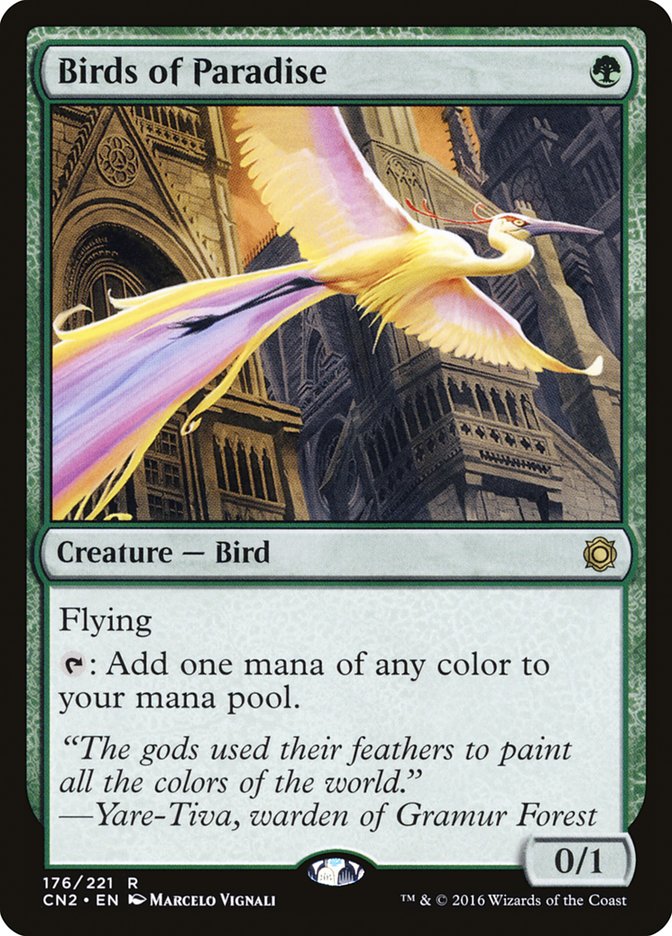
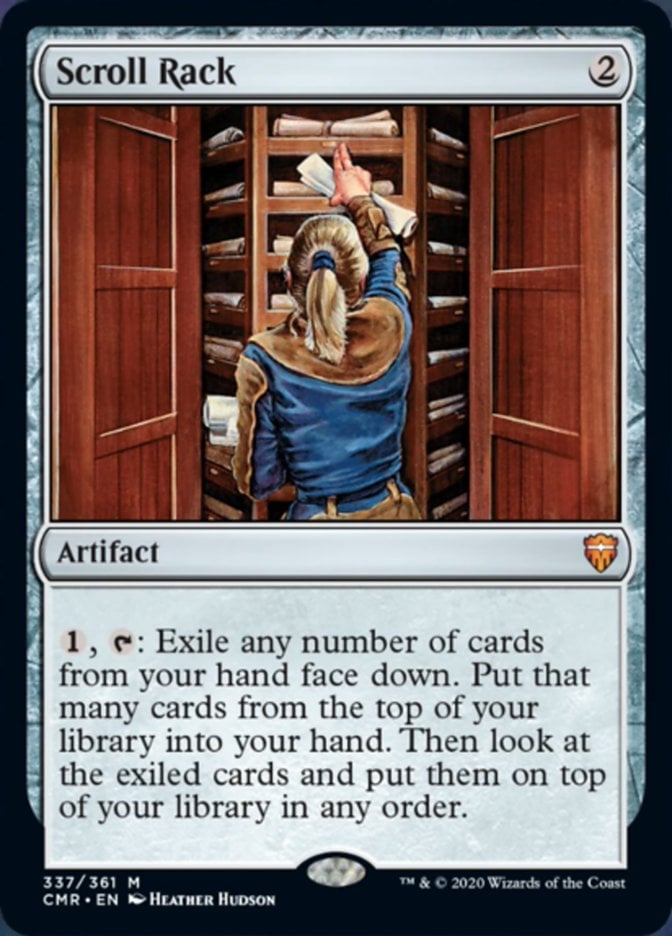
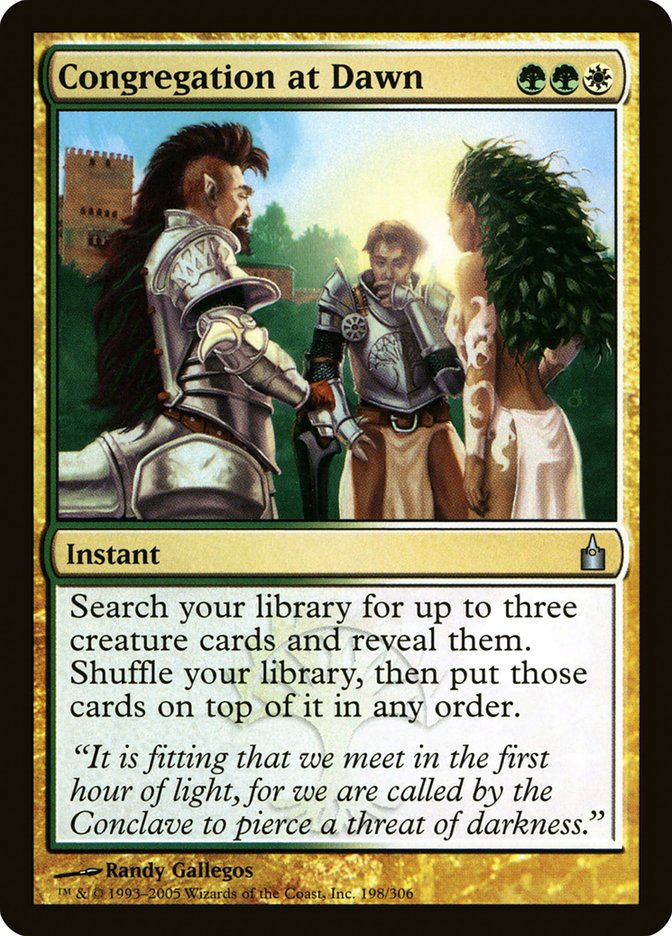
While this is a great combo at face-value and most Pantlaza decks can just add Flickering Hound, you can optimize around it. Firstly, make sure as many of your cheap spells are creatures as possible. For example, avoid ramping with Farseek or Exploration where a Birds of Paradise will do. You can also look into top-deck manipulation like Scroll Rack and Congregation at Dawn to ensure the most explosive turn possible.
Flickering Hound Vs. Displacer Kitten
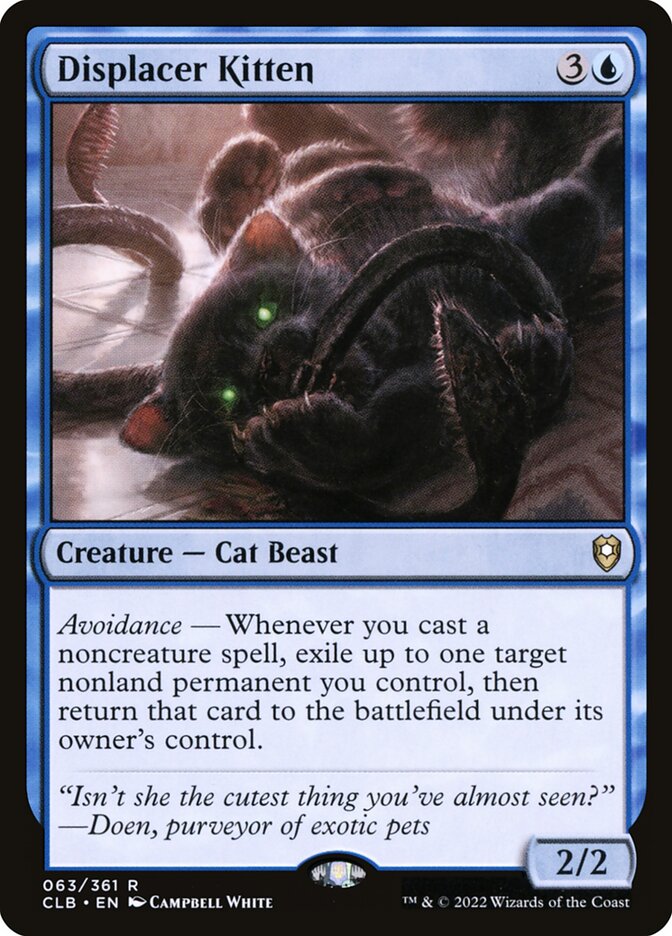
The obvious comparison for Flickering Hound is Displacer Kitten; which should you run? Well, Displacer Kitten is certainly stronger, but that has more to do with the Kitten being broken than the Hound being weak.
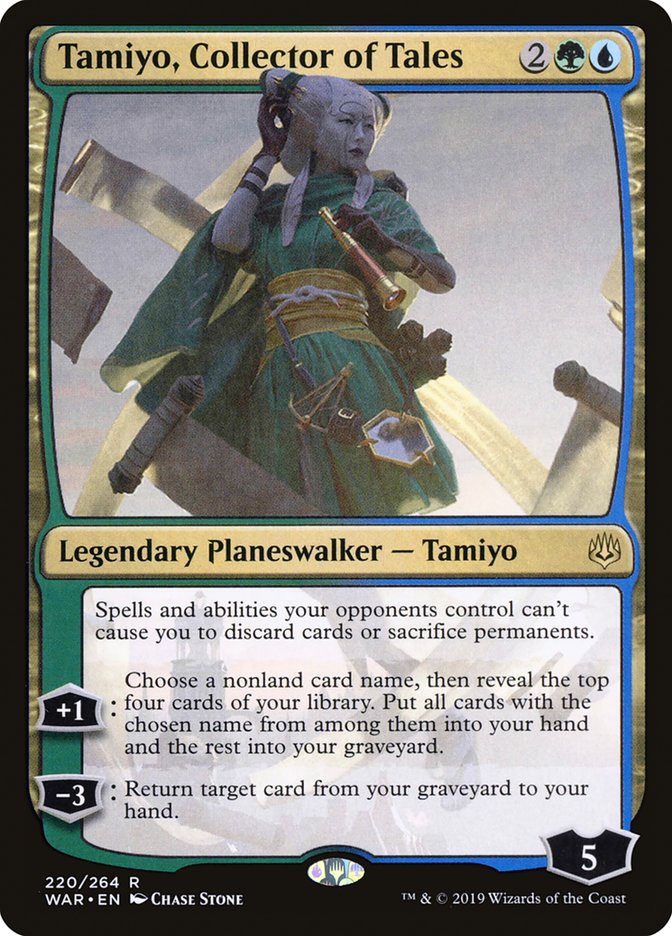
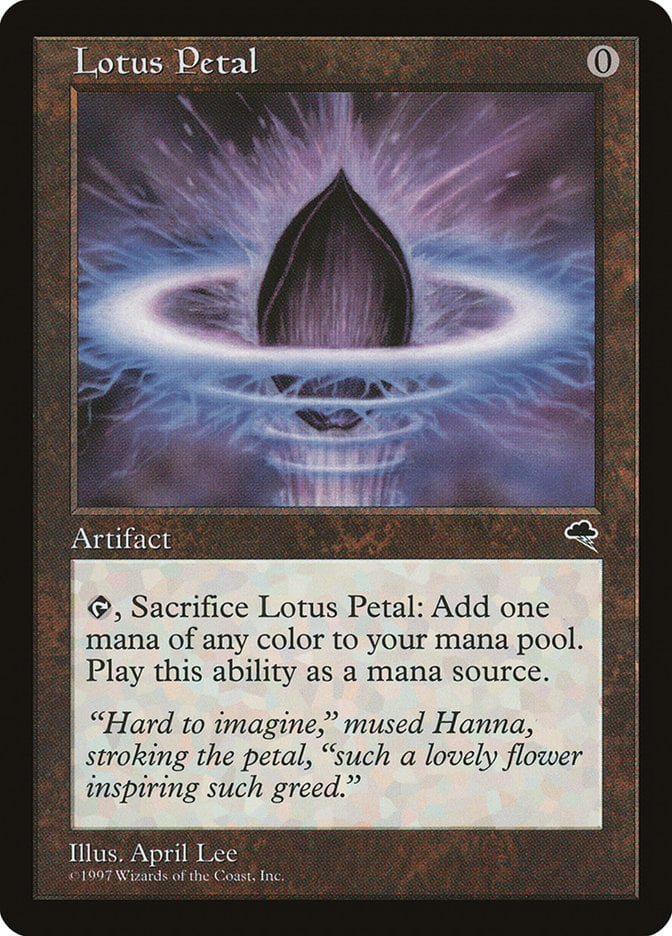
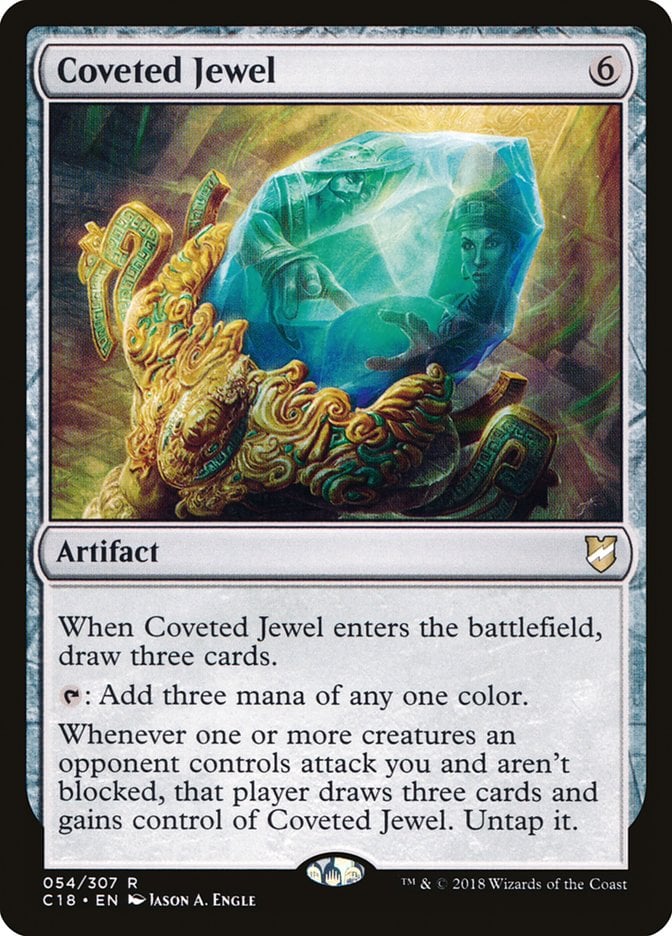
Displacer Kitten’s power comes from flexibility and ease of triggering. It flickers more permanent types and noncreature spells can be cast for 0 mana and on opposing turns more easily than creatures. Resetting planeswalkers, untapping mana rocks, using Opt to “untap” a creature…it does so much. Arguably too much.
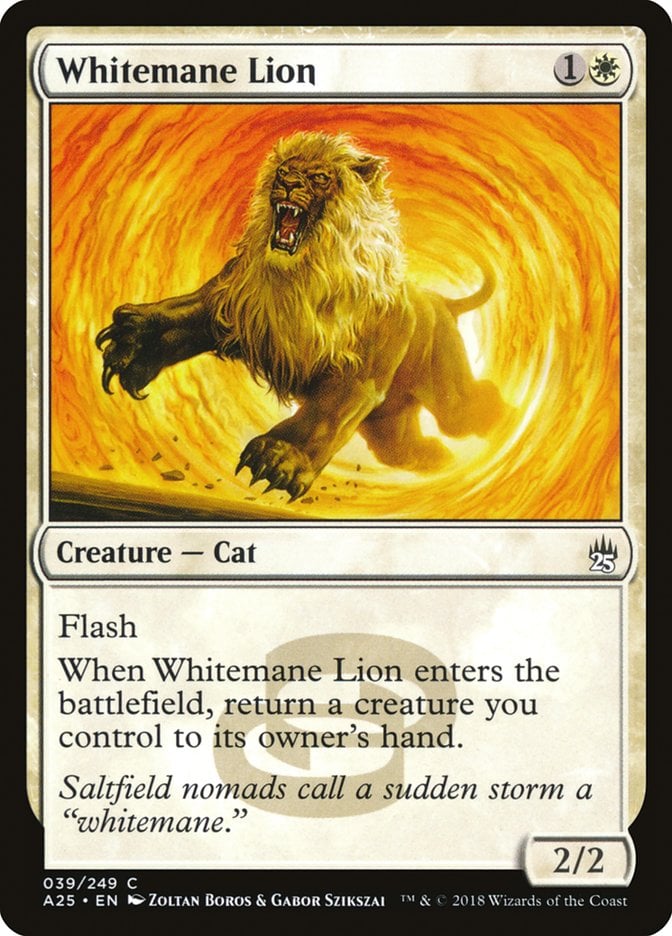
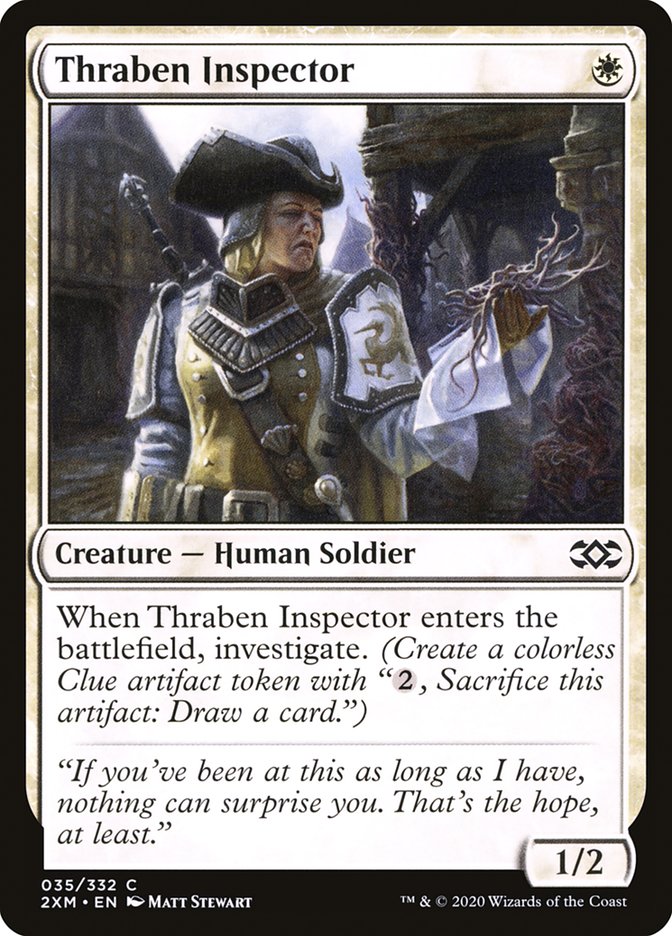
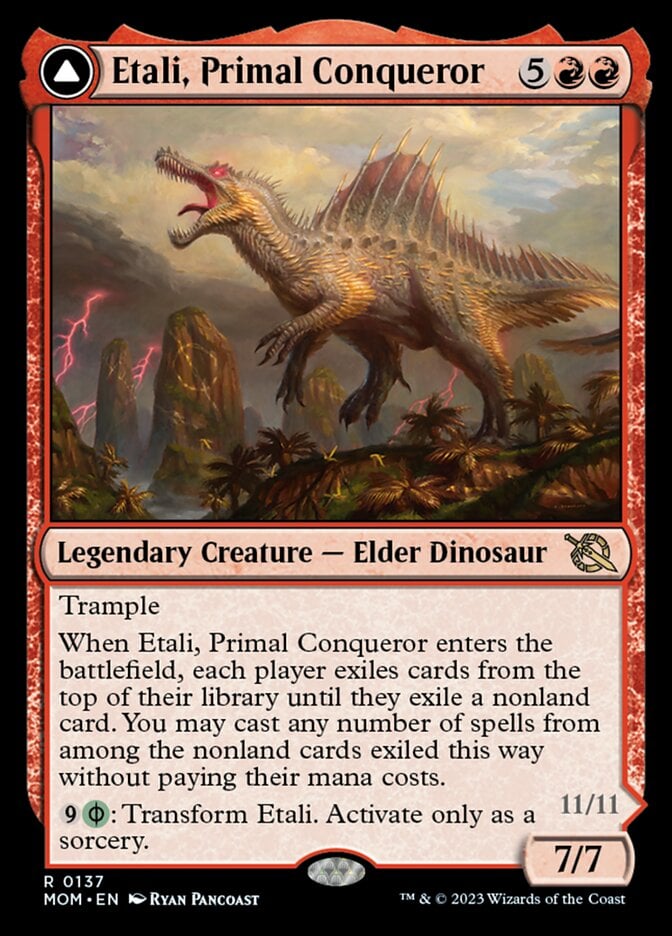
You can build an engine around Flickering Hound with cards like Whitemane Lion or other self-bounce, but it’s also just great to have cheap creatures like Thraben Inspector or Birds of Paradise become flicker spells later in the game. There are also plenty of combos with cards like Pantlaza, Etali, Primal Conqueror, and Trumpeting Carnosaur that keep the chain going. Though it lacks the spikes and flexibility, that’s not the same as it being weak.
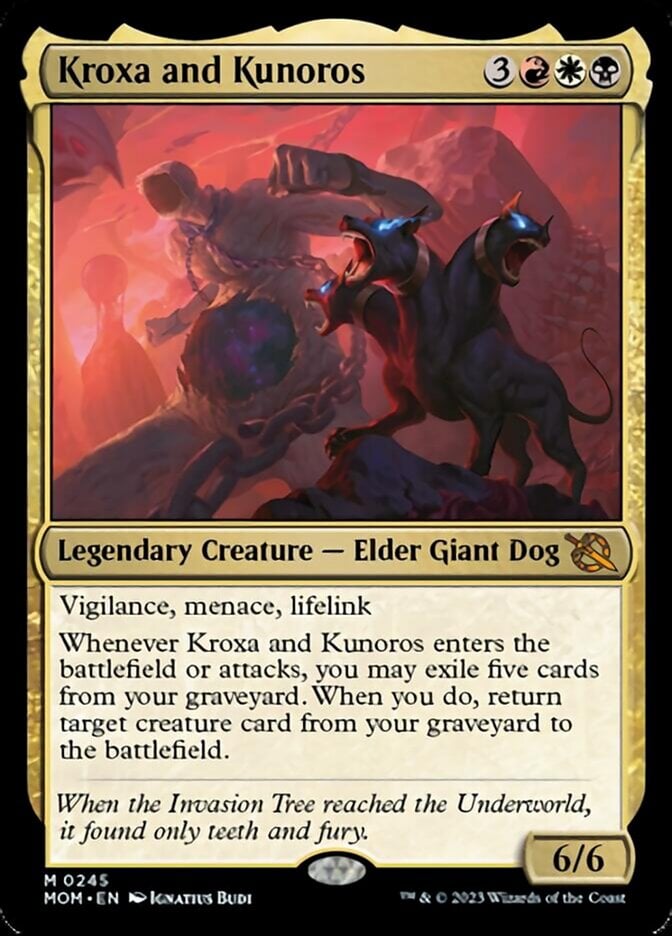
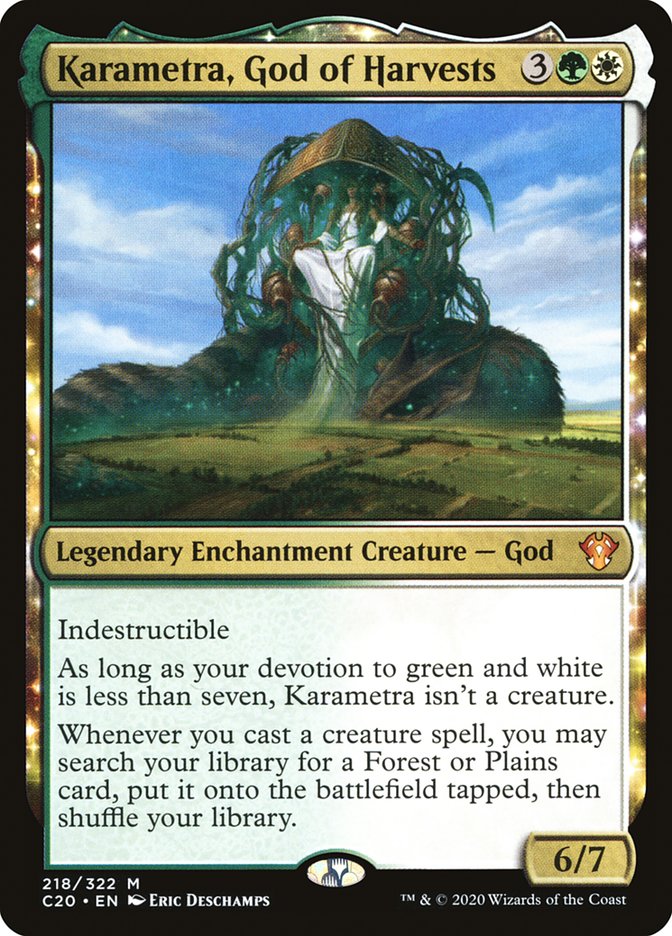
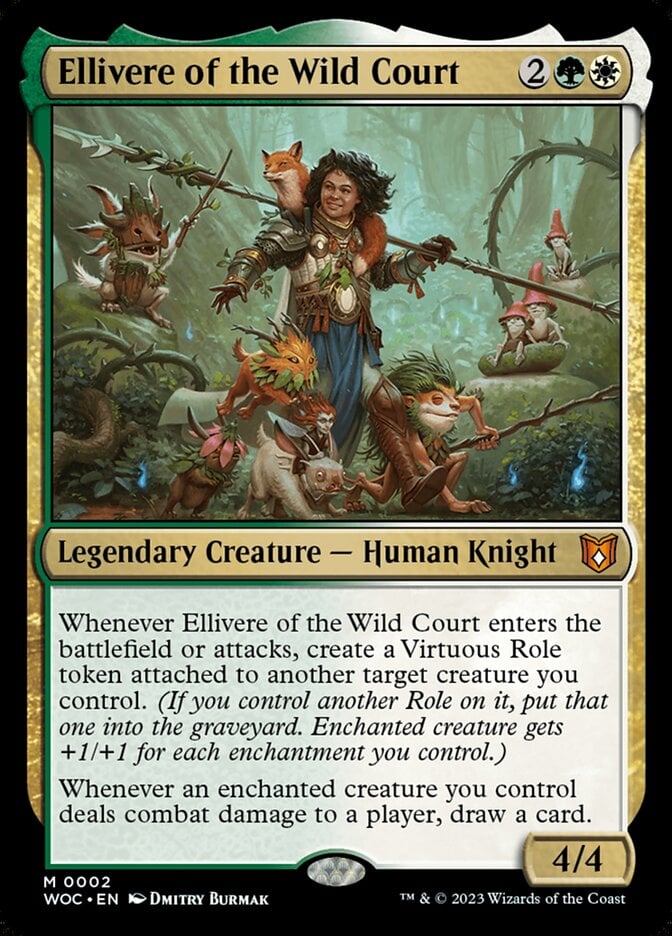
Ultimately, though, the Hound’s greatest advantage is its color identity. Though not as strong as Displacer Kitten, it’s close enough for many non-blue Commander players to be excited as they get a powerful new toy that works with commanders that have strong enters abilities. There’s Pantalaza, of course, but also Kroza and Kunoros, Karametra, God of Harvests and Ellivere of the Wild Court, to name a few.
Flickering Hound Vs. Teleportation Circle
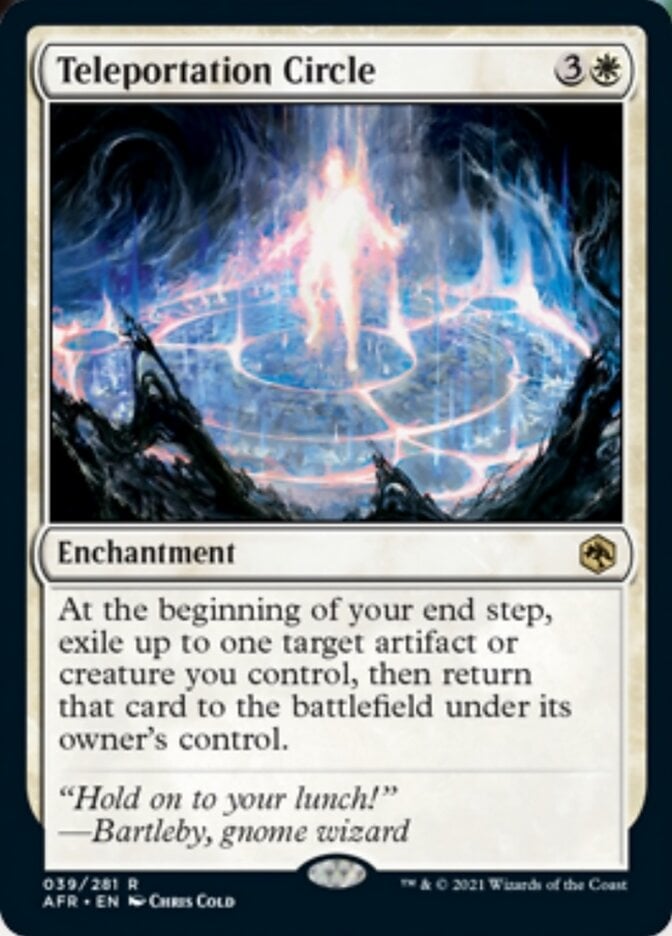
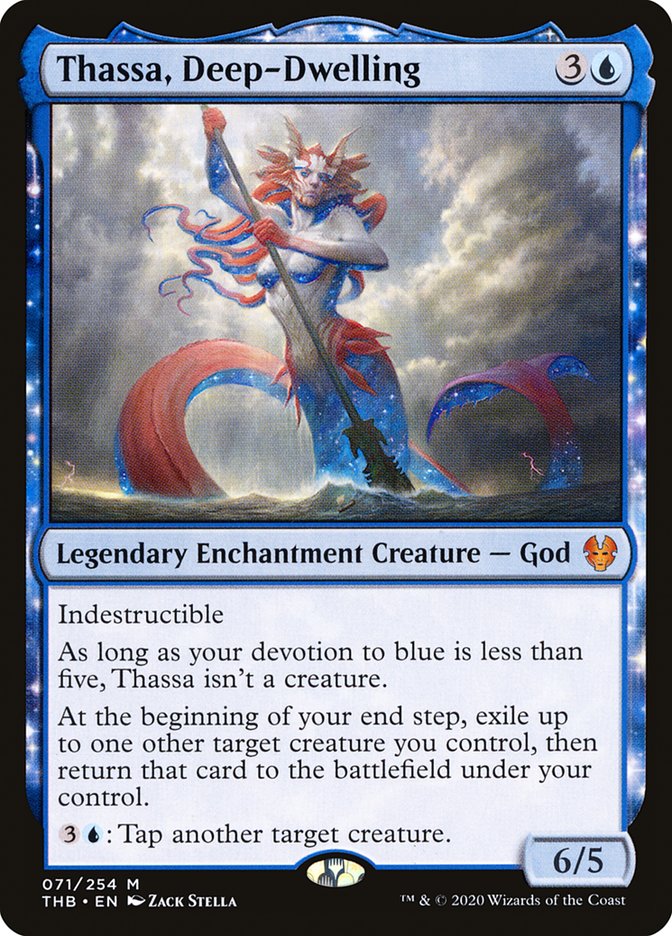
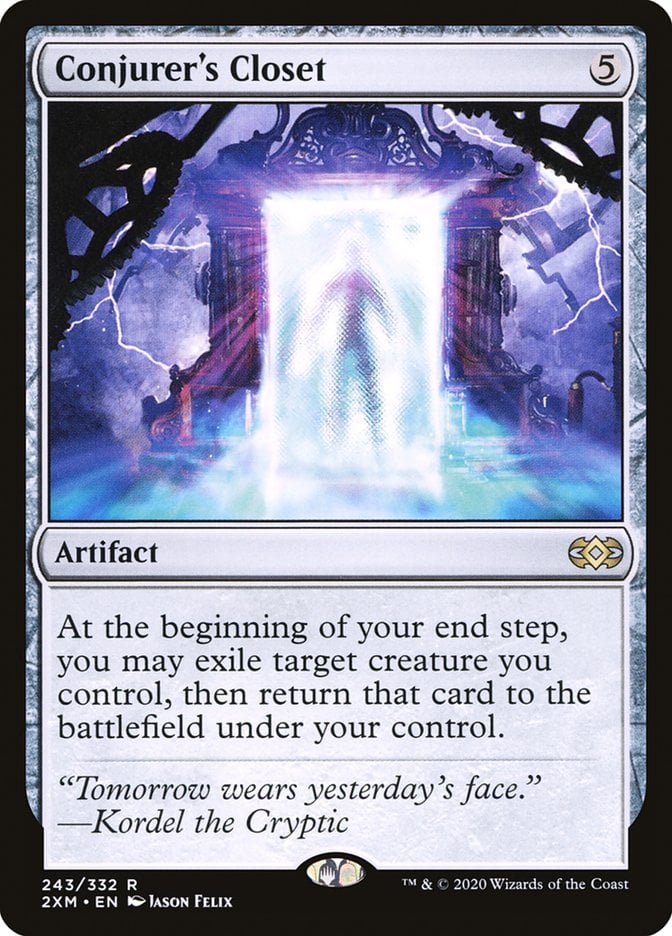
Though white hasn’t had Displacer Kitten, it has cards like Teleportation Circle, and it’s worth considering how the Hound fits in.
Flickering Hound absolutely has the higher floor. Cards like Teleportation Circle are capped at one flicker per turn while the Hound easily exceeds that. As noted throughout the article, you can also build around it in ways your can’t around the enchantments/artifacts.
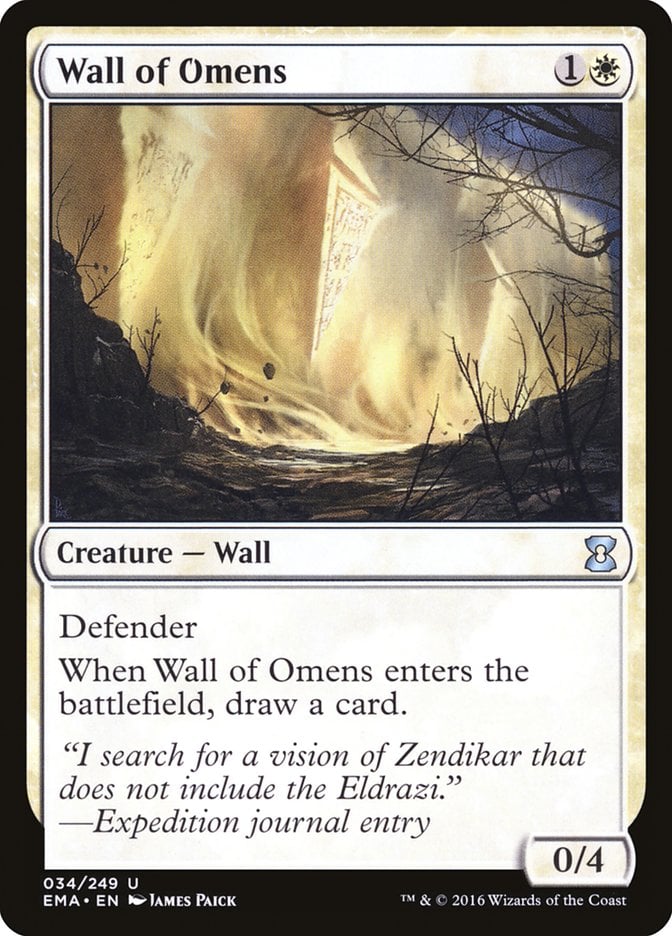
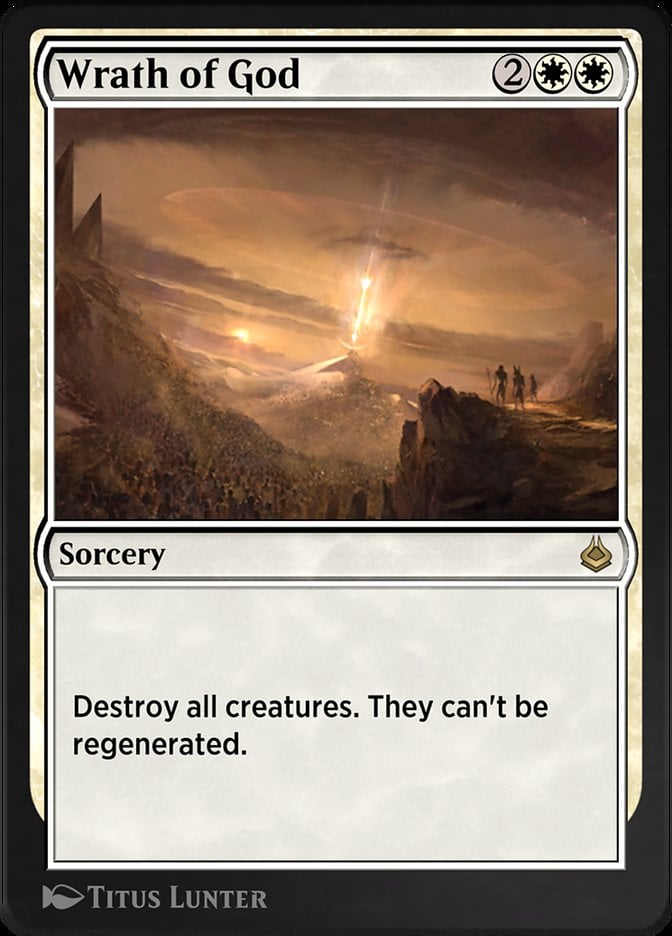
But Flickering Hound relies on other cards to enable its cast trigger. Let’s say you control a Wall of Omens. If you play the dog then stall out on creatures, you don’t get a single flicker. But Teleportation Circle chugs away with the card draw. Diversifying threat types is also useful. Your flicker deck doesn’t want to see Wrath of God hit the table, and the Hound gets swept away with everything else. The Circle, however, survives most board wipes, so you have a flicker engine ready when you untap.
There’s a clear give and take here (which is good game design) so don’t just ditch Teleportation Circle for the Hound. Rather, consider how they might compliment each other in the same deck or if you have a specific synergy that makes one more appealing. Despite how players like discussing them, cards in Magic are rarely strictly better than each other; good deckbuilding isn’t about taking the best version and playing it but understanding how one card works in the whole of the deck.
Follow Draftsim for awesome articles and set updates:










Add Comment