
Last updated on March 10, 2026

Teferi, Time Raveler | Illustration by Chris Rallis
The Azorius () color pair is best known for its ubiquity as the control colors in Magic. Other colors get in on the control game, but WU remains popular for how the colors combine interaction and card advantage.
There’s much more to Azorius than simple control. These are the colors of flicker decks, of creatures and spells coming together, and of enforcement. But of all the Azorius cards, which are the best?
What Are Azorius Cards in MTG?

Detention Sphere | Illustration by Kev Walker
Azorius cards are spells that are blue and white. They often lean toward controlling, as both blue and white care about structure and order, albeit in different ways and for different means. Abundant card draw and strong interactive spells are hallmarks of Azorius cards.
The name comes from the guild of law on Ravnica. The role of the Azorius is to create the laws of the plane and hold trials for those who break them, though the Boros handle day-to-day enforcement. We can see this in how many Azorius spells seek to bind the opponent, though there’s plenty of other value here, often leaning on instants and sorceries.
To identify the best, I primarily lean on efficiency. The best Magic cards offer great value for their mana investment. I also want cards that work with what blue and white care about as a color pair; this often means grindy tools for a long game, though Azorius has some aggressive aspects as well.
#43. Boromir, Gondor’s Hope

Azorius dips into artifact themes every so often and can be creature-focused. Either strategy would welcome Boromir, Gondor's Hope. Playing a human typal deck isn’t hard in these colors with cards like Thalia, Guardian of Thraben and Venser, Shaper Savant as hits.
#42. Empyrean Eagle
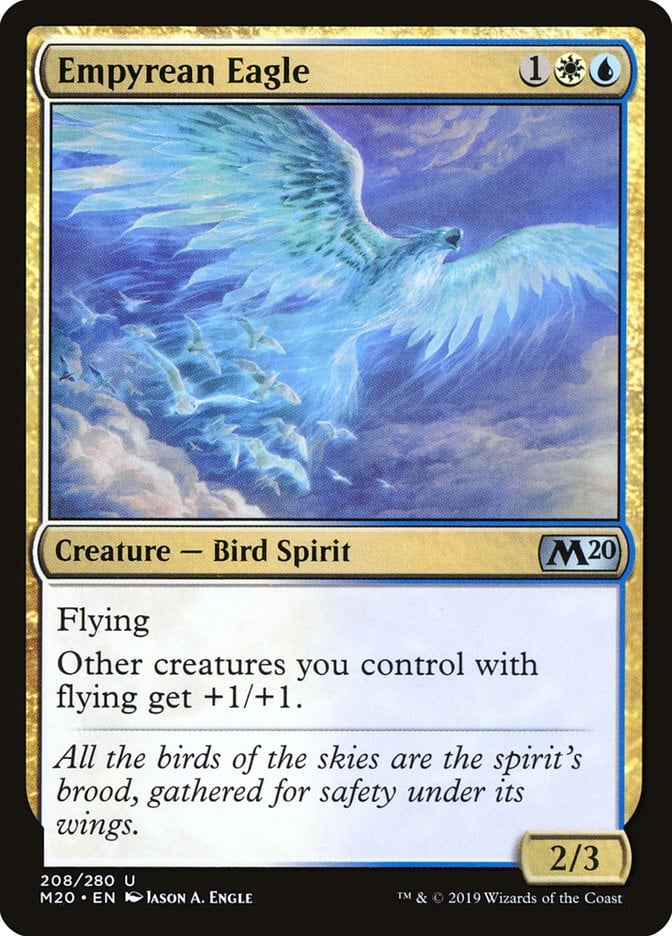
Blue and white have the highest intersection of flying creatures in any color pair. WU fliers is a tried-and-true Draft archetype. Empyrean Eagle helps enable such aggressive strategies beyond Limited by providing a keyword lord that makes your Spell Quellers and Faerie Masterminds into serious threats.
#41. Venser, the Sojourner
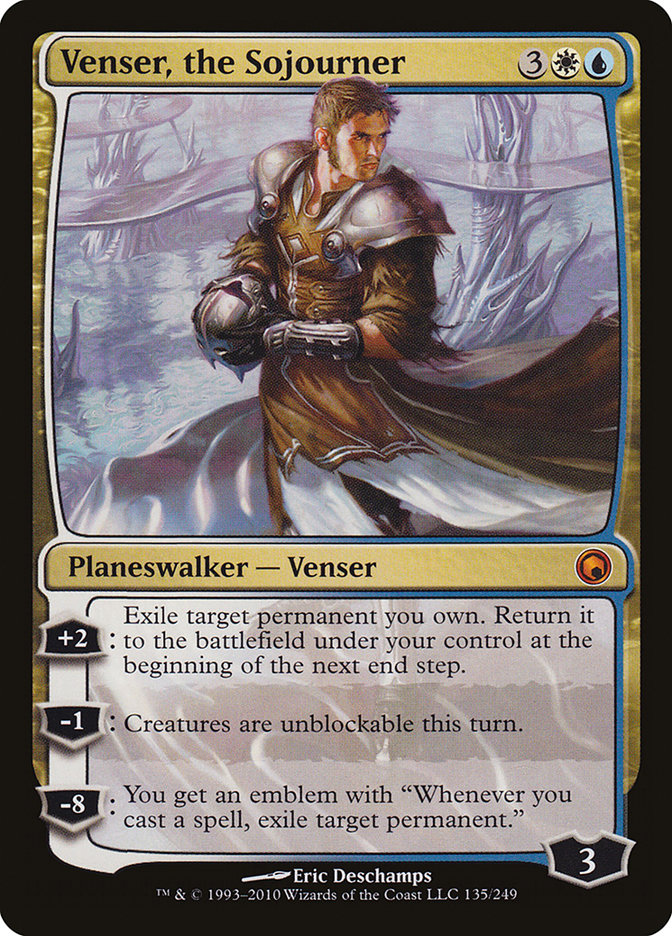
When Azorius decks lean on creatures, they often do so by flickering creatures with powerful ETB abilities to extract value over and over. Venser, the Sojourner is fantastic top end in such decks. It provides a steady stream of ETB triggers with its uptick, while both downtick abilities let it win the game through different means for a versatile value engine.
#40. Taigam, Ojutai Master
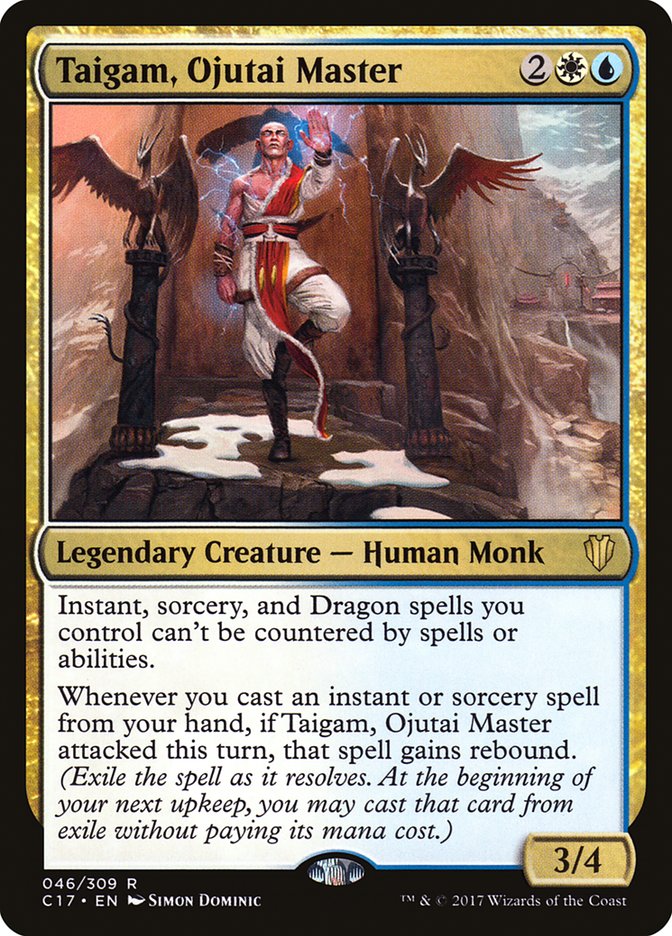
Rebound is a pretty nifty ability. Getting to double up on your spells is pretty strong. Taigam, Ojutai Master is at its best when copying extra turn spells, like Time Warp and Walk the Aeons. Extra turns lead to extra combats, which leads to extra rebounds, in a cascading value chain.
#39. Vega, the Watcher
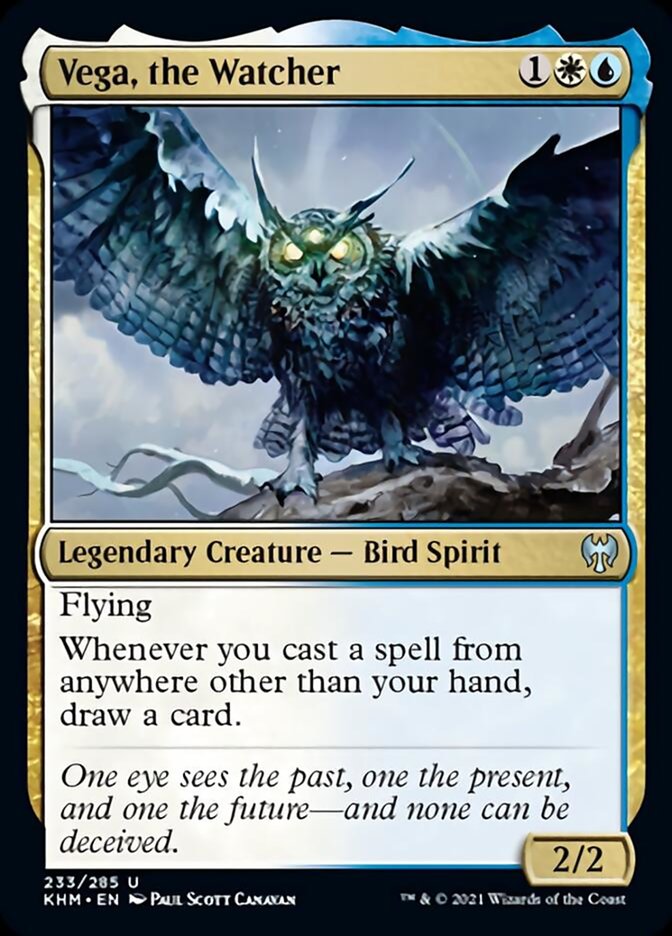
Vega, the Watcher needs a specific deck to shine. The card was designed to work with the foretell mechanic, but it does much more. Cascade and flashback are just a few other keywords to pair with Vega for an abundance of card advantage from an efficient package.
#38. Aven Wind Guide
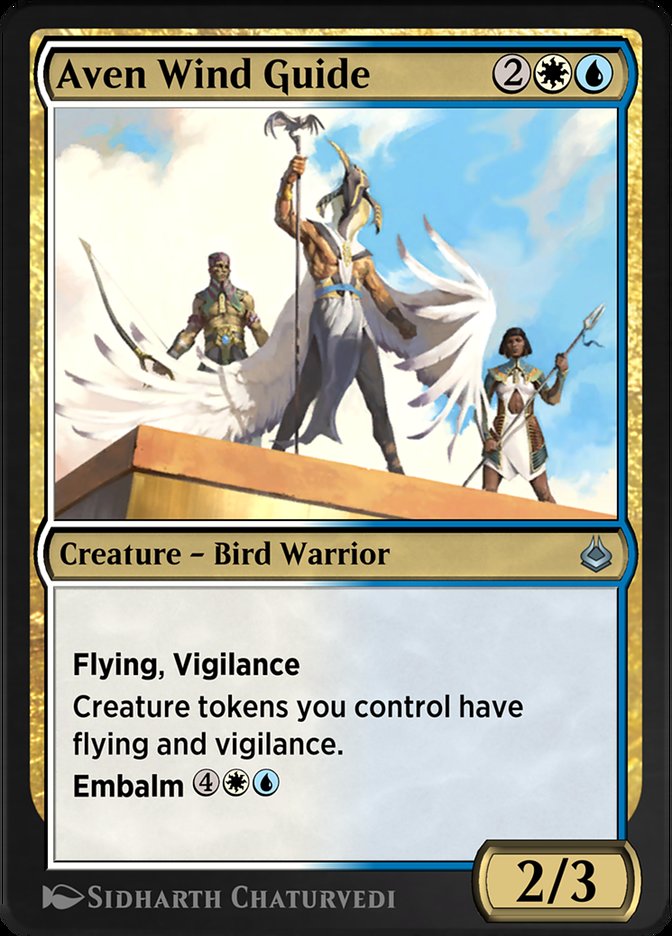
White loves its tokens. Blue doesn’t touch tokens as often, but there’s enough overlap to make Aven Wind Guide an impressive finisher. Simply giving a team of tokens evasion ends games, especially with cards like Intangible Virtue and Glorious Anthem to buff them.
#37. Godhead of Awe

Sometimes, we could all use a little Humility. Godhead of Awe has a very color-intensive cost but promises to make all other creatures irrelevant, at least in size. Since creatures keep their abilities, it can be powerful in concert with cards like Tetsuko Umezawa, Fugitive and Crovax, Ascendant Hero.
#36. Pippin, Guard of the Citadel
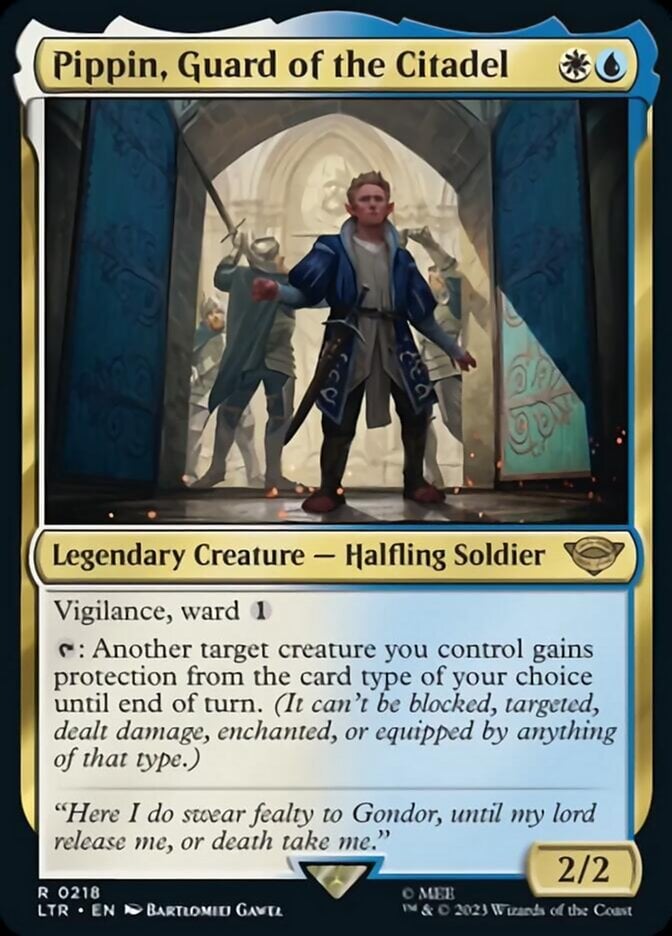
Mother of Runes is one of the strongest creatures ever printed, so its variants are worth respecting. Pippin, Guard of the Citadel doesn’t offer the same perfect protection as its forebearer but protection from a card type offers its own utility, especially in a matchup that’s decided by creatures.
#35. Staggering Insight
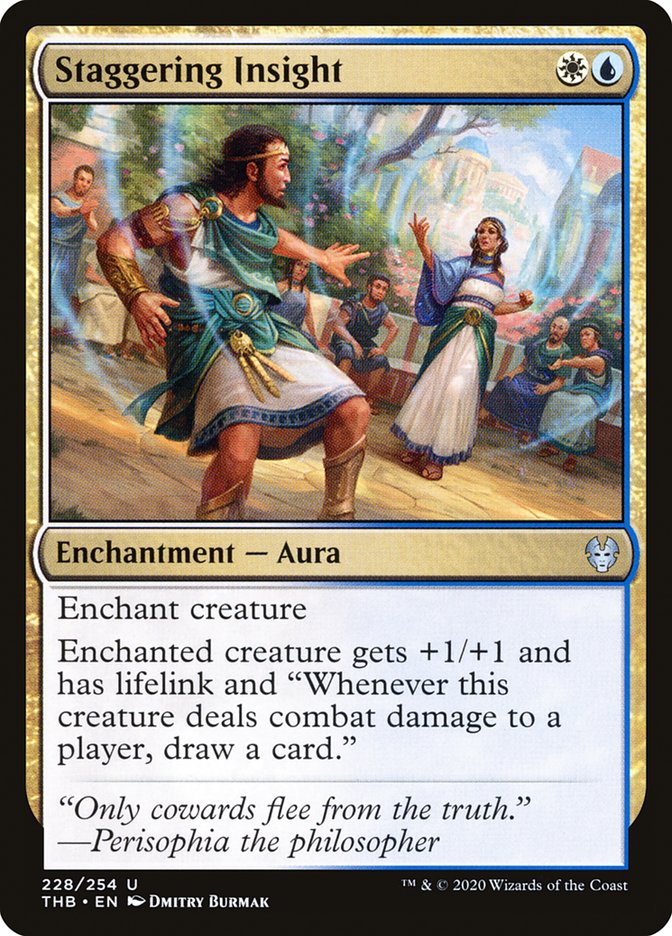
Aura decks can get value from Staggering Insight. While only costing 2 mana, it’s more than capable of dominating a game. The steady stream of card advantage helps keep pressure on your opponent while the lifelink gives you enough of an edge that racing is hard, if not impossible.
#34. Unsettled Mariner
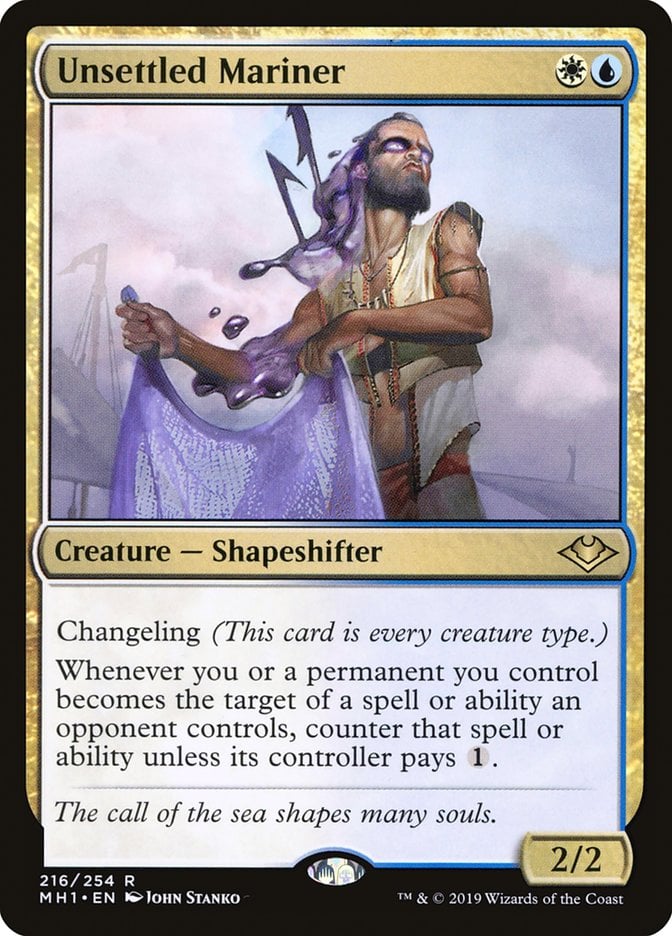
A 2-drop that gives you and your team ward 1 (effectively) isn’t unbeatable, but it’s certainly annoying for any player attempting to us spot removal to deal with your creatures. The exciting part of Unsettled Mariner is that it’s a changeling. Working with any typal synergies gives this card a nice boost in value and all the better to cheat into play with Aether Vial.
#33. Station Monitor

Station Monitor isn’t the flashiest card in the world, but the right Azorius deck can use it for synergy. Most decks want to cast multiple spells and the Drone tokens work with many different themes. Artifacts, artifact creatures, tokens, and flying creatures are Azorius themes Station Monitor supports with its tokens.
#32. Ishai, Ojutai Dragonspeaker
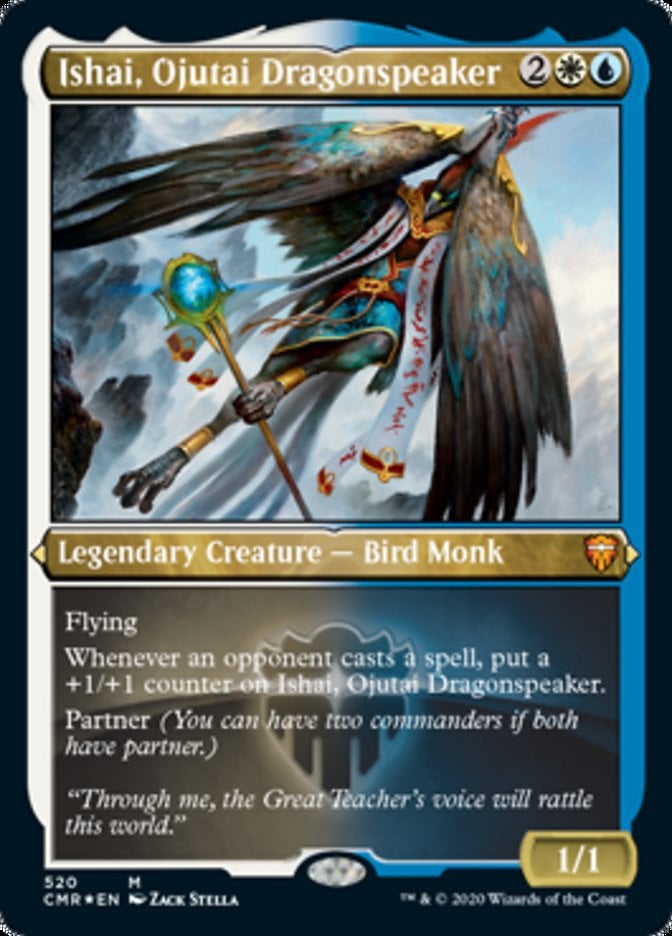
The partners have had a big impact on Commander. Ishai, Ojutai Dragonspeaker is far from the most egregious, but worth noting as the only WU partner that doesn’t pair with a specific card. The ability is also potent; it only takes a few turns for Ishai to become an evasive threat promising to take players out with commander damage.
#31. Azor’s Elocutors
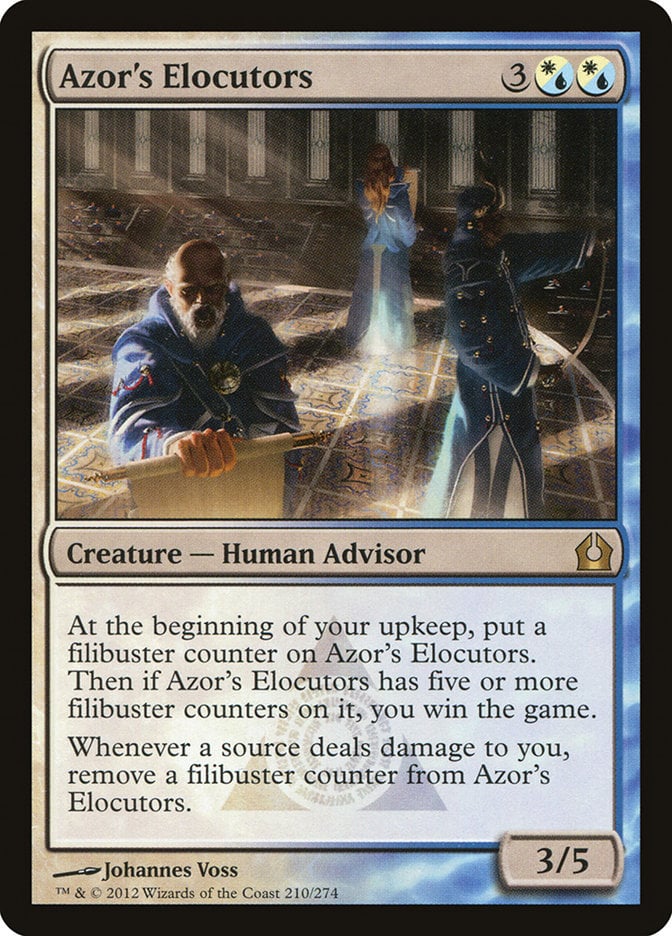
Alternate win conditions are excellent Magic design, offering players a ton of creative outlets for deck building. Azor's Elocutors takes a few turns to get rolling, but there are plenty of ways to speed that up. You can take extra upkeeps by enchanting yourself with Paradox Haze, or with Sphinx of the Second Sun, or proliferate your filibuster counters with spells like Experimental Augury and Inexorable Tide.
#30. Dennick, Pious Apprentice / Dennick, Pious Apparition
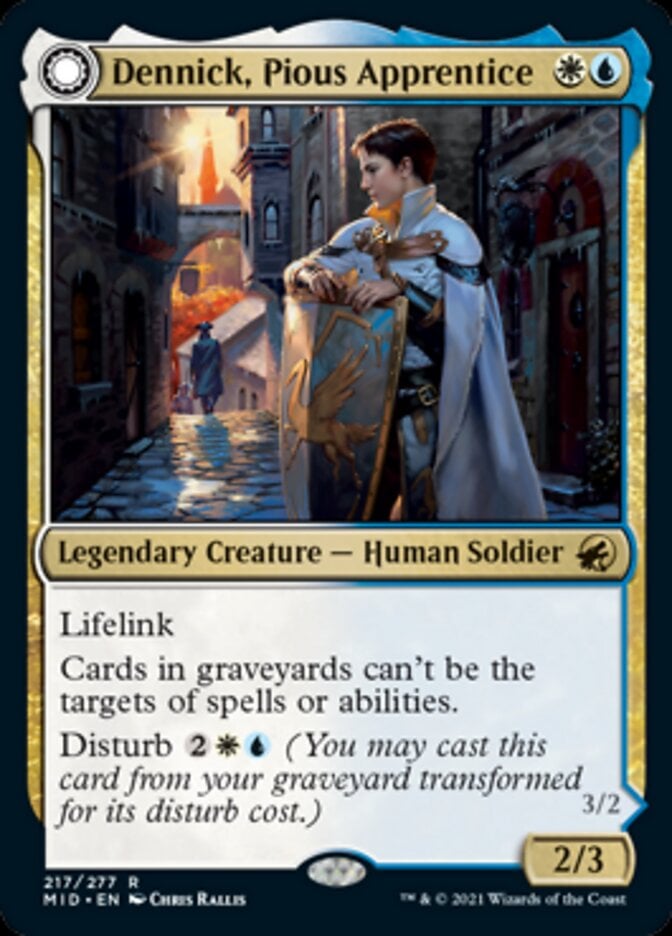
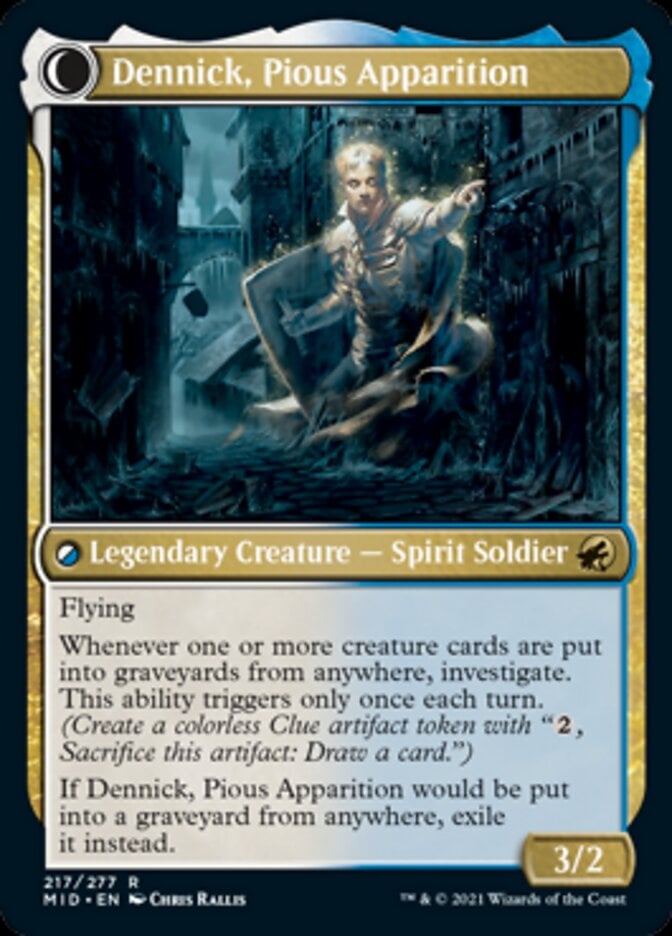
Dennick, Pious Apprentice is an overstatted human with lifelink, and mild stax means lots of typal decks want it on turn 2. When it dies, Dennick, Pious Apparition gives you a bunch of extra card advantage.
#29. Invasion of New Phyrexia / Teferi Akosa of Zhalfir
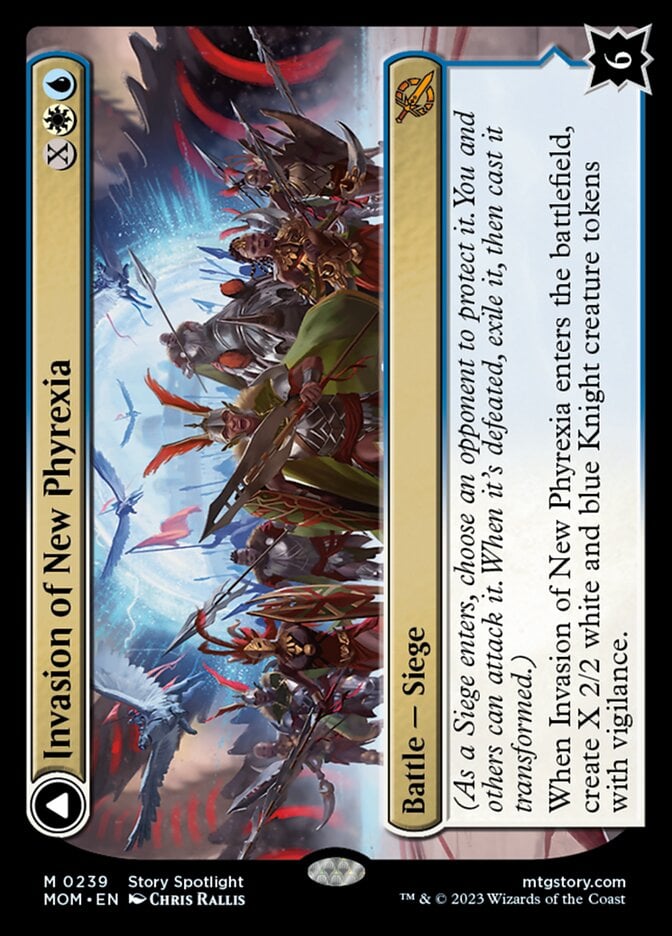
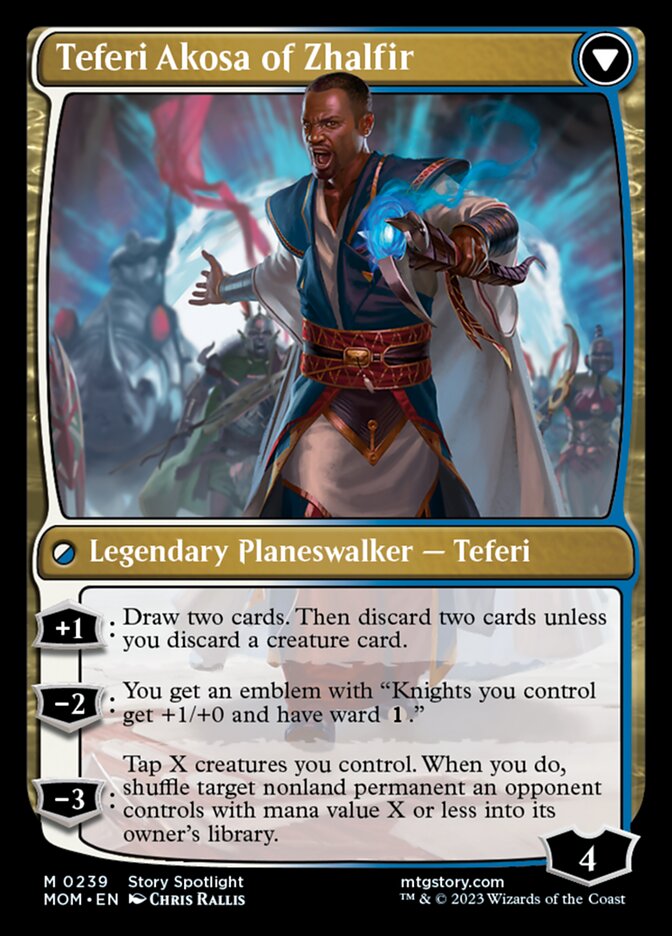
I’m a big fan of army-in-a-can cards. Invasion of New Phyrexia is a powerful finisher in grindy decks that can dump a bunch of mana into an army of Knight tokens late in the game, but also provides extra board presence early should the need arise. Teferi Akosa of Zhalfir is a unique planeswalker from March of the Machine with a nice bonus that finds gas or helps our knights overwhelm our opponents.
#28. Daxos of Meletis
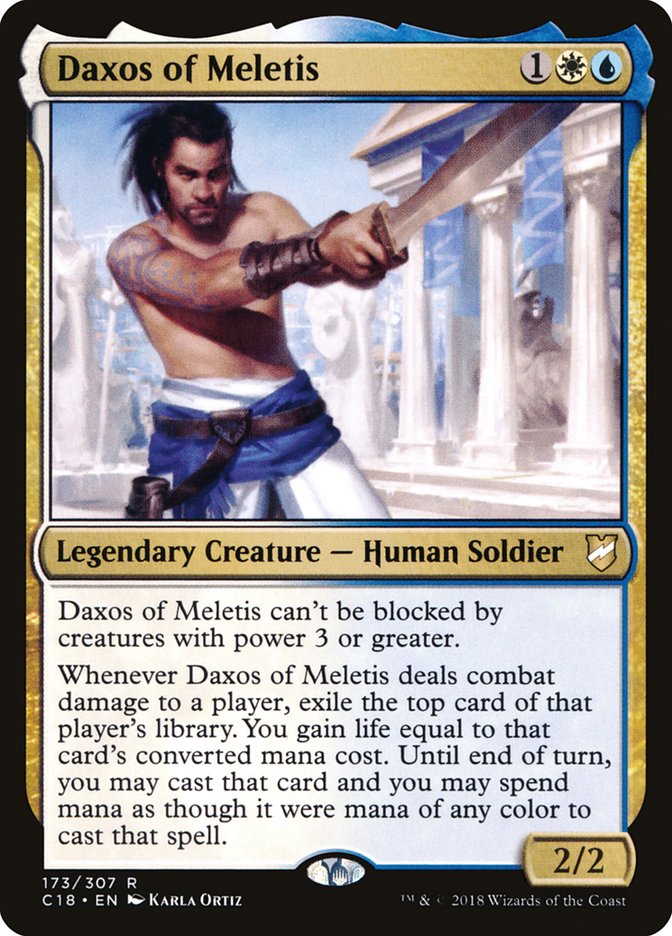
Human and soldier are solid creature types to have on an aggressive card in white. Daxos of Meletis tacks on a bit of card advantage and evasion for a powerful Azorius creature. Daxos can be a bit fragile because it needs to connect for value, but drawing extra cards gives you a lot of ways to fight your opponents and unlocks access to spells you don’t normally have in your colors.
#27. Dovescape

Dovescape is a delightful build-around that can do a lot of damage to opposing decks that aren’t ready for it. It’s especially strong when paired with cards like Benevolent Geist and Taigam, Ojutai Master that protect your noncreature spells from being countered, giving you the spell and the doves.
#26. Geist of Saint Traft
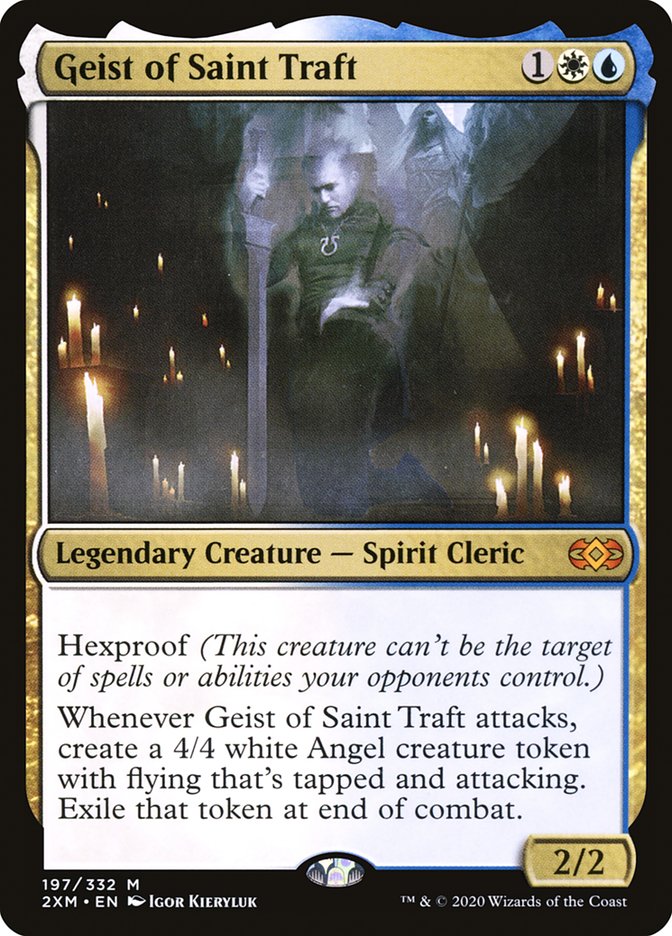
Geist of Saint Traft poses a devastating threat to decks that are unprepared for it. Hexproof makes it pretty safe to suit this card up with evasive auras like Spirit Mantle or Aqueous Form so you can make plenty of angel tokens.
#25. Don & Leo, Problem Solvers
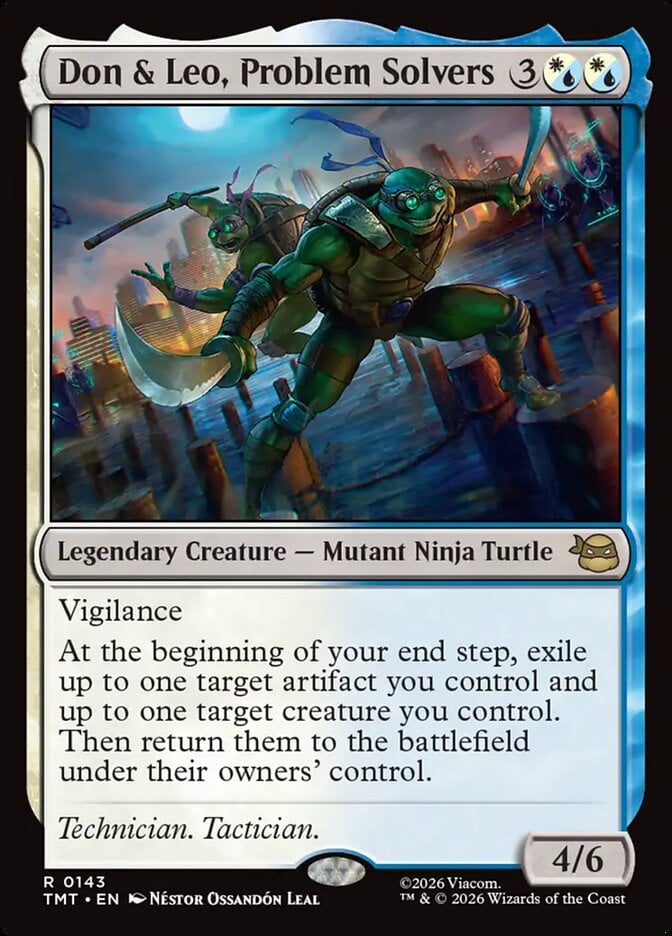
Azorius is no stranger to permanents that flicker other permanents—just look at Soulherder. Effects like these abound in Magic, from Thassa, Deep-Dwelling to Mistmeadow Witch. But few of them flicker two permanents with one trigger, which puts Don & Leo, Problem Solvers in a class of its own. It’s unfortunate that this card is more expensive and easier to interact with than its peers, but the ceiling might justify the rickety floor.
#24. Reflector Mage
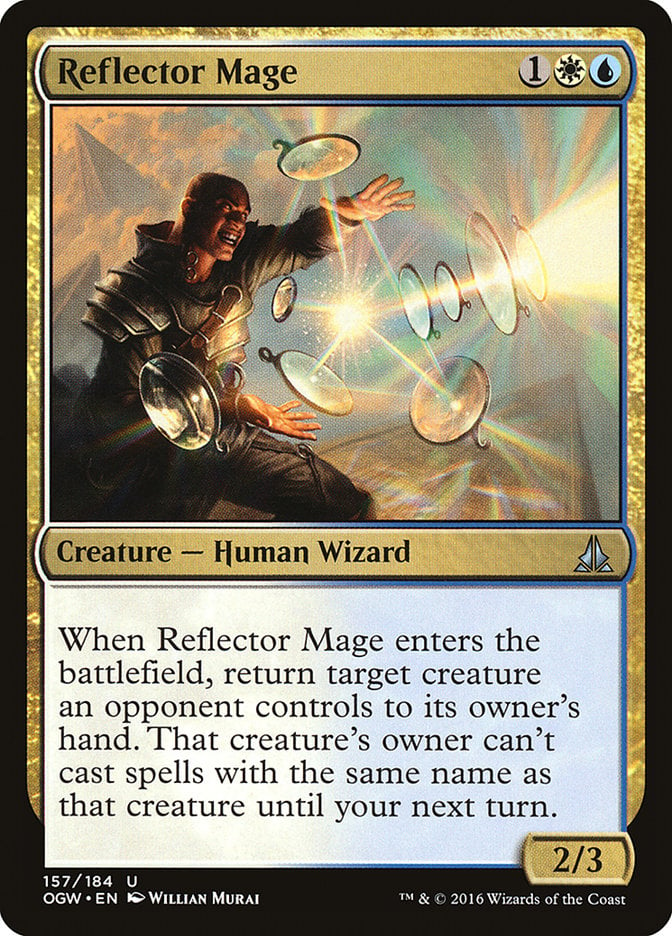
Reflector Mage was quite the problem child when Collected Company was still in Standard, but it’s still a strong bounce card. There are plenty of Man-o'-War variants, but preventing your opponent from recasting the spell for a turn is a huge tempo play. It’s especially powerful against commanders, buying you plenty of time to find a real answer.
#23. Spell Queller
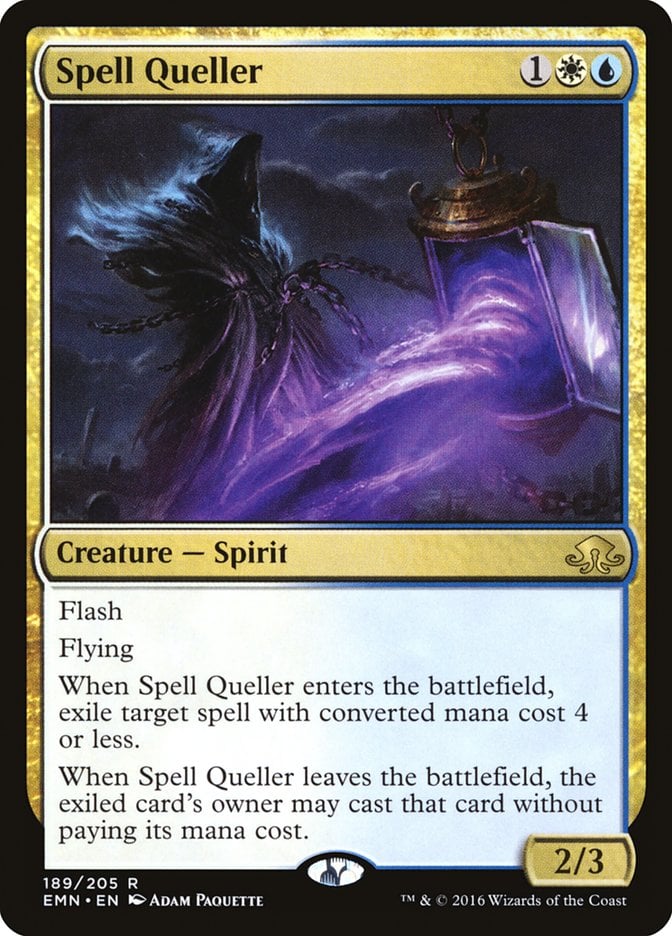
Spell Queller is everything I want from a flash creature. A bit of a threat that provides some nice tempo by exiling a spell, but it’s easy to interact with. Being a spirit is relevant in WU, and this embodies exactly the kind of interactive, grindy Magic I love to play.
#22. Dragonlord Ojutai
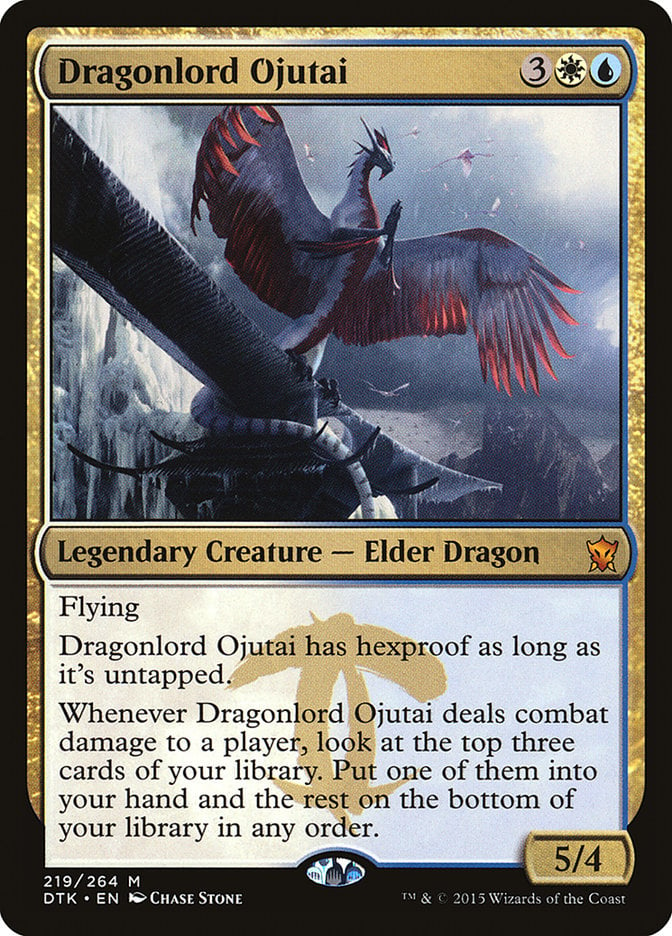
Dragonlord Ojutai from Dragons of Tarkir provides control decks with a finisher that’s hard to interact with. Conditional hexproof is far more interesting than the unconditional version. Ojutai provides solid card advantage; getting the best one of three is significantly more powerful than drawing a random card off the top. If you get this into play and protect it, victory is rarely more than a few turns out.
#21. Riptide Gearhulk

Riptide Gearhulk packages aggression and control into a compact card. The mana cost is daunting, with double white and double blue, but a double striker with prowess ends the game quickly. This one even clears aside blockers! Since the enters ability can target a permanent controlled by each opponent, it scales well in Commander.
#20. Cloudblazer
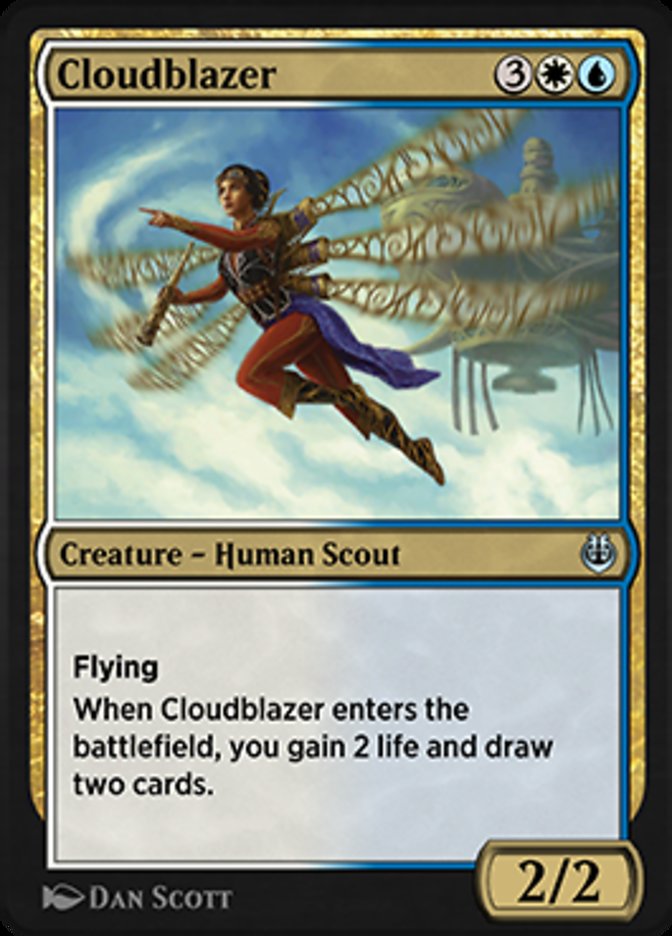
If you’re flickering creatures, Cloudblazer is one of the best. The combination of card draw and lifegain spirals out of control in a few turns; you’ll have too many resources for opposing decks to out-grind you, while the life buffer prevents decks from racing under Cloudblazer if they haven’t won by the time this comes down.
#19. Detention Sphere
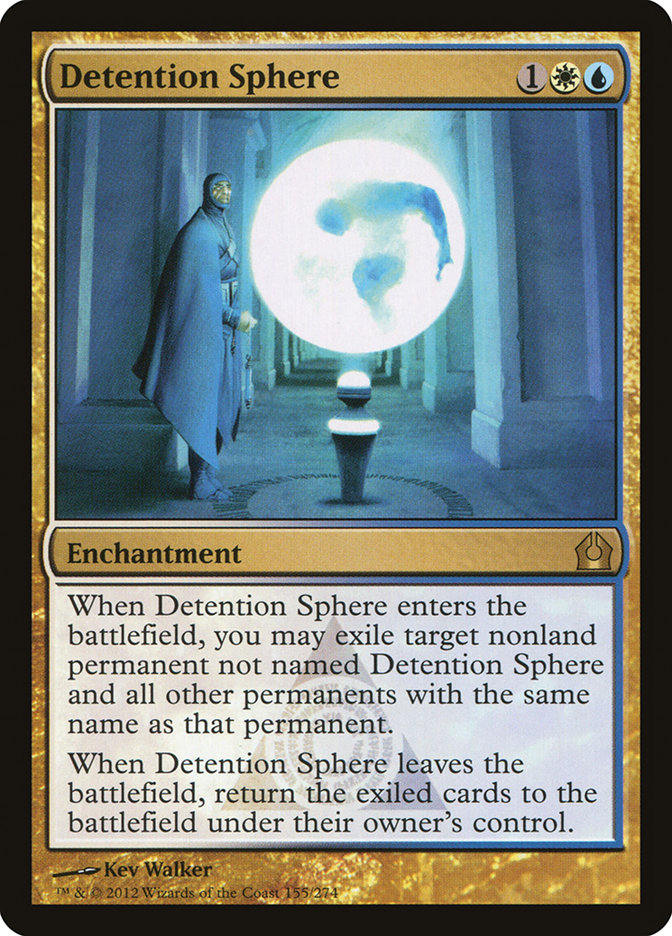
A classic removal spell for WU control decks, Detention Sphere is an interesting Oblivion Ring variant. Getting to sweep aside multiple copies of small creatures is great against aggro decks that tend to run four copies of efficient creatures like Goblin Guide and Monastery Swiftspear for consistency. It’s especially potent against token decks, wiping their board without the chance to get anything back.
#18. High Alert
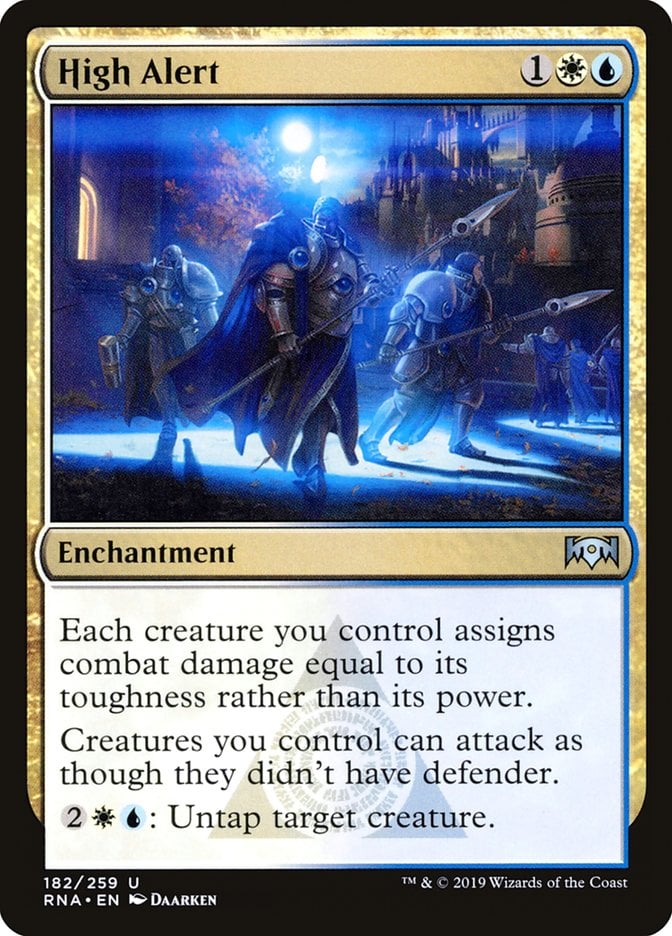
High Alert has very narrow applications, but it’s a vital piece of decks that want this effect. Namely, defender decks that are often best utilized as Bant lists. Allowing your creatures to deal damage off toughness rather than power is great with defenders and other creatures with large butts, like Giant Ox.
#17. Spider-Woman, Stunning Savior

Spider-Woman, Stunning Savior, also printed as Makdee and Itla, Skysnarers, works well as a cheap disruptive creature that comes with a decent clock since it has flying. It works as a silver bullet against certain strategies: Aggro decks hate it because creatures effectively lose haste, it slows down artifact decks that rely on churning out fast mana and rocks. It even messes with infinite combos like Splinter Twin and anything that relies on Treasure.
#16. Plagon, Lord of the Beach

Plagon, Lord of the Beach doesn’t fit into the average toughness-matters deck since those decks rely on green and white, but it has plenty of merit, especially in Cube. Once a cheap creature that at worst cantrips by itself falls into your lap, you suddenly notice how many other cheap cards have higher toughness than power, like Thraben Inspector, Delighted Halfling, and Ajani, Nacatl Pariah. It becomes easy to justify it, and it makes for an interesting build-around card.
#15. Assimilation Aegis
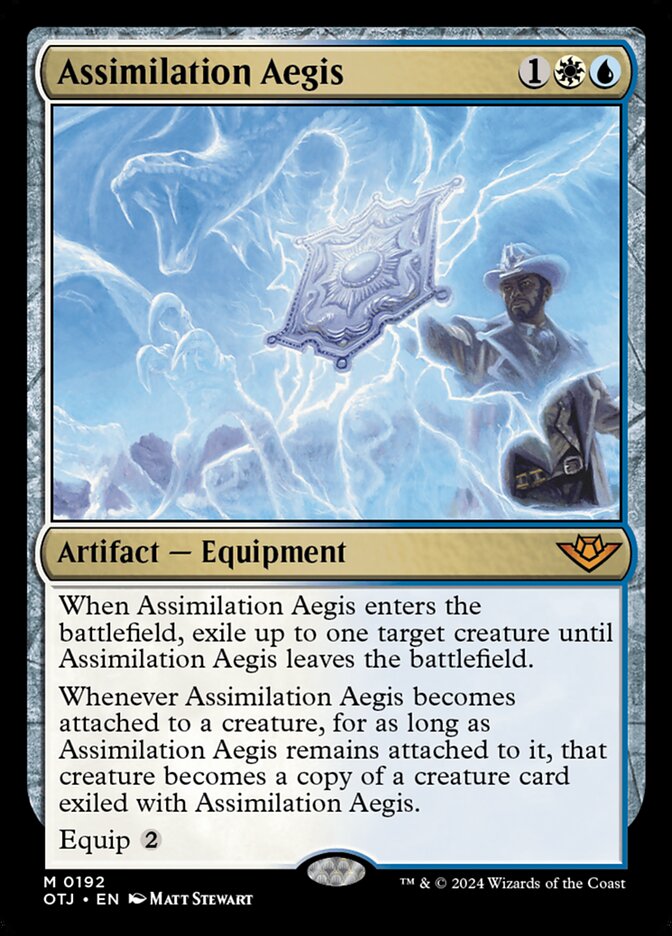
Assimilation Aegis is less versatile than Detention Sphere but more proactive than just an answer and is one of the best control magic effects white gets access to. Few things say control like taking a player’s creature and beating them with it.
#14. Kykar, Zephyr Awakener

Bird wizards are historically powerful and cool cards, just look at Nadu, Winged Wisdom, Slickshot Show-Off, Derevi, Empyrial Tactician, and Oracle of the Alpha! Sure Kykar isn’t quite as famous as those, but if Azorius needed a cousin for Talrand, Sky Summoner, Kykar, Zephyr Awakener comes decently close as a pay off for playing noncreature cards (think of anything that triggers prowess) and belongs among the better blink commanders.
#13. Aang, Swift Savior / Aang and La, Ocean’s Fury


Aang, Swift Savior is a top-tier tempo card. It has flash, so you can hold it up alongside countermagic; airbending a permanent or spell opens more lines than can be discussed here. It’s the perfect flexible card to find that temporary advantage it takes to seize victory. Oh, and it transforms into the game-ending Aang and La, Ocean's Fury. I’d be impressed enough with the front of the card, but I suppose 2025 demanded more from its legends.
#12. Lavinia, Azorius Renegade
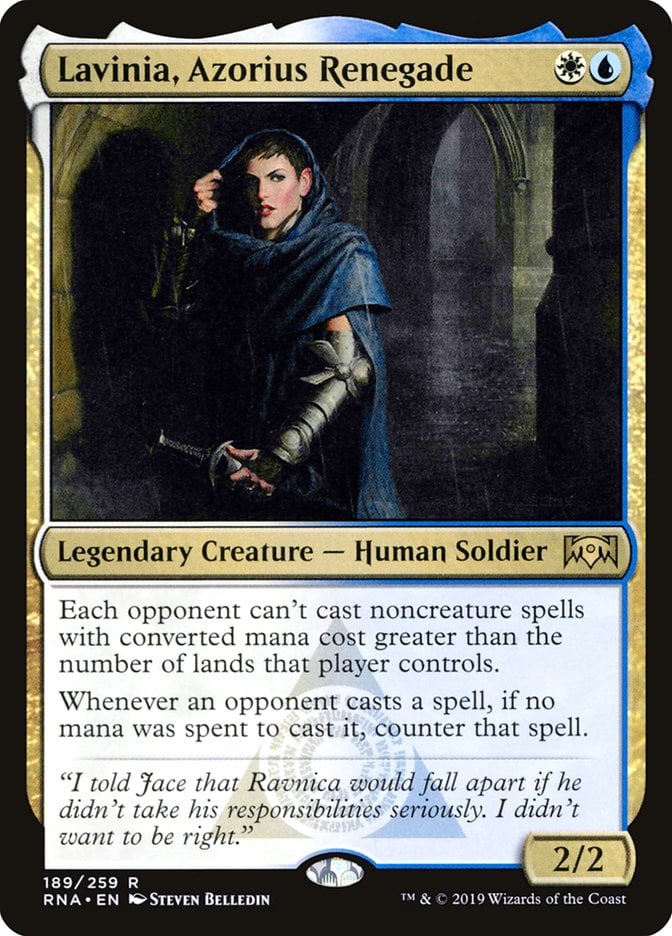
Lavinia, Azorius Renegade is great in older formats that revolve around free spells like Force of Will. It’s also potent against ramp-heavy decks in Commander, shutting down Chord of Calling and other massive payoffs unless your opponent wants to play them fairly.
#11. Grand Arbiter Augustin IV
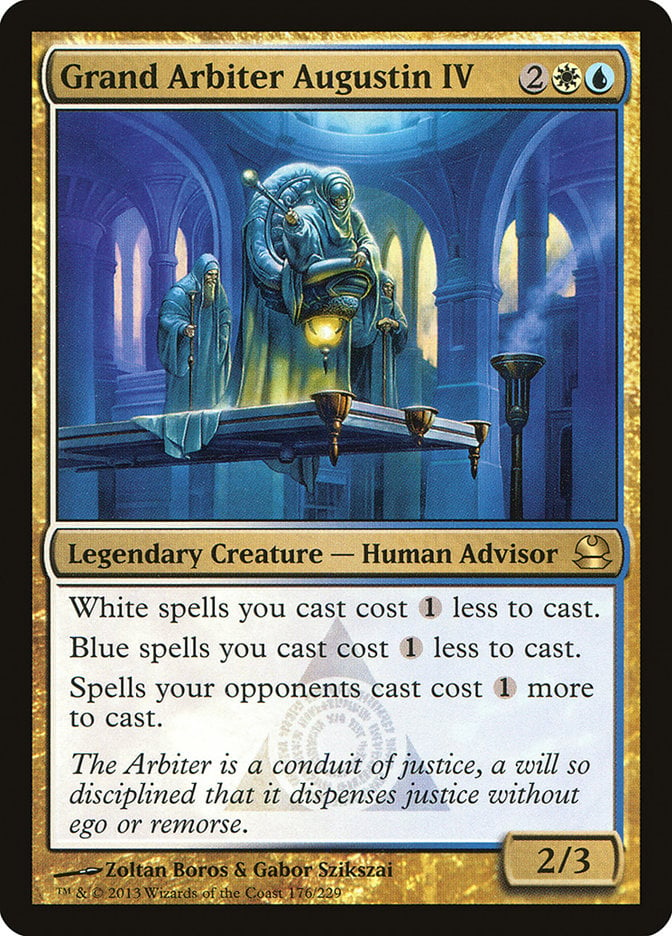
One of the most infamous commanders of all time, Grand Arbiter Augustin IV is a nasty stax piece in the command zone. It wants you to load up on Azorius spells so they cost 2 less, but the ramp isn’t nearly as potent as the tax it presses against your opponent. Throwing in other hate bears that tax like Thalia, Guardian of Thraben and Lodestone Golem is a great way to slow down your opponents and lose your friends.
#10. Soulherder
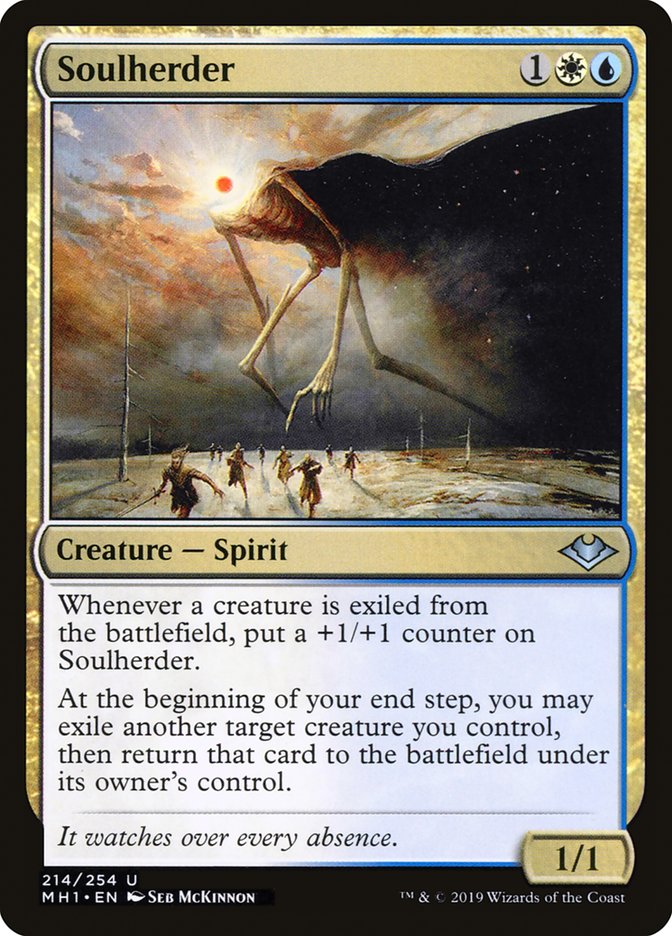
Flickering creatures to get their ETBs again is good, but what if that enabler was a massive threat as well? Soulherder does everything a flicker deck could want in terms of value. It also triggers off most white removal, including format all-stars Swords to Plowshares and Path to Exile. It’s also one of the scariest Magic art pieces.
#9. Meddling Mage
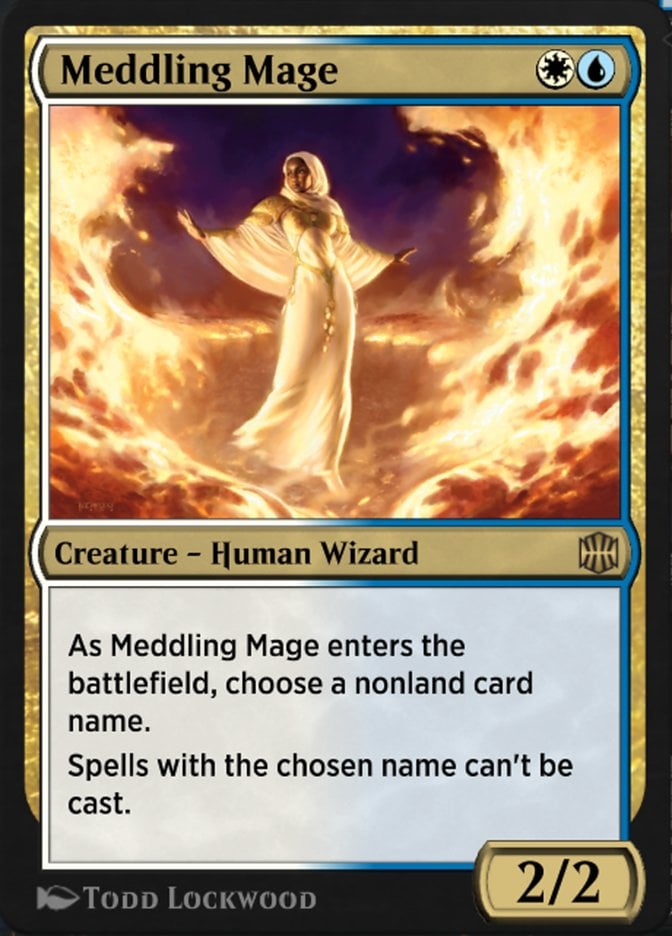
Meddling Mage is a potent stax piece. It’s great at locking down or at least slowing down decks that rely on a single card, like Indomitable Creativity or Crashing Footfalls. It’s also just solid disruption against cards you know your opponent is likely to have, like Fatal Push or Solitude.
#8. Absorb
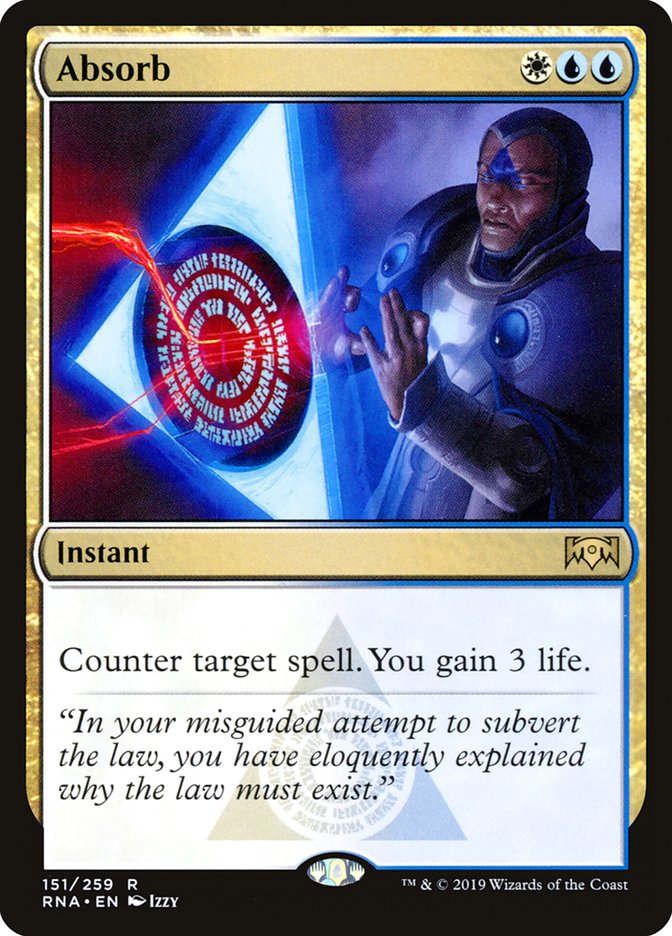
Cancel variants are a dime a dozen these days, but Absorb holds up pretty well. Lifegain is often scoffed at in Magic, but incidental lifegain tacked onto interaction does a lot to help control decks get to the late game. You need to be in control to want this card, but it does what such a deck requires.
#7. Swans of Bryn Argoll
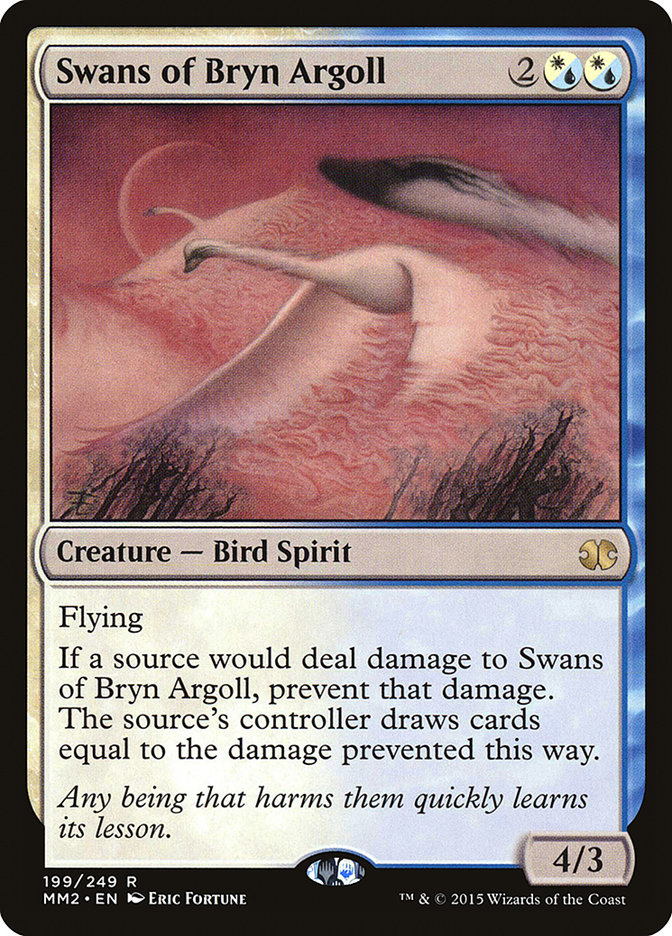
Swans of Bryn Argoll is a narrow build-around that does a lot for combo decks willing to put in the effort. It’s commonly seen alongside Seismic Assault and a billion lands, but you could go deep with cards like Chain Reaction and Witchstalker Frenzy.
#6. Dovin’s Veto
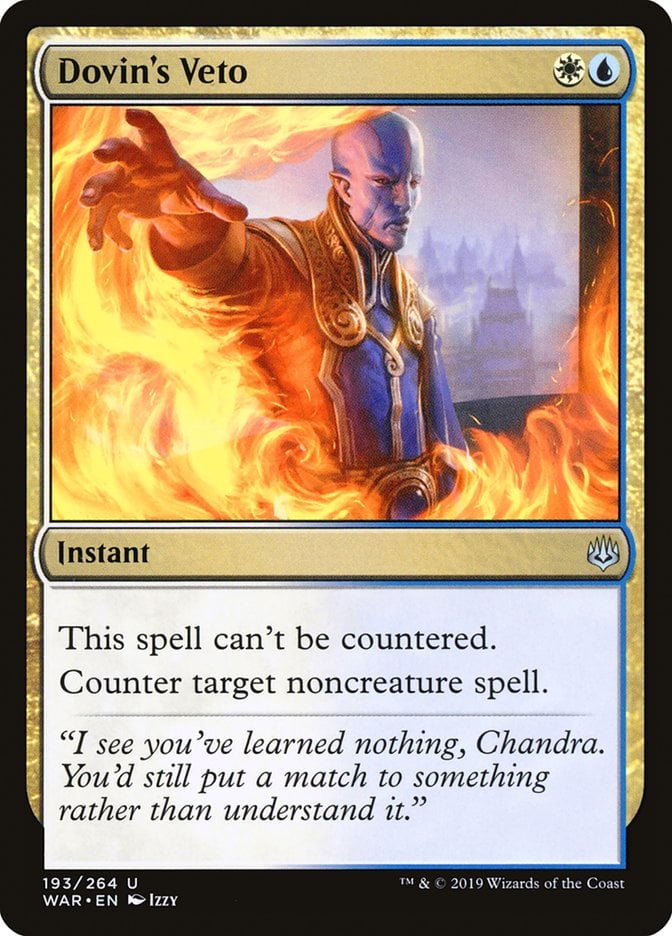
Dovin's Veto is the best Negate, as long as your colors support it. This card gives you so much control over what does and doesn’t resolve. It’s cheap enough to be held up easily and can slot into the sideboard of midrange decks as easily as control, unlike more mana-intensive counters like Absorb.
#5. Teferi, Hero of Dominaria
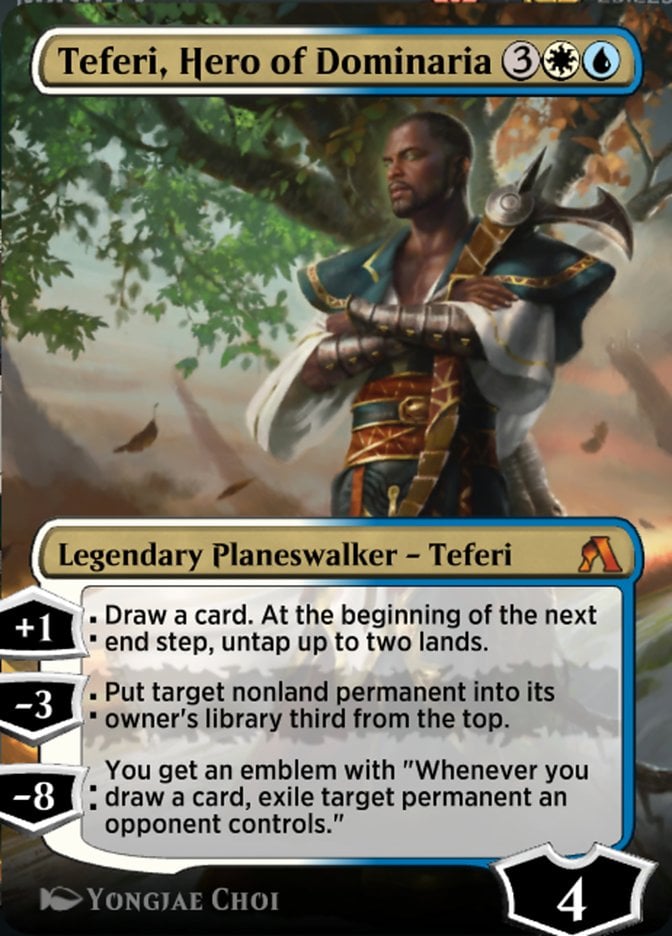
Teferi, Hero of Dominaria is one of the best finishers WU control has ever seen; its emblem is one of the best card draw payoffs possible. I loved jamming this in Standard. In Pioneer, it’s invaluable to allow WU decks to win the game without creatures so they can companion Kaheera, the Orphanguard. The steady card draw and ramp put this planeswalker in a league of its own.
#4. Sphinx’s Revelation
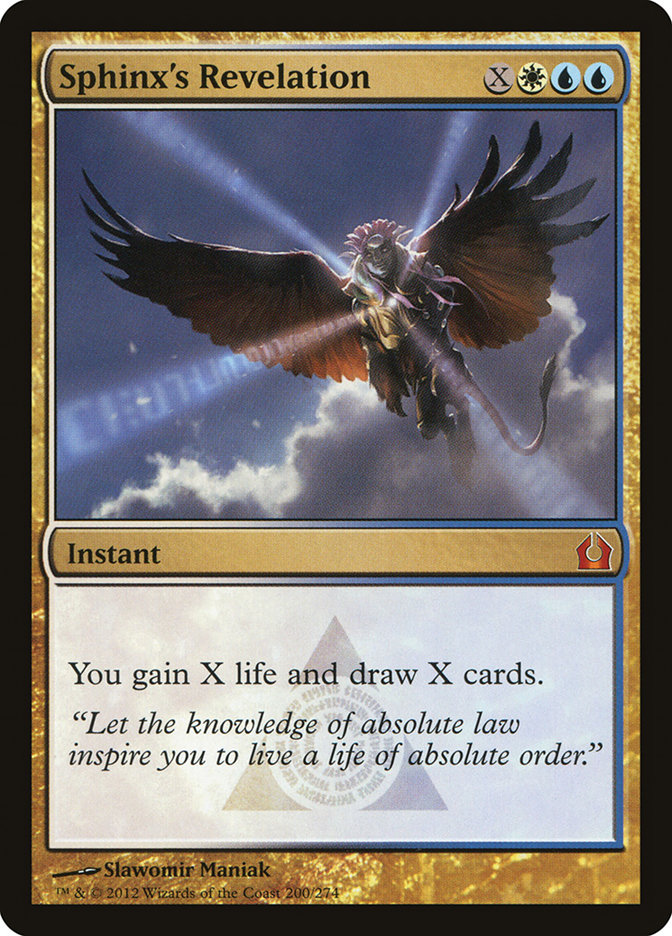
Sphinx's Revelation is one of the strongest card draw spells ever. Control decks already want to hold up mana every turn for countermagic; getting another mana sink at instant speed is amazing, especially when it puts them so far ahead. Nothing stabilizes a control deck like drawing five cards and gaining 5 life, often giving them all the resources needed to finish a game.
#3. Supreme Verdict
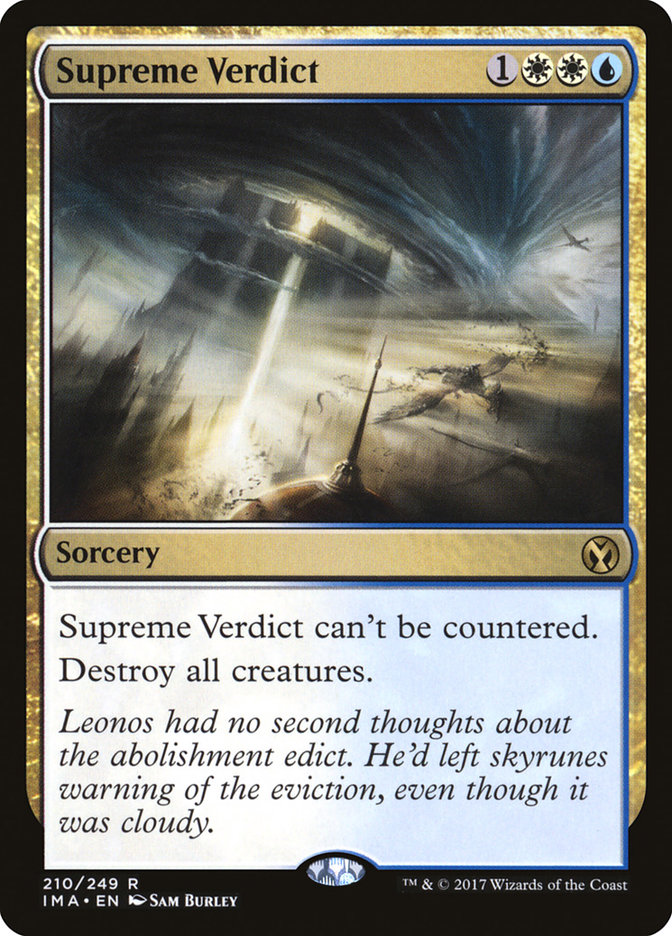
What if your opponent couldn’t stop your Wrath of God? You’d have Supreme Verdict. It’s an incredibly efficient board wipe since it’s on rate and can’t be properly countered.
#2. Yorion, Sky Nomad
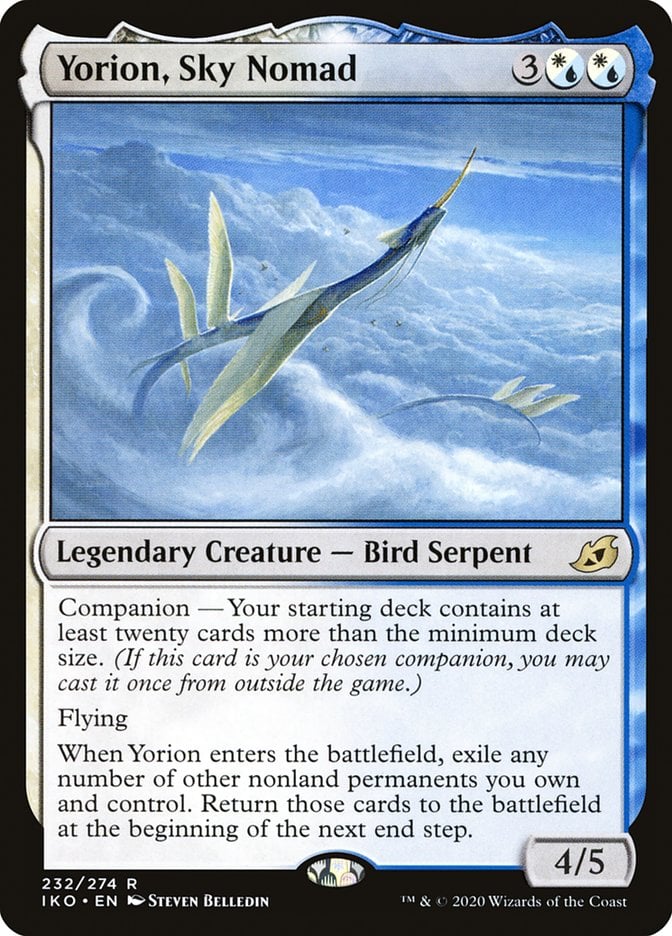
The companion mechanic is one of the most broken we’ve ever seen. Yorion, Sky Nomad had a massive impact on many formats, to the point some Modern decks still court that 80-card list. The sheer value represented by a 5-mana 4/5 flier that gives you your best ETBs all over again is more than some formats can handle, which is why Yorion has a healthy number of spots on the ban lists.
#1. Teferi, Time Raveler
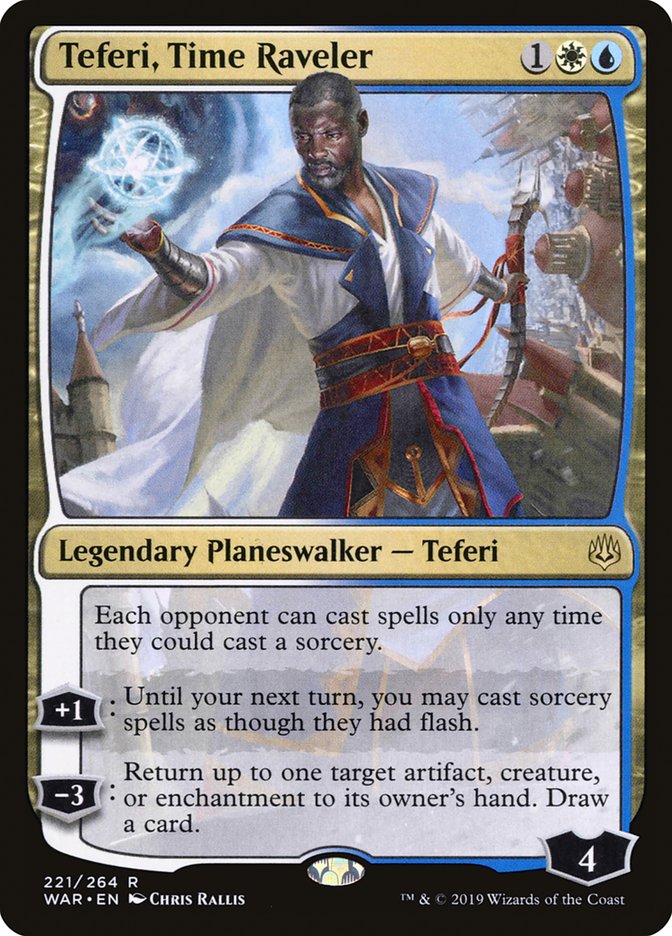
Teferi, Time Raveler might be the most obnoxious planeswalker ever printed, which is an impressive achievement since it goes up against whoppers like Oko, Thief of Crowns and Narset, Parter of Veils. On top of blanking countermagic and disrupting any strategy relying on early permanents, entire decks can get shut off by Teferi’s passive. Depending on your strategy, this is a one-card prison piece.
Best Azorius Card Payoffs
The best Azorius payoffs are cards that reward you for playing a long game.
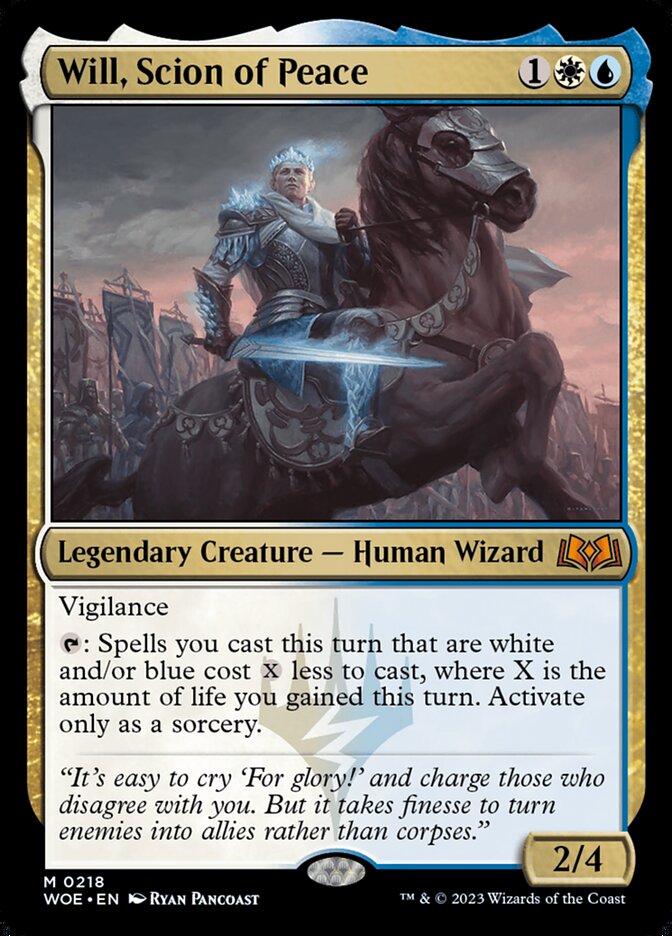
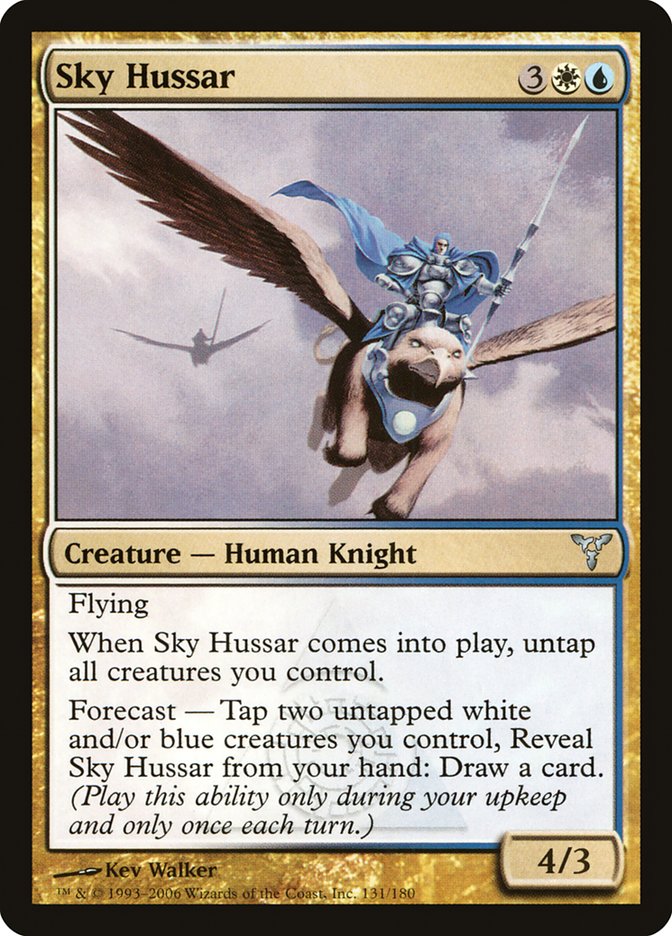
You’ll recognize Grand Arbiter Augustin IV as an Azorious legend forces everyone onto a schedule that benefits you. Will, Scion of Peace is a much more fair cost reducer in that you need to gain life, which already pats you on the back for extending the game. Sky Hussar goes infinite with plenty of cards, one of the simplest gets you infinite mana with Eldrazi Displacer and dorks that tap for at least , one of which is a colorless mana.
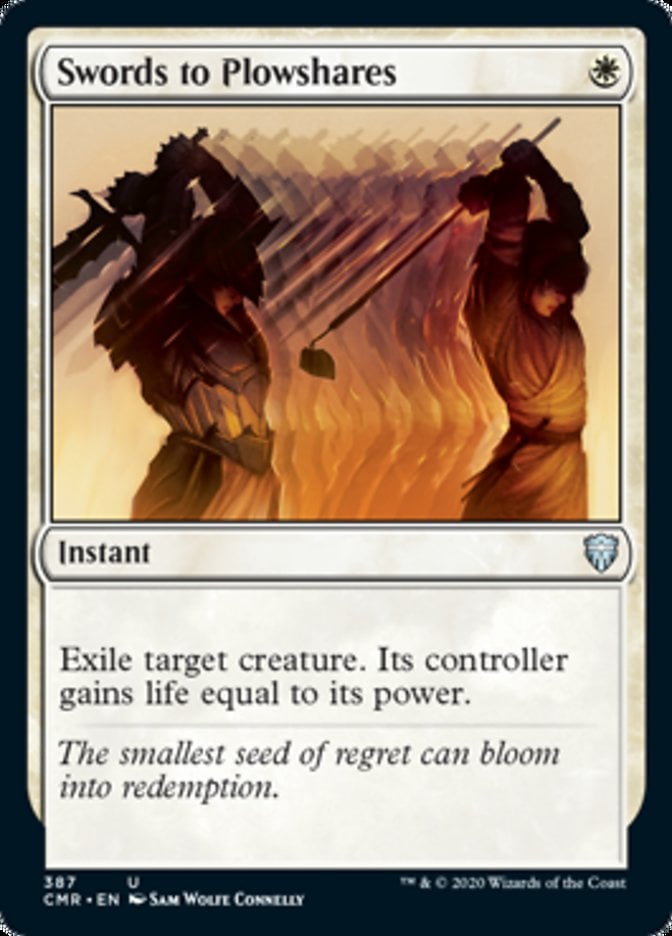
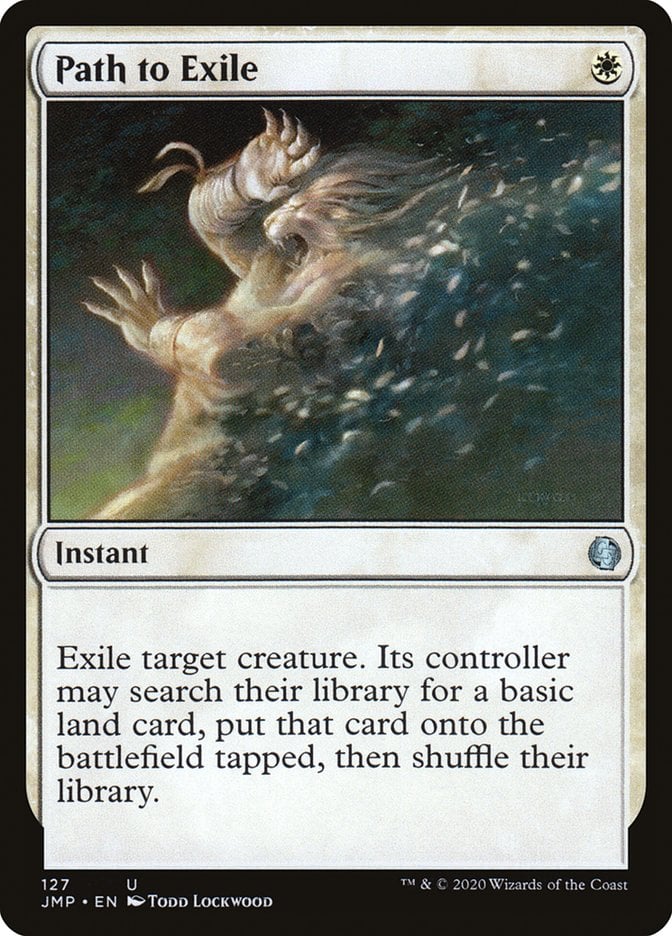
White’s got ample removal to help back up Azorius’s gameplan, like Swords to Plowshares and Path to Exile. Blue helps out with countermagic and card draw – a combination that’s led to many a control brew.
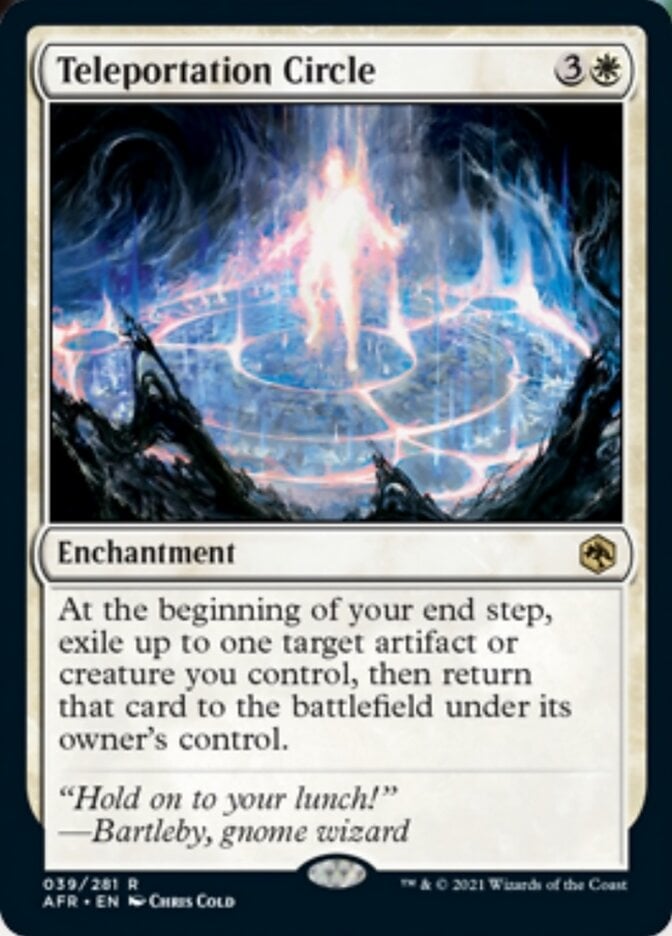
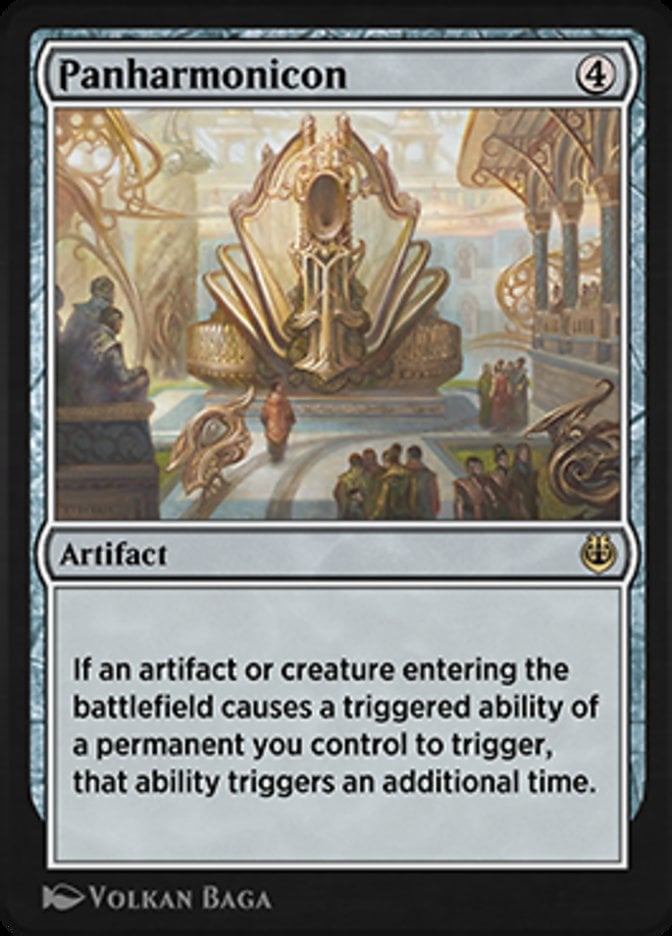
If you want to keep your deck creature-focused, lean towards flicker or ETB strategies. These utilize cards like Cloudblazer and Reflector Mage alongside cards that flicker them, like Teleportation Circle and other value engines like Panharmonicon to gradually overtake the opponent with value.
What Is Azorius Good at in Magic?
Azorius excels at control. White and blue are both very orderly colors. White believes a structured world is a peaceful one, but that peace must be enforced and the unpeaceful detained or pacified. Blue craves knowledge, and structure is key to research. Blue mages also care about control and proving themselves the smartest, and their primary method of defending themselves is by outthinking the opponent – represented in-game with countermagic that proves they held the answer before the opponent considered the threat, and card advantage that symbolizes how much the blue mage has studied.
These mingle in a super-controlling color pair. Another approach to Azorius is with the flicker decks mentioned a few times. These can be seen through the lens of white’s small creatures seeking unity with blue’s knowledge making them stronger; cards like Reflector Mage and Spell Queller grasp this combination.
Wrap Up
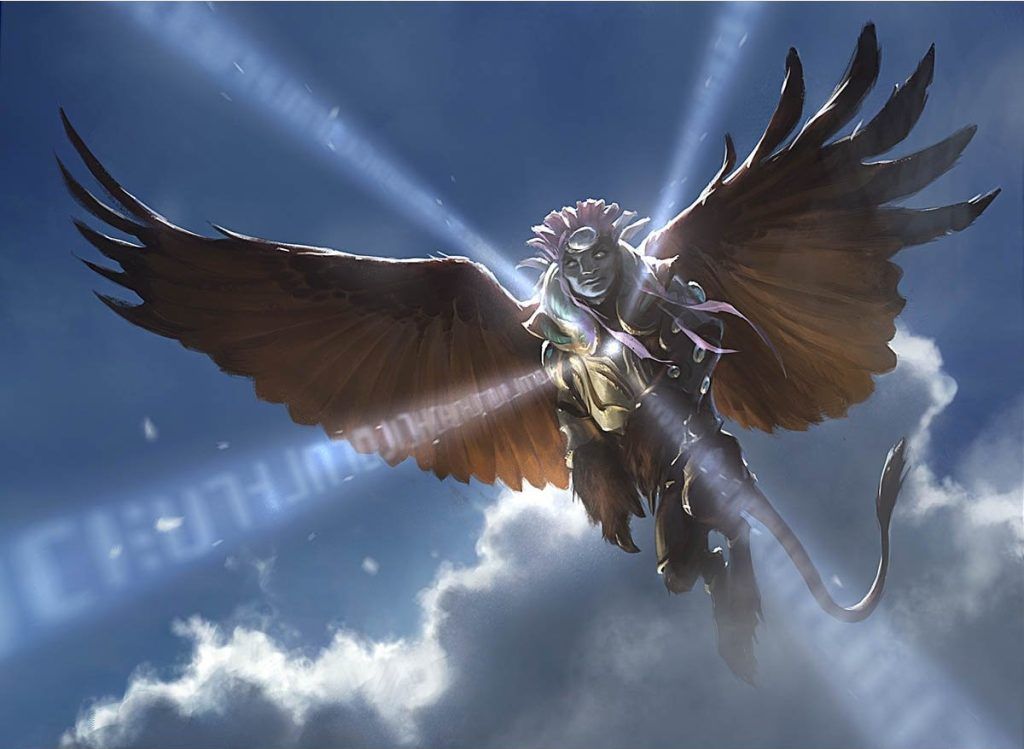
Sphinx's Revelation | Illustration by Slawomir Maniak
I’m a control mage, so I feel a special affinity for Azorius as a color pair. Some of my favorite decks have been different flavors of WU control, so exploring the ins and outs of the color pair has been a lot of fun.
Azorius is primarily the color of control, but it can do quite a bit more with creatures. You can check out the best cards in other color pairs as well: Boros, Selesnya, Gruul, Orzhov, Izzet, Golgari, Dimir, Simic, Rakdos.
What’s your favorite Azorius deck? What’s your favorite color pair? Let me know in the comments or on the Draftsim Discord!
Stay safe, and control the skies!
Follow Draftsim for awesome articles and set updates:










Add Comment