
Last updated on February 28, 2025

Akroma, Angel of Wrath | Illustration by Terese Nielsen
Magic's Head Designer Mark Rosewater gave a presentation last weekend, during MagicCon Chicago, where he shared the top 20 most influential MTG card designs. And luckily for everybody that couldn't attend, Magic's official YouTube channel has just uploaded the full presentation:
The hour-long video is well worth watching in its entirety, but for those short on time here's Rosewater's Top 20:

Source: Magic: The Gathering official YouTube channel
Rosewater went into brief detail about why he chose the cards he did, laying out some criteria for what kinds of cards were eligible for the list, and ultimately sharing some fun and inciteful design stories about cards from Magic's history.
Rules of the Ranking

First and foremost, Rosewater makes abundantly clear that these are all his personal picks, and makes no attempt to be unbiased – even though, he's happy to admit he was wrong about some of these cards during the design phase.
And for this ranking in particular, “influential” means cards that were popular, impactful, and that made WotC go “Whoa, we should probably try this again!”
Many of these cards brought something brand-new to the MTG table, but that's not always true: Cards on this list, according to Mark, were popular and influenced future designs, but were not necessarily the first of their kind.
In other words, these are the cards that put the effect on the map, even if in some cases older cards had already gotten there.
Short Card Text that Makes You Go “Whoa!”
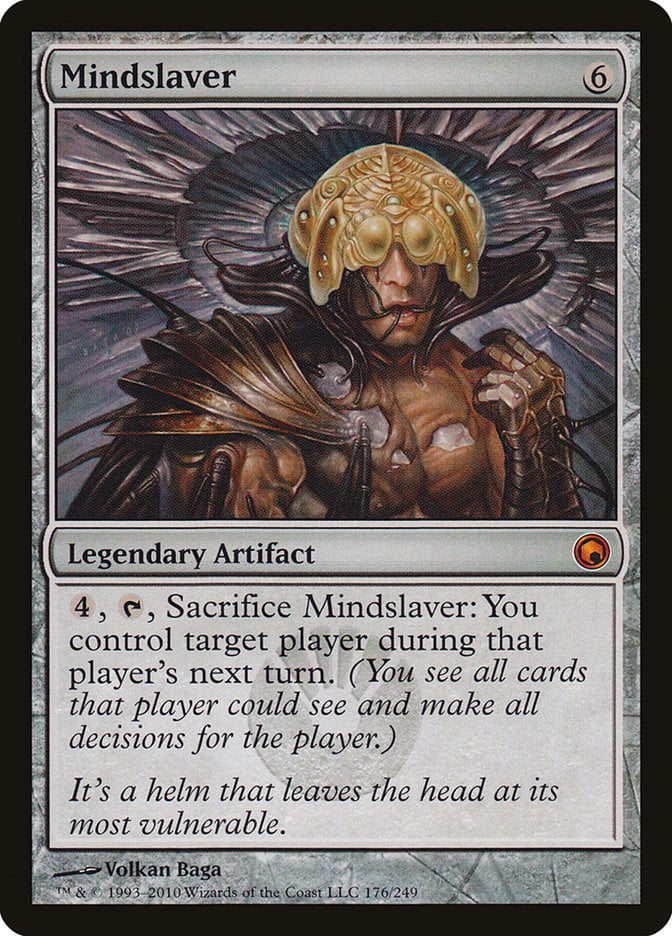
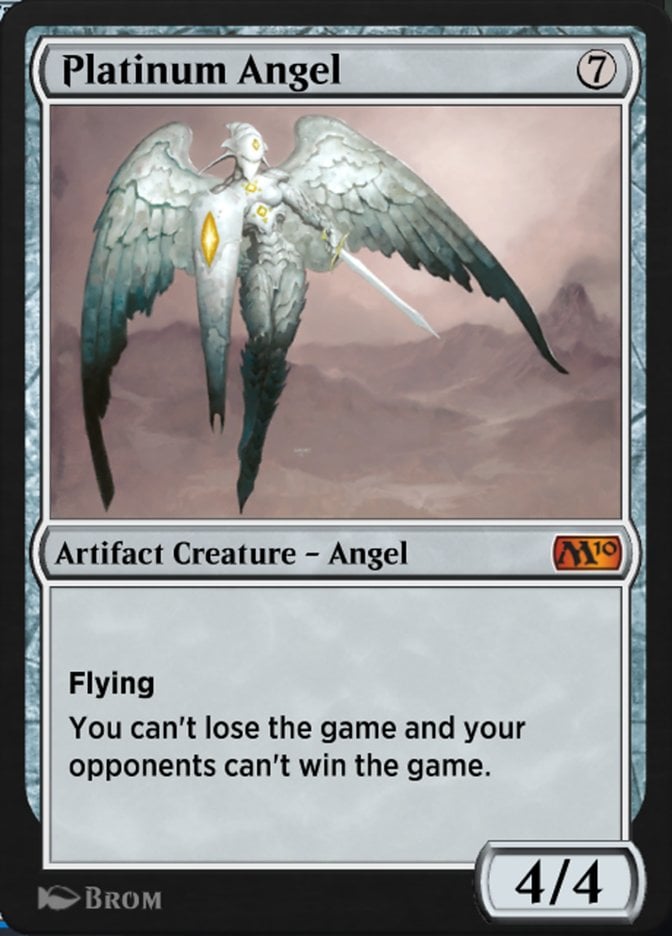
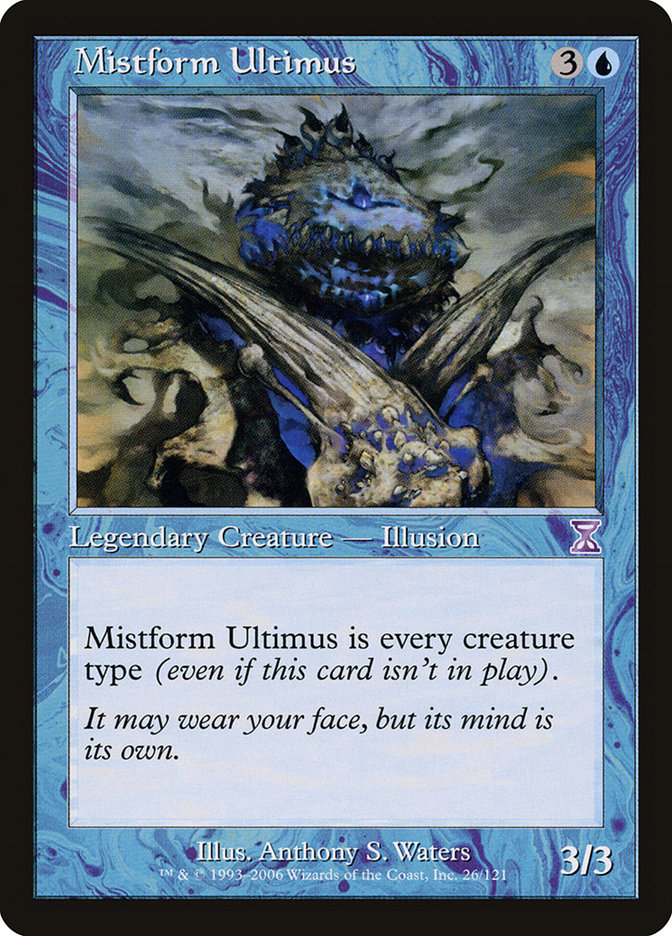
Mark ranks these three cards separately (and, as we'll see, they all impacted MTG differently), but there's a common thread to all of them, and many other cards in this list: They all have short, clear text that nevertheless makes players read them again while while muttering, “Wait, it really does that!?”
Take for example Time Stop, one of the cards influenced by Mindslaver (ranked #20).
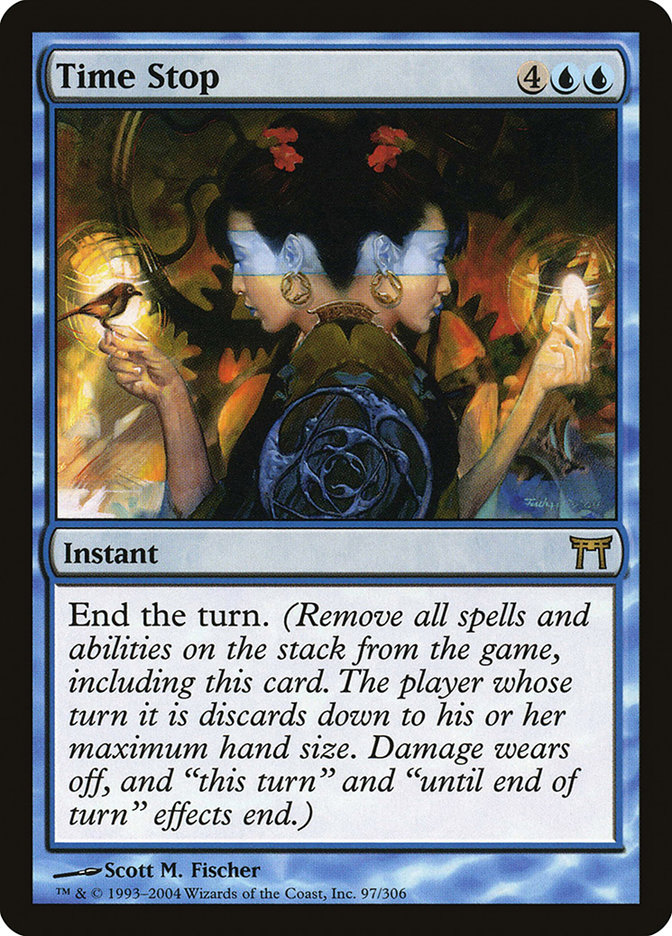
Time Stop does something completely different than Mindslaver, but both share a very similar punch: short, cool text that on the one hand is very simple to parse in a vacuum (“End the turn” is as simple as it gets!), but on the other hand makes the card stand out.
Platinum Angel (ranked #10) and Mistform Ultimus (ranked #9) are two other cards with short, powerful text. Mistform Ultimus showcases the power of “all” in card design (all names, all colors, all creature types) that would also expand things to “everywhere” (not only in your hand, in your graveyard, on the stack).
The Power of “Or”
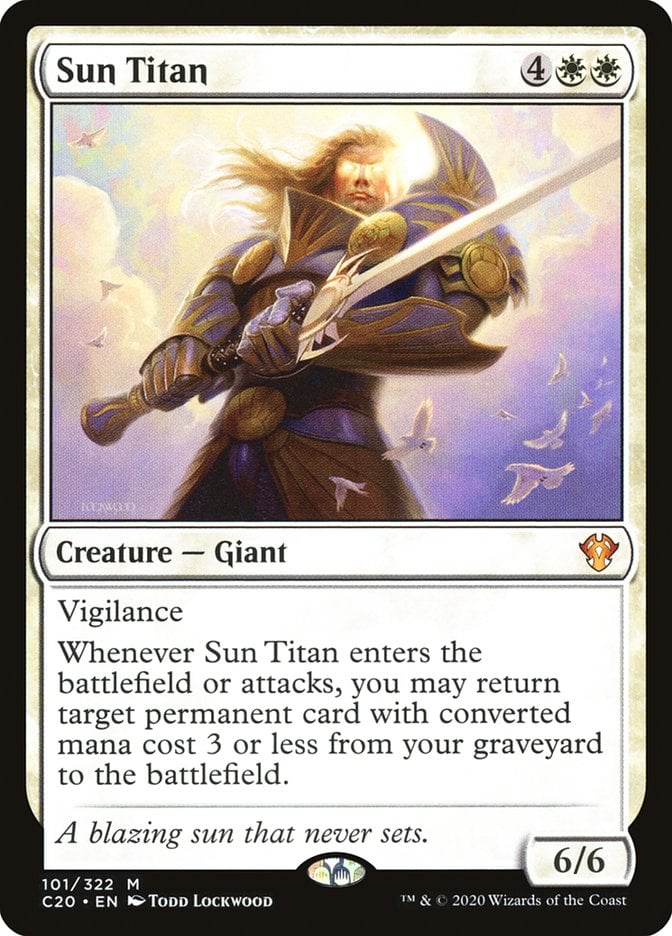
The cycle of M11 Titans – 6/6 monocolor giants that cost 6 mana, like Sun Titan – are another example of the power of simplicity. Magic already had ETB creatures (like Nekrataal); triggering Titans when entering or when attacking make them a whole lot scarier.
Life or Death
Some of Mark's picks have become so common that it seems they were born with Magic, but in reality they took some time to develop.
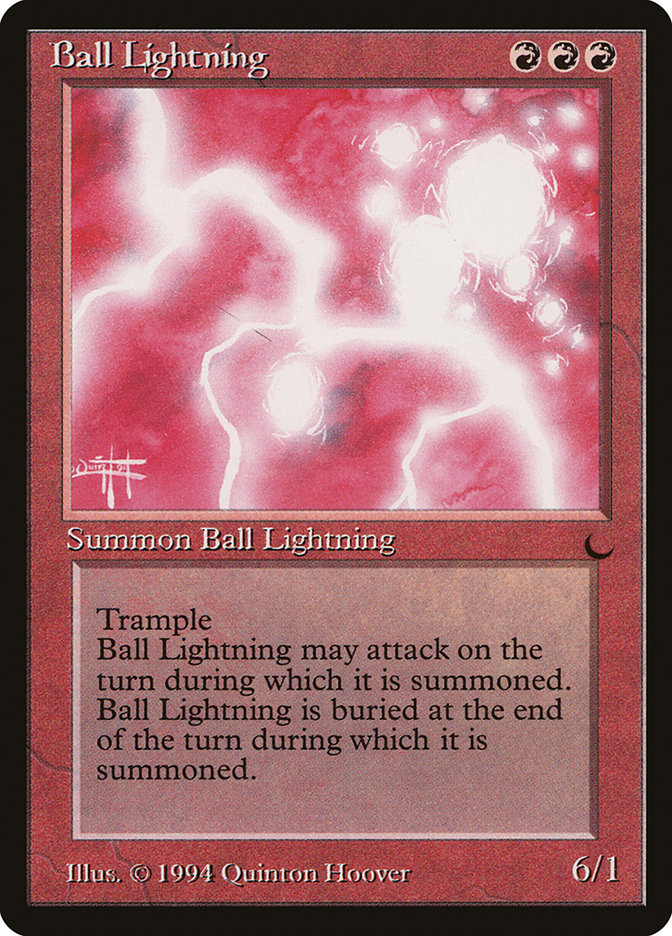
Ball Lightning rolled several effects that already existed (direct damage and haste) into a single package. We owe to it the more than 400 red creatures with haste that currently exist, further cementing red as Magic's “Be Quick, or Be Dead” color. And it also inspired Heat Shimmers; that is to say, creating clone tokens that are gone by the end of combat, or end of turn.

Ajani's Pridemate is the original “lifegain and +1/+1 counter synergy.” It was inspired by another card from Lorwyn, Ajani Goldmane, that can either gain you life or put counters on a creature – Ajani's Pridemate combined both in a neat payoff package.
Fact or Fiction

Rosewater's remarks about Fact or Fiction involve Randy Buehler, at the time recently crowned champion of Pro Tour Chicago, who absolutely loved the design on Fact or Fiction.
The reason? Fact or Fiction is the type of card that is usually good, but becomes much better when played by experts. He specifically wanted more cards that appealed directly to Spikes.
R&D had originally priced Fact or Fiction at 5 mana; Randy dropped that to 4, specifically because he wanted it to make an impact.
Kitchen Sinks
Many cards in this ranking are Mark's own designs, or cards he championed.
Akroma, Angel of Wrath is not one of those cards.
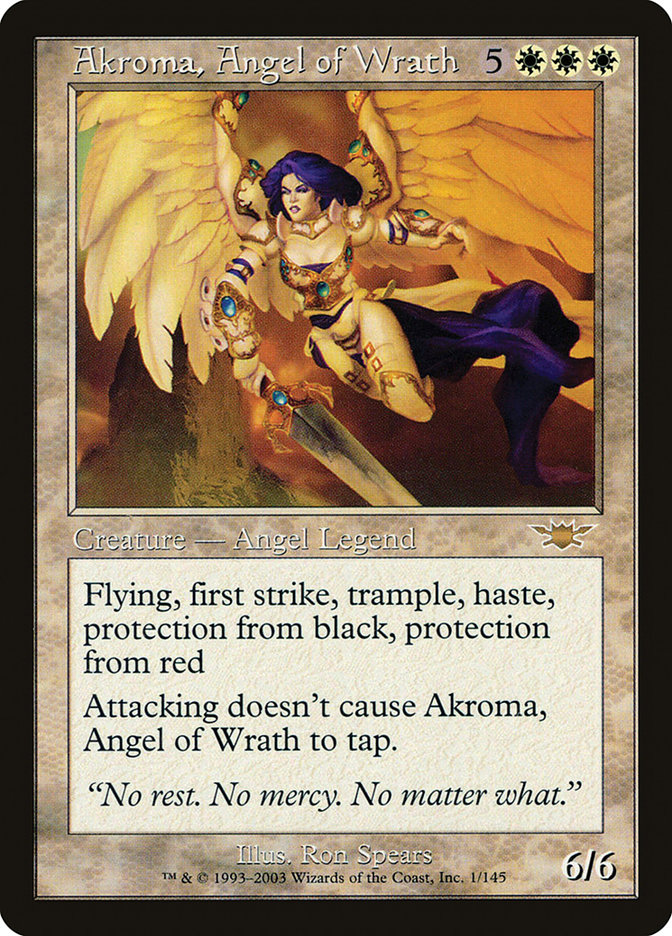
As those that follow Mark's writing already know (he has told this story many times, like for example in his Every Card Has a Story article), Akroma, Angel of Wrath is a card he was not a fan of.
“I thought the card was a bad fit for the character and was pushing hard for an Angel that couldn't die, as that was how Akroma worked in the story: a character who kills whatever she touches versus an angel who doesn't die,” he wrote in that article. “I also didn't like the creature having haste, as that isn't an ability white is ever supposed to have.”

He obviously lost that fight, and Akroma then went on to be an extremely popular card – and WotC learned that “kitchen sink” designs (what some players call “keyword soup”) can be a smash hit.
Tokens, So Many Tokens
There are two cards in this ranking that were designed by some obscure designer called Richard (Garfield). One is Plague Rats, which was a real menace back when Magic's deckbuilding rules didn't request a max of four copies per card.
The other was the Mother of All Tokens: The Hive.
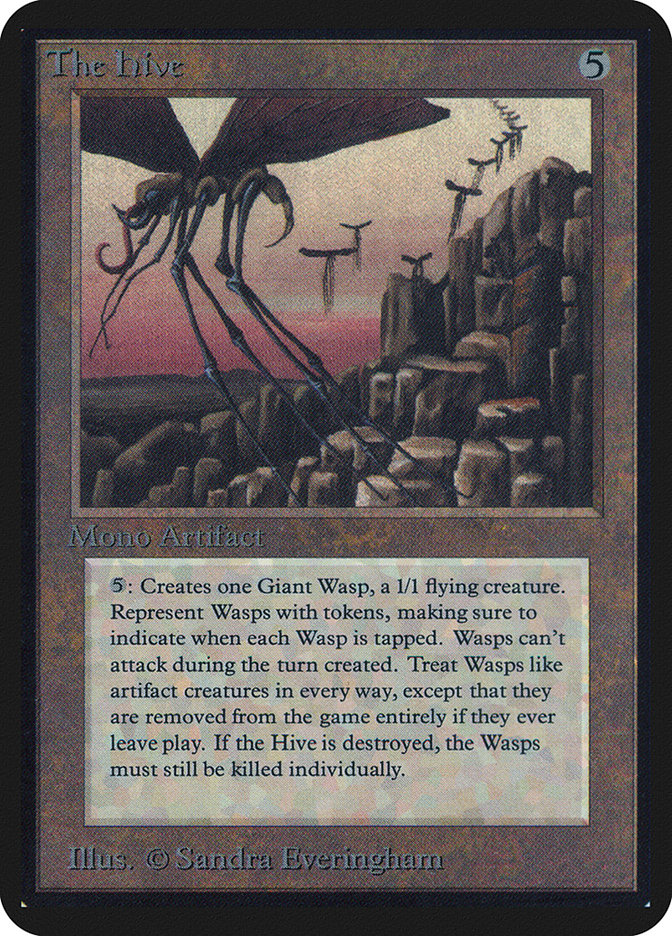
The Hive was the first card that created tokens, an amazing tool that Magic now uses all the time: There are around 2,800 token-spawning cards in MTG, and we keep getting more each set!
Double or Nothing

It's no secret, and Mark makes not attempt to hide that he loves doubling effects. So much so that there's two in the ranking, Panharmonicon and Doubling Season. And, as keen-eyed redditors have noted, ranked #1 and #11… double “1”!
In Mark's defense, though, a ton of players clearly share his love for doubling things. Doubling Season has been reprinted a ton of times, including being inducted into Foundations; it doesn't see high-level competitive play; yet it's still a card that costs nearly $30 for the cheapest copies.
By the way, this is Mark's dream card…

… although for better or worse, it's probably not gonna get printed any time soon!
Twenty and Done
Mark's Top 20 includes several other cards, like Mirage charms (leading to modal spells), Figure of Destiny (leading to progression cards), Force of Will (forefather of one of Magic's most broken mechanics, free spells), shock lands, and creature lands. If you have the time and are interested in how Magic is cooked, do set aside an hour and watch Mark Rosewater's Top 20 Most Influential Card Designs | MagicCon: Chicago!
Follow Draftsim for awesome articles and set updates:









Add Comment