
Last updated on March 12, 2025

Lord of the Pit | Illustration by Chippy
Near-mint copies of the Revised Edition Lord of the Pits have gone up in price sharply, after what looks like a buyout at the end of February. After trading at about $3 for years, this Magic classic jumped to nearly $20 by the beginning of March, according to MTGStocks, and the few near-mint copies currently available on TCGplayer are priced in the $11-$20 range.

Source: MTGStocks – Lord of the Pit, Revised Edition.
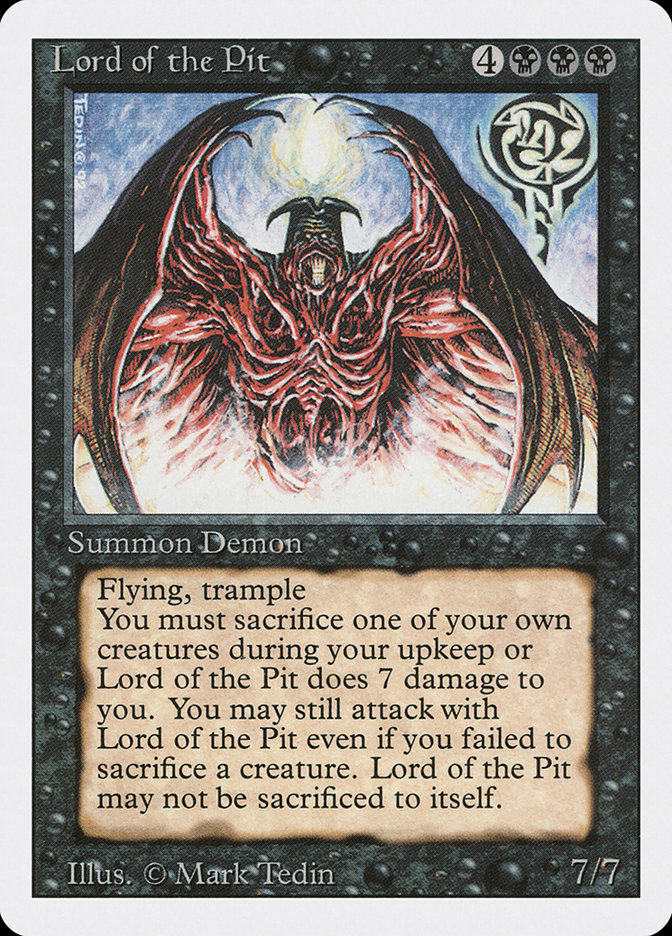
This is a somewhat odd price spike, though, as it’s restricted to Revised Edition copies. Near-mint copies of Fourth Edition and Fifth Edition versions – which are also white-bordered, and have the same art – remain below $1.
A Rather Weird Spike
Kuro, Pitlord | Illustration by Jon Foster
Lord of the Pit is a rare black creature, originally printed in Alpha. Although it’s arguably among the most iconic MTG creatures that every Magic player has heard about, it has absolutely no competitive pedigree. It has never performed at tournaments, and it has an extremely low play rate in Commander. A recent reddit thread has even featured it as the sort of card for Bracket 1 decks – the lowest power level in the EDH format.
And it’s a card that has been reprinted quite a lot; as noted, 4th and 5th edition cards are easy to come by and cost less than a buck.
In this case, Lord of the Pit‘s spike seems clearly connected to a buyout that specifically targeted the Revised version:

Source: TCGplayer – Lord of the Pit (3ED), Near Mint
On Feb 21, 34 near-mint copies were sold and dried up the market. You can still get damaged, heavily played, or moderately played copies for $1-$2, but current prices jump to above $11 for copies in decent to good condition.

Source: TCGplayer – Lord of the Pit (3ED), Near Mint
The Shivan Dragon Buyout
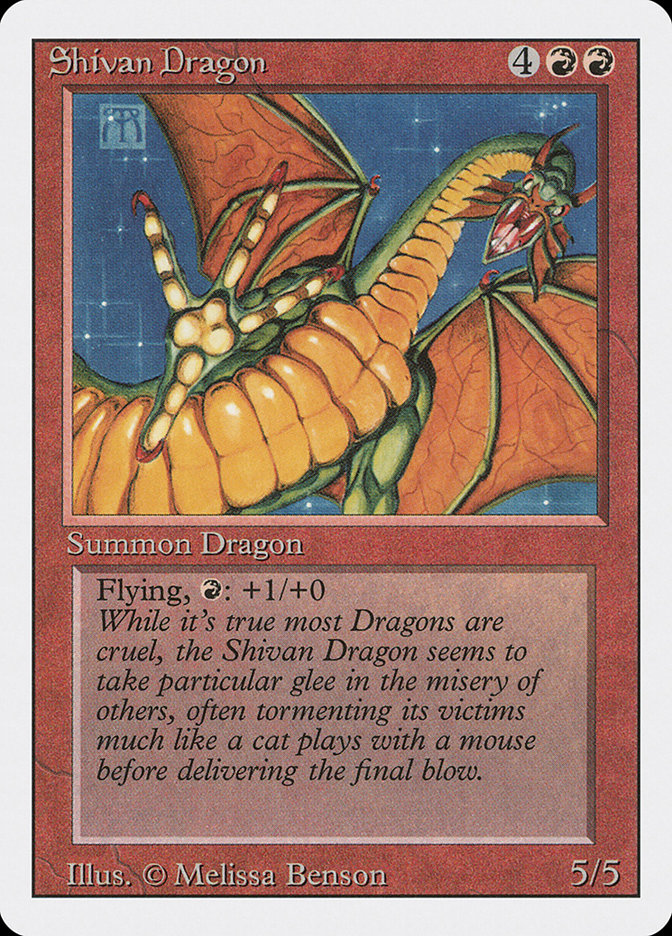
Something very similar has happened to another iconic Magic creature, Shivan Dragon.
In late February, there was a buyout specifically targeting near mint and lightly played Revised copies of the famous dragon.

Source: TCGplayer – Shivan Dragon (3ED), Near Mint
Redditors noted the Shivan buyout at the time, but largely dismissed it as a fluke. Yet Shivan Dragon‘s price has kept up since then, with copies currently listed on TCGplayer at around $80 for near mint versions.

Source: TCGplayer – Shivan Dragon (3ED), Near Mint
It’s the same pattern as with Lord of the Pit: You can get Revised copies if you settle for damaged or heavily-played cards; or you can get reprints from 4th or 5th Ed (again with the same art, and white borders).
But if you specifically want a near-mint Revised version, the price has gone up.
Why Are the Revised Versions Spiking?

Overlord of the Floodpits | Illustration by Abz J Harding
This is, again, hard to ascertain. There are very clear signs that there was a buyout, but there doesn’t seem to be a clear reason for why players would prefer this particular version.
The Revised set, released in April 1994, is a core set in Magic: The Gathering, known for being the first to “rotate” cards out and introduce changes like the tap symbol. But, old as it is, Revised cards don’t command the huge prices among collectors that Alpha or Beta cards do (for comparison, an Alpha Lord of the Pit costs well over $1,000).
Revised cards did become more sought after in recent years due to nostalgic, “Old School” formats that limit the card pool to the first few Magic sets, Revised included. For example, around seven years ago Sedge Troll’s price went up more than 20 times given its popularity in those formats. But nothing connected to this Old School revival explains these sudden spikes, other that the buyout shown in the charts.
As seen from how prices have kept up after the buyouts, though, there certainly seems to be buyers, be it for competitive or nostalgic reasons.
Follow Draftsim for awesome articles and set updates:









Add Comment