
Last updated on May 28, 2024
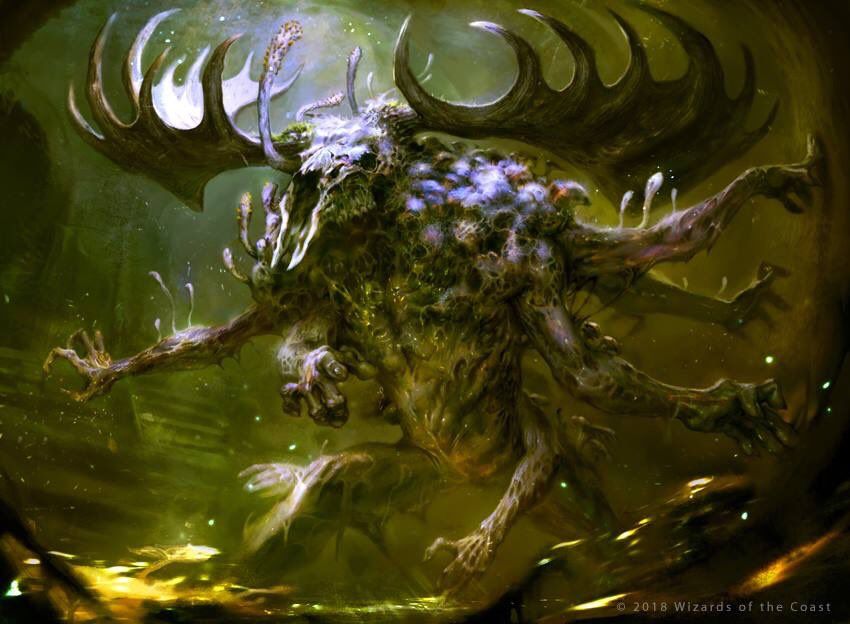
Lotleth Giant | Illustration by Alex Konstad
The city of Ravnica is an integral part of Magic history, and with each new Ravnica set comes a new batch of guild mechanics tied to each of the 2-color pairs.
The Golgari guild made their debut with the horrifically broken dredge mechanic in Ravnica: City of Guilds. The much tamer scavenge mechanic was used in their second appearance from Return to Ravnica and Dragon’s Maze. And most recently, we saw the Golgari swarm sporting the undergrowth mechanic in Guilds of Ravnica.
Undergrowth managed to capture the graveyard-oriented themes of the guild, but it failed to inspire that many interesting card designs. Let’s take a trip to the undercity of Ravnica and see what undergrowth has to offer.
What Is Undergrowth in MTG?
Rhizome Lurcher | Illustration by Mathias Kollros
Undergrowth is an ability word that grants a bonus depending on the number of creature cards in your graveyard. It usually appears on creatures and adds power and toughness to the board, either temporarily or permanently, with a few undergrowth cards having slightly different effects.
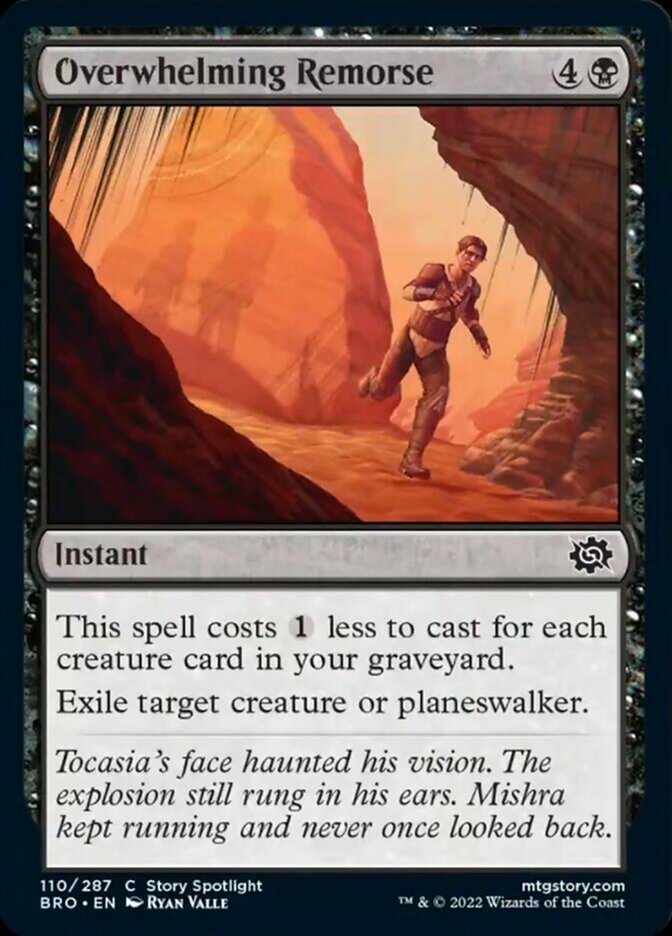
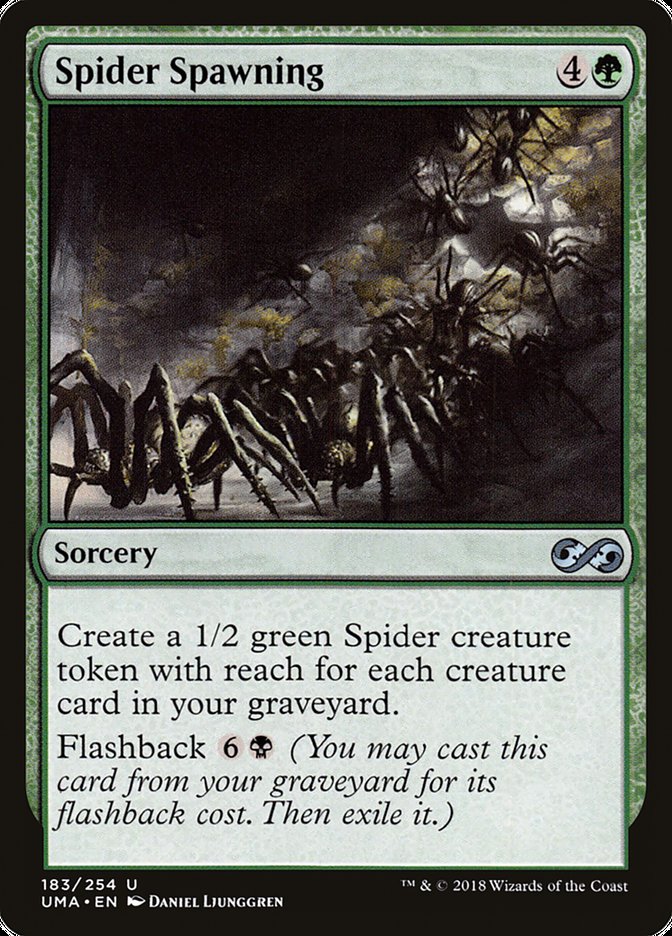
The mechanic was linked directly to the Golgari guild in Guilds of Ravnica, appearing on 12 green and/or black cards in the set, as well as a single card from March of the Machine: The Aftermath. Some players were disappointed to see this used as a guild mechanic, since it’s technically just an ability word that describes an effect many cards often have. For example, Overwhelming Remorse and Spider Spawning are essentially undergrowth cards without the actual ability written out.
For the purposes of this list, I’m only including cards that actually have the undergrowth ability spelled out in their card text. Speaking of which, let’s see how they fair.
Honorable Mention: Undergrowth Scavenger
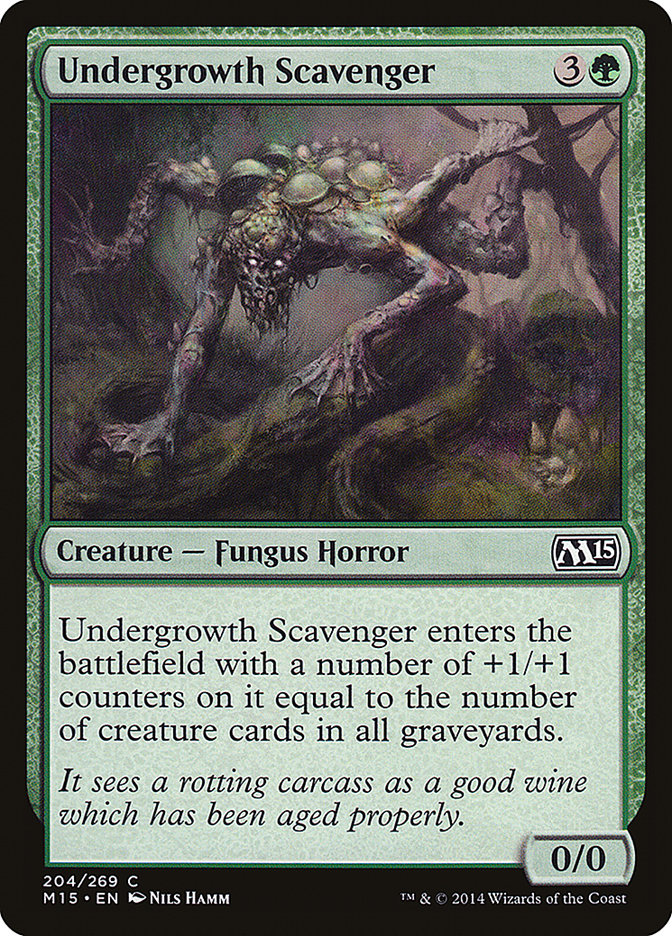
Well, it doesn’t technically have undergrowth, but I mean… come on. Undergrowth Scavenger literally has the ability in its name, with a slightly better version of the standard undergrowth effect. I wonder if this was the inspiration for the keyword?
#13. Moodmark Painter
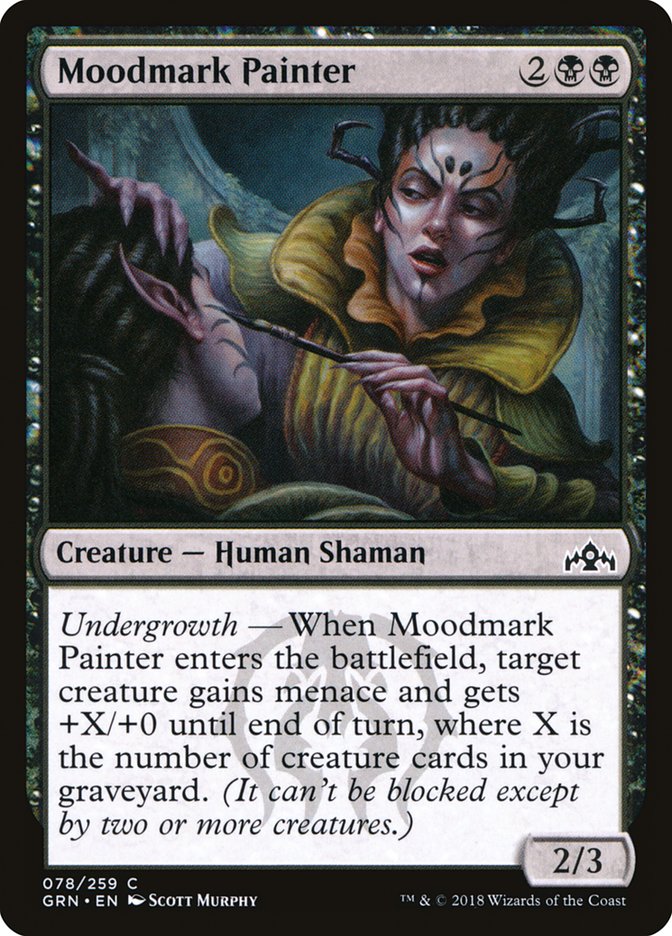
Nope, Moodmark Painter wasn’t even good in its Limited format, and we’ll see other undergrowth cards that turn their abilities into damage more effectively. This is certainly a mood, as the kids say.
#12. Rhizome Lurcher
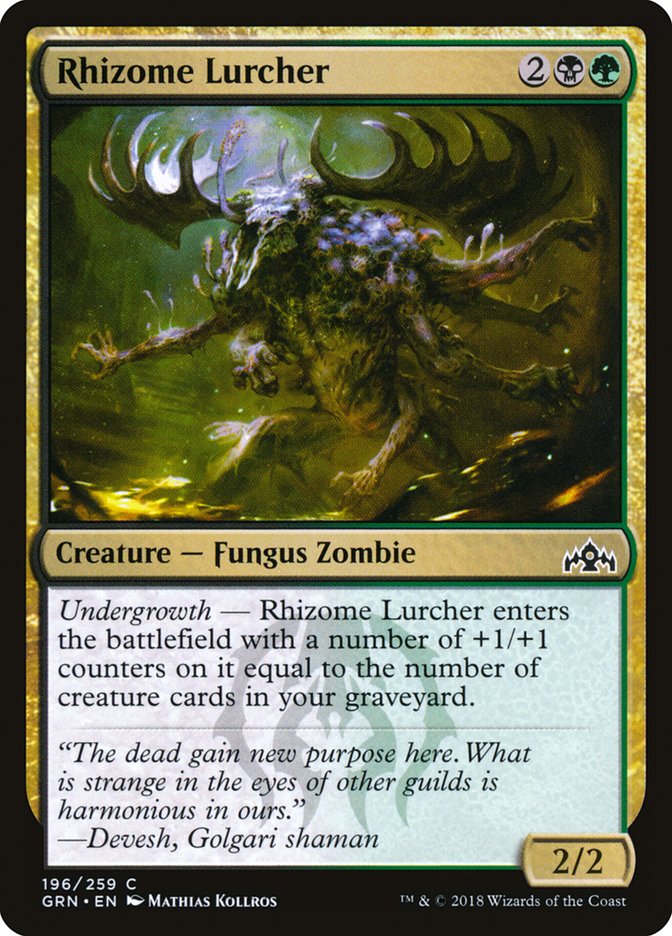
Undergrowth Scavenger, but with more colors and slightly different stats. Rhizome Lurcher isn’t worthy of a deck slot outside Limited, unless you’re trying to start debates about the pronunciation of card names.
#11. Golgari Raiders
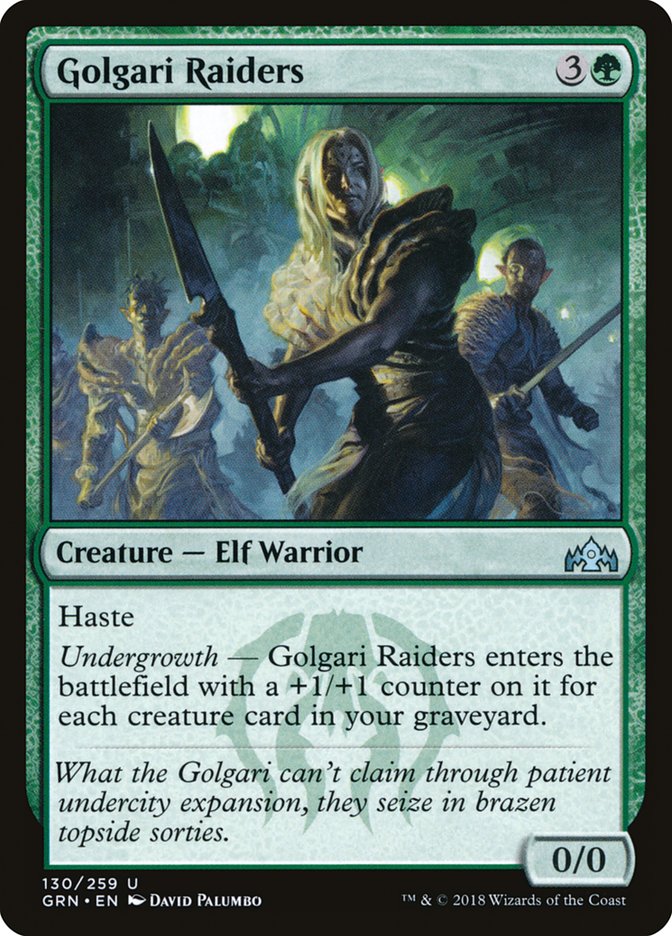
It’s debatable if haste on Golgari Raiders even makes it better than Rhizome Lurcher, given the starting power/toughness. Golgari isn’t really trying to do anything this aggressive anyway, and these two cards back-to-back reveal the short breadth of design space for undergrowth.
#10. Vigorspore Wurm
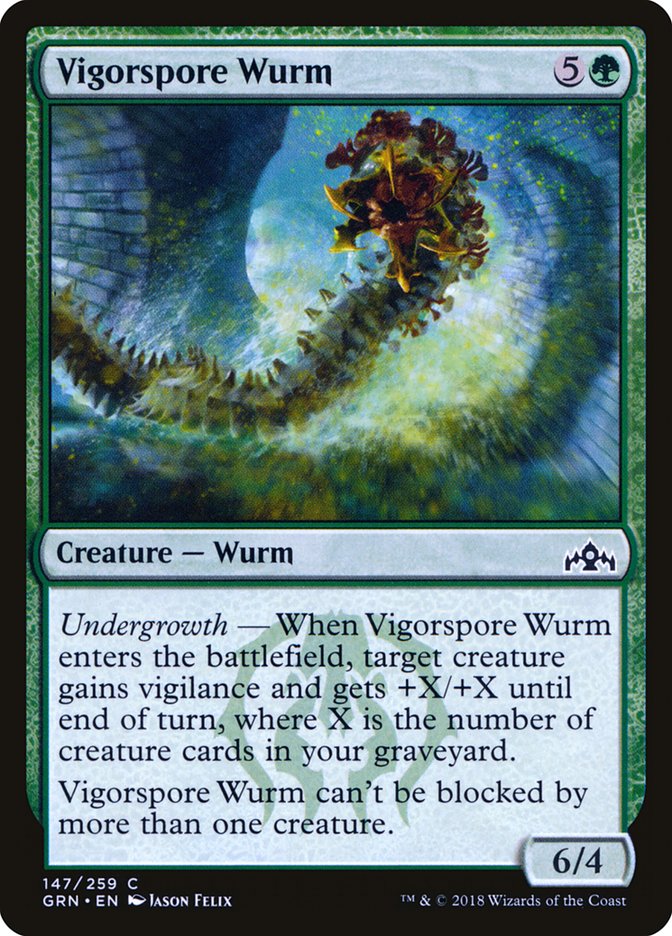
Vigorspore Wurm is basically a bigger Moodmark Painter, which isn’t saying much. I guess you could say that’s a big mood. It was fine in Limited, and it just maybe squeaks by in Baru, Wurmspeaker.
#9. Kraul Foragers
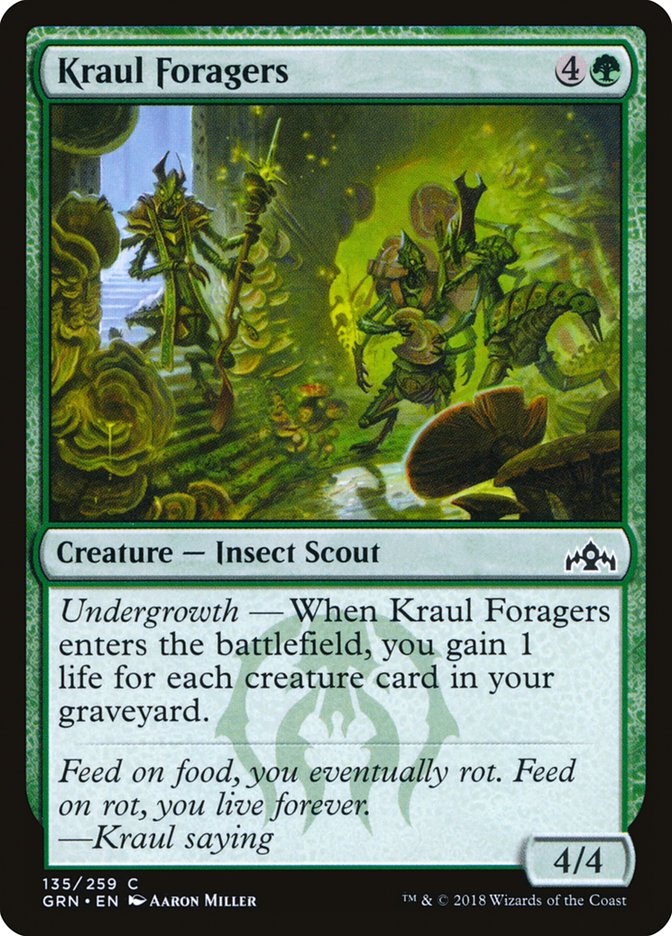
So far we’ve only seen undergrowth cards that pay you off by increasing your damage output, but Kraul Foragers reverses that by gaining life instead. It still suffers from being a permanent resident of Clunk City, which makes it hard to imagine a deck that wants this over a more powerful 5-drop.
#8. Undercity Upheaval
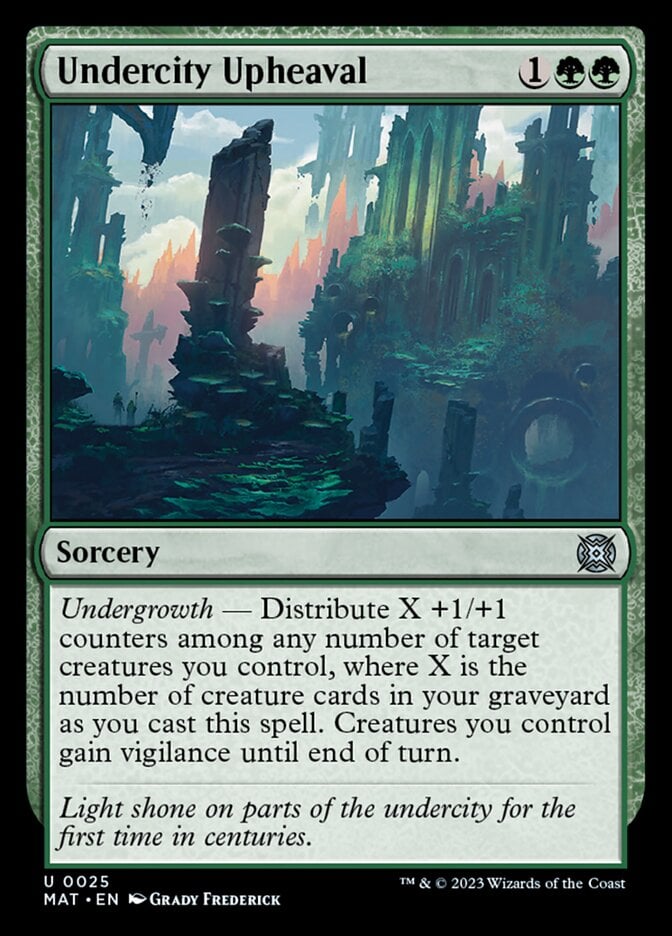
Turns out all you need to do is take Upheaval to the undercity to make it a reasonable card. Oh, and we’re back to turning undergrowth effects into damage. You can’t really fool me though, this is just Golgari Raiders, but you get to spread out the counters. It’s also questionable why the card exists in the first place, but that’s aimed towards March of the Machine: The Aftermath as a whole.
#7. Kraul Harpooner
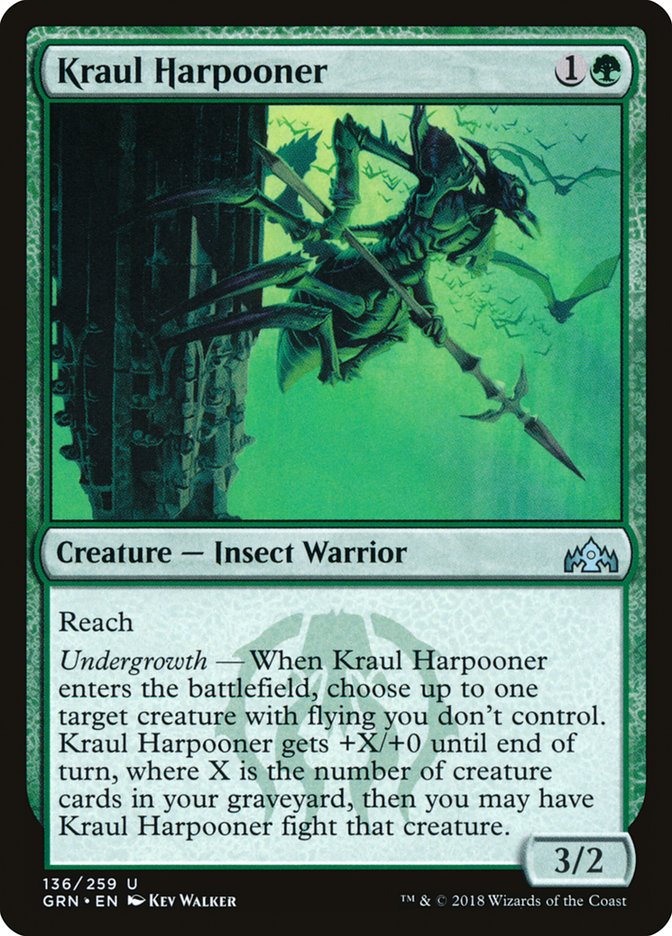
This is a transitioning point on the list where the cards actually become interesting, or in some cases good. Kraul Harpooner makes it off the back of a perfectly reasonable stat line and the modality of being a Plummet when needed. It picks of 1-power fliers like no one’s business, although the number of words used to express what this card does is obscene.
#6. Necrotic Wound
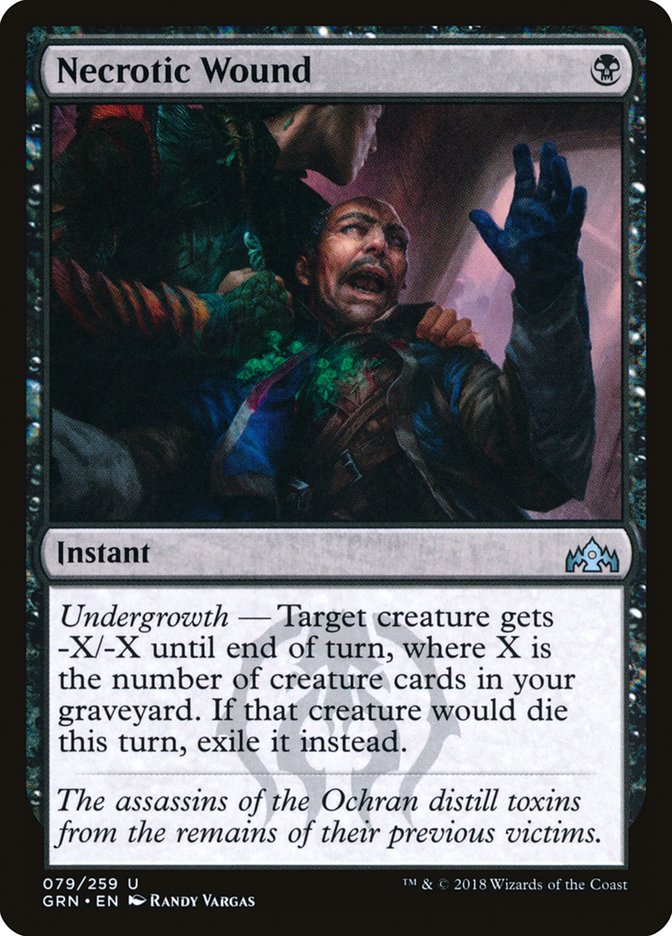
Necrotic Wound is a neat removal spell with merit, but it’s unfortunately outclassed by other options in nearly every format. Why run a removal spell that could be a complete blank or that fails against graveyard hate when you can run Fatal Push, Cut Down, or even Murderous Cut instead.
#5. Hatchery Spider
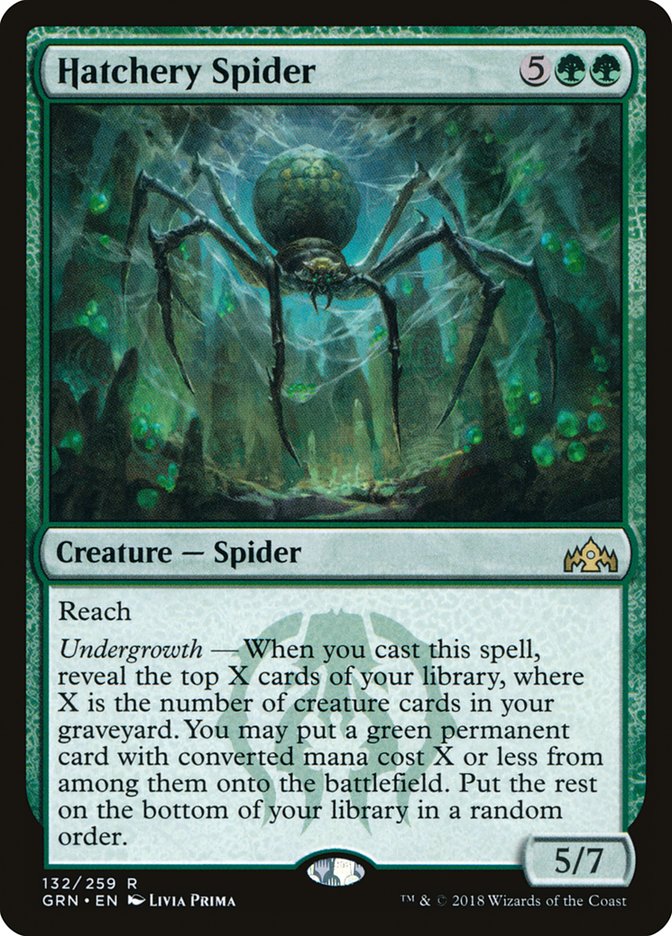
Hatchery Spider is the embodiment of “mid.” It’s not bad, but it’ll never be the best card in your deck. It’s usually a clean 2-for-1, but I’d expect that at 7 mana, and the ability can whiff even with a stocked graveyard. Thankfully Shelob, Child of Ungoliant, the best spider commander in MTG, single-handedly (eight-leggedly?) makes almost any other spider playable, so there’s a clear home for Hatchery Spider.
#4. Mausoleum Secrets
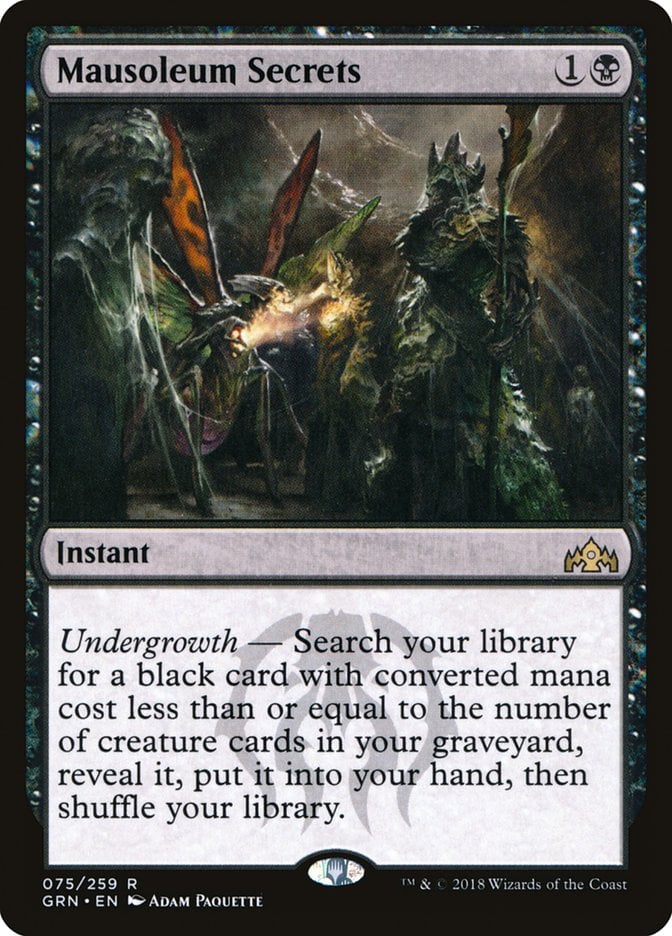
Mausoleum Secrets didn’t live up to the predicted hype, and it’s not really in the conversation with the best black tutors. I can see it as a budget alternative to Demonic Tutor and friends, though you have to do some work before it gets the cards you really want to get and you’re limited to searching up black cards only.
#3. Molderhulk
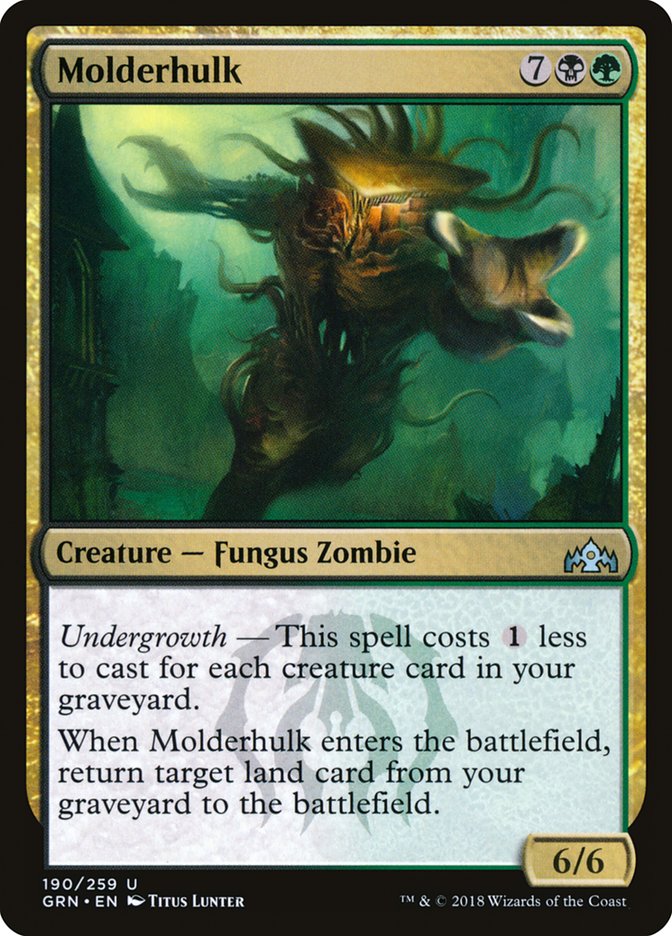
Molderhulk is probably the most unique undergrowth card, since the payoff or regrowing a land is different than the effects of most of the others. It’s actually a real reward for filling up your graveyard, allowing you to dump an over-stated creature into play and get some value off the ETB trigger. It saw a little bit of Standard play alongside Memorial to Folly, and it’s an option for lands matter decks in EDH, like Soul of Windgrace or The Gitrog Monster.
#2. Lotleth Giant
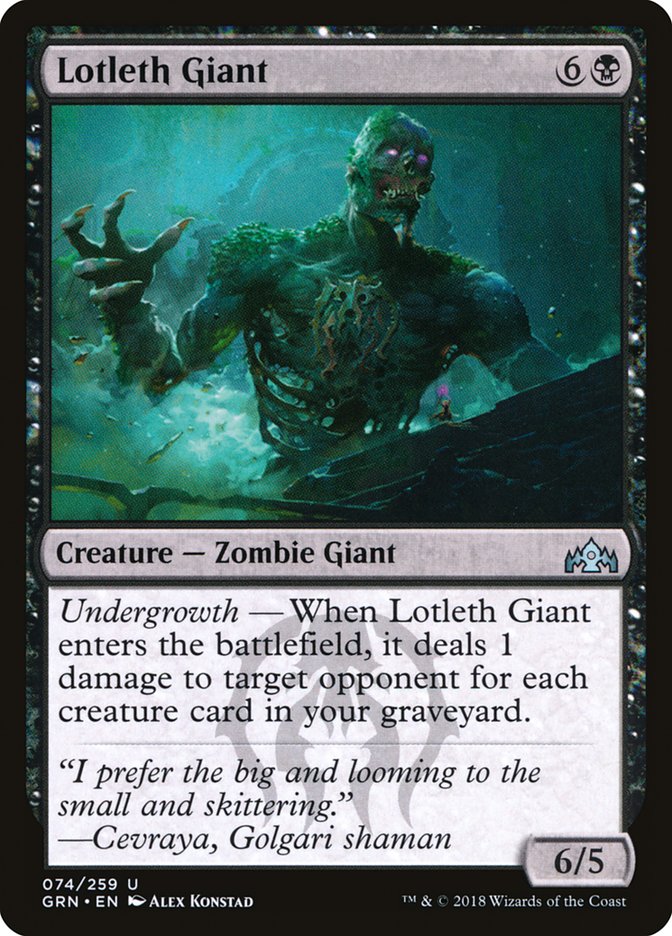
Oh, look, an undergrowth card that turns creatures in your graveyard into damage. What a treat. Lotleth Giant chumps all the other versions of this effect simply by dealing the damage immediately, instead of filtering it through an easy-to-remove creature that needs to connect in combat. In fact, Lotleth can deal massive chunks of damage on ETB, and its recent rarity downshift in Commander Masters has made it a fearsome addition to Pauper.
#1. Izoni, Thousand-Eyed
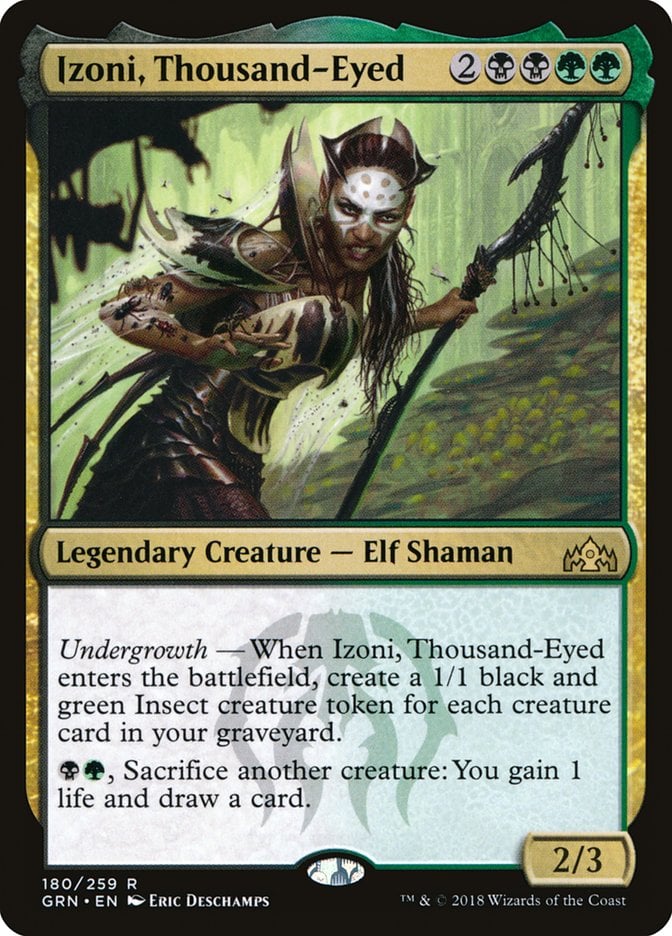
Izoni, Thousand-Eyed has seen more play than any other undergrowth card by virtue of being legendary. As a commander, it can be quite the payoff for turbo-milling and stocking up your graveyard, though it’s telling that even an Izoni deck isn’t really interested in the other undergrowth cards. It stands on its own without them, providing a sac outlet, board presence, and card draw all at once, and presumably gets better with each subsequent trip to the command zone. Be careful though, it folds like a wet paper chair to Bojuka Bog.
Best Undergrowth Payoffs
Undergrowth is inherently a payoff mechanic itself; it’s the reward you’re supposed to get for putting in the work to fill your graveyard with creatures. Whether the individual effects actually feel rewarding is a different question, and one that’s pretty easy to answer with a resounding “no.”
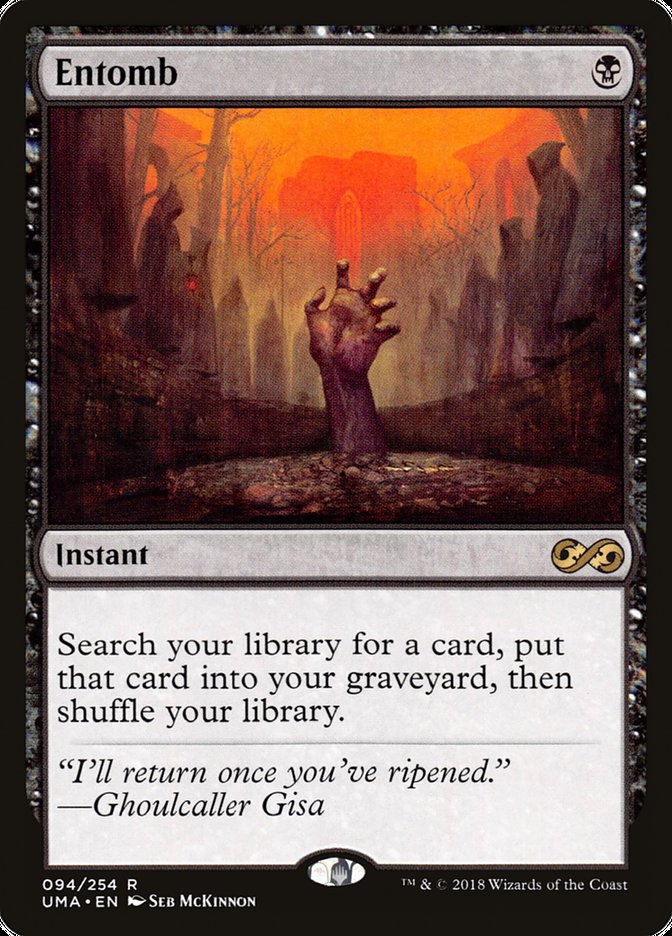
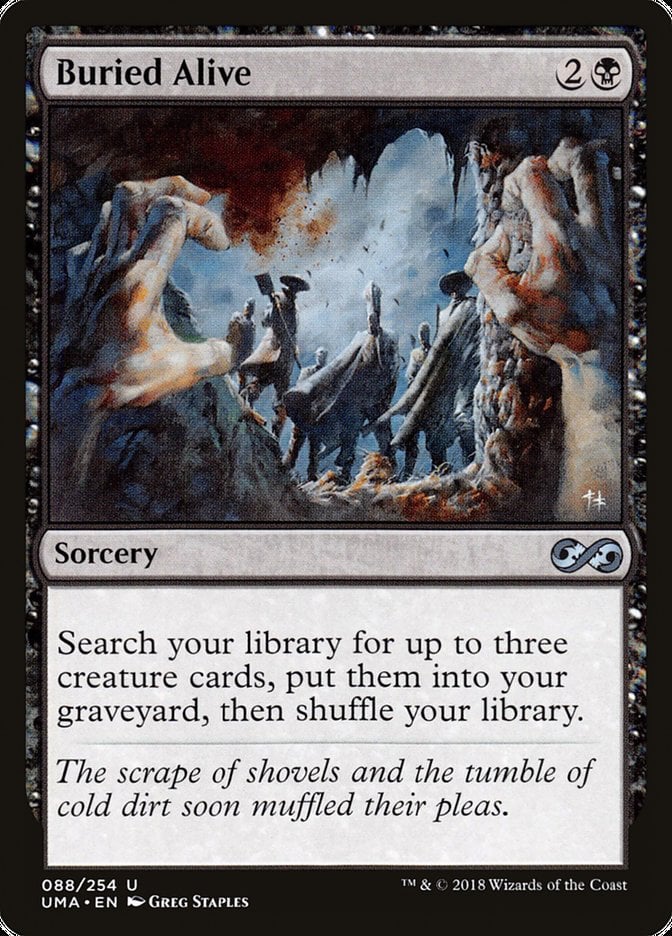
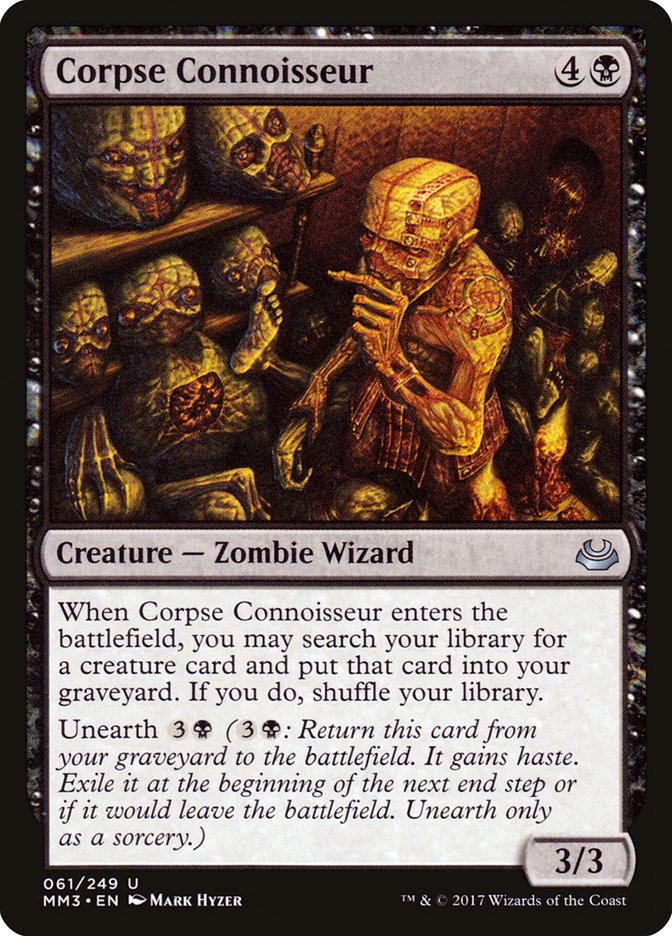
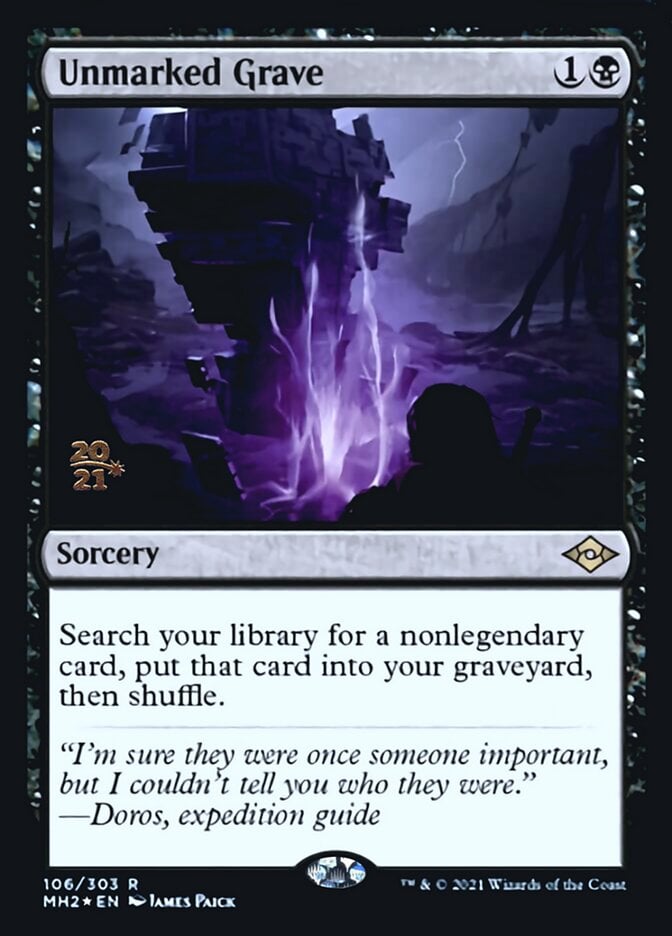
Your enablers are self-mill effects, sacrifice outlets, and Entomb effects like Buried Alive, Corpse Connoisseur, and Unmarked Grave. It’s really not hard to get creatures into your graveyard, but I’m not sure undergrowth is the best way to complement that strategy, at least not with the cards that currently exist.
Izoni, Thousand-Eyed and Lotleth Giant are realistic reasons to want undergrowth cards in your deck, but I’d need convincing before slotting the rest into an EDH deck. If you do, you should bolster your strategy with reanimation and recursion effects so that you’re not relying too heavily on just a handful of subpar undergrowth cards.
Now Leaving: The Undercity
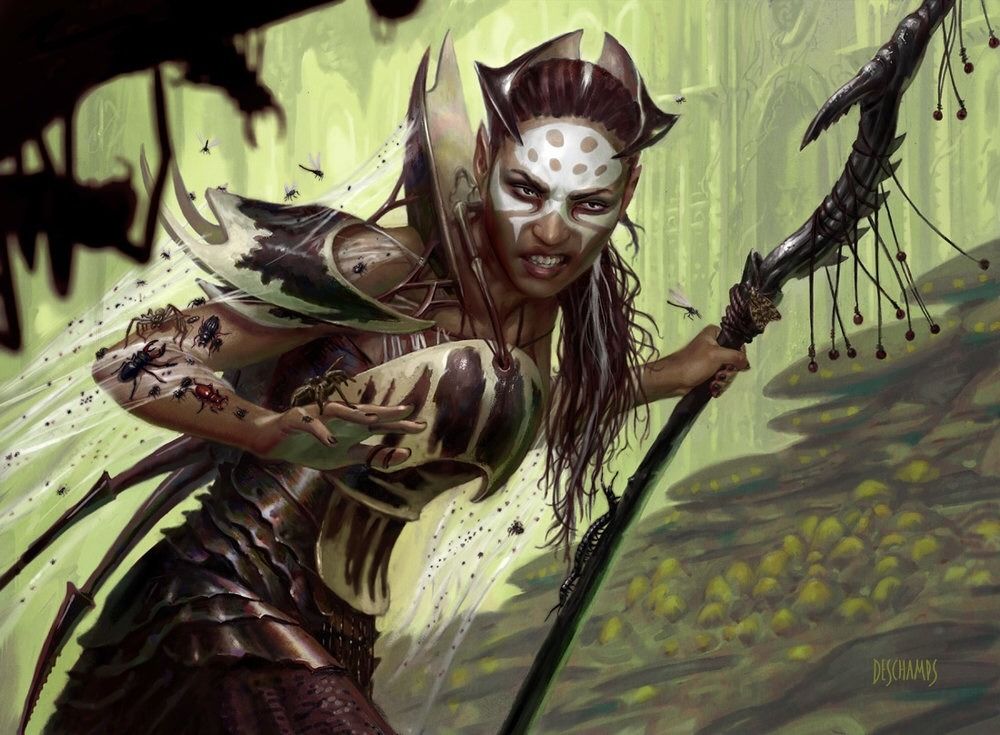
Izoni, Thousand-Eyed | Illustration by Eric Deschamps
I wouldn’t go as far as to say Wizards dropped the ball on undergrowth. It feels like a Golgari mechanic, there are a couple of cool designs here, and it’s intuitive to new players. However, many of the original batch of cards all feel like they’re pointing in the same direction, which might indicate that there’s just not a lot of design space here. Even Undercity Upheaval, which was printed five years after the rest, feels almost identical to the cards that already existed.
So where are my Golgari lovers out there? Are you a fan of undergrowth? Where does it rank next to dredge and scavenge from previous Ravnica sets? I want to hear how you’re using undergrowth cards in different formats, even if it’s just Songs of the Damned combo with Lotleth Giant in Pauper. Let me know in the comments below or over in the Draftsim Discord.
Thank you for making Draftsim your #1 stop for all things Magic!
Follow Draftsim for awesome articles and set updates:










Add Comment