
Last updated on April 1, 2025

Opulent Palace | Illustration by Sergey Glushakov
Attentive Magic players have discovered a charming bit of world building, tucked in the flavor text of Tarkir: Dragonstorm‘s gain lands.
The gain lands with an allied color pair (that’s to say, two colors that are adjacent to each other in the MTG color wheel, like White-Blue or Black-Red), “Depict a moment of tenuous peace between clans,” noted u/mweepinc in the thread about the official spoiler. And the enemy pairs (two non-adjacent colors in the Magic wheel, like White-Red or Black-Green) depict the aftermath of conflict between clans.
For example, when looking at gain lands with Temur flavor text:


Blossoming Sands (ally):
- “It’s rare to see Temur so far from their own lands. I see no reason to interfere, but keep an eye on them nonetheless.” —Hamza of House Fenzala
Rugged Highlands (ally):
- “We may fight the Temur when territory demands it, but we’ve no desire to profane their sacred places.” —Taklai, Mardu convoy
Swiftwater Cliffs (enemy):
- When spring melted the snow, fishers downstream of the Qadat Fire Rim learned of conflict between Temur and Jeskai from the gruesome flotsam.
Thornwood Falls (enemy):
- By morning the only evidence of conflict between Temur hunters and Sultai scouts were abandoned banners in the freshly fallen snow.
The art is of course reflective of either the uneasy peace or the ongoing conflict. Trading caravans usually roam the ally lands, while we see the aftermath of bloody conflict in Tarkir: Dragonstorm‘s enemy lands. The location also adds an other interesting bit of world-building:
“The allied colors depict somewhere firmly in their clan’s territory,” notes u/Glamdring804, “while the enemies depict somewhere between the two clans (Qadat is on the border between Jeskai and Temur territory, etc).”
“I love love love that the ally lands show the clans getting along,” notes u/imbolcnight. “Specifically the clan represented by the ally pair appreciating a clan that they overlap with the least and the enemy lands show the clans that share that color pair clashing.
Something Old, Something New

Bloodfell Caves | Illustration by Piotr Dura
Magic lore buffs have also uncovered a subtle detail, this time in how which clan shows up in which TDM gain land depends on the colors.
“The allied lands are based on the old clan center,” notes u/VoraciousVorthos, “while the enemy lands are based on the revived clan center.”
What u/VoraciousVorthos mentions is another subtle change, when comparing the Tarkir: Dragonstorm clans and their original versions in Khans of Tarkir. Back in KTK, a clan’s “main” color would be the leftmost color. So Mardu’s () “main” color would be , while for Abzan () it would be , for Jeskai () it would be , etc.
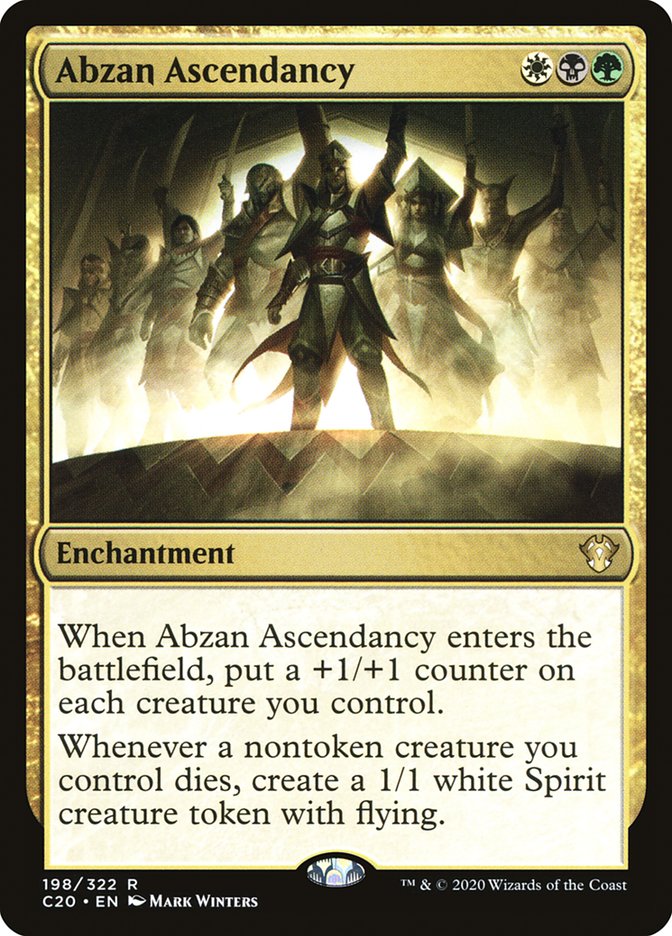
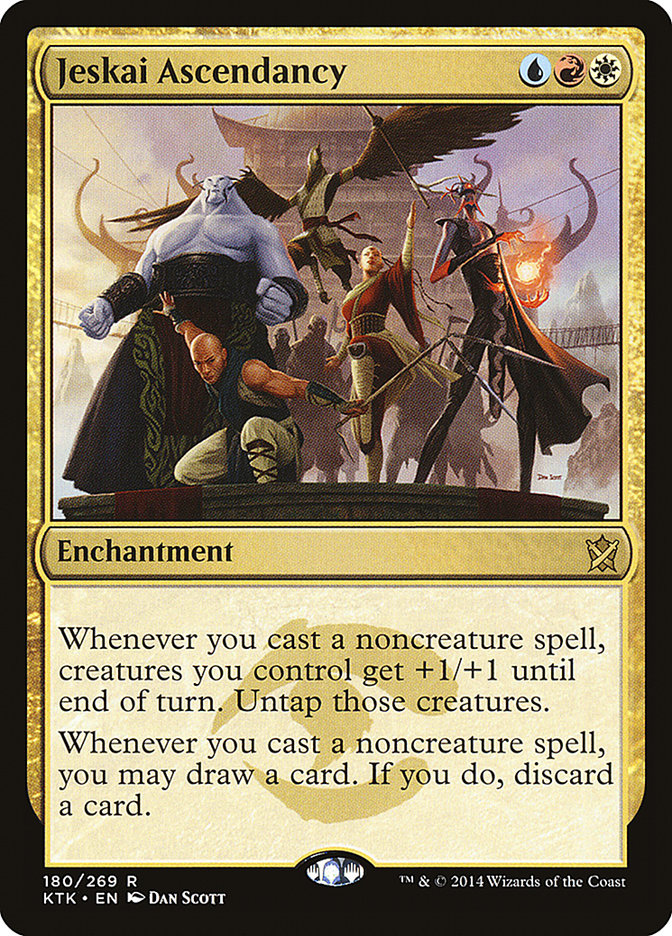
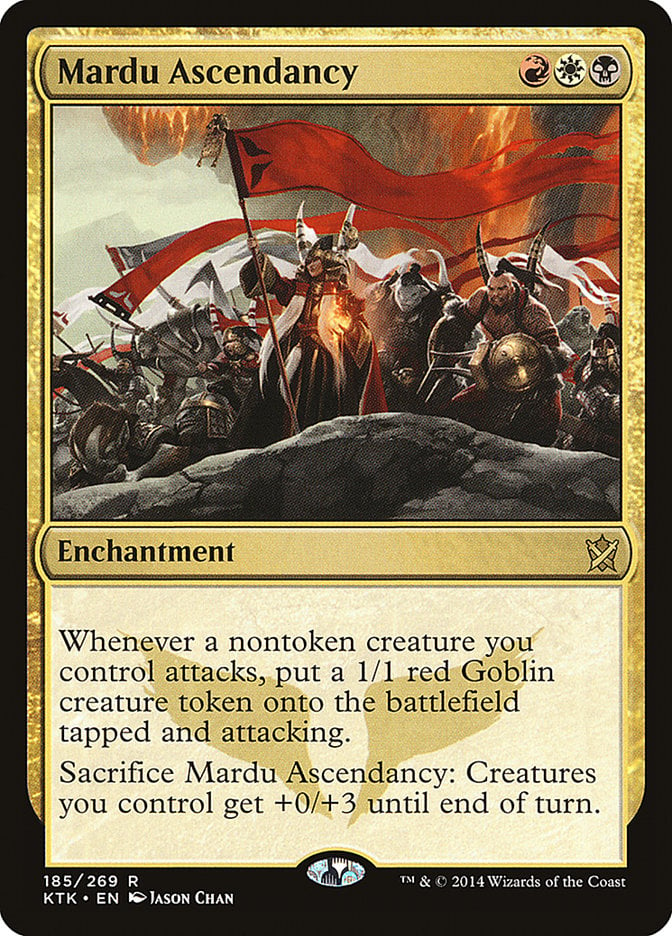
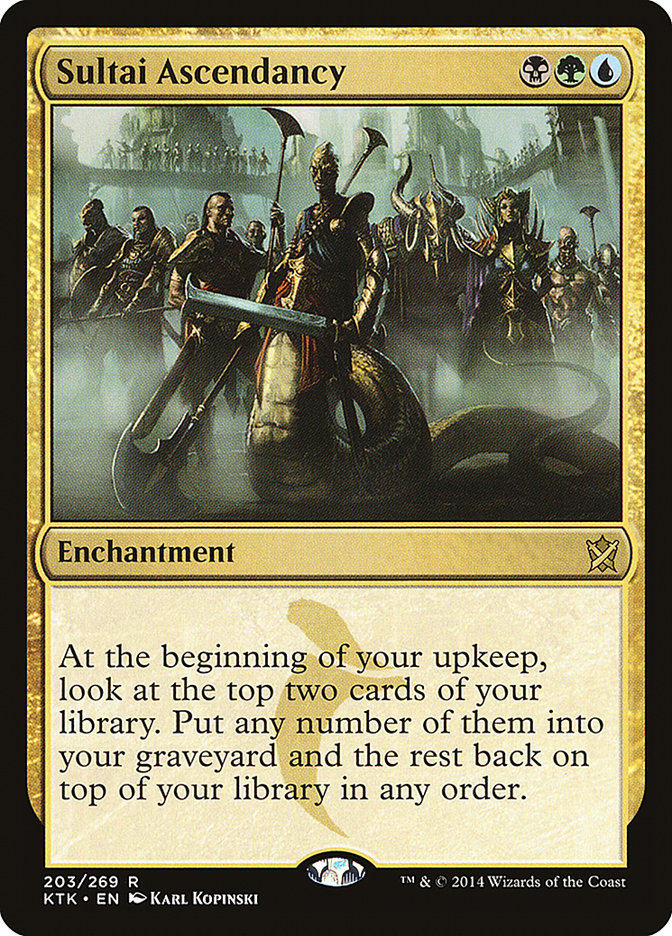
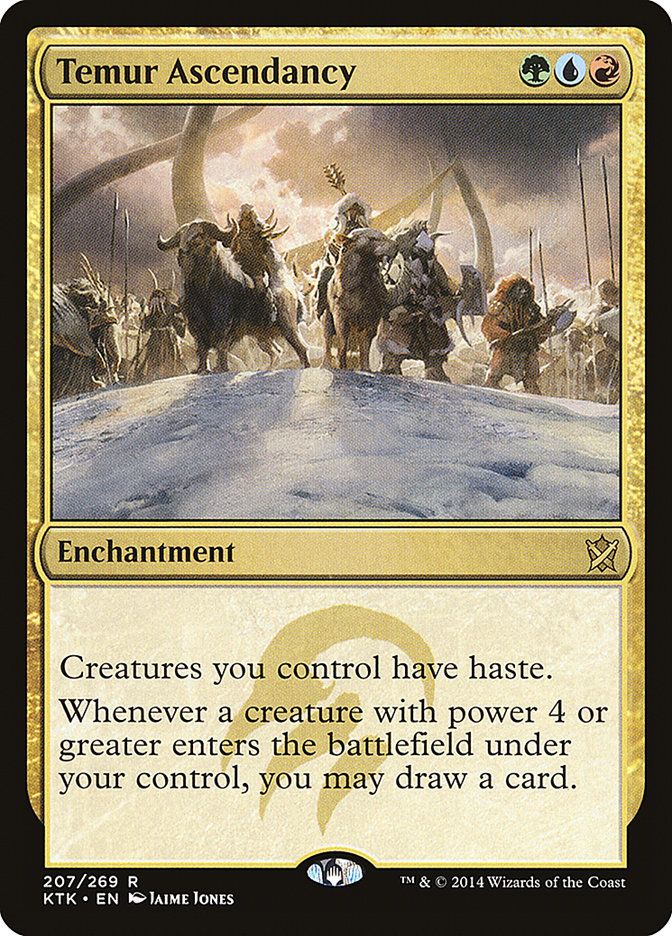
But that has changed a bit in Tarkir: Dragonstorm, with each clan centering more in its “enemy” color (the one seen in the middle: for Mardu, for Abzan, etc.
This is clearly seen in TDM’s Devotees cycle:


For comparison between the original KTK and TDM, when looking at flavor text:
- Back in KTK, there were 10 mono-color cards with “Mardu” in their flavor text, and only two are white (while six are red)…
- … whereas for TDM there are 14 mono-color cards with “Mardu” in their flavor text; now six are white, four are red, and four are black (although I’m gonna say that Worthy Cost, a black sorcery, is in my heart the Mardu-est card in the whole set =).
The comparison is even starker when you look at Temur-flavored mono-color cards:
- More than half of the 13 mono-colored cards in KTK that name the Temur clan are green…
- … while more than half of the nine mono-colored cards that name-drop “Temur” in TDM are blue.
This change is on purpose, as confirmed by Magic’s Head Designer Mark Rosewater.
“The new clans are centered more around the enemy color,” Rosewater wrote a few days ago for Blogatog, his personal blog. “With the caveat that they have the same general flavor of the original versions of the clan, which is influenced by the old center color.”
As u/VoraciousVorthos notes above, this reflects in the gain lands: The Temur clan has flavor text in green gain lands for the allied lands, but in blue gain lands for the enemy lands.
And its also seen in TDM’s rare mono-colored lands, with extra bits of kick-ass worldbuilding:


The borderless version of Kishla Village and Mistrise Village drop a direct reference to the Sultai and Temur respectively; the art and flavor text of all versions of Cori Mountain Monastery are clearly Jeskai; both Dalkovan Encampment and Great Arashin City have too much rules text to fit flavor in the card, but the tokens they produce (a warrior and a spirit) definitely point at Mardu and Abzan.
All these details are so subtle that different players are rediscovering them each days, as seen in this Bluesky post from yesterday:
By the Way: What Are Gain Lands?
“Gain Lands” are Magic slang for a cycle of dual tap lands (which is even more slang – “dual lands” are lands with two colors, and “tap lands” are lands that enter the battlefield tapped).
They are what’s usually known as (wait for it… more MTG lingo!) “Draft Chaff”: cards that are not powerful enough to see play in Constructed formats like Commander, Standard, or Modern, but that are mainstay of Limited formats (which have a much weaker mana base).
They were printed in the original Khans of Tarkir, and have been reprinted to death exactly because they tend to be very useful when drafting. Tarkir: Dragonstorm will be the third MTG set in a row to do so, after seeing them in Foundations and Aetherdrift.
And they contained even more world-building flavor in their two first outings.
A Many-Tricks Pony

Rugged Highlands | Illustration by Carlos Palma Cruchaga
You can’t deny the old adage that a picture is worth as thousand words. And the first two sets in the Tarkir block put the adage to good use: The second set, Fate Reforged, takes place a millennium before the original Khans of Tarkir (there are some time-travelling shenanigans involved)…
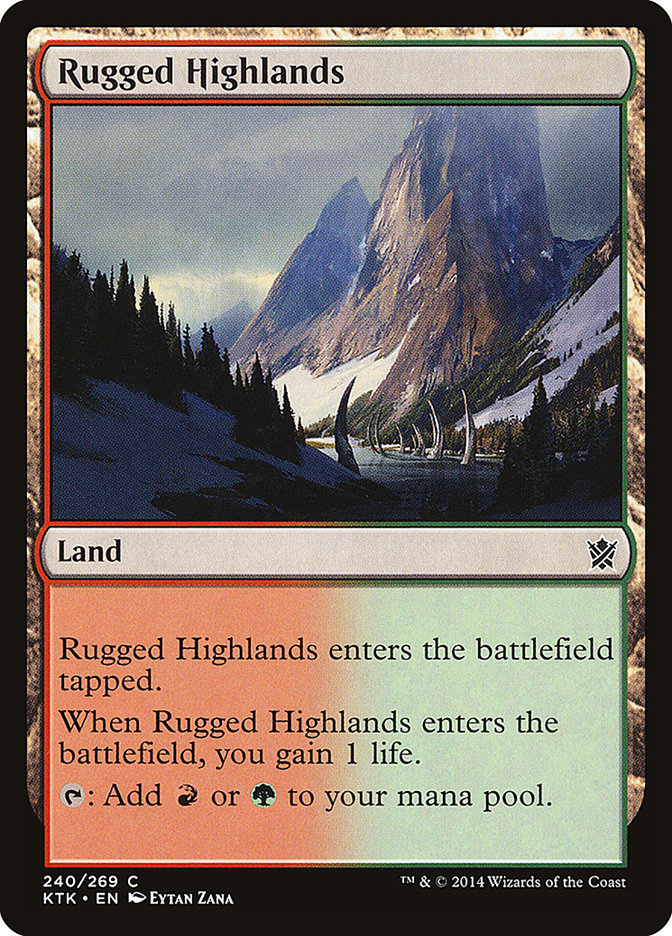
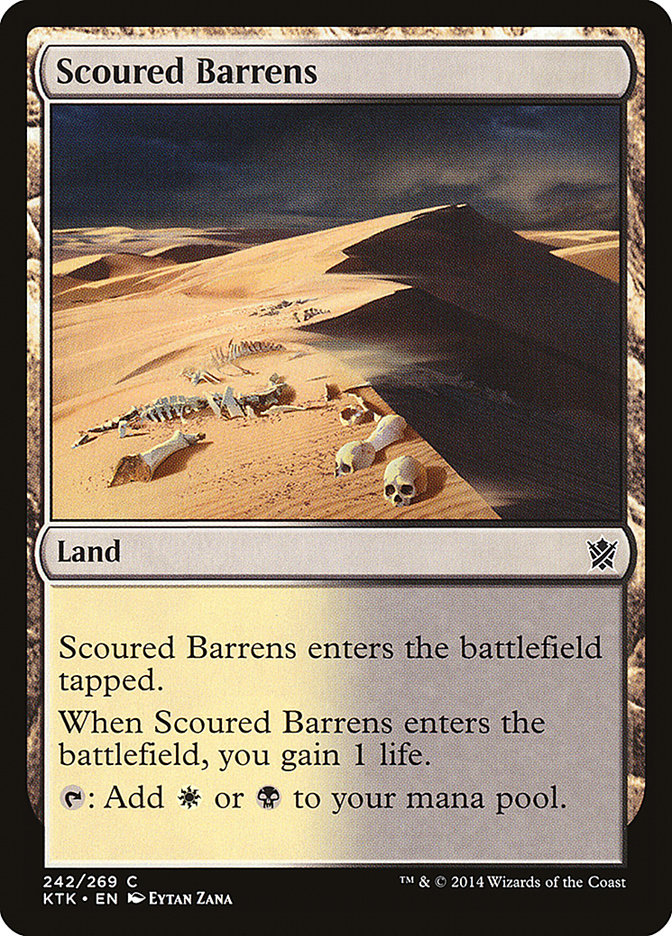
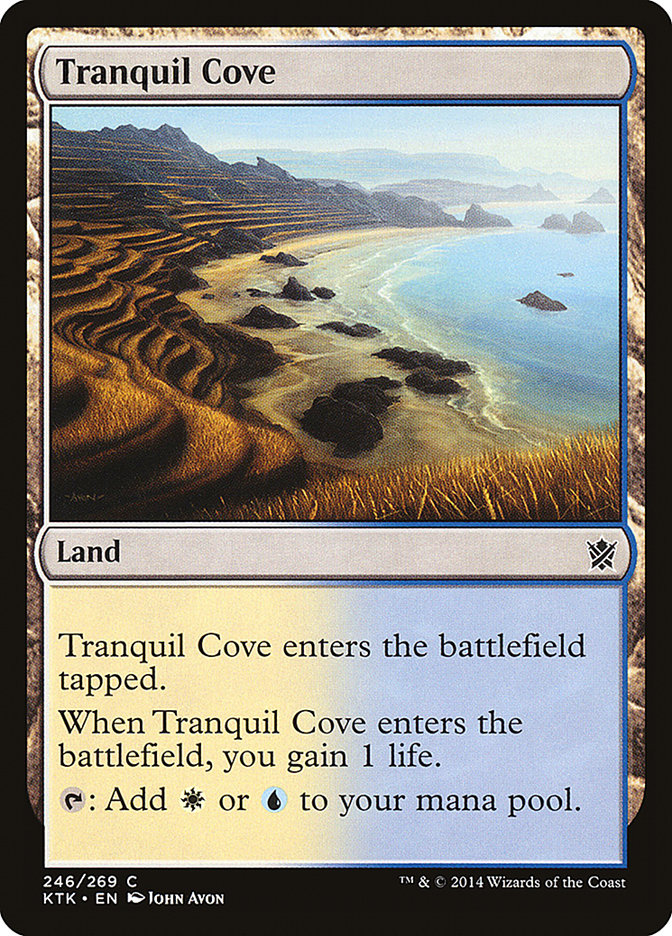
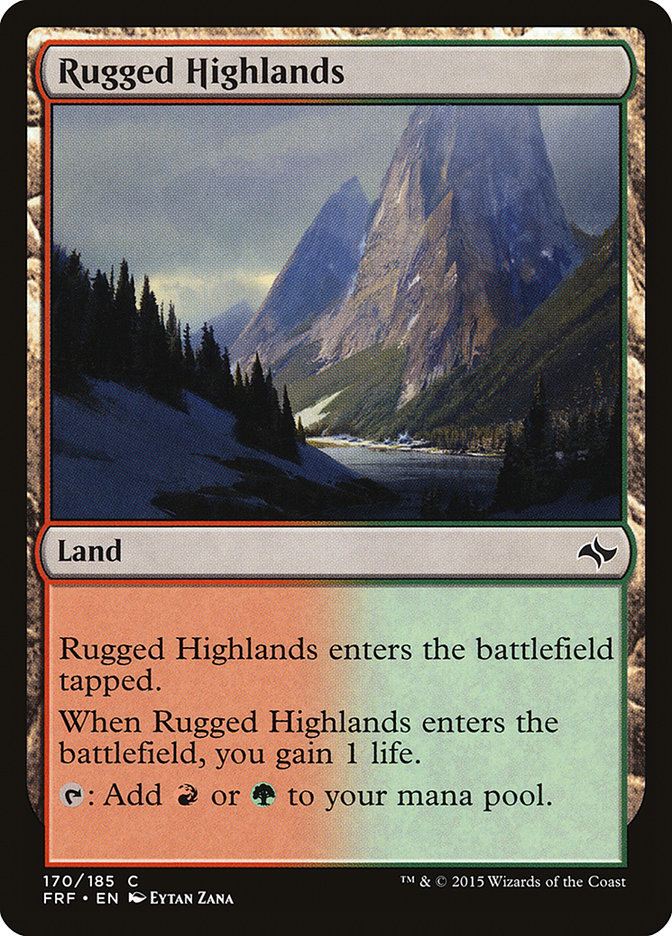
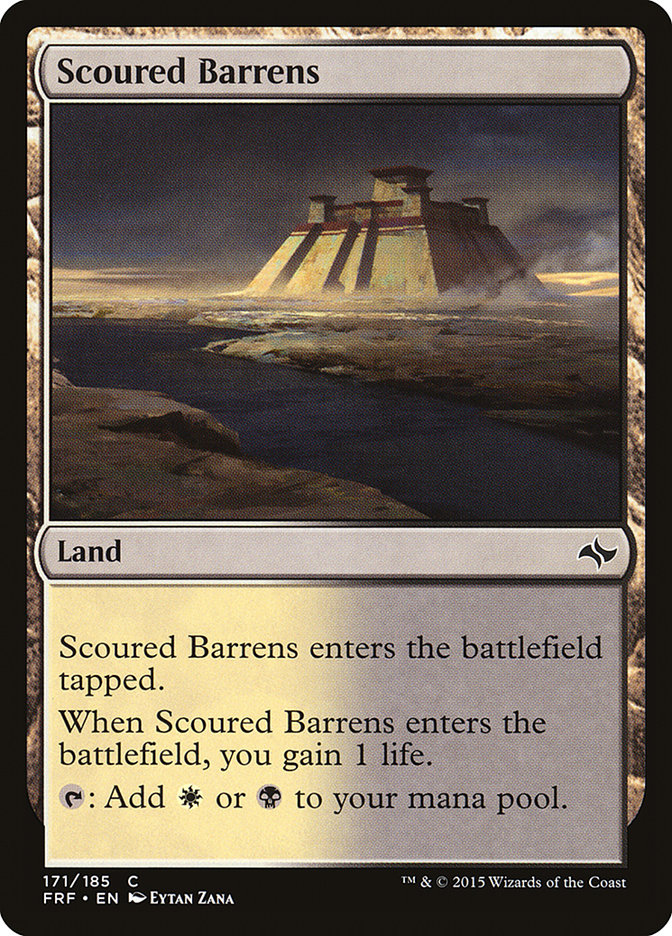
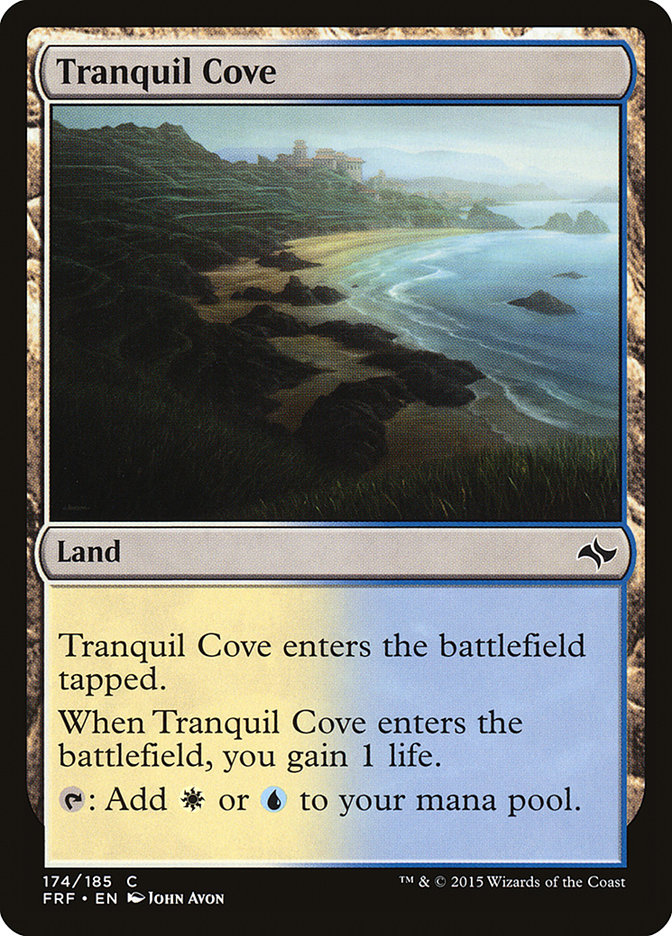
… with the gain lands showing the same locations, but separate in time.
Sometimes we just skim through and overlook all this subtle, lovingly-crafted wordbuilding (I mean, Magic does have a lot of cards, and as of late tons of versions for each card!), but it goes to show that other adage is also true: The devil is in the details.
Follow Draftsim for awesome articles and set updates:









Add Comment