
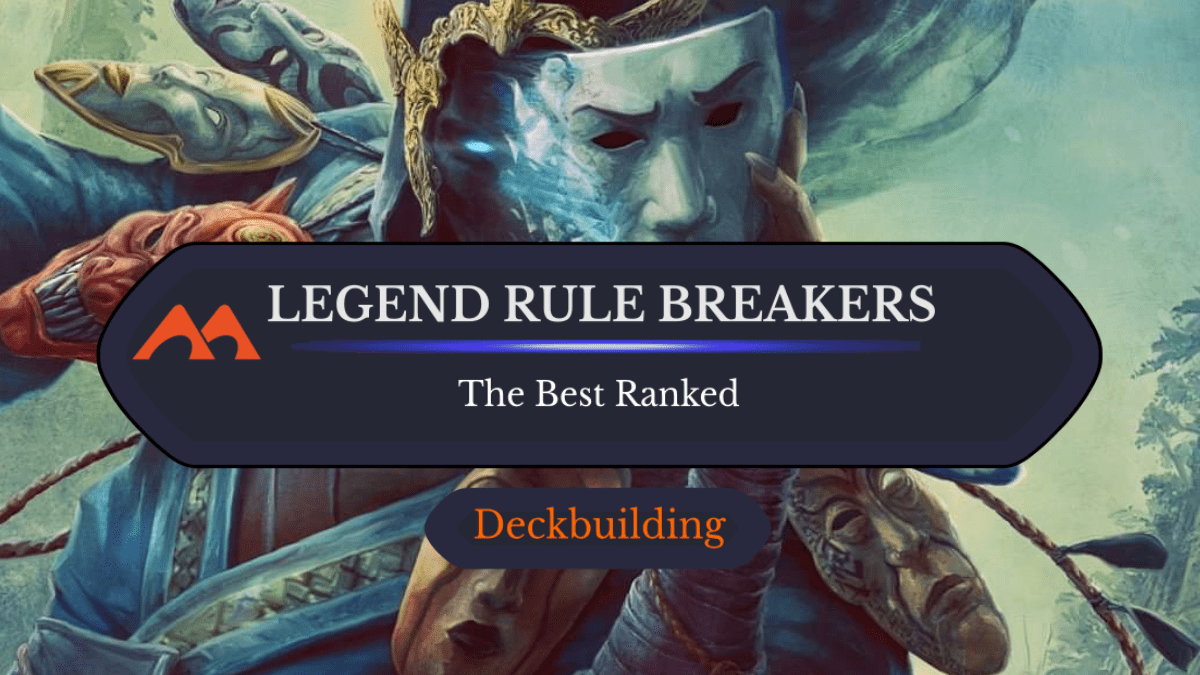
Sakashima of a Thousand Faces | Illustration by Jason A. Engle
Legends (1994) introduced the legendary creature type, argubaly one of the most influential in the game considering the development of Commander, and it introduced the legend rule, which has drastically changed over time. The original rule was that, as legends are unique in MTG’s multiverse, there could only be one on the battlefield at a time. This rule got changed and adapted over the course of the years, but it’s still valid, although many players and WotC designers discuss whether it still makes sense in terms of flavor and gameplay.
That said, as long as there’s a rule, there will be cards that break or bend it, so today we’ll cover cards that bypass the legend rule. This is especially important in the context of clones and copies. Some cards will apply to all legends, while some are a bit more narrow.
What Are “Legend Rule Doesn’t Apply” Cards in MTG?

Cadric, Soul Kindler | Illustration by Joseph Weston
“Legend rule doesn’t apply” cards are ones with effects that ignore the legend rule in MTG. The main rule in the game regarding legends is that you can’t have multiple copies of the same legendary card in play at the same time.
This applies to all cards with the legendary supertype, including creatures, legendary artifacts, lands, and planeswalkers. Ignoring the legend rule would allow you to have two Urza, Lord High Artificers in play at the same time, or two copies of Jace, the Mind Sculptor.
Most of these cards are blue and red as those colors tend to create copies of permanents and spells.
#9. Brothers Yamazaki
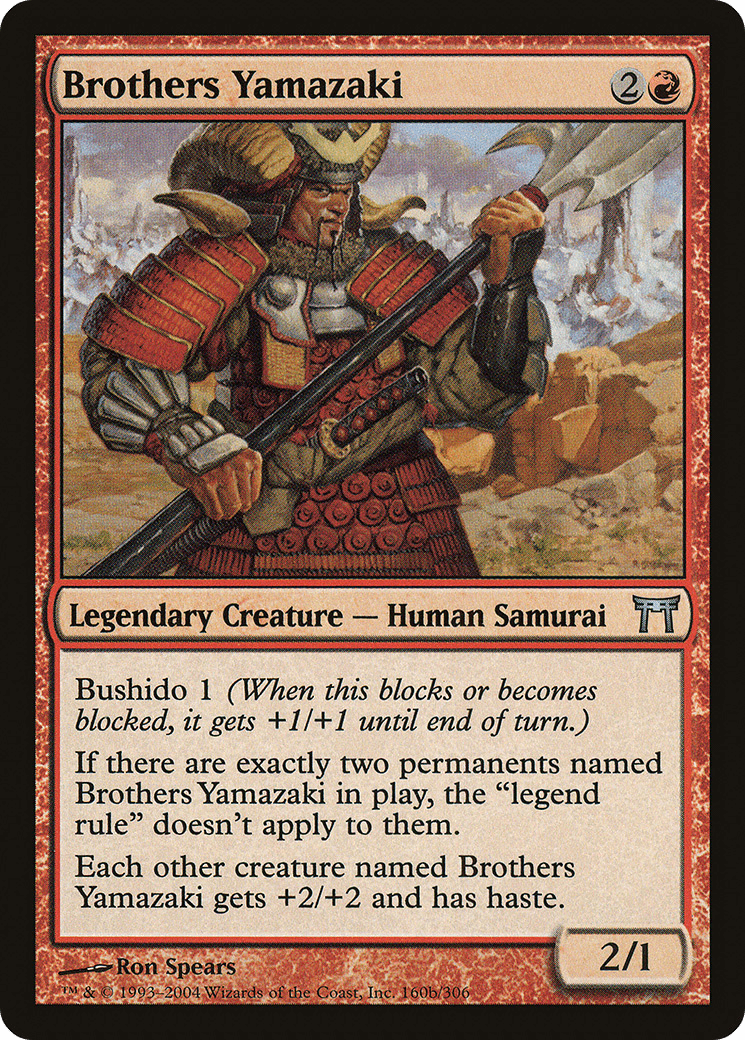
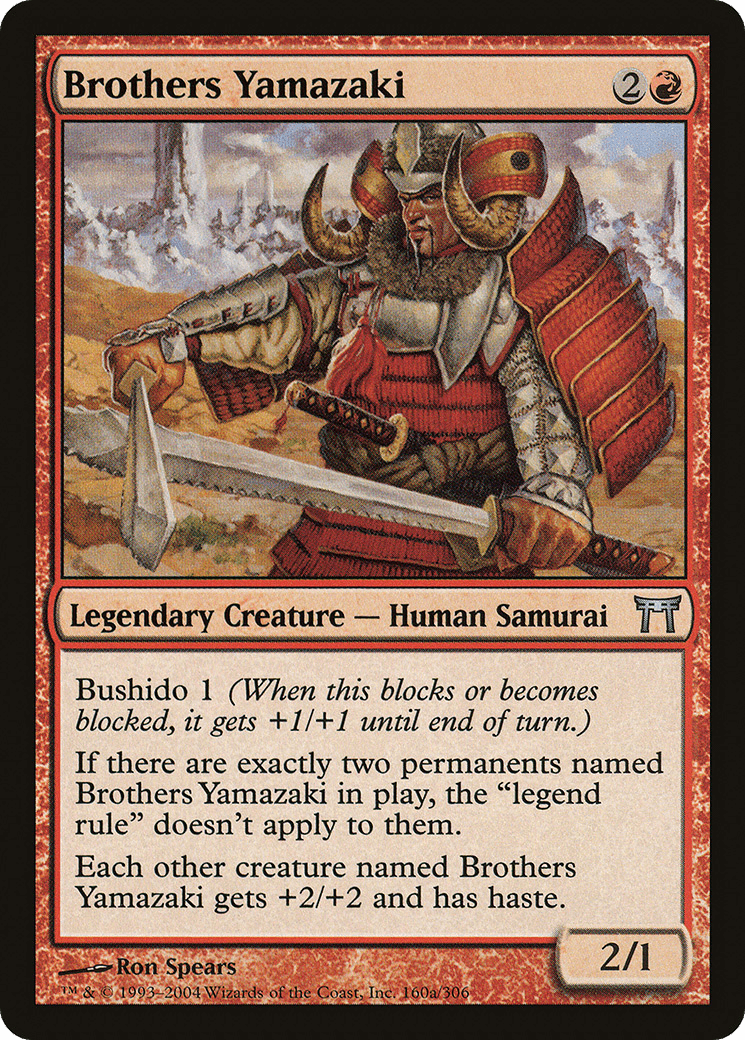
Brothers Yamazaki is at the very bottom of our rankings simply because it only allows you to have more Brothers Yamazaki. It’s a rule that hardly applies to Commander, the only format where the card would see play if it was legal there. The only real way to use this is to copy it and get exactly two on the battlefield at the same time.
#8. Mirror Gallery
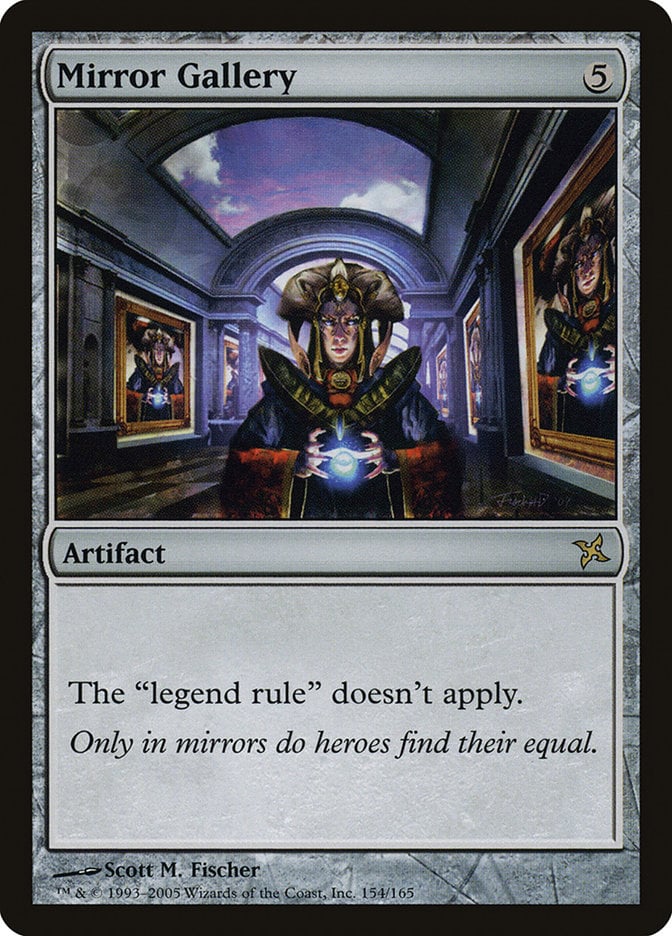
Mirror Gallery has a little problem: Its effects apply to every other player, like the old world enchantments or early sliver creatures. It’s also a 5-mana artifact that doesn’t affect the board. It was interesting in a world where there weren’t any better options, but we’re long past that. On the plus side, you might be able to squeeze out a competitive edge over players who weren’t prepared to have multiple copies of their legends in play.
#7. Spider-Verse

Spider-Verse is a powerful card, but at a cost: casting 5-mana enchantments that don’t affect the board have pretty hefty downsides, and you can only get away with this in Limited or casual Commander. I find the first line of this card a bit misleading. It’s best if you have spider creatures, but just copying a removal spell or a card draw spell is already pretty good.
#6. Sliver Gravemother
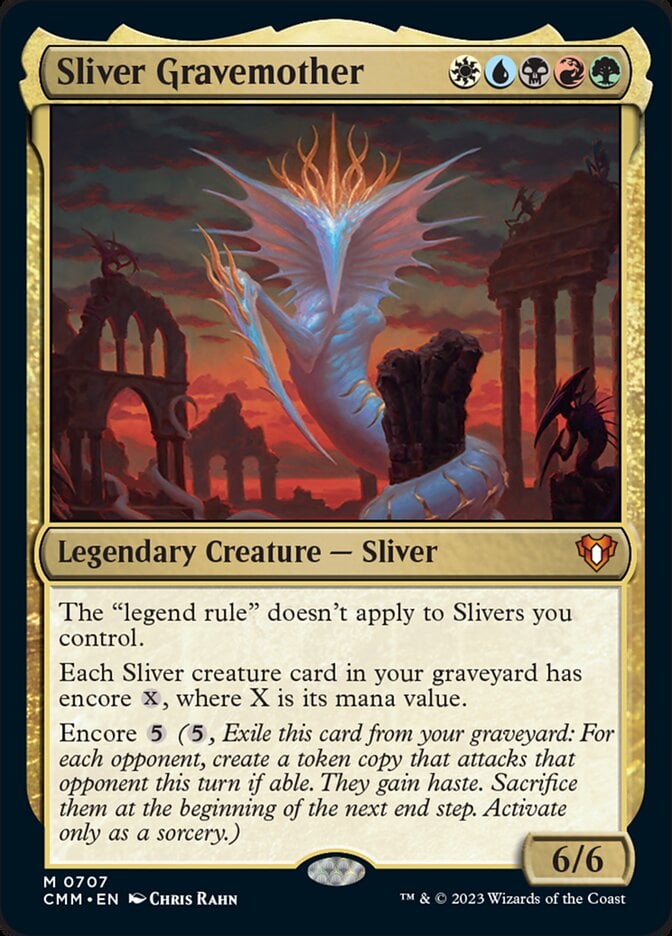
Sliver Gravemother is a nice value card, giving your slivers encore, but there are only seven legendary slivers including this one, so this is more about bringing back creatures like Muscle Sliver or Synapse Sliver than really caring about breaking the legend rule.
#5. The Master, Multiplied
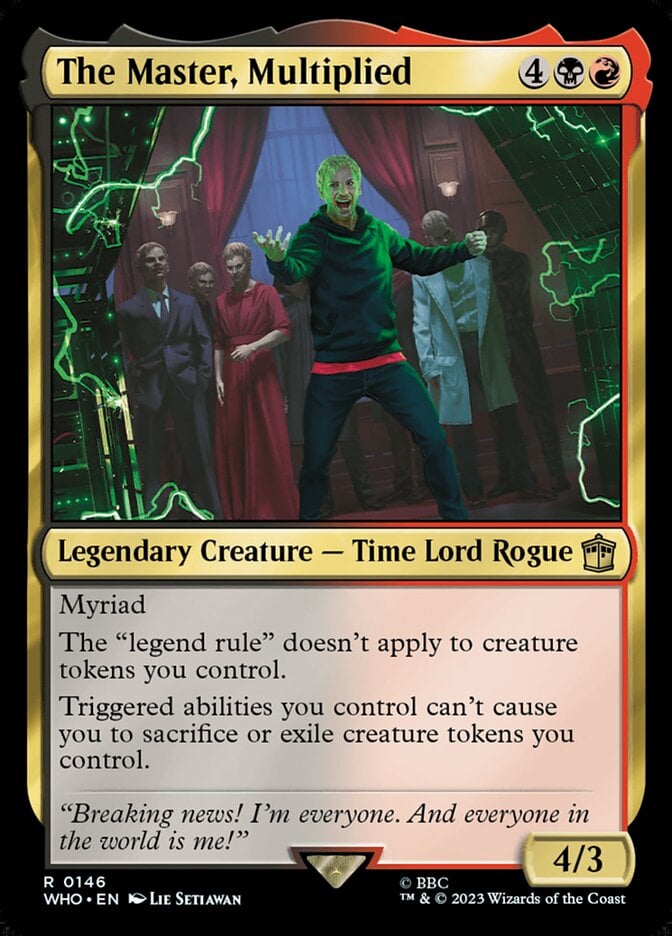
The Master, Multiplied gives you an enabler and a payoff for the same strategy. This ability is perfect for mechanics like myriad and encore. Since the Master has myriad, you can attack everybody else and keep the Master tokens, and it’s not hard to use this with other red cards that make tokens until the end of turn. A great flavor win for Doctor Who fans, considering the multiple masters saga.
#4. Council of Reeds
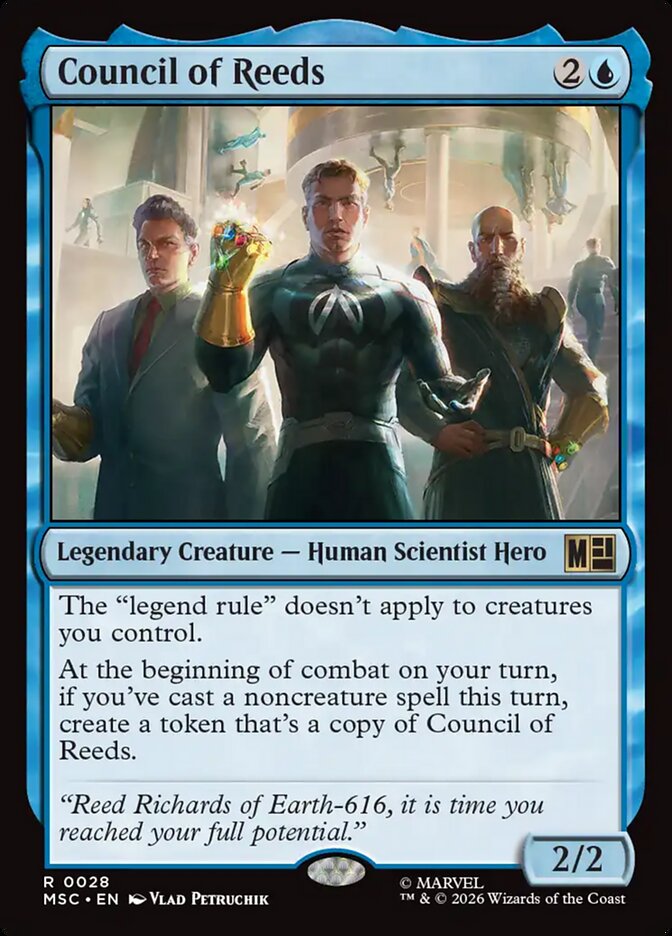
Council of Reeds is an excellent clone target since it grows exponentially. It’s kind of like a Scute Swarm, and you want to be casting noncreature spells like Quasiduplicate to make more copies while meeting the casting noncreature spells requirement. Also, it’s fairly easy to cast a cheap noncreature spell like an Opt and immediately follow up with this card, getting a copy right away.
#3. Cadric, Soul Kindler
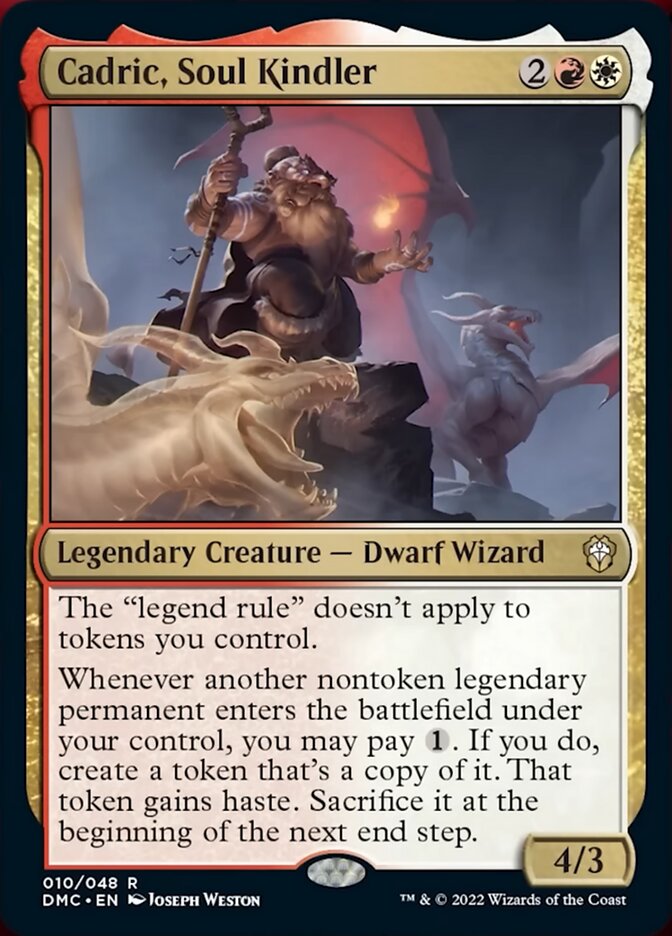
Cadric, Soul Kindler enables a very nice strategy in EDH: breaking cards that have powerful enter and death triggers. The dragons from Kamigawa sets, like Ao, the Dawn Sky and Atsushi, the Blazing Sky are prime candidates for this strategy, as are cards that have pretty powerful attack effects, like Aurelia, the Warleader. You can also pair this card with white’s token doublers to get double the value.
#2. Mirror Box
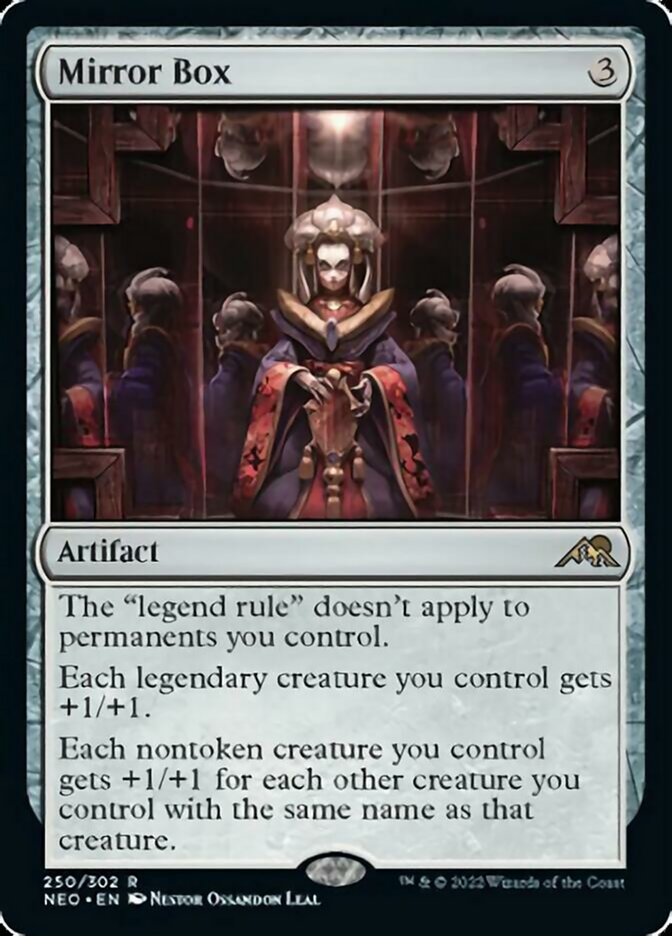
Mirror Box is the power crept Mirror Gallery, something we expect when a plane gets revisited 10+ years later. It’s cheaper and it gives you an anthem for legendary creatures. It goes very well with mechanics like myriad and encore, or cards like Helm of the Host. You can also use this for memes like Seven Dwarves or Relentless Rats.
#1. Sakashima of a Thousand Faces
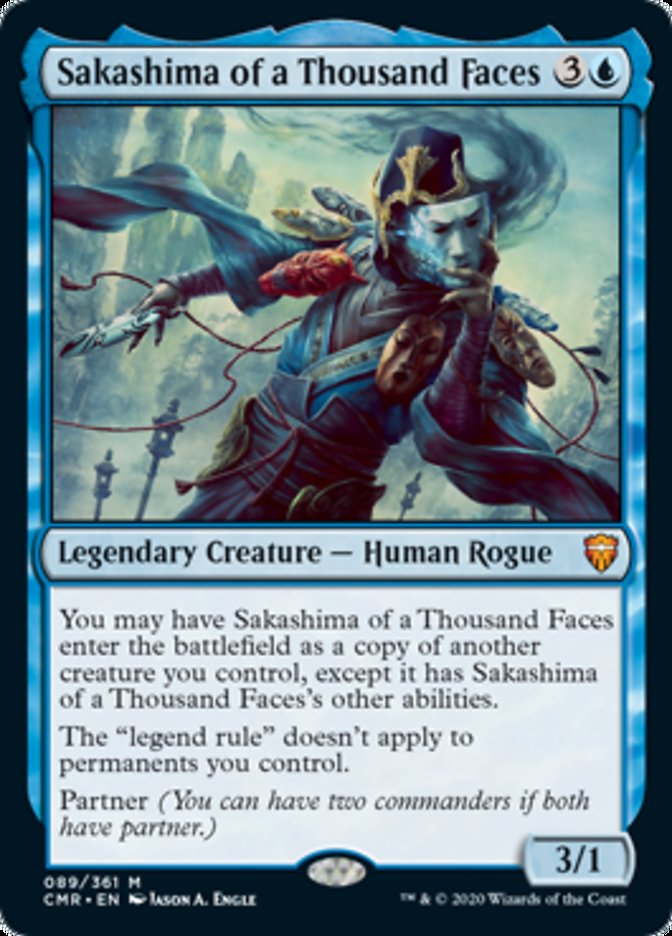
Sakashima of a Thousand Faces has been a top-tier commander ever since it was released. The partner mechanic is very versatile, and you can combine Sakashima with different partner commanders and blue clone effects.
One of its most famous partners is Krark, the Thumbless; having multiple Krarks in play means that you’ll flip many coins, casting and copying tons of spells over the course of a turn. But it’s also flexible in the 99 as a way to double up some of your most important creatures. I’m sure you can think of plenty of commanders that are stronger in multiples.
What Are Other Ways to Get Around the Legend Rule?
Recently, thanks to Commander’s popularity, WotC’s been exploring more ways to get around the legend rule, mainly in blue.
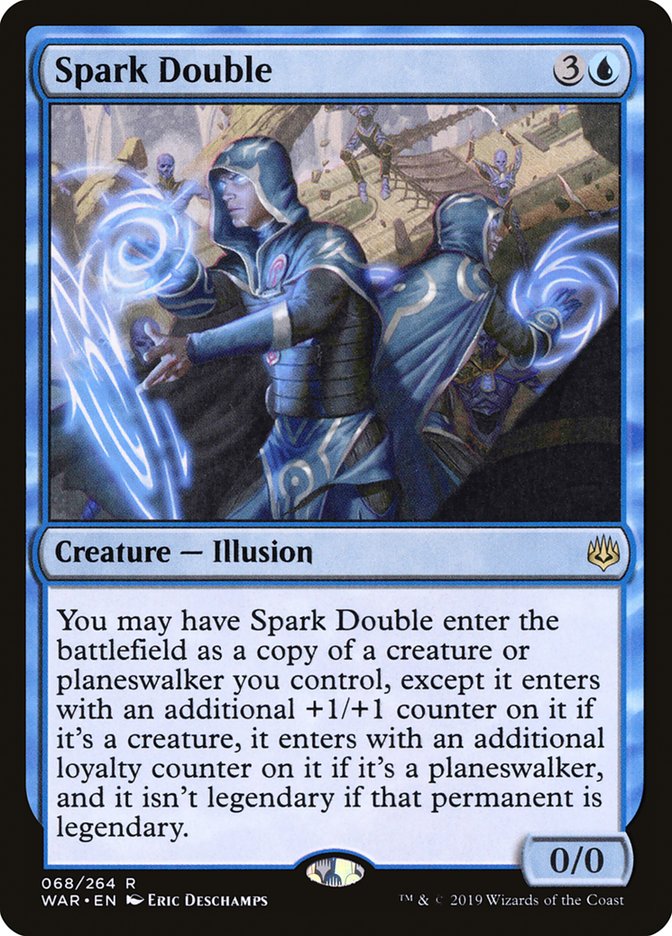
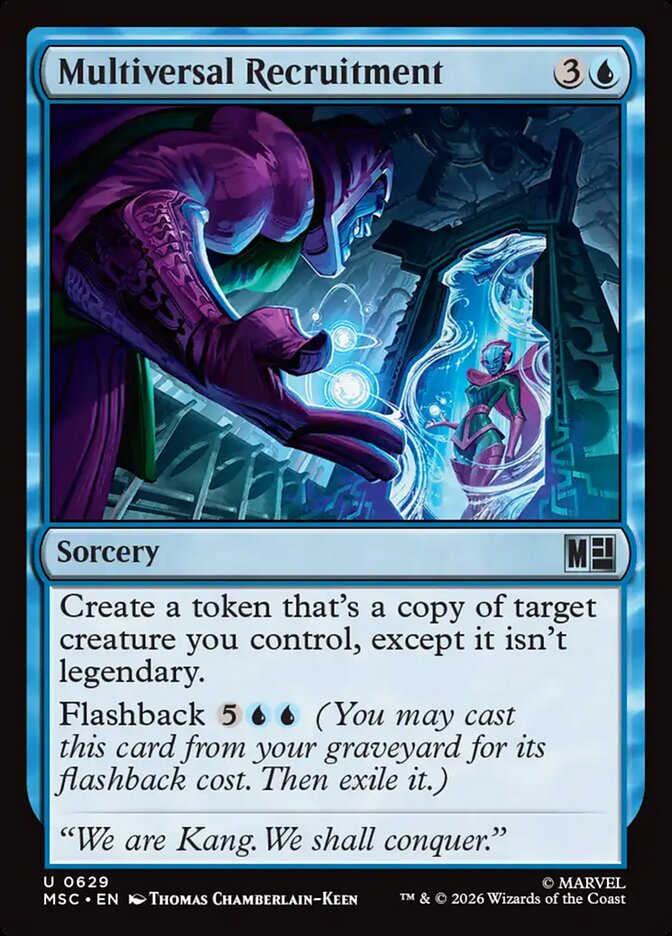

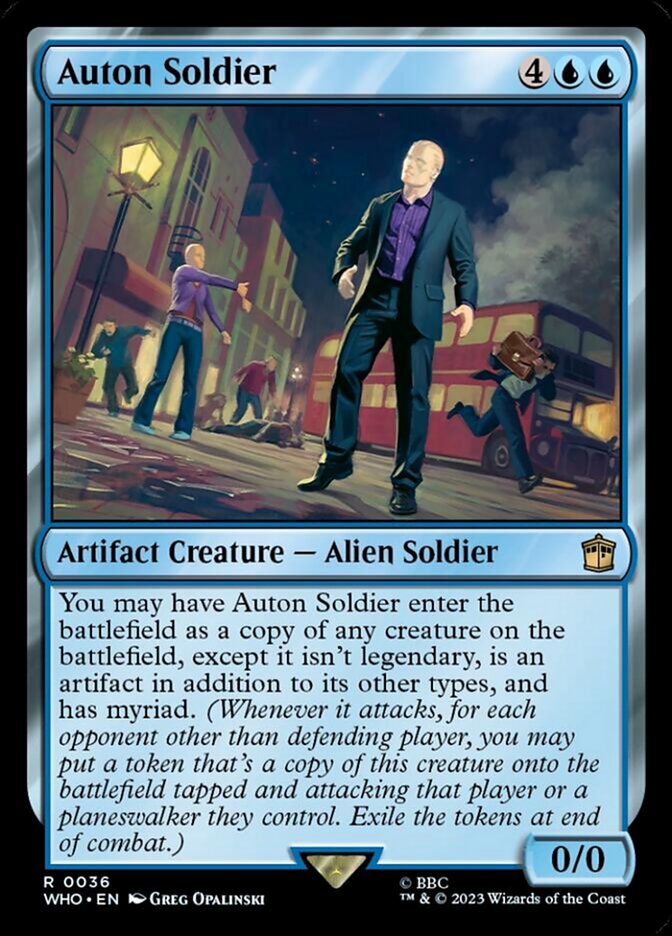
The main one is creating nonlegendary token copies of your legends. This can be seen in cards like Spark Double, Multiversal Recruitment, and Impostor Syndrome. Auton Soldier is similar to Spark Double, and since it has myriad, it puts the “nonlegendary clause” to good use.
What Happens When One of These Cards Leaves the Battlefield?
If you have a card like Mirror Box in play, many copies of a legendary permanent, and your Mirror Box gets destroyed, the legend rule will take effect right away. That means you’ll have to choose one legendary permanent to stay in play and put the rest in the graveyard. You can choose to keep the original card and sacrifice the copies, or keep a token copy and sacrifice the other ones.
Wrap Up
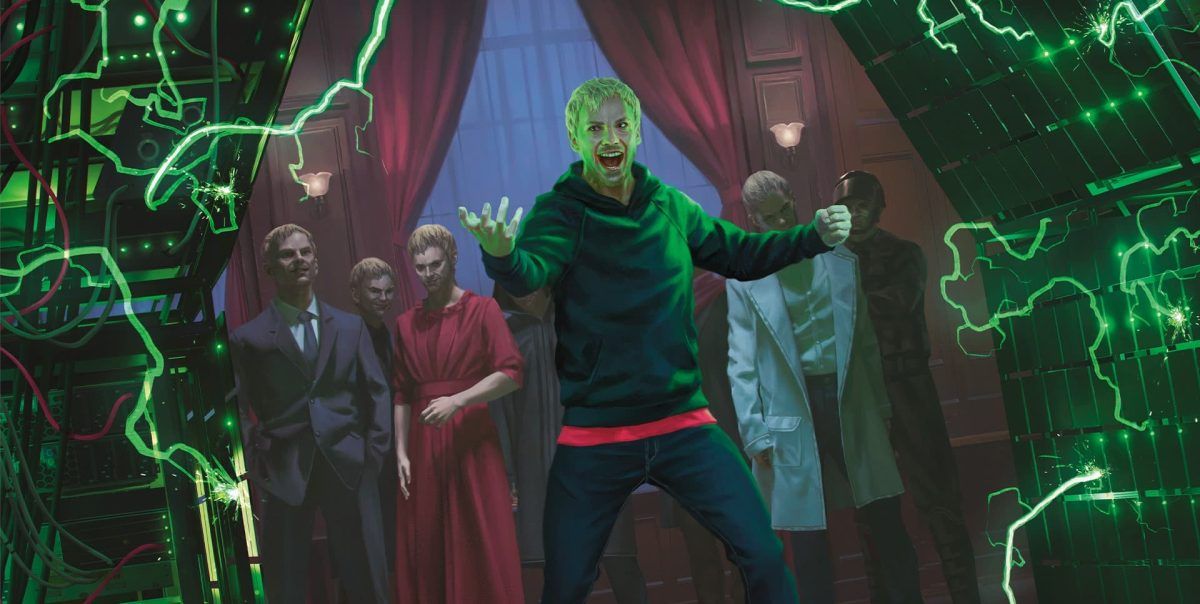
The Master, Multiplied | Illustration by Lie Setiawan
The legend rule has seen several revisions, and now with the ever-increasing emphasis on legendary creatures for Commander, people constantly ask themselves if the legendary rule should still be in place. Even if the rule doesn’t change, these cards help us break it, and that leads to fun deckbuilding as well. No matter if you’re more of a creative player or a power-max player, there’s some fun to be had by breaking the legend rule.
Do you play any of these cards regularly? What are your favorite interactions? Let me know in the comments section below or in the Draftsim Discord. Check out The Daily Upkeep newsletter to stay up to date on all the latest MTG news.
Thanks for reading, and until the next time!
Follow Draftsim for awesome articles and set updates:










2 Comments
I play Cadric, Soul Kindler in my Gandalf, Party Guest Deck from the recent Hobbit set. It does great work in that deck… making token copies of Gandalf or any other Legendary Wizard when they enter is just great. It immediately lets me cast big splashy spells for free in the combat phase. Love it 🙂
Cadric does a lot of really cool things, underrated card.
Add Comment