

Elesh Norn | Illustration by Magali Villeneuve
Rarity is a great tool for Magic developers to balance cards, typically for Limited formats. If a super strong card appears too often, it warps the Draft environment around itself. Thus higher rarity often correlates with a higher power level, or at least more complex effects.
The mythic rarity is the most recent and rarest of Magic’s typical card rarities, and every color has them. White’s mythics touch on everything the color cares about: tokens and aggro, angels, lifegain… if white does it, there’s a mythic card that reps the ability, and your next brew could benefit from it.
What Are White Mythics in MTG?

The Wandering Emperor | Illustration by Tommy Arnold
White mythics are cards with a mono-white color identity and printed at least once at the mythic rarity. Importantly, having a mythic symbol isn’t enough to qualify for the list. The mythic-orange symbol is often used on special treatments like Special Guests, which can be of any rarity. To qualify, cards must have at least one printing at mythic rarity in a regular sheet, bonus sheet, or a product like Commander precons. It’s okay if a card’s had printings at different rarities as long as it has one mythic print.
#31. Resplendent Angel
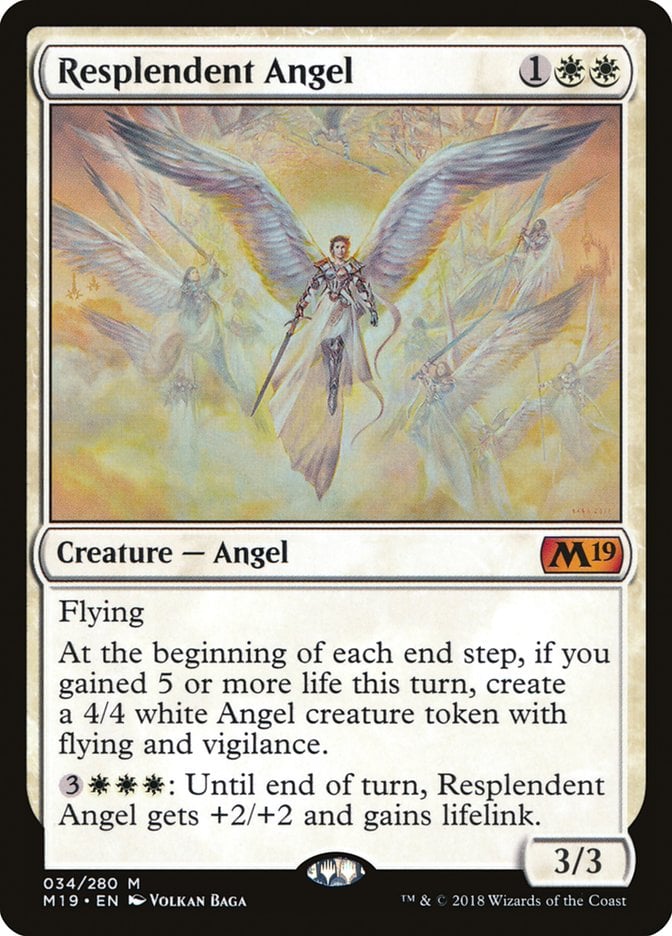
Five life is a pretty high threshold but the tokens Resplendent Angel pumps out are worth striving for. It’s a great midrange threat: You can play it turn 3 for a respectable clock, then sink mana into it later so you grow your board and don’t fall too far behind.
#30. Serra Paragon
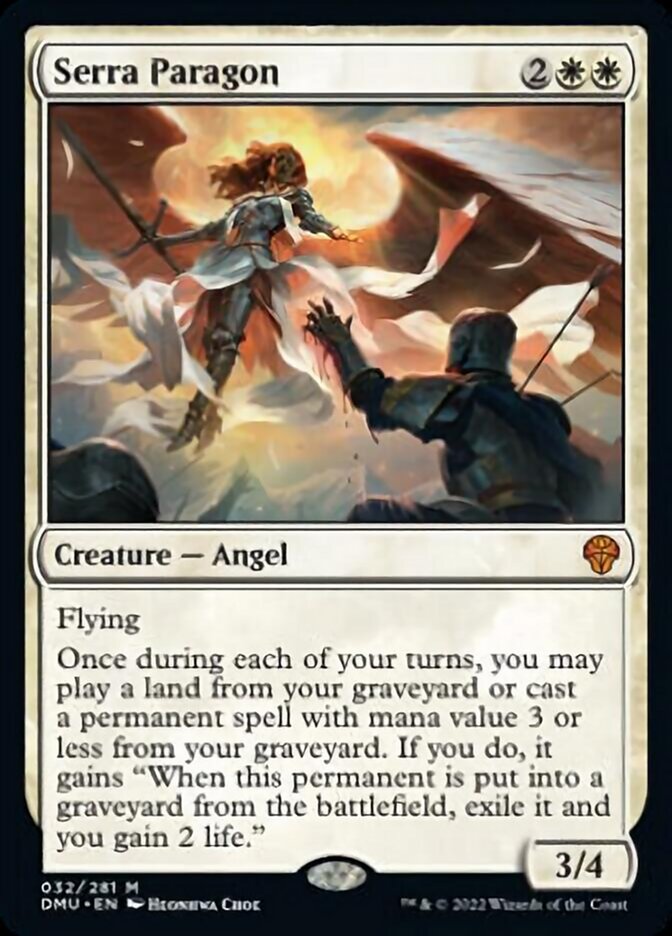
Serra Paragon draws plenty of cards as long as they’re small and dead. It plays lands, which is fairly uncommon for white cards like this and synergizes well with fetch lands. This is great top-end for white weenie decks as a threat that can close the game and card advantage to keep yourself in it.
#29. Ancient Gold Dragon
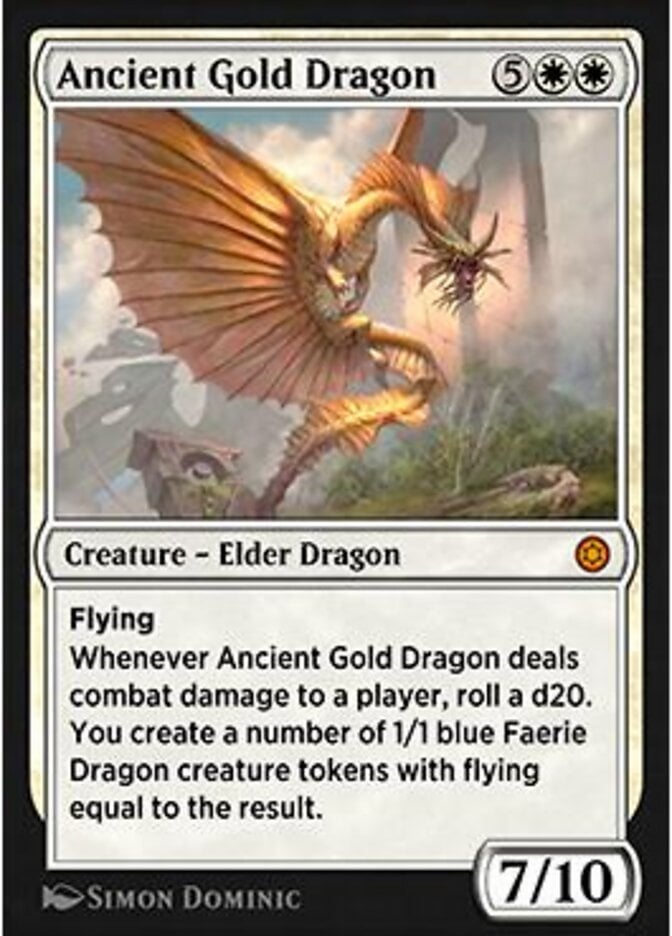
Ancient Gold Dragon is one of the bigger threats in white. A creature that has to not only attack but deal combat damage is extremely slow by today’s standards, but Commander gives you lots of leeway, and you only need one good d20 roll to become the threat.
#28. Adagia, Windswept Bastion

Speaking of slow value engines, Adagia, Windswept Bastion has a pretty unique ability. White has plenty of good artifacts and enchantments to copy, especially once you factor in token doublers. Actually, copying Anointed Procession could be very interesting….
#27. Cataclysmic Gearhulk
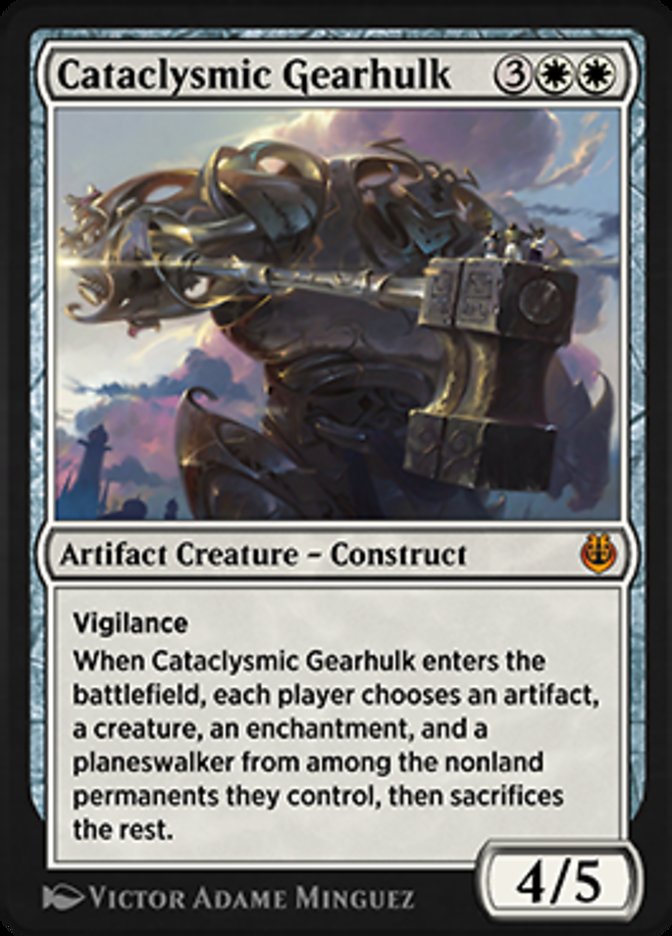
Board wipes on a stick are always interesting because there are ways to break them. With Cataclysmic Gearhulk, the ideal deck flickers it every turn. Pairing it with, say, Teleportation Circle and an additional creature (you can count the Gearhulk as an artifact) sounds like a great way to put the squeeze on your opponents.
#26. Bennie Bracks, Zoologist
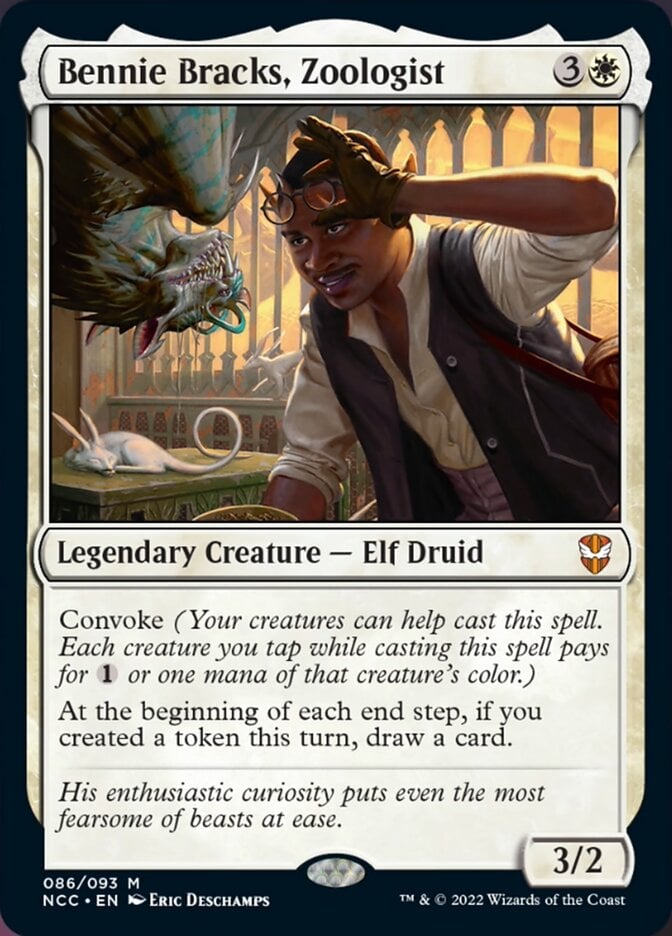
Bennie Bracks, Zoologist offers white token decks consistent card advantage, something white desperately needs to keep up in Commander. Four mana is a lot for a draw engine restricted to one card per turn but convoke means it often costs much less, if anything.
#25. Heliod, Sun-Crowned
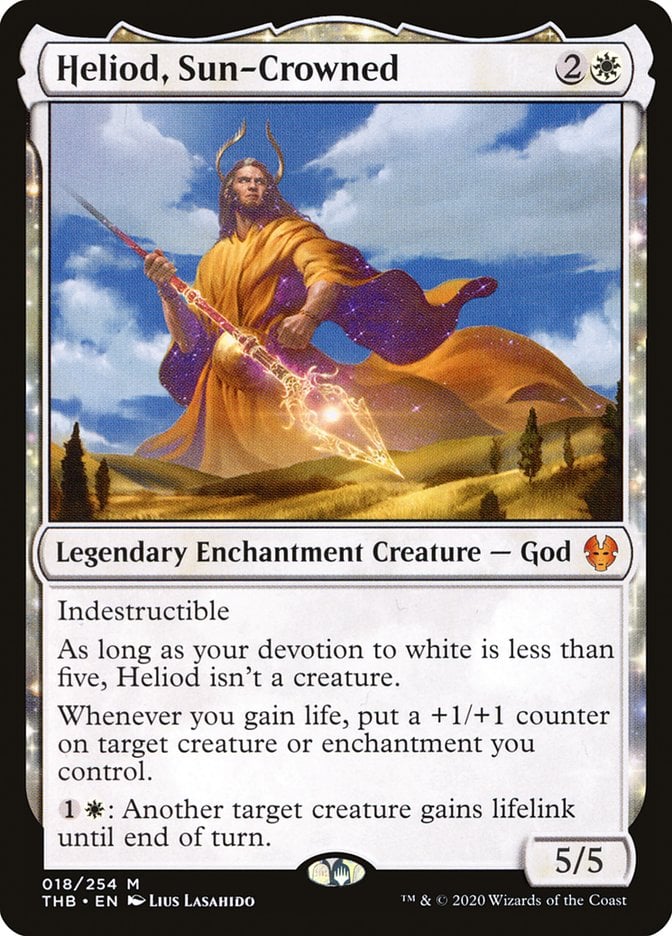
You can use Heliod, Sun-Crowned as a lifegain payoff, but more typically you’ll use it as a combo engine with cards like Walking Ballista or Shalai and Hallar. Any creature that turns a +1/+1 counter into a point of damage becomes a death laser the table must fear. It helps that Heliod’s often an indestructible enchantment, which is very hard to remove, so you can probably make a few win attempts with different outlets.
#24. Mondrak, Glory Dominus
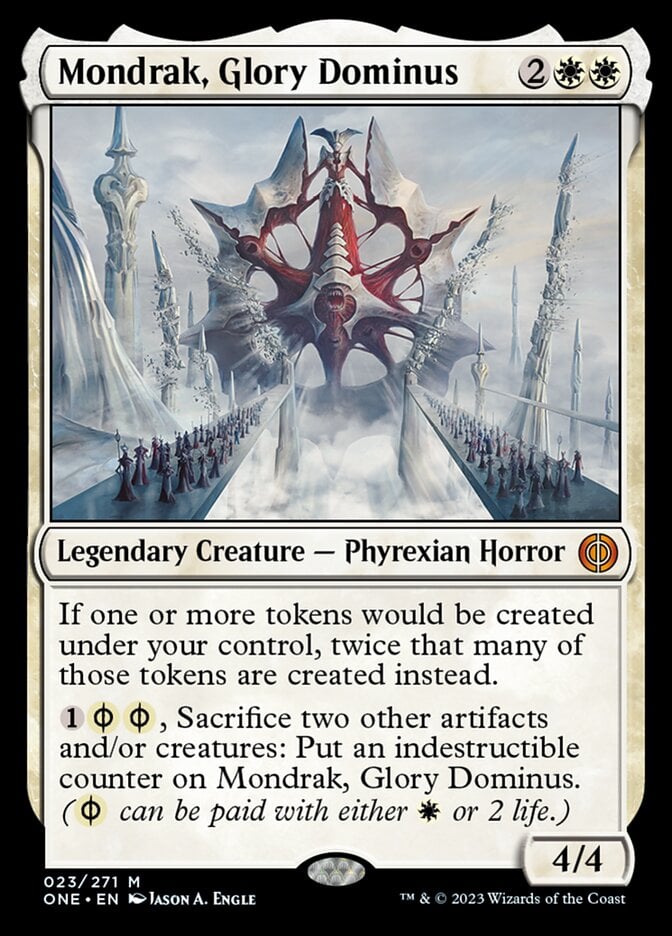
Mondrak, Glory Dominus represented a huge leap forward in token doublers as one such card that wasn’t stapled to a do-nothing enchantment. Even if Mondrak couldn’t gain indestructible (one of its best features), I’d love it as a token doubler that impacts the board.
#23. Cataclysm
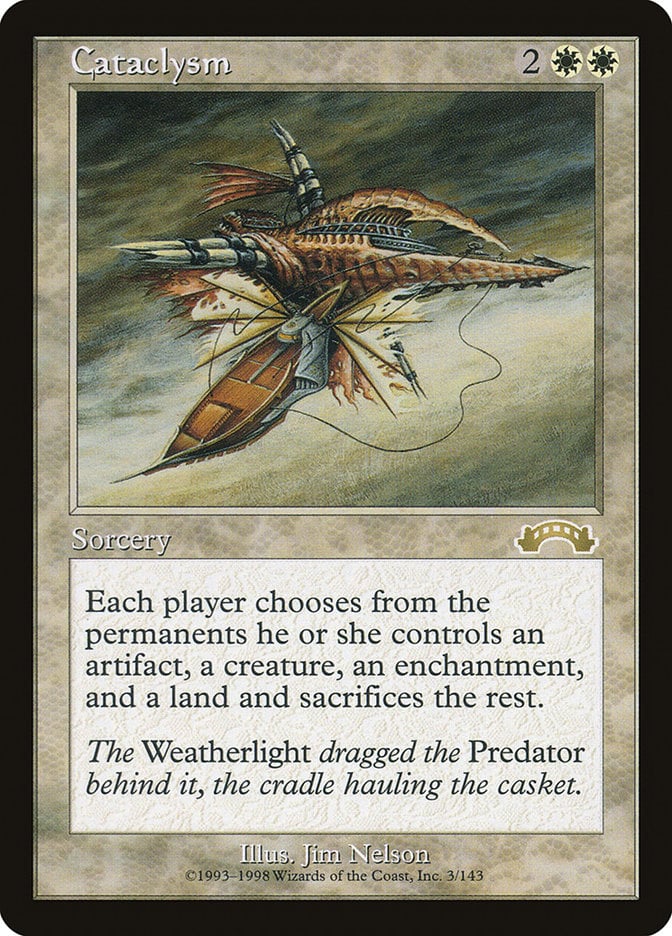
Cataclysm is tricky to break but very worth the effort; a well-timed Cataclysm typically wins. Leaning into planeswalkers as a card type you can’t sacrifice is one way. You could also look to something like Luminous Broodmoth or Brought Back to reanimate your sacrificed permanents.
#22. Enlightened Confidant
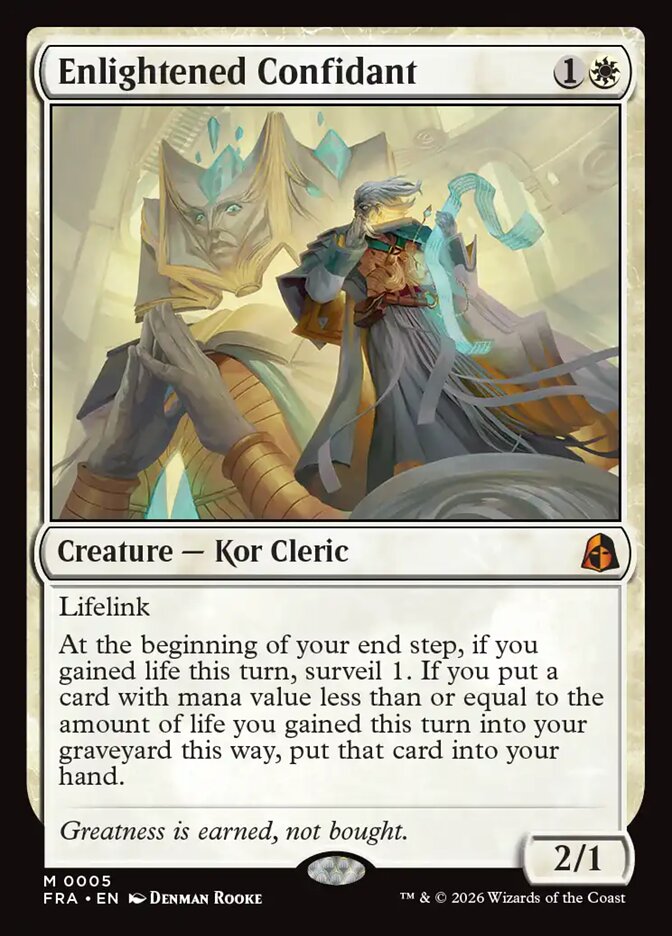
Enlightened Confidant could be a powerful draw engine in the right deck. This reflection of Dark Confidant is more restrictive than the OG since you need a lifegain plan, but it works under similar circumstances: You want a low-curve, preferably proactive deck. If you reliably redraw your cards, this can be pretty good.
#21. Archangel of Thune
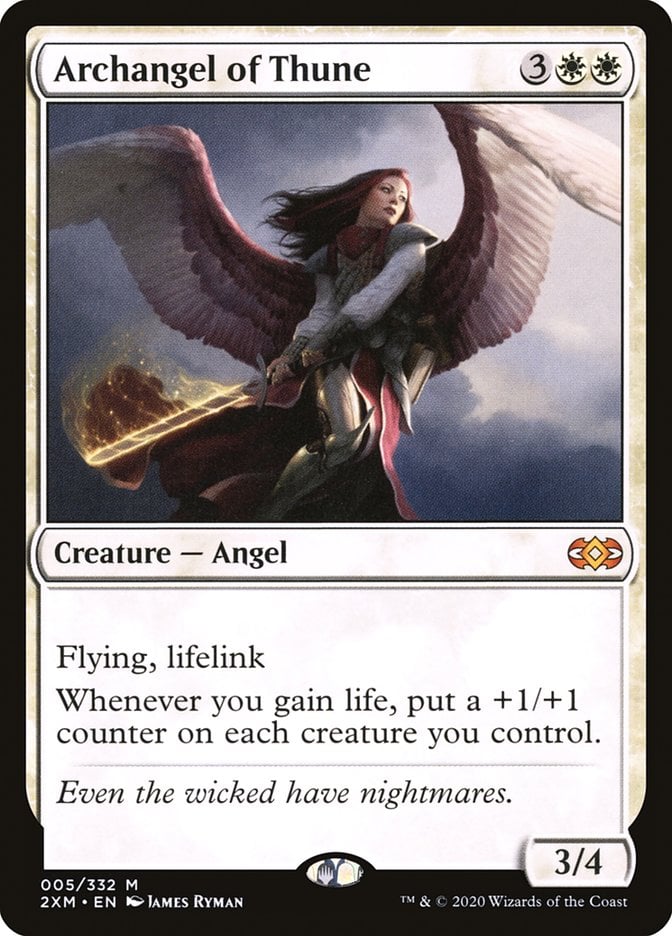
Archangel of Thune goes infinite with things like Spike Feeder, but it’s also a very reliable lifegain payoff. The best lifegain decks typically function off wide boards to trigger Soul Sisters, so you have plenty of bodies to spread +1/+1 counters on and it creates a fast clock.
#20. Luminous Broodmoth
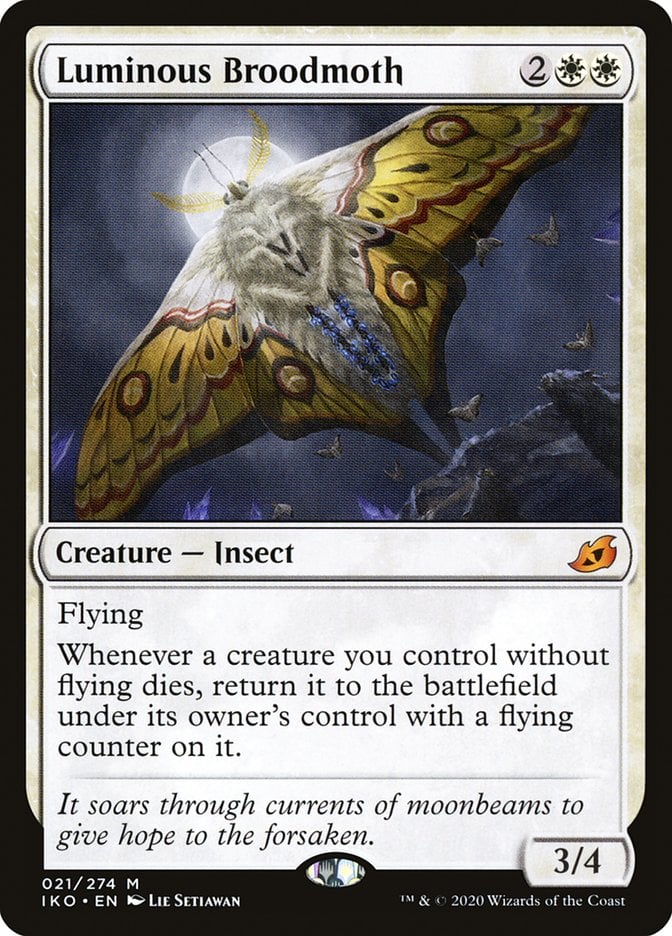
Luminous Broodmoth can be a protection spell in decks light on flying creatures, but its more common role is as a combo card. If you pair it with a creature that recurs itself with an ability like persist or undying, you can sacrifice it endlessly by alternating between its ability and the Broodmoth’s.
#19. Moonshaker Cavalry
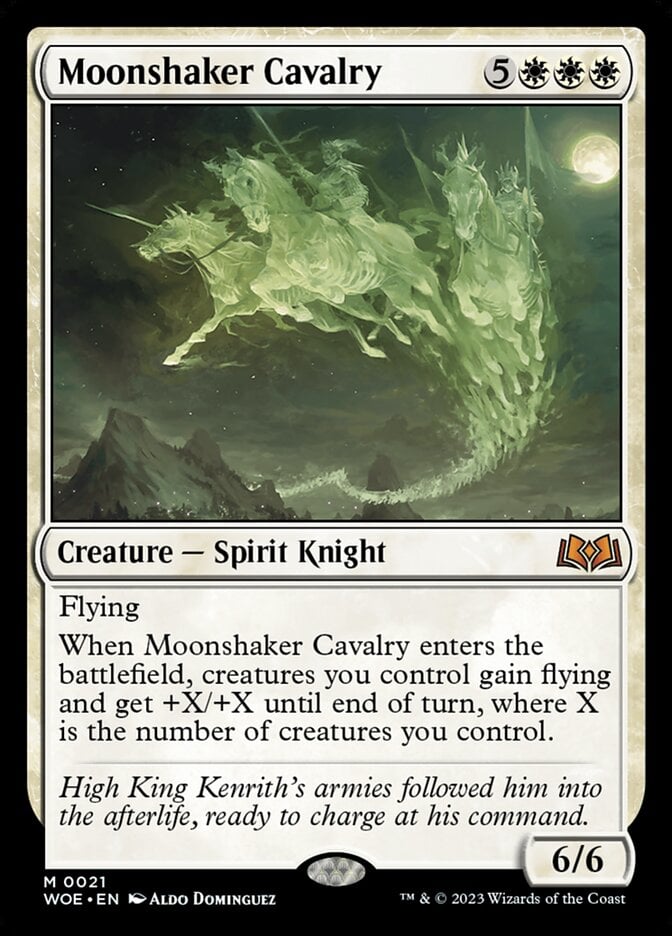
Moonshaker Cavalry gives white a taste of Craterhoof Behemoth. It’s weaker in these colors because white doesn’t accelerate it out as well and lacks tools like Natural Order, but this is still a fantastic finisher at Commander tables.
#18. Smothering Tithe
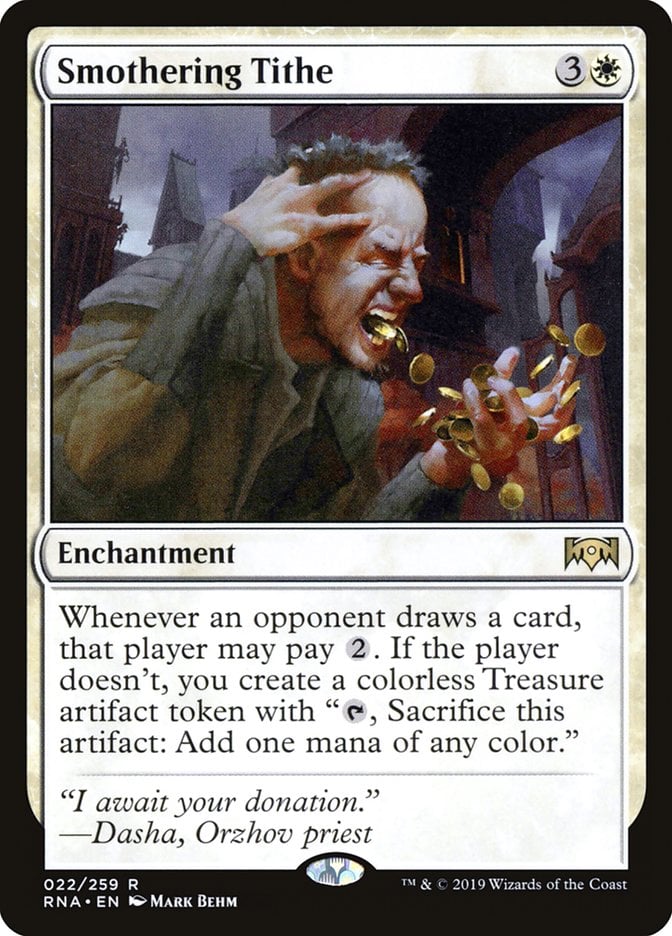
Smothering Tithe is one of the strongest mana engines in Commander. Two mana is so much to pay for every card you draw, including those drawn for turn, so you often get a bunch of Treasure. You can even build around it with forced draw from wheels and cards like Faerie Mastermind, though that’s hardly necessary.
#17. Overlord of the Mistmoors

Overlord of the Mistmoors is a fabulously flexible threat. Four mana for two 2/1s is fine, and a big Titan that produces evasive tokens is also fantastic. It becomes very strong when you can play it as a 4-mana enchantment then flicker it for the most possible value.
#16. Elesh Norn, Grand Cenobite
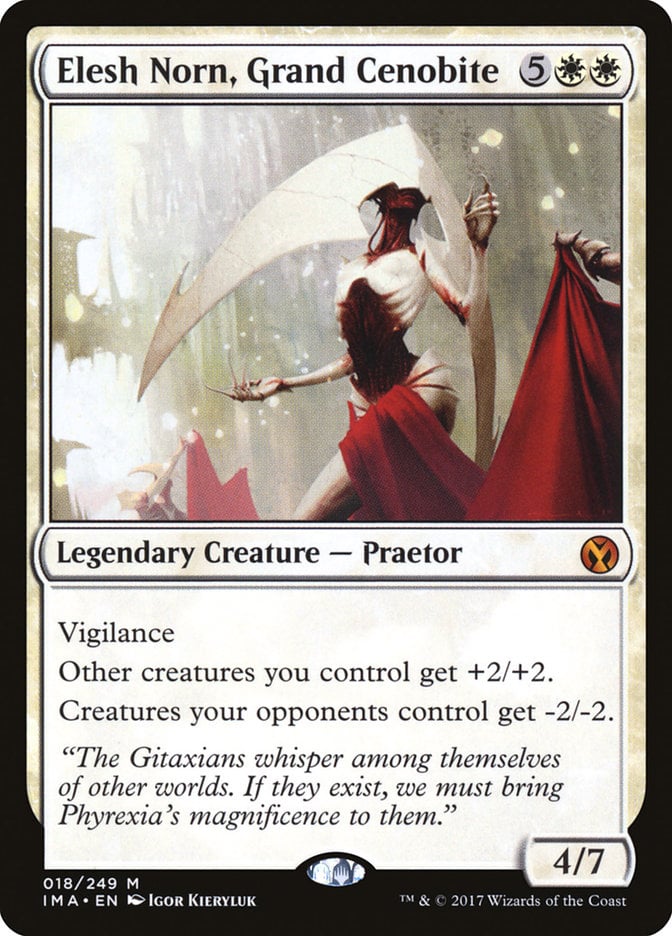
Elesh Norn, Grand Cenobite still holds up pretty well. Creatures you play always love a double anthem, and small creatures your opponents play still die to -2/-2. Even if your opponents’ creatures survive, they’re unlikely to win in combat with a 4-point power/toughness swing so you get a dominant board state pretty easily.
#15. Elesh Norn, Mother of Machines
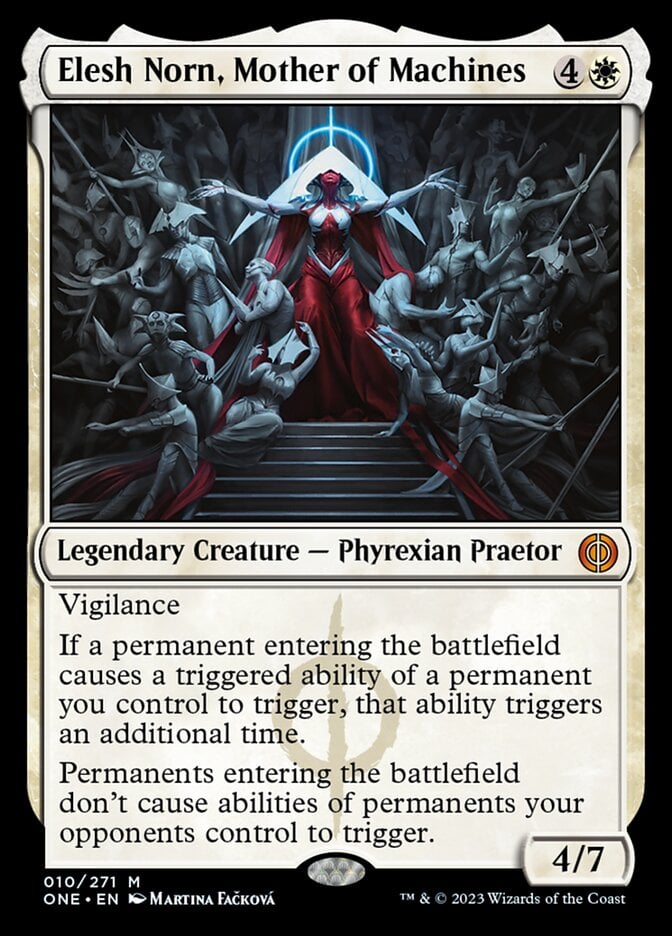
Elesh Norn, Mother of Machines never broke Commander like players feared, but it’s a fantastic card. Value engines that also interact with your opponent tend towards the stronger side since they do so much. Part of what makes Elesh Norn so powerful is power creep pushing creatures to always be impactful, so many of them get enters abilities, which makes it great for you and terrible for your opponents.
#14. Emeria’s Call / Emeria, Shattered Skyclave
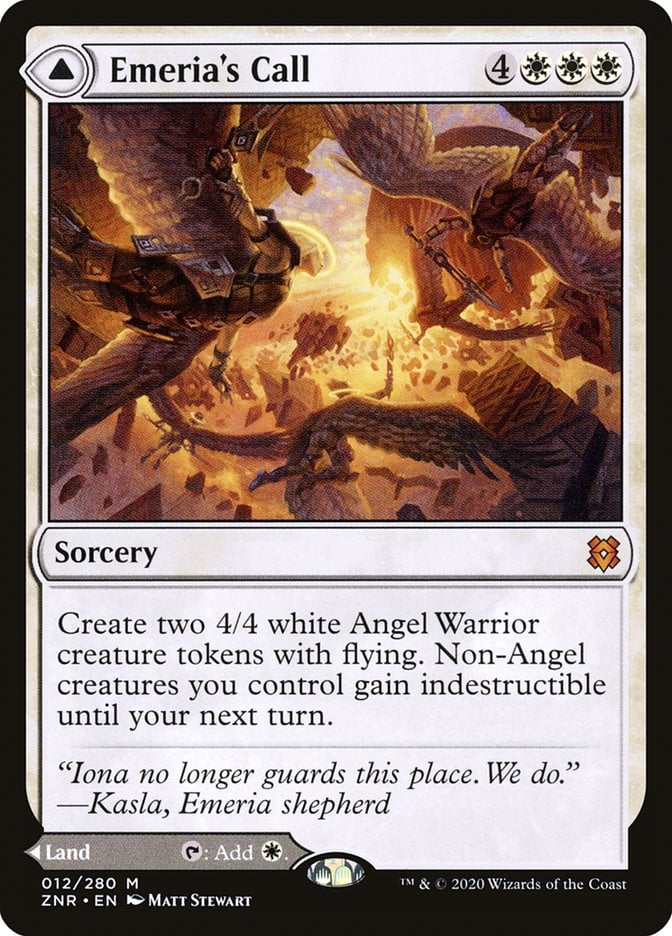
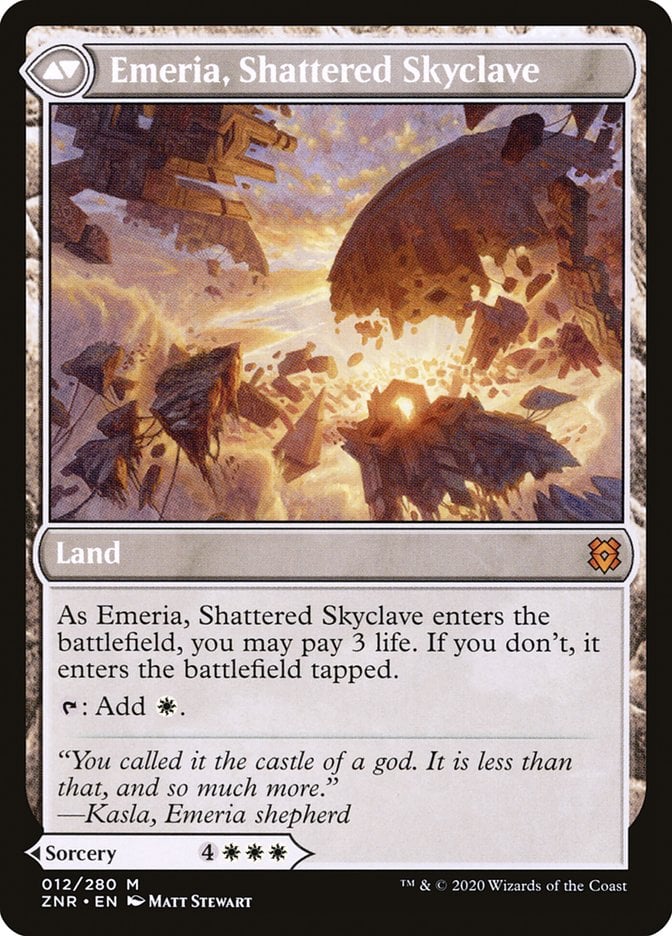
Modal double-faced lands are exceptionally strong because having a land and a spell in the same slot makes your deck more consistent. Hitting your land drops early is critical, yet flooding out is always a risk. Emeria's Call has been power crept by the Modern Horizons 3 lands, but it’s still a slam-dunk in many Commander decks.
#13. Grand Abolisher
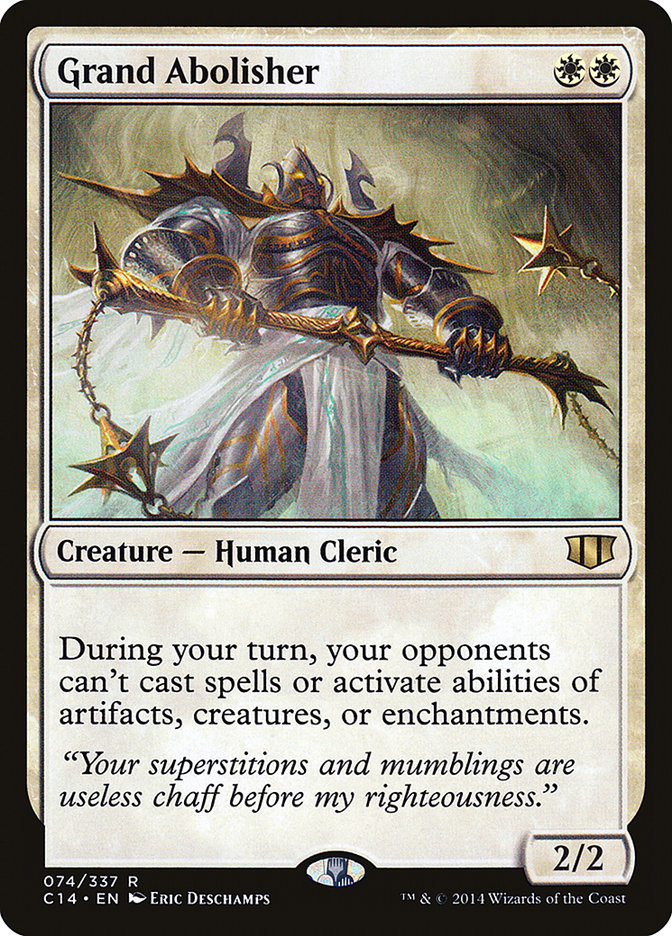
White excels at putting boundaries on other players. Grand Abolisher typically punishes blue countermagic, but forcing your opponent to point removal at a 2/2 also sort of protects your other dealings since they need two removal spells to answer a potential combo or other threat. A small creature that makes it hard for your opponent to play the game is exactly where white wants to be.
#12. Armageddon
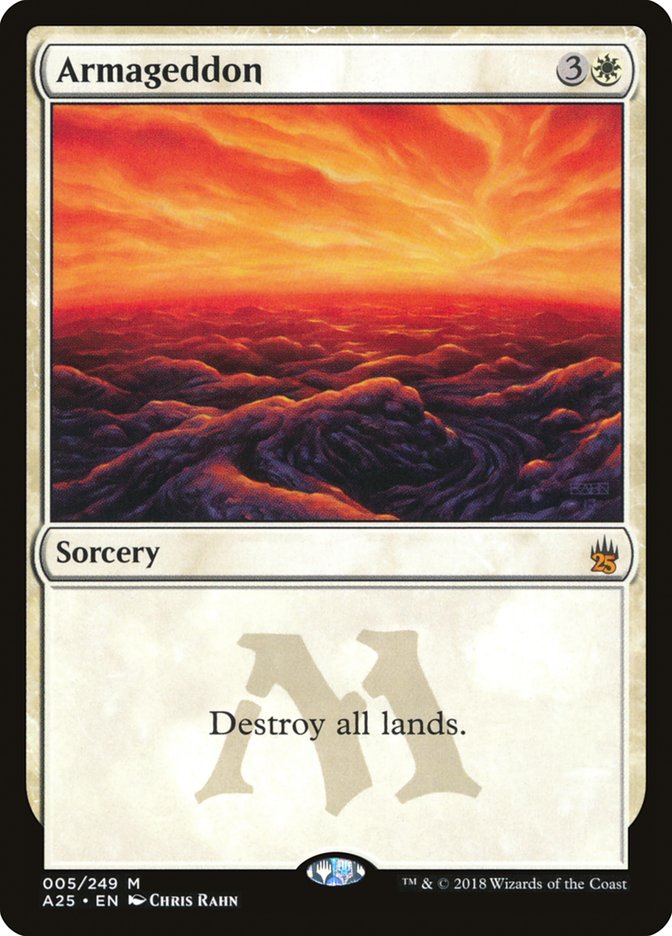
Aggro decks needs ways to turn a board presence into a win, and Armageddon has historically done that. Flood the board with creatures so you’re ahead on board, then drop an Armageddon so your opponent can’t claw their way back.
#11. Monastery Mentor
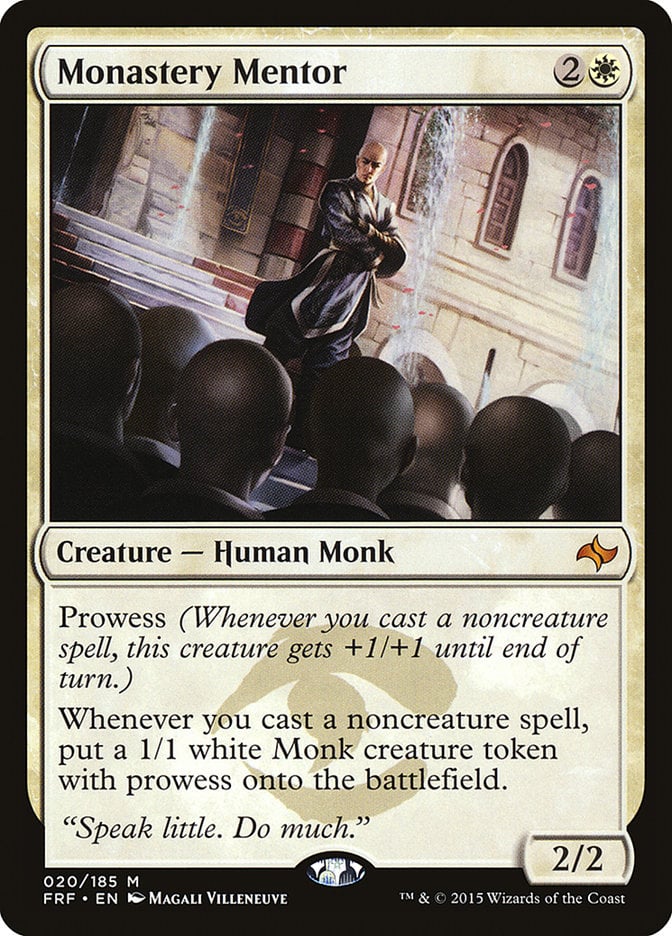
There are many armies in a can, especially in white, but Monastery Mentor’s army is the best trained thanks to prowess. This often pops up around high-powered play with lots of cheap (ideally 0-mana) artifacts to churn out a bunch of monk tokens then make them large enough to threaten your opponents. A Time Walk helps, too.
#10. Recruiter of the Guard
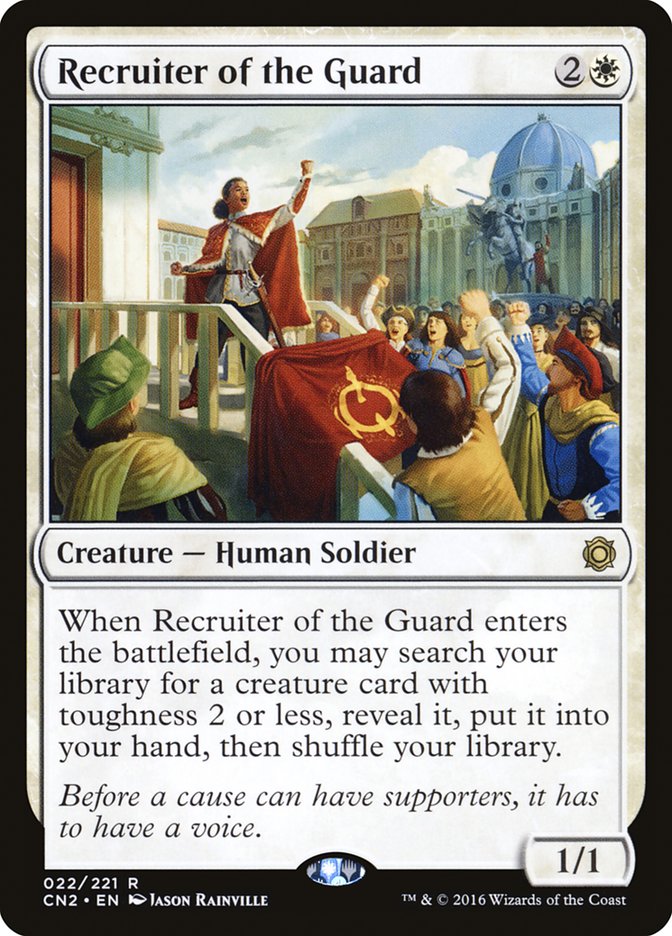
Recruiter of the Guard is a top-tier tutor. Only grabbing small creatures doesn’t matter much since white’s best creatures are small, and white has so many ways to take advantage of a creature with an enters ability. Find Phelia, Exuberant Shepherd and you can flicker Recruiter over and over to keep finding more creatures!
#9. Land Tax
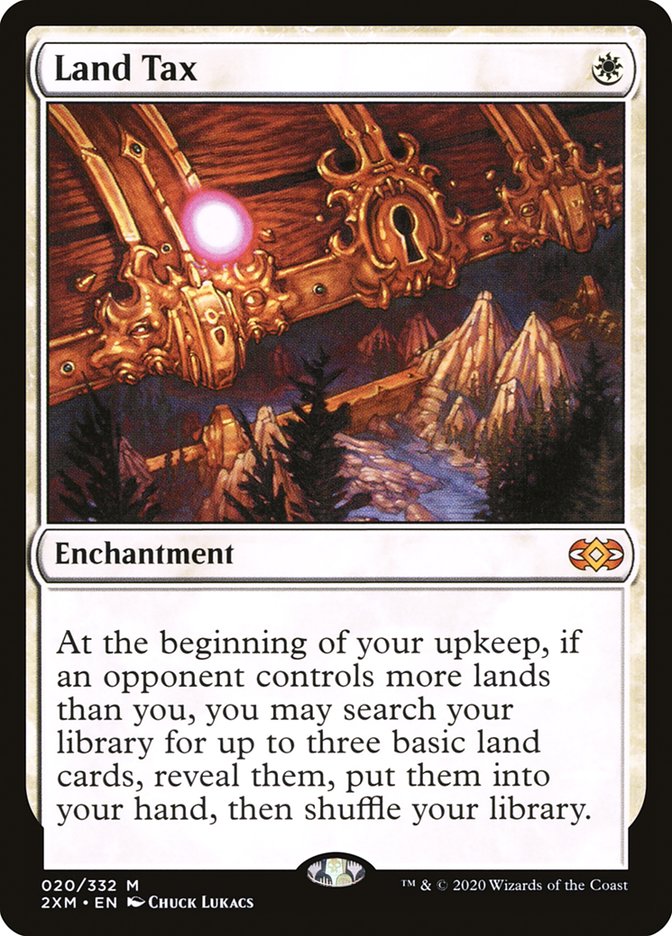
Land Tax generates obscene card advantage for its cost. If you get this going, you probably hit every land drop for the rest of the game, plus you get a shuffle every turn for top-deck manipulation like Scroll Rack or Jace, the Mind Sculptor, a totally different and busted value engine.
#8. The Wandering Emperor
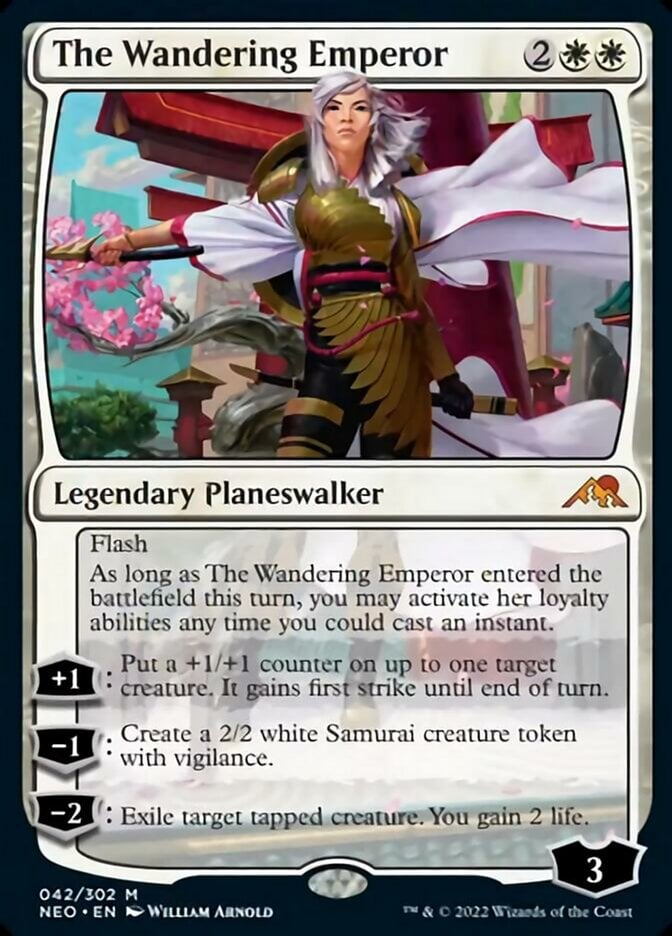
Flash makes The Wandering Emperor one of the best planeswalkers for control decks because you don’t need to tap out and give your opponent a window of opportunity to cast spells without coverage from countermagic. A removal spell that wins the game is a control player’s dream.
#7. Cloud, Midgar Mercenary

Cloud, Midgar Mercenary is a super efficient threat in line with what modern Magic demands. It’s cheap, it replaces itself so interaction isn’t terrible, and it tutors up great threats like Skullclamp and Lavaspur Boots. The fact it does more is almost unnecessary, but very welcome. Remember, ward is a triggered ability!
#6. Ranger-Captain of Eos
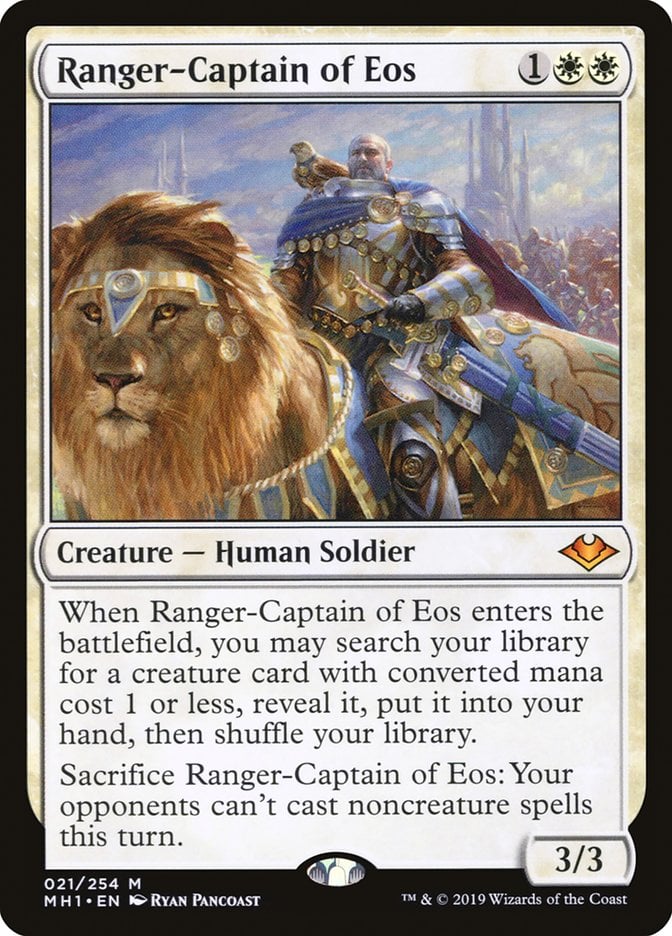
Ranger-Captain of Eos bundles several valuable effects into one. Tutors are always strong because they find extra cards, and a tutor attached to a creature’s enters ability gives you a great two-for-one and works well with white’s flicker abilities. Sacrificing it to Silence your opponents can be all it takes to find the time needed to win.
#5. Elspeth, Storm Slayer

Elspeth, Storm Slayer is white’s best token doubler and very close to its best token payoff. A planeswalker that makes tokens for you to double is powerful, but Elspeth’s 0 might be its best feature. Most planeswalkers are slow, so you need time to take advantage of them in exchange for inevitability. But Elspeth can come down as a 5-mana “I Win” button by adding a surge of power and evasion to your board, and it does so without sacrificing the advantages of grindier planeswalkers.
#4. Solitude
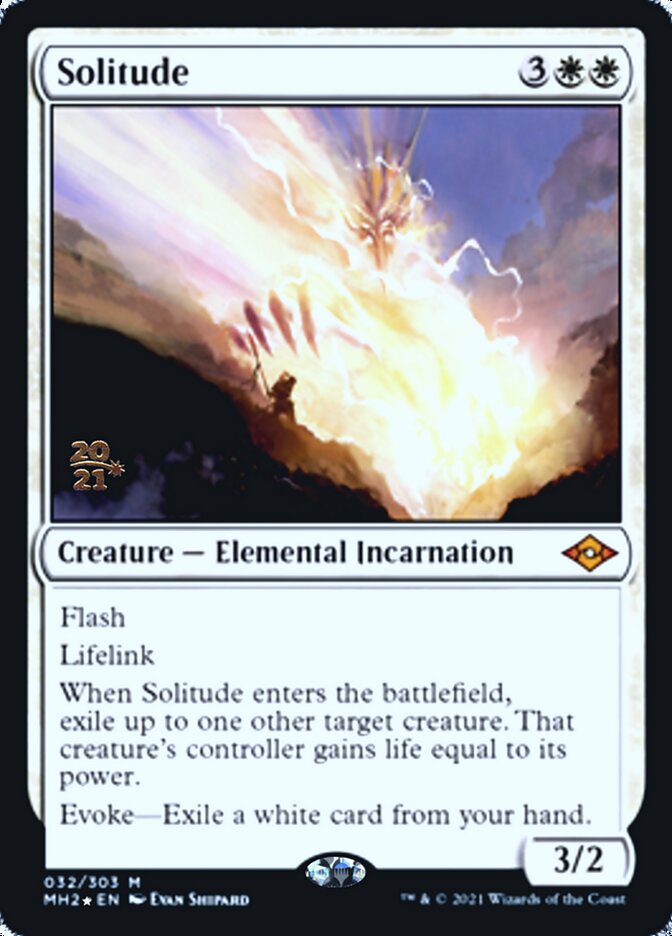
Solitude is a free Swords to Plowshares, which would be enough for a top 10 ranking, but it keeps going for some reason. You can flicker it for two free Swords to Plowshares and a 3/2 or just cast it for its regular mana cost, so it’s pretty much always useful. Free spells are great, and free spells that can be threats under the right circumstances are even better.
#3. Karakas
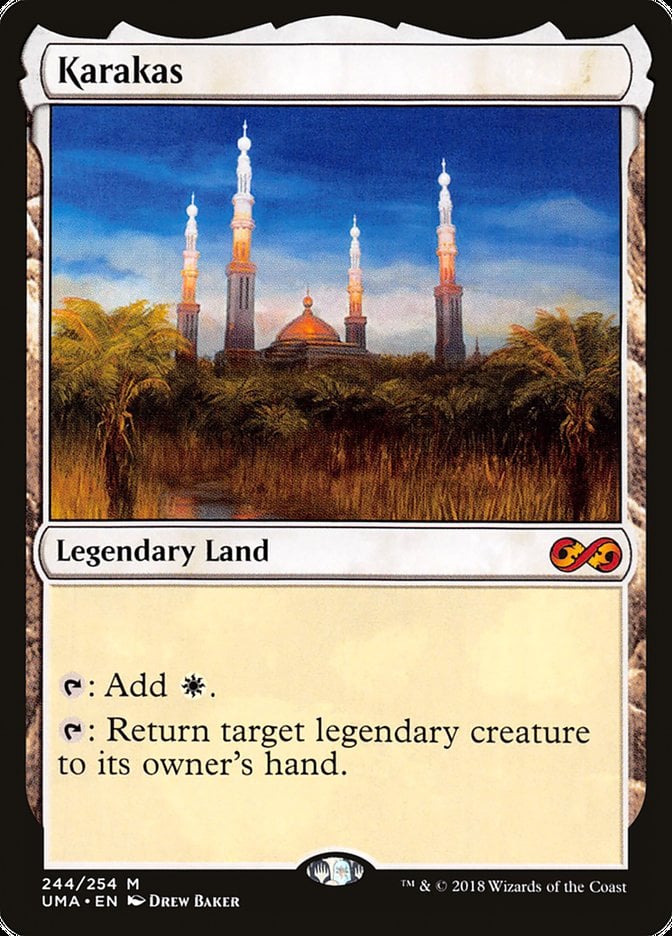
Karakas is cracked, and it’s only gotten better as Wizards pushes more legends in Universes Beyond sets. Take a look at Vintage Cube lists and you’ll be regaled with great legendaries at every corner: the best reanimation targets, the best early threats, the best 3-4 mana threats. It’s an incredible answer but also a value engine if you bounce your own legends with strong abilities like Loran of the Third Path or Ertai Resurrected. Few other lands are capable of winning the game just because you played them.
#2. Ocelot Pride

Ocelot Pride doesn’t feel like a real Magic card. Even when paired against the great design mistakes of the past, it’s an absurdly pushed card, a 1-mana threat that wins the game easily on its own because it makes so many tokens. And it’s not even that irrelevant later in the game because then you get the city’s blessing and make twice as many tokens to scale. Hopefully this is it, the pinnacle of what a 1-mana creature can be, because I really don’t want to see a power-crept Ocelot Pride.
#1. Balance
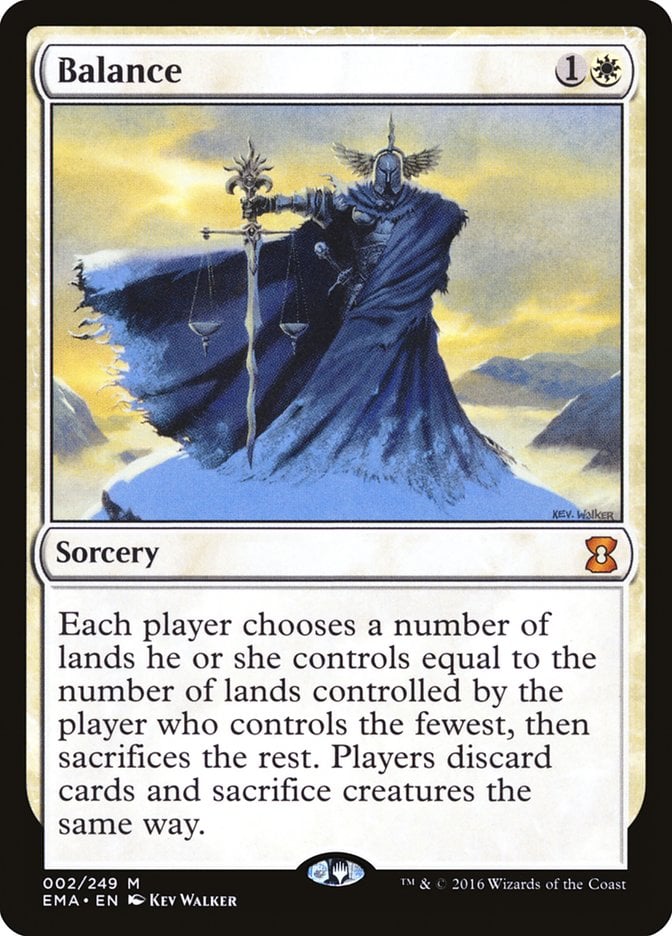
Even the classics hold up to power creep. Balance is anything but balanced, which will always be one of the greatest jokes in Magic. Though it’s symmetrical, breaking that symmetry takes very little effort. Just spew out a bunch of mana rocks to Strip Mine your opponent, empty your hand to Mind Twist them, or even just play it with no creatures as a 2-mana board wipe. There’s very little it doesn’t do.
What Are the Most Expensive White Mythics?
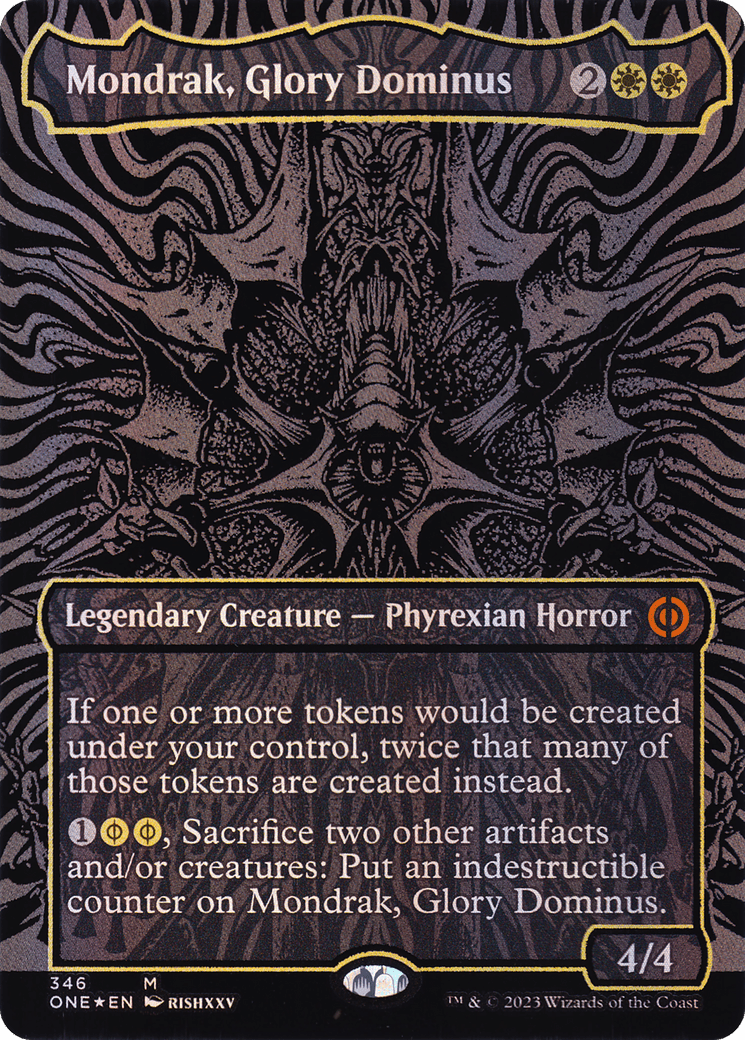
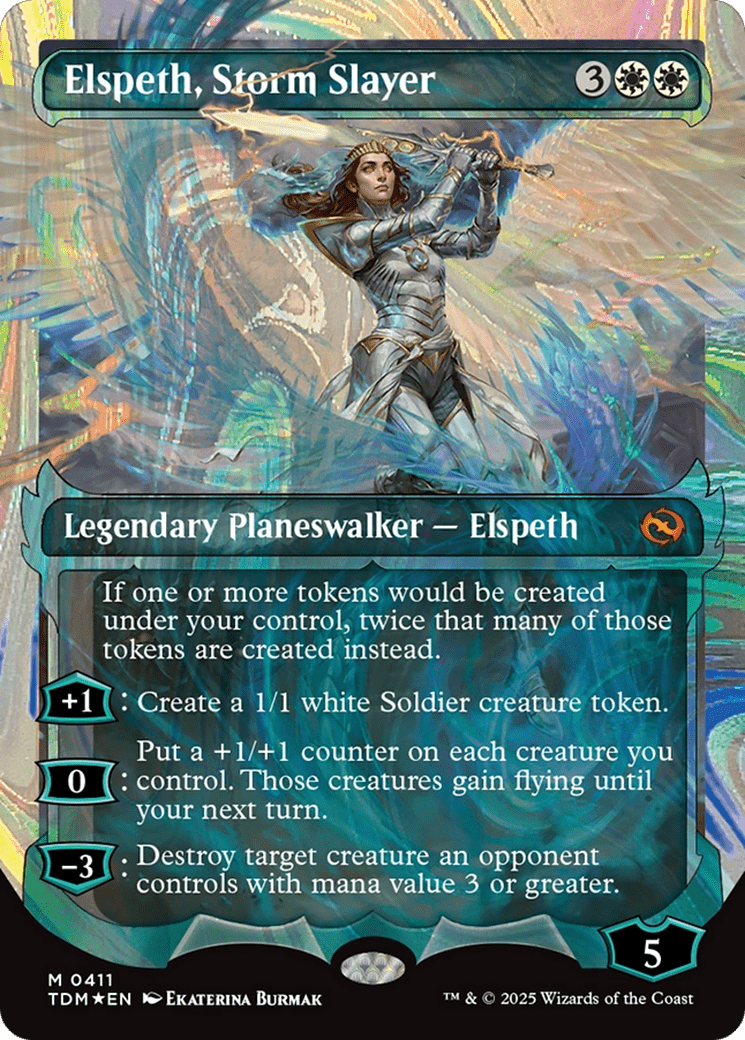
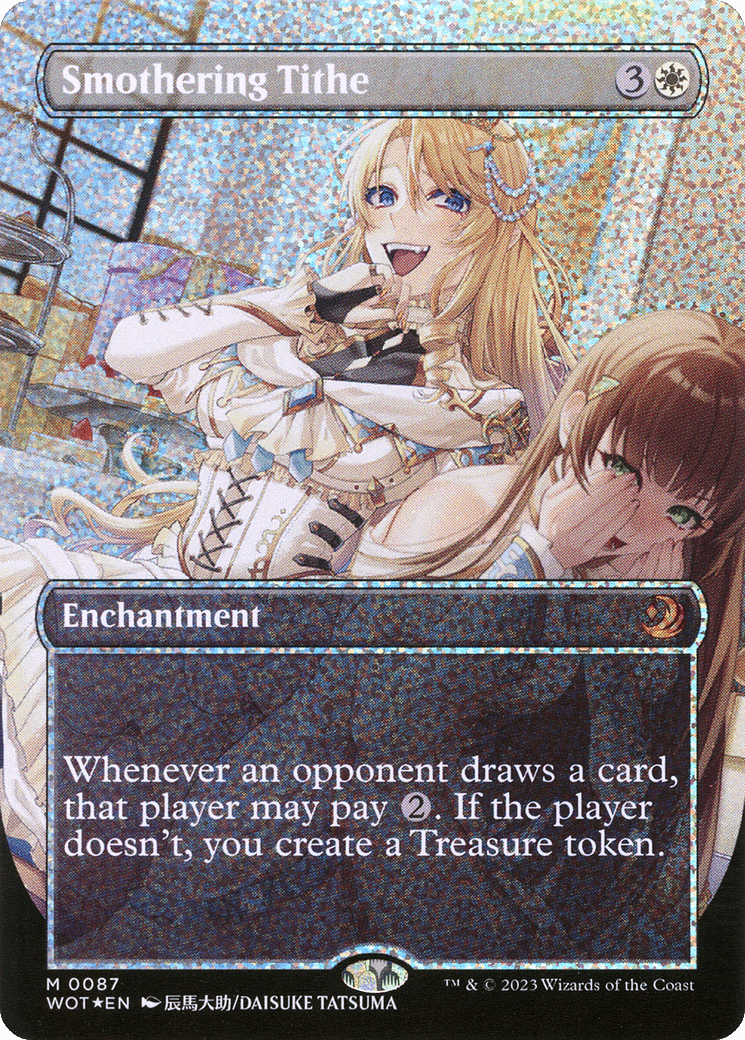

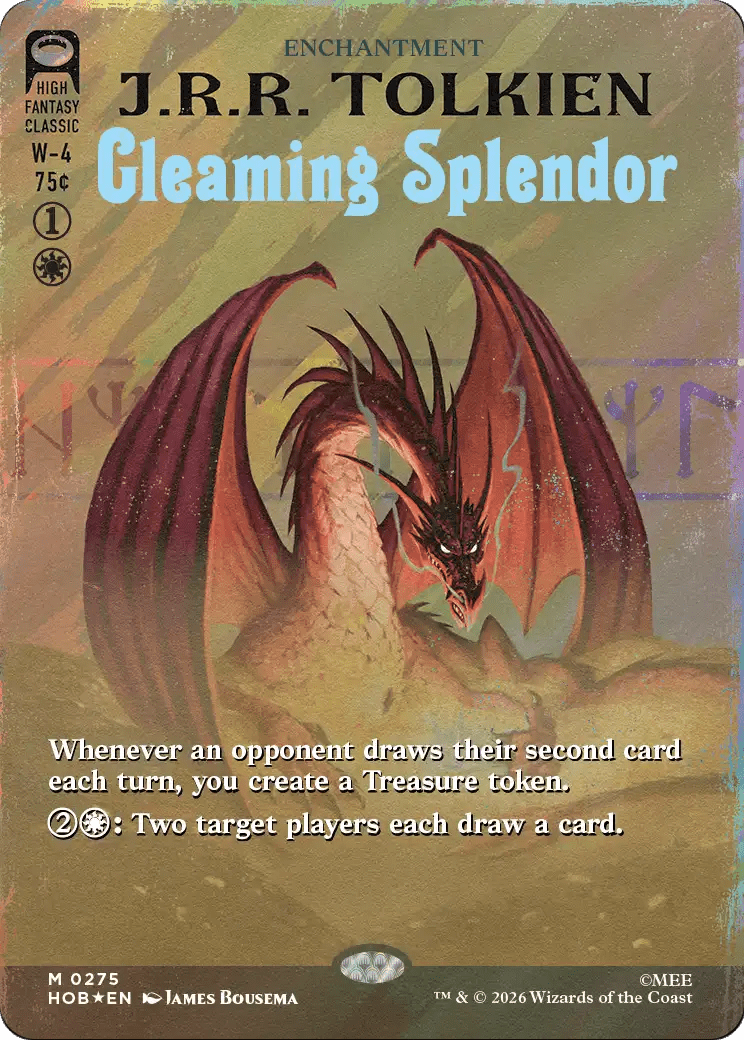
Here are the five most expensive white mythics (as of August 2026), with a small wrinkle: Any card with a mythic symbol is eligible for this micro-list.
- Mondrak, Glory Dominus (ONE #346) – $112
- Elspeth, Storm Slayer (TDM #411) – $310
- Gleaming Splendor (HOB #275) – $459
- Smothering Tithe (Enchanting Tales #87) – $1,447
- The Mind Stone (MSH #386) – $1,699
Wrap Up
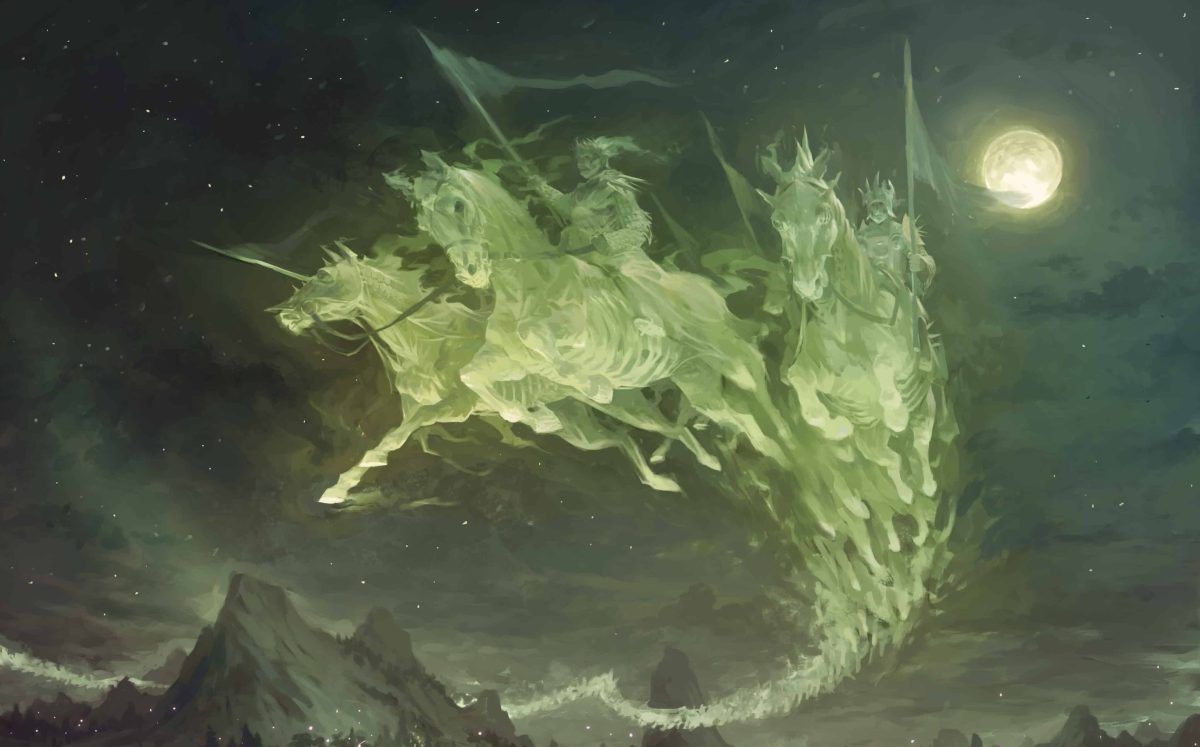
Moonshaker Cavalry | Illustration by Aldo Dominguez
White’s mythics support everything it does, from the simple lifegain plan to complex, high-powered cards that mess with opposing game plans. Whether you need a great engine or a cheap threat, they have you covered.
Do you play any white mythics in your deck? Do you like how Magic’s current rarity system works? Let me know in the comments below or on the Draftsim Discord! For more Draftsim, check out our YouTube channel, The Daily Upkeep!
Stay safe, and thanks for reading!
Follow Draftsim for awesome articles and set updates:










1 Comment
Token doublers aren’t great with adagia since the tokens are legendary
Add Comment