
Last updated on August 6, 2026
Selvala, Heart of the Wilds | Illustration by Tyler Jacobson
A card just got revealed and Wizards of the Coast is already changing its rules, a card from over five years ago is getting its rules text changed because of The Hobbit, and a big change to how mana works is breaking one of the most broken combos of all time. Some of these rules are a bit tricky to explain, but they'll have a pretty big impact on your games if you're playing with any of these cards, so read carefully.
Tolabow, Loch Rascal
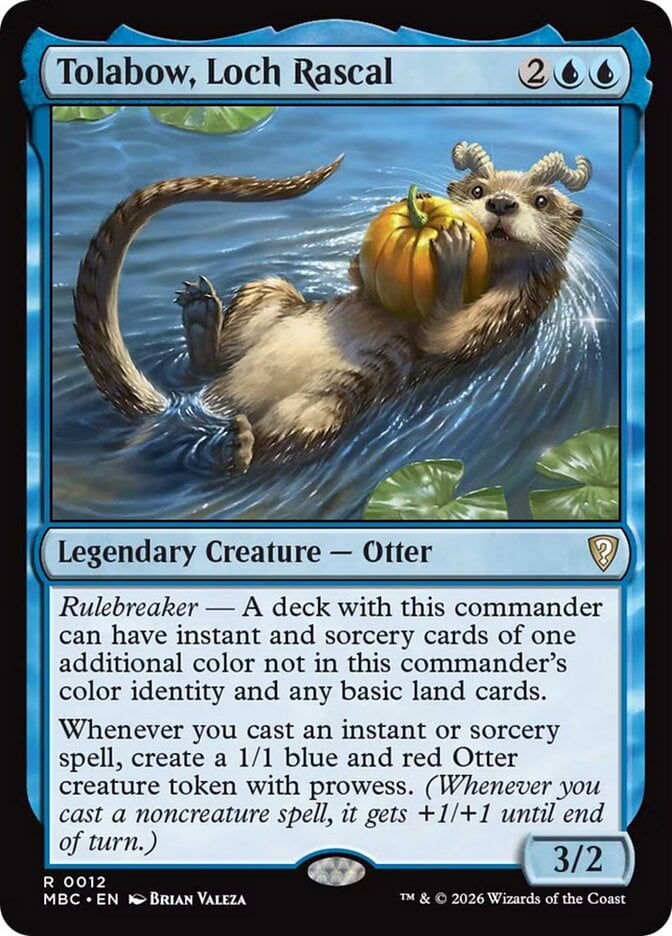
It's not often that a brand new card gets a rule change before it's even officially released, but that's exactly what just happened for Tolabow, Loch Rascal. Coming from the Mystery Booster Commander Edition set, this card debuts a new mechanic called rulebreaker. Each commander with rulebreaker lets you break certain rules of commander deck building when they are your commander, in this case Tolabow, Loch Rascal lets you put different color instants or sorceries into your deck…. or does it?
Can they be different colors? Does one of the colors have to be blue? Or can they be any color? Do they all have to be the same color? If you're just going on the words printed on the card, it quickly gets confusing, and it's unclear what exactly this card does. Wizards of the Coast noticed this, and it issued an errata for the card, with the new text reading as follows:
“Rulebreaker — If Tolabow, Loch Rascal is your commander, the color identity of instant and sorcery cards in your deck can include one color of your choice not in your commander's color identity, and your deck can have any basic land cards.”
This doesn't technically change any existing rules for how this card works, it simply clarifies them. Additionally, if were to ever see any reprints of this card, the rules text would be updated to match the errata.
Uvilda, Dean of Perfection
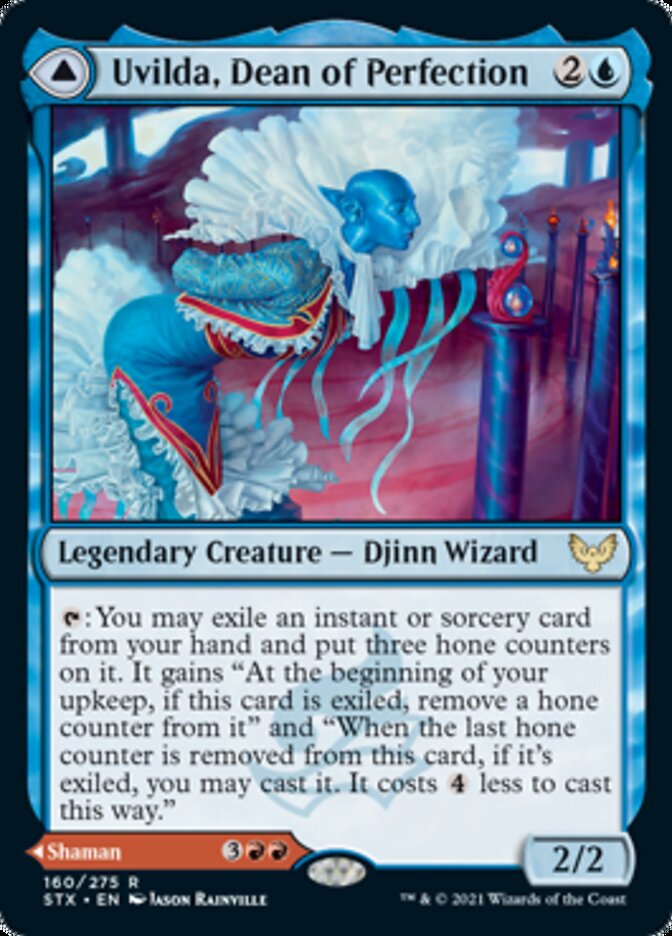
There is more than one card receiving an errata to its rules text, but this one is for a much different reason. Uvilda, Dean of Perfection, which was printed way back in original Strixhaven, is receiving a simple one word errata to change the name of the counter she gives from “hone” to “refine”.
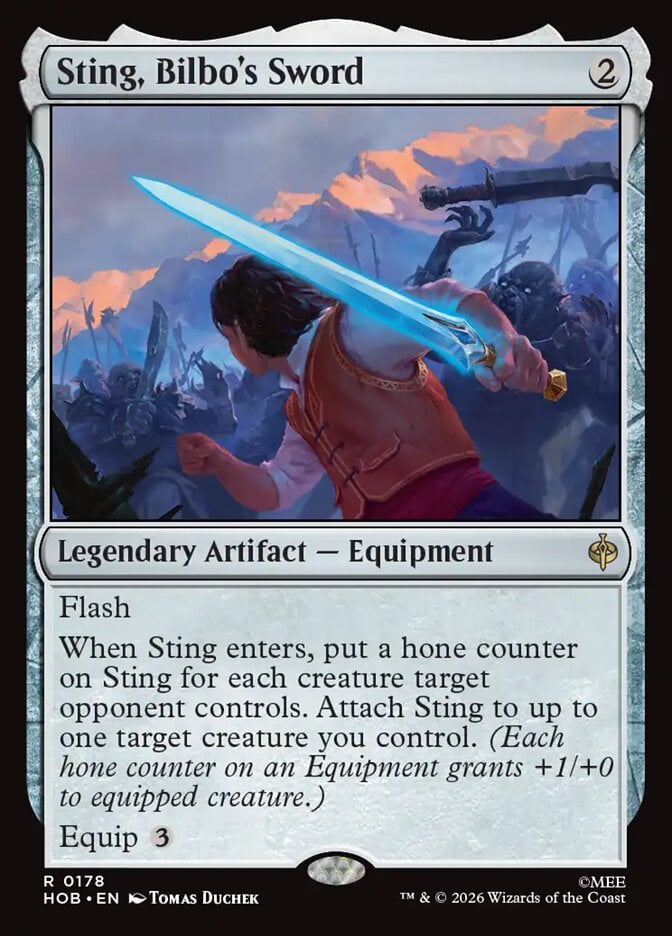
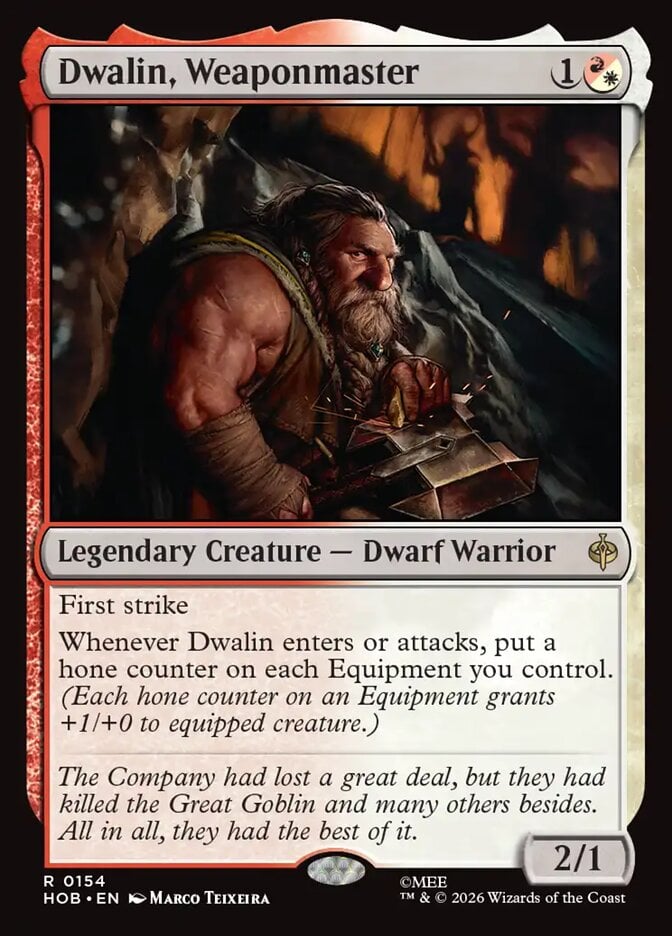
This is because with the release of The Hobbit, hone counters are now a supported type of counter with their own implicit rules. A hone counter on an equipment means that the creature it's equipped to gets an additional +1/+0 for each hone counter. We see this mechanic appear on Sting, Bilbo's Sword as well as Dwalin, Weaponmaster.
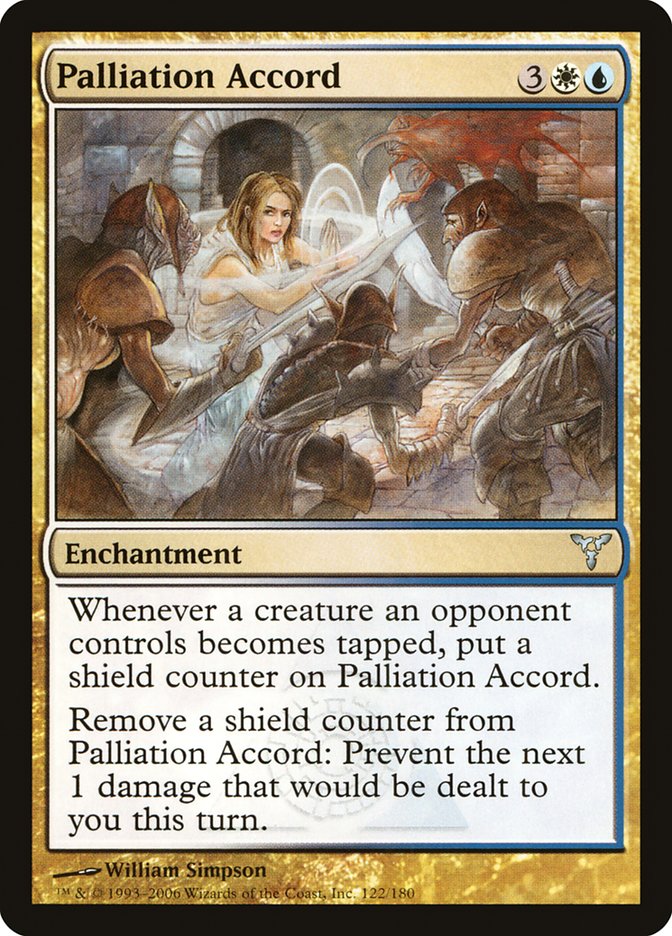
We've seen cards getting their counter changed to a different name before on Palliation Accord, having its shield counter changed to a “palliation” counter, as shield counters have their own implicit rules attached to them, and they wanted to reduce any confusion or unintended rules interactions. The same goes for changing Uvilda, Dean of Perfection to have refine counters instead of hone counters.
Selvala, Explorer Returned
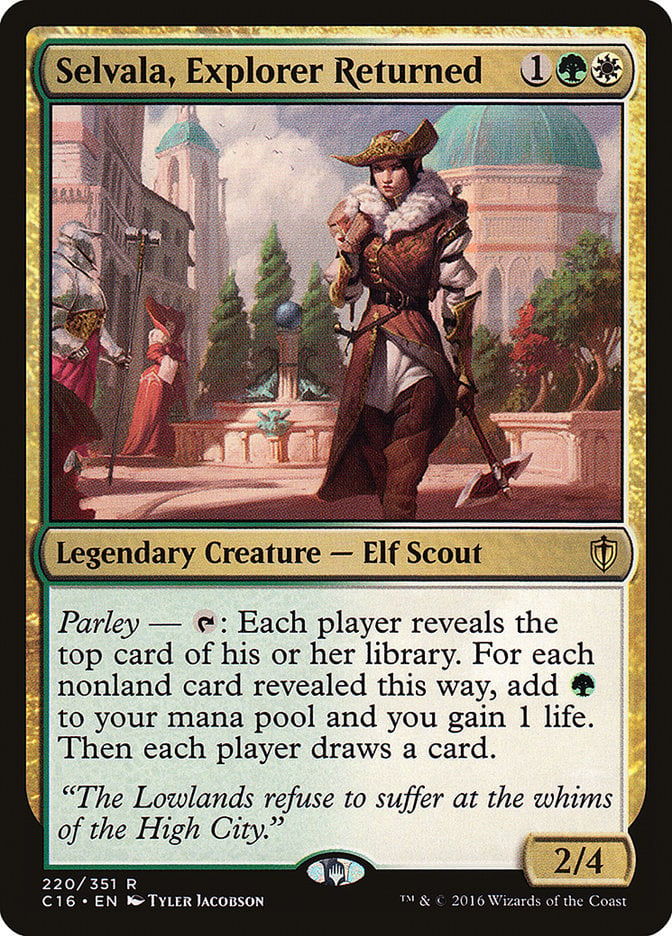
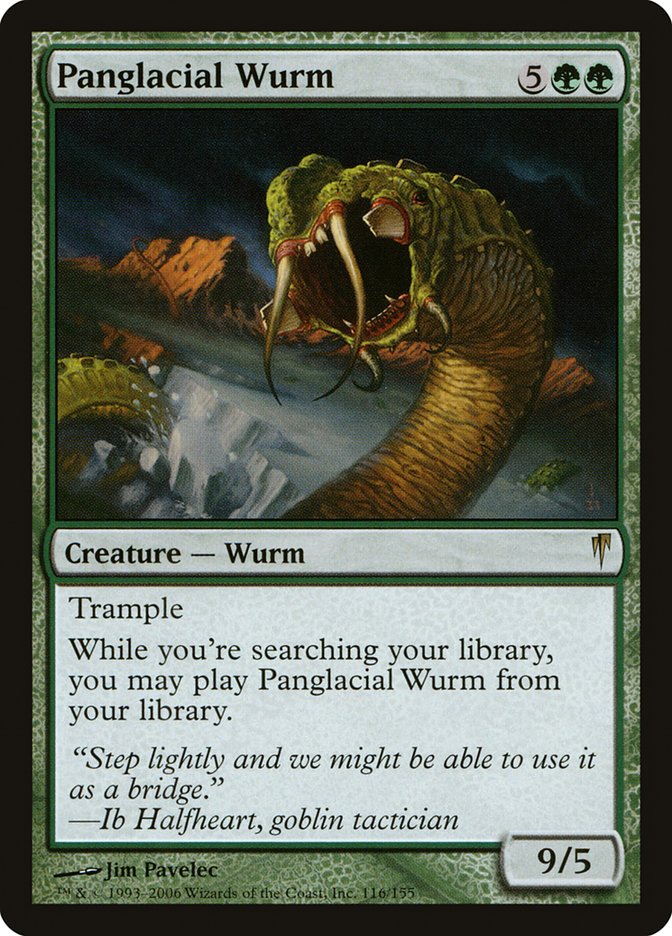
Finally, we have the biggest rules change. Mana abilities are interesting because unlike everything else in the game, they don't use the stack, meaning they can't really be interacted with. The old definition of a mana ability was an ability that could add mana, did not target, and was not a loyalty ability. This could become a problem with certain cards like Selvala, Explorer Returned, as you could exploit the fact that her ability was a mana ability that also drew a card to get up to some rules warping shenanigans, most famously in conjunction with Panglacial Wurm.
You could have Selvala, Explorer Returned in play and search your library with some effect, and while searching you could declare that you're casting Panglacial Wurm from your library. You could then tap her for mana to cast the spell, having each player reveal their top card and adding mana based on what's revealed, and drawing a card.
Notably, you're still searching your library and haven't shuffled yet. This has a chance to not add enough mana to cast the Panglacial Wurm, which would undo the mana ability as normally mana abilities can be reversible in certain cases, however because part of the ability let you draw a card, you can't reverse the activation of the ability. The end result is that Panglacial Wurm stays in your library, but you still got to look at your deck and draw the top card of it before shuffling. Now this is such a rules nightmare, that even though this is technically allowed within the rules of magic, this is classified as cheating and can get you in trouble if you do it at a tournament.
But no more! Perhaps because of this odd combo, Wizards of the Coast has changed their definition for what is classified as a mana ability, adding a stipulation that in addition to its other requirements, “its cost and effect don’t move any card to or from a library. Do not take into account replacement effects that may apply, other than self-replacement effects, when evaluating these criteria.”
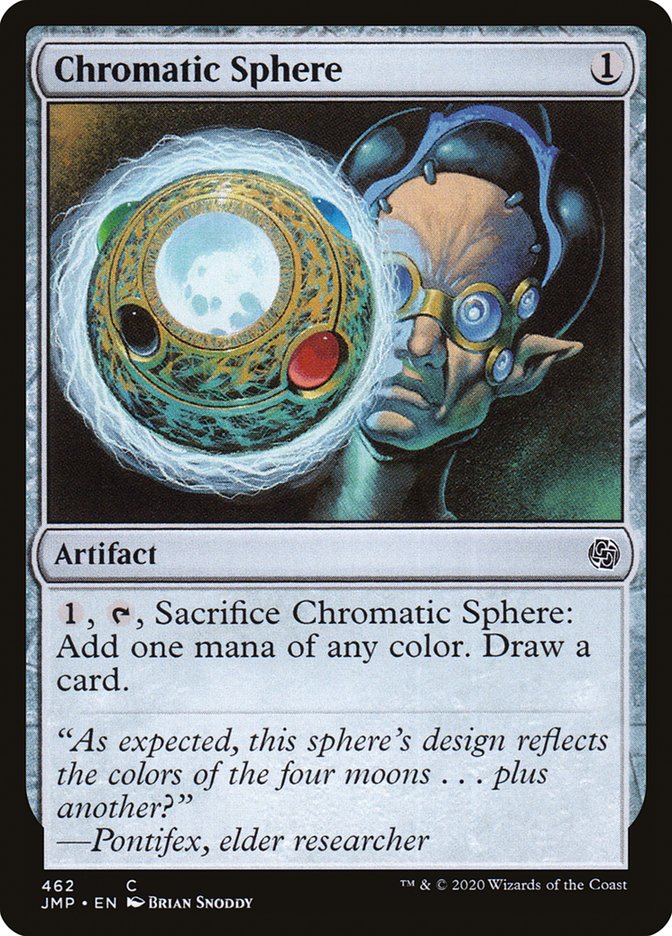
Essentially, if it mills a card, it's not a mana ability, and if it draws a card, it's not a mana ability. The biggest impact for this change is on cards like Chromatic Sphere, which will now use the stack instead of resolving immediately, as it's no longer a mana ability.
Wrap Up
Private Eye | Illustration by Vincent Christiaens
For most of you, these changes likely won't matter that much, but they're still good to be aware of. It's also nice to know that Wizards of the Coast is paying close enough attention to be making these kinds of changes for the community, as that's what these rule changes serve. They clear up unclear things and they keep things tidy. At least, that's the idea. Magic is a complex game, and sometimes that requires solutions that are a bit complex or obscure to the average player, but under the hood this machine is firing on all cylinders. Do you think these are good changes? Do they matter to you at all? Let us know what you think, and if there are any rule changes you'd like to see in the future.
Follow Draftsim for awesome articles and set updates:










3 Comments
Who caused Magic to be a complex game and why?
I am playing Magic for two years now and I feel that WotC is making big mistake to making already complex game more complex especially for beginners. Breaking or “clarifying” existing rules is set back and preventing otherwise enjoyable games into a nightmarish Chore not to mention, that these changes making the four players game more longer and more boredom. To clarify: All players @ the table might not be aware of these mad changes WotC are now making since intro of Avatar. One should notice that graphics used for MSH & Spiderman is not so delightful as previous sets.
I think that’s generally true though the mana ability change is generally net positive if you ask me.
Add Comment