
Last updated on July 1, 2026
Moonmist | Illustration by Ryan Yee
Every set has a Rules Update Bulletin for rules changes associated with the release; these include definitions for new types or mechanics (for example, the Marvel Super Heroes RUB included entries for Vibranium tokens and power-up) and other clarifications. This RUB clarified a ruling on transforming permanents was highlighted because MSH introduced a cycle of transforming permanents:
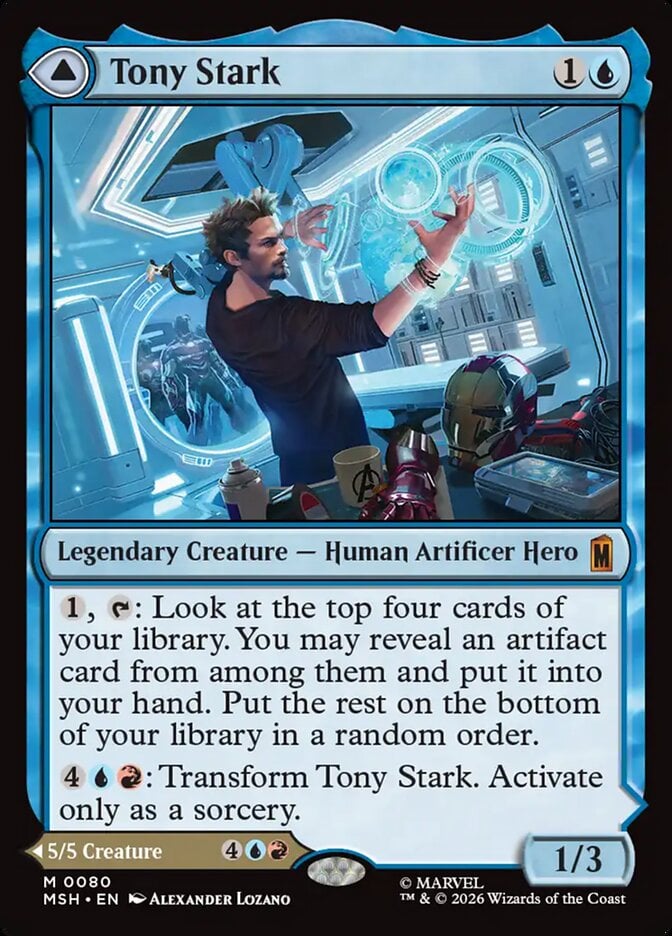
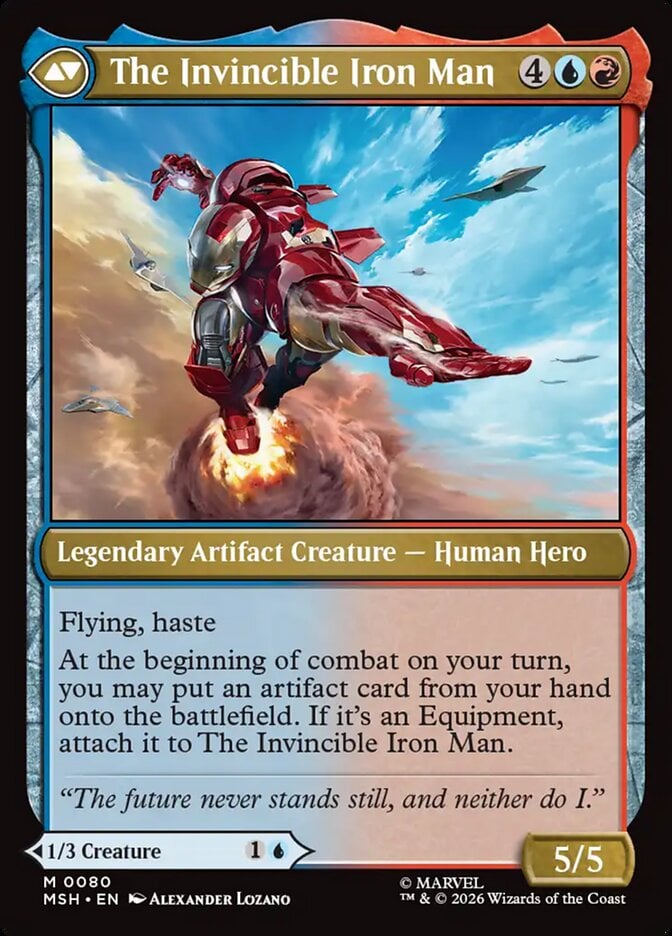
There are some odd rules surrounding transforming and double-faced cards in Magic, including this new ruling.
MSH Clarification: Double-Faced Cards Can’t Be Turn Face-Down
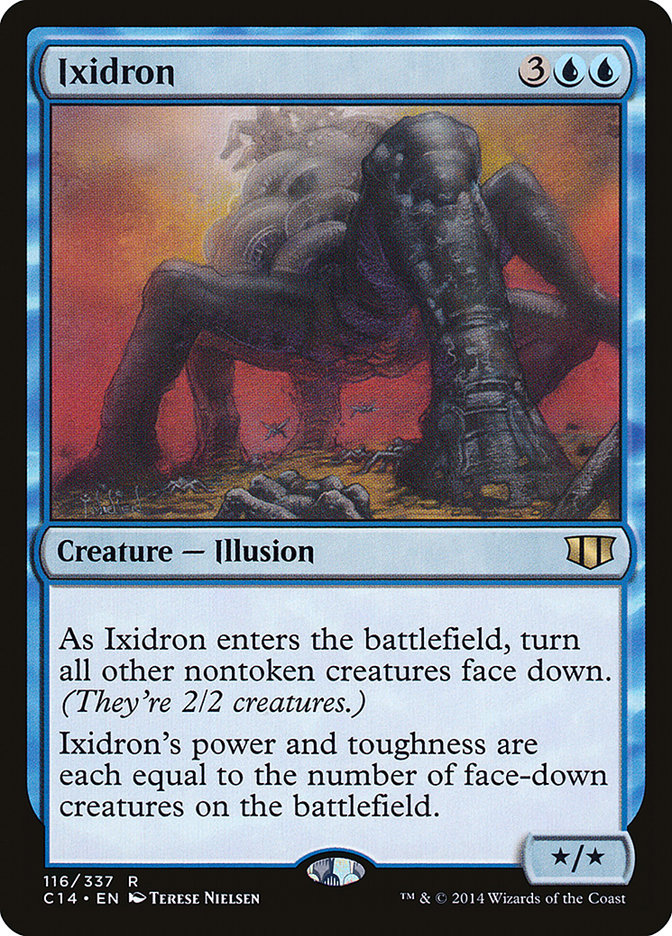
The updates to rules 7112.16 and 730.2j were implemented to clarify what happens when effects attempt to turn certain permanents face-down. The prime example is Ixidron, a weird card from Time Spiral.
In short, double-faced permanents can’t be turned face-down and effects that attempt to do so simply don’t interact with the double-faced permanent and don’t change any of its characteristics. This applies to double-faced permanents and merged permanents with a double-faced component (more on that later).
Transforming Cards Doesn’t Change Zones or Tracking

Ultimate Spider-Man | Illustration by LA Draws
Transforming a card does not mean it left the battlefield, nor does it treat the transformed card as a new instance of the permanent. This matters for a handful of effects.
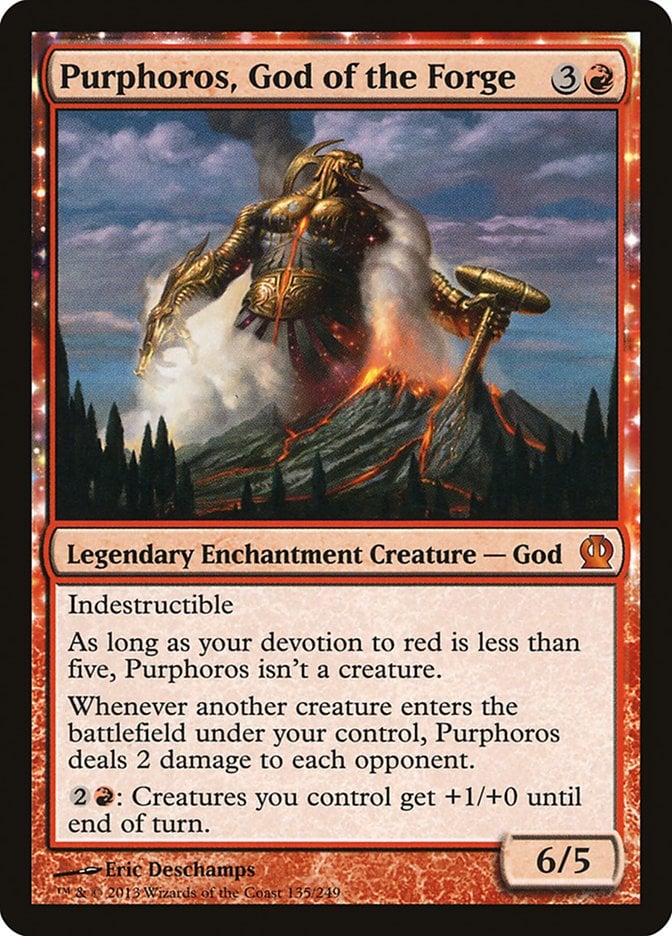


For example, creaturefall isn’t triggered by a creature transforming. If you control Purphoros, God of the Forge and Bruce Banner and transform Banner, you don’t get another Purphoros trigger because Banner doesn’t re-enter the battlefield.
Transforming a permanent also doesn’t create a new instance of the permanent. If you transform the Bruce Banner while it has summoning sickness, then The Incredible Hulk can’t attack. If Banner had a Pacifism attached, the Hulk remains enchanted.
For the purposes of cards that need to re-enter the battlefield to transform properly—say, a creature that transforms into a planeswalker or saga—the card specifies that you must exile the permanent, then return it to the battlefield under its owners control. This matters because planeswalkers and sagas get their counters as they enter the battlefield; a creature would transform into a planeswalker with 0 loyalty counters and immediately die to state-based actions while the saga wouldn’t trigger for a full turn cycle, until your next first main phase.
Transform and Mutate/Merge
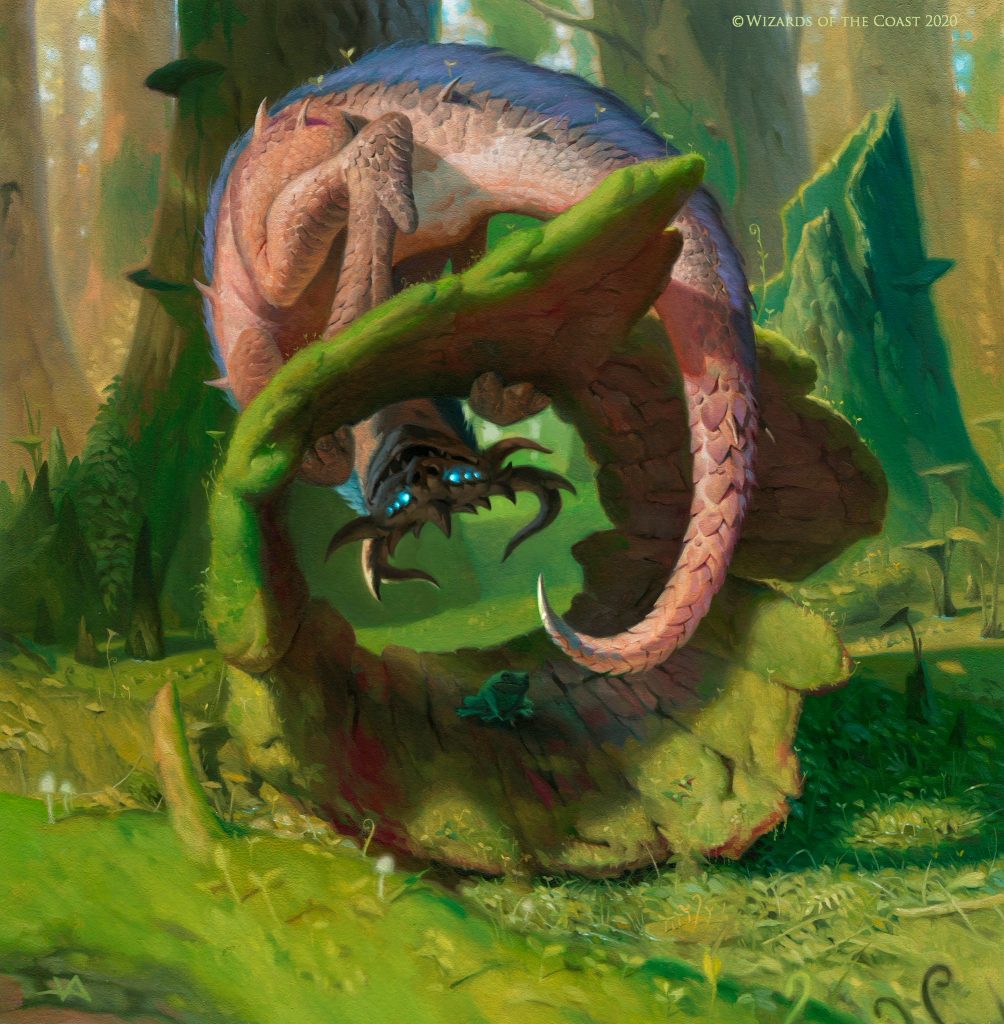
Otrimi, the Ever-Playful | Illustration by Victor Adame Minguez
If you ever want a headache, ponder mutate; the mechanic is hideously complex. It’s important to note that a mutated creature doesn’t count as a “transformed permanent;” that designation is only for double-faced cards with their backsides face-up. A mutated creature is considered a merged permanent, a designation unique to mutate.
There are some surprising similarities, though. Mutating a creature doesn’t trigger any enters abilities or treat the merged permanent as a new object. Things get interesting when double-faced permanents are one of the components of a merged permanent; like a standard double-faced card, a merged permanent with a double-faced component cannot be turned face-down by effects like Ixidron. But a merged permanent without a double-faced component can be turned face-down.
Flipped and transforming permanents have a few other fun bits with merged permanents. If one of the components of the merged permanent is a flip card, it uses the characteristics of the face that’s up. You can even transform double-faced components of a merged permanent and start using those characteristics.
Not All Double-Faced Permanents Are Created Equal
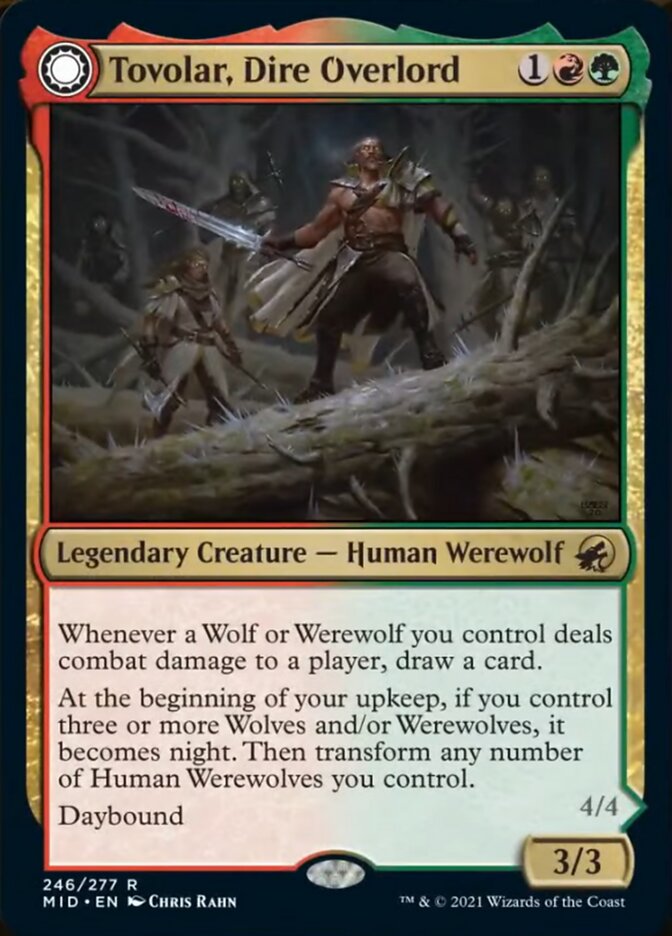
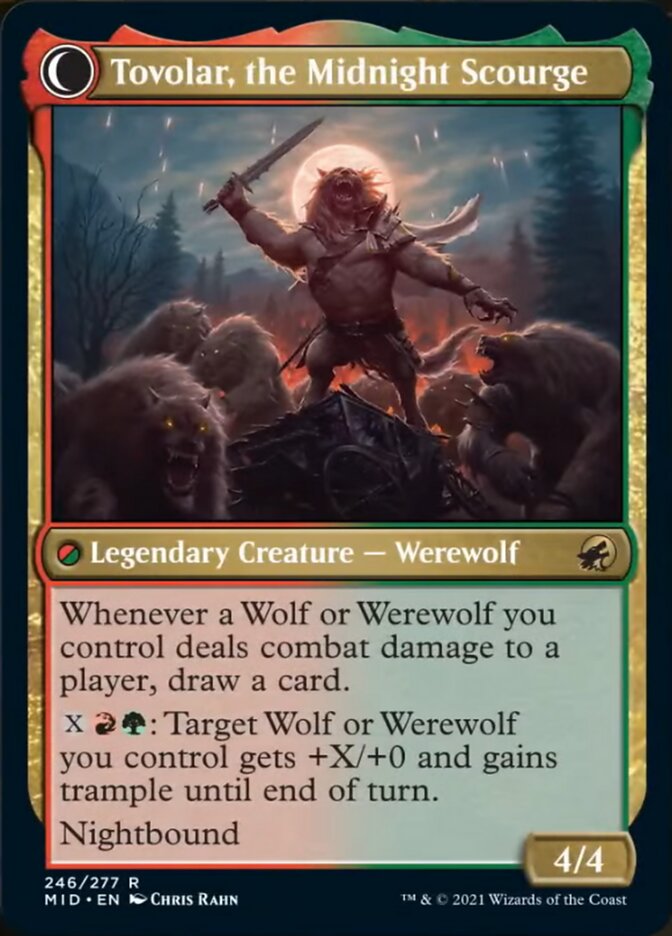
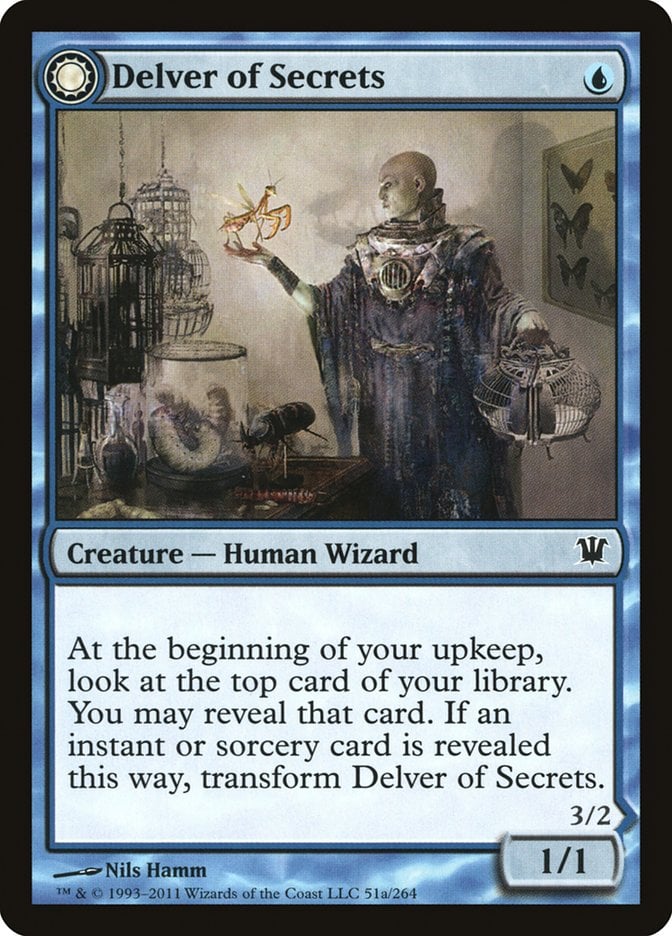
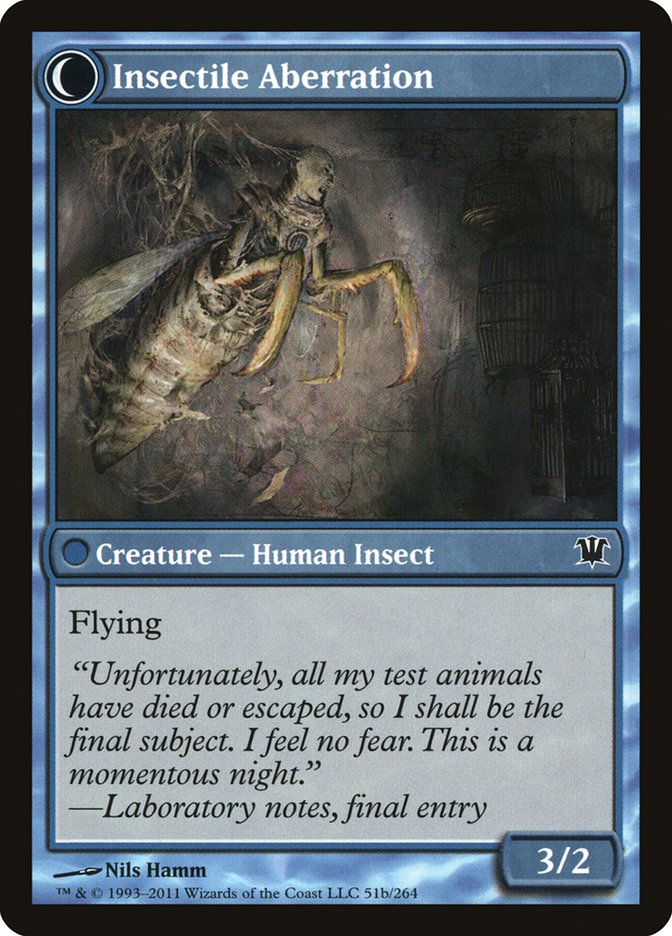
Not all double-faced cards are the same as the rules classify double-faced permanents in two distinct camps: nonmodal double-faced cards and modal double-faced cards.
Nonmodal double-faced cards were formerly referred to as “transforming permanents,” and are what we often think of when it comes to transforming cards: Werewolves, Delver of Secrets, etc. The key characteristics of this card type are that you cannot play the back face under any circumstances and the front face can always transform into the back phase. That might be meeting a condition like Delver of Secrets or paying a cost, like Kessig Prowler.
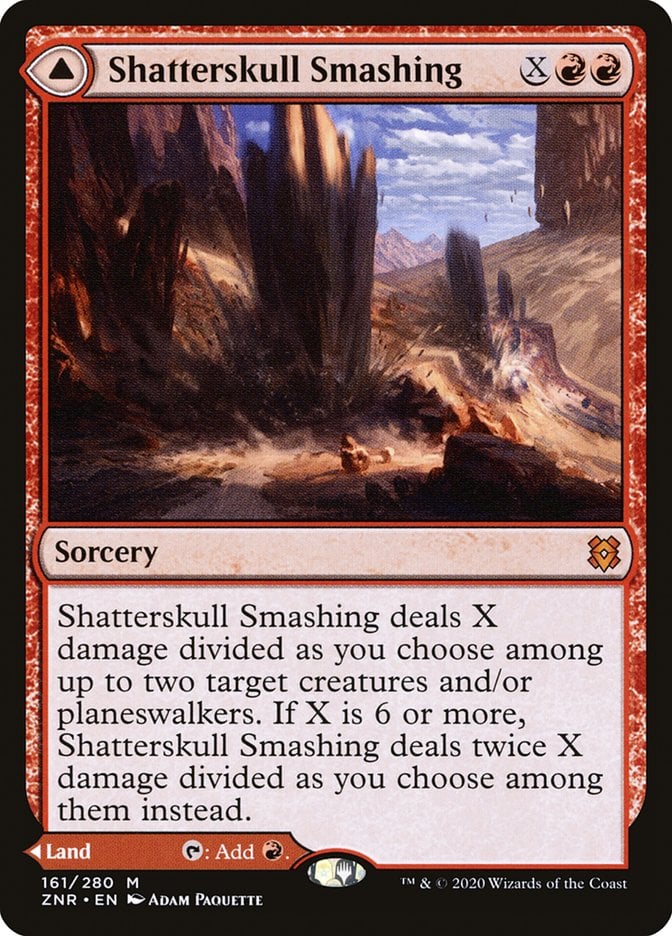
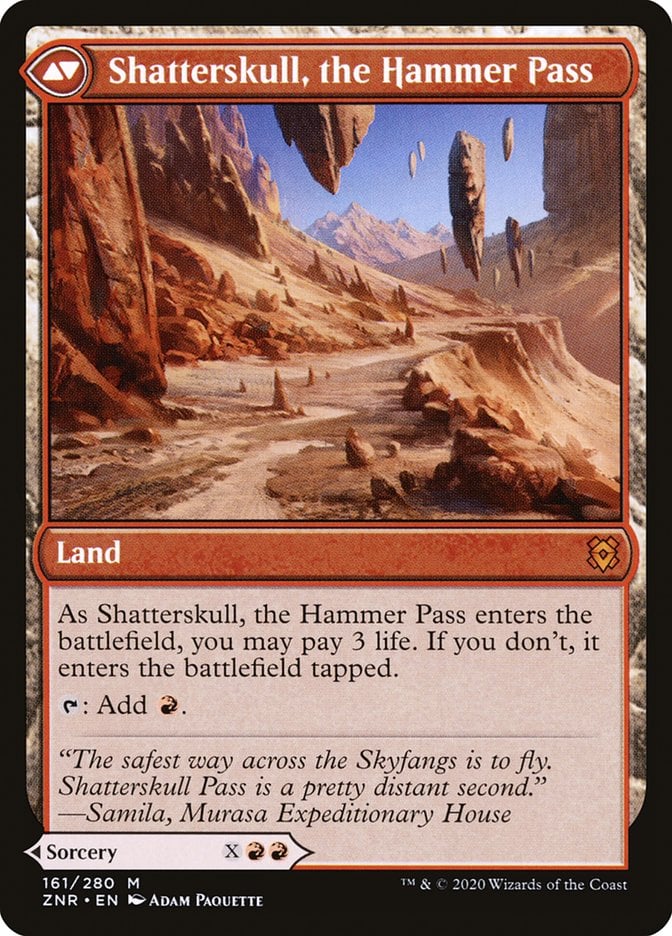
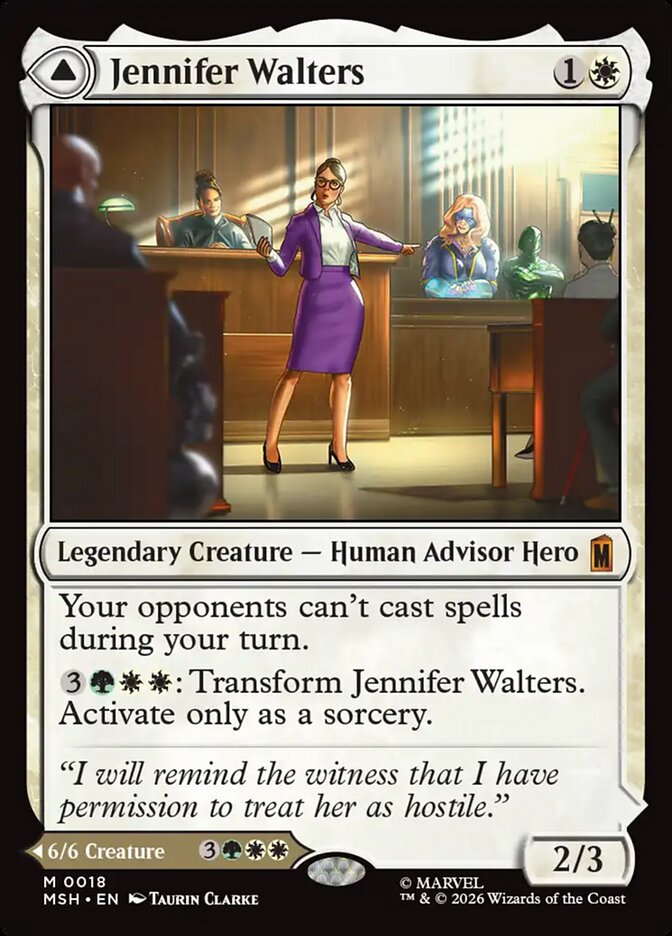
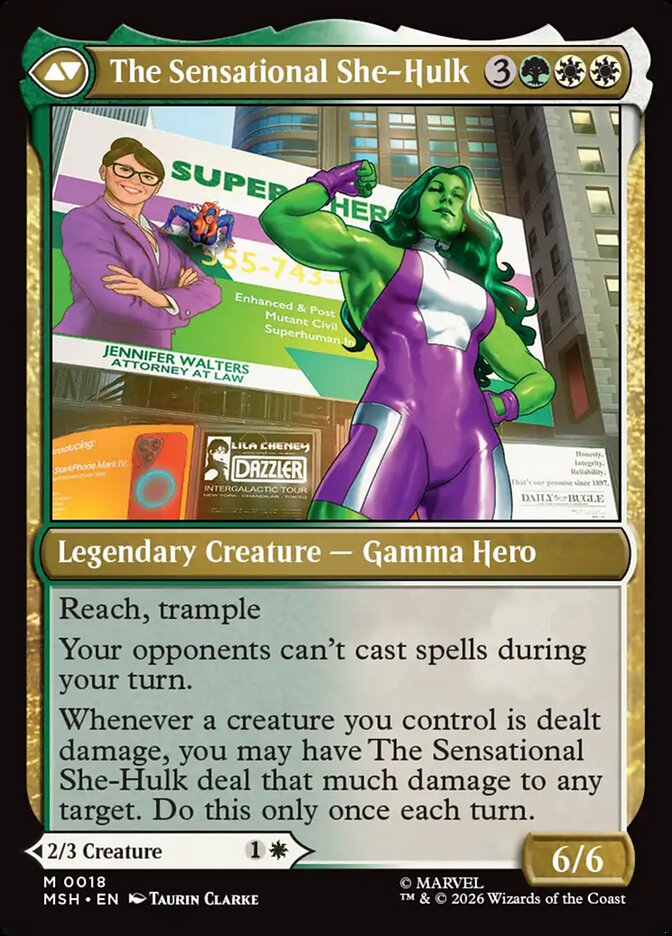
Modal double-faced cards, on the other hand, can be played as either face. Players might be most familiar with these as cards as modal double-faced lands, but this status also applies to the transforming heroes, and cards from other sets, like the Dean cycle from Strixhaven: School of Mages. The difference between these two card types has many implications:
Moonmist Is Magic’s Only Mass Transform Spell
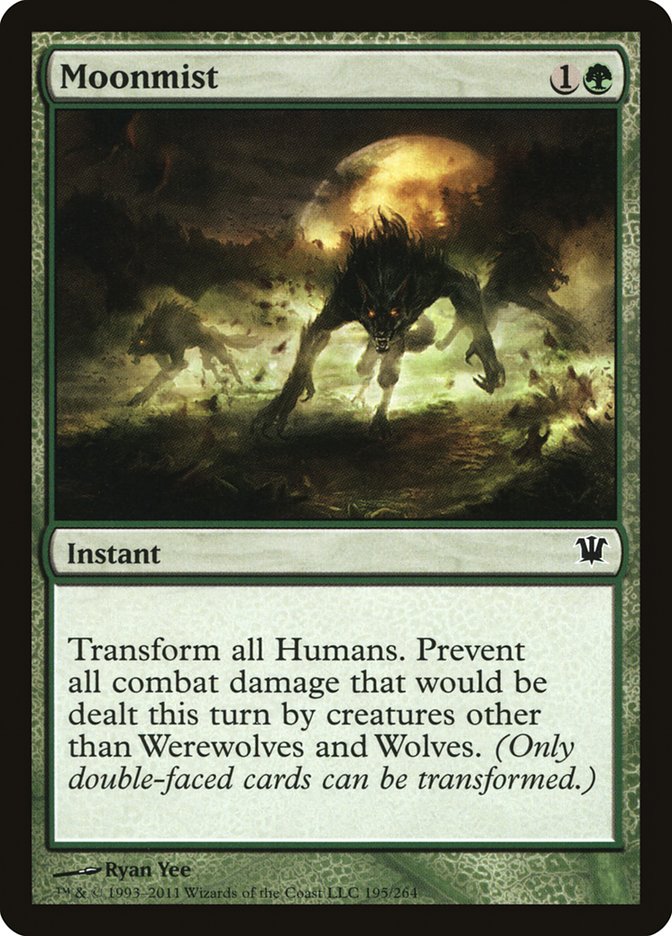
This is much more niche, but the card Moonmist from Innistrad is pretty much the only generalist forced-transform spell in Magic, and even that’s restricted to only transforming humans. While the card was clearly designed for werewolves, it works with other transforming permanents with the human type, like Bruce Banner and Delver of Secrets.
The only other Magic cards that tranform multiple permanents are Tovolar, Dire Overlord, which is restricted to human werewolves, and Glissa, Sunslayer and The Argent Etchings, which are restricted to Incubator tokens.
Follow Draftsim for awesome articles and set updates:










Add Comment