
Last updated on May 5, 2025

Chance for Glory | Illustration by Bram Sels
MTG players flocked to Minneapolis this weekend for the latest SCG CON, a convention-wide event hosted by TCG storefront Star City Games. The weekend was headlined by a Standard Regional Championship, where invited players duked it out across 15 Swiss rounds and a Top 8 for a World Championship and Pro Tour invite.
The weekend was also host to several other tournaments, like $5k events for cEDH and Modern. And while all of this was happening in North America, the Japan/Korea Regional Championship was taking place in Tokyo. The last couple of days were absolutely brimming with competitive Magic, but with the weekend in the rear view, it’s a great time to check in on the winning decks and see what took these formats down.
SCG CON Regional Championship – Standard

Shiko, Paragon of the Way | Illustration by Victor Adame Minguez
First up, the main event in Minneapolis. With $20,000 and some high-level tournament invites on the line, players brought the best decks they could to this 2-day Standard tournament. In the end, it was Casey Miller who came out on top, running a classic Jeskai Control deck with a small dragons package.
Creature (10)
Beza, the Bounding Spring x4
Marang River Regent x2
Shiko, Paragon of the Way x4
Instant (12)
Dispelling Exhale x2
Get Lost x3
Lightning Helix x4
Parting Gust
Three Steps Ahead x2
Sorcery (6)
Day of Judgment
Split Up
Stock Up x4
Enchantment (6)
Roiling Dragonstorm x2
Temporary Lockdown x4
Land (26)
Cori Mountain Monastery
Elegant Parlor x3
Floodfarm Verge x4
Island
Meticulous Archive x4
Mistrise Village
Plains x3
Riverpyre Verge x2
Sunbillow Verge x4
Thundering Falls x3
Sideboard (15)
Authority of the Consuls
Exorcise
Kutzil's Flanker x3
Lithomantic Barrage x2
Negate x2
Obstinate Baloth x2
Pyroclasm
Tishana's Tidebinder x2
Zurgo and Ojutai
While Izzet Prowess was the talk of the town coming into this tournament, many of the top competitors came prepared, as evidenced by Miller’s deck.
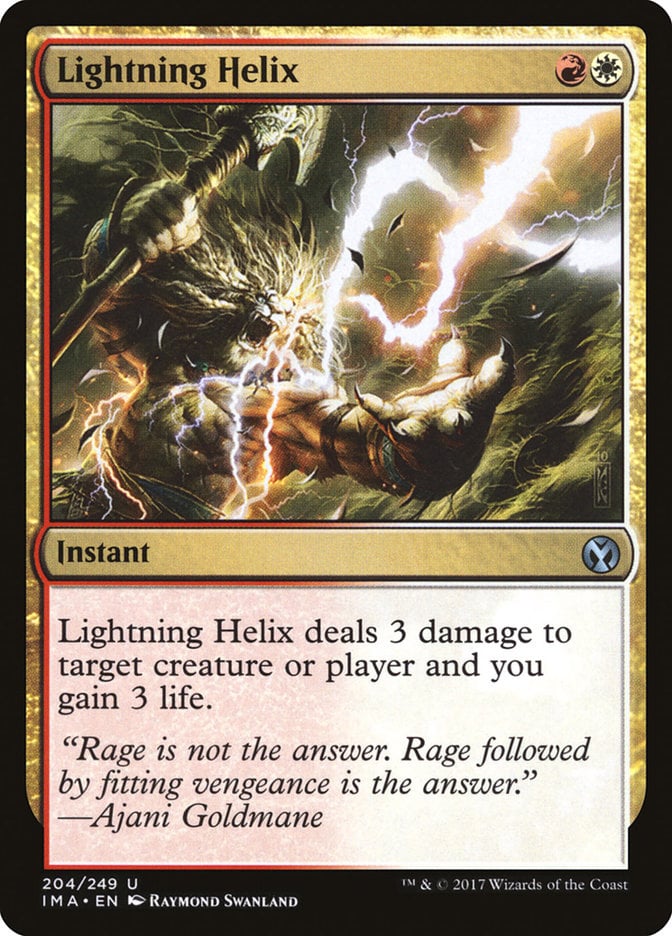
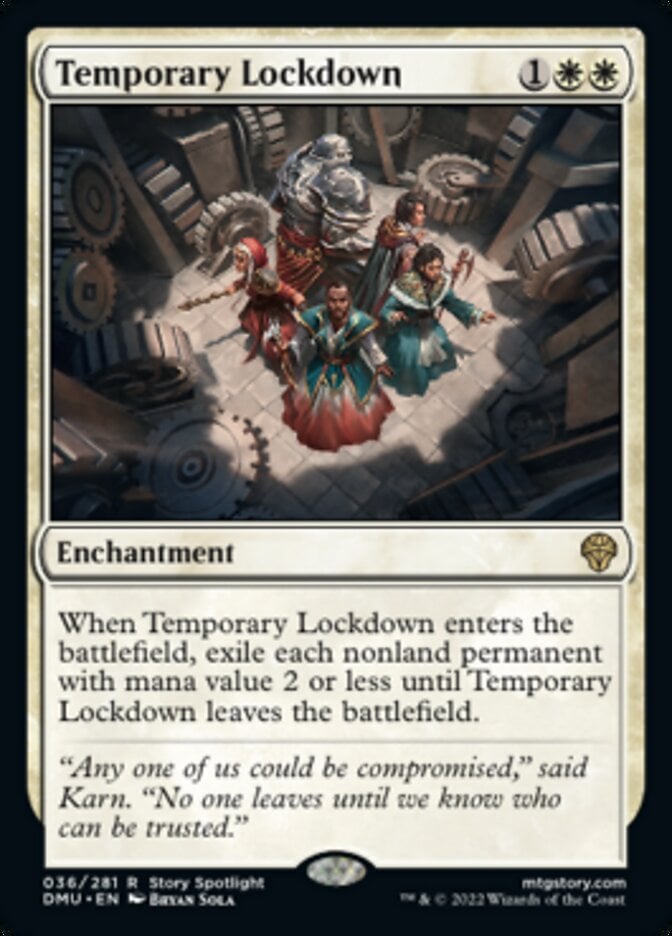

This control deck was definitely tuned to beat aggro decks, with the full four copies of Lightning Helix, Temporary Lockdown, and Beza, the Bounding Spring all offering answers to fast starts involving cards like Cori-Steel Cutter and Slickshot Show-Off.


The deck picks up quite a bit from Tarkir: Dragonstorm, featuring Marang River Regent and Shiko, Paragon of the Way as the main finishers. Roiling Dragonstorm is here for long-game card advantage, and Dispelling Exhale might as well be a super-charged Mana Leak in the deck.
Maindeck wraths, lifegain, counterspells, card draw, and even a miser copy of Mistrise Village for long mirror matches all pulled this control deck ahead of the competition. The Top 8 consisted entirely of different flavors of white, blue, and/or red decks, and Miller used Shiko to prove which version was the best.
SCG Con cEDH 5k

Thrasios, Triton Hero | Illustration by Josu Hernaiz
Sam Black describes himself as a retired Pro player, and yet here he is spiking another tournament, this time a cEDH 5k in Minneapolis.

The Drafting Archetypes podcast host can be seen holding up his coveted Rograkh, Son of Rohgahh + Thrasios, Triton Hero partner pairing. Sam Black has been a champion of this deck for a while, and while he didn’t exactly popularize the Rog/Thras combination, he is credited with an innovative version heavily built around Gaea's Cradle.
A version of his list dating back to mid-2024 can be found on Moxfield, though it’s safe to say he’s likely innovated on the deck since posting it there. Notably, the list still features Mana Crypt and Dockside Extortionist, relics of the “Good Ol’ Days.”
SCG CON Modern 5k

Goblin Charbelcher | Illustration by Stephen Tappin
Another 5k featuring Modern was held at SCG CON, in which Austin Deceder took first place with an Azorius Goblin Charbelcher deck.

Goblin Charbelcher is an archetype-defining card that has spawned countless decks across multiple formats, to mixed results. While it’s usually known as a bit of a glass cannon deck, relying almost entirely on resolving and activating Belcher for an instant kill, the latest Azorius versions in Modern support it with tons of free counterspells to make sure the namesake card sticks.
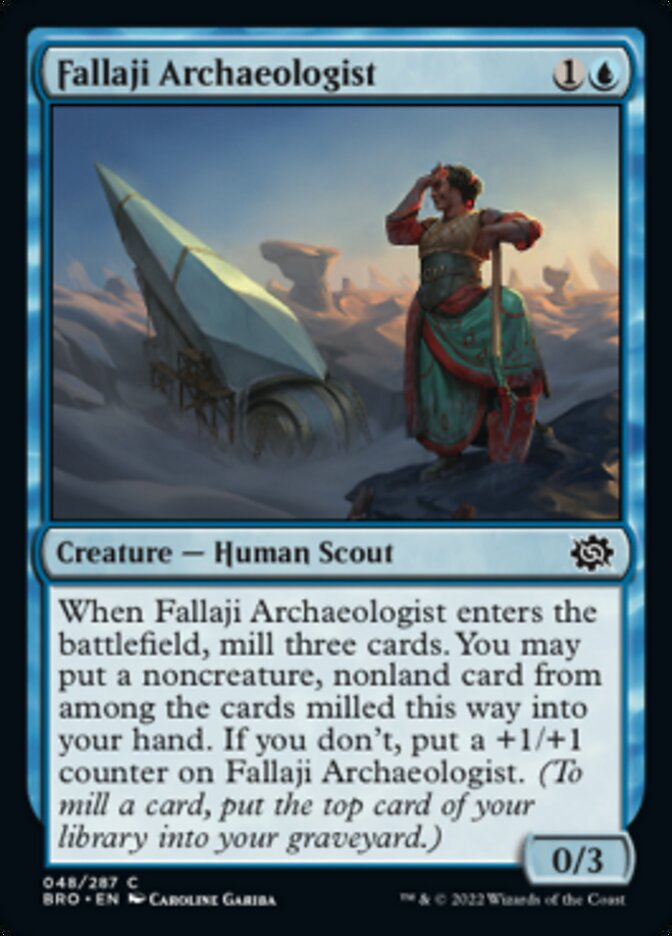


Step one is usually finding the Belcher. Kinda can’t win without it. Fallaji Archaeologist and Thundertrap Trainer dig pretty deep for artifacts, and they’re blue creatures that can be sacrificed to Flare of Denial. People have caught on that Stock Up is basically two Demonic Tutors for 3 mana, so it tends to show up in decks that desperately need to find specific cards.


If you’re questioning the reliability of one-shotting someone with Belcher, you should probably know that these decks don’t run any traditional lands. They use MDFC lands like Sink into Stupor/Soporific Springs to artificially reduce their land count to zero, meaning a single Belcher activation reveals the entire deck and deals damage equal to the number of cards revealed. Most of the MDFCs are throw-away cards that you never intend to cast, but they can act as extra spells in a pinch.
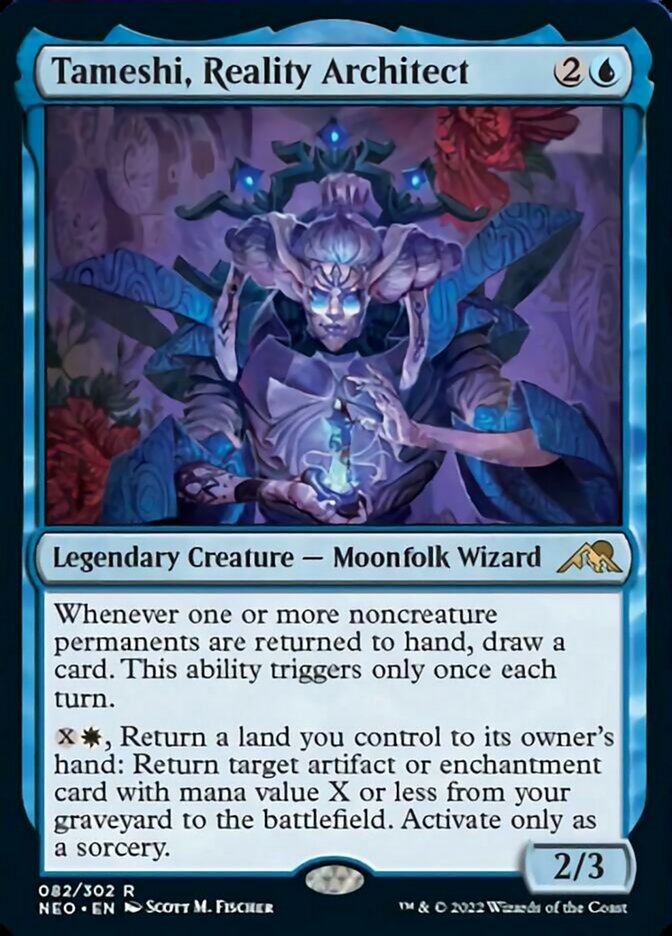
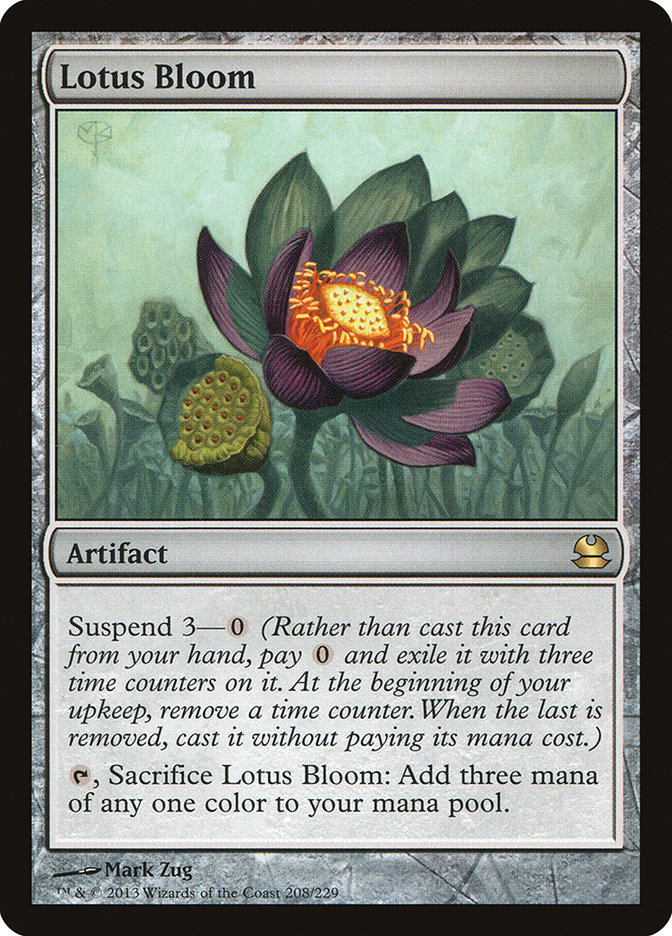
The real kicker is Tameshi, Reality Architect. Used fairly, this Neon Dynasty legend lets you pick up MDFCs to put additional spells in your hand (great for Disrupting Shoal), while also buying back a Charbelcher that might’ve been countered or milled over. The real reason to run Tameshi is its combo potential with Lotus Bloom. You have to return a land to your hand for each Tameshi activation, but each iteration will generate more mana from the Lotus Blooms you’re recurring, creating a ritual-like burst of mana that lets you cast and activate Charbelcher during the same turn.
Japan/Korea Champion’s Cup – Standard

Nurturing Pixie | Illustration by Iris Compiet
The Tokyo tournament of the weekend gave us another shake-up, with Yasutaka Nagao piloting an Orzhov Pixie deck to first place. They came out on top in a field full of fast red aggro decks, with a Top 8 featuring four Izzet Prowess decks and two Mono-Red Aggro decks.
Creatures (16)
Nurturing Pixie x4
Sunpearl Kirin x4
Preacher of the Schism x4
Beza, the Bounding Spring
Kutzil's Flanker
Loran of the Third Path
Sheoldred, the Apocalypse
Instant (2)
Enchantment (18)
Hopeless Nightmare x4
Momentum Breaker x4
Nowhere to Run x4
Temporary Lockdown x4
Unholy Annex//Ritual Chamber x2
Land (24)
Bleachbone Verge x4
Caves of Koilos x4
Concealed Courtyard x4
Plains x5
Restless Fortress x3
Shadowy Backstreet
Swamp x3
Sideboard (15)
Duress x3
Dreams of Steel and Oil x2
Kutzil's Flanker x2
Loran of the Third Path x2
Rest in Peace x2
Wilt-Leaf Liege x2
Get Lost
Unholy Annex//Ritual Chamber
Nurturing Pixie decks have been a known factor in Standard for a while, taking a large chunk of meta share and taking on various forms across the Esper spectrum. While pre-Tarkir versions leaned heavily on Stormchaser's Talent and This Town Ain't Big Enough, this black-white version drops the third color altogether.
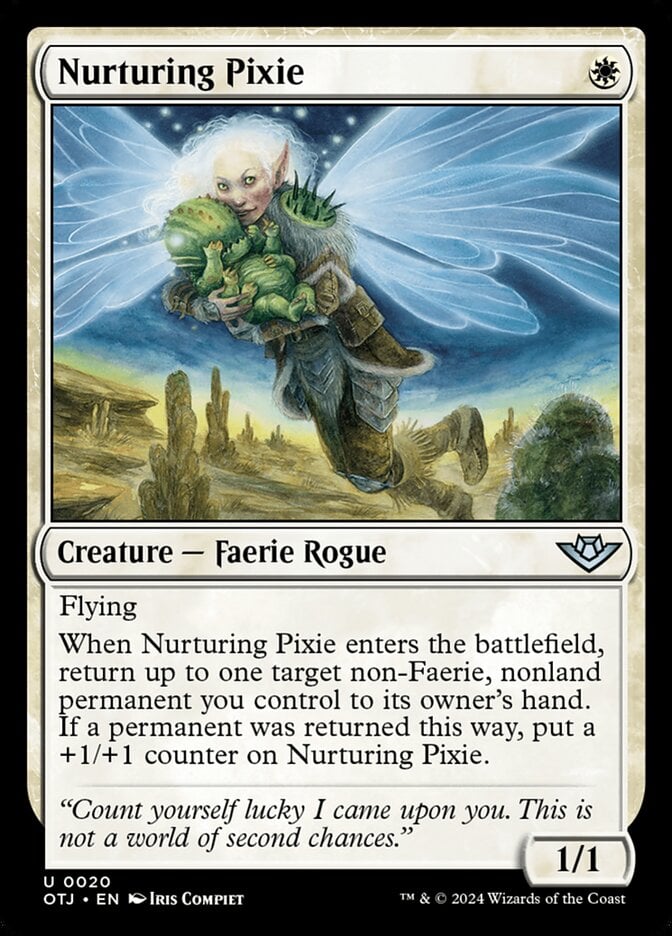

The deck looks to play permanent-based removal and interaction and recycle those effects by picking them up with Nurturing Pixie and its latest friend, Sunpearl Kirin.
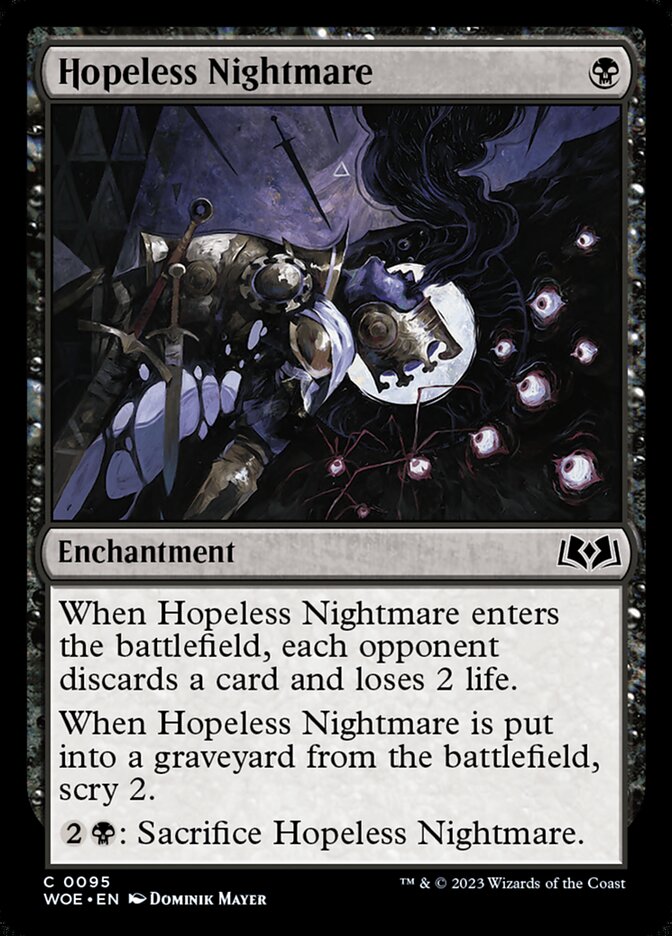


Hopeless Nightmare lets you work on opponents’ hands immediately, while Momentum Breaker and Nowhere to Run take down threats, notably through protection like Sheltered by Ghosts.
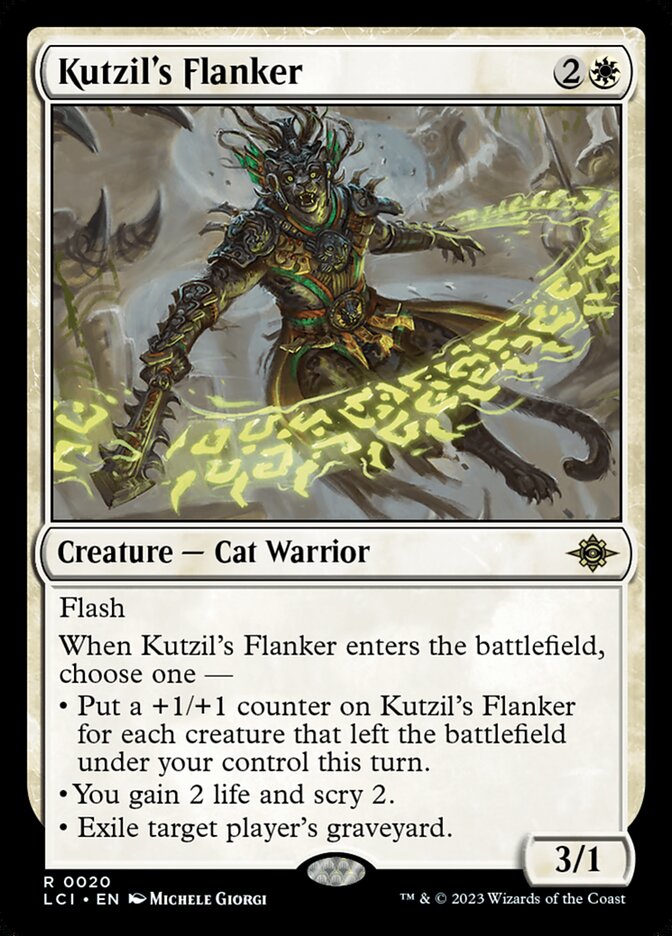
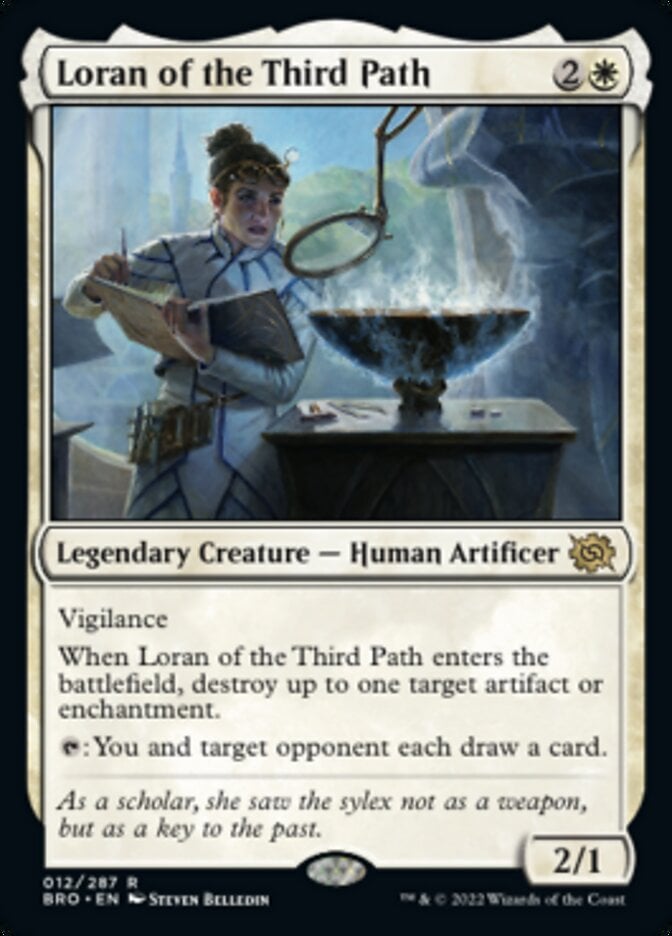
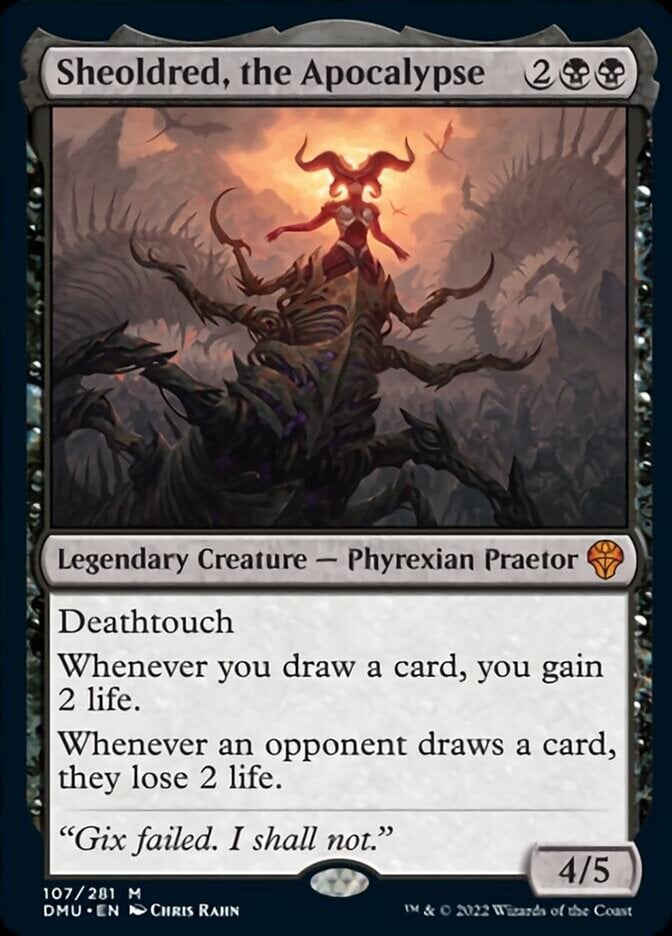
The 3- and 4-drop slots are occupies by silver-bullet one-ofs that have great utility against different decks. Beza, the Bounding Spring stabilizes against aggro, Loran of the Third Path is great in mirrors or against Cori-Steel Cutters, and Kutzil's Flanker is newish tech that people have picked up on for various interactions. Sheoldred, the Apocalypse is here because it’s Sheoldred (remember when this was the best thing you could be doing in Standard?).
Follow Draftsim for awesome articles and set updates:










Add Comment