
Last updated on September 28, 2026
Ajani Unrelenting | Illustration by Tyler Jacobson
Much like many of you, I attended the Reality Fracture prerelease over the weekend, and I have some thoughts on the format, both on prerelease specifically, and on the set as a whole and what things will be like once it releases. Spoiler alert: This just might be the best set of the whole year!
Echoed Rares
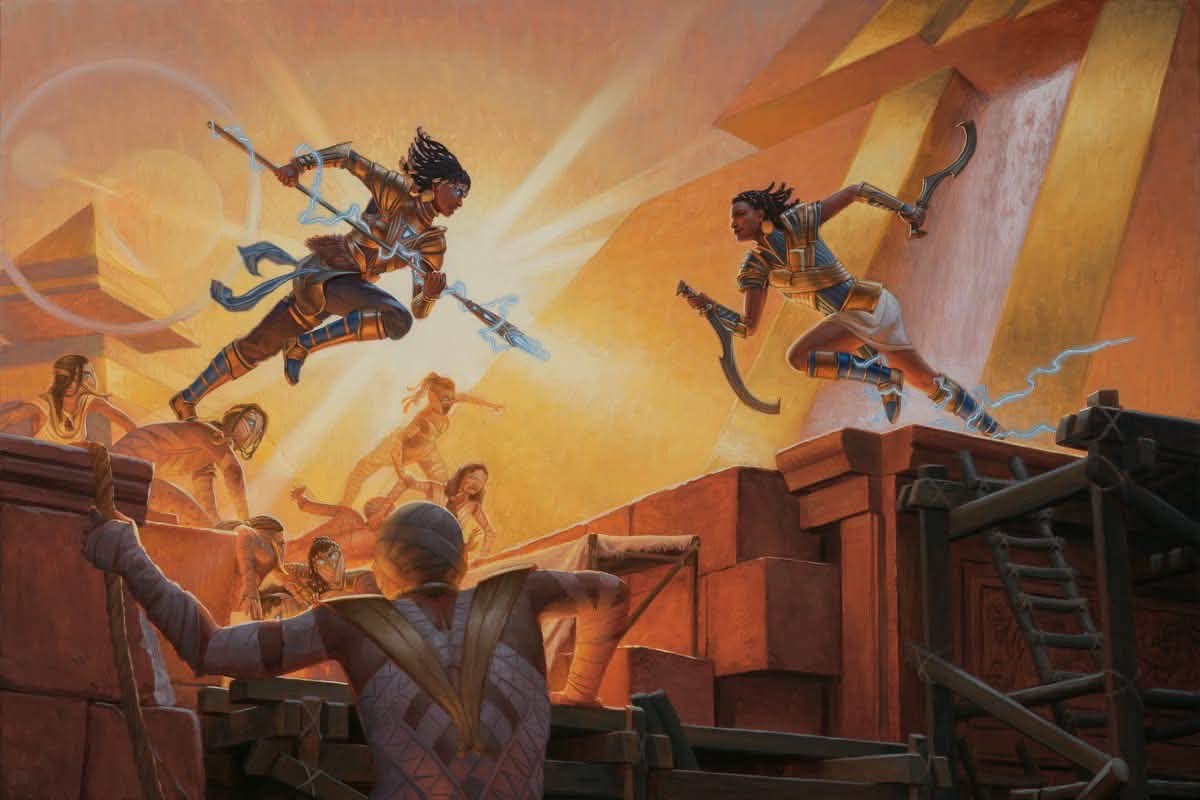
Samut, Hazoret's Champion | Illustration by Nicholas Elias
Thanks to the Reality Fracture‘s echoed pairs, it’s more likely to have more rares in your packs, as your echo paired cards can be rare, as well as the normal rare slot plus the foil slot. For Sealed, this means your pools have the potential to be a lot more powerful. However, the same goes for your opponents, and it might make a weak pool feel weaker in comparison.
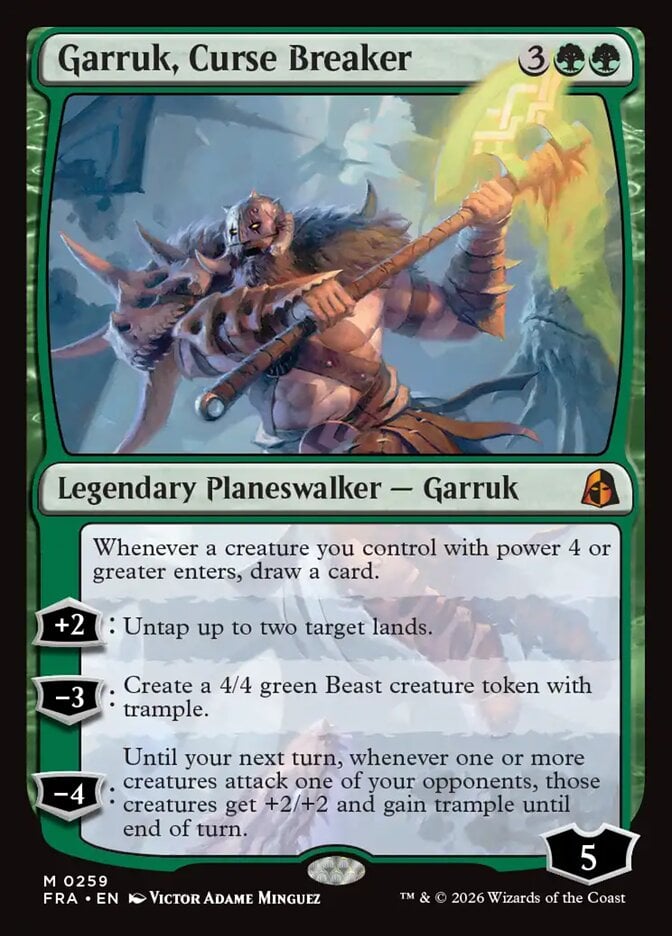
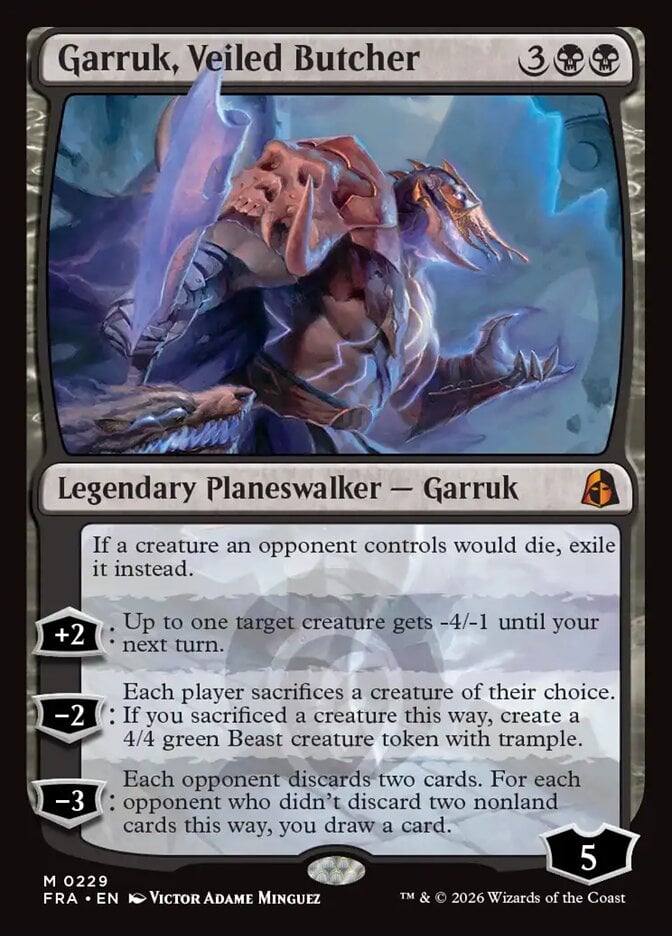
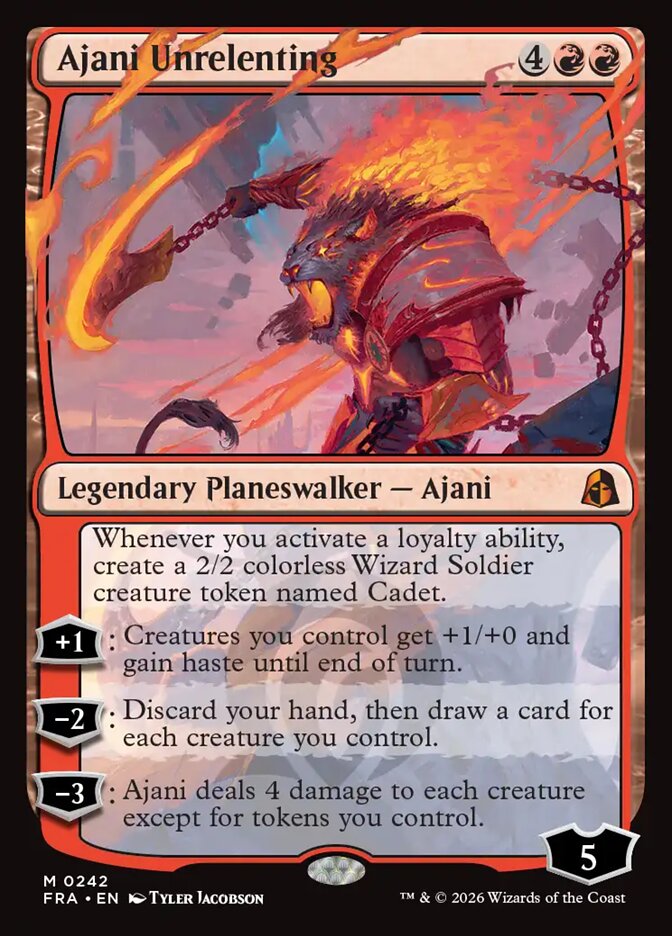
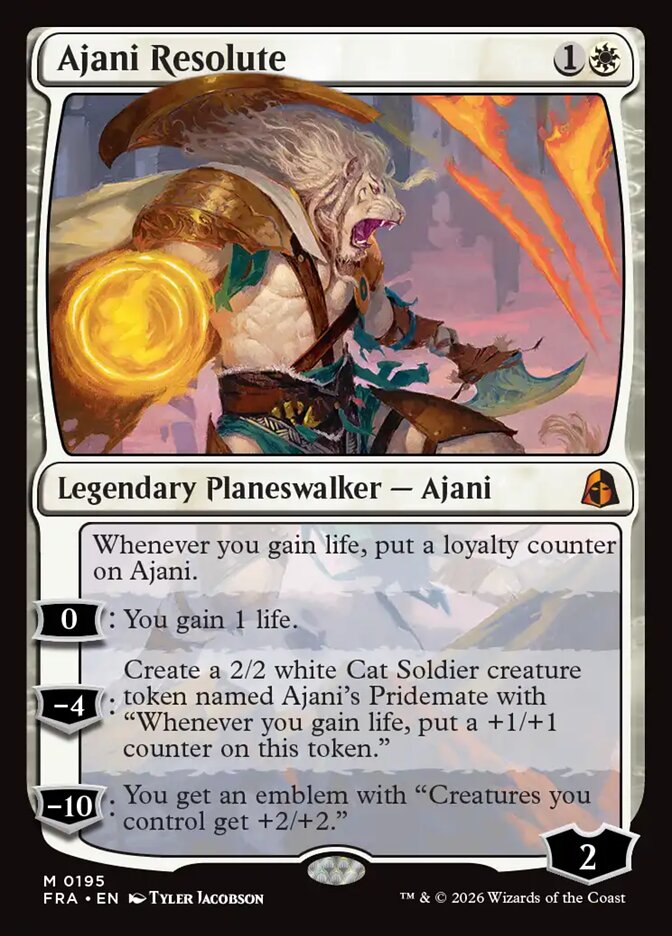
Aside from the quantity of rares, there’s also discussion to be had on the quality of rares, especially the echoed pairs. One bomb is good, but two bombs that go together is great. It’s especially demoralizing playing against a green black deck and seeing their Garruk, Curse Breaker, knowing that likely they’ll also have a Garruk, Veiled Butcher. Same goes for Ajani Unrelenting and Ajani Resolute. Both are good, although the red one is perhaps the best card in the whole set, but facing down both becomes a daunting task.
Splashing
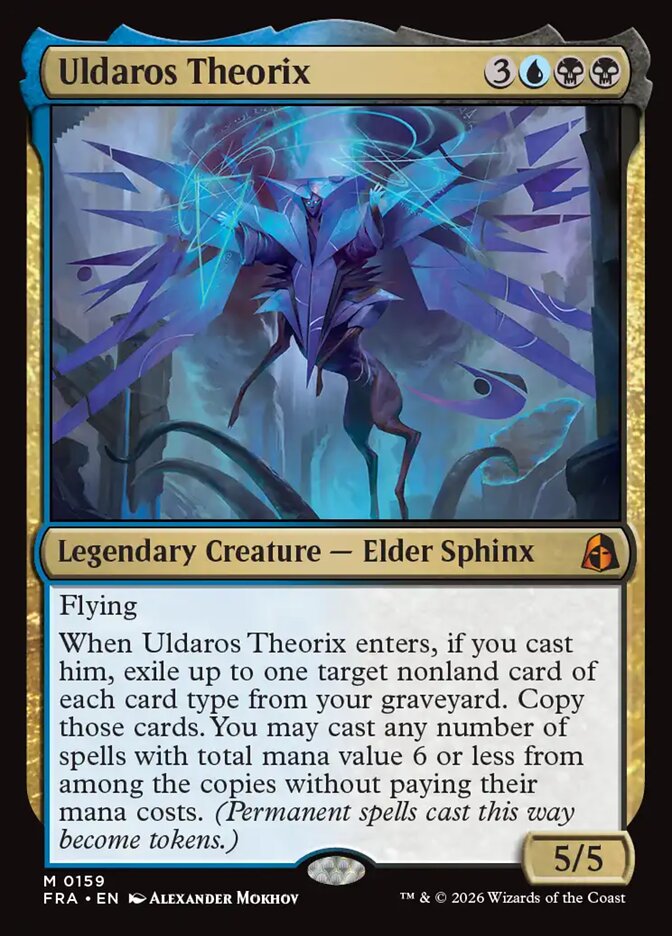
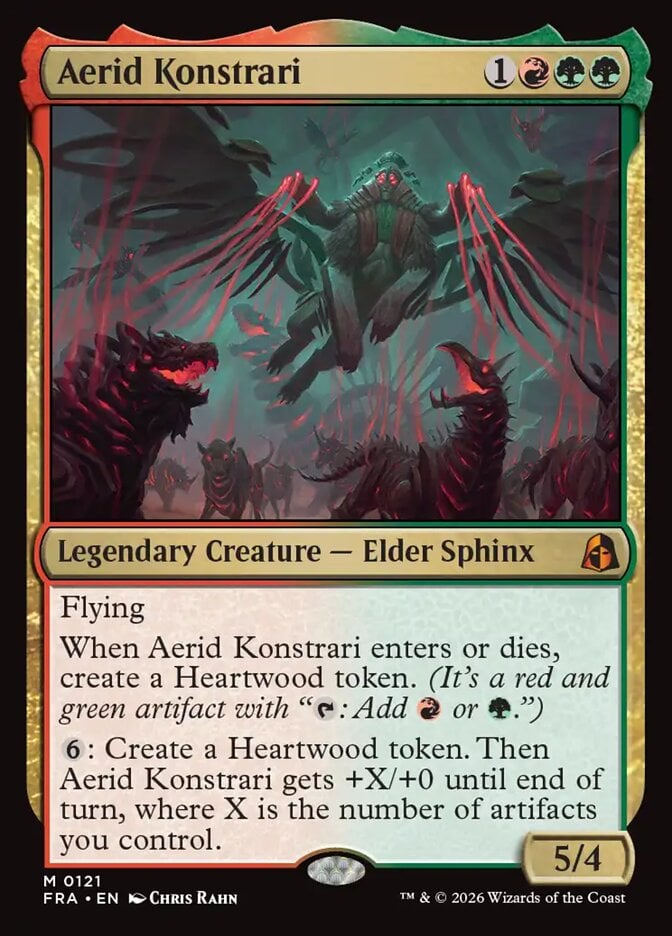
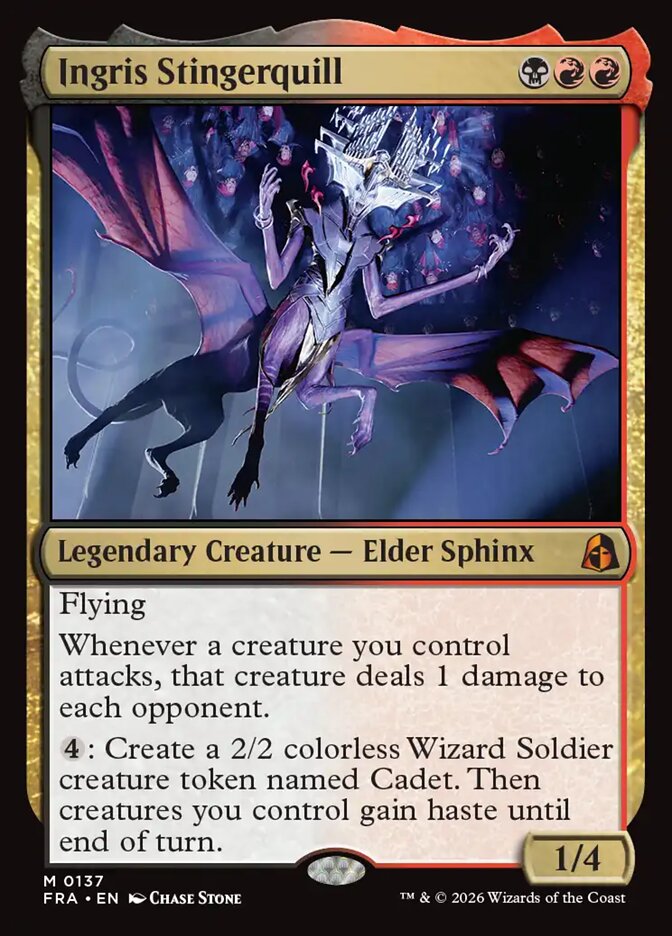
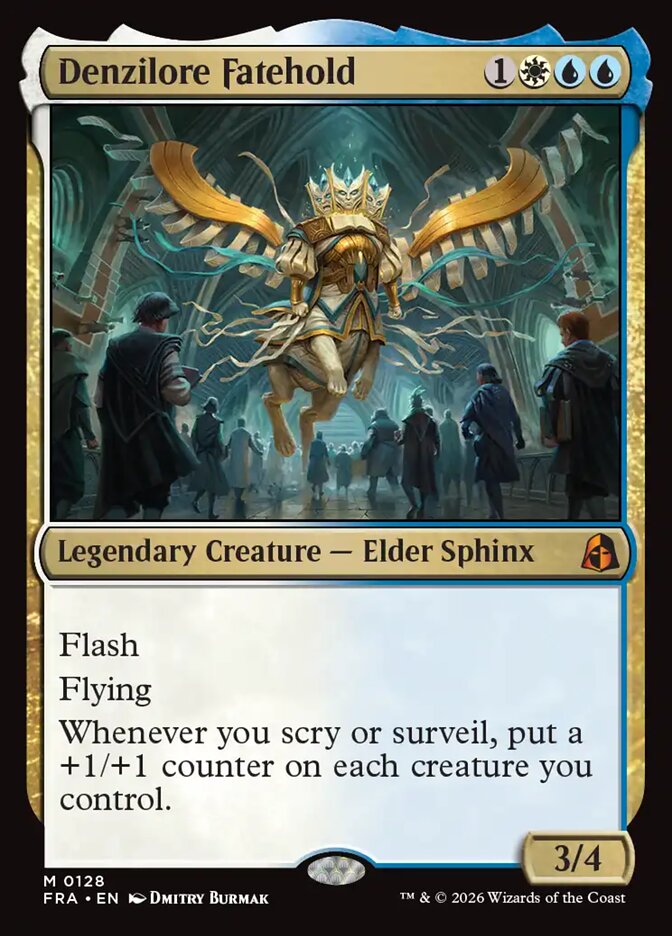
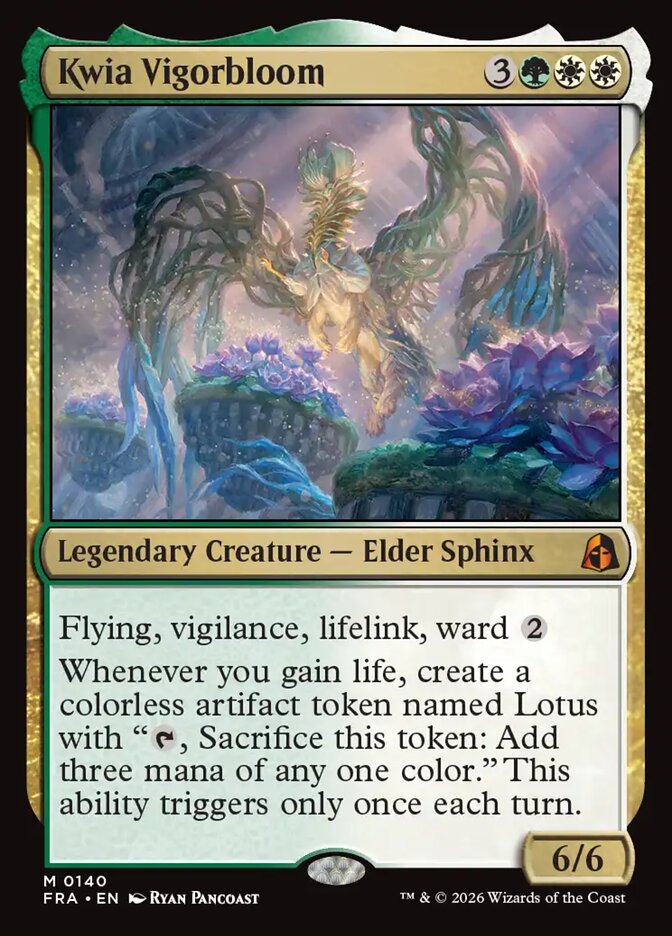
Speaking of rares, there are more cards than usual at high rarity that have multiple colored mana pips of the same color. For example, every single one of the legendary sphinxes has at least three total colored mana pips.
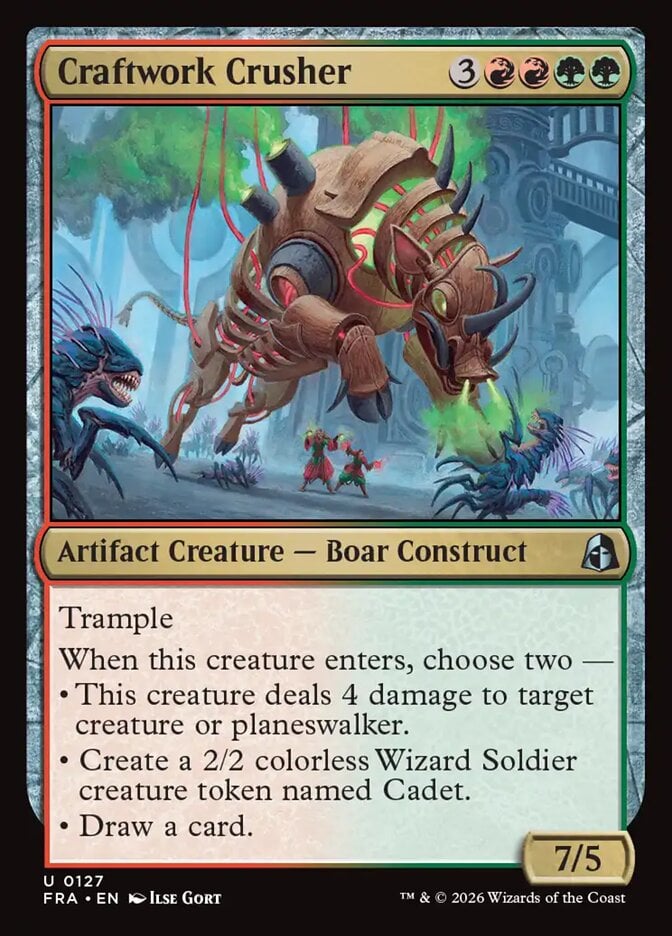
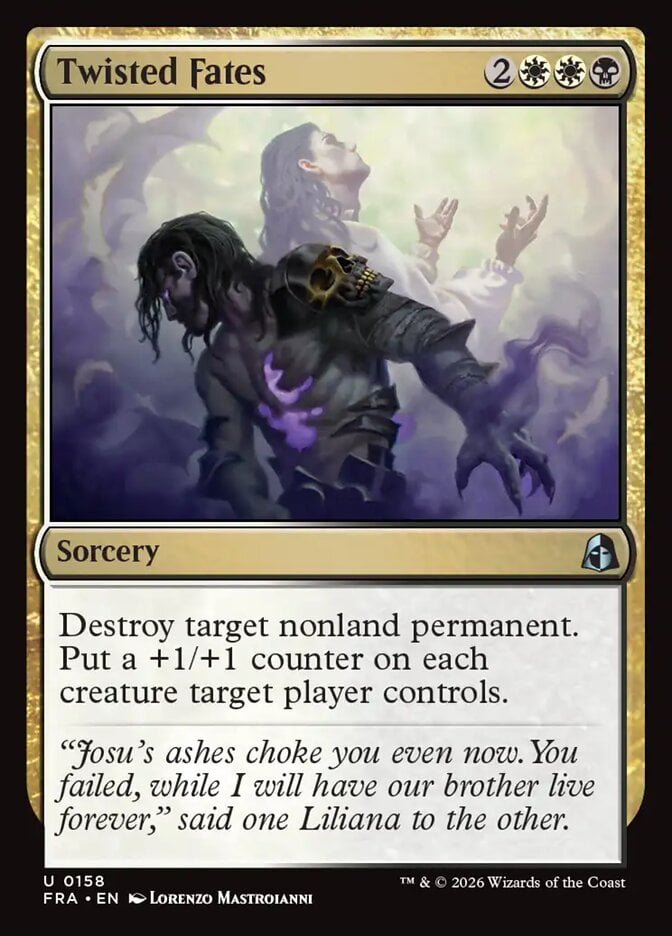
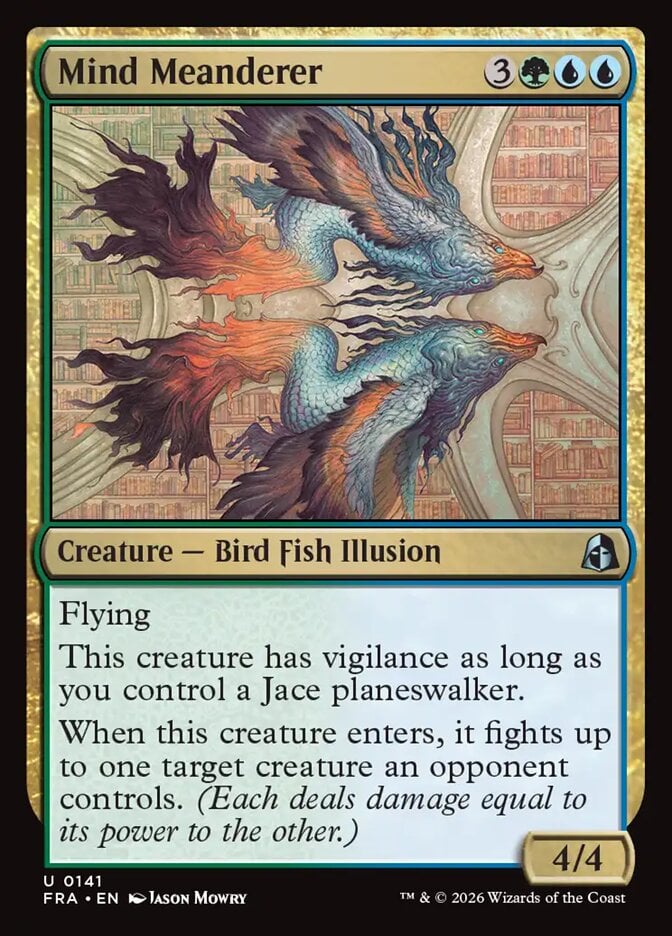
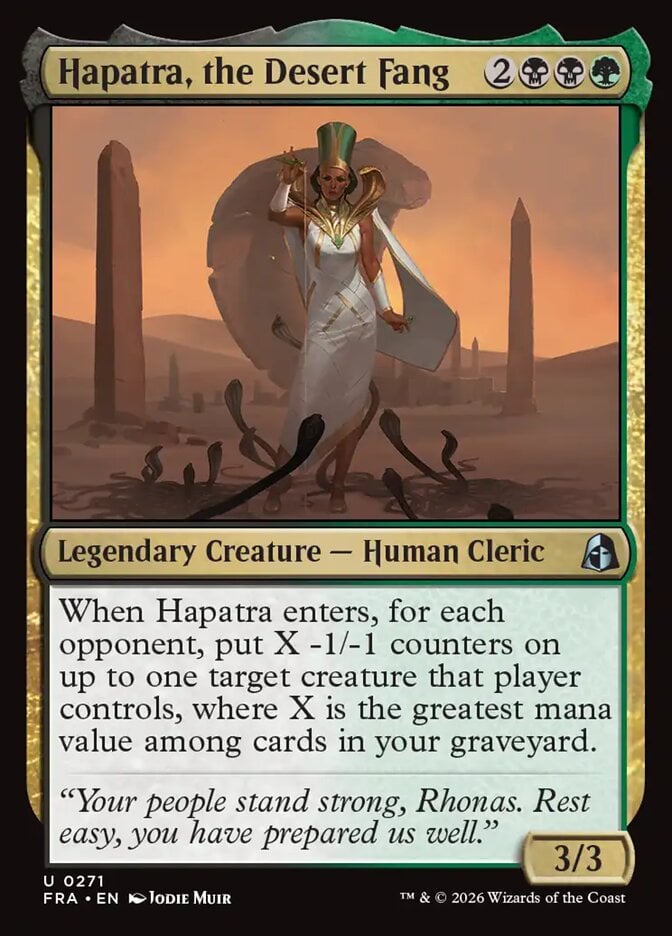
Aside from those, several powerful uncommons also sport more colored mana pips than usual, such as Craftwork Crusher, Twisted Fates, Mind Meanderer, and Hapatra, the Desert Fang.
Even several monocolored cards at high rarity have double mana pips in their cost. But why so many, and what is the effect of this on Limited? Ultimately, this seems to be a way to reduce splashing, as the more colored pips a card has in its cost, the more difficult it’s going to be to splash.
You could definitely feel this dynamic at prerelease, as despite the set having generally good fixing with common dual lands and cards with basic landcycling, it still felt a bit difficult to bend your mana in the way you needed to for certain decks, which is perhaps a good thing for the format overall. Without this aspect, the format may devolve into four to five color soup piles.
Remarkable Balance
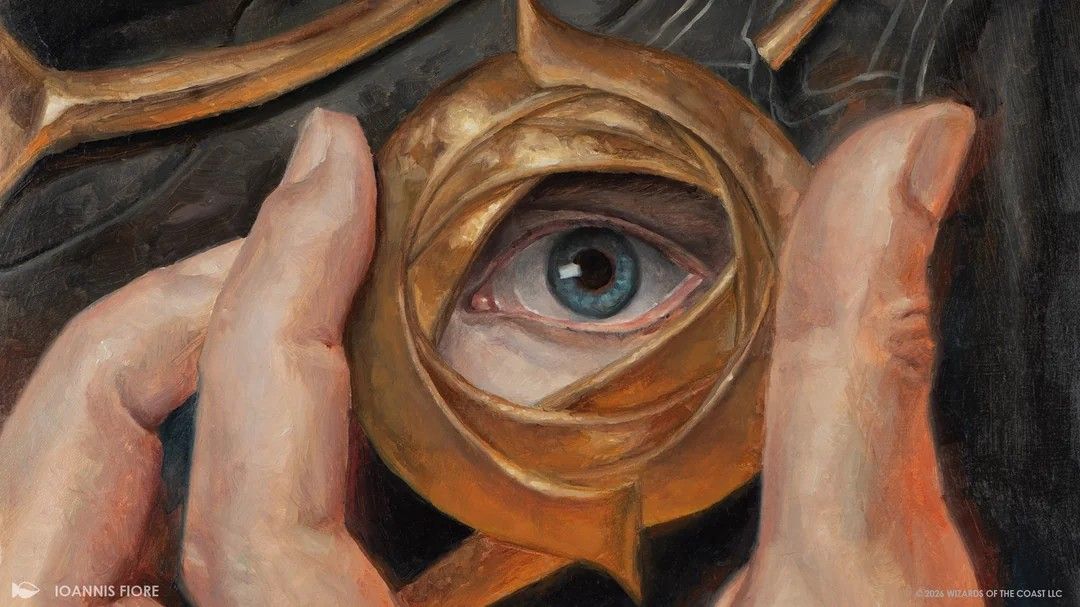
Eye of Jace | Illustration by Ioannis Fiore
I think with the last few sets, we’ve been used to unbalanced formats where one color pair reigns supreme. Marvel Super Heroes had blue white, The Hobbit had black red, but Reality Fracture has… nothing? From my experience at prerelease, looking at people’s decks and playing my own, one thing stood out: It seemed like every color pair was represented. There were Stingerquill aggro decks, there were black white value decks, there was Konstrai ramp, and there was everything else and every flavor in between.
This is huge, as this wide breadth of color pairs also represents a breadth of strategies. They encompass aggro, control, and midrange strategies, and having all of these be seemingly viable is an indicator for a healthy, balanced format.
Long Games
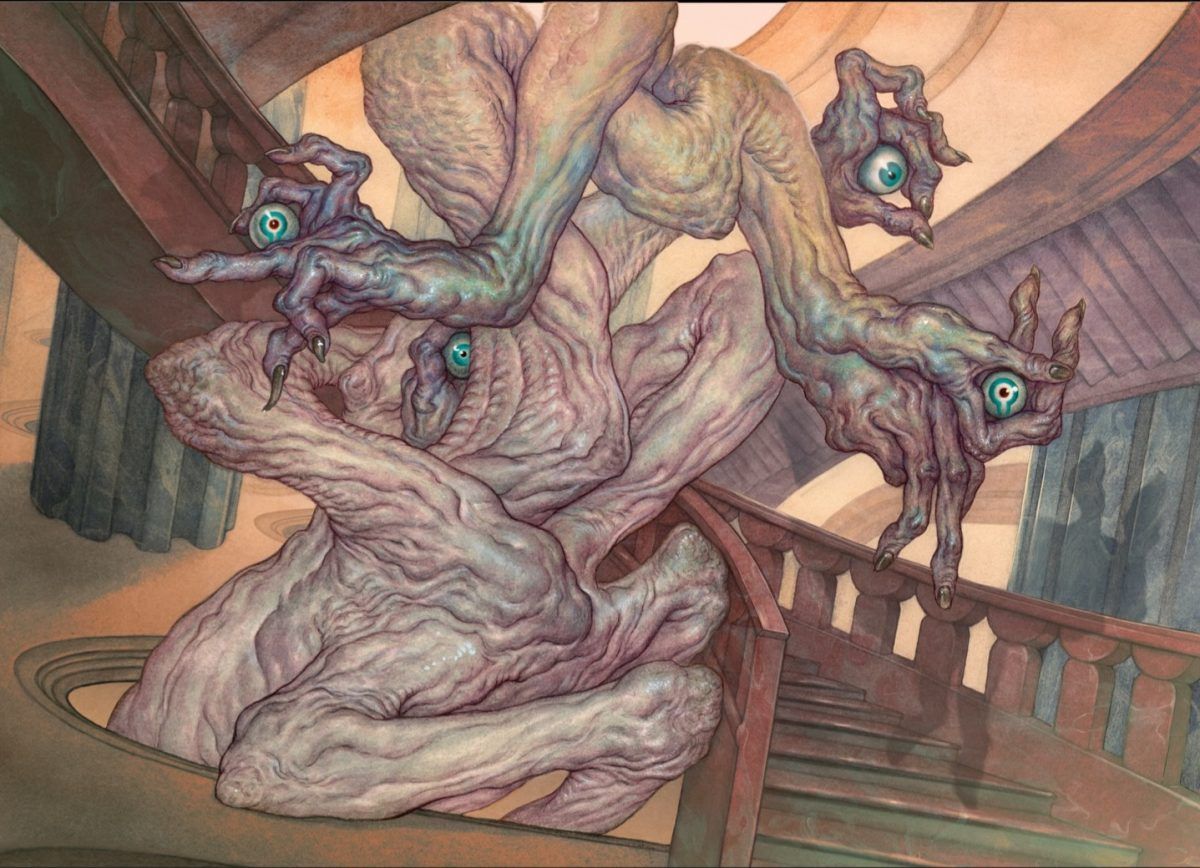
Guiding Hydra | Illustration by Jason Mowry
Another thing I noticed at prerelease is how many games were going to time. Now, this will always happen, especially if you have a lot of people showing up, however the proportion of people who were unable to finish their games was higher than usual. I think this is a result of a few things in the format.
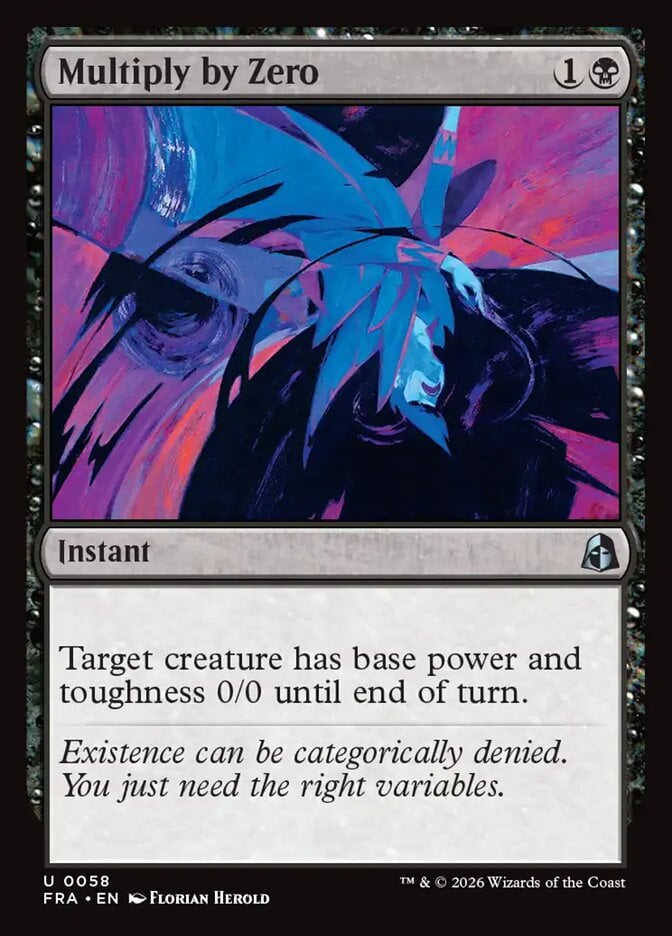
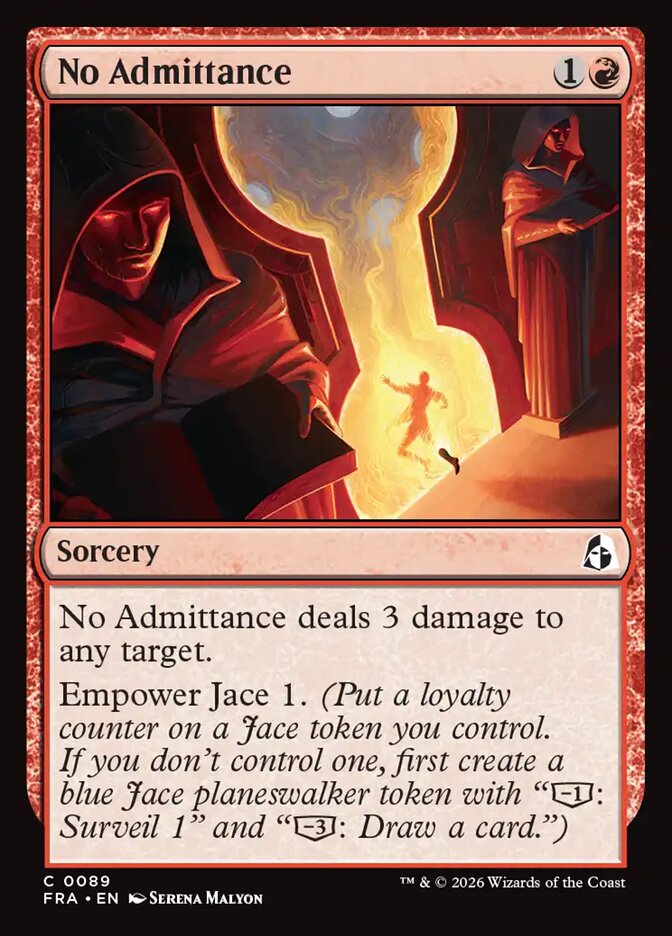
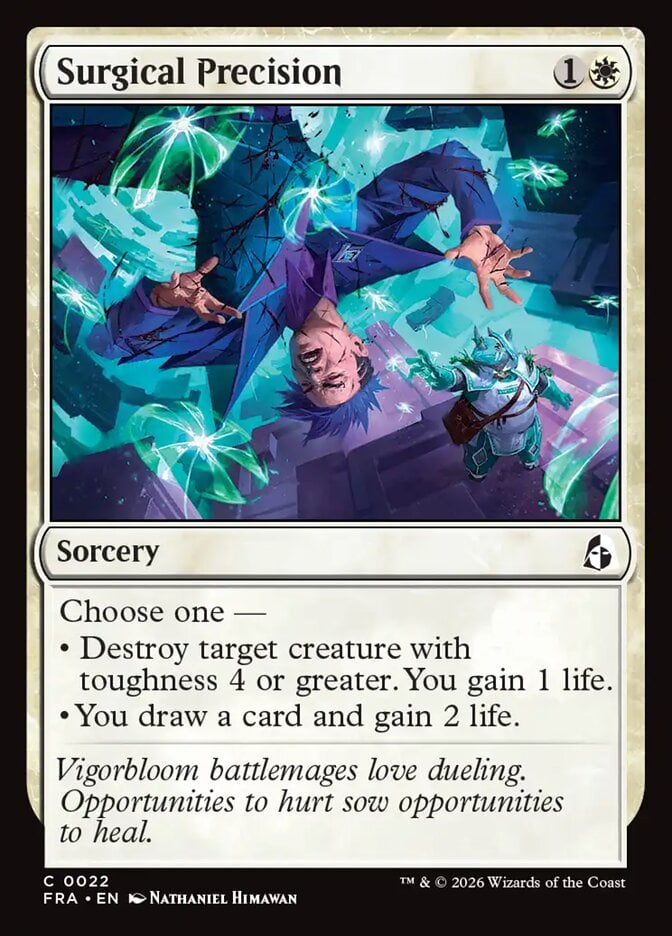
First is that there is good removal. Across the colors, but especially in black and red, most decks are able to efficiently remove their opponents threats with cards like Multiply by Zero, No Admittance, Surgical Precision, etc. A lot of it is available at two mana, meaning oftentimes you will be trading up with your opponents more expensive creatures.
Answers being more efficient than threats is one aspect that extends games, however the other is the sheer amount of card draw decks are able to have. Empower Jace is a card advantage mechanic, either surveilling away the bad cards, or straight up drawing you a card. With a jammed up board, Jace often goes untouched, and therefore it’s a great way to generate a lot of card draw/card selection.
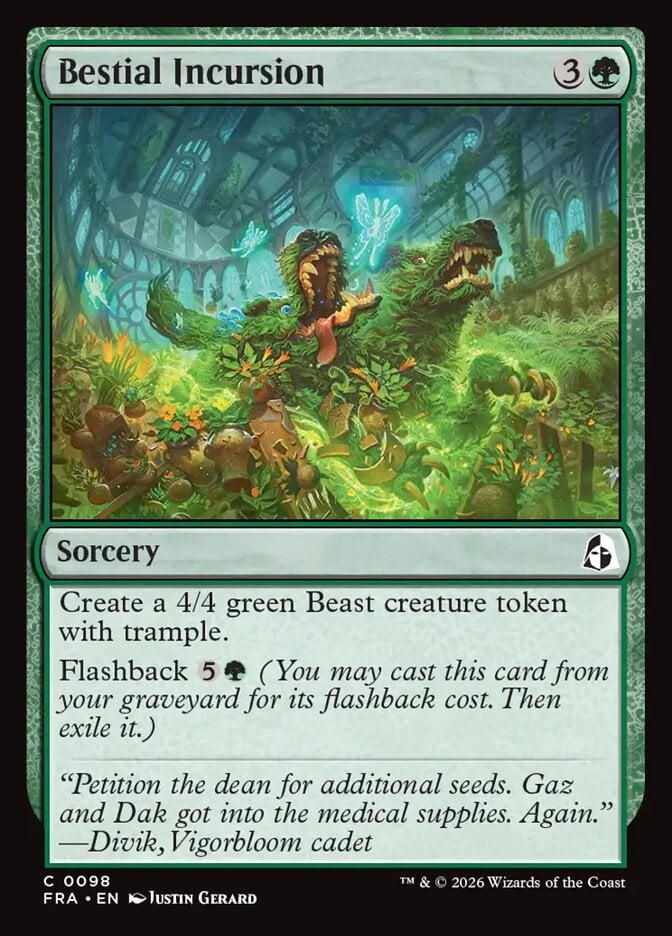
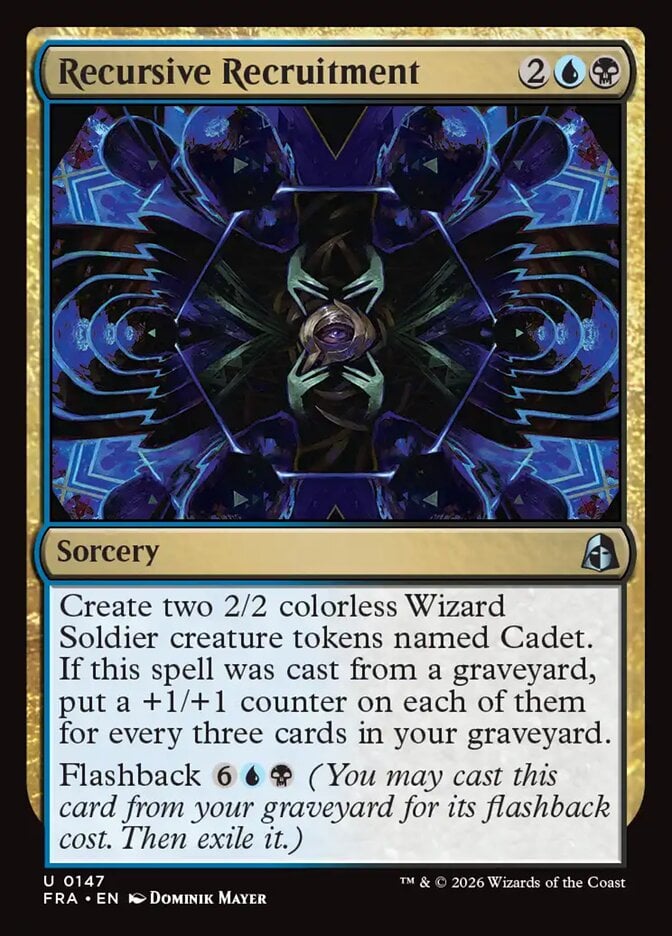
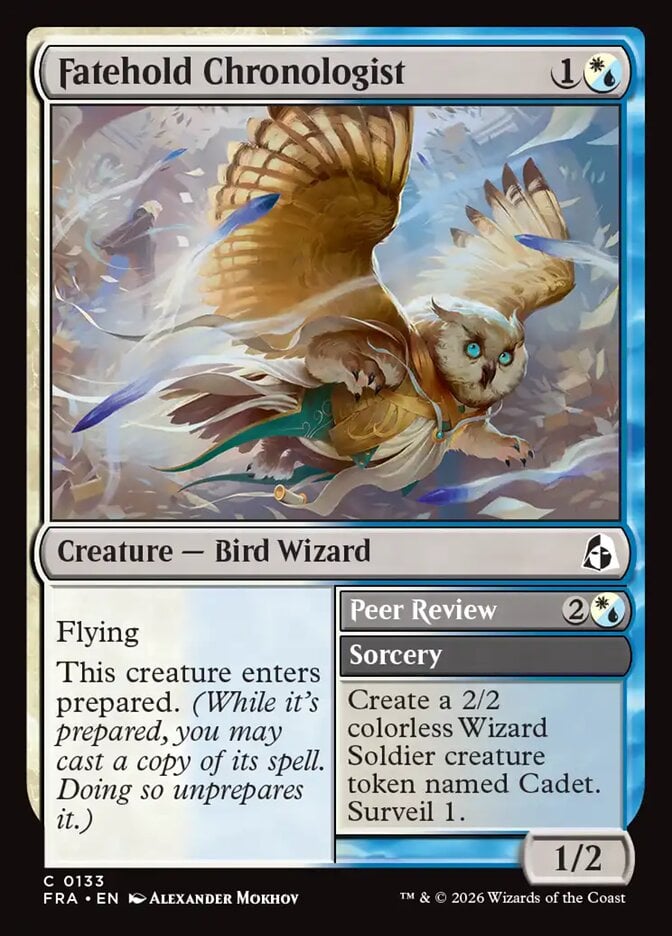
Outside of that, there are a few cards with flashback, such as Bestial Incursion or Recursive Recruitment, and a ton of cards with prepared spells. What these have in common is that they make a lot of cards into two-for-ones. When your Fatehold Chronologist comes with a spell stapled on to it, it gets a bit difficult to run out of things to do.
The end result is that decks have access to a ton of resources and are spending their mana every turn, and they are also able to answer most threats. This means long drawn out games where the greedier deck often wins. That being said, this is only if both players are doing the value pile thing. There are real aggro decks, and they tend to make for very short games overall.
Best Set Of The Year?
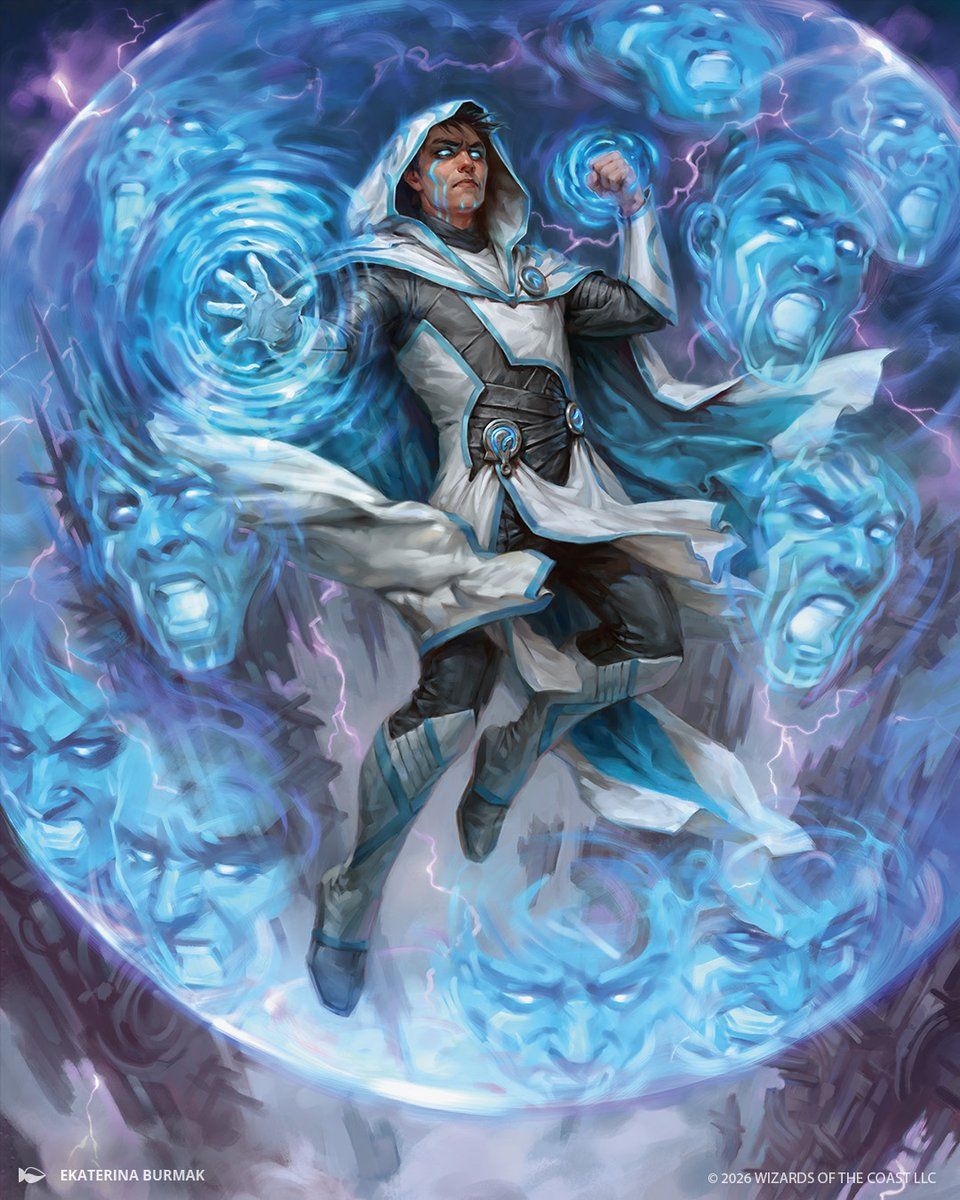
The Theorist, Jace Beleren | Illustration by Ekaterina Burmark
Overall, my experience at prerelease was the best time I’ve had playing Magic all year, and it’s left me wondering one thing: Will this be remembered as the best set of 2026? Chances are that it will be. This set has so much of what Magic has been missing this year.
It’s an in-universe, lore heavy set with complex mechanics and a full ten archetypes. It seems like there are interesting decisions to be made in gameplay and in the draft, and the gimmick of echoed pair cards seems like it will make Limited a very interesting format. What do you think? Are you as excited as I am for Reality Fracture?
Follow Draftsim for awesome articles and set updates:










Add Comment