

Emry, Lurker of the Loch | Illustration by Livia Prima
If you’ve ever queued up for Brawl and found it entertaining but wished there was something with more edge to it, I have a format for you: Competitive Brawl!
This MTG Arena-exclusive format adapts some ideas from Commander and gives them a competitive spin on Magic’s biggest digital platform. I have everything you need to know about this format, plus a few decklists to help you get started!
What Is the Competitive Brawl Format?

Gratuitous Violence | Illustration by Christopher Moeller
Competitive Brawl is a format on Magic: The Gathering Arena that Wizards created in June 2026. It was spun off the existing Brawl (previously called Historic Brawl) queue to satisfy a schism in the Brawl player base: Some players wanted Brawl to be a super casual format, rather like Commander, while others wanted to push the Eternal card pool on Arena as hard as they could. While Wizards implemented a matchmaking system to pair like decks against each other (which is still in effect in the casual queue), it didn’t quite satisfy the players the way this does.
Unlike regular Brawl, which is a free play format, Competitive Brawl uses the Arena ranking system, so players can grind their way up to the mythic rank. Additionally, it has a unique ban list that is much less restrictive: It only consists of 12 legendary creatures which are banned as commanders, a specific restriction that prevents you from putting them in the command zone but allows for them in the 99. All other craftable cards on Arena are legal in the 99.
Where Can You Play Competitive Brawl?
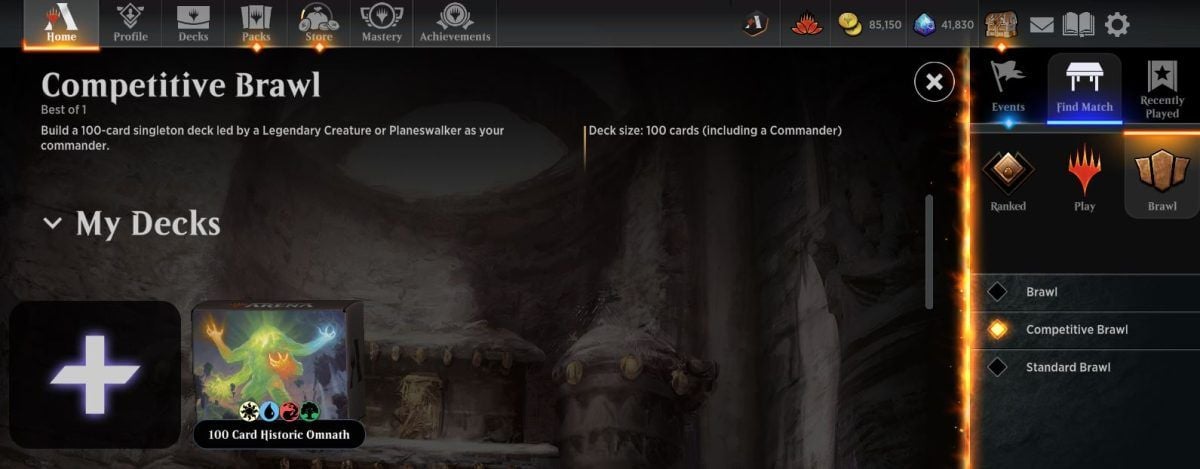
Competitive Brawl is pretty much exclusively played on MTG Arena. An important element of the format is the digital-only Alchemy cards with no paper printings. You won’t really find this format firing at your local game store, though you could always proxy a few decks and try to get a play group going. In general, Brawl and its variants are typically eclipsed by Commander in paper play.
To find the Competitive Brawl queue on MTGA, use the “Find Match” tap in the gameplay modes menu, then click the Brawl symbol to find a list of different Brawl queues.
What Does the Competitive Brawl Meta Look Like?
The Competitive Brawl meta is a fairly diverse one, with a focus on being fast and efficient. Like any Eternal format, it’s high power with a focus on using the most efficient options available, including free spells.
Aggressive decks typically do quite well, though there’s plenty of room for midrange and more controlling options. I haven’t come across many dedicated combo decks in Competitive Brawl—that is, decks built as engines to turbo out combos—but it’s not uncommon for decks to have combos woven into their game plan.
In general, expect fast-paced game play with efficient threats and equally efficient answers that have players jockeying for an immediate advantage. This isn’t the format to spend the first three turns playing tap lands or ramping.
Do Competitive Brawl Decks Require a Lot of Wildcards?
Typically, yes. That emphasis on the most efficient and powerful cards often correlates with lots of high-rarity cards, especially for multicolor decks. It’s easy to sink 10+ wildcards into a functional mana base alone before you consider the actual 99 or your commander.
Emry, Lurker of the Loch
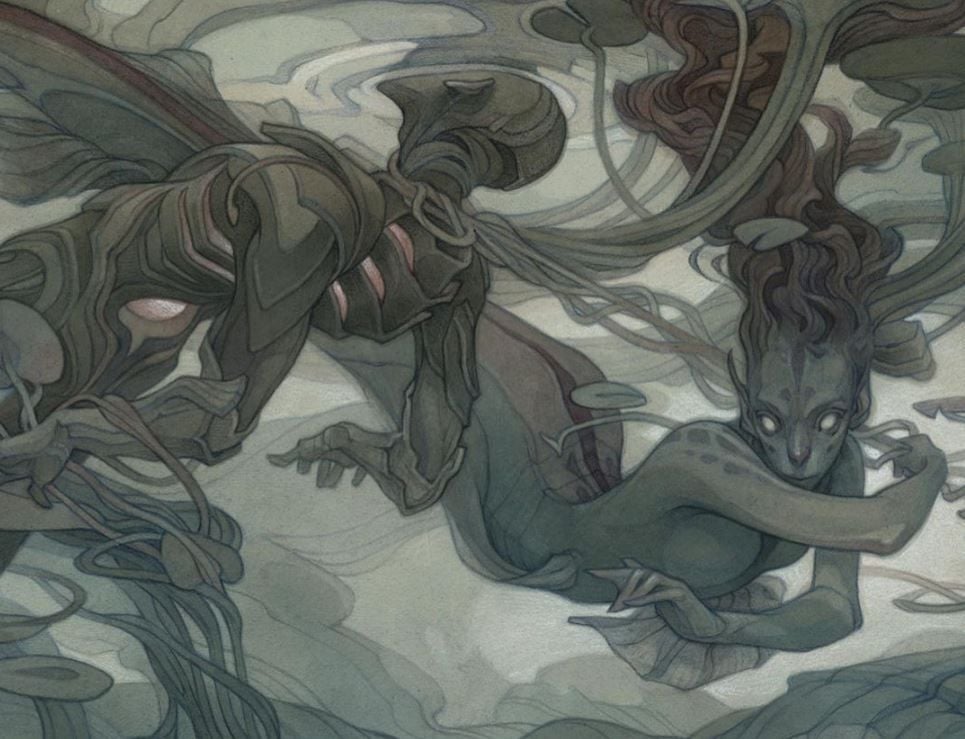
Emry, Lurker of the Loch | Illustration by Wylie Beckert
Commander (1)
Planeswalker (1)
Creature (15)
Arcbound Ravager
Frogmite
Hope of Ghirapur
Ironheart, Clever Champion
Kappa Cannoneer
Krang, Master Mind
Landlore Navigator
Marvin, Murderous Mimic
Ornithopter
Painter's Servant
Phyrexian Metamorph
Subtlety
Urza, Lord High Artificer
Thought Monitor
Transit Mage
Instant (13)
Daze
Dig Through Time
Fierce Guardianship
Force of Negation
Force of Will
Force Spike
Into the Flood Maw
Mana Drain
Sink into Stupor // Soporific Springs
Spell Pierce
Stifle
Wash Away
Whir of Invention
Sorcery (4)
Fabricate
Lórien Revealed
Sea Gate Restoration // Sea Gate, Reborn
Stock Up
Enchantment (2)
Artifact (32)
Aether Spellbomb
Arcane Signet
A-The One Ring
Chromatic Star
Chrome Mox
Disruptor Flute
Drix Interlacer
Expedition Map
Grindstone
Lavaspur Boots
Lightning Greaves
Mishra's Bauble
Moonsnare Prototype
Mox Amber
Mox Opal
Nettlecyst
Paradox Engine
Preponderant Pearl
Repurposing Bay
Retrofitter Foundry
Sewer-veillance Cam
Skateboard
Soul-Guide Lantern
Springleaf Drum
The Enigma Jewel // Locus of Enlightenment
The Ooze
Thousand-Year Elixir
Tormod's Crypt
Urza's Bauble
Winter Moon
Witch's Oven
Zuran Orb
Land (32)
Ancient Tomb
Blast Zone
Cavern of Souls
Darksteel Citadel
Echoing Cavern
Flooded Strand
Fomori Vault
Gemstone Caverns
Inventors' Fair
Island x15
Misty Rainforest
Mystic Sanctuary
Otawara, Soaring City
Petrified Hamlet
Polluted Delta
Scalding Tarn
Seat of the Synod
Treasure Vault
Decklist credit: Linux2277
Wildcard count: 11 common, 21 uncommon, 31 rare, 22 mythic
Deck Theme and Strategy


Emry, Lurker of the Loch commands a flexible artifact deck that can take a few paths to victory. It has no shortage of combo lines thanks to cards like Paradox Engine, Sewer-veillance Cam + Arcbound Ravager, and Grindstone + Painter's Servant, but it can also win a fair game thanks to heavy-hitters like Kappa Cannoneer and Nettlecyst. It’s also an extremely grindy deck: Affinity makes it hard to keep Emry off the battlefield, and its recursion lets you go for multiple win attempts.
Wildcard Alternatives
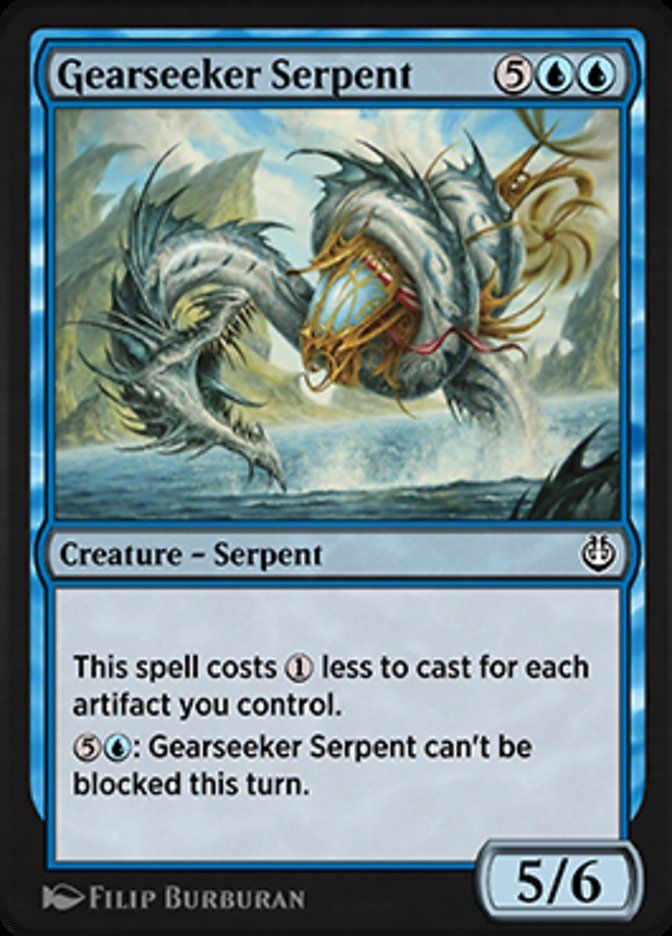

There are a few angles to take on wildcard reduction. One is to ditch some of the combo lines; toss out Grindstone and Painter's Servant for lower-rarity threats like Gearseeker Serpent and Memory Guardian, with a focus on trying to play a more aggressive, fair game plan.
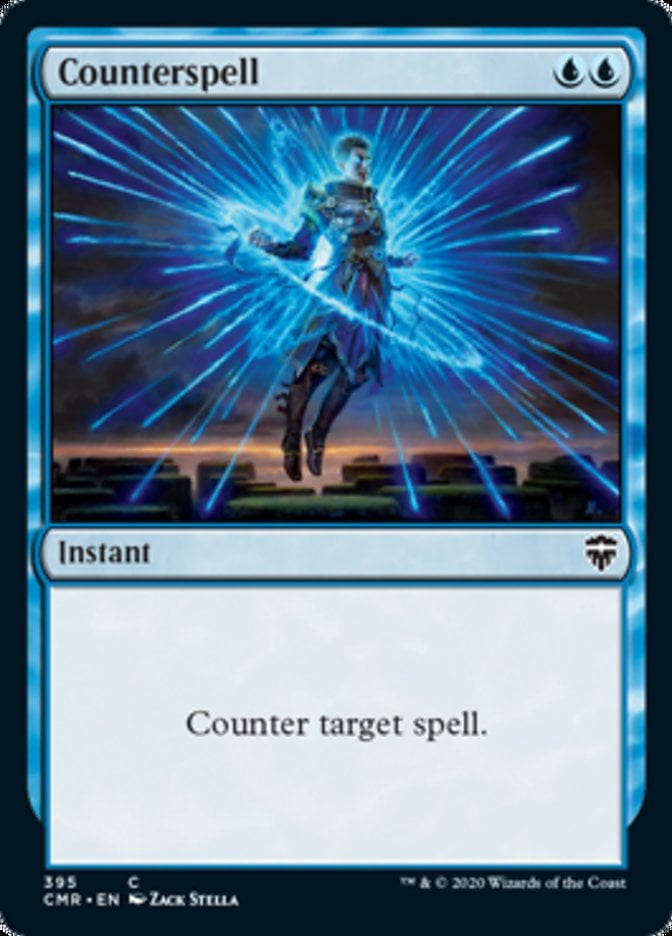
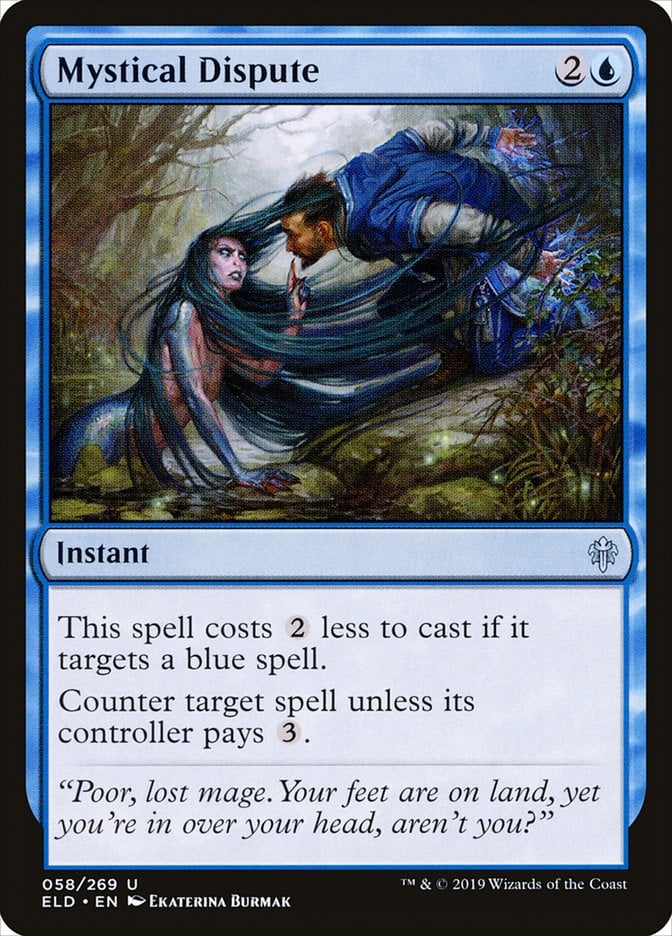
You could also look to trim the interaction a little. Play Counterspell instead of Mana Drain, Mystical Dispute over Force of Will, etc. Both options slow you down but also reduce the wildcard pressure.
Minsc & Boo, Timeless Heroes
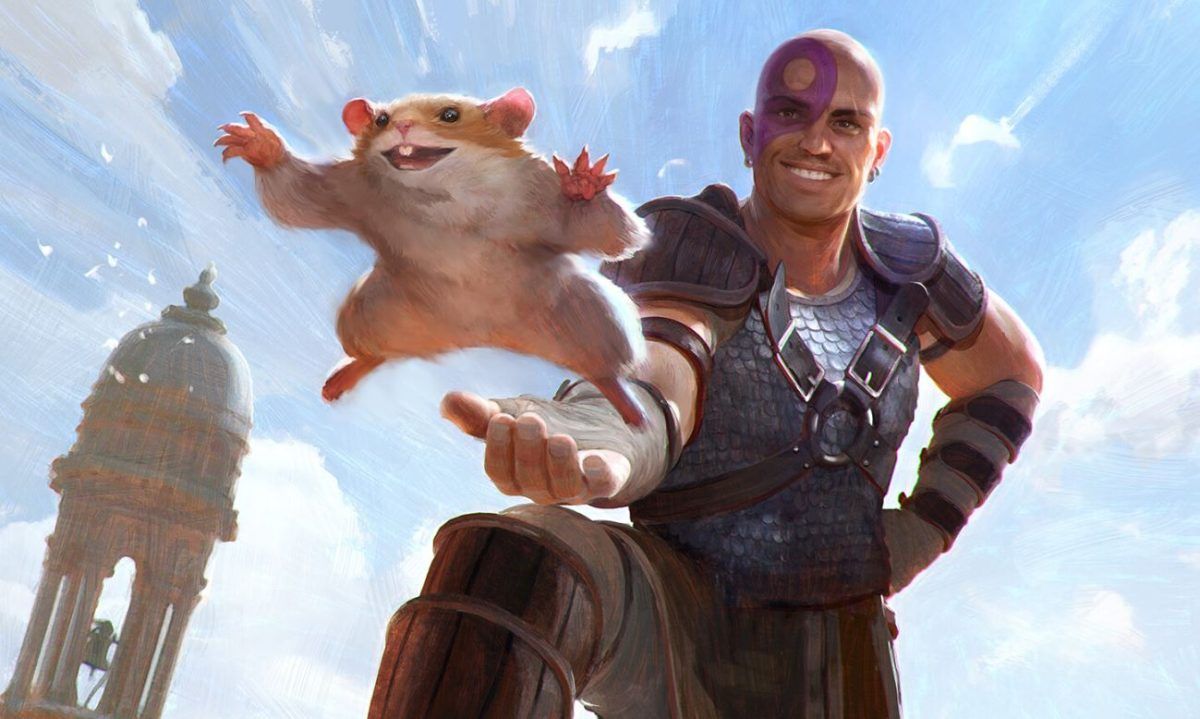
Minsc & Boo, Timeless Heroes | Illustration by Bram Sels
Commander (1)
Planeswalker (1)
Creature (40)
Allosaurus Shepherd
Badgermole Cub
Birds of Paradise
Broadside Bombardiers
Cankerbloom
Delighted Halfling
Detective's Phoenix
Elvish Mystic
Endurance
Fanatic of Rhonas
Frenzied Baloth
Fury
Generous Plunderer
Gilded Goose
Goblin Anarchomancer
Grim Lavamancer
Hexing Squelcher
Jarsyl, Dark Age Scion
Kami of Bamboo Groves
Kari Zev, Crew of Two
Keen-Eyed Curator
Laelia, the Blade Reforged
Llanowar Elves
Lotus Cobra
Magus of the Moon
Bristly Bill, Spine Sower
Pyrogoyf
Questing Beast
Resourceful Collector
Ruby, Daring Tracker
Samut, Vizier of Naktamun
Screaming Nemesis
Scythecat Cub
Spider-Punk
Springheart Nantuko
Surrak, Elusive Hunter
Tersa Lightshatter
Vibrance
Wary Zone Guard
Ragavan, Nimble Pilferer
Instant (9)
Burst Lightning
Crop Rotation
Galvanic Discharge
Ghostfire Slice
Lightning Bolt
Once Upon a Time
Pyretic Ritual
Pyrokinesis
Sparks Ablaze
Sorcery (5)
Bridgeworks Battle // Tanglespan Bridgeworks
Fiery Confluence
Green Sun's Zenith
Pick Your Poison
Sundering Eruption // Volcanic Fissure
Enchantment (5)
Blood Moon
Exploration
Fable of the Mirror-Breaker // Reflection of Kiki-Jiki
Maddening Hex
Utopia Sprawl
Artifact (3)
Chrome Mox
Stormforged Armor
The One Ring
Land (36)
Ancient Tomb
Arena of Glory
Arid Mesa
Barbarian Ring
Bloodstained Mire
Boseiju, Who Endures
Cavern of Souls
Command Tower
Commercial District
Copperline Gorge
Forest x6
Gemstone Caverns
Karplusan Forest
Mana Confluence
Misty Rainforest
Mountain x4
Multiversal Passage
Prismatic Vista
Rootbound Crag
Scalding Tarn
Starting Town
Stomping Ground
Strip Mine
Thornspire Verge
Verdant Catacombs
Windswept Heath
Wooded Foothills
Yavimaya, Cradle of Growth
Deck credit: Tsukisaka
Wildcard count: 9 common, 12 uncommon, 51 rare, 18 mythic
Deck Theme and Strategy


Gruul Smash. Oh, you wanted more?
Minsc & Boo, Timeless Heroes leads a very typical stompy deck. It combines solid, aggressive creatures like Pyrogoyf and Laelia, the Blade Reforged with mana accelerants like Llanowar Elves and Kami of Bamboo Groves to put its best, aggressive foot forward and throw its opponent on the backfoot. This is very much aided by the pressure provided by the commander, which is one of the most aggressive planeswalkers ever printed. If you’ve ever lost a game of Vintage Cube because your opponent played a turn 2 or 3 Minsc, this deck basically wants to do that every time.
Wildcard Alternatives
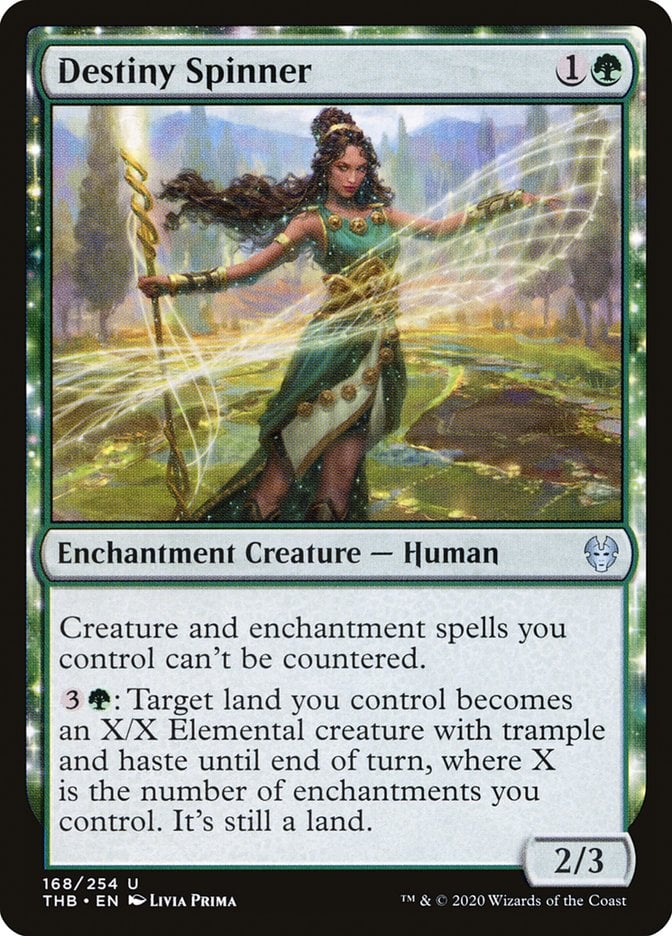
For this deck, I’d look towards trimming some of the utility creatures that are high rarity due to their impact. Look at, for example, Frenzied Baloth, which luckily has a decent replacement in Destiny Spinner as anti-counter tech, or Fanatic of Rhonas, which you can replace with any one of the many 2-mana dorks from your average Limited set.
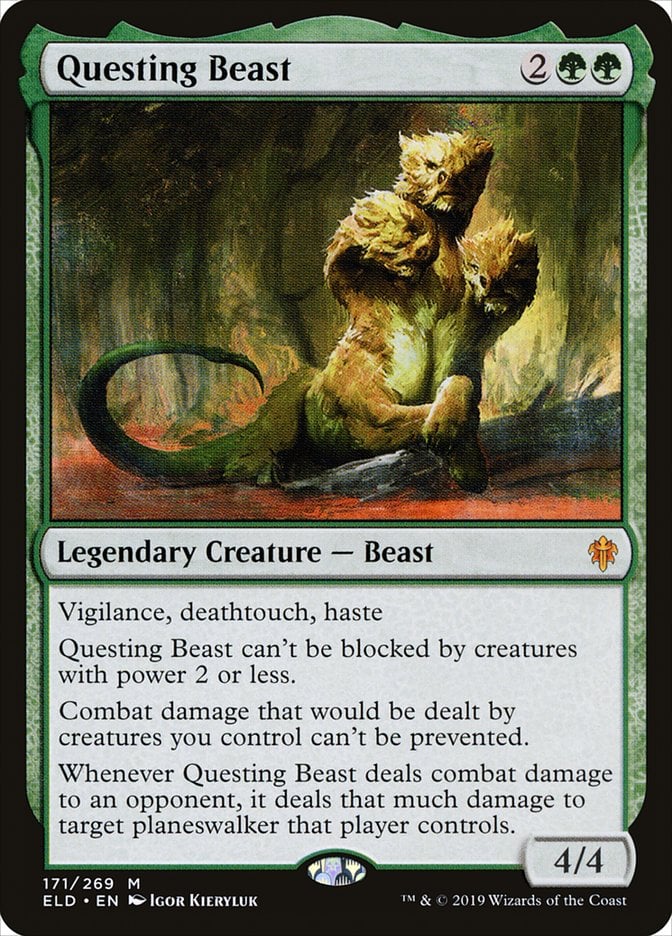

I’d recommend trying to reserve your wild cards for the heavy-hitting creatures that do the winning; cards like Questing Beast and Pyrogoyf and, of course, the commander are important to winning, and thus should be prioritized.
Raffine, Scheming Seer
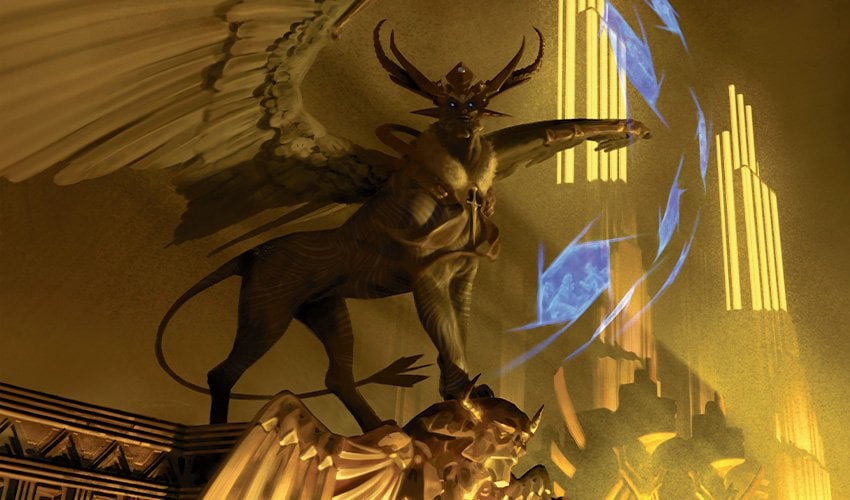
Raffine, Scheming Seer | Illustration by Johannes Voss
Commander (1)
Planeswalker (1)
Creature (9)
Aang, Swift Savior // Aang and La, Ocean's Fury
Barrowgoyf
Dark Confidant
Darkstar Banisher
Dauthi Voidwalker
Deep-Cavern Bat
Terrors of the Track
Unbreakable Remnant
Voice of Victory
Instant (20)
Brainstorm
Cling to Dust
Cut Down
Daze
Deadly Rollick
Dig Through Time
Dismember
Fatal Push
Fierce Guardianship
Force of Will
Force Spike
Mana Leak
Mana Tithe
Memory Lapse
No More Lies
Remand
Reprieve
Snuff Out
Swords to Plowshares
Wash Away
Sorcery (8)
Demonic Tutor
Inquisition of Kozilek
Lórien Revealed
Oust
Prismatic Ending
Reanimate
Thoughtseize
Treasure Cruise
Enchantment (2)
Artifact (20)
Chrome Mox
The One Ring
Drannith Magistrate
Emperor of Bones
Esper Sentinel
Galathul Galecaller // Corvid Squall
Guide of Souls
Hydroponics Architect
Juggernaut Peddler
Malcolm, Alluring Scoundrel
Moonshadow
Mother of Runes
Ocelot Pride
Orcish Bowmasters
Phelia, Exuberant Shepherd
Psychic Frog
Skyclave Apparition
Snapcaster Mage
Solitude
Subtlety
Land (39)
Adarkar Wastes
Arid Mesa
Bleachbone Verge
Bloodstained Mire
Caves of Koilos
Command Tower
Concealed Courtyard
Darkslick Shores
Deserted Beach
Drowned Catacomb
Flooded Strand
Floodfarm Verge
Glacial Fortress
Gloomlake Verge
Godless Shrine
Hallowed Fountain
Island
Isolated Chapel
Marsh Flats
Meticulous Archive
Misty Rainforest
Otawara, Soaring City
Plains x2
Polluted Delta
Prismatic Vista
Scalding Tarn
Seachrome Coast
Shadowy Backstreet
Shattered Sanctum
Shipwreck Marsh
Starting Town
Strip Mine
Swamp
Undercity Sewers
Underground River
Verdant Catacombs
Watery Grave
Windswept Heath
Deck credit: Inventivefire
Wildcard count: 7 common, 13 uncommon, 62 rare, 14 mythic
Deck Theme and Strategy
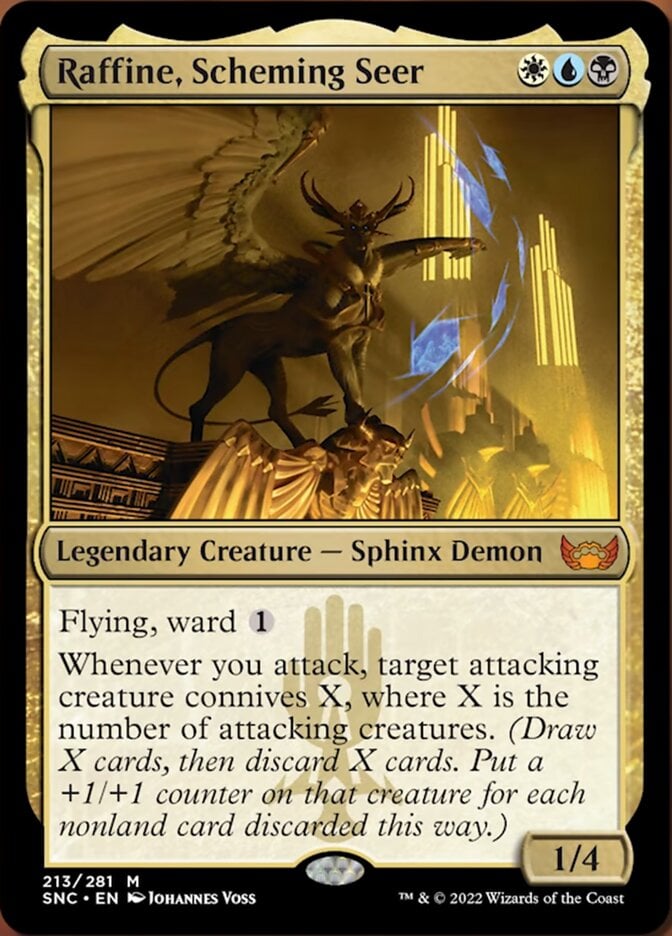
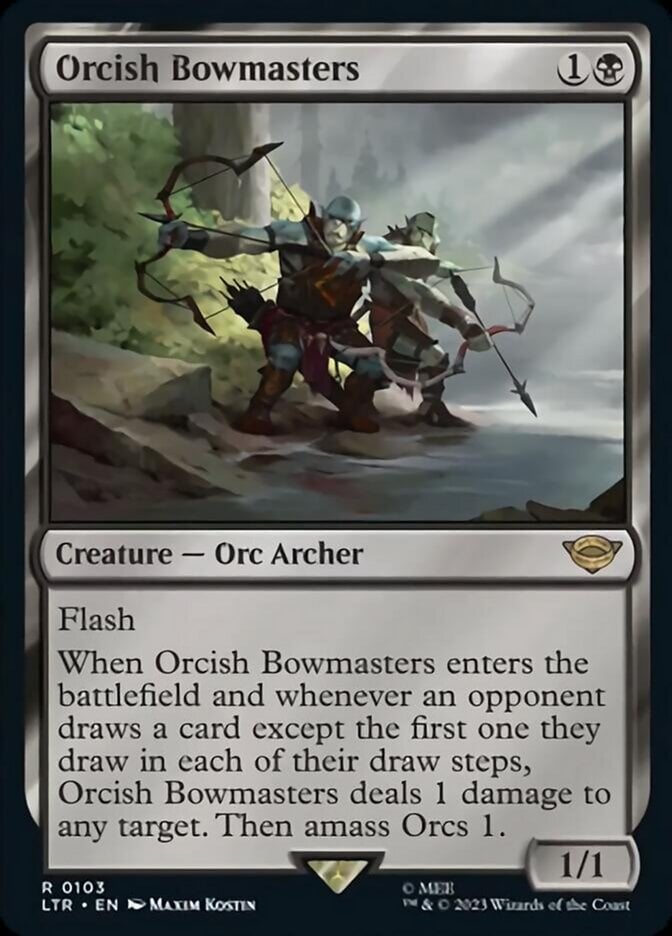
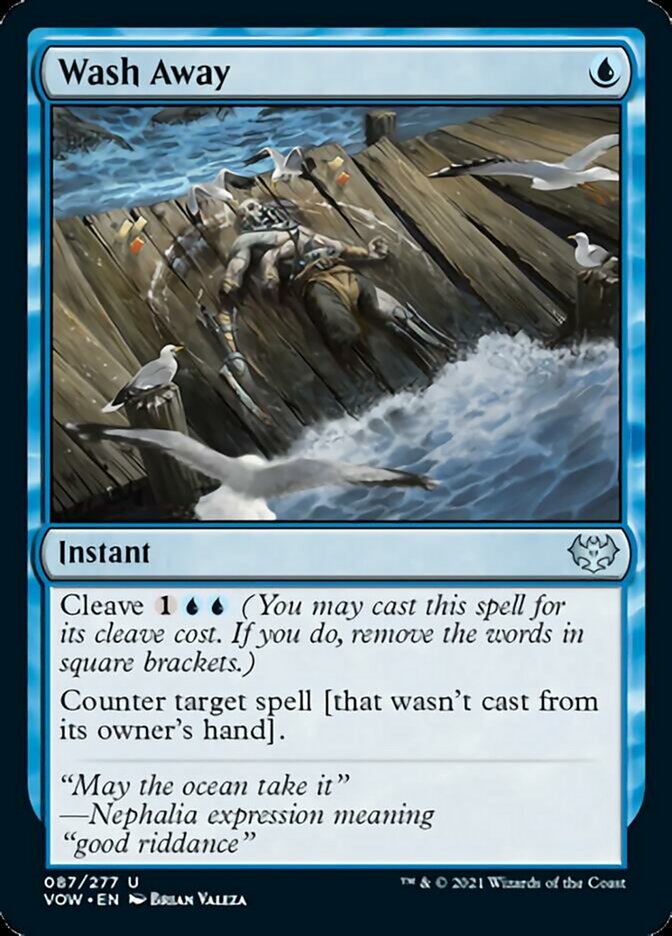
Raffine, Scheming Seer leads a very classic midrange deck. Some of the most efficient and powerful creatures on Arena, such as Esper Sentinel, Orcish Bowmasters, and Psychic Frog are joined by equally impressive interaction like Force of Will and Wash Away. Raffine ties everything together with incredible card filtration to ensure you always have the appropriate cards while adding ample pressure thanks to connive counters.
Wildcard Alternatives
A big part of that high wildcard count comes from the mana base, which is chock full of fetches and shocks and all those generally necessary rare lands that make a 3-color mana base work. But, if you’ve been playing for a while, you might have more than you think! Still, I’d look towards trimming what you can and pushing as many basics as you can afford.
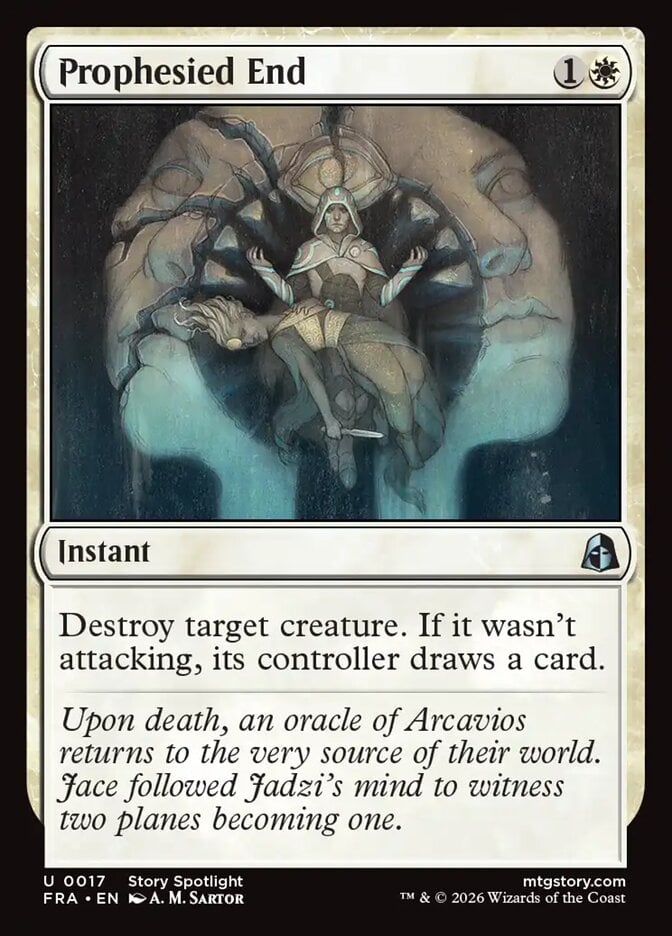
I’d also recommend hitting the interaction package before the threats. I’d put a rare card into Psychic Frog and substitute, say, Get Lost for Prophesied End. It makes the deck worse, but the removal is just so much easier to replace than some of these high-impact rares.
Teferi, Time Raveler

Teferi, Time Raveler | Illustration by Chris Rallis
Commander (1)
Creature (22)
Aang, Swift Savior // Aang and La, Ocean's Fury
Brazen Borrower // Petty Theft
Cloud, Midgar Mercenary
Containment Priest
Dennick, Pious Apprentice // Dennick, Pious Apparition
Drannith Magistrate
Esper Sentinel
Galathul Galecaller // Corvid Squall
Hydroponics Architect
Malcolm, Alluring Scoundrel
Ocelot Pride
Phelia, Exuberant Shepherd
Quantum Riddler
Snapcaster Mage
Solitude
Subtlety
The Wondrous Wasp
Tishana's Tidebinder
Unbreakable Remnant
Voice of Victory
Wan Shi Tong, Librarian
Witch Enchanter // Witch-Blessed Meadow
Instant (29)
Brainstorm
Consult the Star Charts
Counterspell
Daze
Dig Through Time
Enlightened Tutor
Fierce Guardianship
Force of Negation
Force of Will
Force Spike
Get Lost
Mana Drain
Mana Leak
Mana Tithe
March of Otherworldly Light
Memory Lapse
Mystical Dispute
No More Lies
Patriar's Humiliation
Razorgrass Ambush // Razorgrass Field
Remand
Reprieve
Sink into Stupor // Soporific Springs
Spell Pierce
Spell Snare
Stern Scolding
Swords to Plowshares
Unexpectedly Absent
Wash Away
Sorcery (5)
Oust
Ponder
Preordain
Prismatic Ending
Treasure Cruise
Enchantment (3)
Parallax Wave
Seam Rip
Static Prison
Artifact (5)
Chrome Mox
Disruptor Flute
Portable Hole
The One Ring
Tome of Gadwick
Land (35)
Adarkar Wastes
Ancient Tomb
Arid Mesa
Command Tower
Deserted Beach
Eiganjo, Seat of the Empire
Flooded Strand
Floodfarm Verge
Gemstone Caverns
Glacial Fortress
Gleaming Bastion
Hallowed Fountain
Hengegate Pathway // Mistgate Pathway
Island x4
Library of Alexandria
Mana Confluence
Marsh Flats
Meticulous Archive
Misty Rainforest
Multiversal Passage
Otawara, Soaring City
Plains x3
Polluted Delta
Prismatic Vista
Reflecting Pool
Scalding Tarn
Seachrome Coast
Starting Town
Strip Mine
Windswept Heath
Decklist credit: Malachita
Wildcard count: 5 common, 17 uncommon, 59 rare, 24 mythic
Deck Theme and Strategy
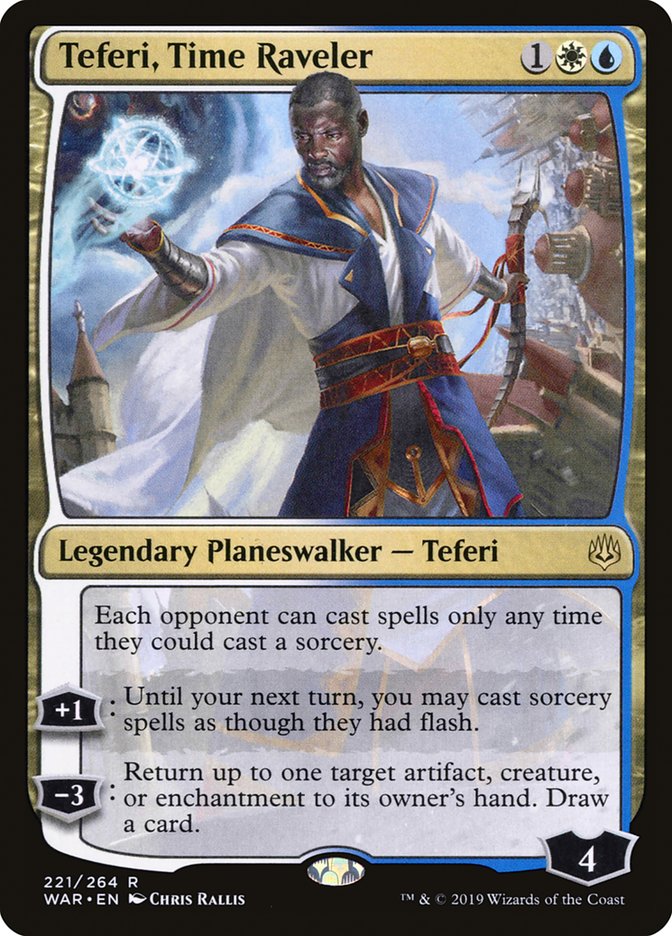


At a glance, this Teferi, Time Raveler list is extremely similar to the Raffine one, with a combination of great creatures and solid interaction. But this deck leans more controlling, with disruptive tempo creatures like Brazen Borrower and Containment Priest. An emphasis on flash creatures allows for a greater amount of countermagic and interaction in general; if Raffine can grind, Teferi can control the game.
Wildcard Alternatives
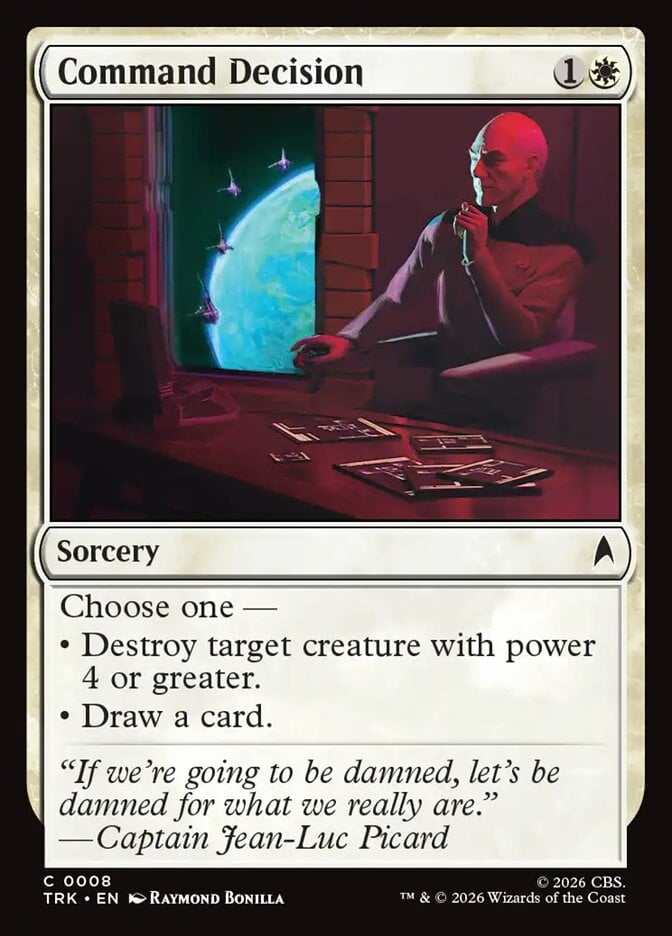
One way to save on wildcards could be to lean harder into the control aspects of the deck and replace good rare creatures with lower-rarity removal. For example, say farewell to Malcolm, Alluring Scoundrel for Prophesied End and Command Decision and the like. Save your wildcards for board wipes and cards like Hullbreaker Horror that are effective control finishers. At that point, it would be a fairly different deck, but one that keeps Teferi in the command zone.
Cloud, Midgar Mercenary

Cloud, Midgar Mercenary | Illustration by Kazto Furuya
Commander (1)
Battle (1)
Invasion of Gobakhan / Lightshield Array
Planeswalker (1)
Creature (31)
Adeline, Resplendent Cathar
Anointed Peacekeeper
Arachne, Psionic Weaver
Cathar Commando
Drannith Magistrate
Elite Spellbinder
Esper Sentinel
Flickerwisp
Frodo, Determined Hero
Giver of Runes
Grand Abolisher
Kemba's Outfitter
Kíli the Resourceful
Lion Sash
Mother of Runes
Phelia, Exuberant Shepherd
Ranger-Captain of Eos
Recruiter of the Guard
Selfless Savior
Skrelv, Defector Mite
Skyclave Apparition
Solitude
Spectacular Spider-Man
Stalwart Realmwarden
Stoneforge Mystic
The Duke, Rebel Sentry
The Queen of Dale
Tithe Taker
Unbreakable Remnant
Voice of Victory
Witch Enchanter // Witch-Blessed Meadow
Instant (8)
Flawless Maneuver
Get Lost
Mana Tithe
Patriar's Humiliation
Razorgrass Ambush // Razorgrass Field
Reprieve
Swords to Plowshares
Unexpectedly Absent
Sorcery (2)
Enchantment (6)
Curse of Silence
Ossification
Parallax Wave
Seam Rip
Sigarda's Aid
Static Prison
Artifact (10)
Chrome Mox
Defense Grid
Disruptor Flute
Glimmer Lens
Mox Amber
Portable Hole
Umezawa's Jitte
Sword of Feast and Famine
Sword of Fire and Ice
Winter Moon
Land (40)
Abandoned Air Temple
Ancient Tomb
Arid Mesa
Command Beacon
Castle Ardenvale
Cavern of Souls
Dust Bowl
Eiganjo, Seat of the Empire
Flooded Strand
Fountainport
Gemstone Caverns
Library of Alexandria
Marsh Flats
Mirrex
Plains x22
Plaza of Heroes
Prismatic Vista
Strip Mine
Windswept Heath
Decklist credit: Bpro
Wildcard count: 2 common, 16 uncommon, 42 rare, 18 mythic
Deck Theme and Strategy


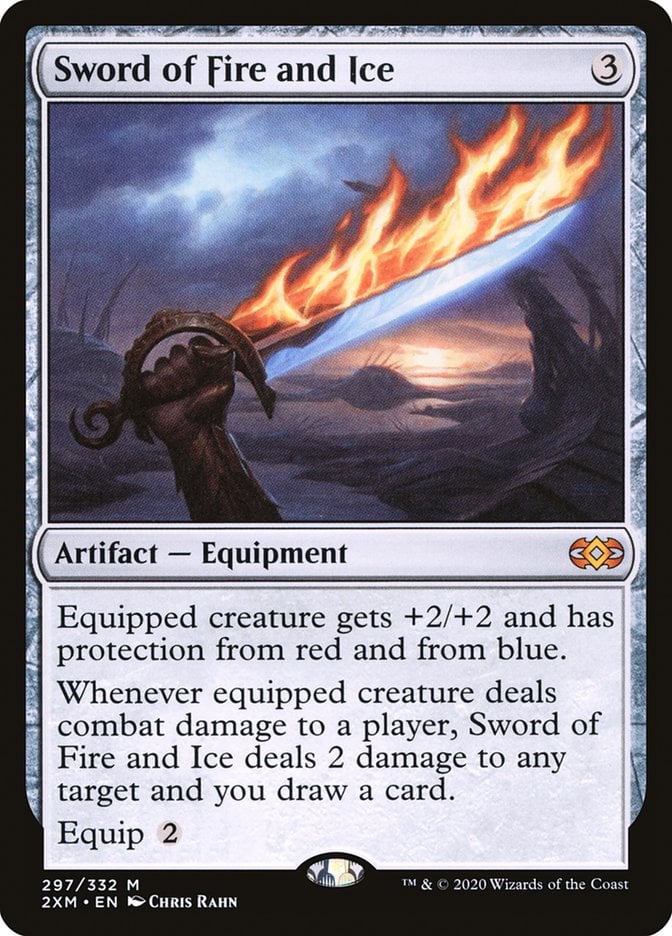
Cloud, Midgar Mercenary leans into disruption and pressure as a hatebears deck. Lots of small, disruptive creatures like Tithe Taker and Voice of Victory are present, as are ample protection pieces like Mother of Runes, and you can’t overlook stax cards like Winter Moon. It’s hard for your opponent to make moves, and Cloud backs that up with card advantage and as a solo-threat that does a decent job locking the game up. The big targets are Umezawa's Jitte and Sword of Fire and Ice, both of which can win on Cloud, though Lion Sash and Sword of Feast and Famine add decent utility.
Wildcard Alternatives


Here, prioritize putting wildcards into your equipment (consider the four above non-negotiable) and protection pieces like Mother of Runes and Giver of Runes. You can look to replace the rare+ hatebears with more generically good bodies, like Gloryheath Lynx and Éowyn, Lady of Rohan. Those give you opponents more wiggle room, but it’s best to focus on that core package of Cloud’s card advantage plus the protection to make it tick.
Wrap Up
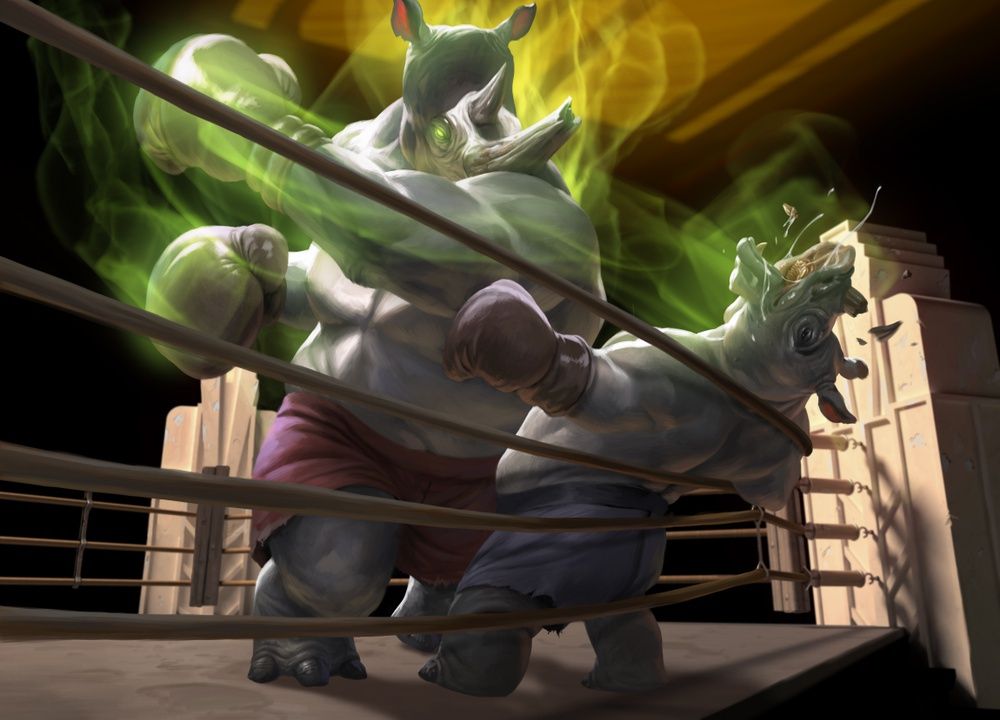
Fight Rigging | Illustration by Daarken
Personally, I’m a big fan of Competitive Brawl. I was on the spiky side of the player schism who really wanted a queue where people wouldn’t concede the moment a counterspell hit the stack. This format strikes a cool balance between having a really open pool without some of the pressures and constraints of, say, Timeless. It’s great fun, and I recommend checking it out.
What’s your favorite Competitive Brawl deck? Do you enjoy the format, or do you think Arena has enough? Let me know on the comments below or on the Draftsim Discord! If you want more Draftsim, check out our YouTube channel and newsletter, both called The Daily Upkeep!
Stay safe, and thanks for reading!
Follow Draftsim for awesome articles and set updates:










Add Comment