
Last updated on August 10, 2026

Bard, King of Dale | Illustration by Xabi Gaztelua
Prerelease weekend for The Hobbit has already come and gone. If you played, I hope you had fun, but you also probably learned a few things about the format. I went and I formed some of my own impressions, and so I think it’s only fair that I share them here for all to see, and maybe you’ll agree and maybe you won’t, but hopefully they can be useful enough to help you in your first drafts of the format when it releases on Arena tomorrow.
The Dwarf Curve
Thorin, Mountain-king | Illustration by Javier Charro
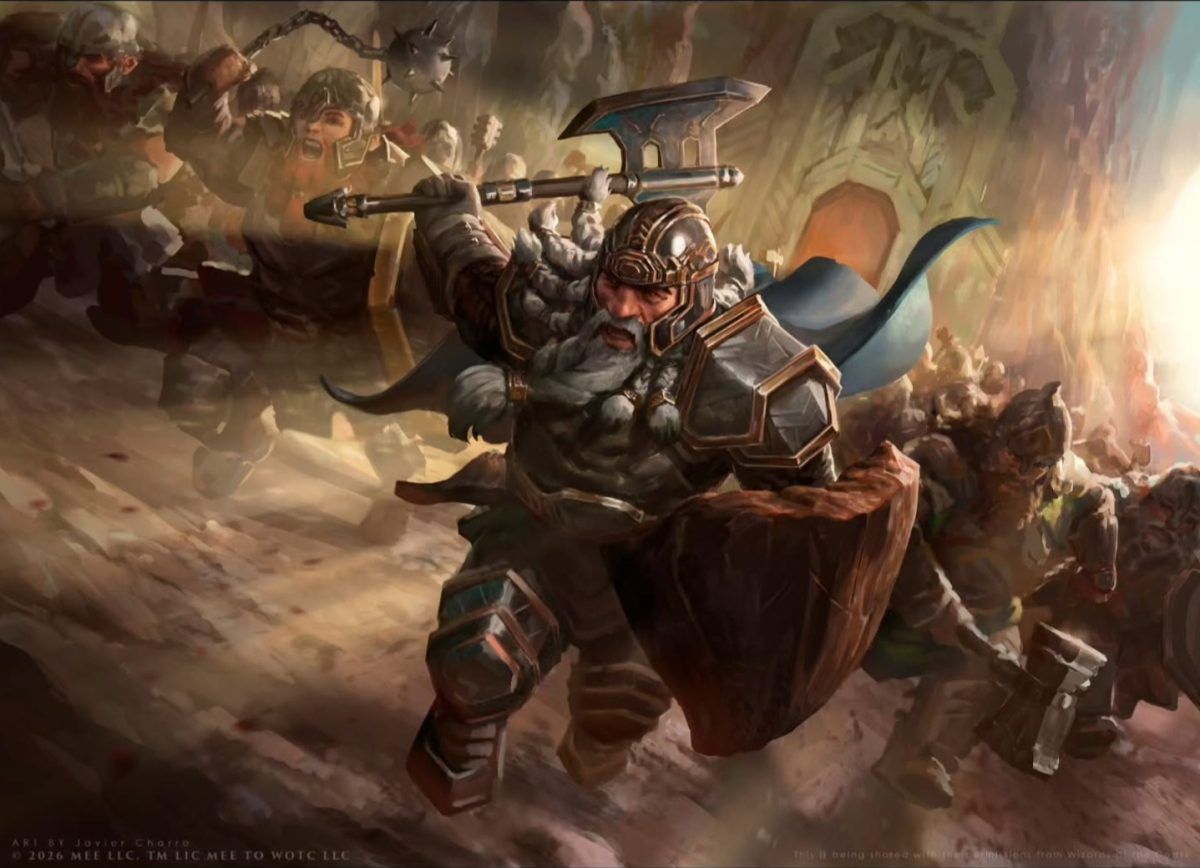
First thing first, red white dwarves is a fast deck, or at least the best way to build it is as an aggro deck. It seemed like when red white it had its stuff, it was able to assert itself and put things on board fast enough that opponents were struggling to catch up and stabilize. I think the main reason for this is that the red white deck has an incredible curve.
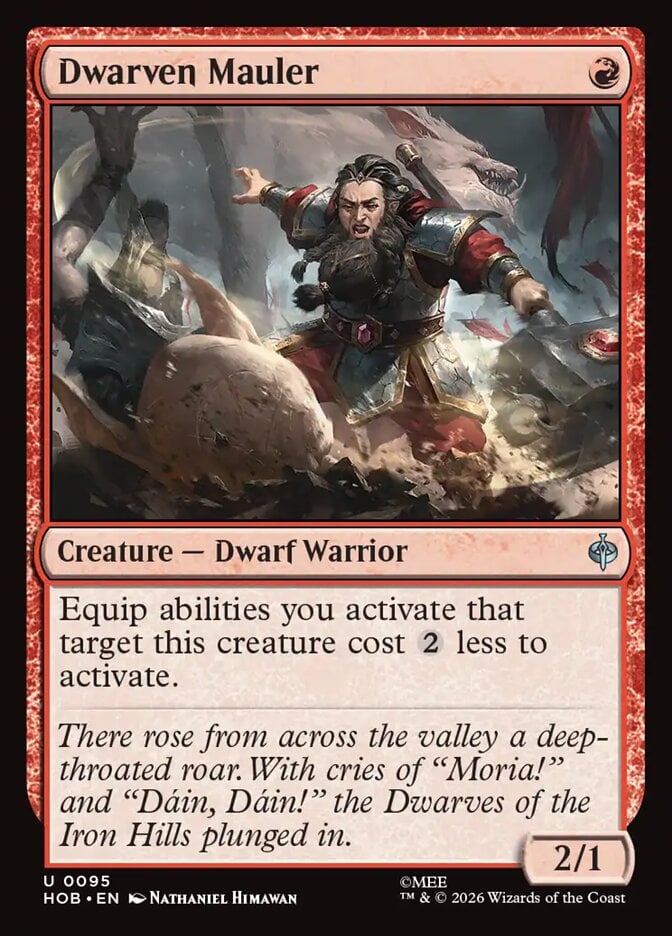
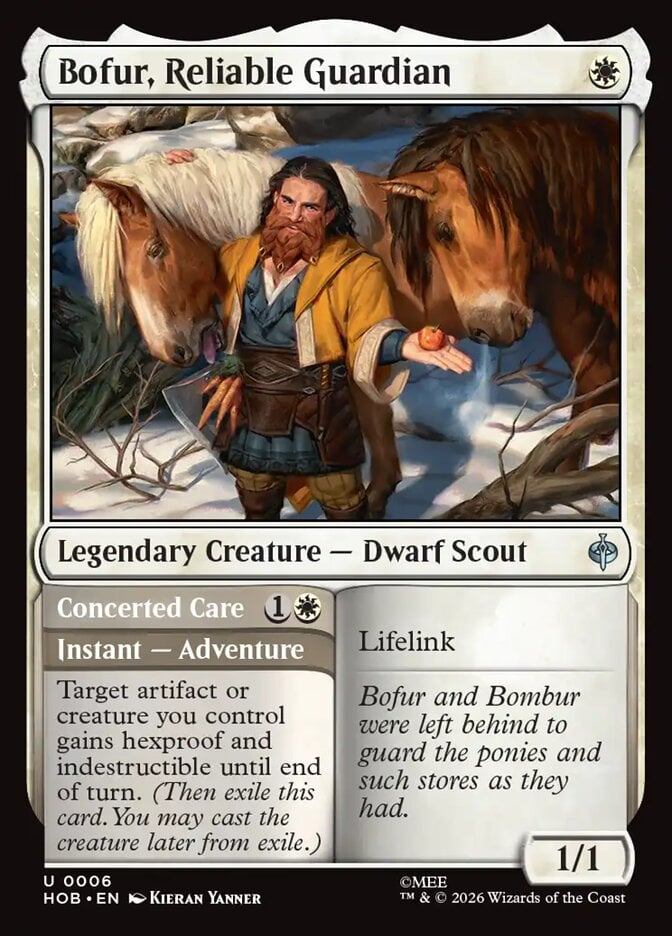
Turn one is hard in limited. You won’t always have a one-drop. However, you at least have some options here: Dwarven Mauler is best, but Bofur, Reliable Guardian is also good. Tidings of War and Lake-town Lookout are also options, however you’d really rather have a dwarf turn one if you can.
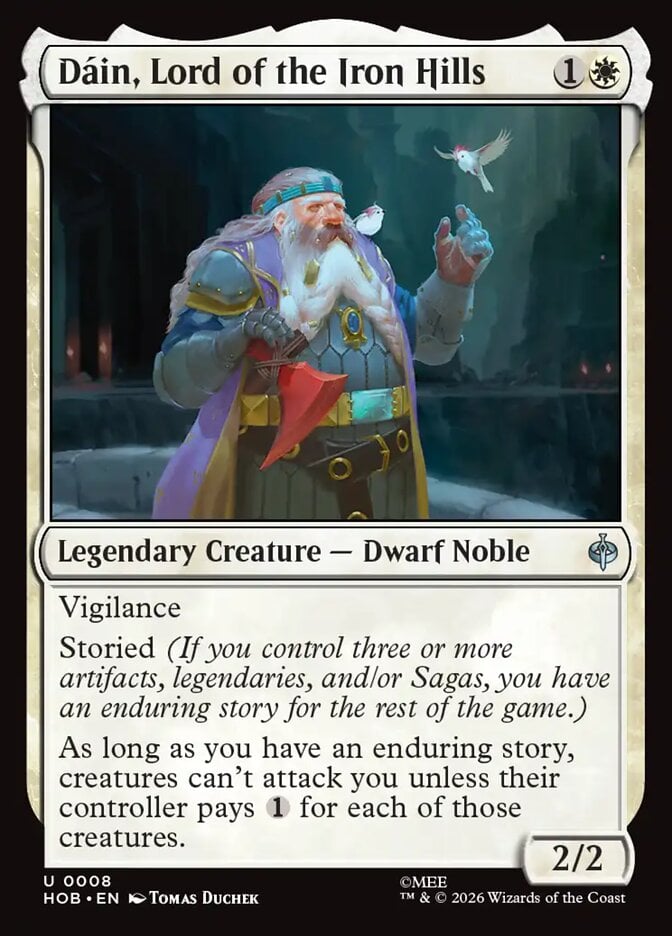
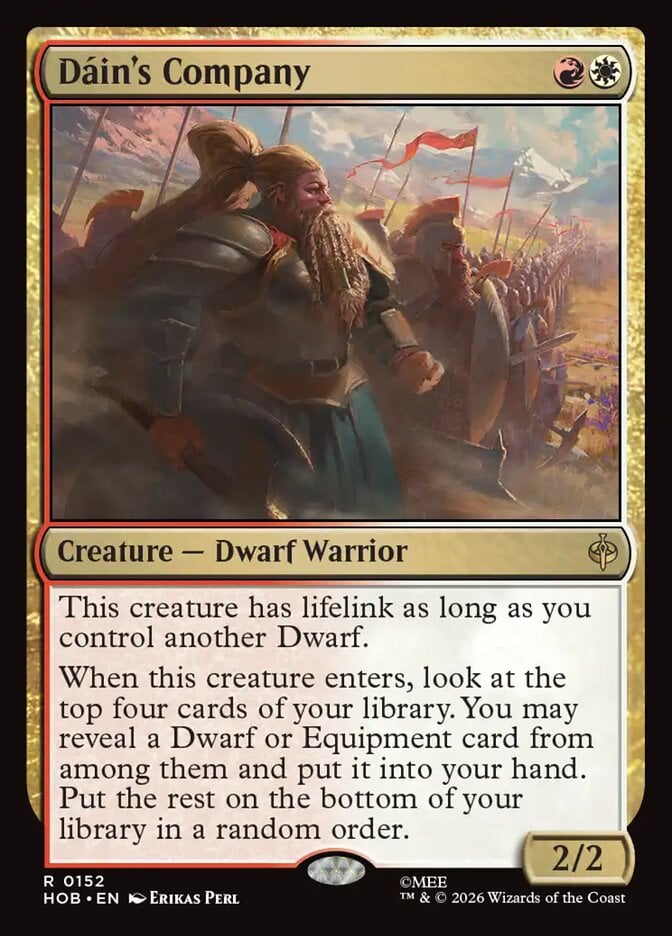
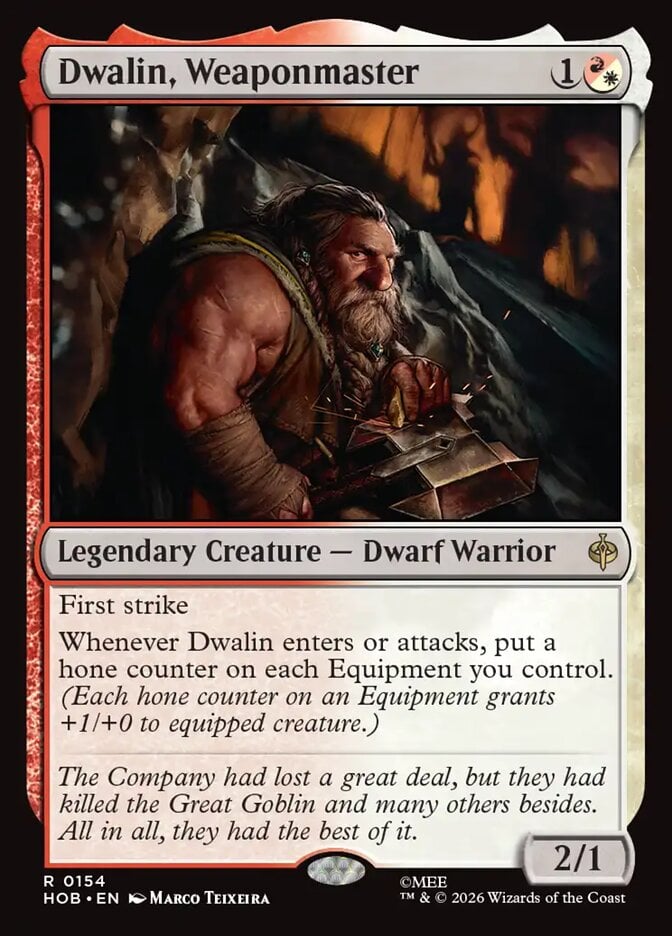
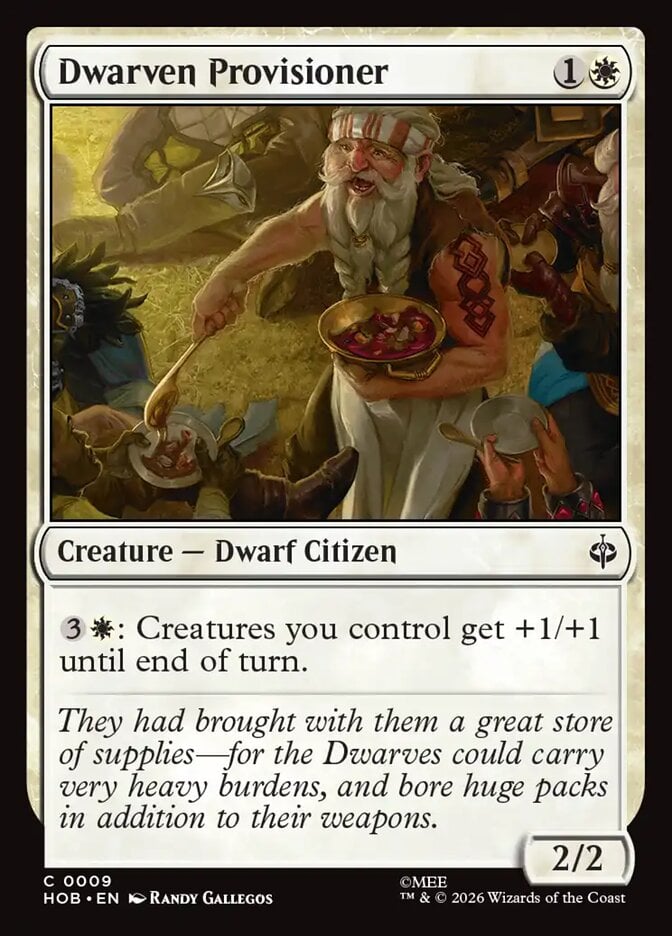
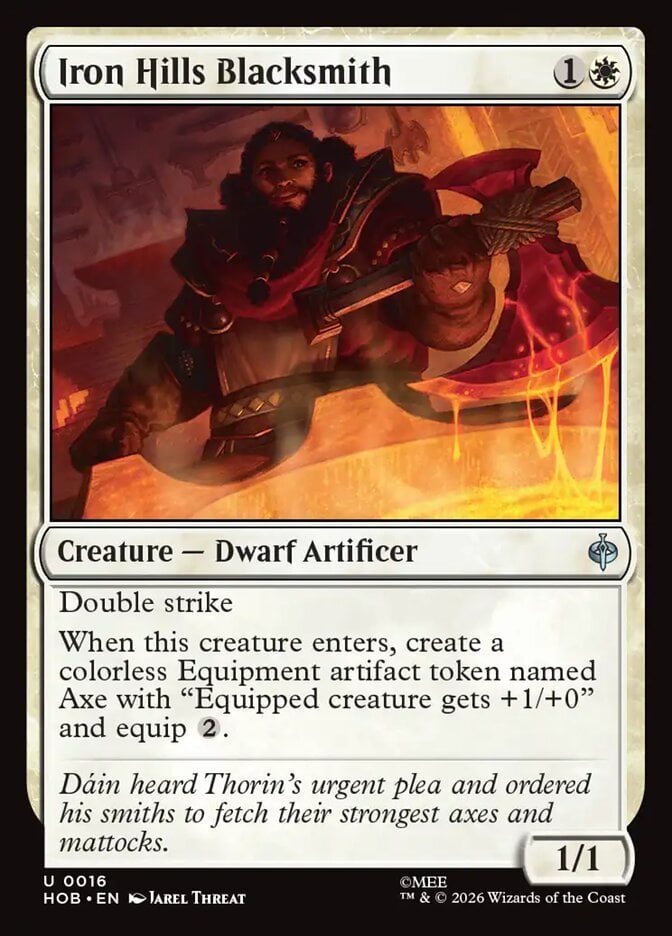
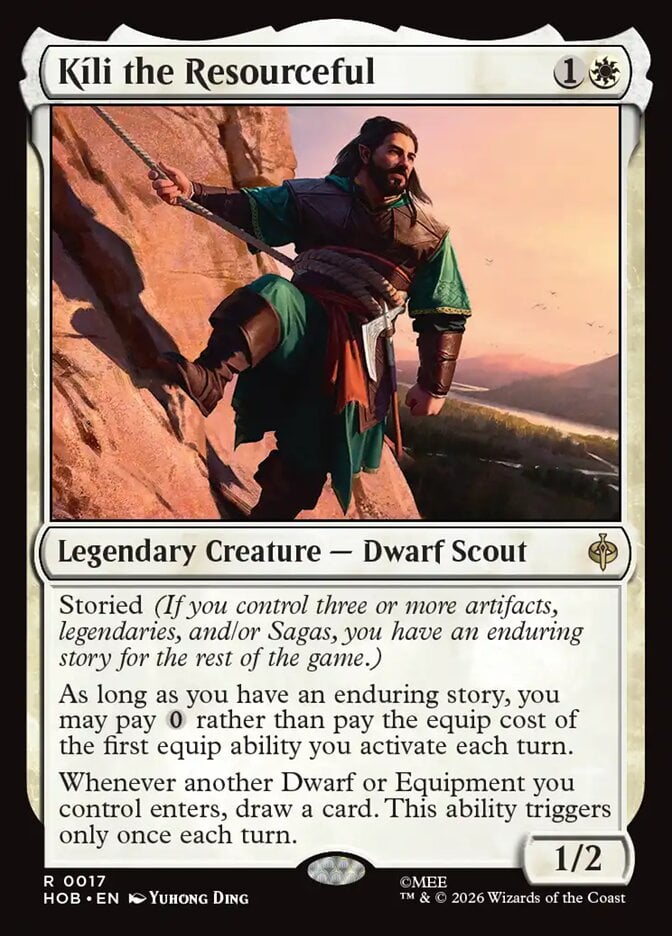
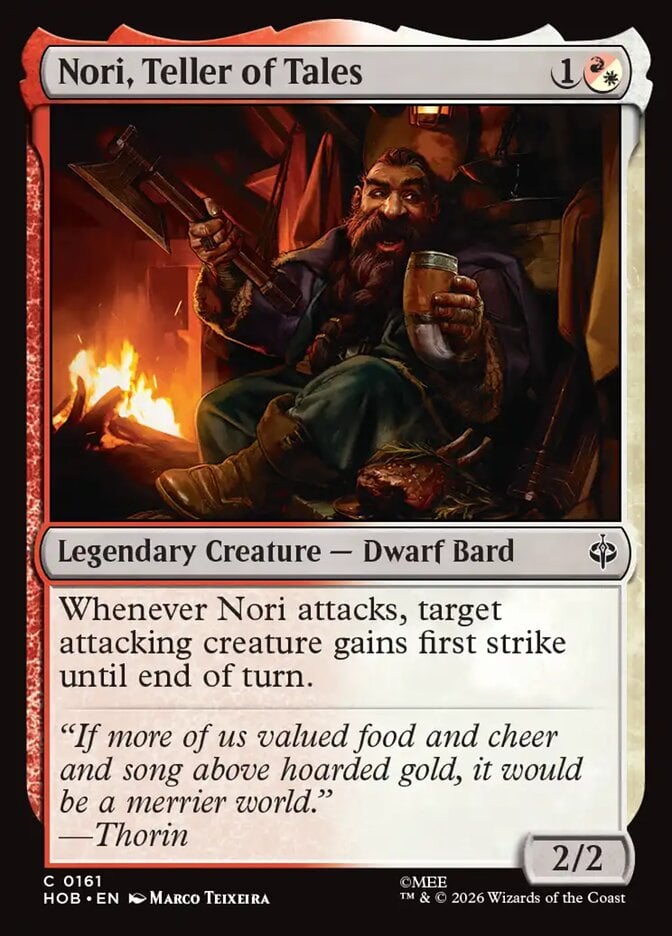
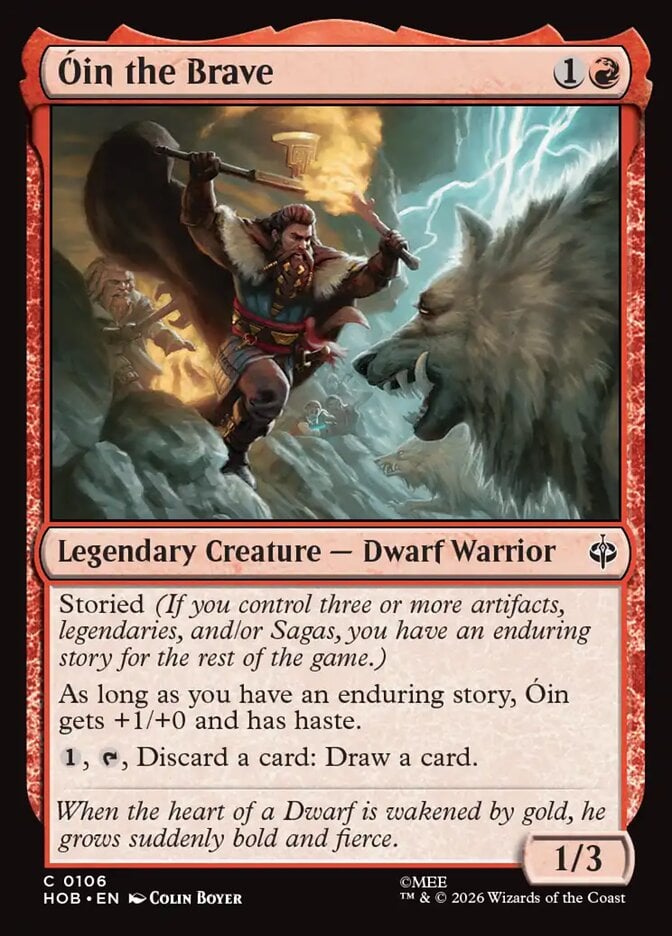
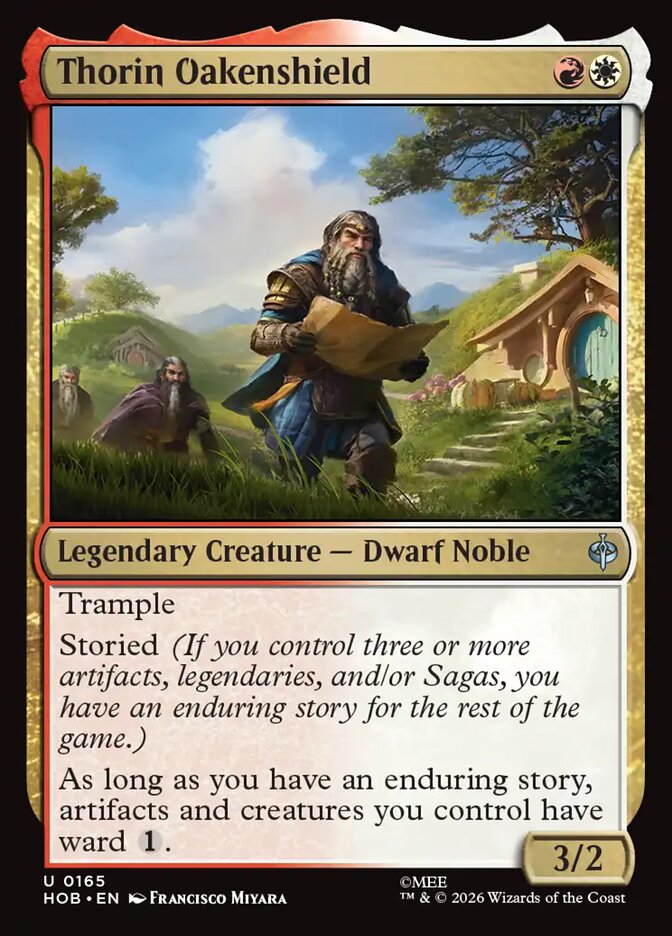
Turn two is where things get real. There are nine total two-drop creatures that are dwarves in red and white. That’s a lot of options, and given that having a turn two play is so important in limited, especially when taking on the role of the aggro deck, the number of playable two-drops starts to seem very important to the success of this deck.
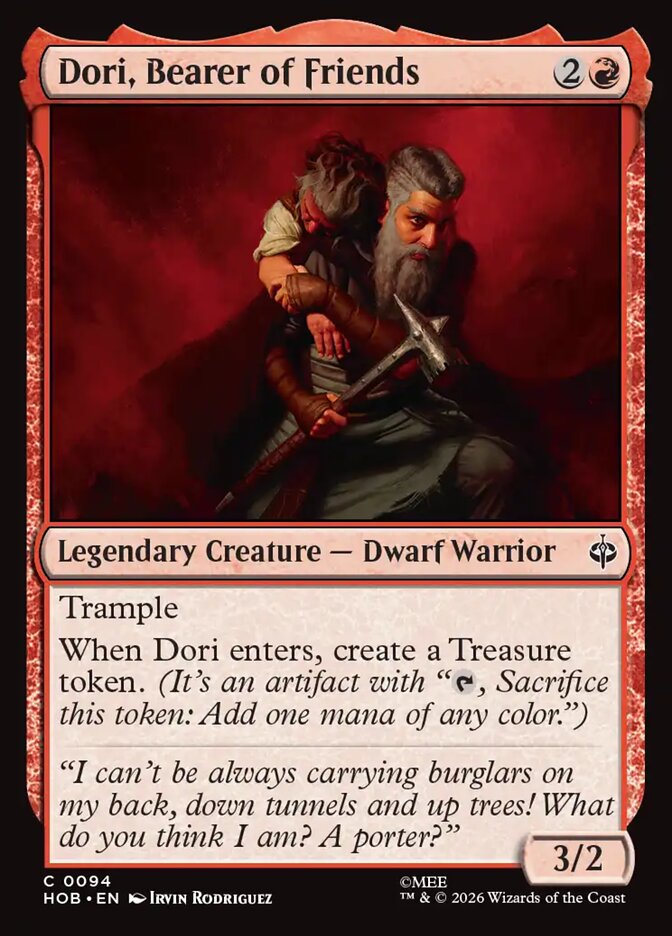
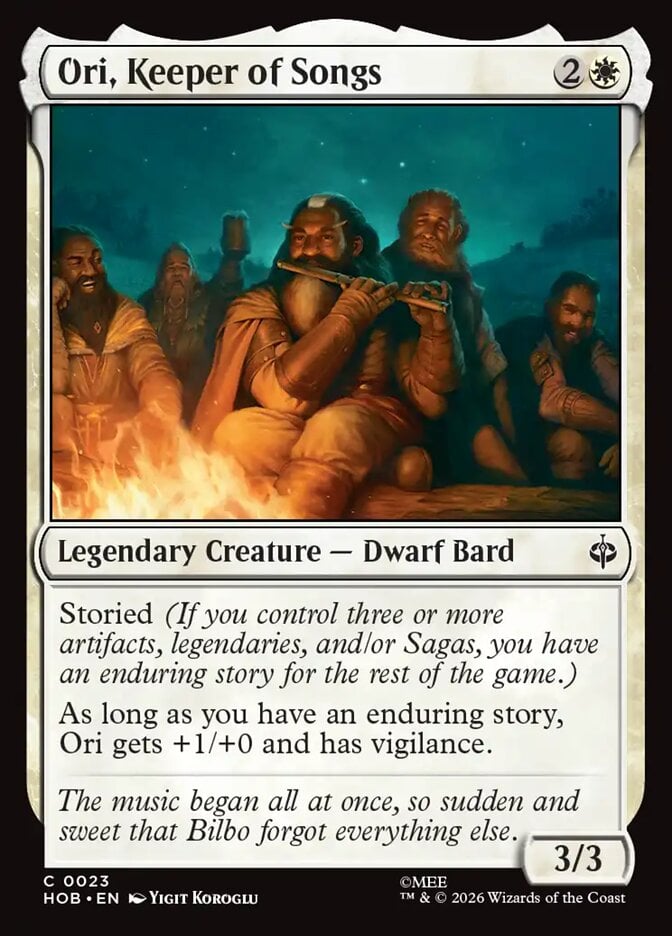
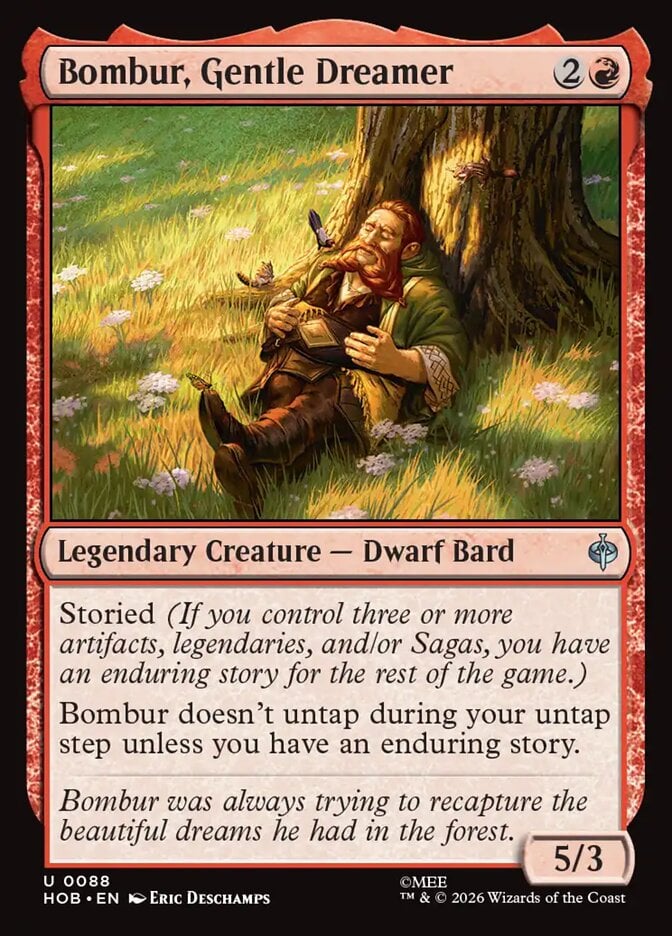
Turn three is ideally when you are turning on your storied cards. It turns out that if you’re playing a legendary dwarf every turn or playing Dori, Bearer of Friends on turn three, it’s pretty easy to have three legends and/or artifacts and/or sagas.
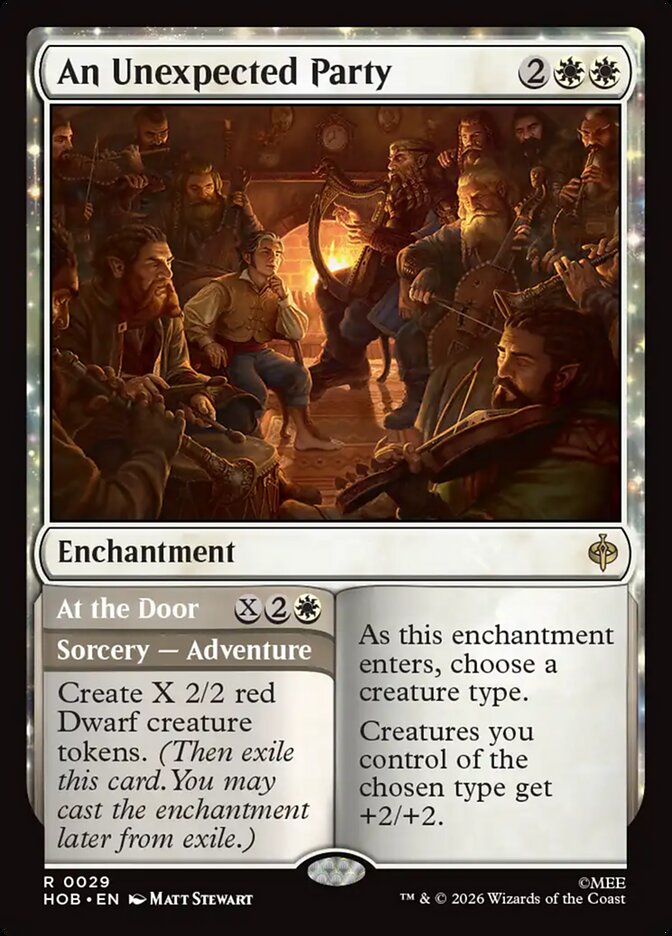
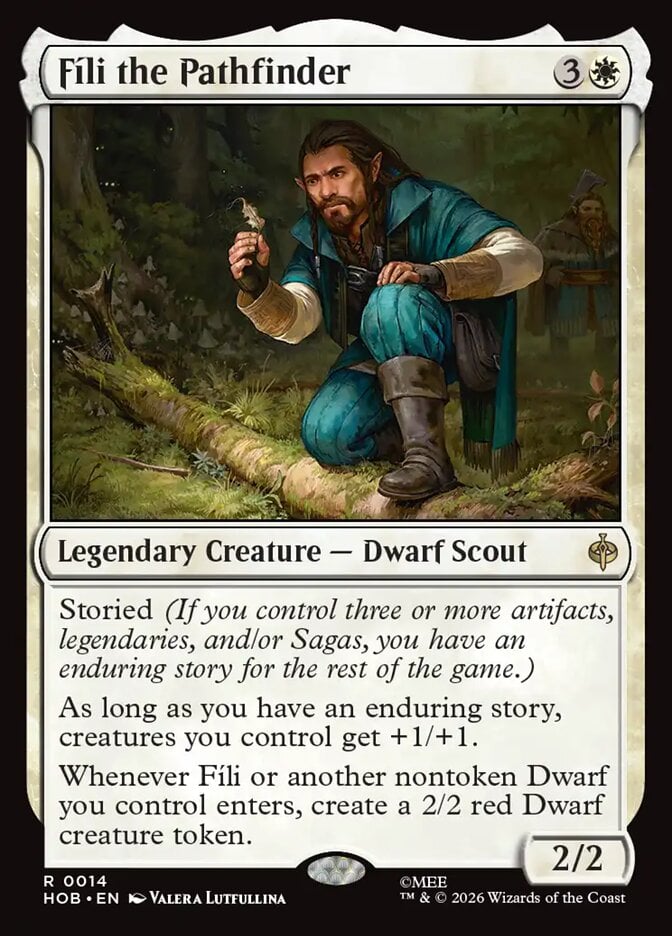
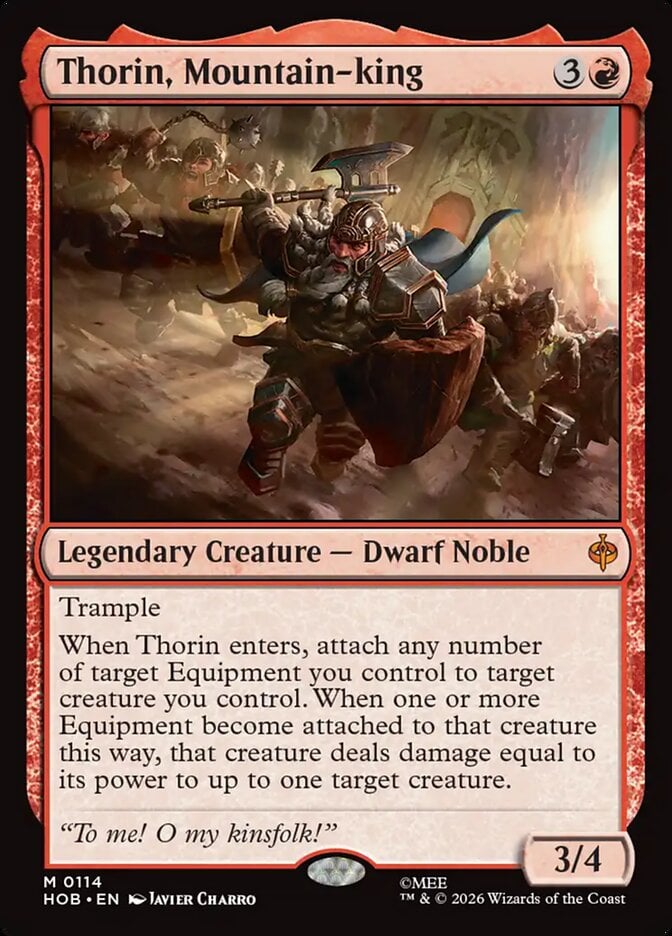
Turn four is when you’d like to start to seal the deal. There are a lot of options at this point, but if you’ve done everything right, a good red white dwarf deck will likely be in a winning position by turn five or six, or if your opponent is putting up a good fight or if you stumbled a bit, you’ll at least still be applying pressure. Oh yeah, and did I mention all the good red white dwarf rares that make this deck even better?
Overall it felt like the pieces of this deck were coming together often enough to be a real threat, and I don’t imagine that will be much different in draft. It seems like there’s a very good gameplan among cards at lower rarities in red and white that can be a very efficient aggressive deck.
Jund ‘Em Out!
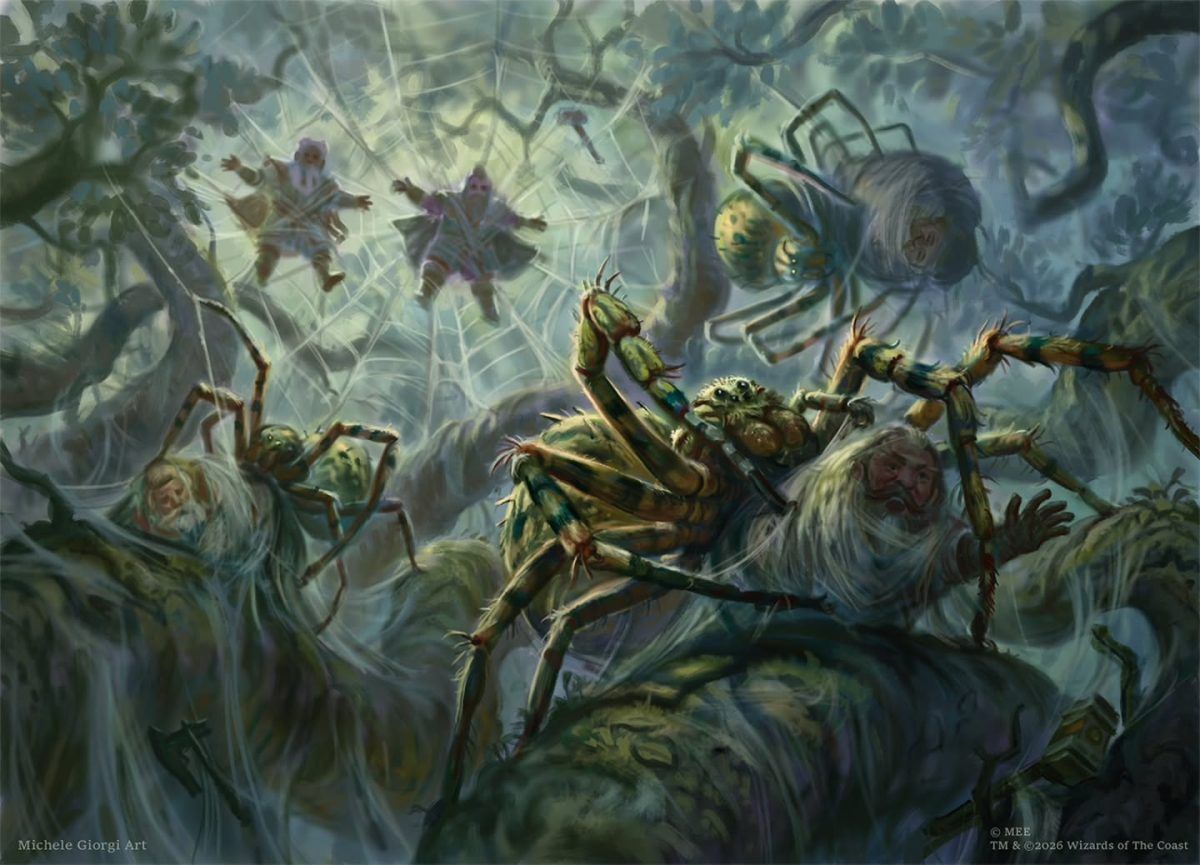
Supper for Spiders | Illustration by Michele Giorgi
If you weren’t dwarfing your opponent in the Prerelease, it felt like almost everyone was trying to jund ’em out (that just means playing green-black-red midrange goodstuff). It seems like black red and black green both are pretty good decks overall; black red amass seems to function great, as amass always seems to do in limited, and green black ferocious simply has good cards.
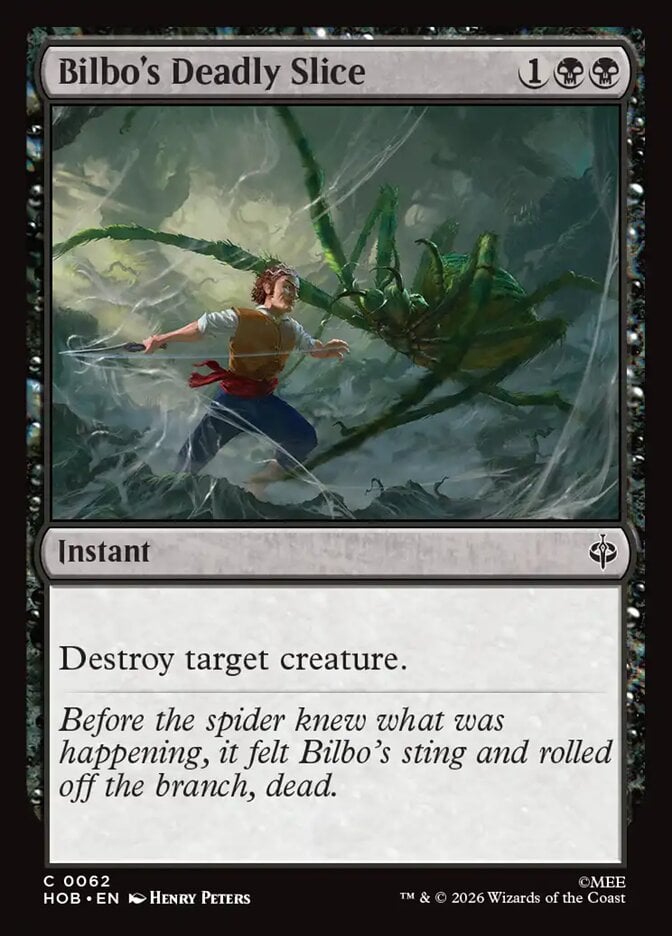
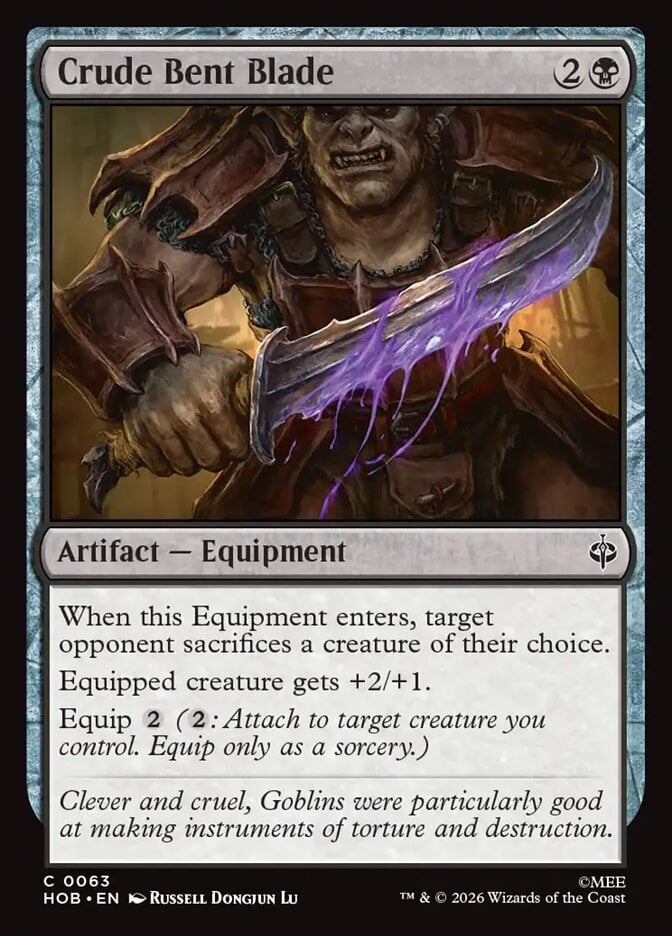
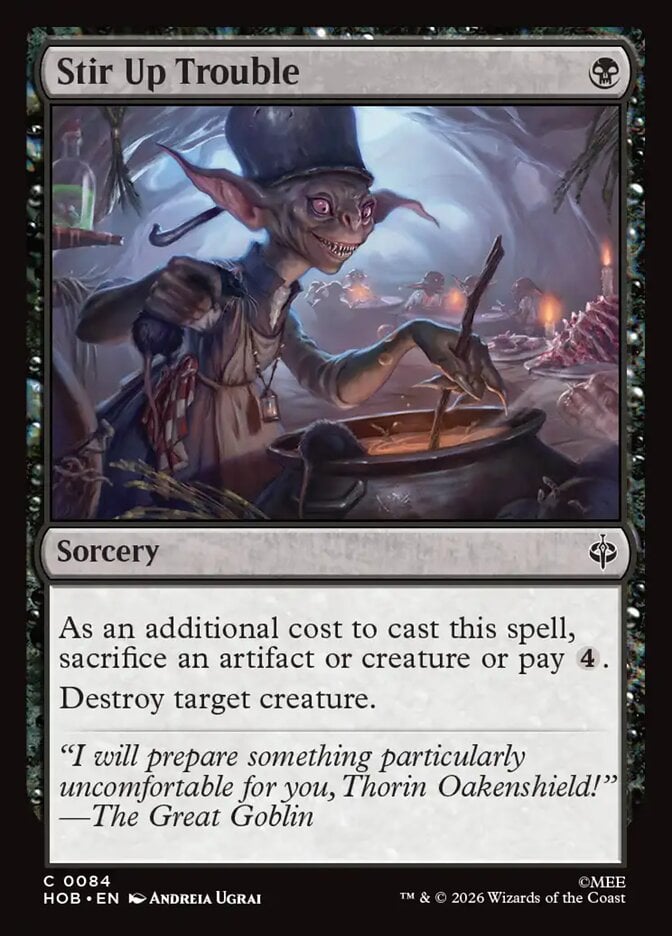
I think a lot of this strength comes from the color they share, black. At lower rarity, black has what seems to be the best removal: Bilbo's Deadly Slice, Stir Up Trouble, Crude Bent Blade, and Gnashing of Teeth are all great cards that feel quite efficient. It also must be mentioned that Crude Bent Blade is the real breakout star of prerelease. It feels like it just worked so well, giving +2/+1 for only 2 to equip, and making your opponent sacrifice something on entry felt like it got something real out of the way most of the time. It also makes great sacrifice fodder for things like Stir Up Trouble or Snowslope Hunter.
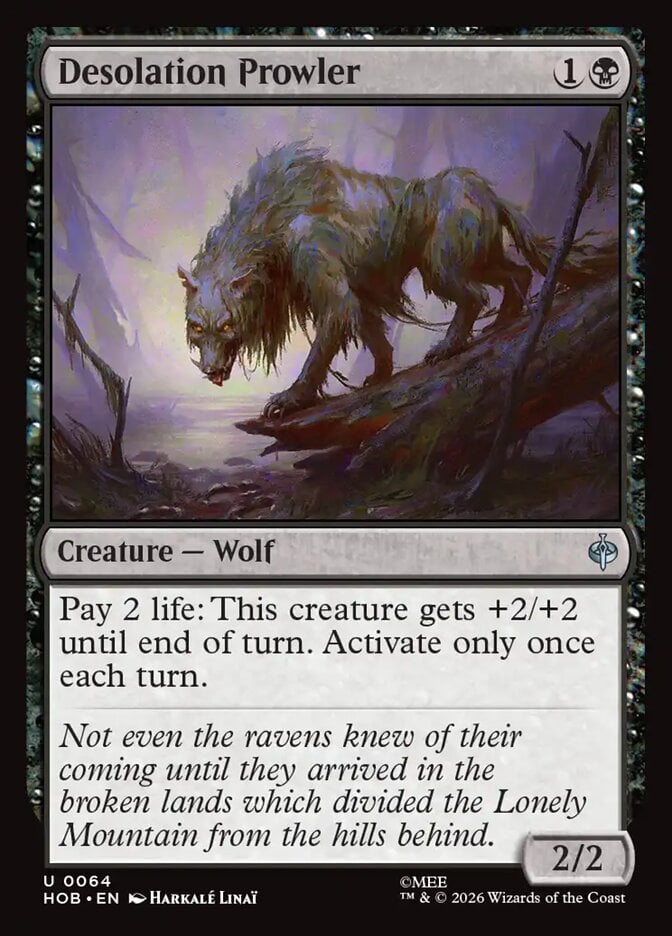
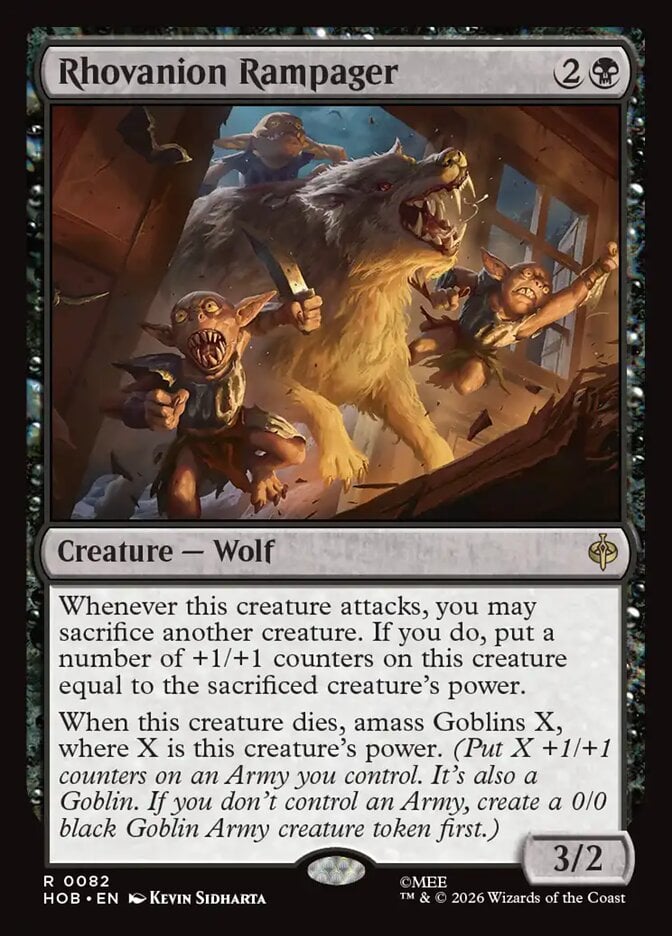
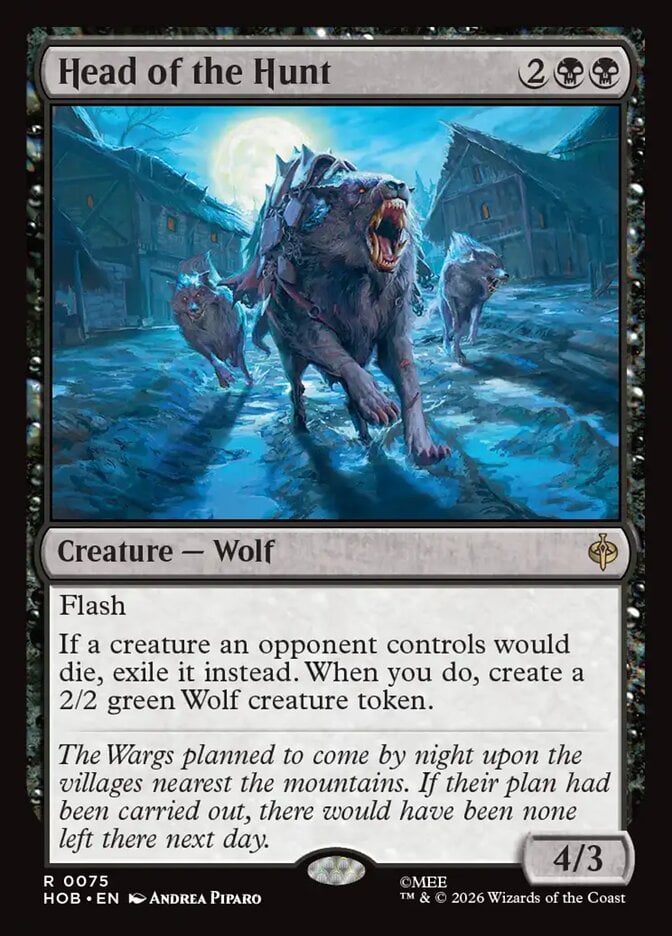
Aside from removal, the creatures in black are also just quite good on average, with the key standout of Desolation Prowler feeling better than many rares. Speaking of rares, black also has several generally good rares that fit in any deck that can play them.
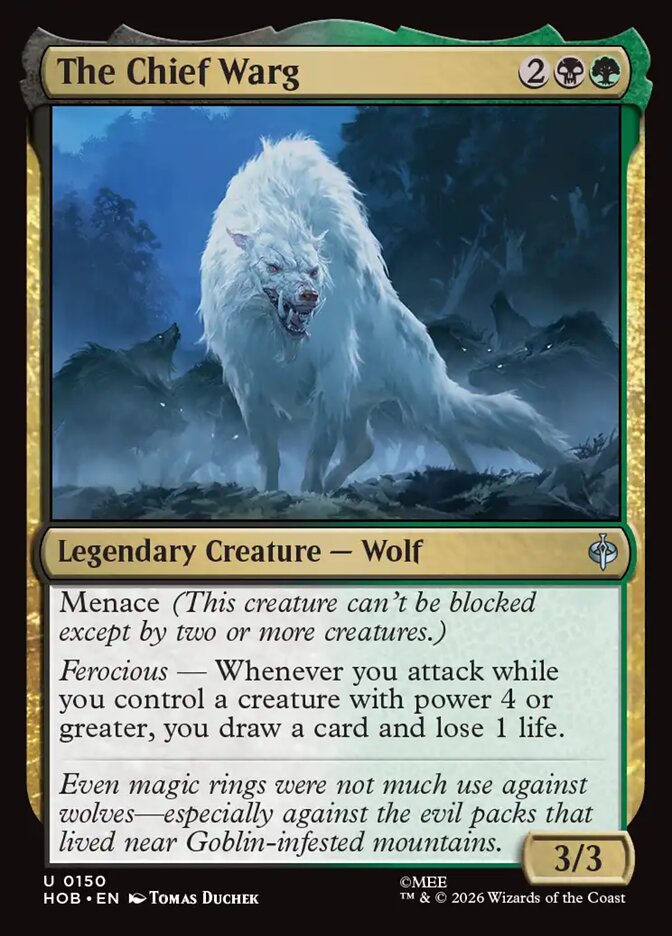
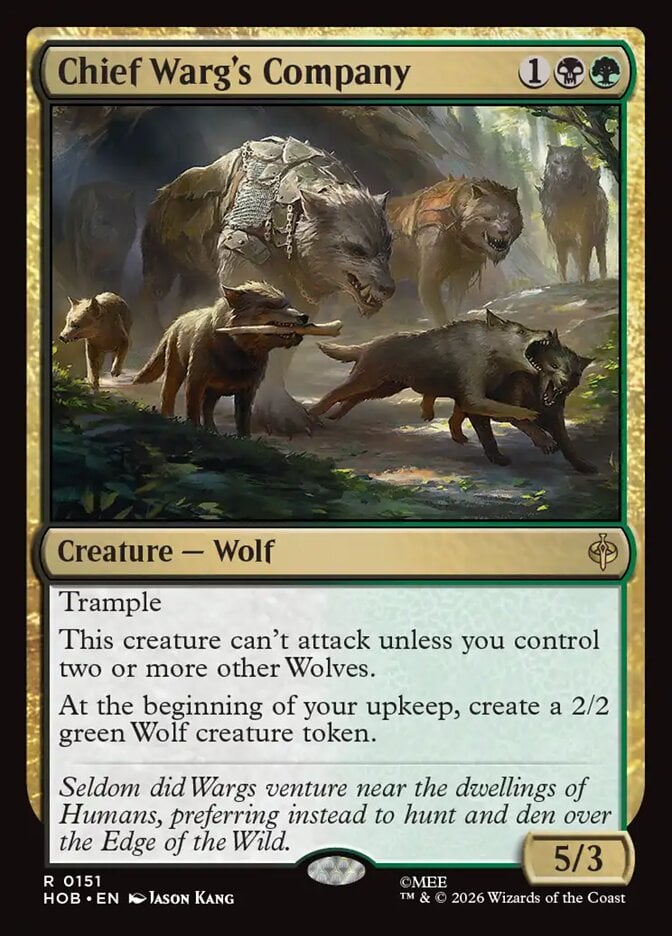
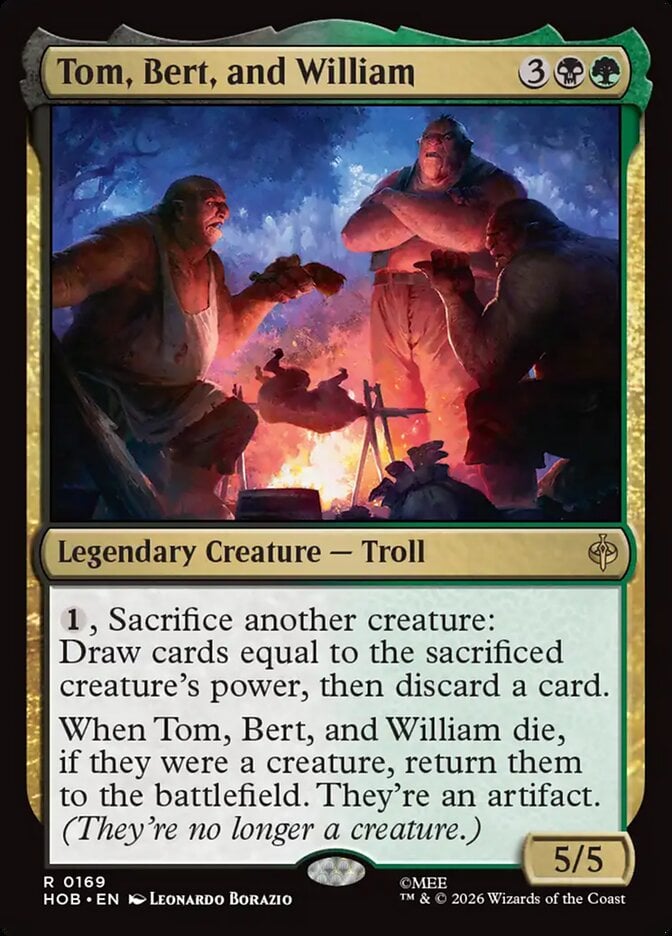
Green black also has a similar thing going on, with several quality rares along with creatures that are just good on average.
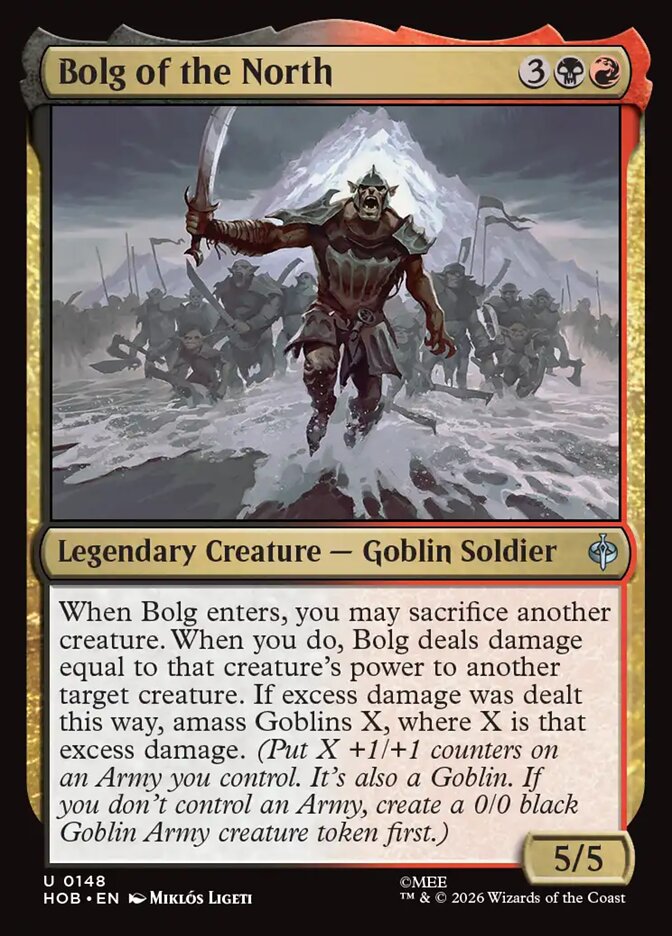
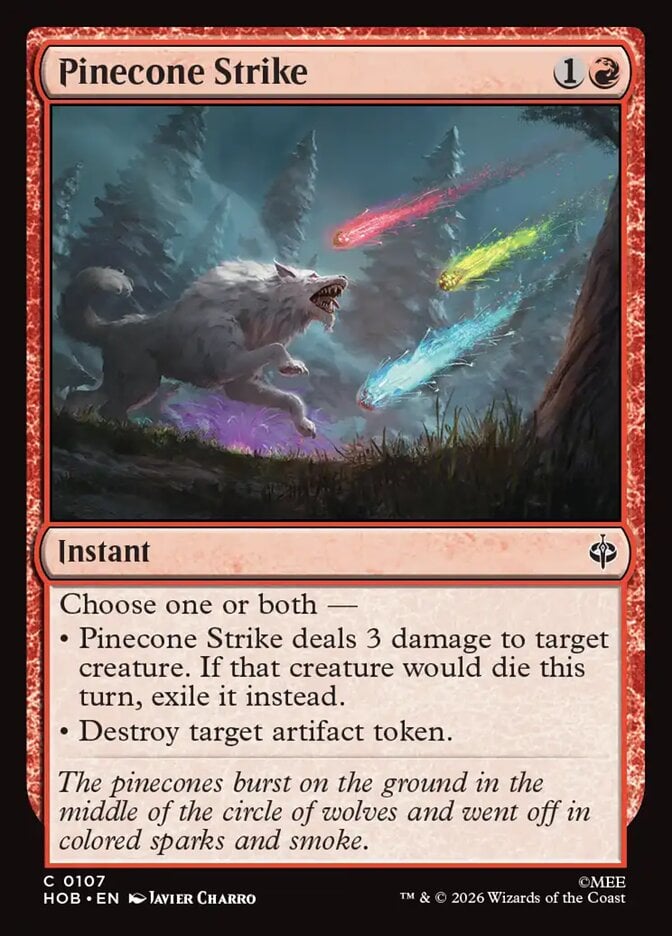
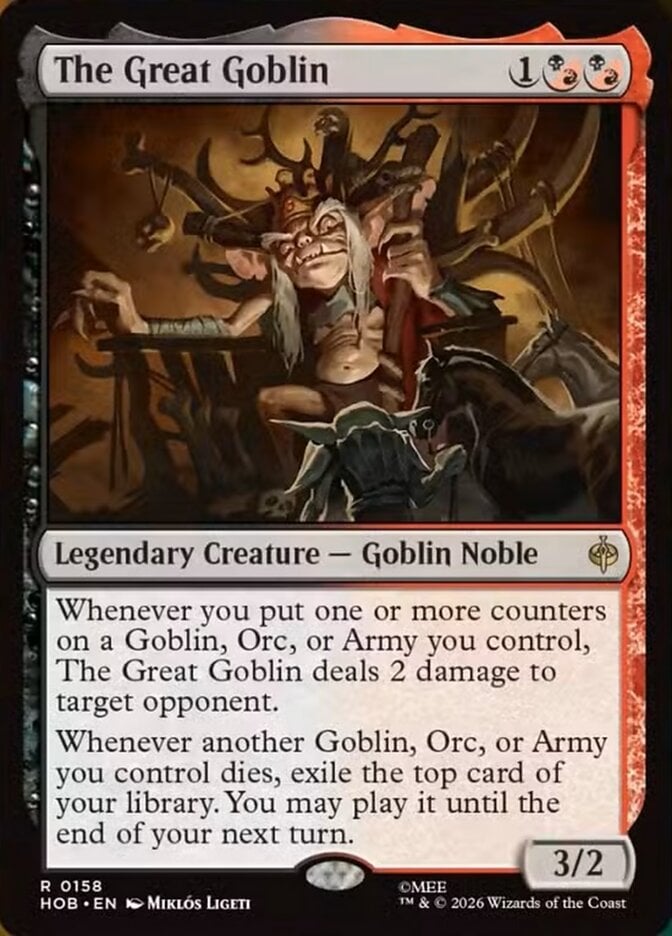
Red black draws its strength more so from synergy, but the sacrifice and amass synergy that exists is all very good, and getting access to Pinecone Strike is huge, as it’s perhaps the most efficient common removal spell in the format.
The effect of this was that a lot of people were playing either black green, black red, or some combination thereof that resulted in high card quality, good removal, good rares, and nice synergy. I think both green black and red black will translate well into draft, but as for which one will be better I can’t say.
Not Quite There
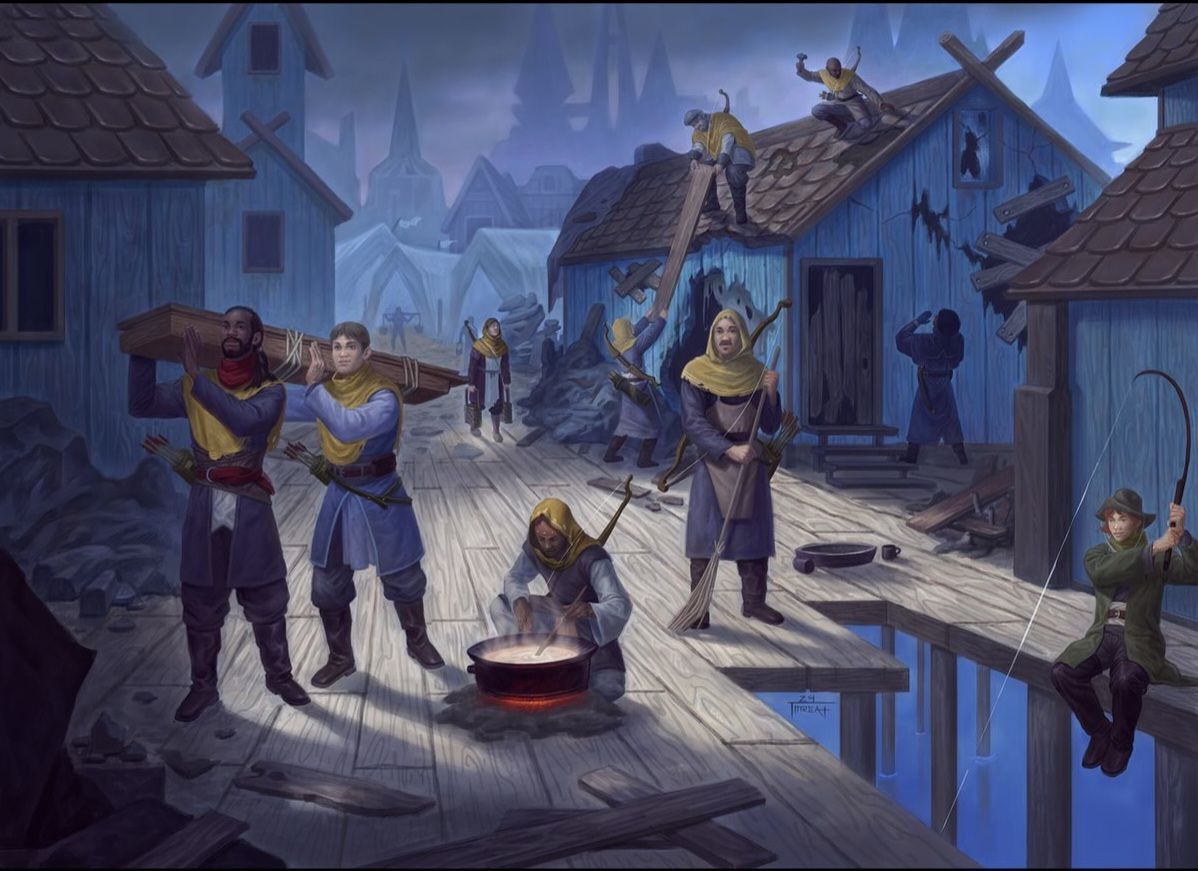
Bard's Company | Illustration by Jarel Threat
Not everyone can be a winner, and not every deck can be a winner either. From what I saw at the Prerelease, it seemed like the least represented decks among the supported archetypes were blue white and blue green. Among those who did play these decks, for the most part they seemed to struggle to win games compared to the other color decks.
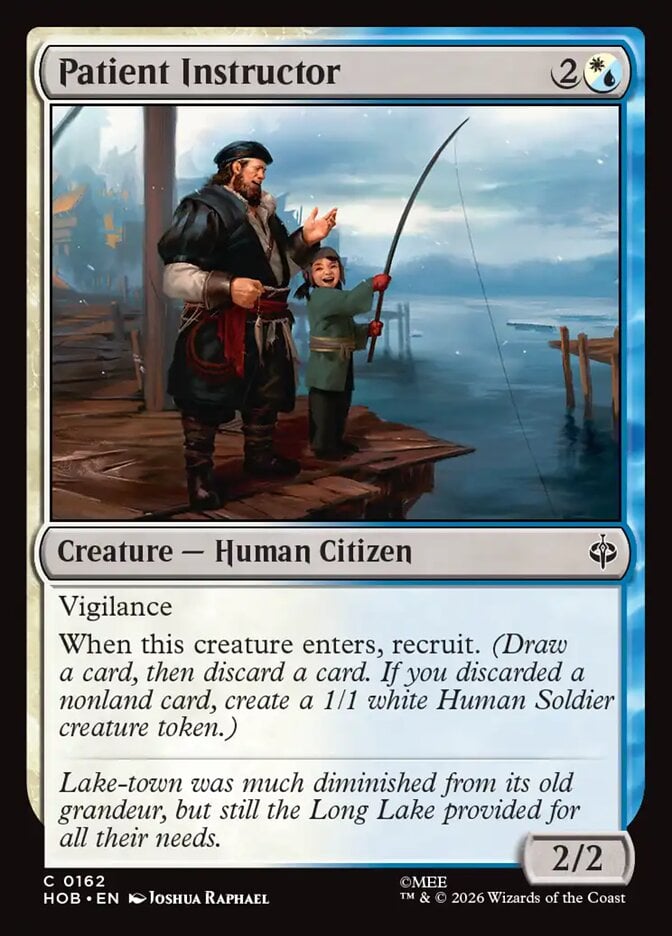
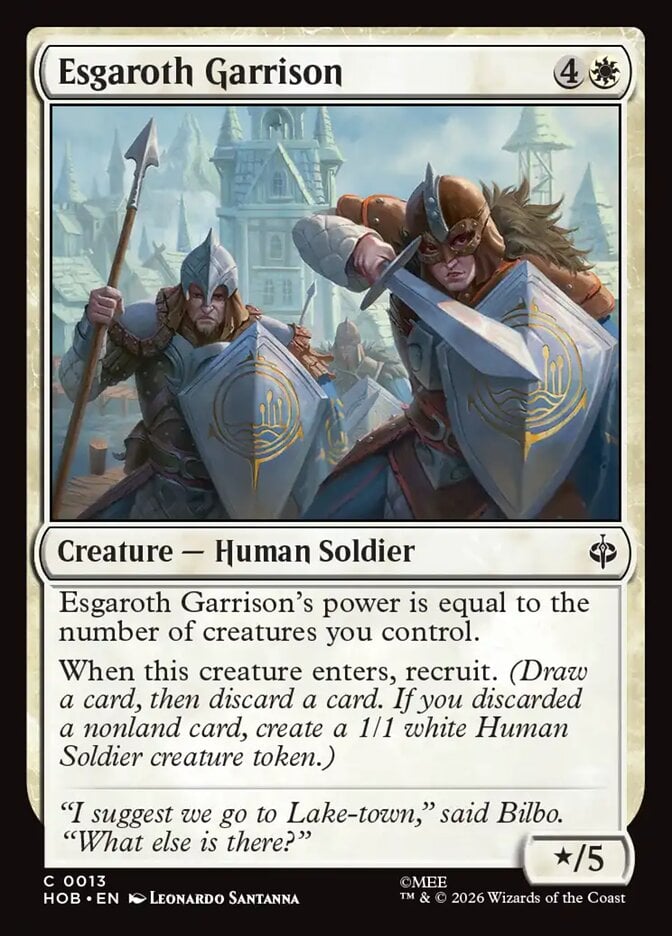
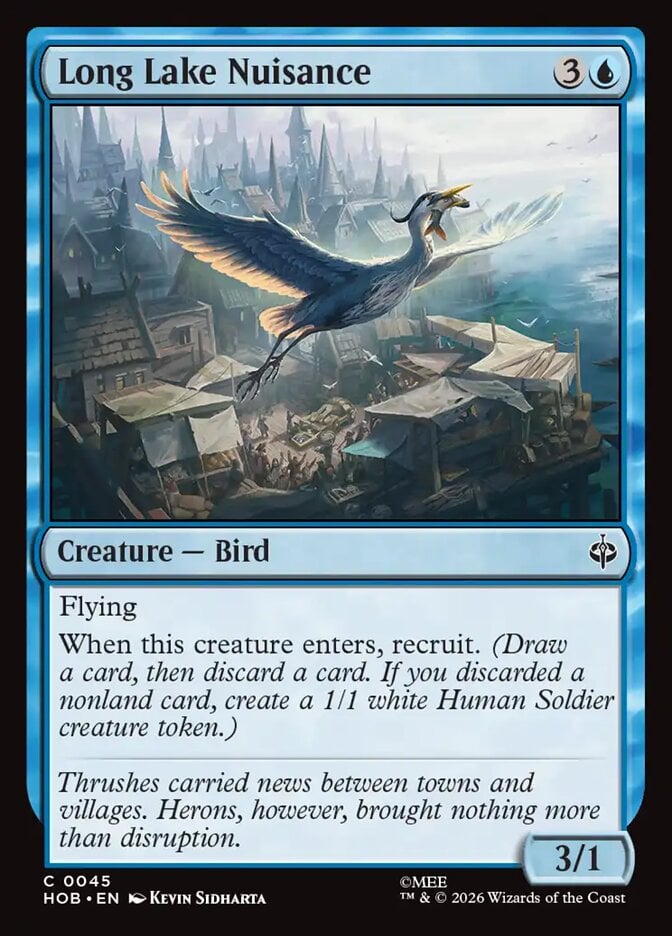
For blue white, which is focused on recruit and by extension draw-two synergy, it felt like there were two problems that prevented it from having more success. Firstly is that it seems like recruit isn’t as good as many thought it would be. Discarding a nonland card is a real cost, and while a 1/1 token is good, it’s small potatoes in the grand scheme of the format. Additionally, a lot of the individual cards that recruit are simply below rate for what we expect from creatures in limited these days. Even the supposed best of the bunch at common, Patient Instructor, felt like it wasn’t bringing as much to the table as many hoped it would.
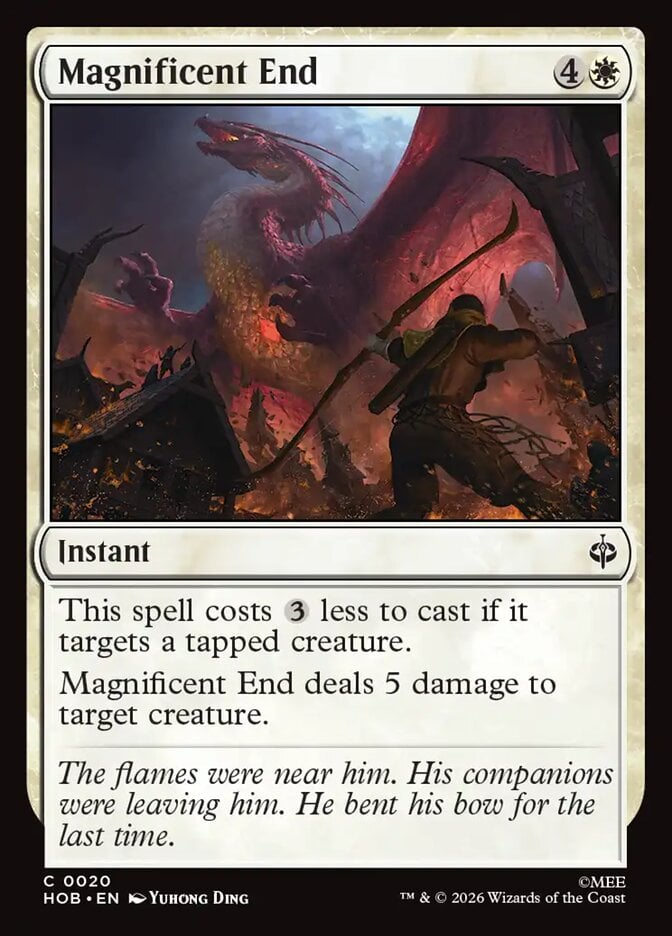
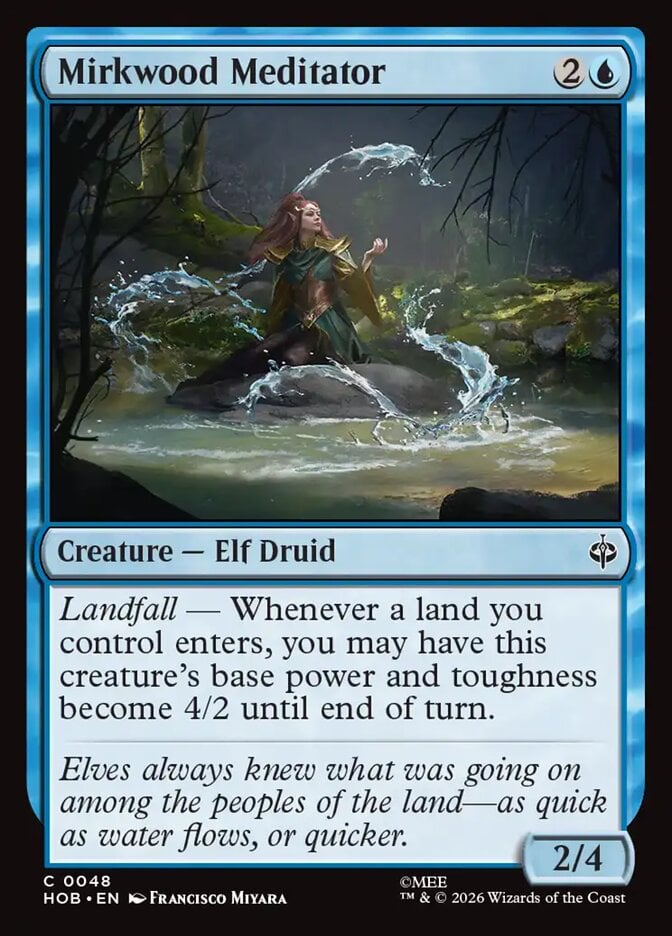
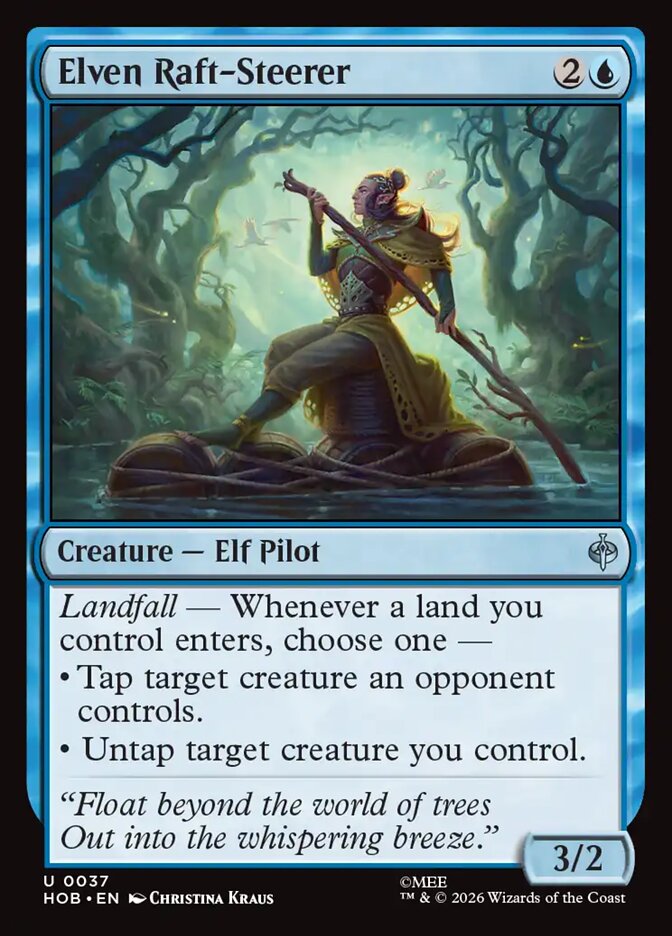
The second issue with blue white is that blue and white in general have issues with card quality at lower rarities. White’s only common removal is Magnificent End which is subpar to say the least, and blue has some seriously bad creatures.
This is also an issue for the blue green landfall/elves deck, as the bad creatures in blue at common seemed to make it difficult for this deck to get to the late game like it wants to.
Wrap Up
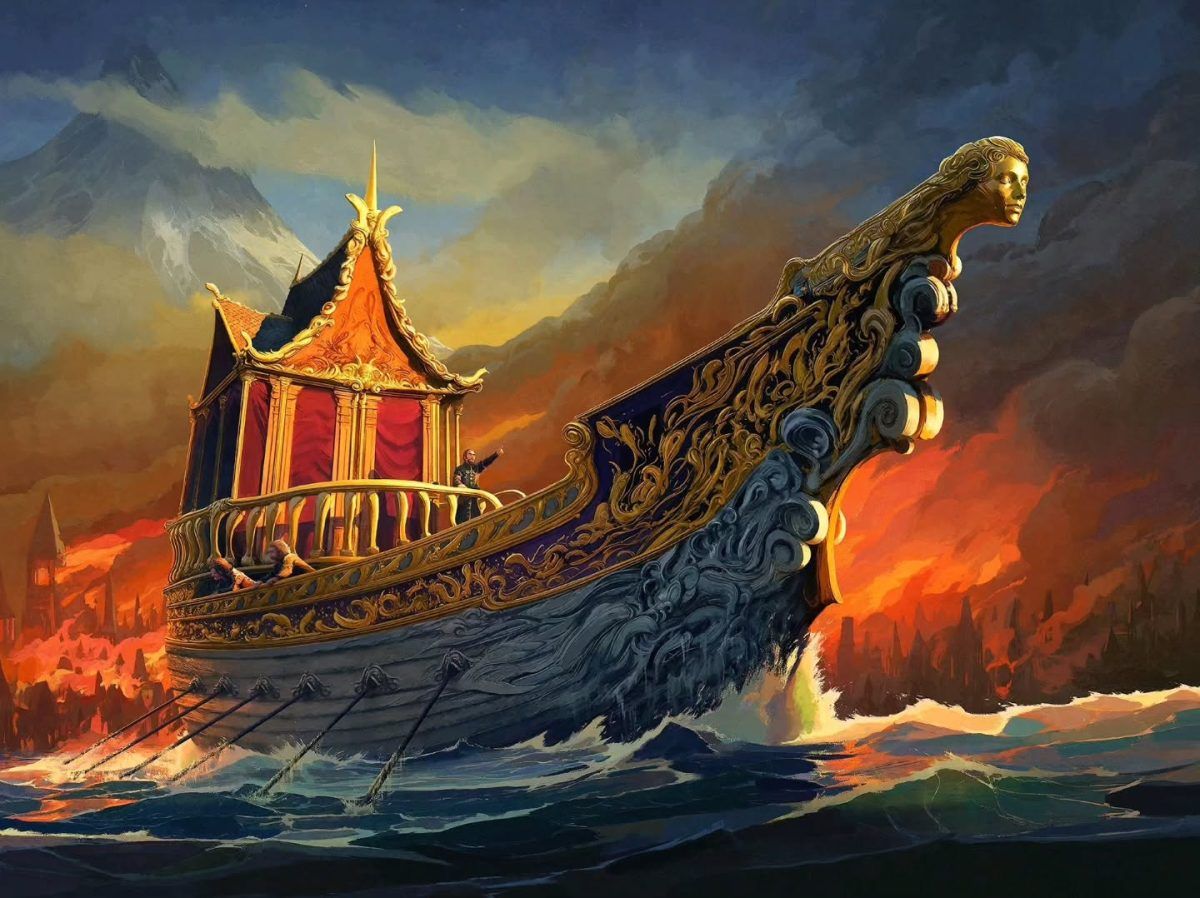
Great Gilded Boat | Illustration by Josu Solano
These are just the things I observed at my prerelease. Perhaps your experience was different, perhaps you succeeded with blue white or blue green, and if you did, congratulations. But I still think that these color pairs will struggle in draft as they did in sealed, and I think that green black, red black, and red white are much better situated in the format, as they simply have more going for them. But until the set releases on Arena tomorrow, I suppose we’ll just have to wait and see.
Follow Draftsim for awesome articles and set updates:










Add Comment