
Last updated on September 30, 2025
Unexpected Windfall | Illustration by Alayna Danner
Trading cards—from Magic and beyond—are interesting collectables. While they fit in your pocket, some can be valued at near-unspeakable dollar figures. As in hundreds, even thousands of dollars for a slip of cardboard with a smattering of ink.
Now, those numbers represent the peak of rarity and desire. Many cards are far more reasonable, around $50 dollars. And we can’t forget about that most precious value, sentimentality. We have many reasons to protect our trading cards, especially if we don’t actively use them. Two sturdy options are a Card Saver, or Top Loader, but what’s the difference? Which is better?
Let’s get your cards the protection they deserve!
The Difference Between Card Savers and Top Loaders

Storage Matrix | Illustration by Patrick Ho
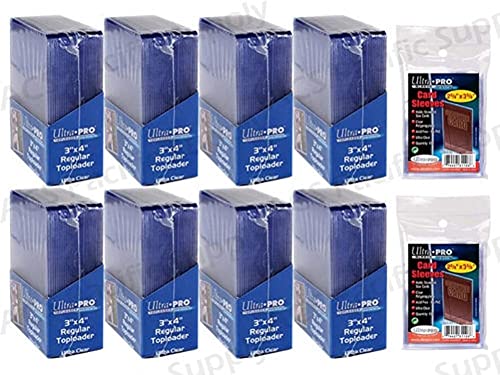
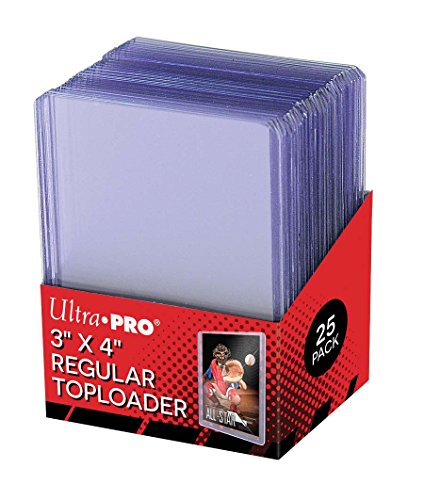
“Top loader” is a general slang term for stiff plastic sleeves with an open mouth at the top to store trading cards in. The best-known top loaders are made by Ultra PRO, though they hold no form of copyright for the term. Today I contrast two trusted names in card protection: Ultra PRO’s top loaders and Cardboard Gold’s Card Savers.
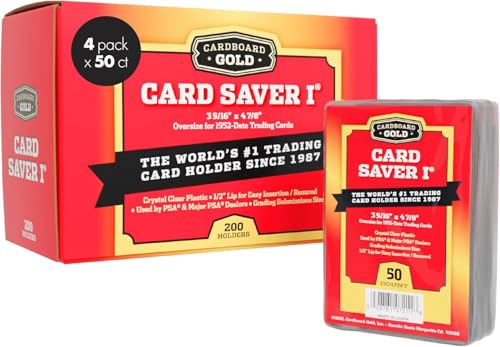
Card Savers is a copyrighted brand produced exclusively by Cardboard Gold. They may be called top loaders much as most people refer to all brands of facial tissue as Kleenex, but Card Savers are distinctly different thanks to a small lip and snug fit that offers a different kind of protection than your traditional top loader.
Before we continue, I want to clarify something: Card Savers come in a variety of sizes, from Card Saver 1 up to 5. Card Saver 1 and 2 (CS1 and CS2) are the only sizes pertaining to trading cards, so I’ll skip discussions on sizes 3-4 which are for items like dollar bills and postcards.
Card Quantity
How many cards fit in these protective sleeves? The Card Saver is simple: one. These offer a snug fit, so I wouldn’t risk slipping too many inside. This applies to CS1 and CS2.
As for Ultra Pro’s top loaders, they’re cleared for 35 points of thickness for their standard size—they offer sizes with higher point capacities. That’s about three Magic cards of the default size per sleeve (though various printing defects might affect card thickness on a minute scale). I’ve had some sellers fit four or five into a top loader, but removing so many cards was very… stressful. I do not recommend it.
As for other forms of trading cards, baseball card’s thickness can vary depending on the year they were printed, but many come at 35 points. Research your card’s dimensions before attempting to sleeve multiple cards.
To check off other trading card games, a top loader could hold about two Yu-Gi-Oh! cards, two Pokémon cards, or two Lorcana cards.
Price
What’s this costing you? Checking against Amazon prices, Ultra PRO’s top loaders cost about 25 cents per sleeve. As for Card Savers, CS1 goes for 13 cents apiece while the slightly smaller CS2 is about 11 cents.
Packaging size is a factor as well; the smallest pack of top loaders you can purchase contains 25 sleeves while the smallest packet of Card Savers, for both sizes, is 50. Even though top loaders cost more per sleeve, purchasing the smaller size may be more economical depending on your needs.
Valid Card Sizes

This one’s easy: All the products discussed are sized for cards with the dimensions 2-1/2” x 3-1/2” (63.5mm x 88.9mm). These are the standard dimensions for trading cards, thickness notwithstanding.
Which Is Better? Card Savers or Top Loaders?
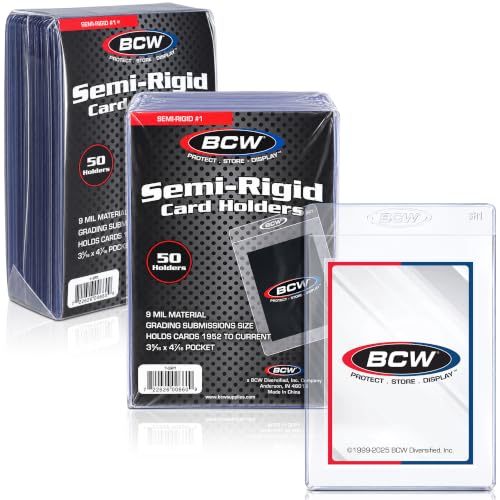

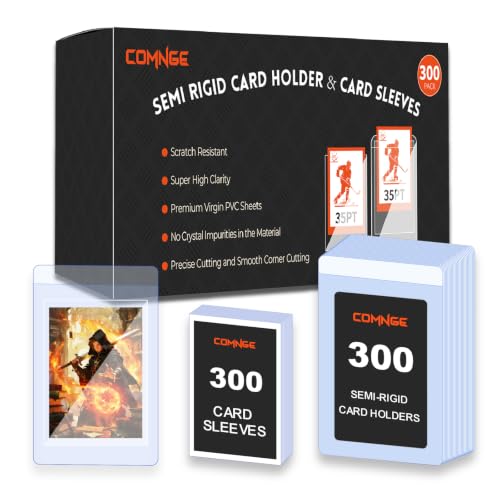
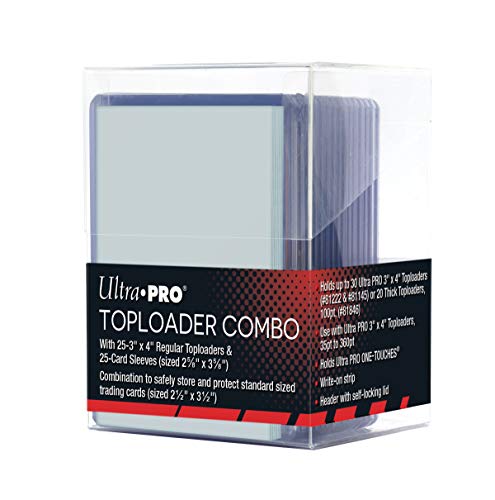
Here are a handful of options including alternatives and combo products that include inner sleeves.
Top loaders are better for casual protection and ease of use while Card Savers offer better protection and ability for grading. Like many competing products, it’ll come down to your uses. Card Savers have benefits if you’re grading cards, but I’ll cover that in detail later. For now, let’s contrast CS1 and CS2 with top loaders.
The greatest difference between the Card Savers and top loaders is size. Top loaders have a little wiggle room, making it easy to get your card in there. However, this wiggle room means your cards can, well, wiggle, risking damage. The open mouth also gives a potential entry point to contaminants like dust and dirt.
In contrast, both Card Savers offer tighter fits, with CS2s being slightly smaller than their fellows at 3” x 4-12” to the CS1’s dimensions of 35/16” x 47/8”. This makes them a little more secure.
Security comes with a downside though: Because of that patented lip and their more flexible material, Card Savers can be harder to store than top loaders. Because the top loaders are made of stiffer stuff and lack a lip, you can easily store and stack them.
You also need to consider ease of use. Loading top loaders requires less dexterity with some Card Saver users worrying about bending cards as they maneuver them into the sleeve.
When you decide between the two products, consider your needs. If you just want to store a few precious cards in your house, top loaders are easier to use and store. But if you want to invest in and get your cards graded, Card Savers have the advantage of PSA endorsement.
Can You Submit Cards in Top Loaders/Card Savers for Grading?
Professional Sports Authenticator (PSA) is the company for grading cards. They heavily recommend using Card Saver 1s when submitting your order for two reasons. Firstly, they’re easy to cut open and access than CS2s or top loaders. Secondly, that snug fit reduces the odds of cards being damaged in transit, preserving their value.
PSA accepts cards in top loaders for grading. Given the chance of cards sliding about, they don’t recommend it. It’s also harder to remove cards from top loaders, again risking additional damage. While PSA accepts top loaders, they warn it might take longer to grade them.
Wrap Up

Experimental Overload | Illustration by Lie Setiawan
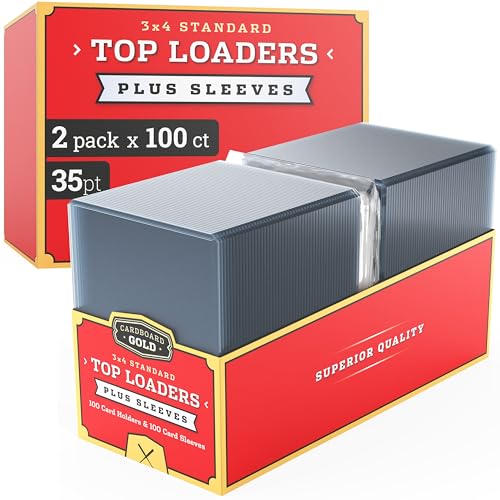
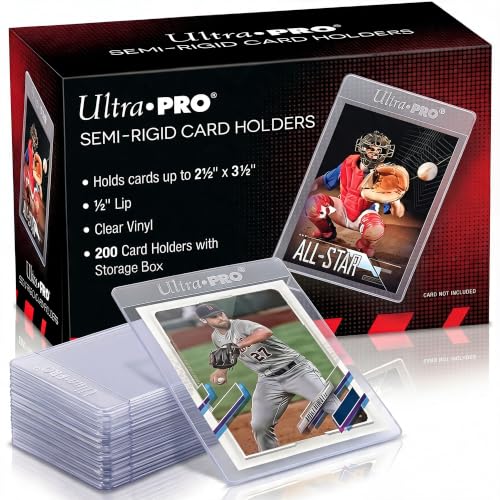
One more bit of fun. You know the two are deep in competition when they emulate each other, Cardboard Gold makes a top loader and Ultra PRO makes a semi-rigid card holder, so if you need help making a pick, look to Arena Tutor, just kidding, this is one of the few areas of Magic that Arena Tutor doesn’t provide assistance on.
Trading cards can hold tons of value, monetary or otherwise. Whether you want to get them graded or just stowed away safely, using some form of top loader can be an excellent choice compared to a binder or penny sleeves. The best brand between Ultra PRO’s top loaders and Cardboard Gold’s Card Savers ultimate depends on your usage, but both are trusted companies that have perfected these products over the years.
How do you protect your valuable trading cards? What’s the most expensive Magic card in your collection? Let me know in the comments or on the Draftsim Discord!
Stay safe and keep your cards safe, too!
Note: this post contains affiliate links. If you use these links to make a purchase, you’ll help Draftsim continue to provide awesome free articles and apps.
Follow Draftsim for awesome articles and set updates:










Add Comment