
Last updated on November 8, 2024

Unstoppable Slasher | Illustration by Schmandrew
Claiming the two top spots at Magic’s Champions Cup in Shizuoka, Japan, Mono-Black Demons went from an interesting deck to a bona fide Pioneer powerhouse.

After beating a field of 259 MTG players, Tomoaki Ogasawara defeated Tasuro Asano while both piloted near-equal builds of one of Pioneer’s breakout decks: Mono-Black Demons.
Creature (10)
Unstoppable Slasher x4
Bloodletter of Aclazotz x4
Graveyard Trespasser x2
Artifact (2)
Enchantment (4)
Unholy Annex x4
Sorcery (10)
Thoughtseize x4
Duress x4
Invoke Despair x2
Instant (8)
Fatal Push x4
Sheoldred's Edict x2
Go for the Throat x2
Land (26)
Swamp x14
Mutavault x4
Hive of the Eye Tyrant x2
Castle Locthwain x2
Field of Ruin x2
Takenuma, Abandoned Mire
Urborg, Tomb of Yawgmoth
Sideboard (15)
Caustic Bronco x3
Cut Down x2
Unlicensed Hearse x2
Invoke Despair x2
March of Wretched Sorrow
Go Blank
Ashiok, Dream Render
The Meathook Massacre
Misery's Shadow
Sheoldred, the Apocalypse
The finalists’ main decks were nearly identical, their only difference being Ogasawara’s preference for two copies of Go for the Throat and Sheoldred's Edict, while Asano simply had four copies of Edict.
Ogasawara’s version is also a bit more flexible post-sideboard, including single copies of Sheoldred, the Apocalypse, Ashiok, Dream Render and Misery's Shadow.
Recent, But Already Well-Known
Although a very recent Magic deck – half of its game-winning combo is Duskmourn‘s Unstoppable Slasher, and another important piece is the Unholy Annex // Ritual Chamber room enchantment from the same set – Mono-Black Demons was hardly a secret for the competitors of Japan’s Championship cup: it was the third most-played deck on Day 1, even surpassing Pioneer’s staple Izzet Phoenix.

Source: https://x.com/PlayMTG/status/1844960130632139096
Besides claiming both spots at the finals, Mono-Black Demons reached the 10th, 12th, and 15th spots piloted by Yusuke Ohkawa, Takanori Watanabe, and Kazutaka Oya, respectively, all achieving 9-3-0 records.
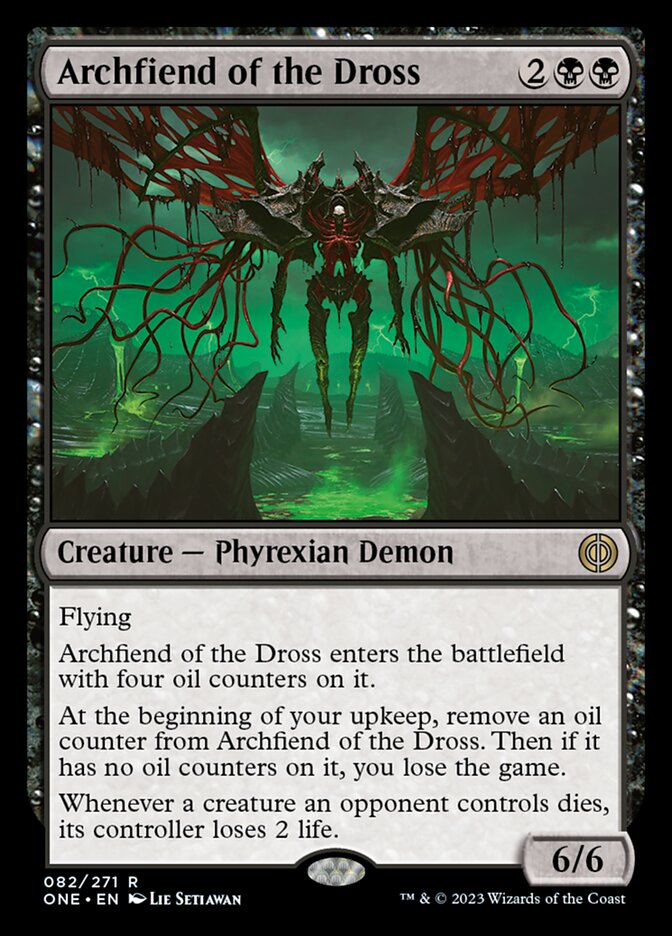
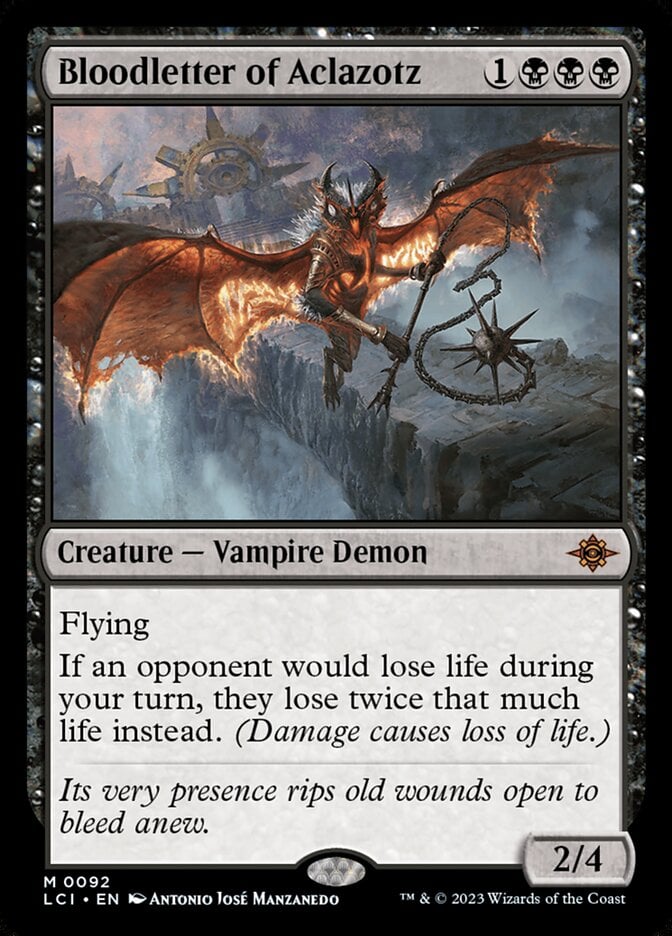
The two finalists seem to have found the better Mono-Black Demons build. One striking difference between Ogasawara’s deck and those that ended 9-3 is that the former removed Archfiend of the Dross to make room for more interaction.
The Archfiend was one of the reasons this deck was originally nicknamed “Demons” (the other one being Bloodletter of Aclazotz) and gave the deck a bit more of a midrange plan. Cutting it for more removal, as both Ogasawara and Asano did, pushes the deck into Control-Combo territory, and it’s the reason why some websites are nicknaming this version “Mono-Black Control”, or “Bloodletter Slasher Black Control”.
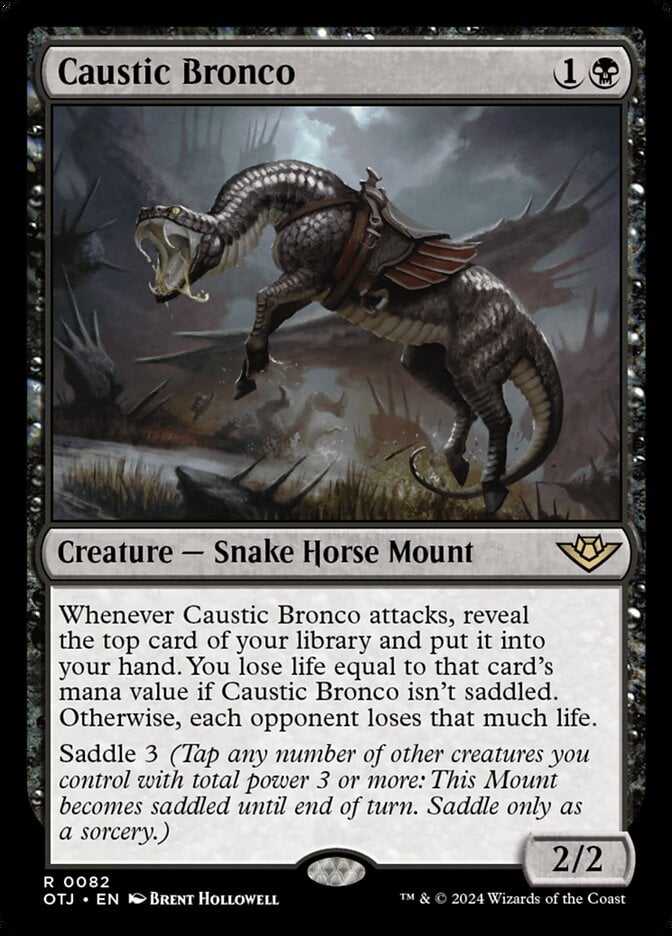
The other innovation they adopted was having three or four copies of Caustic Bronco in their sideboard.
A Wide Open Meta
Another broad takeaway from Japan’s Championship Cup is that the Pioneer meta is wide open.
For starters, Japan’s Top 8 is completely different from what we saw last week at the U.S. Regional Championship:
And the meta breakdown was also wildly different:

Source: https://www.magic.gg/news/rakdos-tree-cooks-up-a-win-at-the-us-regional-championship
Mono-Black Demons was already a force to reckon with, though. While it didn’t break into the Top 8, it was still one of the hardest-hitting decks when looking at winrates and among the ten most popular, as shown in Frank Karsten’s Metagame Mentor: A Builder’s Approach to Pioneer article last Thursday.

“Based on sample sizes,” Karsten wrote, “the standout overperformers were Selesnya Company, Rakdos Tree, Mono-Black Demons, Azorius Control, and Enigmatic Incarnation. Players should expect to see more of these decks at future Regional Championships.”
It’s way too early to know where the Pioneer meta will land – as shown above, US and Japan players brought very different weapons to the fight – but Japan’s results highlight that Mono-Black is the real deal.
A Well-Aimed Banhammer
For all the flak that WotC got for how slow they were to ban Nadu, Winged Wisdom, the recent high-level Pioneer tournaments have earned them a lot of credit for the Pioneer bans from August 26.
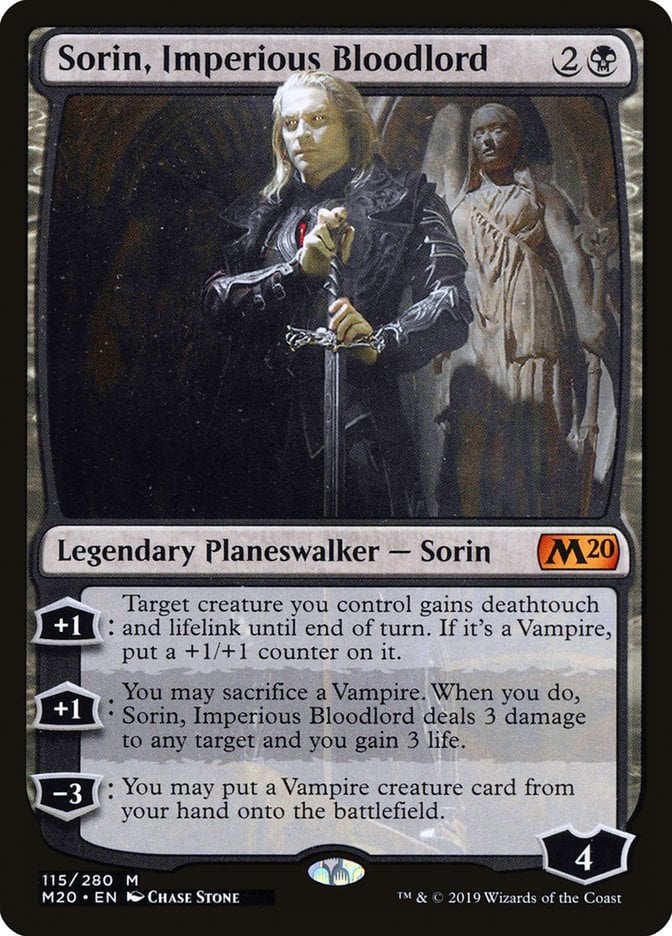
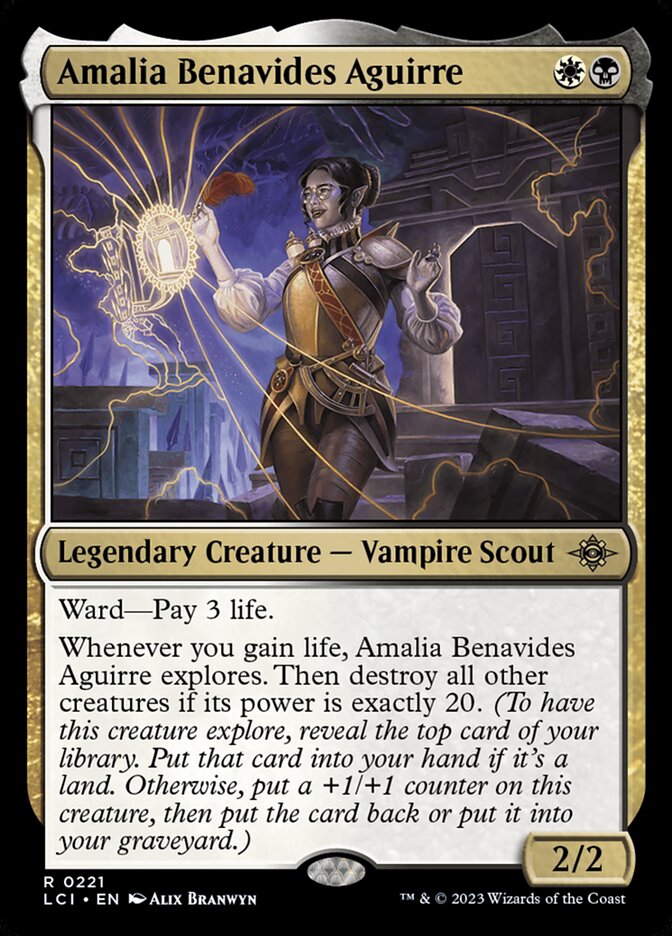
The announcement was originally received with a bit of trepidation: banning Sorin, Imperious Bloodlord and Amalia Benavides Aguirre was expected and welcomed, but leaving Izzet Phoenix untouched – the other deck besides Sorin and Amalia that dominated the format at the time – was met with a lot of incredulity.
Thus far, the bans have proved wonderfully accurate: Phoenix is still very playable but nowhere the boogeyman it was predicted to become, and, thanks to cards new and old, the format keeps producing left-field innovations.
As the upcoming round of Regional Championship approaches, with Taipei’s MIT Championship taking place on October 19–20, and both the MTG China Open and the South America’s Ronda 7 in Chile on November 2–3, Pioneer is sure to share even more surprises.
Follow Draftsim for awesome articles and set updates:









Add Comment