
Last updated on October 29, 2024

Yorion, Sky Nomad | Illustration by Steven Belledin
On a panel last Friday during MagicCon Las Vegas, Head Designer Mark Rosewater ranked Magic's all-time worst mechanics.
Several of the usual suspects – like stickers, companions, and partner commanders – were there, but Mark also included some obscure mechanics (without looking it up, how many of you know what sweeper does?), and the order he ranked them leaves a lot of room for controversy.
Here are just some of his many insights!
Ground Rules
Mark took the stage by laying out his ground rules for rankings. “First, this is all my opinion,” he said. “My panel, my opinion.”
He then clarified that wordiness, power level, or play frequency wouldn’t be what he looked into. Unpopularity and player feedback would take a role, though.

But the main aspect would be bad gameplay patterns, limited design space, confusing rules, and above all the all-elusive fun factor.
“It is our job to make sure you have fun,” he stressed several times during the talk, highlighting that the designers have failed whenever the game asks players to do something unfun.

Here's Mark's list of worst mechanics, with #1 being the worst:

Tier 0 – So Bad It's Not Even Ranked
The arguably worst Magic mechanic of all time wasn't mentioned in Mark's talk, but he has very clearly stated many, many times (and as recently as three days ago) that the ante mechanic from Alpha was universally reviled.
“Players hated it,” Mark wrote last Friday on his blog. “Hated, hated, hated it. It didn’t take long for the game to reject ante. Eventually, we even banned all the ante cards in every tournament format.”
“Two Miscalculations” – Companions
Once upon a time, Megamorph (another of MTG's worst) held the record of worst-performing mechanic during market research. On a scale where 6 is great, 5.5 is very good, and 5 is “we're happy with it,” Megamorph scored a 3.8.
Then companions came around – and got 2.74!
“We made two miscalculations,” laughed Mark when retelling this anecdote.
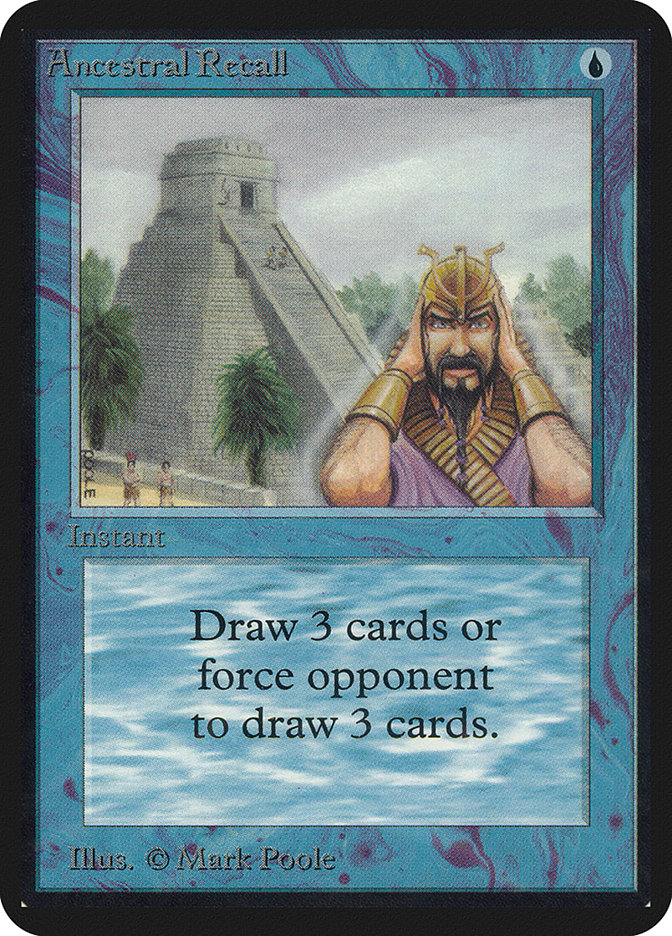
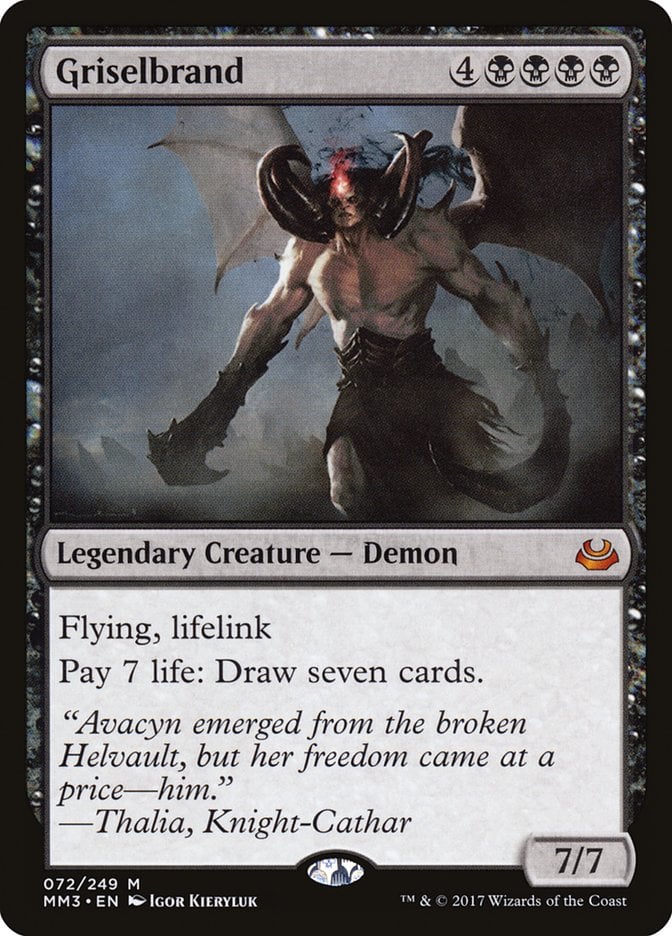
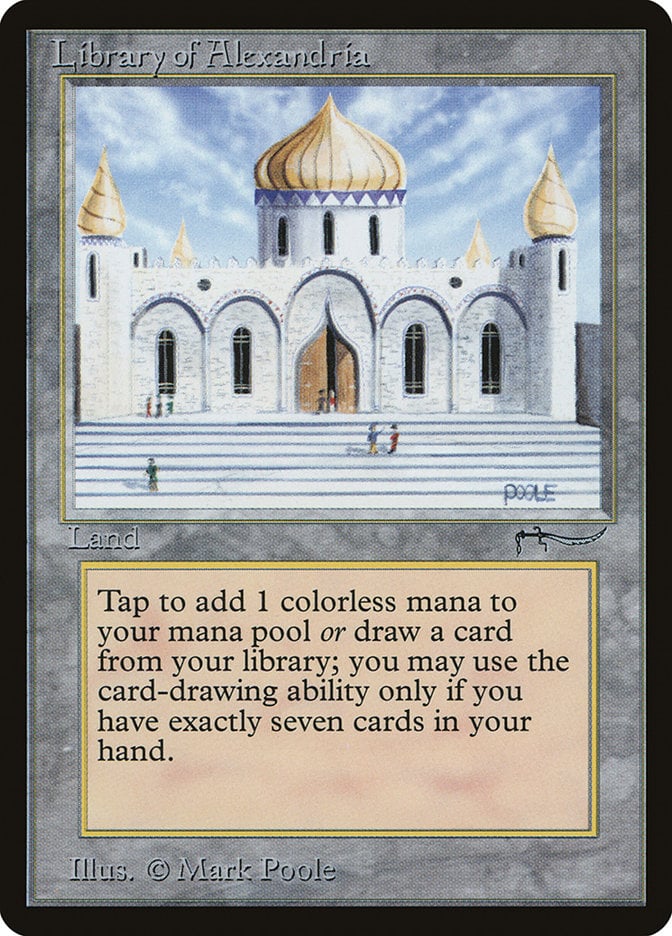
“Adding another card was just way better than we thought,” he said, and tongue-in-cheek noted their excellent track record in correctly gauging card advantage… while showing a slide of Ancestral Recall, Griselbrand, and Library of Alexandria.
The other miscalculation was making the hoop too easy to jump: the deck-building puzzle was too easy to solve.
“It's the only mechanic where we errata'd the entire mechanic,” Mark said. And even then, companions got banned in a lot of Magic's formats.
“Opponent loses the game, but doesn't know it yet” – Annihilator
“If the game's going to end, then end the game,” Mark said when explaining the inclusion of the Eldrazi's signature mechanic, Annihilator.
He was referring to inevitability: cards that basically win the game all by themselves, but that will take several turns doing so, making the rest of the match a chore.
“It's not fun to basically end the game but make people play for a lot more turns when it's going to happen anyway,” he said.
“Four Color Is Hard to Design” – Partner
It took more than a decade for Magic to have its first 4-color card – and by 2016, there were only half a dozen 4-color cards in the game.
“Making four-color cards is hard,” Mark said.
That's why, after several iterations, they came up with a mechanic that helped them make those hard-to-design cards: partner, a mechanic that allows Commander decks to have two commanders in the command zone, as long as both have “partner.”

It's basically a combinatorial problem. The more partner commanders they print, the more combinations there are and the more powerful they all become. If you want a full breakdown on this, we wrote a full piece on why Rosewater believes multicolor partners are a mistake a few weeks back.
“Making people reinvent how they play Magic is just not good” – Miracle
I was shocked Miracle was on the list, let alone ranked so high. I'm a sucker for library manipulation mechanics, and Miracle fits them like a glove. And it was not only the featured mechanic, but the title, of one of Duskmourn‘s Commander precons: Miracle Worker.
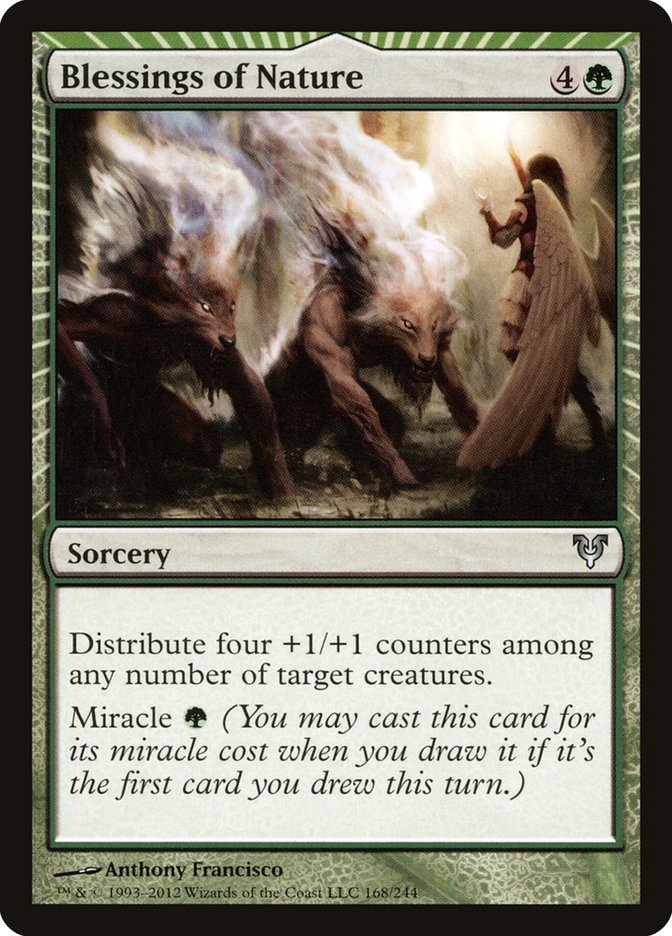

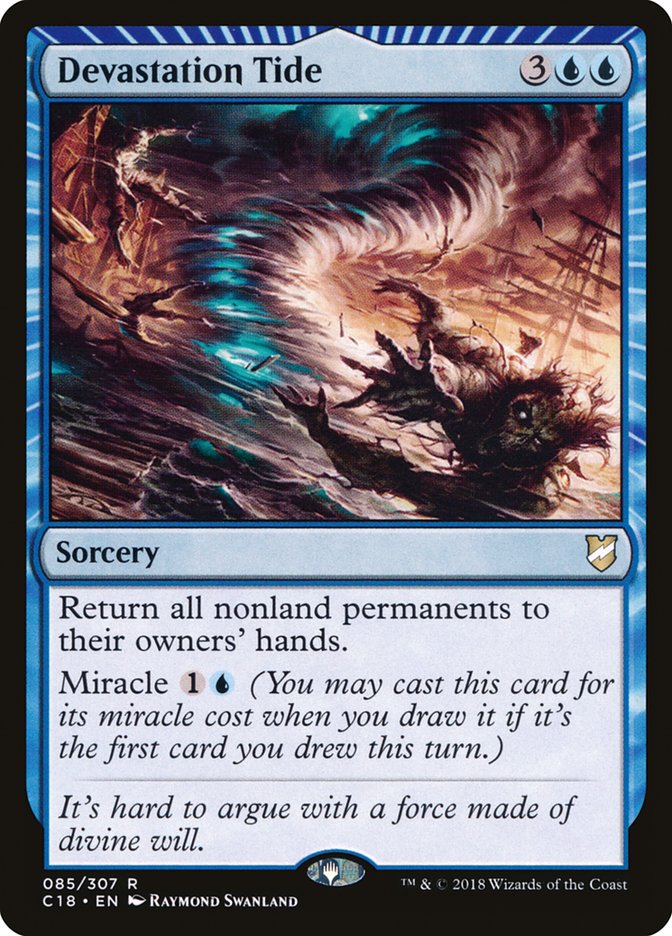
Miracle has a physicality problem: it changes the way you draw cards. When drawing, most players take a card from the top of their library, put it among the cards in their hand, and then look at it – but miracle requires you look at the card before you put it in your hand (else your opponent can't be sure if that's the card you drew this turn).
Even worse: if you want to make your opponent think you have miracle cards in your library, you need to draw this way for all the cards – even if you have none left!
“Making people reinvent how they play Magic is just not good,” Mark said, “and that's why Miracle's on this list.”
“Don't let people mess with their mana” – Sweep
Sweep is a very niche mechanic: there are just four cards with it.
And it has nothing to do with sweepers. Sweep cards ask you to bounce some basic lands back to your hand, and produce an effect based on how many lands you bounced.
Why is it a bad mechanic?

Sweep was so bad that, according to Mark, they renamed their Lesson #1 as “The Sweep lesson” – that's how atrocious it is!
“It is our job to make sure you have fun” – Gotcha
I'm pretty sure Gotcha seemed like a great mechanic when they were designing the un-set it was printed in. But that's not how it turned out: Gotcha punishes your opponent for saying certain words, or doing certain actions (like laughing…), forcing players to stay mute and still as statues.
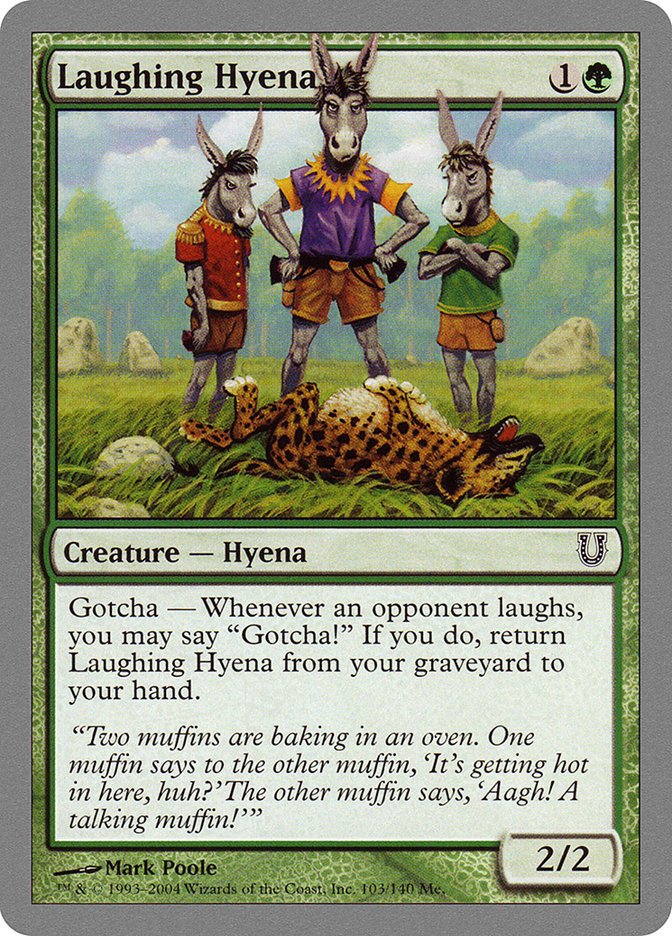
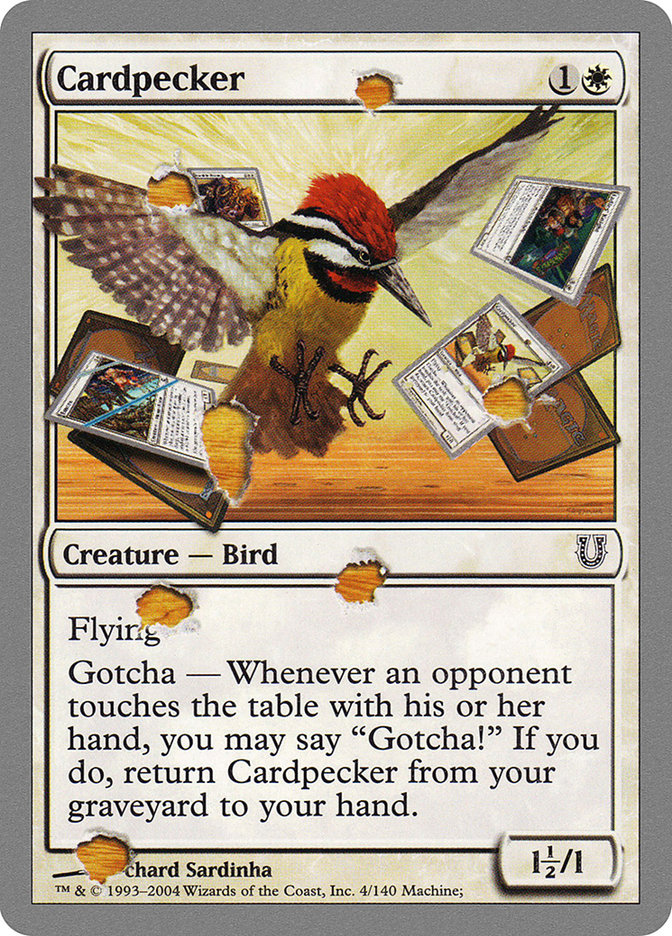

Mark claims full responsibility for this one.
“It's my fault,” he said. “It was my fault I gave them a mechanic that told them to do the unfun thing. It's not the player's fault; I, as a designer, failed.”
“A mechanic that made absolutely no sense” – Band with Others
We Magic players like to think of ourselves as big-brained, and to be honest, some decks and mechanics can get really complex – but Band with Others just pushed it to loony territory.
Mark retold how he was an MTG Judge in high-level tournaments, and “the number one rule question I got, of the best players in the world, was how does banding work; and they did not understand it, not even close.”
And that was for the original Banding mechanic – but they somehow thought that mechanic was not complex enough, and introduced Banding with Others.
According to Mark, there's probably nobody in the world who knows precisely and exactly how that one works in all situations!
From the Horse's Mouth
The above are the salient points from Mark's presentation – I wholeheartedly recommend anybody interested in Magic, or TCGs in general, to watch the full presentation:
It's impossible to exaggerate how passionate Mark is about Magic and MTG design – even when they may have screwed up!
Follow Draftsim for awesome articles and set updates:









Add Comment