
Last updated on December 26, 2024

Mana Crypt (Special Guests) | Illustration by Dominik Mayer
On September 23rd, the Commander Rules Committee banned four cards, including Jeweled Lotus and Mana Crypt. An enormous conversation erupted across social media, some vitriolic commenters going so far as to threaten the doxxing and deaths of Committee members. A week later, after talks with the Rules Committee, Wizards of the Coast announced they would be taking over management of Commander.
This announcement came with the outline of a four-tier bracket idea designed to be “a more objective approach to deck power level” than the current 1-10 deck level conversation starter with which a Commander pod grounds its rule 0 discussion before the game. That outline was fleshed out in the WeeklyMTG livestream the following day, but it remains a relatively ambiguous work in progress.
What do we know about the bracket system so far and what is this going to mean for Commander players? Read on and find out!
What Is the Commander Power Bracket System?

Rhystic Study | Illustration by Fuzichoco
The Commander power bracket system is a new and official way of gauging a deck’s power level in Commander. Here’s how Wizards of the Coast explains it.
“Here’s the idea: There are four power brackets, and every Commander deck can be placed in one of those brackets by examining the cards and combinations in your deck and comparing them to lists we’ll need community help to create.”
This will be a project guided by a small committee that solicits community feedback to populate and define the brackets. Gavin Verhey used the Pauper Format Panel as an example of what that might look like while acknowledging that there would be some differences given Commander is a much larger format than Pauper.
A deck lands in a power bracket based on the cards in the deck, with some indication that the presence of a bracket-four card like Armageddon makes the deck a four, but that idea was also walked back a bit in the announcement:
“In this system, your deck would be defined by its highest-bracket card or cards. This makes it clear what cards go where and what kinds of cards you can expect people to be playing. For example, if Ancient Tomb is a bracket-four card, your deck would generally be considered a four. But if it’s part of a Tomb-themed deck, the conversation may be “My deck is a four with Ancient Tomb but a two without it. Is that okay with everyone?””
So, that leaves some uncertainty about how decks rank.
Although the initial announcement and the livestream both suggested that the top tiers would be defined by individual cards and the bottom brackets (theoretically populated by the bulk of Magic’s 30k cards) by a general philosophy – like bracket one being precon level – there were some attempts to locate cards in each bracket, most specifically in this graphic:

There has been some conversation on social media, MTG podcasts, and on WeeklyMTG’s Twitch chat about whether or not bracket four represents cEDH, but that was hedged on pretty significantly by Gavin Verhey and Aaron Forsythe. There was a comment by Gavin that “maybe level four becomes thought of as that” in response to a question about whether there would be two banlists, one for EDH and one for cEDH.
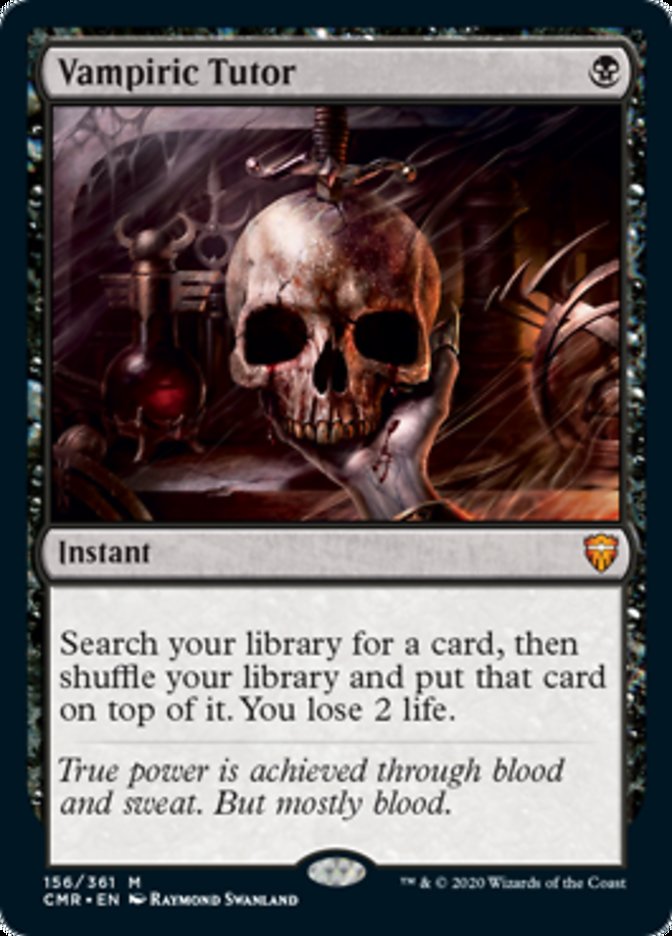
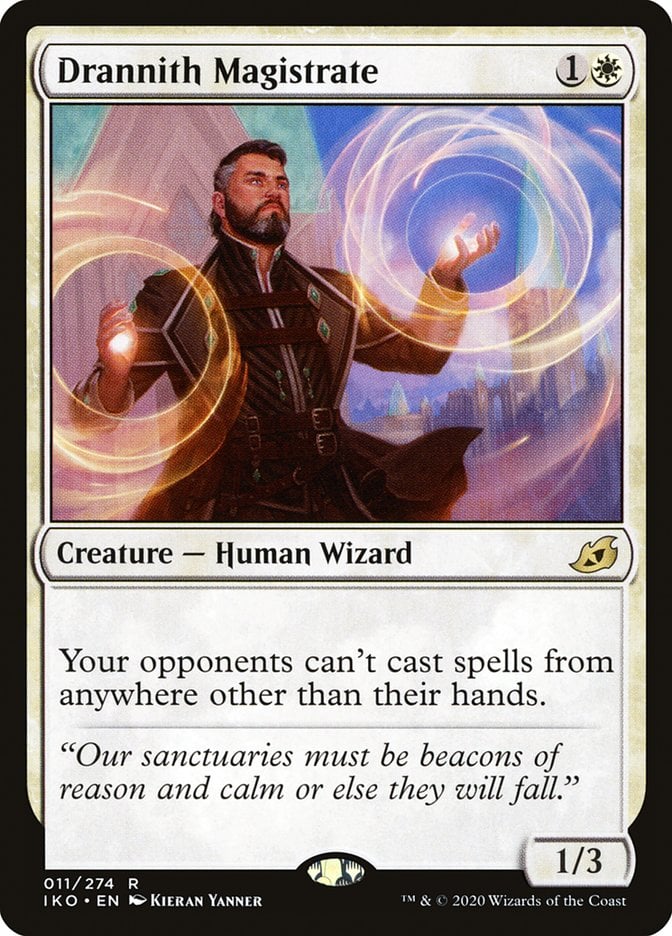
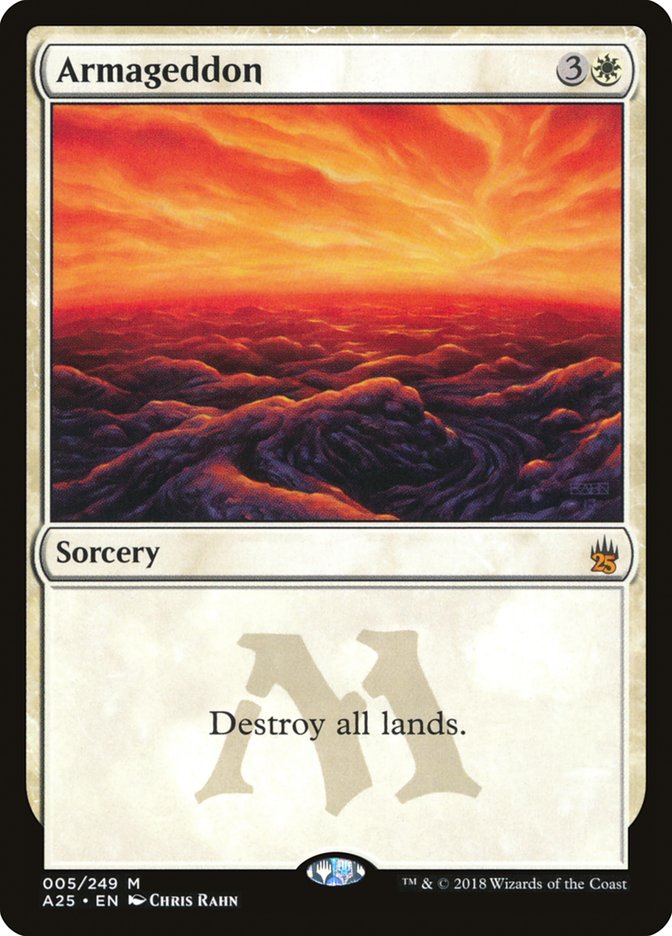
The presence of Armageddon on there demonstrates that bracket four is not just about raw power but also game-warping table experiences, which is part of the traditional philosophy of the Commander ban list. Of course, that creates a bit of confusion.
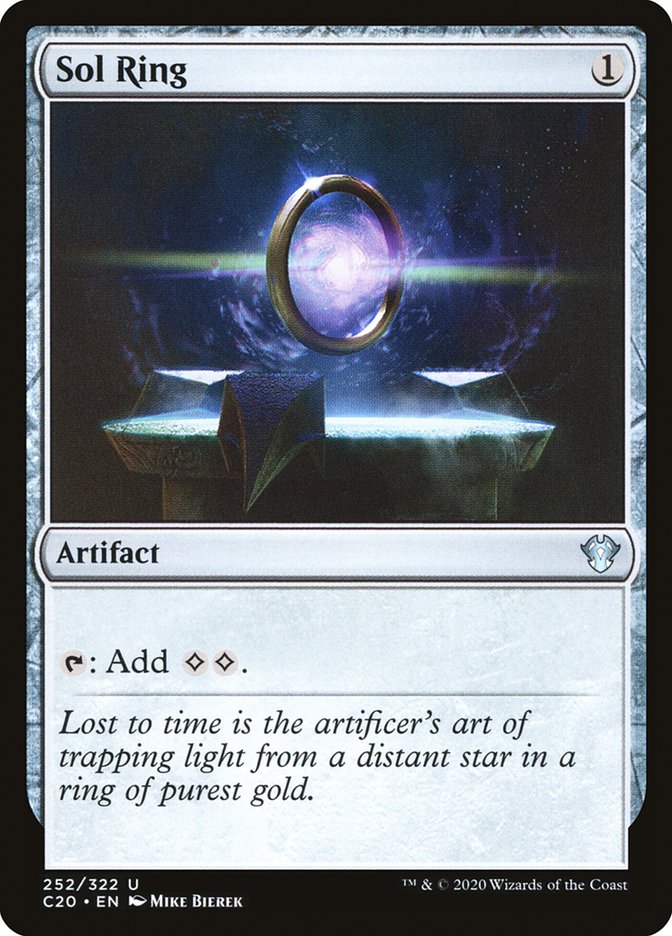
This was encapsulated in the conversation in the livestream about Sol Ring, which is kind of a bracket-four card on power level, but it was not in the most recent banlist, where the Rules Committee suggested that it is “the iconic card of the format,” and thus should not be banned. Because it is in every precon, it would be bracker-one by those standards, so we are still looking for clear direction on assigning decks to a bracket.
The most interesting comment on this was by Forsythe, who said, “Polluted Delta is one of the most powerful cards ever printed. It will be in bracket-one as well.”
Still, there are some clear power level indicators on the visual. Bracket four has an efficient, instant speed, any-target tutor. Bracket three has an efficient tutor, but it is sorcery speed and has limited targets, with bracket two being even less efficient.
Two-card infinite combos that are mana-efficient were talked about as bracket-four. Still, Verhey suggested the Sanguine Bond plus Exquisite Blood combo might be bracket-three. The unresolved conversation about what to do with Staff of Domination exemplified the uncertainty. It’s awesome with other cards but durdly by itself.
To me, the line between brackets two and three remains unclear. Perhaps bracket three is the best in class for certain ideas that don’t warp the game? If free counterspells go in bracket four (this is just me speculating, now!), and, say, Mana Drain or even Arcane Denial go in bracket three, does that plop the rest of the counterspells in brackets three and four?
Verhey made it clear in the livestream that they tried this with three brackets instead of four but couldn’t do it. Yet I can’t quite see the picture of what four levels does for us.
A final note: Verhey suggested that we’d see this in action at WotC events: “It will allow us to set up things at events like power level 2 pods.” So, theoretically, this will get ironed out over time with enough clarity for people to find the right tables for them.
Rule 0, Redux

Platinum Emperion | Illustration by Igor Kieryluk
This kind of thing is already what we do, right? Rule 0 conversations about deck power level and style and what we all want at the table should do this. But those conversations are hard, especially with strangers. And the numeric device we have, ranking decks from 1-10, well, the joke is that every deck is a 7.
Does this system help? There has been plenty of skepticism. Yet, having some bright line levels of card power like this could help us avoid the new possibility that every deck is considered a 3.
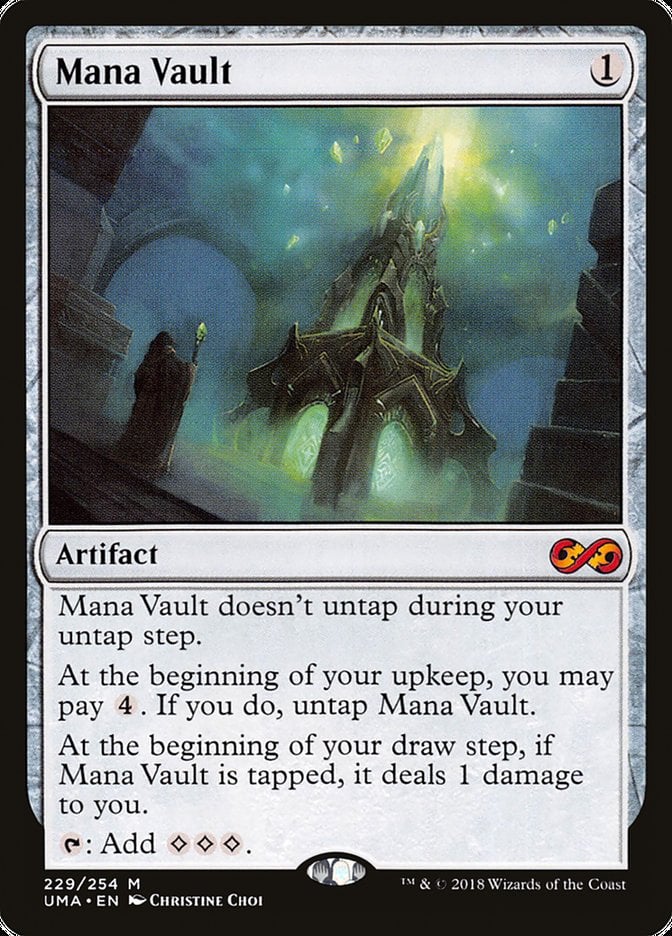
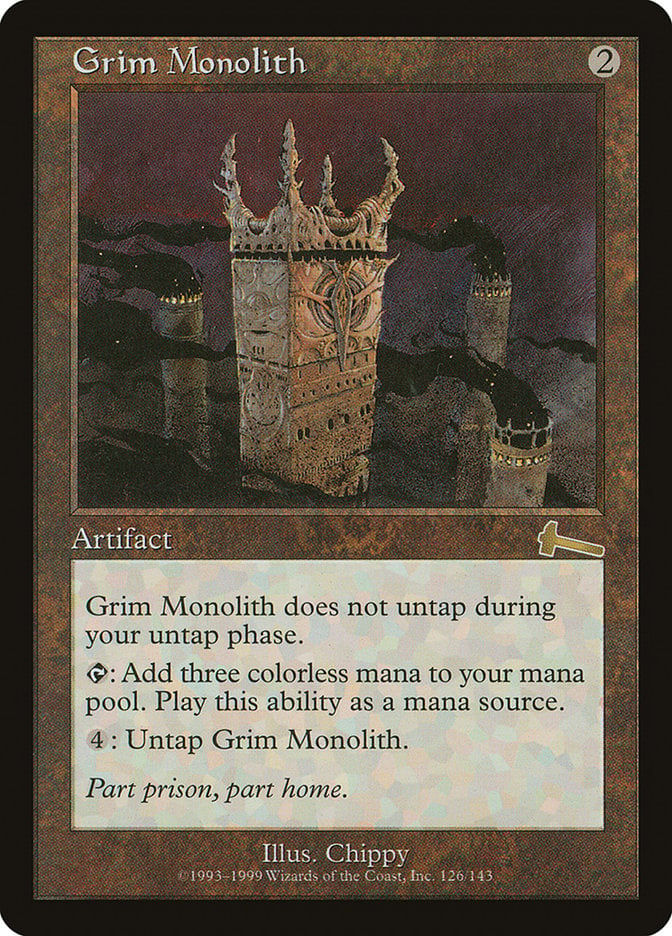
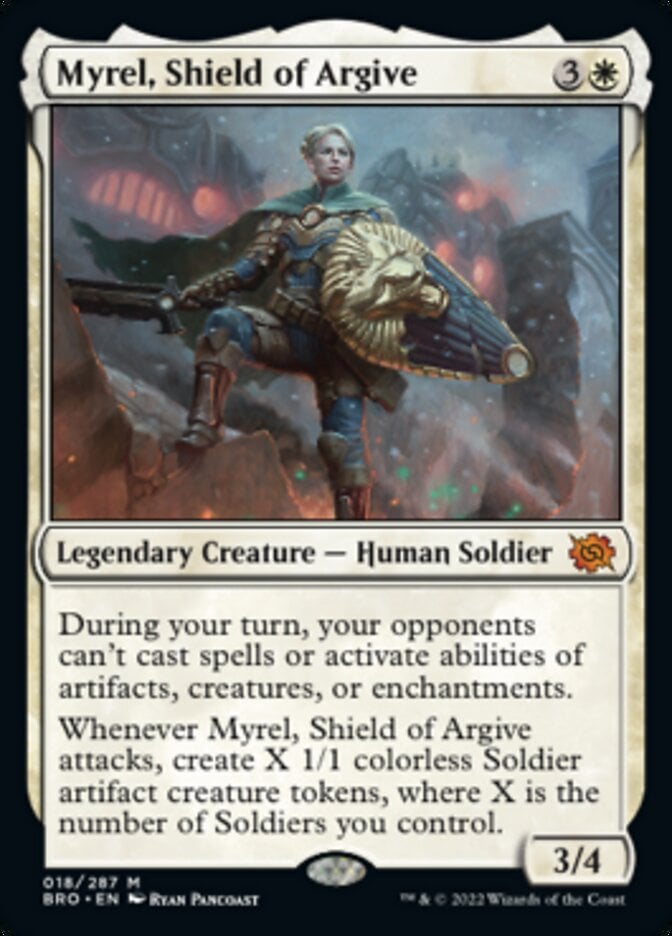
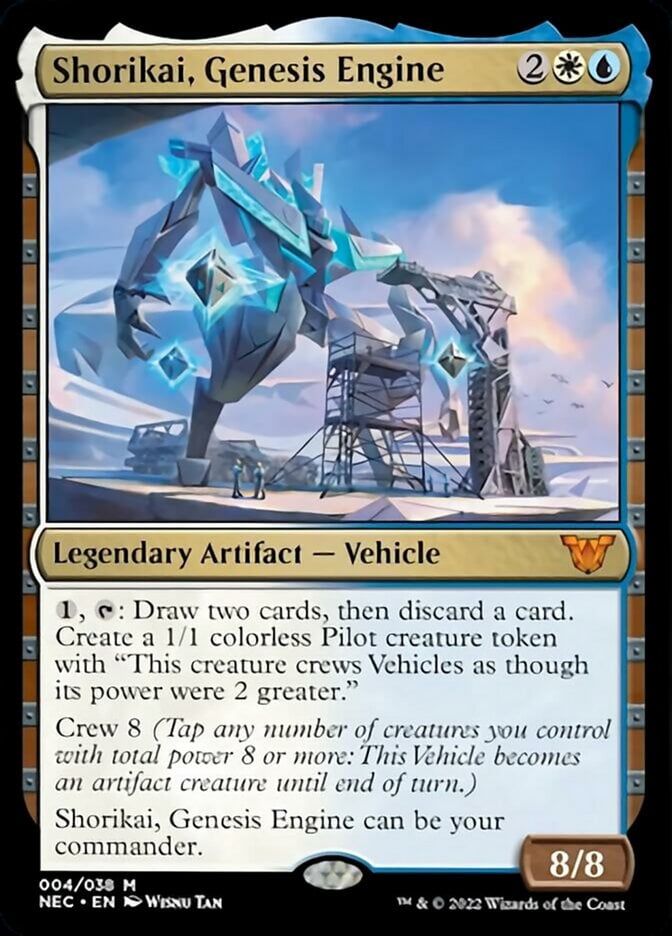
Let’s imagine I say, “My _____ deck is a 3 but it has Mana Vault and Grim Monolith” (assuming those hit bracket four). If you are skeptical of this announcement, you don’t think that sounds different enough from what we already do. And if the blank is filled in with Myrel, Shield of Argive, well, I guess that conversation feels like “My deck is a 7 or 8.” But what if my commander is Shorikai, Genesis Engine? Don’t those two cards tell you something important about my deck with that particular commander? So, I think there’s a kernel of something here.
I do like the idea of disclosing the worst sins in our decks. It’s the quantification and the presumed lists of cards that will help. If I say, “My deck is a three,” and Jake asks me, “How many bracket-four cards do you have in there?” and then I answer 15, doesn’t that get to the point much faster than old rule 0 conversations might have?
Maybe. We’ll know more when we see what these Brackets turn out to be and what cards end up on them.
Is This Needed?

Aether Vial | Illustration by Karl Kopinski
I think this will clarify pregame conversations. But even if you disagree, this can help in other ways to meet future needs that the current version of the rule 0 structure doesn’t.
The LGS Question
If you are on Magic social media, you will inevitably find someone posting their LGS’s Commander banlist, including many dozens of cards. If we had a full power bracket system from WotC, could that serve to simplify things? Instead of every LGS having its own list, there could be some “No bracket-three or -four cards” policies for Commander nights.
Iconoclastic and individualistic LGS owners might still want their own homebrew lists, but since we have no formal system now, all stores are left on their own to brew banlists and reduce the local salt levels. Wouldn’t being able to fall in line with a WotC list save them the trouble?
You and I can argue about my one copy of Ancient Tomb at the kitchen table. But this provides clarity for casual event organizers in a world we have almost zero.
EDH Tournaments
Are we going to see WotC-sponsored Commander tournaments? Is there a reason we don’t now other than a general sense of casualness about the format? I think so.
This new bracket scheme came about really, really fast, and it doesn’t seem like priority one in an announcement that WotC is taking over the format because people’s lives were threatened. It feels a little bit like this has been in the works. The question would be why?
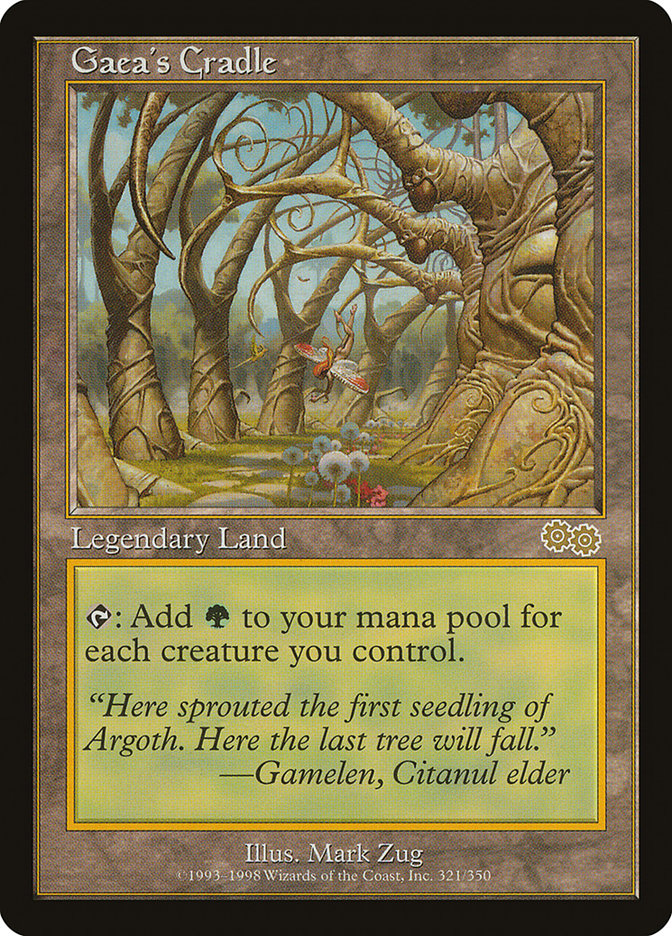
There have been some tentative steps for cEDH tournaments, but only just a bit. cEDH makes more sense as a tournament structure than other kinds of Commander because people are playing to win and there’s a meta. But the question of proxies for cards like Gaea's Cradle and other Reserved List cards will be a forever thorny one for official events.
Could we build a “regular” Commander tournament? Plenty of folks who just want the experience are likely to want to do that kind of “elevated casual” thing at a Con, but the EDH structure now doesn’t let us do that.
There are a few ways this proposed new structure helps.
First, if we had a bracket-three tournament, for example, it would allow bracket four to be, in effect, a tournament-only banlist. A bracket-two tournament is also a possibility, and it’s one a person could plausibly join by buying a precon (bracket one!) and some singles at the event.
Second, the card scoring at the top levels is its own reward in things like Swiss pairings, allowing for a kind of temporary ELO/MMR scoring. My deck has a score for bracket three and four cards. So do each of the decks in my pod. You can use that to determine placings. The difference between this and the tiebreak structure for prerelease events is that prerelease uses an opponent win record / strength of opponents calculations. But that makes less sense in a multiplayer format large enough to not have brackets that also has three “losers” in each game.
Look, I’m not saying that’s the right way to design a tournament, but it helps make sense of things.
Plus, it does the neat trick of allowing competitive play while incentivizing playing with lower-power decks.
Banlist Adjustments
Perhaps the four cards banned last week are forever doomed. But this ranking system theoretically allows the banlist to transition to bracket four if WotC wants, in effect separating the banlists for cEDH and EDH, perhaps with a much smaller list of cards banned even in bracket-four play/cEDH. It’s hard to not see something like this happening in the future, even if bracket four is not the same as cEDH.
Changes I Would Make

Nadu, Winged Wisdom | Illustration by Daren Bader
Since this is a day old as a public idea, only minimally explained, and since Verhey repeatedly said this structure would be filled out by community input, it’s hard to clearly evaluate, but that’s not going to stop me from trying!
Concerns and What To Do About Them
I am concerned about whatever line is crafted that generates four levels instead of three. Verhey did suggest that he liked scales without a midpoint, and if that’s all this is, that seems needlessly complex. Why not the top, cEDH tier, the bottom, precon and casual tier, and the middle, say, “elevated play” tier with a list of cards that shift the play experience in key ways, like tutors, fast mana, free spells, etc. If brackets two and one are both defined philosophically instead of with card lists, as seems to be what was said in the livestream, then I am even more skeptical. I think three brackets would work just fine, with bracket one being the unlisted mass of every other card.


I am also concerned about this idea that precons are bracket one. That feels wrong, as the general community skepticism of Sol Ring always being a bracket-one card demonstrates. The livestream talked about design mistakes they would not make now, cards like Arcane Signet and Command Tower. It stands to reason that cards that seemed like precon power level at the time could easily be busted in different builds or become busted with the printing of new cards.
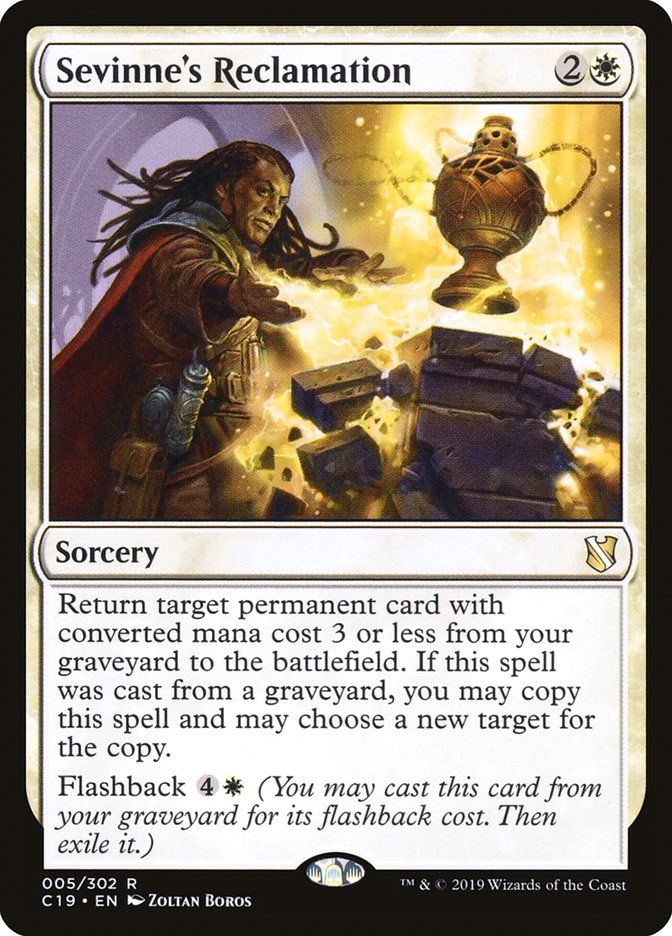
For example, who really plays the Sevinne, the Chronoclasm deck anymore from Commander 2019? That’s the first printing of the high-powered card Sevinne's Reclamation, which is showing up in more and more cEDH decks helmed by Tymna the Weaver and a partner of choice. I think there’s a ceiling on Reclamation, but still. I hate the idea that everything in a precon just goes in bracket one. Let’s just be honest and say that bracket one is generally precon level, but some precons edge up into bracket two, and every precon likely has a few cards that are at least bracket two, and sometimes even bracket three.
In other words, we cannot define brackets by WotC product lines!
Opportunities and How to Maximize Them
In addition to the ideas noted above on how to use bracket power scoring for tournaments, there are a few other good things that can come from this.
First, we will likely very quickly have new card tags, electronically. There are about 30,000 Magic cards, depending on how you define them. If I am building decks and deciding what singles to buy, I can search on Scryfall for cards with all sorts of tags to help me out. But I cannot search power level! If I could toggle brackets one to three, excluding bracket four, that would go a long way in helping me not just build a deck that fits the rules but also build a deck that is in keeping with the format philosophy.
This would really matter a lot for new players just graduating from precons to deckbuilding. When I first started playing Commander, I did what a lot of people did, I “optimized the fun out of my game,” to use Jeff Hoogland’s well-worn phrase.
I bought the best singles to really make the deck work. And then it always won. And then no one wanted to play against it. And then I took it apart to make other decks. But if I knew I was going to build a bracket-two deck to take to a MagicCon, that would save me from buying singles I don’t need because it is a shortcut to teaching me power level.
Maybe we all think our decks are 7s now because we don’t have something like this to help us learn.
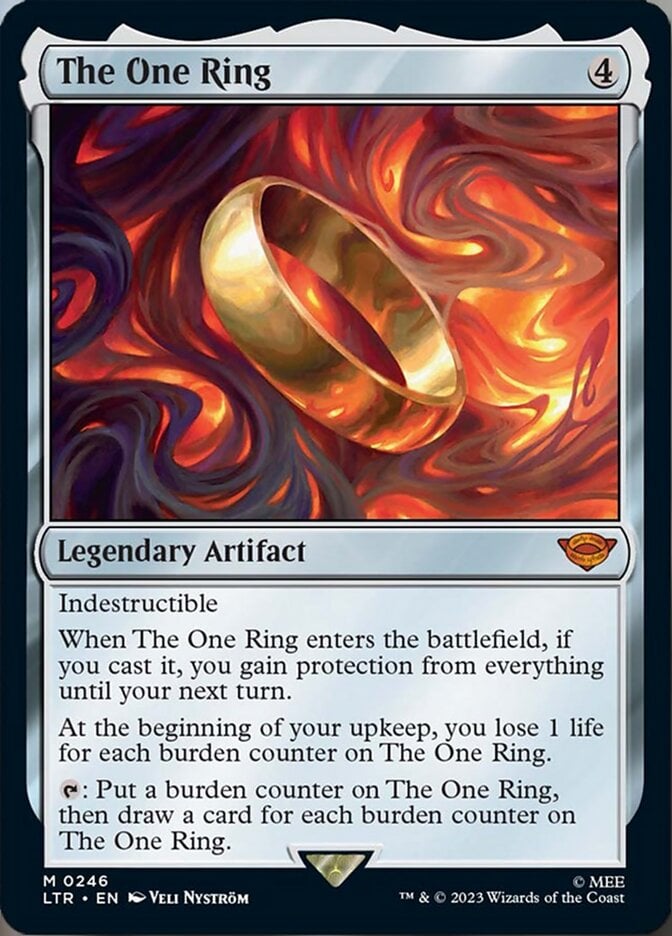
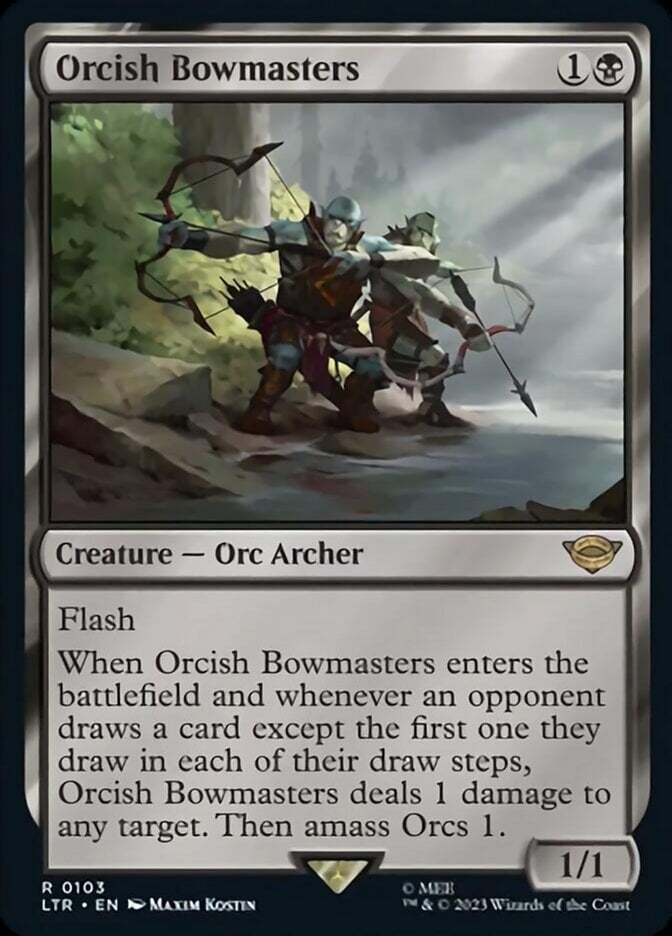
Second, WotC can now be proactive about cards with each new set release. Whether it’s Modern Horizons 3 or Duskmourn, each set will come with cards the new Commander Committee could pre-bracket instead of having to catch up on it later. Lord of the Rings, for example, could have come with The One Ring and Orcish Bowmasters predefined as bracket four. All of us knew they were going to be pretty busted. And maybe Borne Upon a Wind and Delighted Halfling could have come out as bracket three, with Borne maybe elevated after a year’s perhaps surprising play in cEDH?
That sounds fun to me, but I turned my Magic hobby into something I write about on Draftsim, so perhaps I am not a good representative of the statistical MTG norm of fun! (And maybe the phrase “statistical norm of fun” is another hint . . .). I can see the future Commander tournament grinders, looking for that gem overlooked by Gavin and his team, the card that they can slot into their bracket two decks for competitive advantage before they get elevated up the brackets . . .
Commanding Conclusion
Krenko, Mob Boss – Illustration by Karl Kopinski
I think I am more optimistic about this than most Magic social media, but then again, I see most Magic social media as pretty resolutely downbeat on new things from WotC. I see the Magic community as sometimes embodying what a frustrated friend once said about his Star Wars fandom; to paraphrase: “I only know I’m a fan of Magic because of how much I hate it.” But I don’t hate it, and I think this idea has legs.
When the full picture emerges, I might then sing my song bemoaning the wasted opportunity if WotC’d only listened to me when they had the chance! (also called the Podcaster’s Refrain!). But until then, I think this scheme, by focusing on cards and not decks, has more precision, which gives it the chance to organize play in ways we lack now and can help people get closer together on their sense of power levels because of the specificity.
Am I too optimistic? Crush my dreams in the comments below or on our Discord! But after the events of the last week, as you talk about this with me and other Magic players, please be kind. We can be defined by the best impulses of our community, not the worst. But it takes all of us to help each other to remember who we are and to push each other to hold up better standards for how we talk to each other and to push back against toxicity where we see it.
Let’s keep the fun in our fun!
Follow Draftsim for awesome articles and set updates:










Add Comment