
Last updated on August 24, 2026

The Eagles Are Coming! | Illustration by Zezhou Chen
I don’t think it’s a secret at this point that black-red is good in The Hobbit. From the beginning, it’s been the most played archetype, and it’s also been the most winning archetype–at least for the most part. However, it seems recently that another color pair is rising up to take the spot of being the winningest: Blue-white. But how is it succeeding, and why now?
Black-Red Dominance
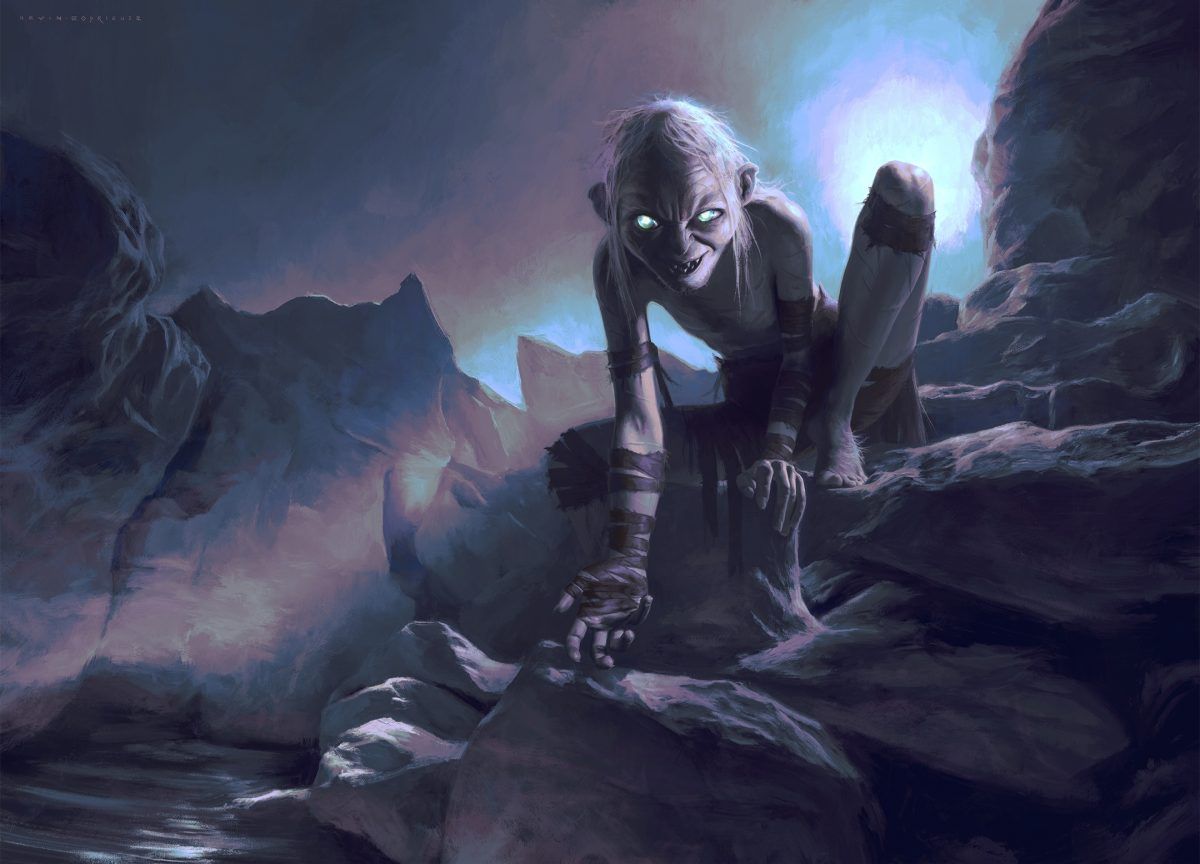
Gollum, Riddle Master | Illustration by Irvin Rodriguez
It needs to be said that for the most part, black-red is still dominant. If you look on 17lands, a website that aggregates data on limited, the archetype currently enjoys a 57.2% win rate on average across all users. This is the highest among supported archetypes, with white-blue only sporting a 55.5% win rate.
However, if you instead sort the data to include top players only, the numbers change in an interesting way. Suddenly white-blue has a 62.3% win rate as opposed to black-red’s 61.5%. What this means is that good players are leveraging white-blue to their advantage. This of course must mean that there’s something there to work with, so what is it that good players are able to take advantage of to eclipse the hyper-dominant black-red strategies?
Strength Of Blue
Great Gilded Boat | Illustration by Josu Solano
Blue is surprisingly good in The Hobbit, but because of the way the set is structured, it hasn’t had a chance to shine like it should. White-blue and blue-green are the supported archetypes that include blue, with the later being bad enough that you should try to avoid playing it entirely if possible. Notably, unlike every other color in the set, it doesn’t share an archetype with red or with black.
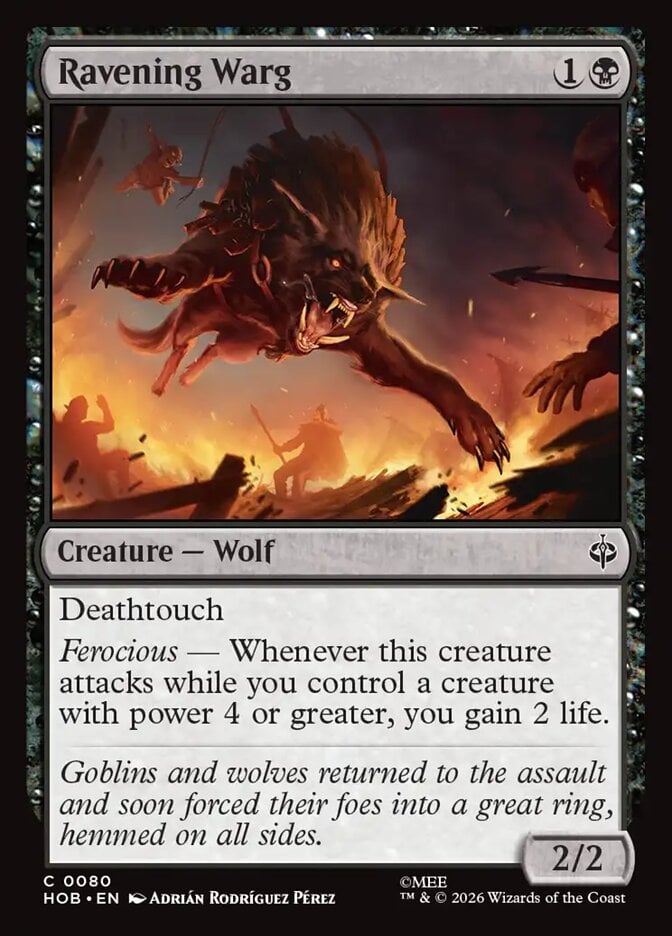
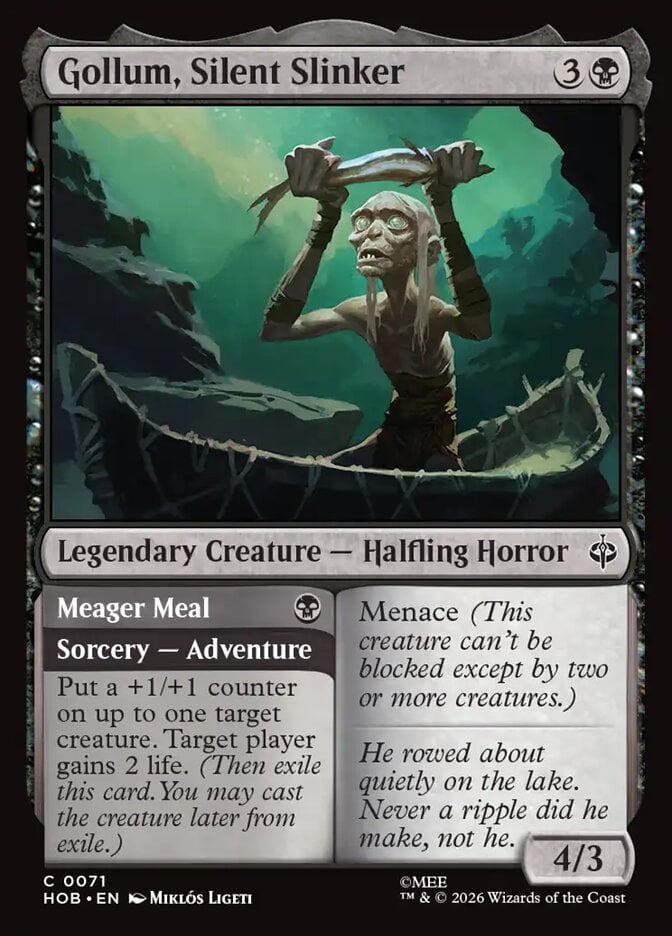
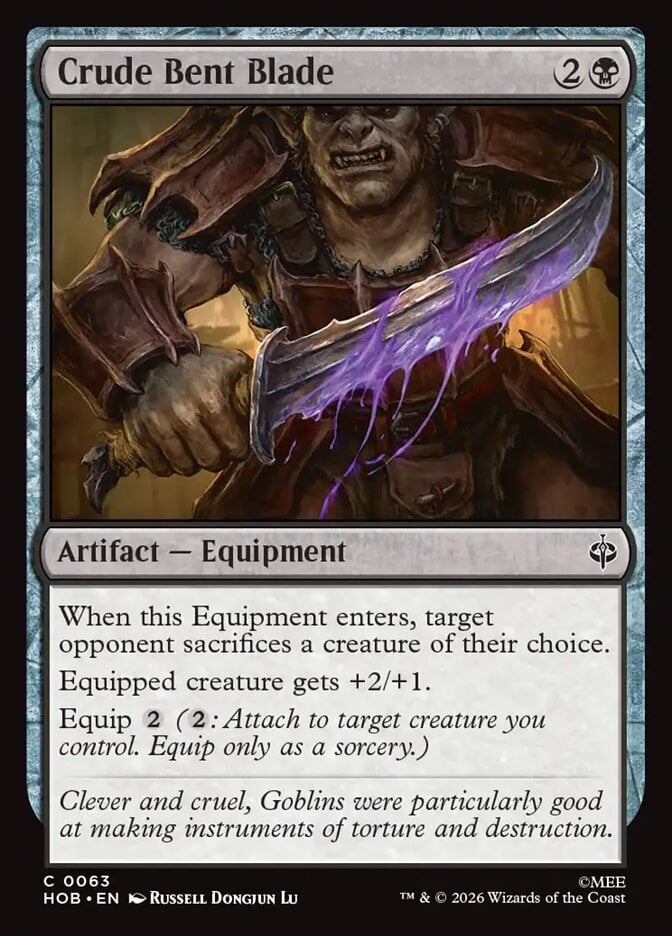
Black is the best individual color in the set, with red also being quite good but to a lesser extent. This means that any color that touches black, in this case red and green, will see increases in win rate, as they are carried by black’s depth of powerful cards across the board. Just looking at commons, black has three of them in the “B” range, as categorized on 17lands: Ravening Warg, Gollum, Silent Slinker, and Crude Bent Blade, the blade sporting a monstrous 60.5% win rate when drawn, the highest of any common in the set.
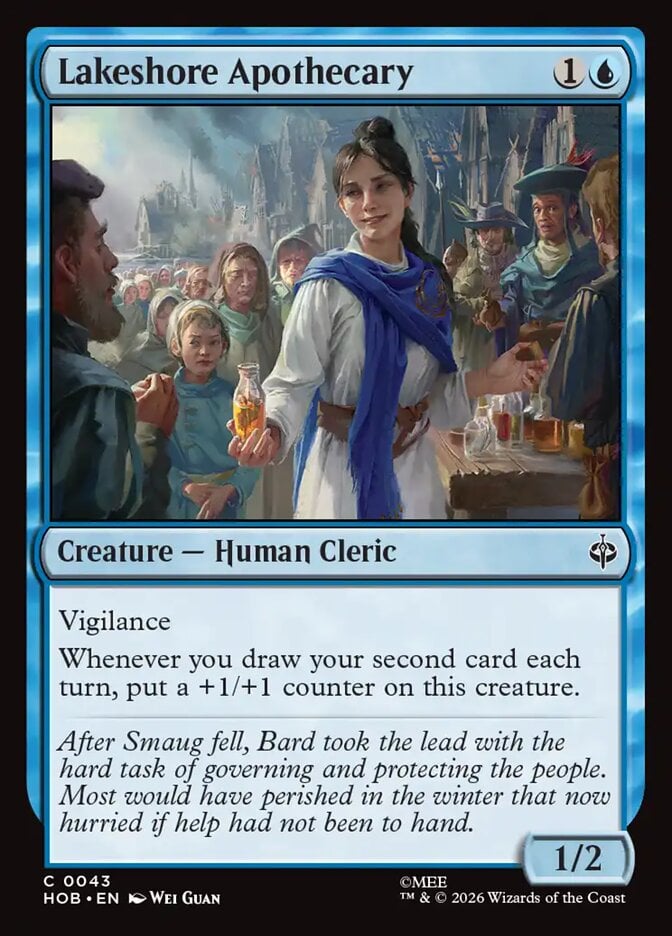
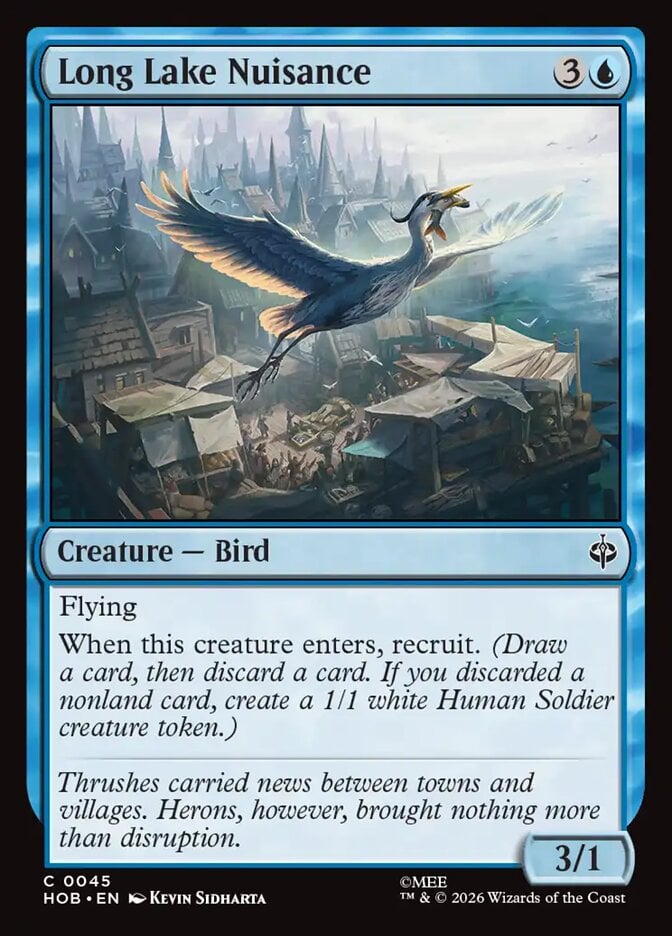
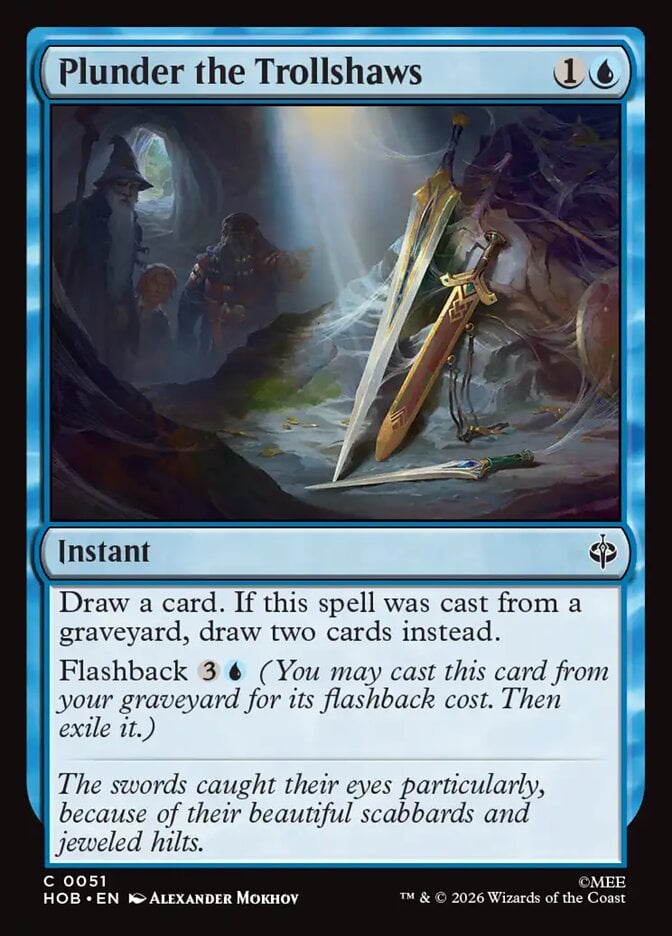
There is only one other color besides black with at least three commons in the B range, and that color is blue. Lakeshore Apothecary, Long Lake Nuisance, and Plunder the Trollshaws are all top commons, and you can even include Patient Instructor, as you can treat it as a blue card. Aside from all of these, the only other common in the B range in the set is Pinecone Strike.
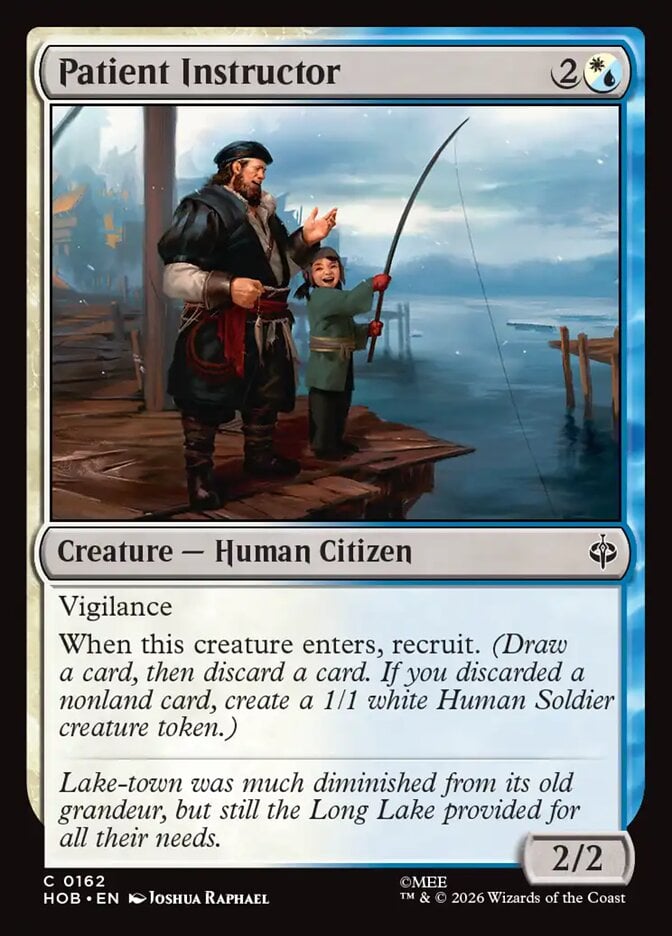
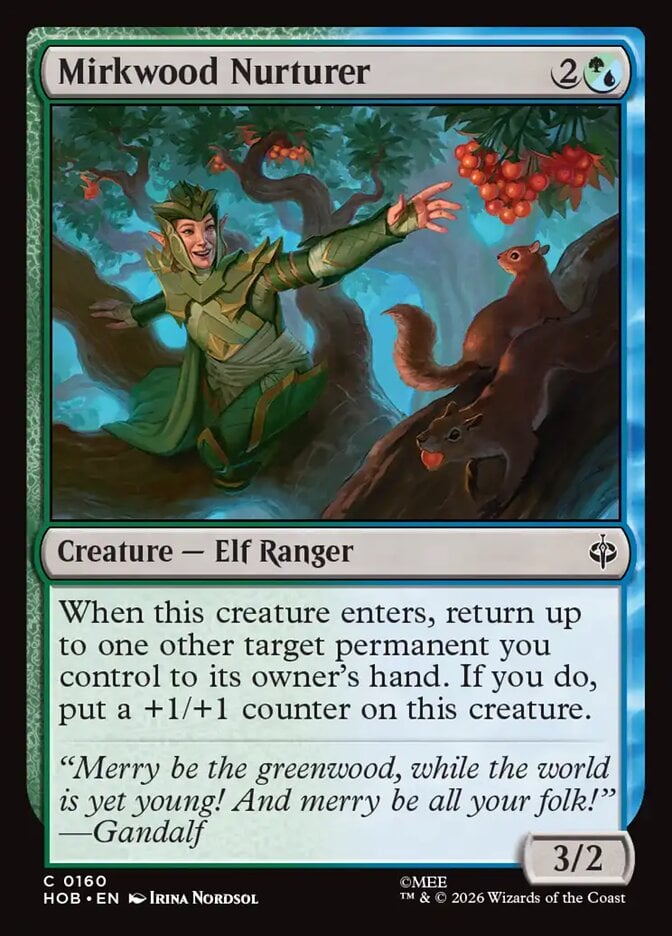
Simply looking at commons, this data paints blue as being more or less at the same level as black in terms of card quality. When you adjust this data to only reflect the top players, it becomes even more evident, with Plunder the Trollshaws being only second to Crude Bent Blade. Another blue card even makes its way into the B range for top players: Mirkwood Nurturer.
Self-Correction

Large Bear | Illustration by Adrián Rodríguez Pérez
So we’ve established that blue is good, but that doesn’t really explain why blue-white specifically is good, or why it performs better in the hands of good players. To the first point, blue-white is simply the better supported archetype if you’re playing blue. Blue-green is slow, and there are not many reasons to be playing it. Therefore, in part by default, blue-white will be the preferred home for blue. It helps that white has some of the very best uncommons in the set, with Celebrate the Mountain-king, The Mountain-king's Return, and Stone by Sunlight all being exceptional.
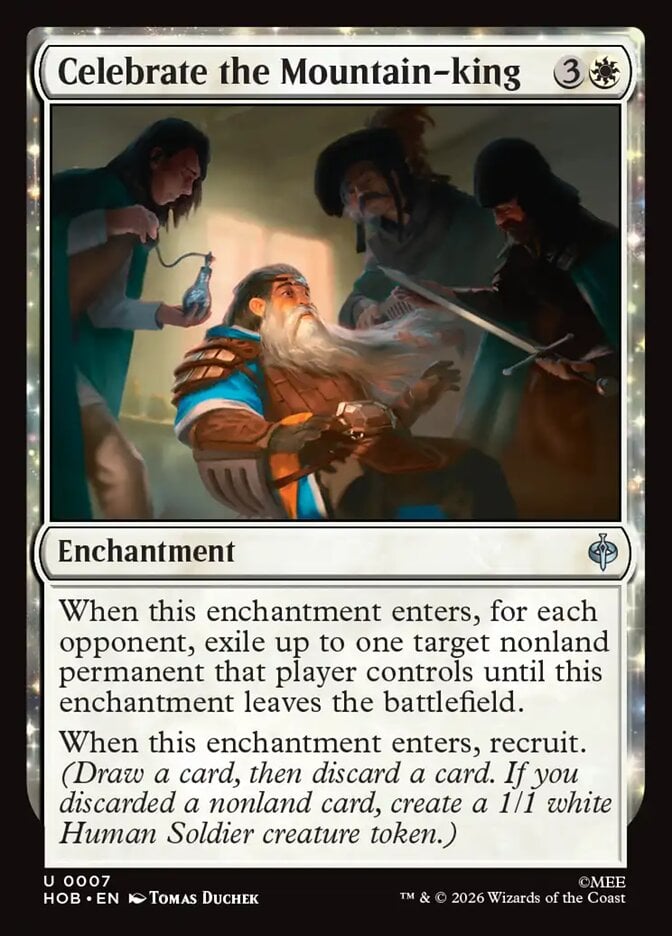
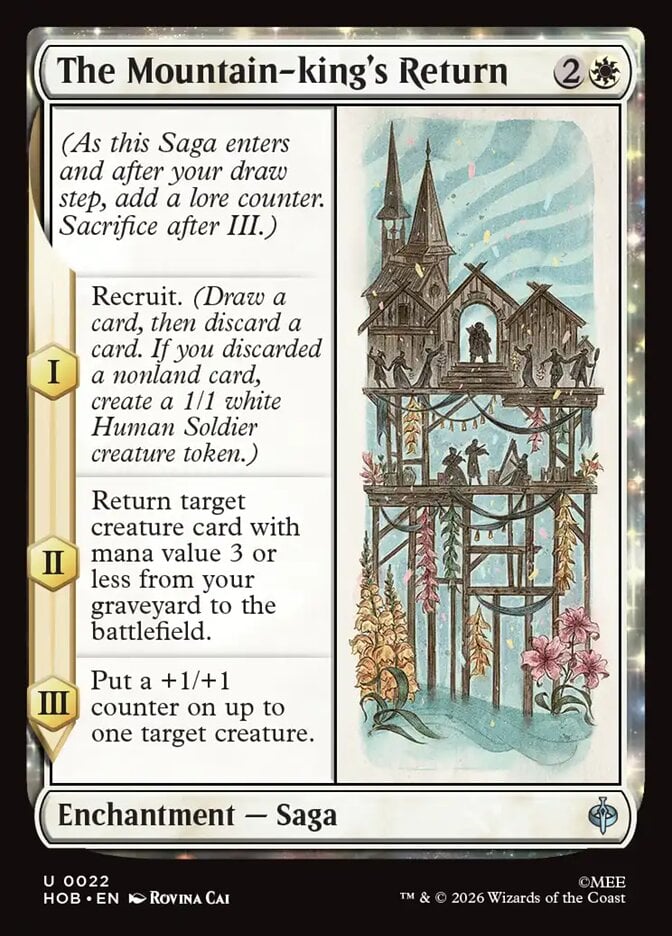
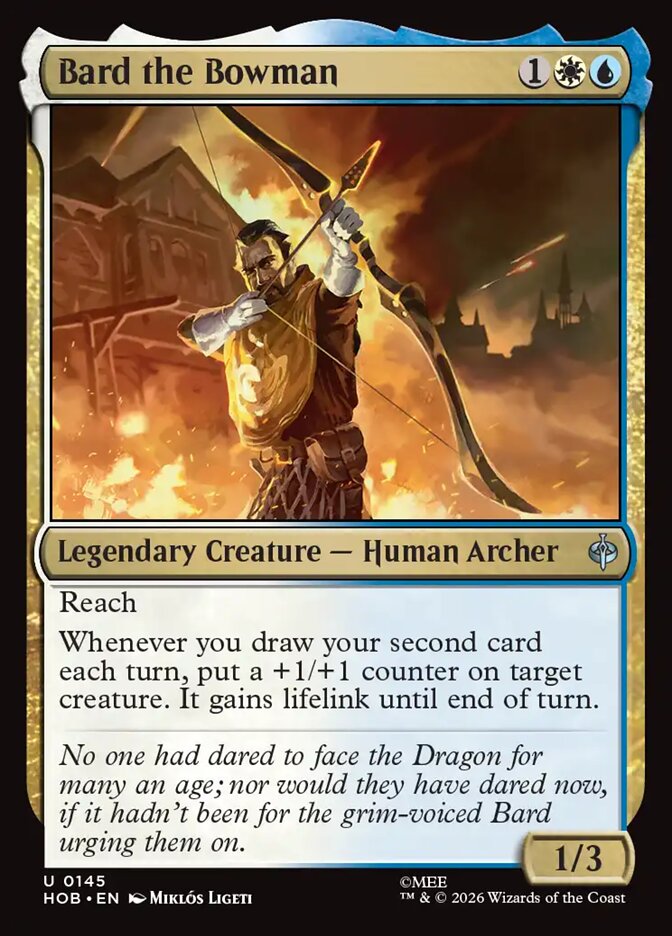
It also helps you leverage all of blue’s best cards at lower rarity, as blue-white is the archetype that cares most about draw-two synergy. Lakeshore Apothecary is an absolutely essential two-drop, and so having extra cards that recruit such as the aforementioned The Mountain-king's Return or Celebrate the Mountain-king serve the deck very well. Add in cards like Bard the Bowman which help you stabilize against aggression–a very important factor in this format–and it starts to make sense why blue-white is good.
However, the biggest factor and the reason for why we’re seeing this deck emerge only now rather than earlier in the format is because of self-correction. It’s the nature of most draft formats that the best deck will be drafted the most. We see that with black-red. This therefore leaves open other colors, especially blue, and players can then leverage that color being open to make more powerful decks that can fight black-red decks that may be slightly over-drafted and therefore weaker than before. Top players realize these trends sooner, and are able to capitalize more efficiently. That’s why the win rates of top players favor blue-white over black-red.
Wrap Up
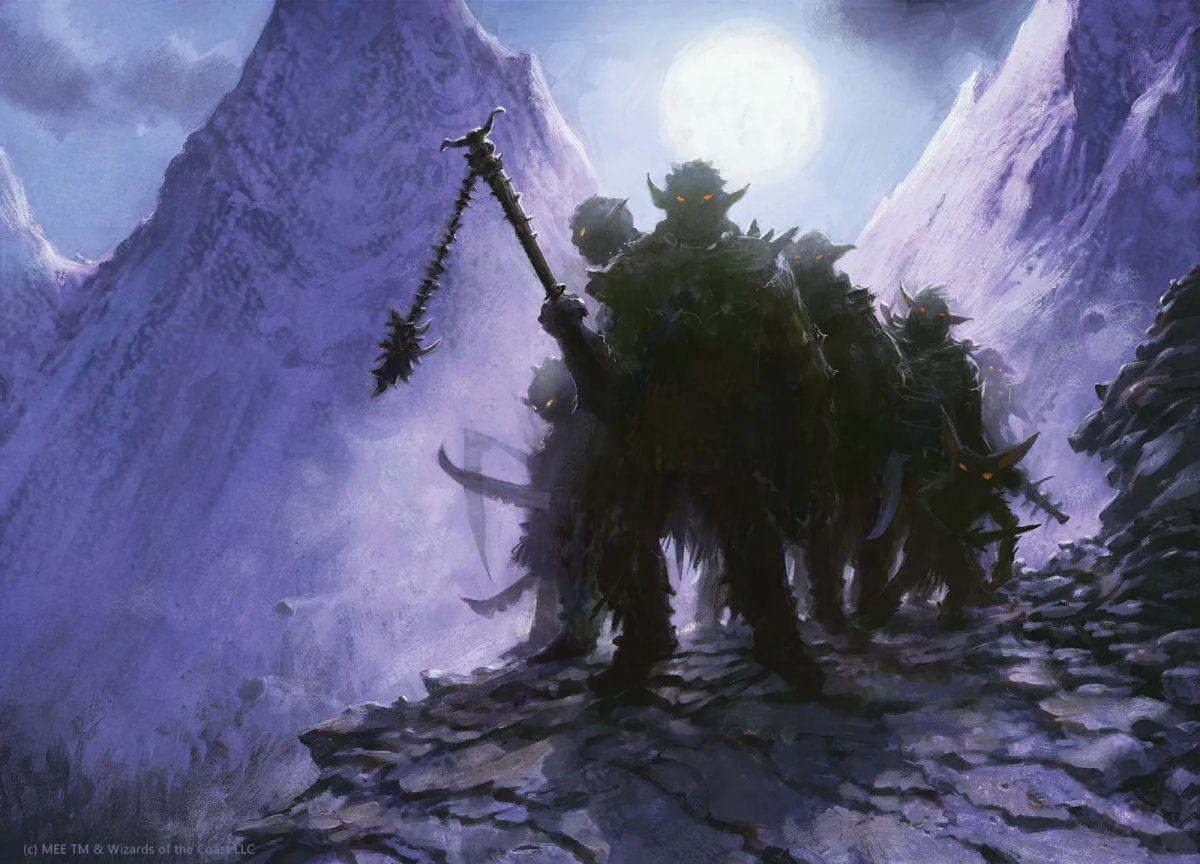
Along the Crooked Way | Illustration by Bruce Brenneise
So will white-blue dethrone black-red as the best deck in The Hobbit? Probably not. White-blue succeeds because it’s able to inhabit a niche in the format, a hole that is there simply because of black-red’s dominance. It’s certainly better than it was at the start of the format, and only time will tell if it gets better or regresses, but in any case, it’s good to see that at least there is something capable of giving black-red a run for its money.
Follow Draftsim for awesome articles and set updates:










Add Comment