
Last updated on August 17, 2026
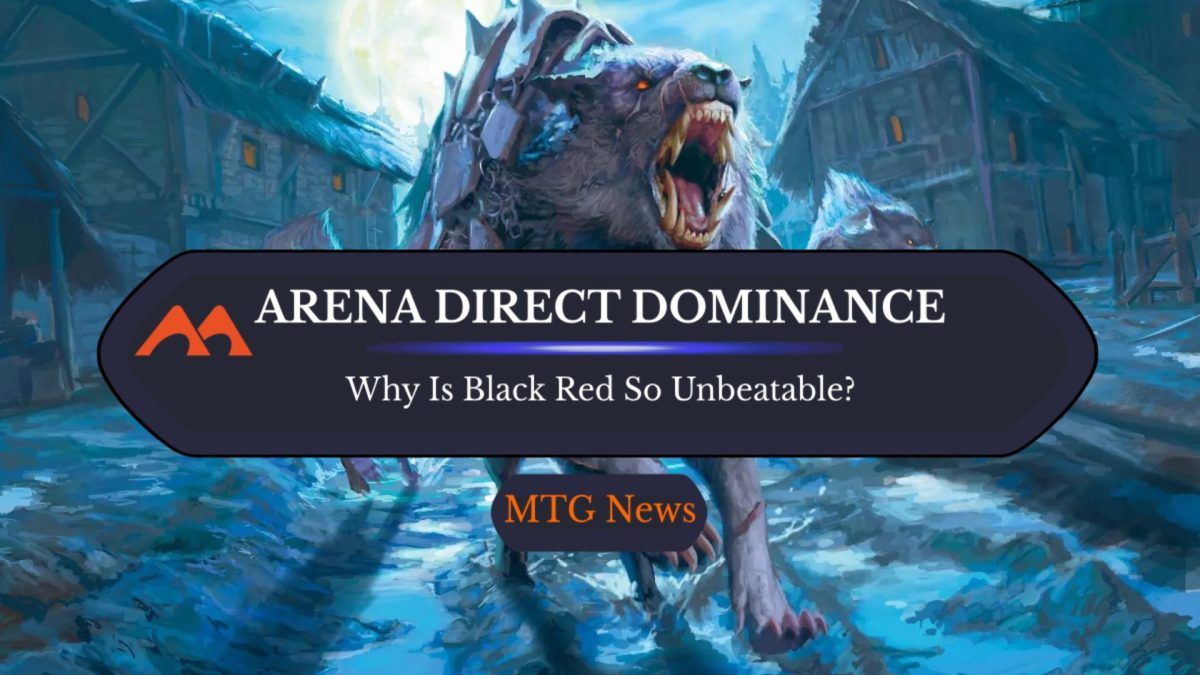
Head of the Hunt | Illustration by Andrea Piparo
Do you want to win a Collector Booster Box of The Hobbit? Well, you’re in luck! All you have to do is play in the Arena Direct, build a Sealed deck, and win seven games before losing two. That already seems hard enough, but there’s a catch.
You’ll likely have to play against one of the most powerful Limited archetypes we’ve seen in a long time, dominating sometimes without even a single rare because it doesn’t even need them to be good. I’m talking about black-red, and it’s wreaking havoc on the format.
Depth
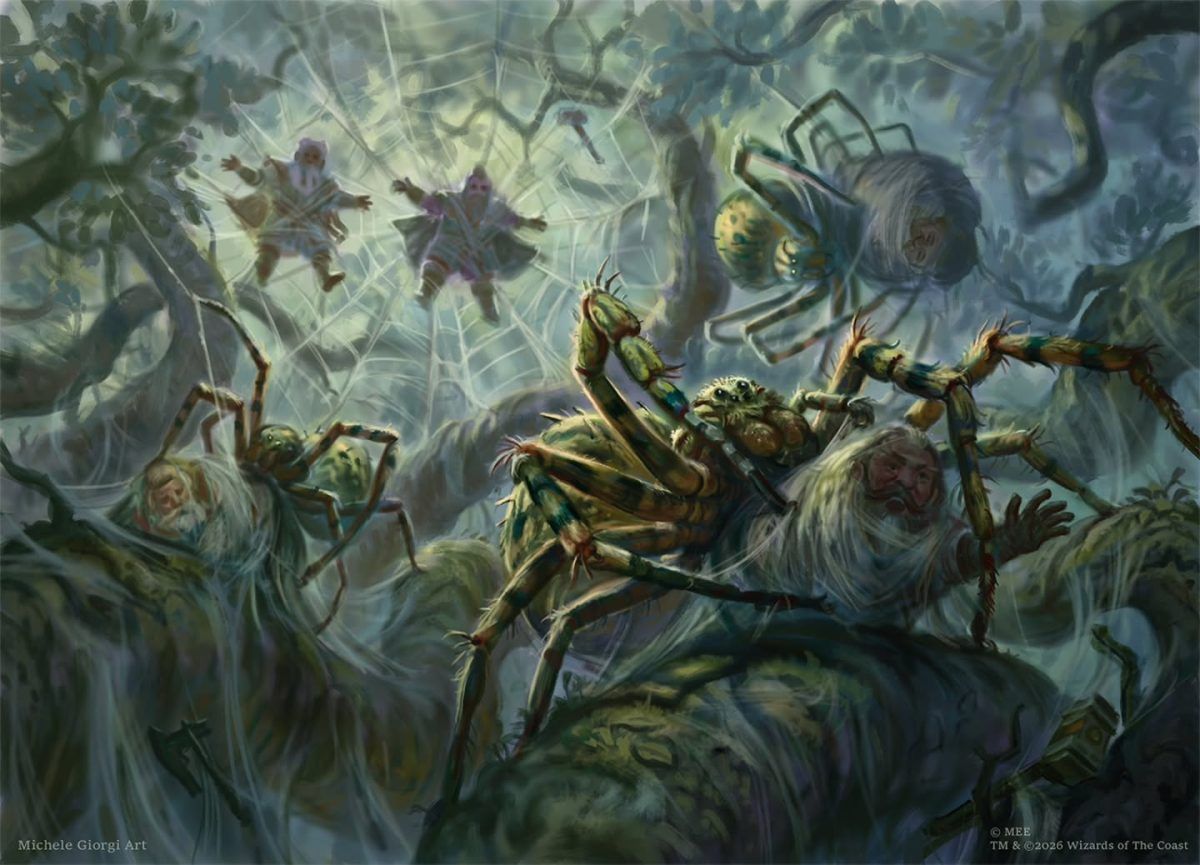
Supper for Spiders | Illustration by Michele Giorgi
Oftentimes, when a singular color stands above the rest in a Limited format, it’s for one main reason: Depth. This is especially true in Sealed, as having a depth of good cards at lower rarity means that you will be able to rely on that color more often.
In The Hobbit, this color is black.
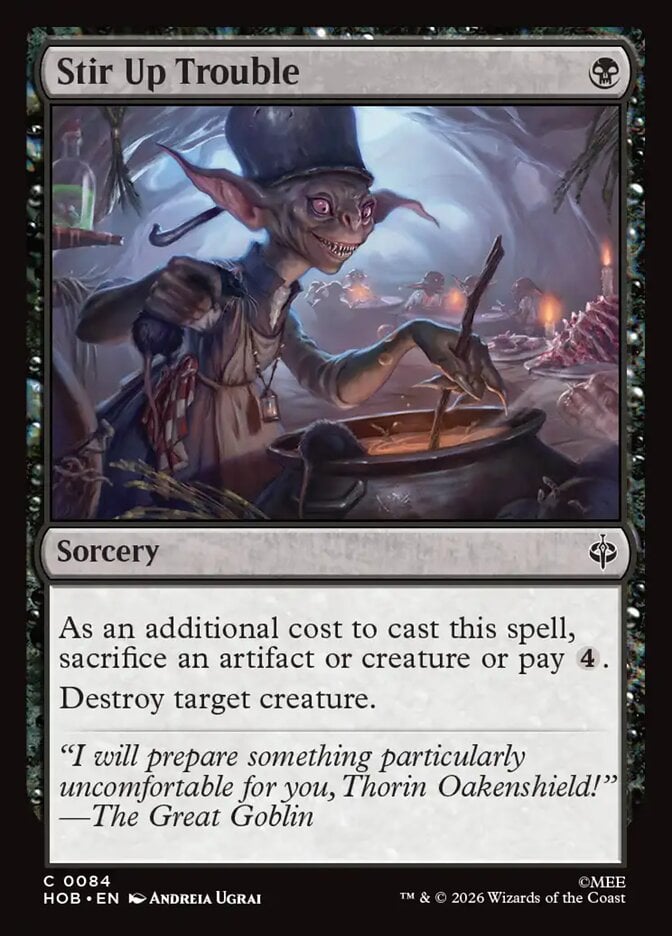
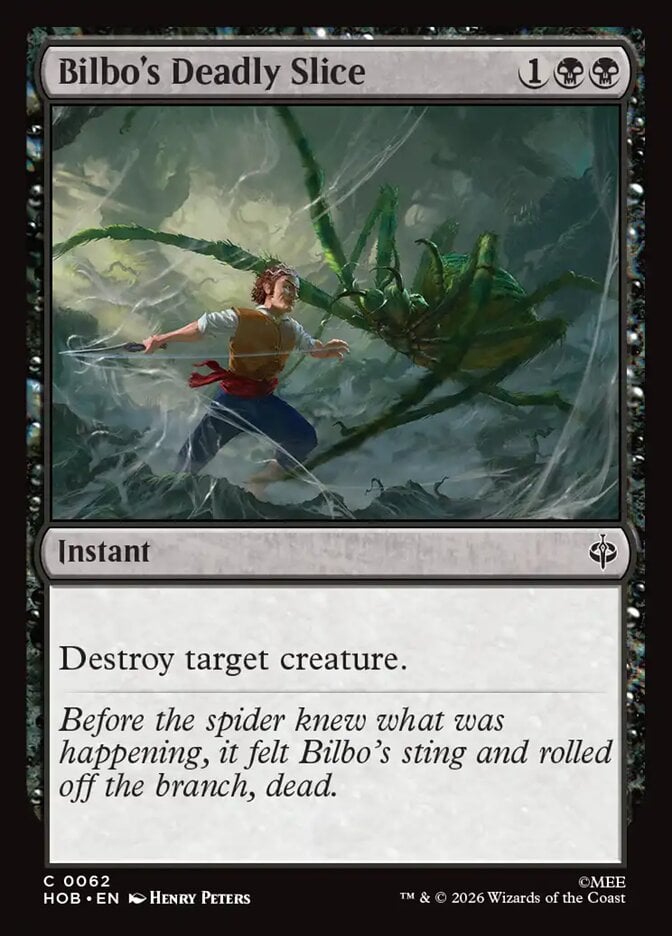
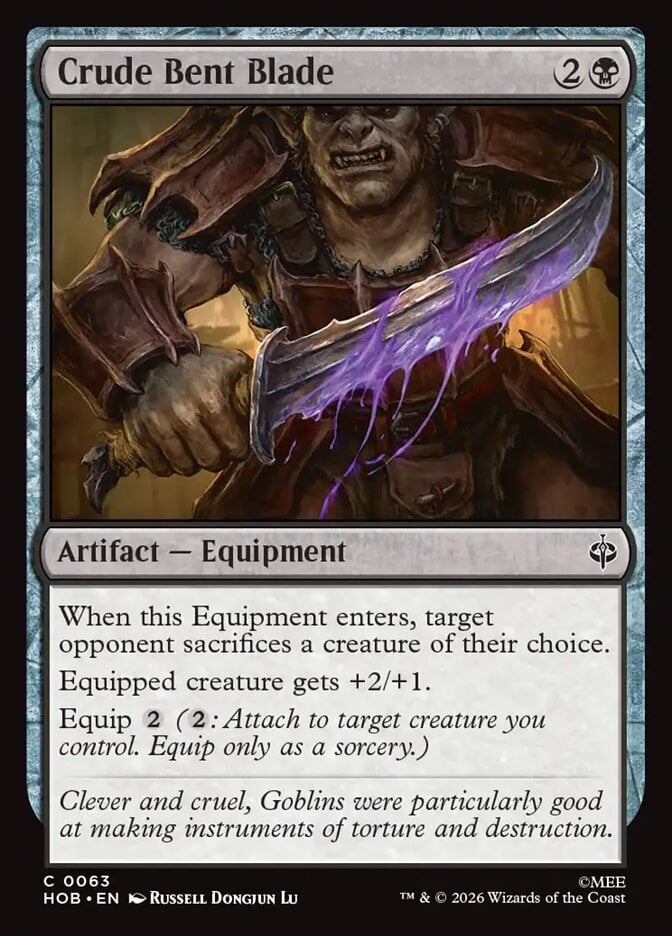
Not only does it have the best removal suite at common with Stir Up Trouble, Bilbo's Deadly Slice, and Crude Bent Blade, but it also has some of the best, most efficient low rarity creatures in the format
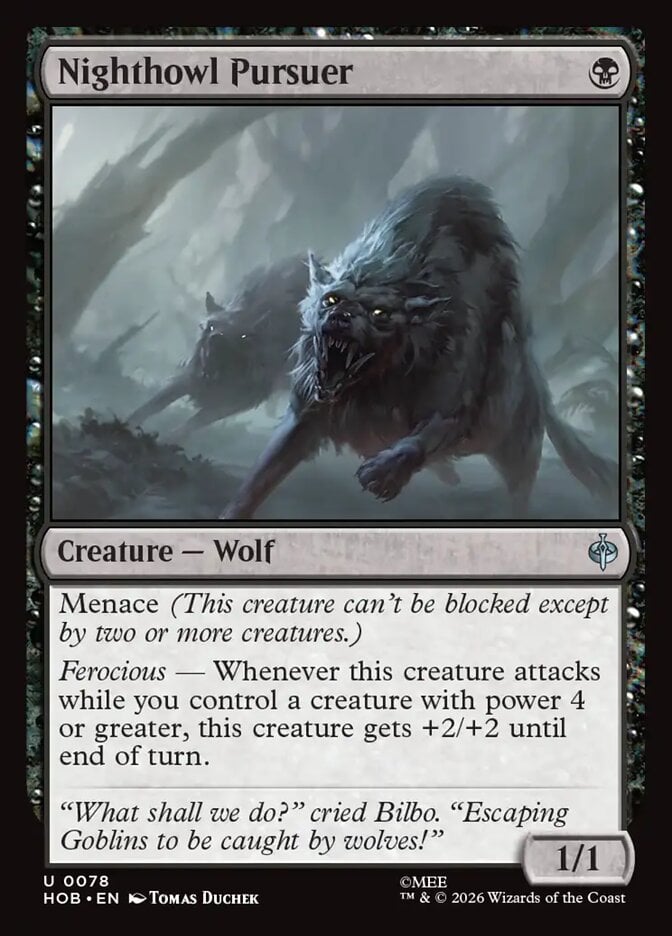
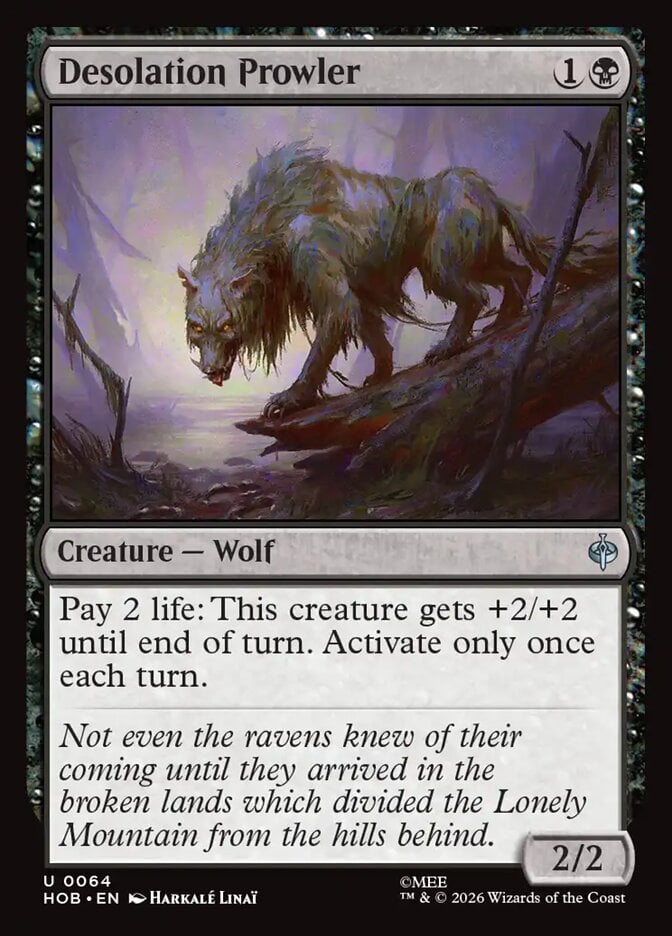
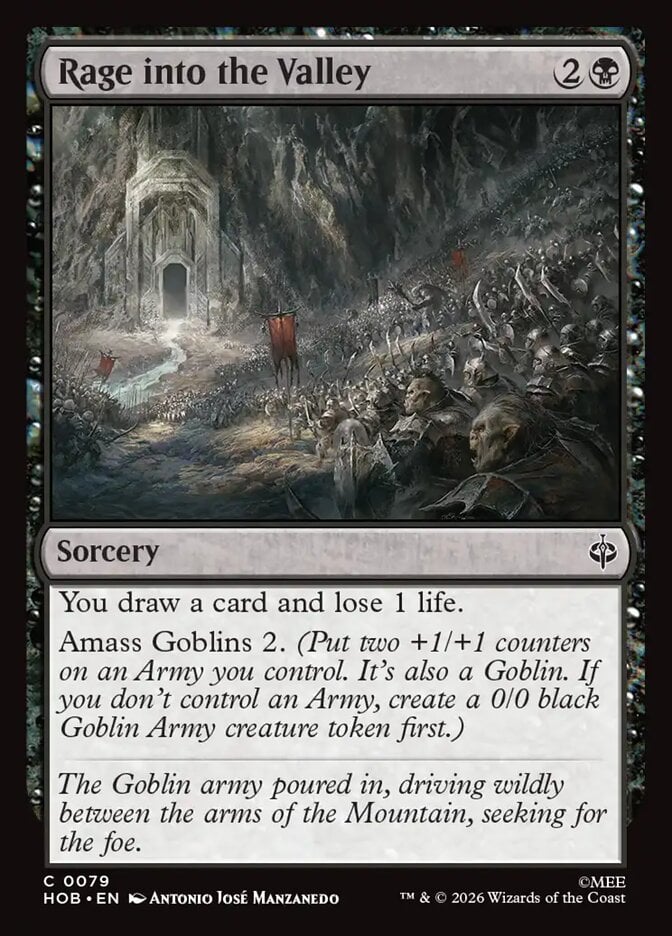
Cards like Desolation Prowler, Nighthowl Pursuer, and Rage into the Valley (which I’m counting as a creature because it basically is) are all simply very efficient on rate, either having great stats for their cost or bringing along some other kind of value.
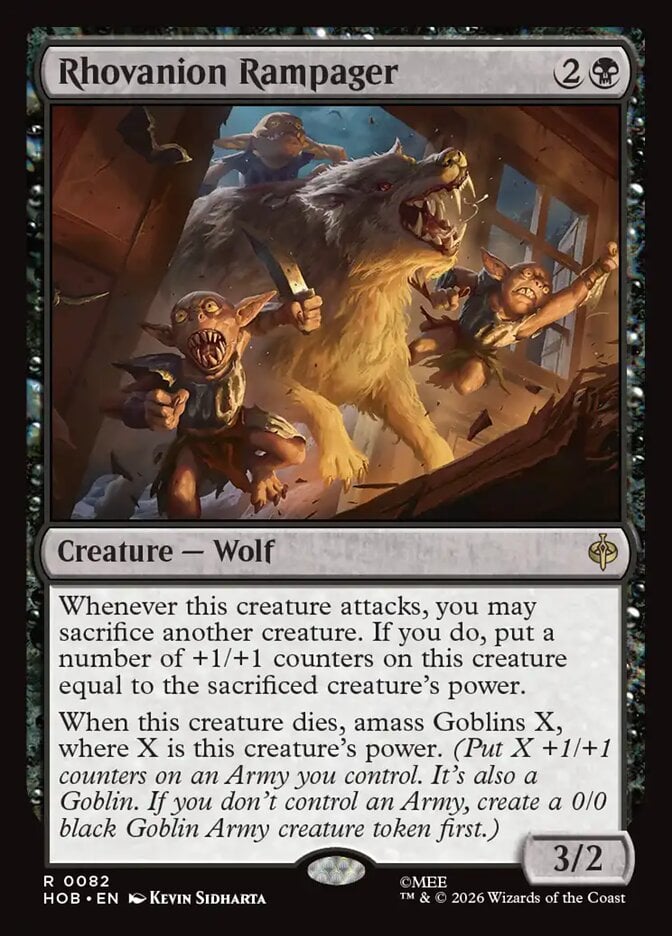
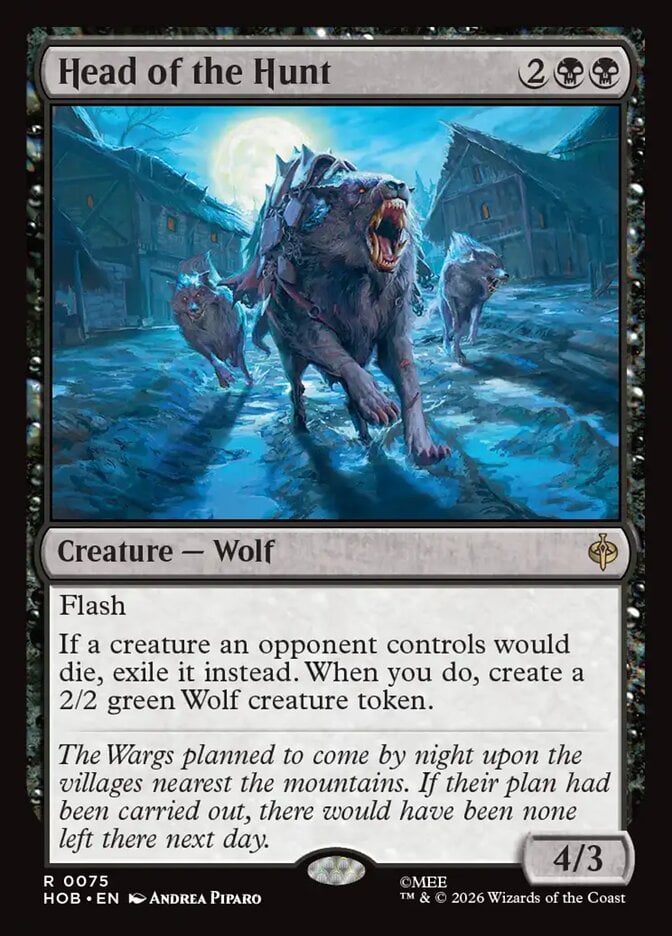
Add on to that the fact that black has access to many generically powerful rares that will go into any deck that can cast them such as Rhovanion Rampager and Head of the Hunt, and suddenly you start to see just how much depth black truly has as a color.
The effect of this is that black-red and black-green, the two supported archetypes that include black, end up being far and away the best decks in the format, with black-red clearly being the better of the two.
Amass
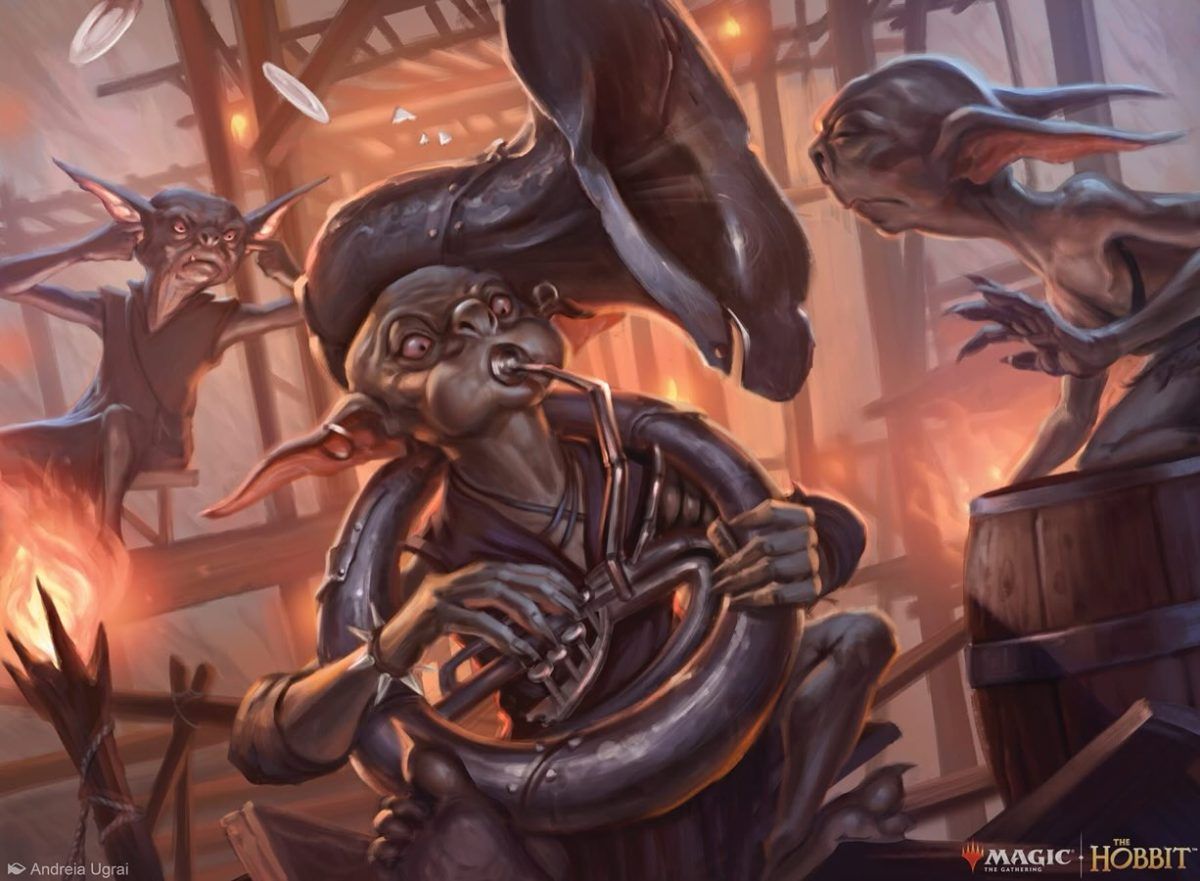
Bothersome Noisemaker | Illustration by Andreia Ugrai
But why is black-red so good? In Draft and Sealed alike, there is the aforementioned advantage of black having a lot of depth, but red also has some good depth, even if it’s not quite as deep. Notably, Pinecone Strike serves a key role as efficient removal in a set that doesn’t otherwise have access to it.
However, as far as red-black is specifically concerned, a lot of its power comes from how amass works in Limited. Every time we’ve seen amass in the past, it’s always been a big overperformer, as adding to the board is always good,and stacking a creature tall is a way to push in damage and close out games. Being able to do so consistently, and oftentimes very quickly can put you ahead in games and will force your opponent to have hard removal, as it often gets too big too quickly for damage based removal.
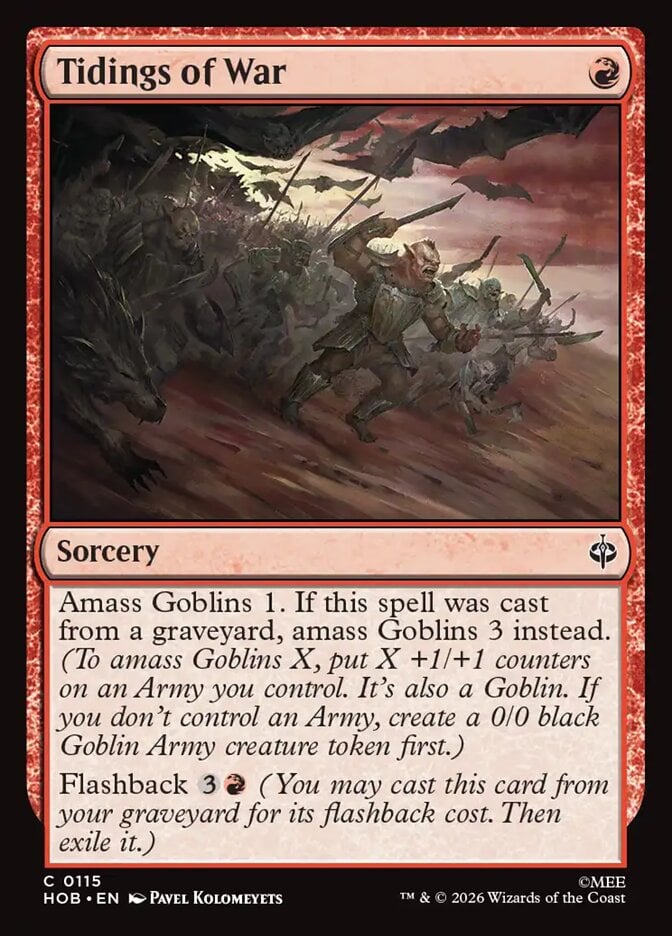
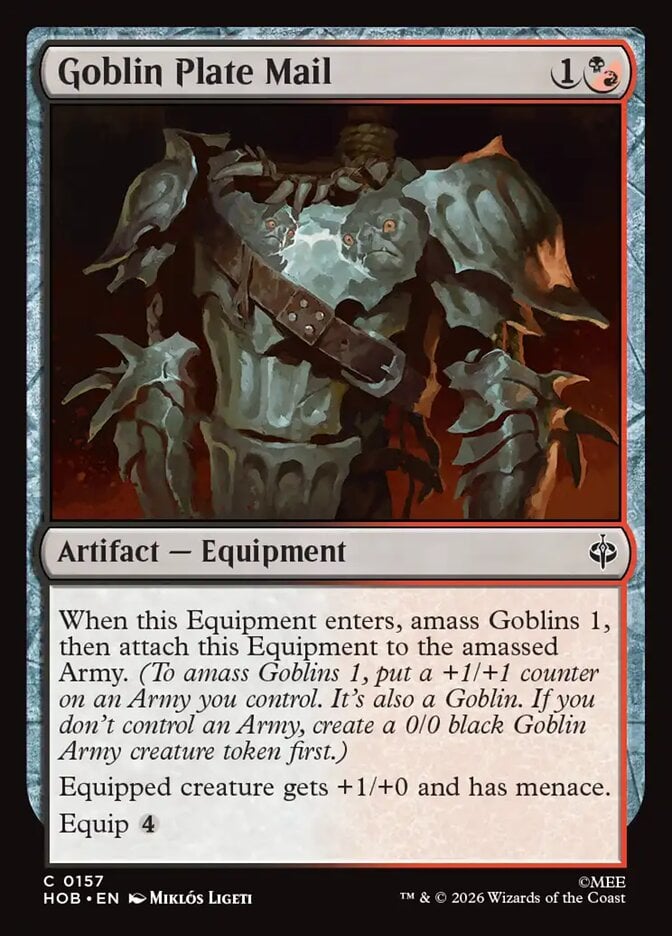
Amass also lends itself to some nasty curve outs. Turn one Tidings of War into turn two Goblin Plate Mail into turn three Rage into the Valley means you’ll have a 5/4 menace in play attacking on turn three. This won’t happen all the time, but it will happen on some scale, as that’s simply the nature of amass.
Aggression
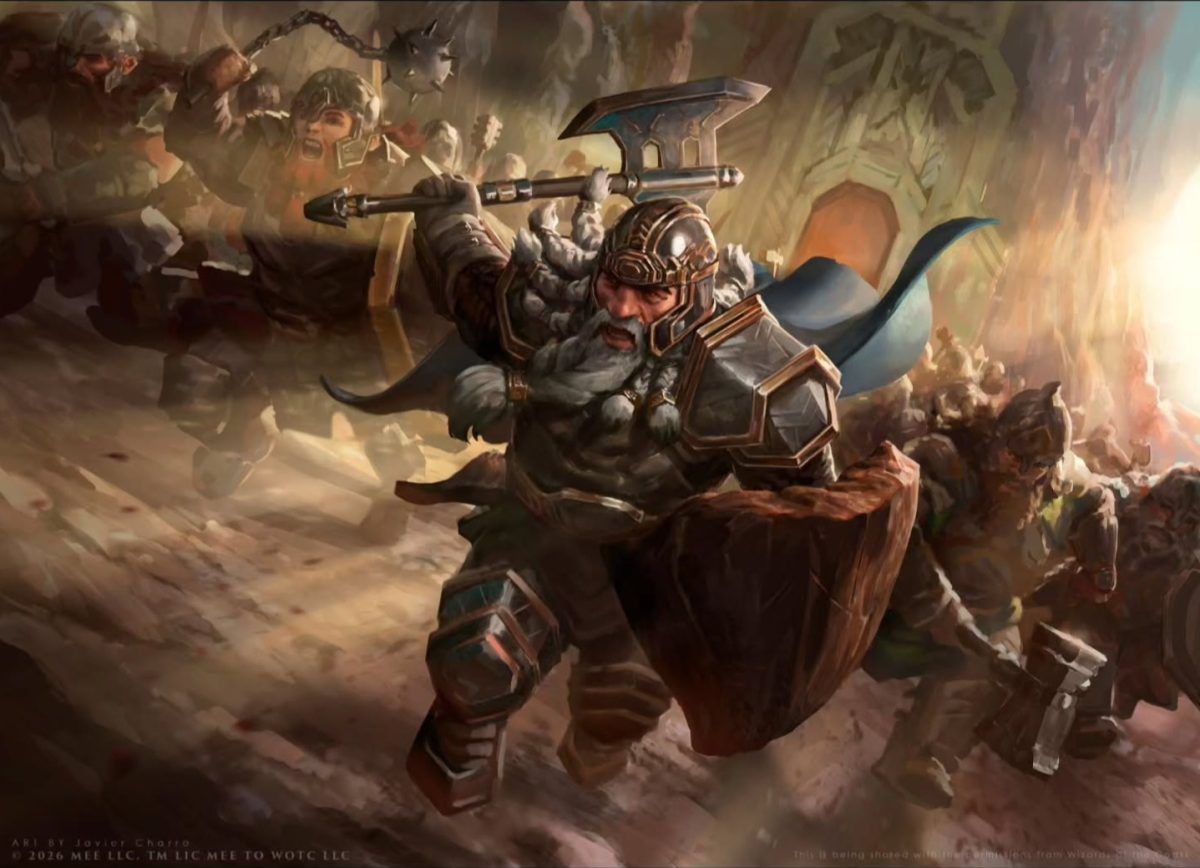
Thorin, Mountain-king | Illustration by Javier Charro
Another quirk of The Hobbit is how heavily the format favors and enables aggression. Red-black, black-green, and red-white all take advantage of this the best, with blue-white and blue-green being far slower and therefore more susceptible to aggressive curve outs from their opponents.
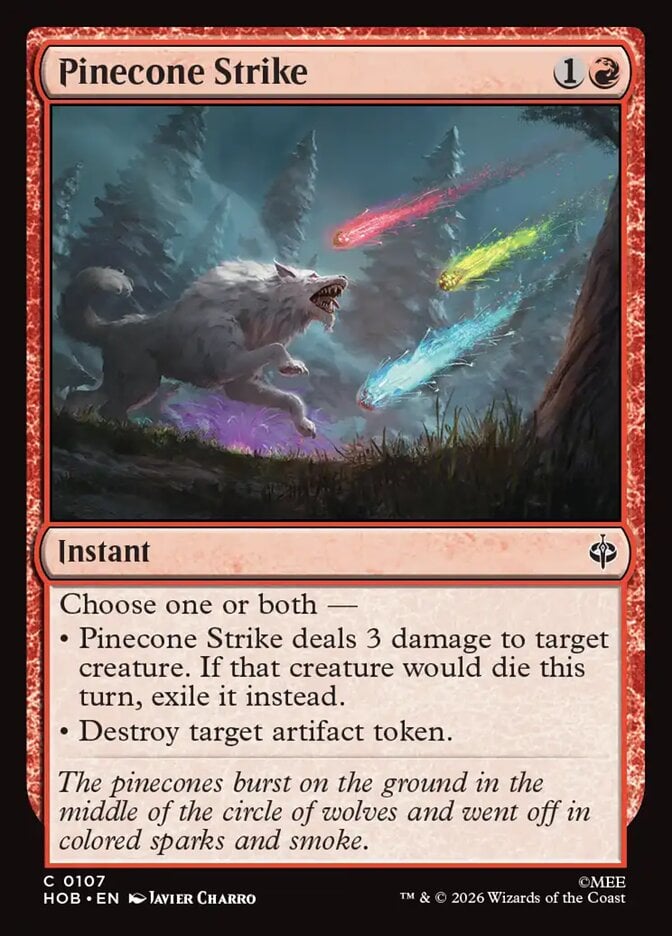
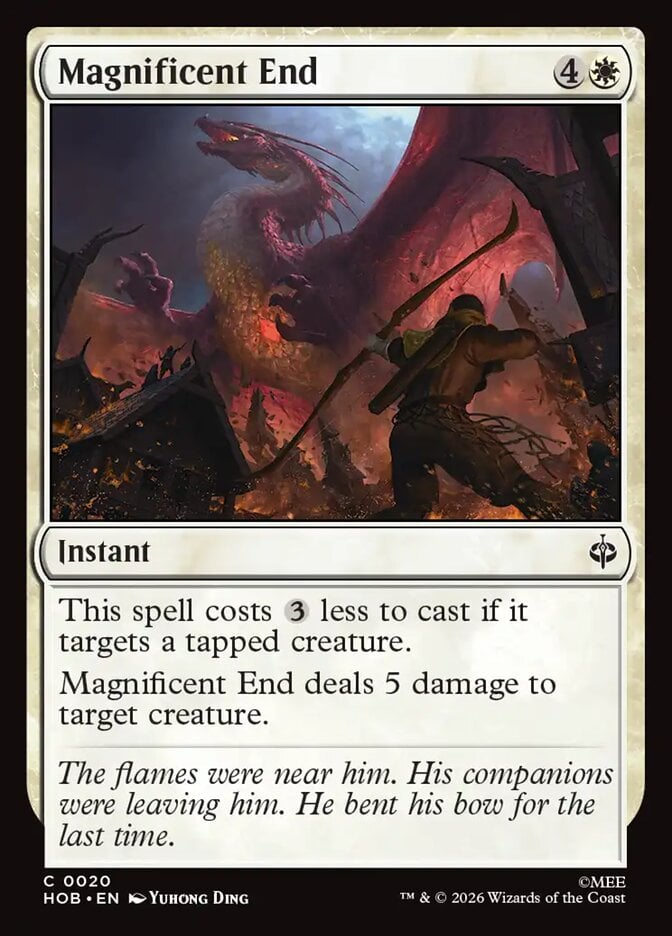
This is a result of a myriad of quite playable one-drop and two-drop creatures, as well as a lack of cheap removal, with Pinecone Strike and Magnificent End being the only options at two mana. This means early aggression is easy to achieve and hard to punish, and therefore games often come down to an arms race of who has the faster curve out.
Obviously this is a bit less pronounced in Sealed, as decks are often slower as it’s harder to hone a deck towards aggression and guarantee curve outs. That being said, black-red with the depth it has will still often enough be able to pressure your opponent early where it can take the role of an aggro deck in Sealed, and many games will end before they even begin.
Wrap Up
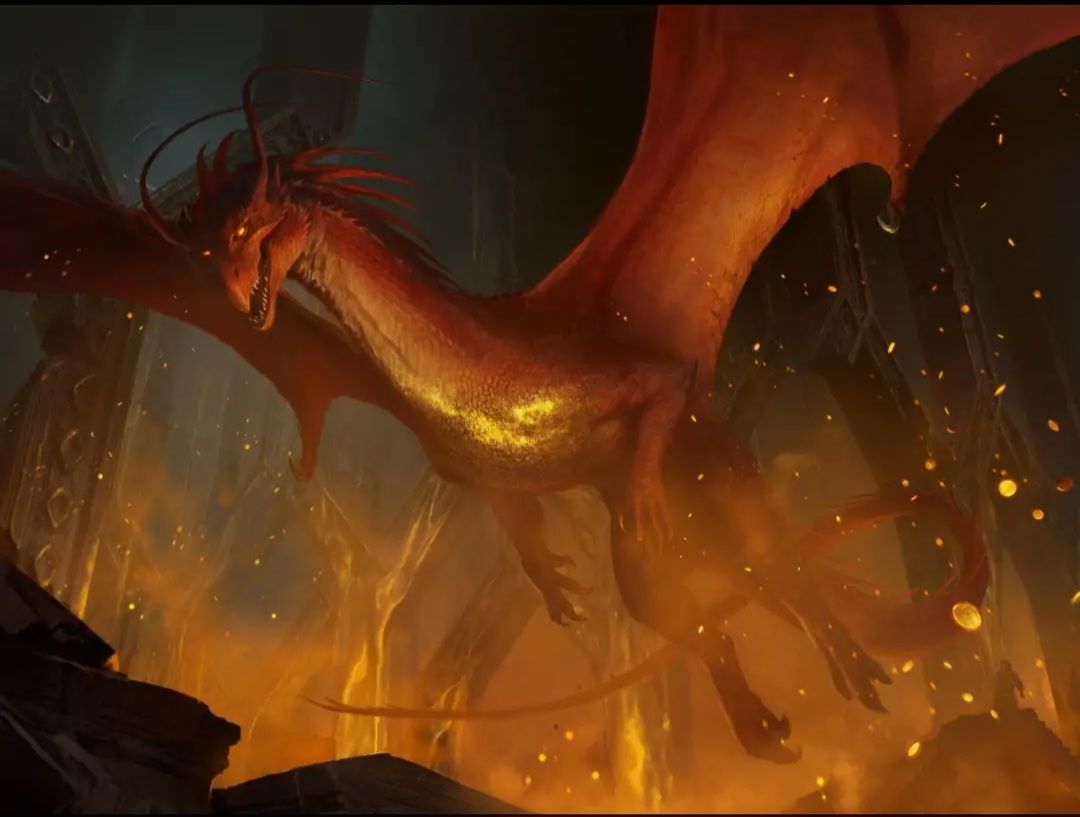
Smaug the Magnificent | Illustration by Francisco Miyara
It’s clear that black-red is the best deck in the format, both in Draft and in Sealed. A combination of card quality and depth, aggression being favorable, and amass being simply good in Limited, means it’s very over represented. This isn’t necessarily a bad thing, you could be the one playing black-red and beating your opponent with it, but I do feel like it detracts from the format in this case.
A lack of diversity in what colors are viable is one thing, but a lack of diversity in strategy is another thing entirely. In this case, we have both: Blue-white and blue-green are pretty bad, and doing anything that isn’t aggro isn’t really viable. This isn’t to say that these things will never work, just not enough to matter to the shape of the format overall. Maybe this will change over the course of the format, but I don’t imagine that it will. If you are playing in the Arena Direct, best of luck to you, and if you already did, I hope you won, and I hope you didn’t have to play against too many black-red decks.
Follow Draftsim for awesome articles and set updates:










Add Comment