
Last updated on August 13, 2026
Crypt Incursion | Illustration by Loïc Canavaggia
We've only had The Hobbit for one day, and we're already learning all the ins and outs of the format. There are lots of things to be aware of, as is always the case, but this format more than most has a steep learning curve, and there are several pitfalls that can be avoided if you know what they are.
Have Early Plays
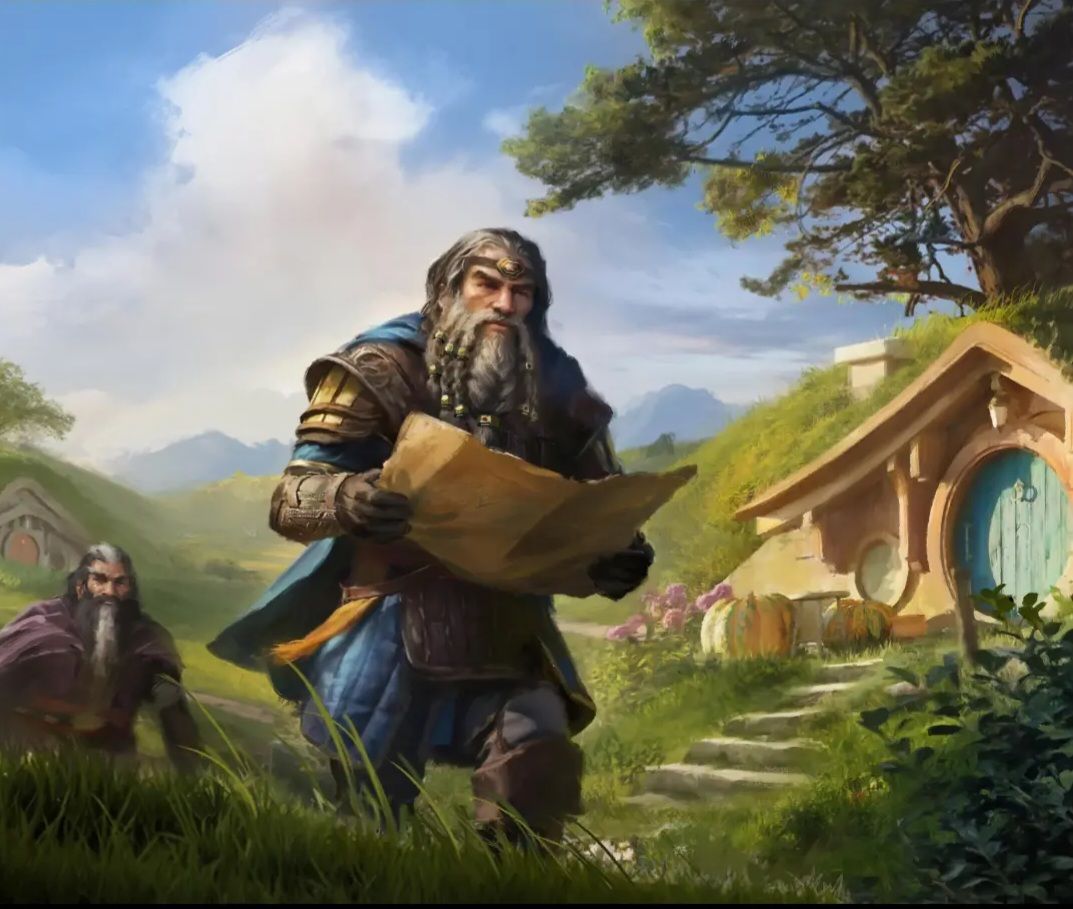
Thorin Oakenshield | Illustration by Francisco Miyara
One of the most defining features of this format is how aggressive it is. Even though it's early, it's plain to see that the combination of a general lack of early removal plus a ton of playable two-drop creatures creates a format that's all about lightning fast curve outs. To that end, you will lose games if you do not have enough early plays in your deck.
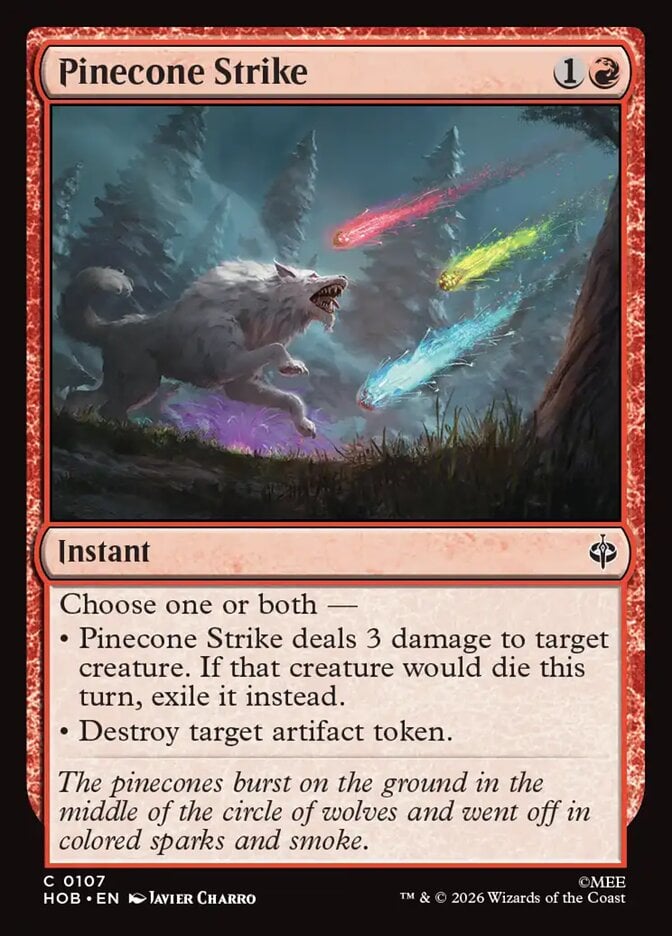
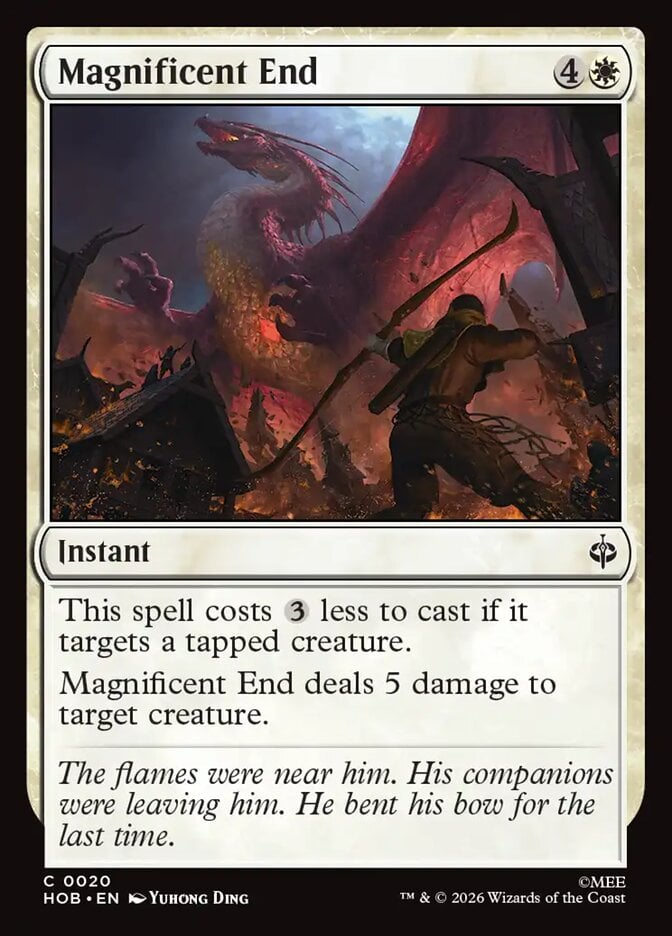
Going back to lack of early removal, there are really only two options in the whole format: Pinecone Strike and Magnificent End, the former being much stronger. When most of the removal options are at least three or four mana (and notably there's nothing at one mana) it makes it difficult to stop fast curve outs.
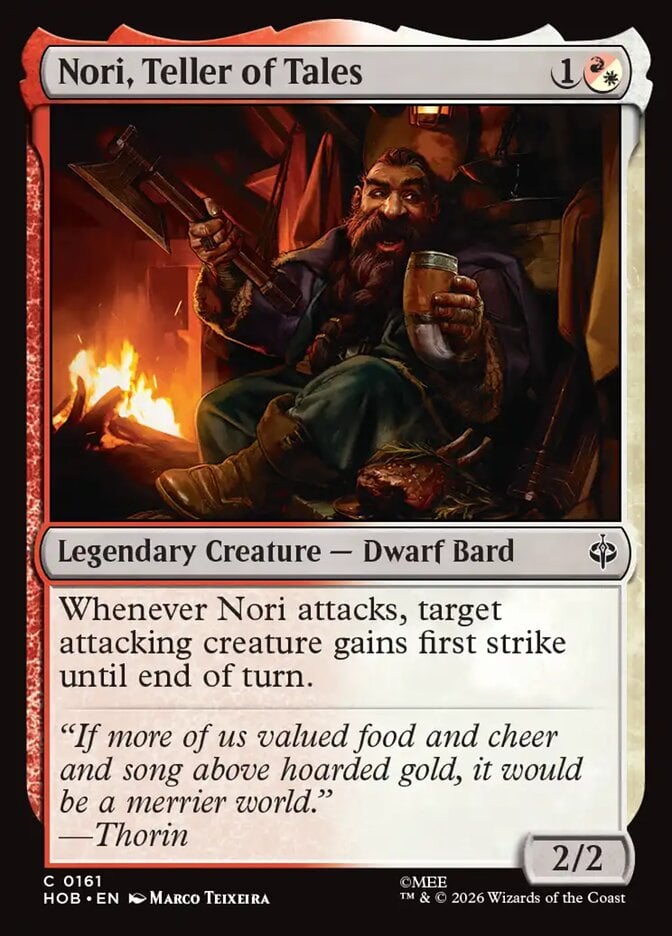
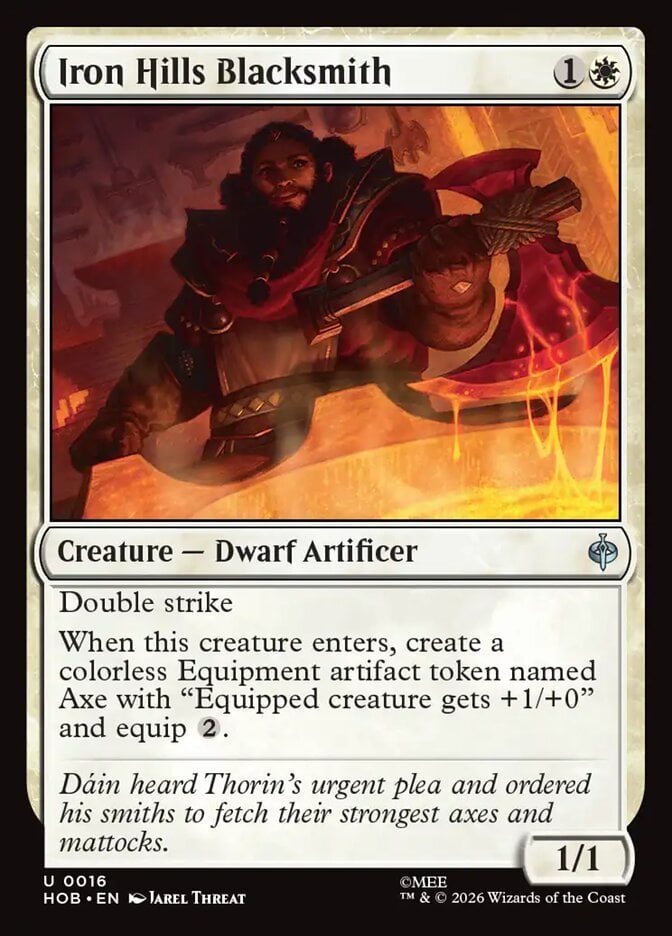
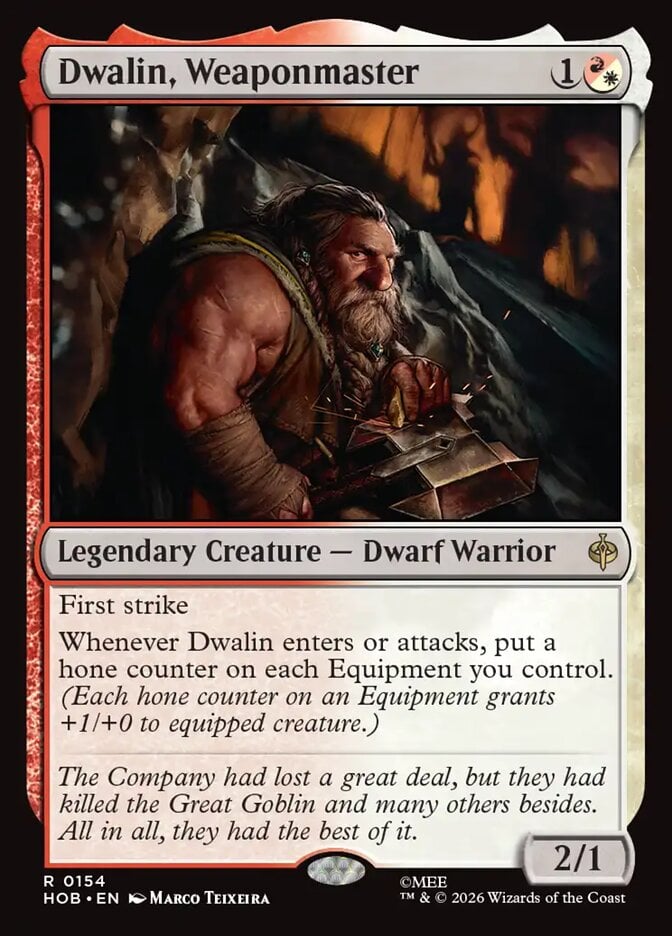
Additionally, certain creatures that thrive in combat become much more problematic. Things with first strike and/or double strike like Nori, Teller of Tales, Iron Hills Blacksmith, or Dwalin, Weaponmaster can quickly inflict lots of damage and there's not much you can do about it early.
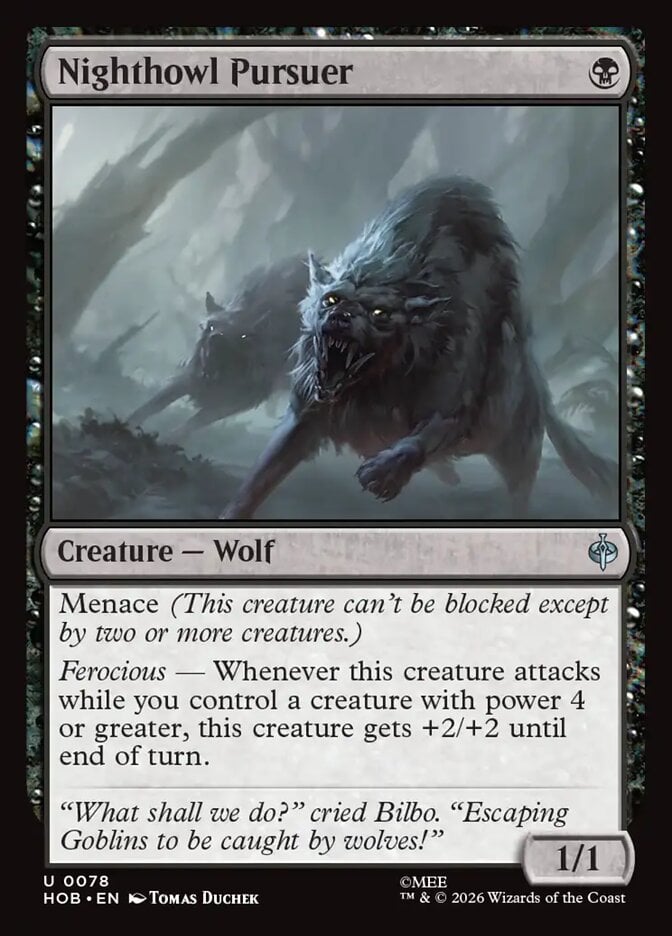
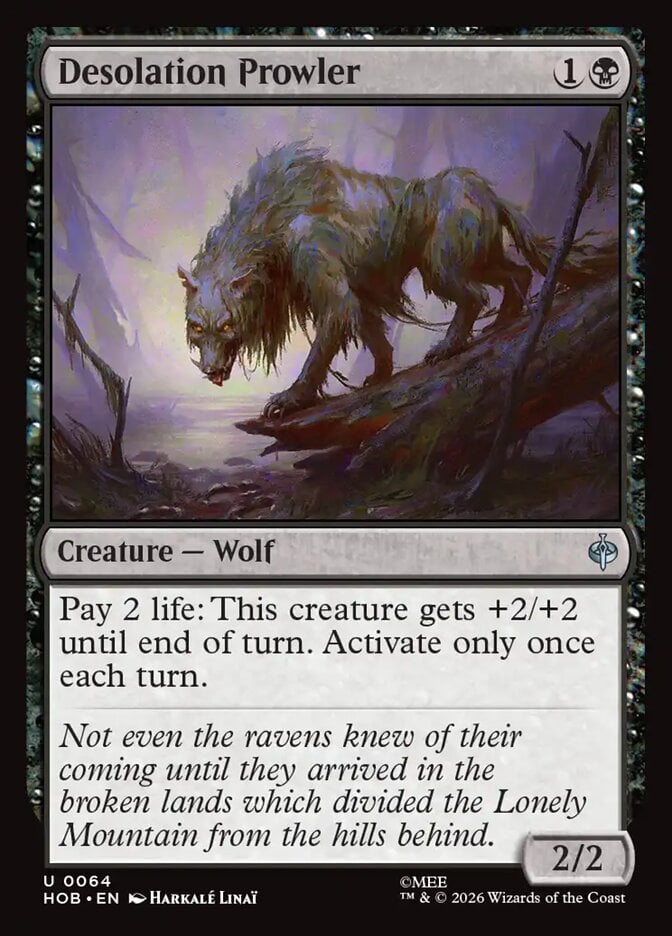
In black decks, Nighthowl Pursuer and Desolation Prowler are also very oppressive early, as it's just nearly impossible to block them in a way that doesn't set you behind in the game.
Recruit Responsibly
Great Gilded Boat | Illustration by Josu Solano
Recruit is a mechanic that seems to be surprisingly skill-testing. Deciding whether or not to discard a nonland card to get a 1/1 white human creature token is a difficult decision, and the ability to make the proper decision will separate the good from the bad.
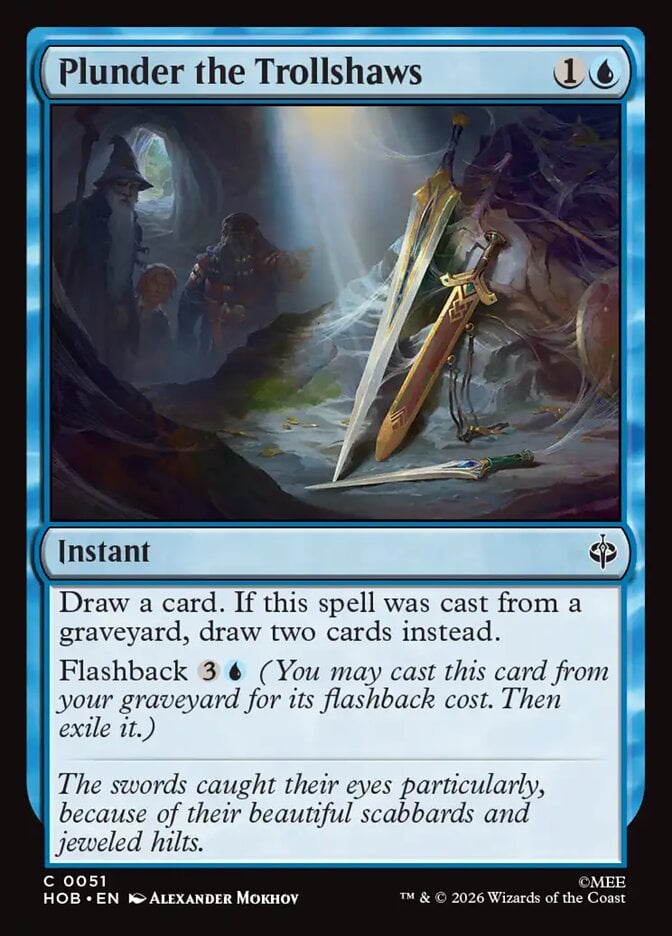
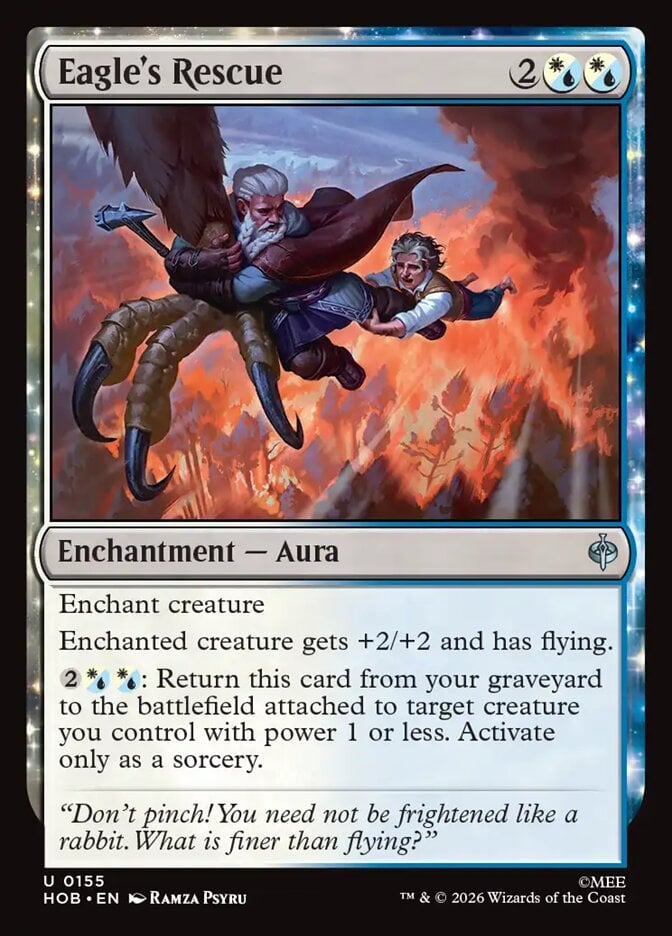
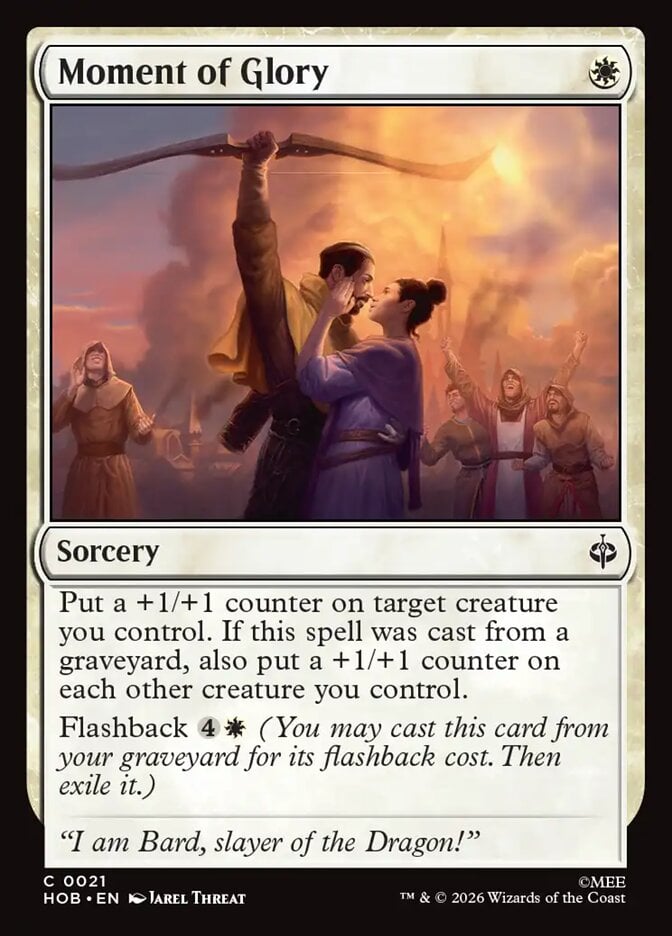
Generally, if you have something that wants to go to the graveyard, you'll want to discard that to recruit first: Plunder the Trollshaws, Eagle's Rescue, Moment of Glory. These all give you value from the graveyard, and so discarding them is not the same as giving up a card.
Next you'll probably want to be discarding any duplicate legendaries you have in your hand. And after that comes the difficult decisions. Really it's about ascertaining what is most important to you right now: A token on board, or a spell you can cast. If your board is already filled with creatures and your opponents stuff doesn't look too scary, maybe discard a land and keep the spell.
If you're falling disastrously behind and you need a blocker right away, discard the spell and make a token. Obviously this is a bit easier said than done, but it's something that's worth paying attention to throughout your games of this format, as this is a skill that can be honed with experience.
Sequencing Sacrifice
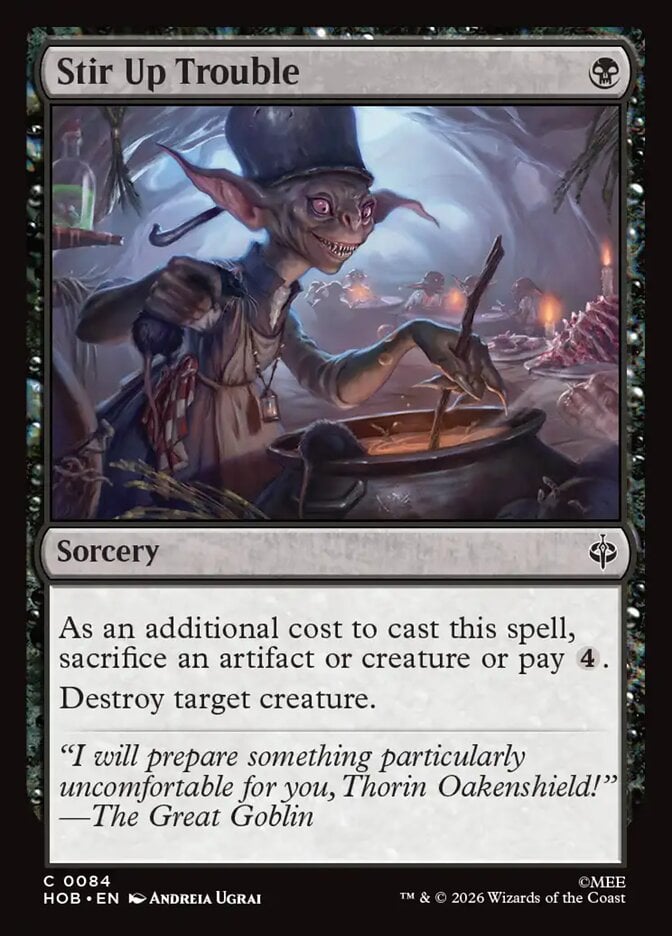
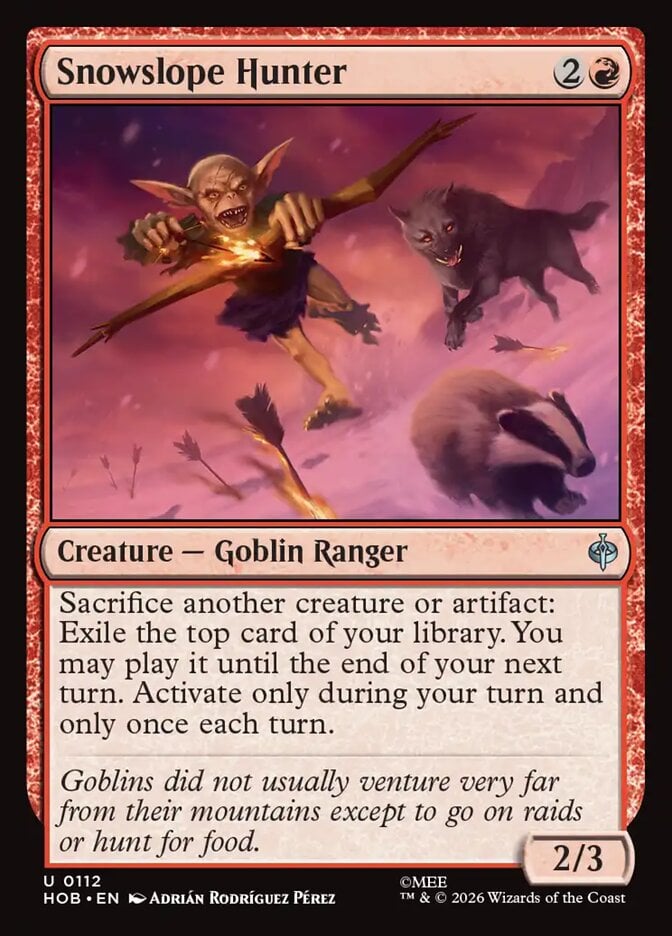
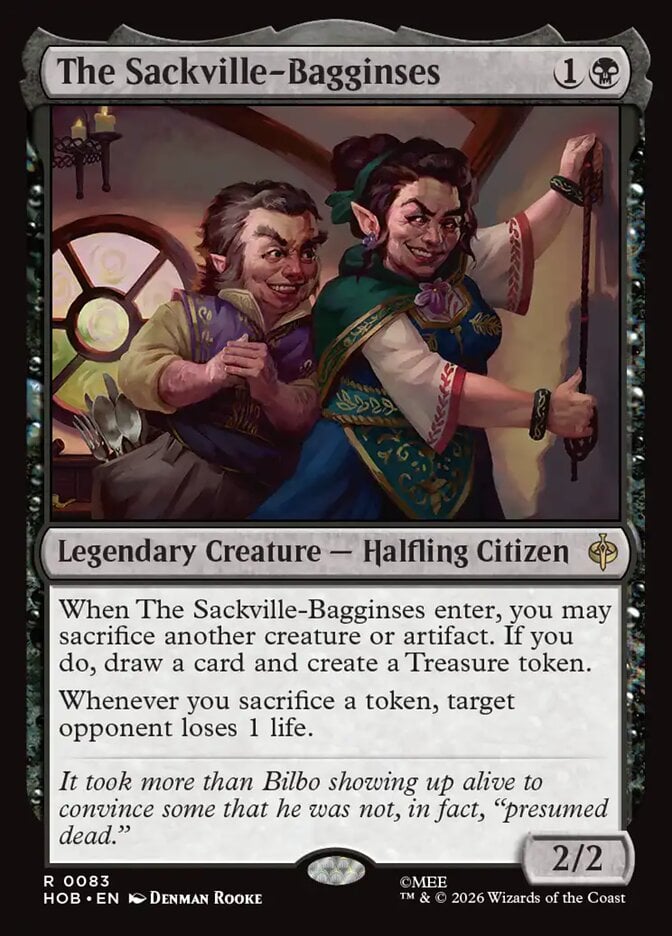
Red black decks in The Hobbit have a lot of sacrifice effects: Stir Up Trouble, Snowslope Hunter, The Sackville-Bagginses, etc. Red black also cares about amassing a huge goblin army token. However, these two things often find themselves at odds with each other. You want to have small insignificant stuff to sacrifice to these effects, but you also want to have a huge creature token, but it would feel terrible to sacrifice a huge creature token, and you'd much rather sacrifice a 1/1.
It therefore pays to be careful with your sequencing of amass spells in these decks. Know what sacrifice effects you have, and know what amass effects you have. If you made a 1/1 army with Tidings of War, and you have the option to cast it from your graveyard for its flashback cost to amass 3 this turn, but you know you want to sacrifice something to Stir Up Trouble next turn, then it may be worth it to play something else now if you have the option, keeping your amass token small so that when you eventually have to sacrifice it next turn to cast Stir Up Trouble, your only losing a 1/1 and not a 4/4.
Avoiding Blow-Outs
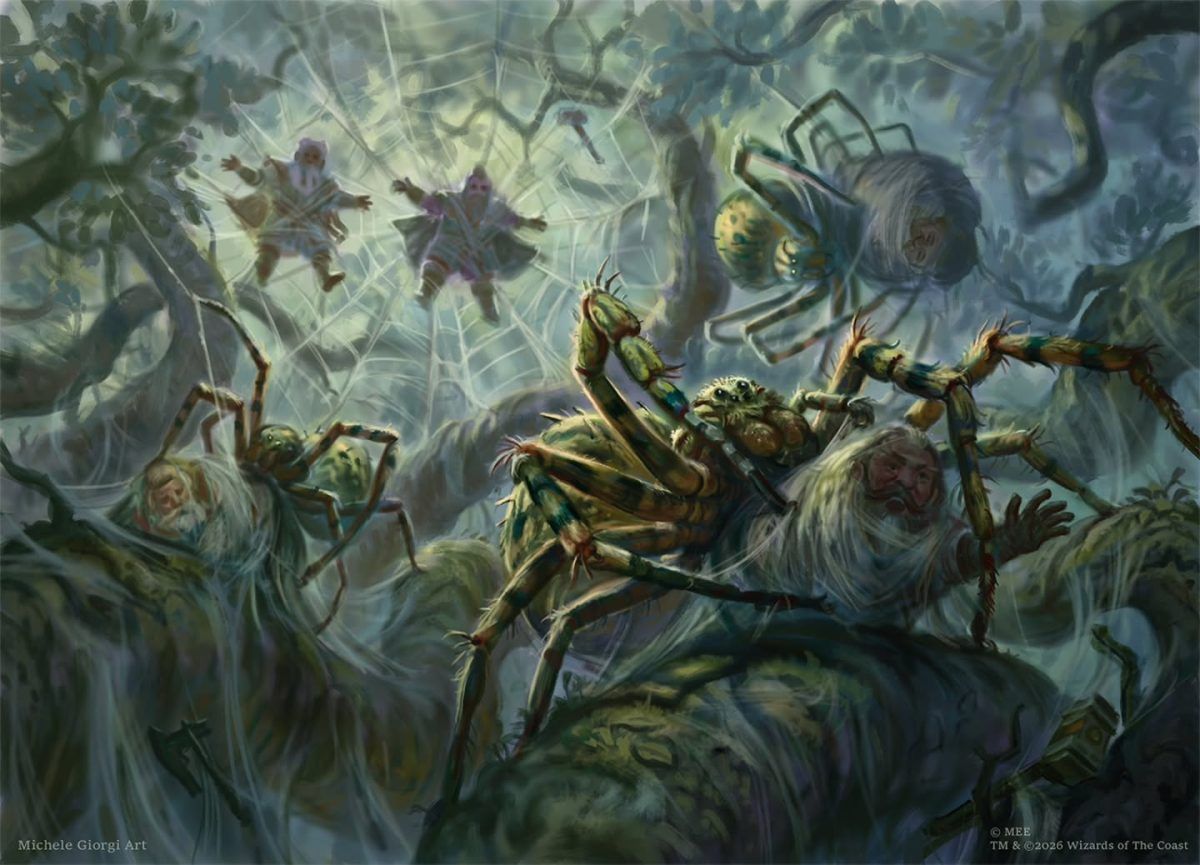
Supper for Spiders | Illustration by Michele Giorgi
Aside from broader gameplay concerns, there are a few individual cards that can be particularly nasty when played against you, and so it pays to be aware of them and how to play around them.
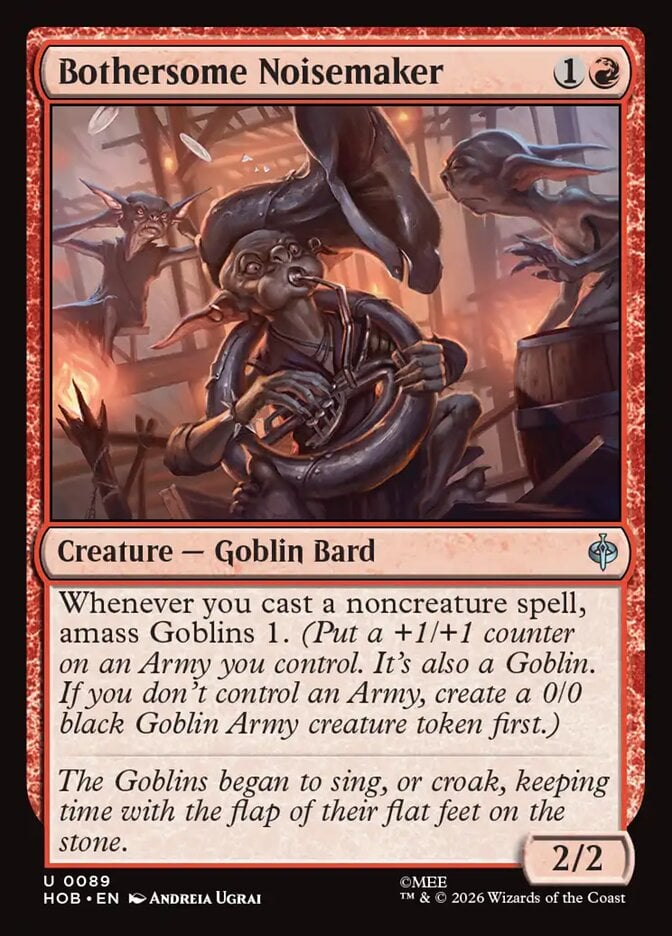
Bothersome Noisemaker is just a good card, plain and simple. But it can also wreck you in combat if you're not careful. If your opponent has a Bothersome Noisemaker in play and they're attacking with an amass token, be very careful when blocking it, as any instant speed spell will trigger the Bothersome Noisemaker and will grow the amass token, essentially turning every instant spell in their hand into a combat trick.
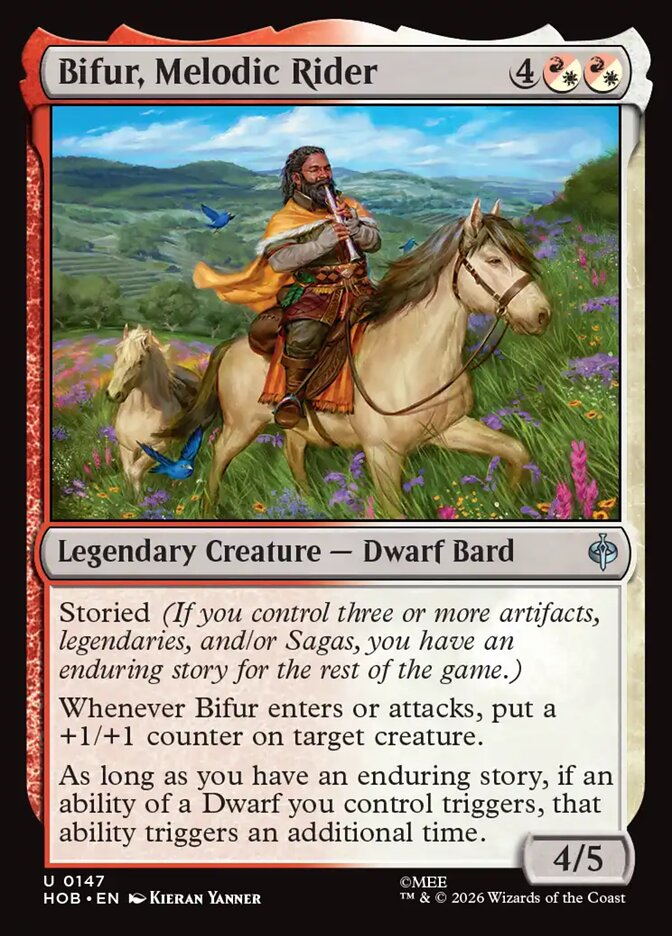
Bifur, Melodic Rider isn't too scary, it's a six-drop with mediocre stats, and an ability that relies on having lots of dwarves. However, be careful of this card when your opponent has Thorin Oakenshield and/or Dwarven Mattock, as doubling triggers of dwarves includes ward, meaning if you try to remove one of their creatures and you aren't paying attention, you'll have to pay the ward cost twice, which could lose you the game on the spot if you don't have the mana to pay it.
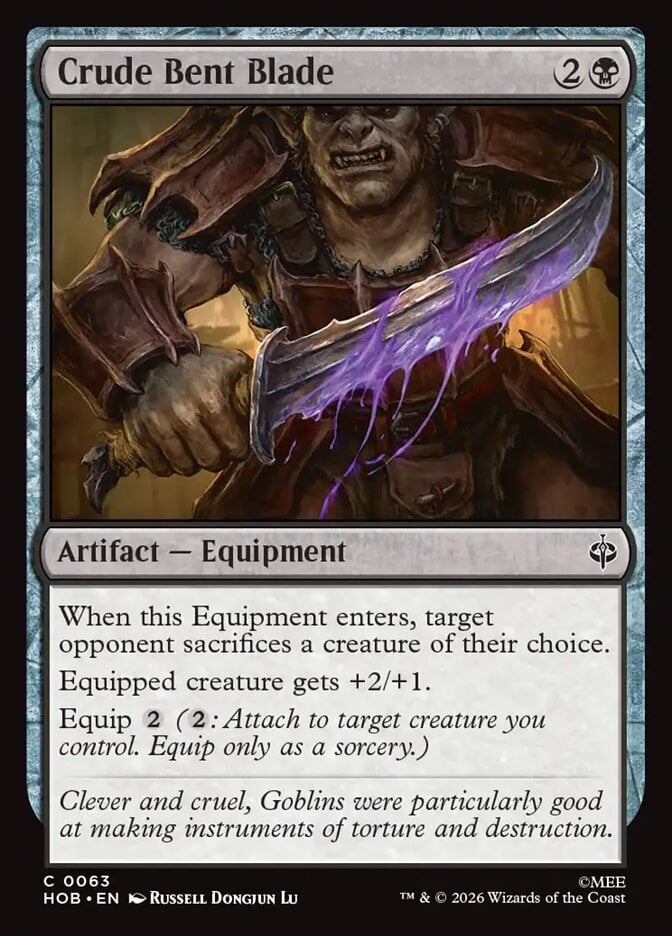
Crude Bent Blade is an over performer early in the format, and any deck that is in black will likely want this card. Therefore, you should be wary of your opponent playing this against you if they are in black, as given that it's a common and this is a small set, chances are they have at least one copy in their deck. Keep some small tokens around if you can, and don't commit a single big creature to the board if you can help it, as you want to be able to have something to sacrifice to this card that won't result in you losing the game.
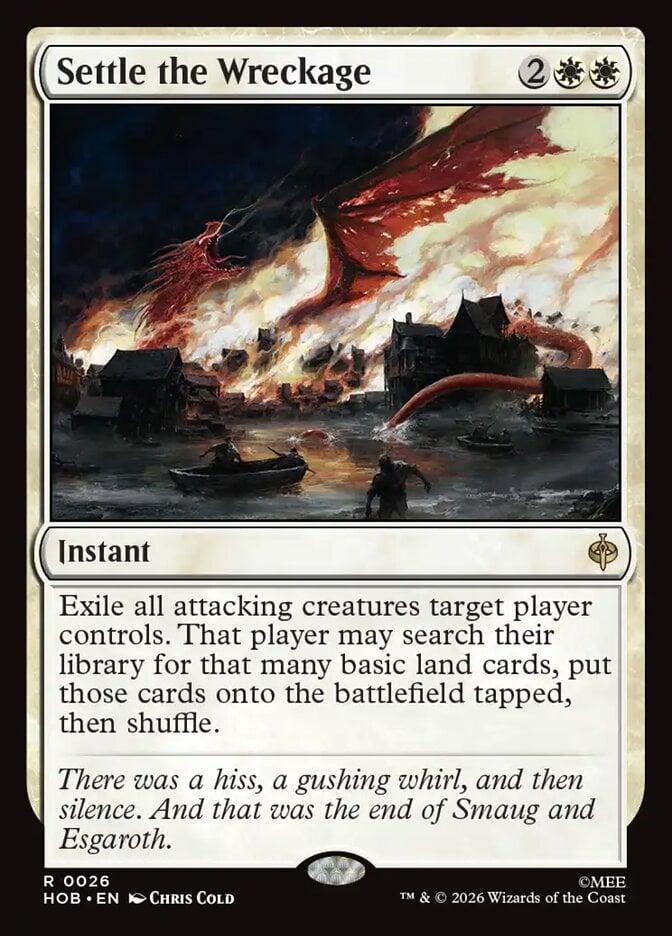
Yes, Settle the Wreckage is in this set, and it is the ultimate blow-out card. If you attack with everything and your opponent has the mana up to cast this card, good luck to you because if they have it, you just lost. Be careful not to attack with everything if you can help it while your opponent is holding up mana for this card, or if possible wait until they're tapped out for a big attack.
Final Thoughts
Bard, King of Dale | Illustration by Xabi Gaztelua
I'm sure there are more pitfalls than just these, and I'm sure that if you play this format enough you'll fall into at least a few of them. The important part is not avoiding mistakes entirely, because that's impossible. The important part is to do what you can to avoid them, and to recognize and learn from your mistakes when you do eventually make them. If you can do that, then you're well on your way to becoming a better magic player. That being said, hopefully this list helped you out a bit, as it's usually more fun if you win.
Follow Draftsim for awesome articles and set updates:










Add Comment